1913-1987
Woody Herman
1913-1987
Woody Herman
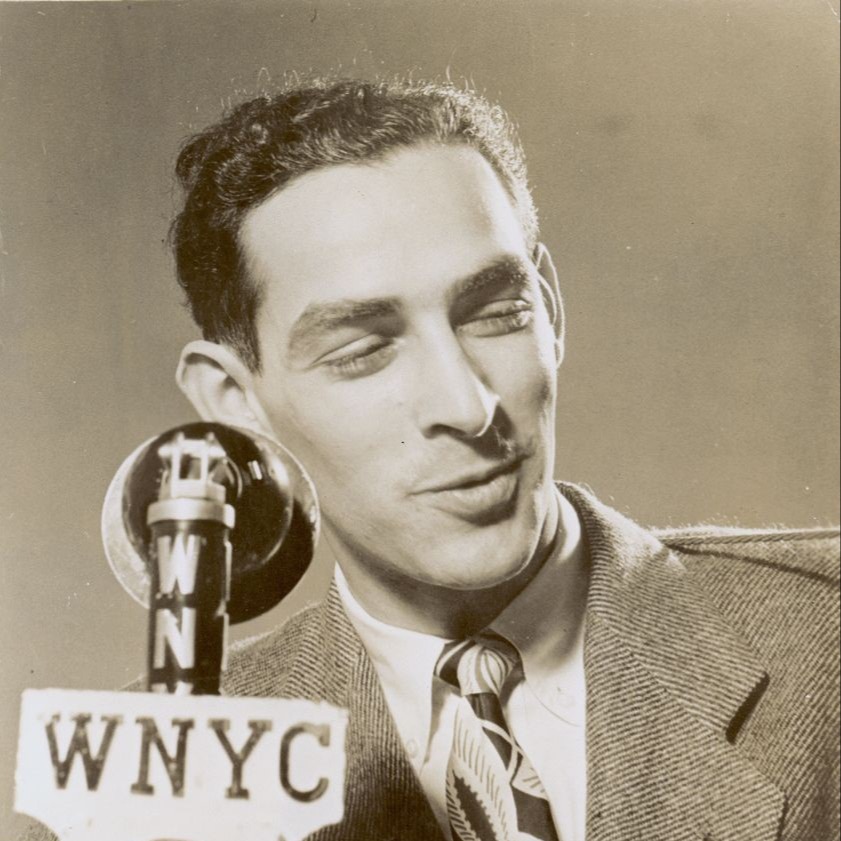
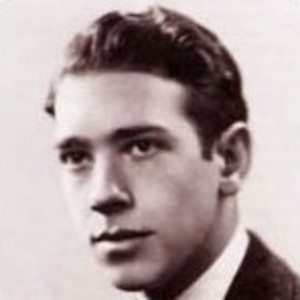
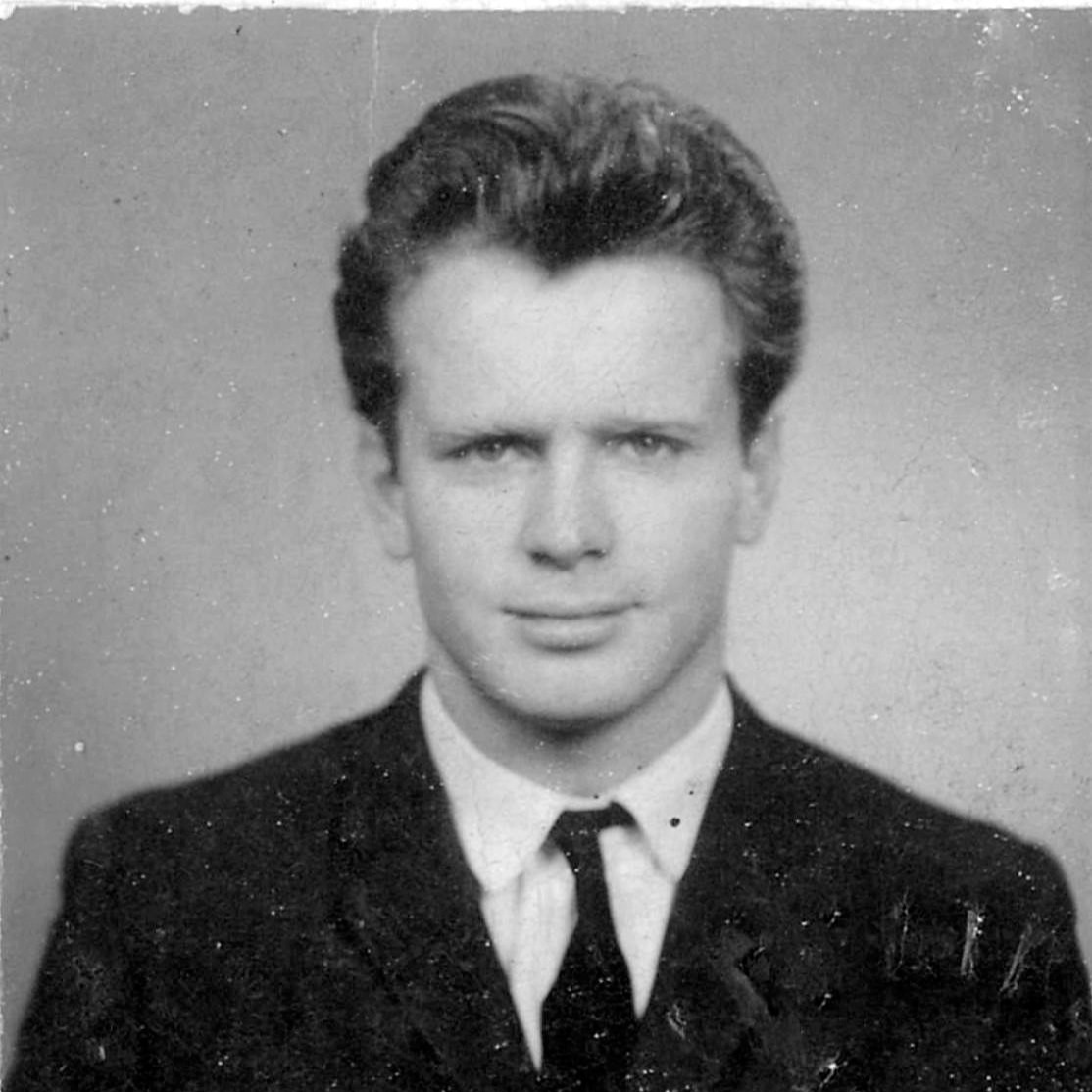
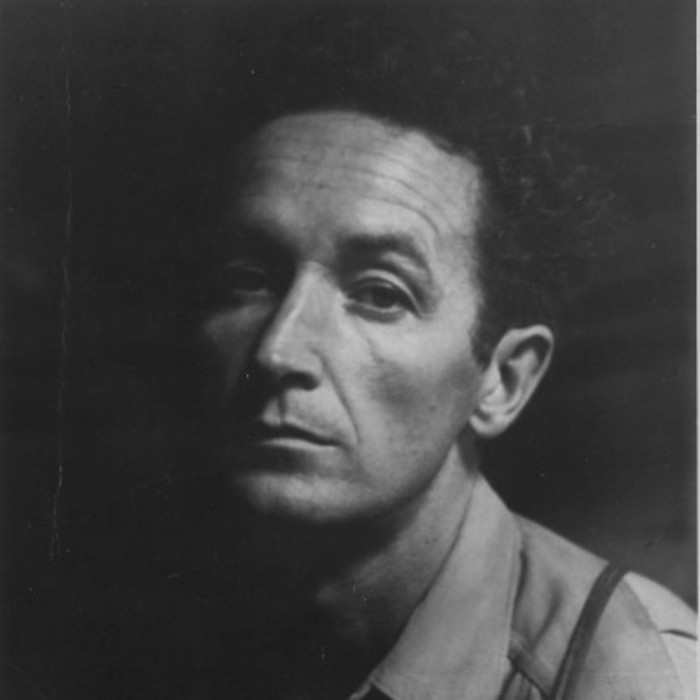
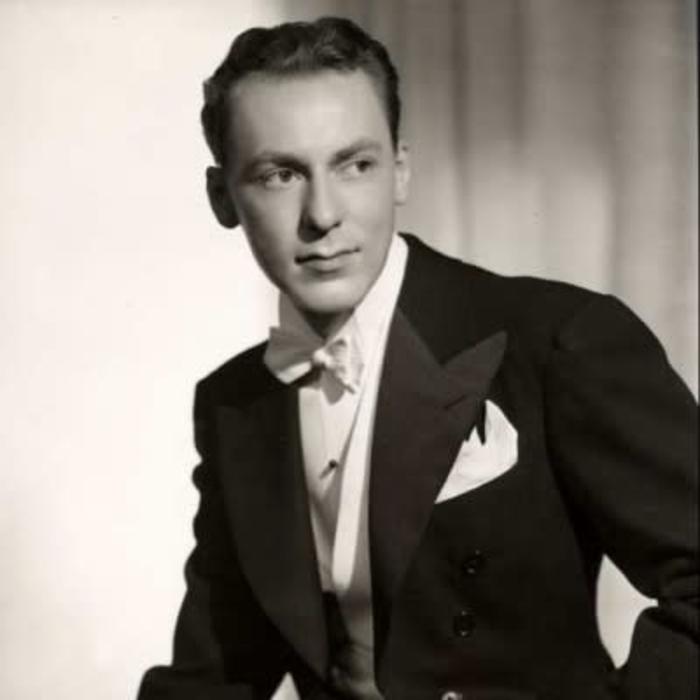
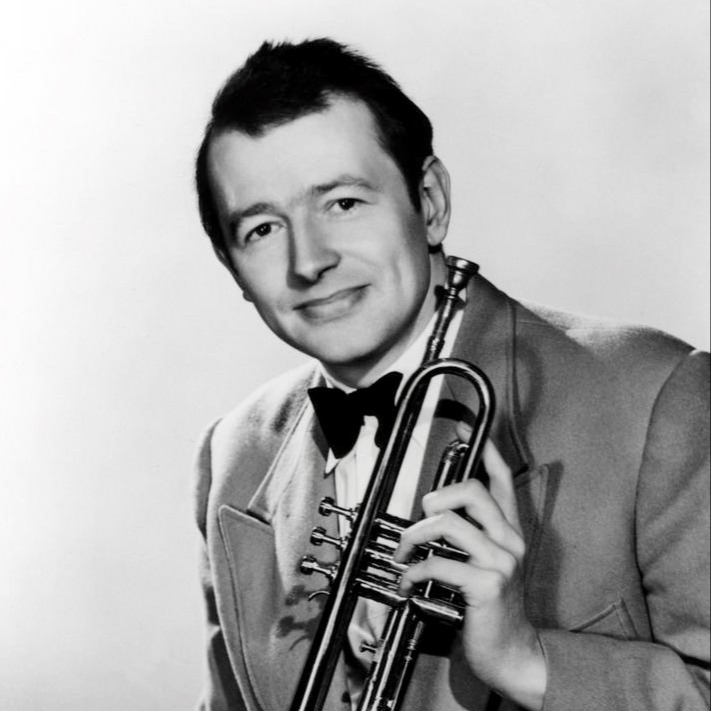
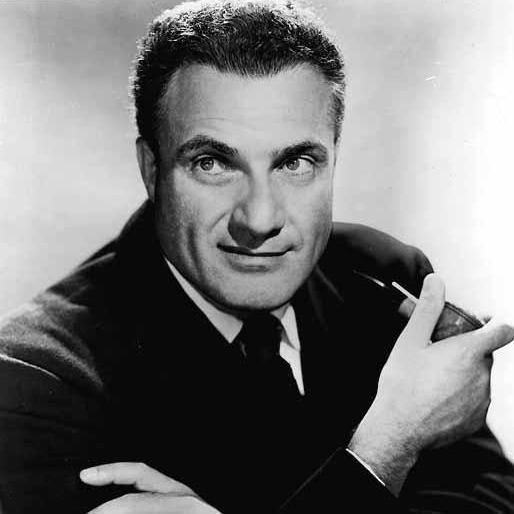
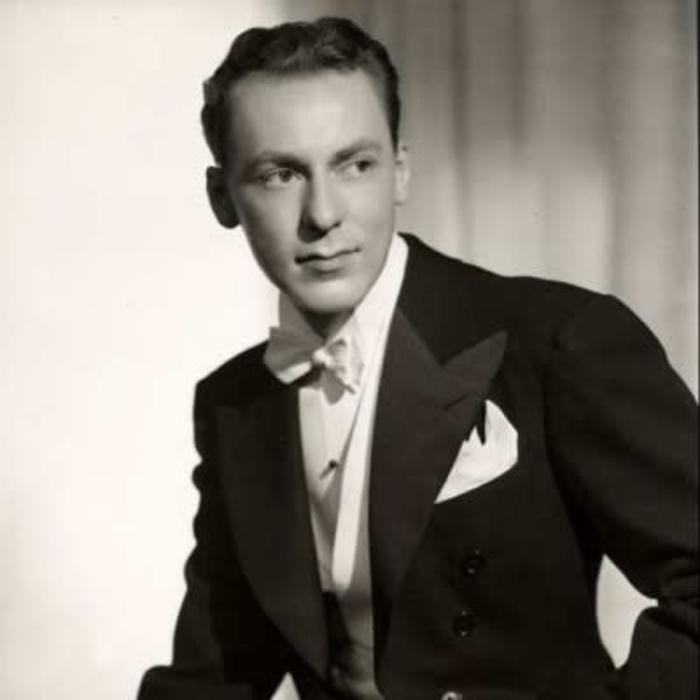
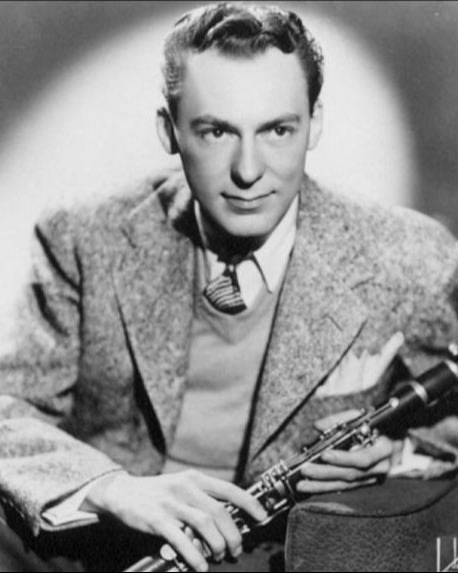
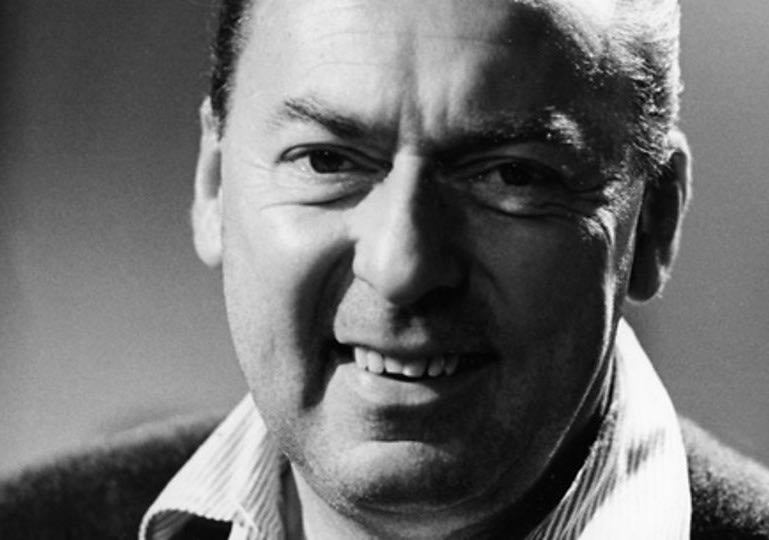
Woody Herman was an American jazz clarinetist, saxophonist, bandleader, and singer, he is best known as the frontman for a series of bands he dubbed “herds.” Woodrow Charles Herman was born on May 16, 1913, in Milwaukee, Wisconsin, to Otto and Myrtle Herman. His father had a love for show business and influenced Woody at an early age. Herman was considered a child prodigy, and began working as a singer and tap dancer by the age of 6, and started playing the clarinet and saxophone by age 12. Nicknamed the “Boy Wonder of the Clarinet,” Herman released his first record, “The Sentimental Gentleman from Georgia,” at the age of 16. After studying music at Marquette University in Milwaukee, Wisconsin, Herman became a touring musician. He joined the Tom Gerun band in 1929, recorded his first vocals "Lonesome Me" and "My Heart's at Ease" and performed with the Harry Sosnick orchestra, and the Isham Jones Orchestra.
In 1936 Isham Jones retired and Woody Herman recruited the remains of the orchestra to form his own ensemble, which he publicized as the “Band That Plays the Blues.” The band recorded for the Decca label, at first serving as a cover band, doing songs by other Decca artists. The first song recorded was "Wintertime Dreams" on November6, 1936. With the new band, Woody was propelled to new heights of stardom with the success of their album by the name ‘Woodchopper’s Ball’ in the year 1939, Woody Herman remembered that "Woodchopper's Ball" started out slowly at first. "[I]t was really a sleeper. But Decca kept re-releasing it, and over a period of three or four years, it became a hit. Eventually, it sold more than five million copies—the biggest hit I ever had. "In January 1942, Herman would have his highest-rated single, reaching #1 the Billboard charts "Blues in the Night" backed by his orchestra. Other hits for the band include "Blue Flame" and "Do Nothin' Till You Hear from Me". This success opened various ambits for their band, It had its own radio show, appeared in motion pictures (such as New Orleans, 1947), and in 1946 performed Igor Stravinsky’s Ebony Concerto at Carnegie Hall.
WoodyHerman3
By 1943, the Woody Herman Orchestra was beginning to take its first steps into becoming the Herd, later renamed the First Herd. Herman's band was heavily influenced by Duke Ellington. In February 1945, the band started a contract with Columbia Records. The first song Herman recorded was "Laura", Herman’s version was a huge success, their next piece was recorded on February 26, 1945, in New York City, called "Caldonia", which reached #2 on the Billboard charts. Herman decided to join ASCAP in 1945, and with his musical collaborators Chubby Jackson and Ralph Burns, his other popular songs included "Apple Honey", "Goosey Gander", "Northwest Passage", "River Bed Blues", "Blues on Parade", "Blowin' Up a Storm", "Music by the Moon", "A Kiss Goodnight", "Your Father's Moustache", "Wild Root", "I Remember Duke", and "Misty Morning". Herman was forced to disband the orchestra in 1946 at the height of its success due to family problems.
In 1947 Herman organized the Second Herd, also known as "The Four Brothers Band". featuring tenor saxophonists Zoot Sims and Stan Getz. The band pioneered the combination of three tenor saxophones and one baritone saxophone and became identified with the song “Four Brothers,” which used that grouping. Among this band's hits were "Early Autumn", and "The Goof and I", Herman and his band appear in the movie New Orleans (1947) with Billie Holidayand Louis Armstrong. After the Second Herd disbanded in 1949, Herman formed and lead his next endeavor the “Thundering Herds.” In the early 1970s, the band toured frequently, Herman also began focusing more in jazz education, offering workshops and mentoring young musicians, this earned him the nickname Road Father and the bands were known as the "Young Thundering Herds." In January 1973, Herman was one of the featured halftime performers at Super Bowl VII. On November 20, 1976, a reconstituted Woody Herman band played at Carnegie Hall in New York City, celebrating Herman's fortieth anniversary as a band leader. Woody Herman performed live concerts continuously throughout the 1970s and’80s and in 1986 released Woody Herman and His Big Band's 50th Anniversary Tour. He passed away on October 29, 1987.
Throughout Herman’s career, he acquired a variety of accomplishments. He won four Grammy awards including the “Lifetime Achievement Award” in 1987. He was inducted into the Big Band and Jazz Hall of Fame in 1981. He was awarded a Star on the Hollywood Walk of Fame for Recording at 6805 Hollywood Boulevard in Hollywood, California, and received an Honorary doctorate, from Berklee College of Music, in 1977. His autobiography, The Woodchopper’s Ball was published in 1990.