1945-2015
Doug Rowe
1945-2015
Doug Rowe
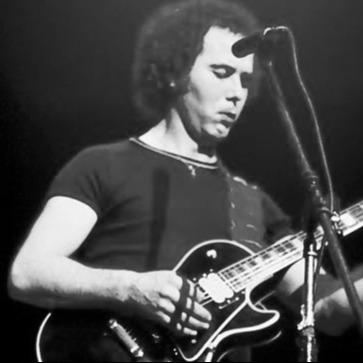
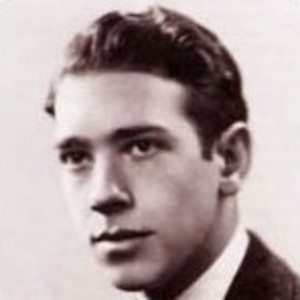
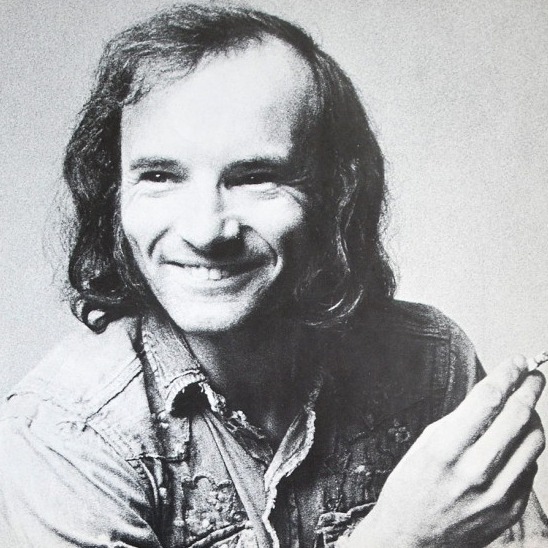
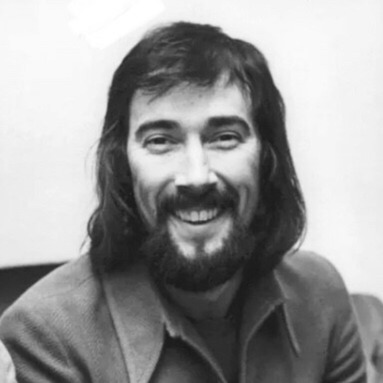
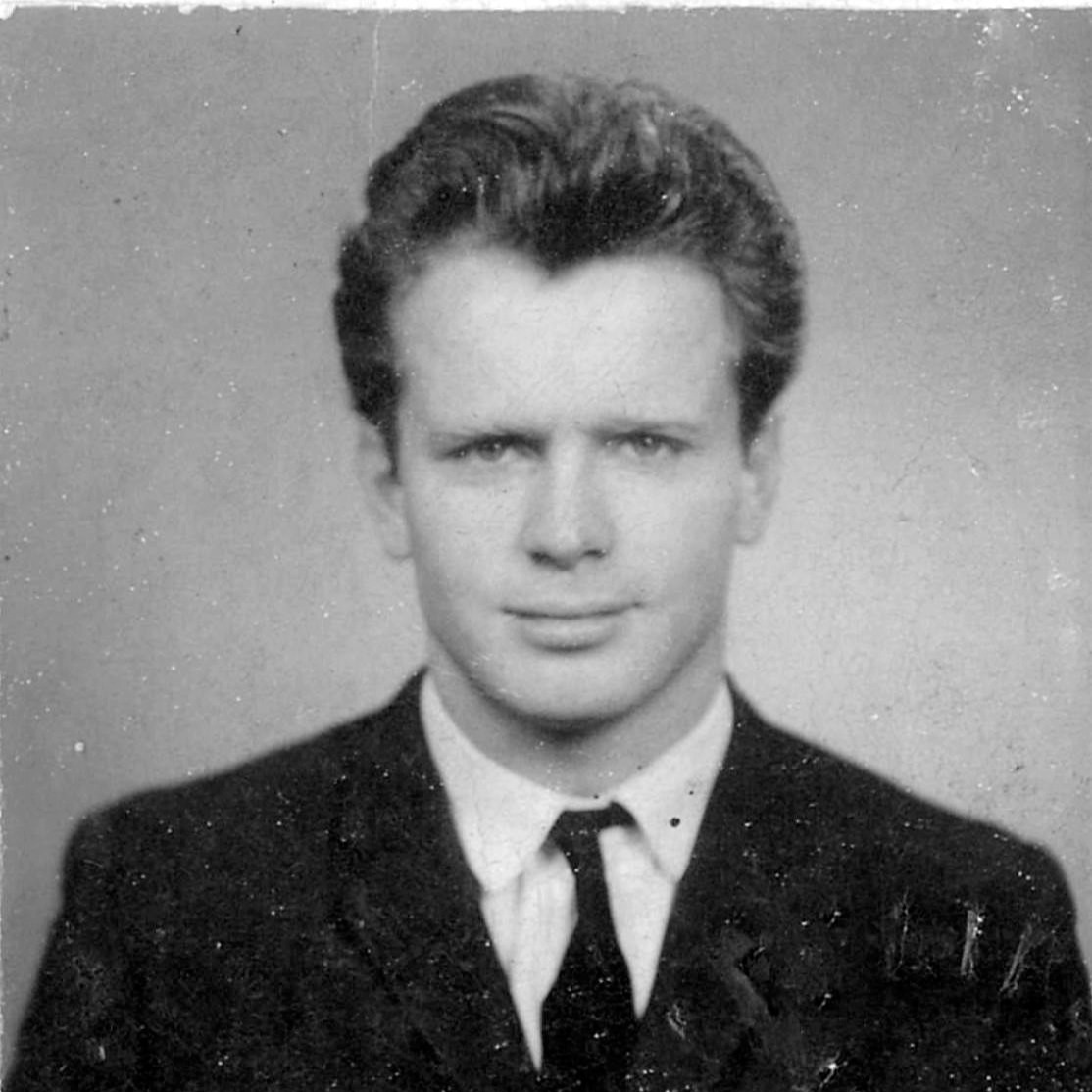
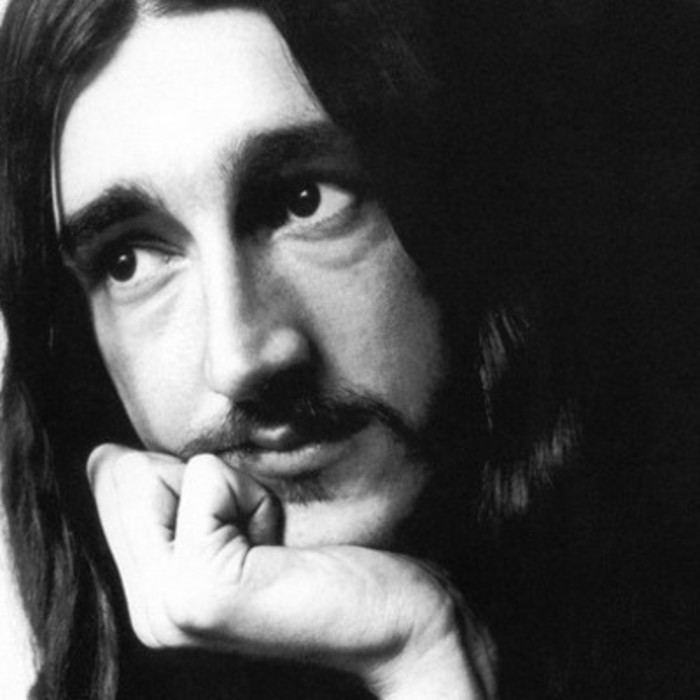
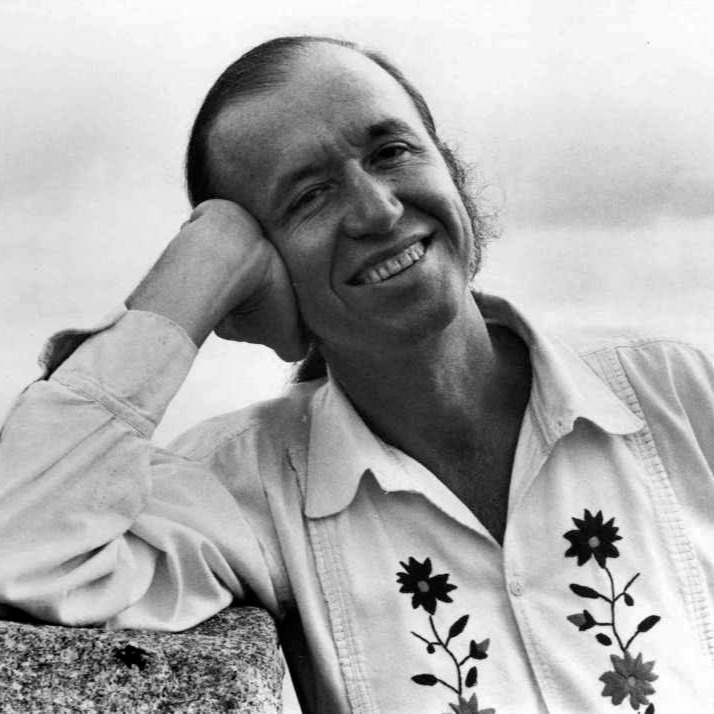
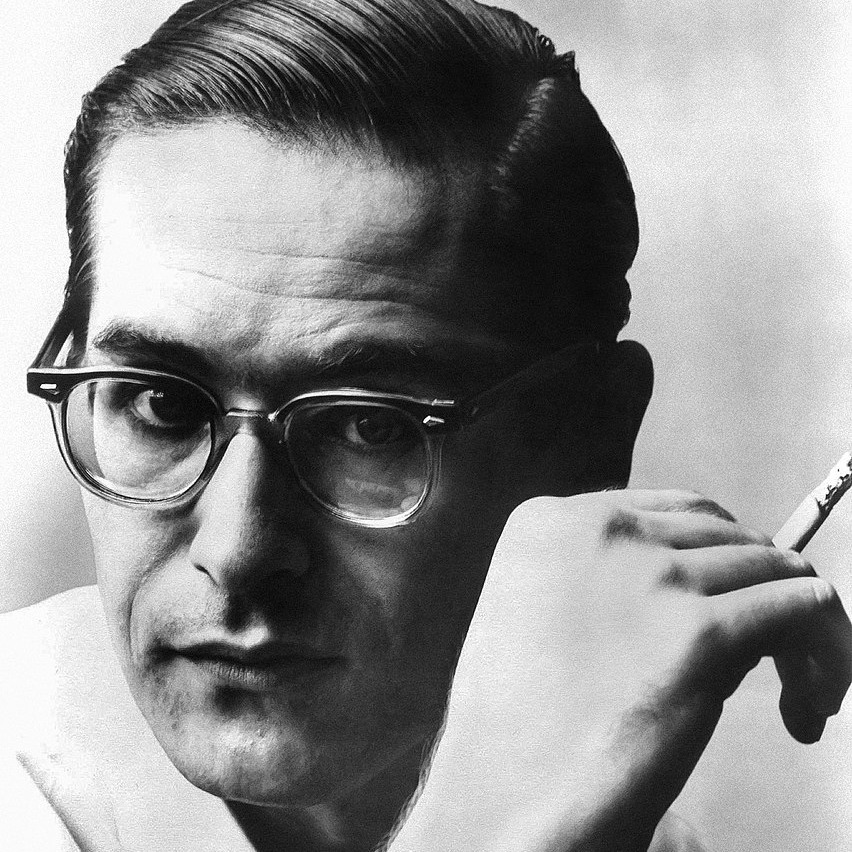
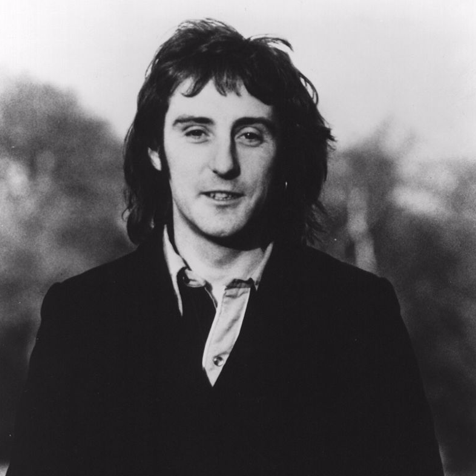
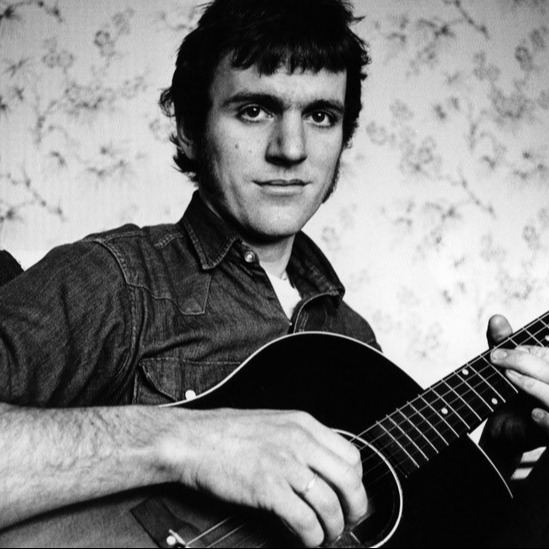
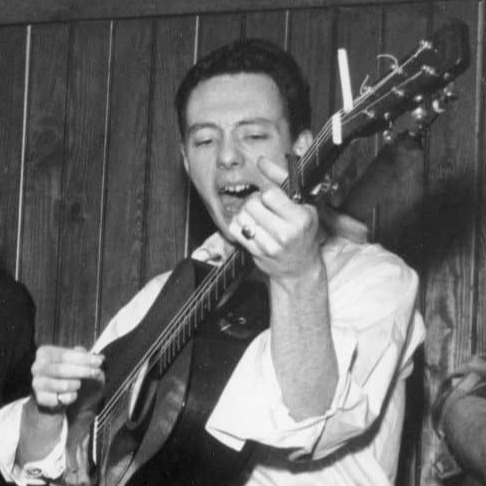
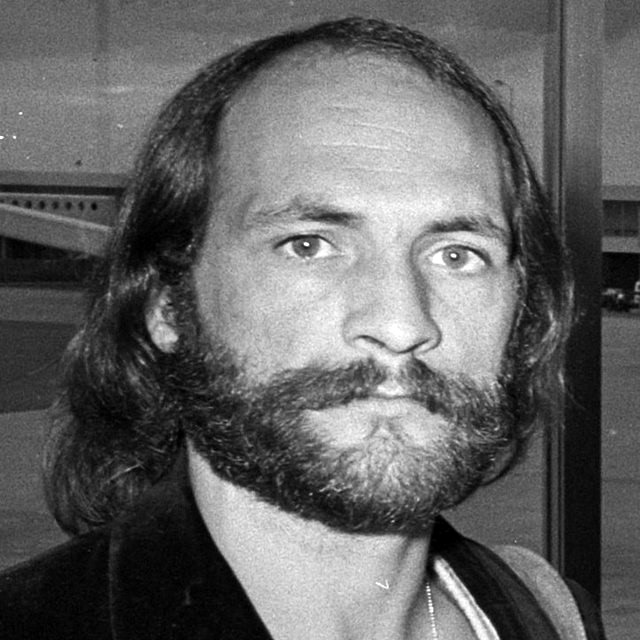
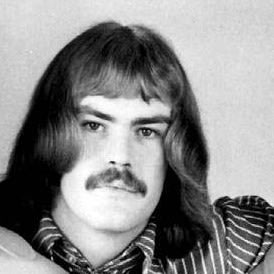
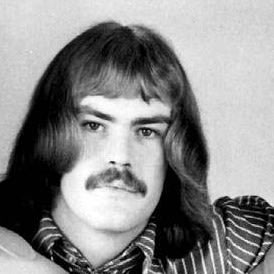
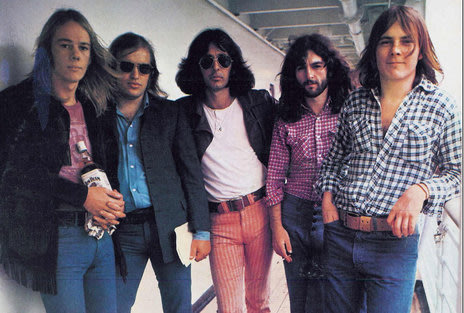
Doug Rowe was a New Zealand guitarist, singer, and songwriter most well known for his contributions to the Australian pop and country rock band “The Flying Circus”. Rowe was born on December 24, 1945; he grew up in Palmerston North New Zealand but also spent time in Australia and Canada. Doug Rowe began his musical career as the lead guitarist for The Saints, a mid-1960s Palmerston North group. Doug Rowe eventually shifted towards the New Zealand 60s r&b band “Peter Nelson and the Castaways”, traveling to Auckland then Sydney Australia where the group had a sizeable hit ‘Skye Boat Song’. In mid-1968, Rowe co-founded the group The Flying Circus, as the lead guitarist and vocals with James Wynne (lead vocals, rhythm guitar), Bob Hughes (bass, vocals), and Colin Walker (drums). The Flying Circus was a band that favored a country/ folk/ rock sound, and performed "harmony-rich covers of Byrds, Dylan, and Dillard's country songs." Like the Byrds, a prominent part of their early sound came from the use of a 12-string Rickenbacker guitar. “Flying Circus” was signed to EMI's Columbia label in late 1968 and appeared at an outdoor concert in Sydney on Australia Day 1969.
Flying Circus found its first hit with its debut single, “Hayride” in February 1969, a cover of American songwriters, Buzz Cason and Mac Gayden's song which peaked at No. 23 on the Go-Set National Top 40.The song was branded with a bubblegum pop tag, but the band’s stage performances and later recordings followed the country rock genre. "Hayride", was initially banned in New Zealand due to a suggestive lyric, "making love in the hay" but a promotional clip of the song was broadcast on the national TV pop show, Uptight!, earning the band recognition.The group’s second single, also an Australian bubblegum pop hit "La La" was released in May 1969 and reached No. 9 on the charts. Flying Circus recorded their self-titled debut album in May,produced by Mike Perjanik and released later that year. Perjanik would go on to become one of Australia’s most successful television score composers with credits on ‘The Restless Years’, ‘A Country Practice’, and ‘Hey Dad’. According to Australian musicologist, Ian McFarlane, the album "was an odd collection of the pop hits, Byrds' covers, an ill-conceived medley of songs from the rock musical Hair and a couple of Rowe's country-rock tunes."
DougRoweFlyingCircus cropped bw
The band released a third hit single written by Rowe, "Run Run Run", in December 1969, it was their last bubblegum pop hit and peaked at No. 19 on the charts. In the following year, The Flying Circus released its first extended play, Frontier, in April 1970.Its four tracks were produced by Perjanik, the band returned to their country-rock roots; with the EP including Rowe's "I Remember Jo-Anne" and Wilkins' "When Will I See You As You". Flying Circus released their second album, Prepared in Peace, in July 1970, which comprised 12 original tracks in folk and country styles. It was critically well-received and eventually peaked at No. 20 on the Go-Set Top 20 Albums chart in October. In October 1970 the Flying Circus released a single, "Israel" Their third album, Bonza, Beaut & Boom Boom Boom (1971) on EMI Records/Harvest Records, was "a straight-ahead rock LP."Two singles, "Turn Away" (February 1971) and "It Couldn't Happen Here" (April), were released, but they did not chart. The band relocated to Toronto Canada from 1971 to 1974 where they achieved chart success with "Old Enough (to Break My Heart)" and "Maple Lady" (both 1972). They gained a deal from Toronto music agency, Music Factory, for $10,000, which sponsored a two-month tour. In July 1971 they visited Australia where they released their next single, "The Ballad of Sacred Falls" (September),which was a Crosby, Stills & Nash-influenced track.
Back in Canada, in late 1971, they toured Canada for most of 1972, "where audiences were more receptive.” The Flying Circus became part of the Toronto rock music scene. After scoring a reputed million-dollar contract with Capitol Records,they recorded their next album, Gypsy Road, via Warner Music Group, which McFarlane felt, "delivered everything the past years had promised."The single, "Old Enough (To Break My Heart)", reached No. 19 on the Canadian charts, and its follow-up, "Maple Lady" (October 1972), peaked at No. 58 on the RPM 100 Top Singles and made the lower end of the US Billboard Hot 100. The Flying Circus returned to Australia for the second Sunbury Pop Festival in January 1973, the band released another rock-based album, Last Laugh, in 1974, however, by the end of 1974 the group disbanded. Doug Rowe remained in Toronto, where he set up his own studio, and he later returned to Australia. In 1982 he joined a country-rock band, Grand Junction, which won a Golden Guitar at the Tamworth Country Music Festival for "Married Women", where he performed country rock for many years notably with Pig Iron Bob. In his last years, Doug Rowe worked at Charles Sturt University in the Division of Facilities Management, playing in bands in the evening.
Douglas John Rowe died on July 23, 2015, at the age of 69.McFarlane reflected on Rowe and the group, "he was a very under-appreciated talent in Australia. Between 1968 and 1974 his band Flying Circus issued a series of finely crafted albums that mixed elements of folk rock, country rock, and mainstream rock into a very listenable whole. As well as the jangly guitars and country textures, the band's wonderful harmonies added the extra texture that helped to distinguish the music from the sounds so prevalent here at the time: progressive rock, boogie rock, heavy blues, and glam rock."