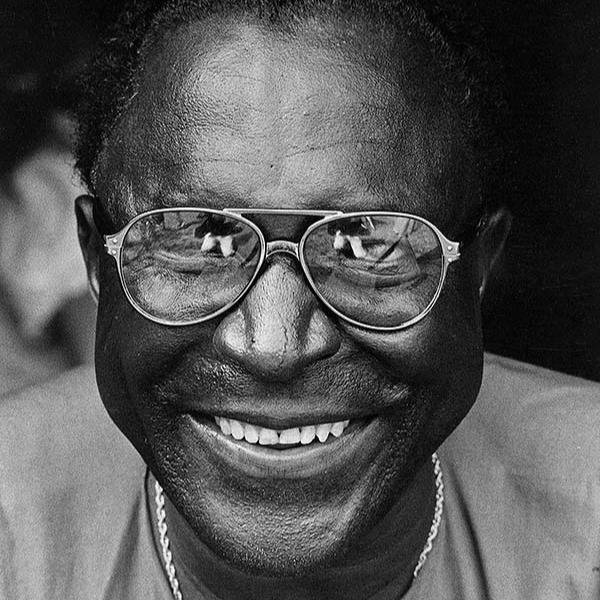
1888-1949
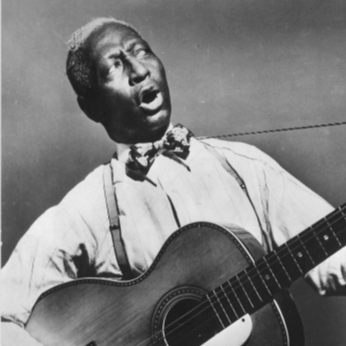
Lead Belly
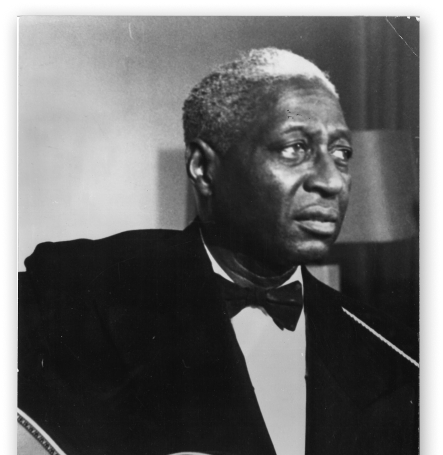
1888-1949
Lead Belly
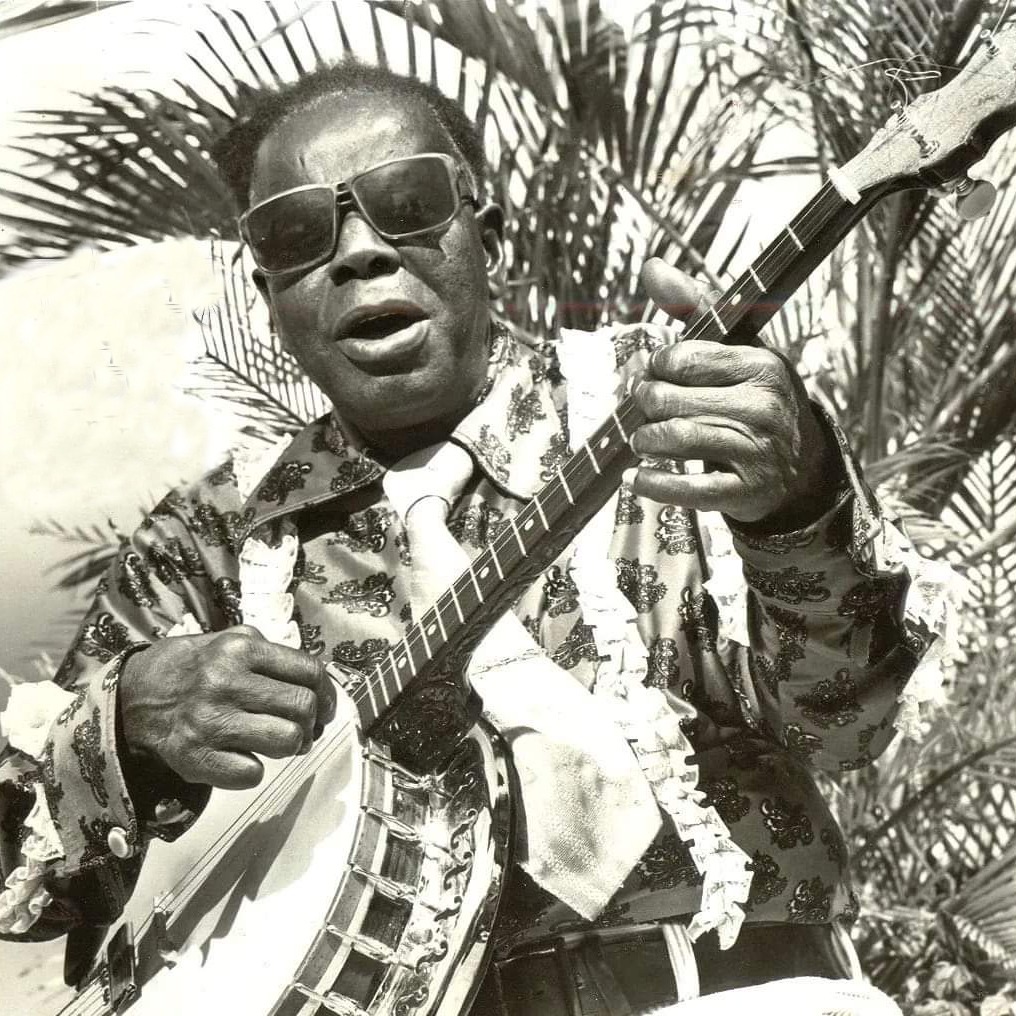
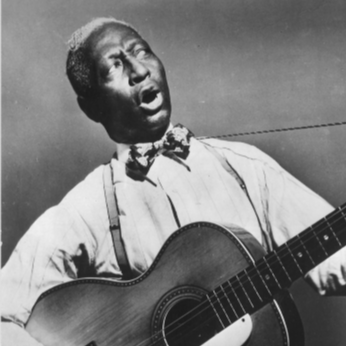
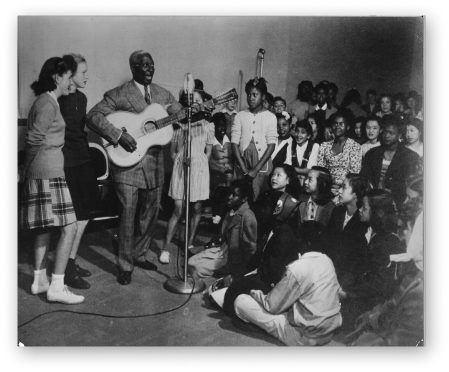
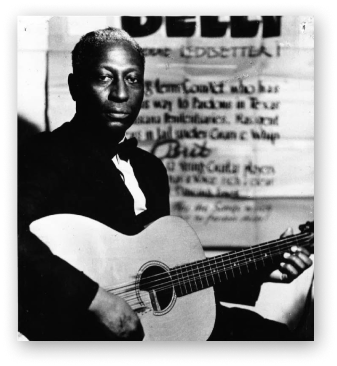
In the early 1930s, with a small grant, John A. Lomax proposed and undertook a massive documentation project that resulted in thousands of audio recordings including those of former slaves. It was mid-Depression, he had lost both his Texas job and his wife and no one got paid for work done outside the Library of Congress. Folksongs had no monetary value then. When John and his son Alan Lomax visited Angola [Louisiana] Penitentiary in 1933 they were captivated by the vibrant tenor voice, extensive repertoire and big personality and intelligence of Huddie Ledbetter, known as Lead Belly.
They recorded him and in 1934 returned with better equipment. After his release from prison, Lead Belly worked with the Lomaxes for a little over six months. They recorded and transcribed the first recordings of Lead Belly’s full repertoire and his personal history and introduced him to the audiences and peers who could truly appreciate his extraordinary talents and who would become his mainstays, followers and friends for the remainder of his life. Negro Folk Songs as Sung by Lead Belly (1936) was perhaps the earliest serious oral biography of a folksinger to appear in print.
“[Lead Belly] was an icon of 20th century American folk music.”
Joseph Madeupname
Image caption, Vitae Porta nunc convallis neque ornare sit. Dictum eros egestas tortor in sagittis donec vitae purus.
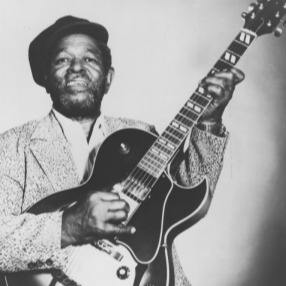
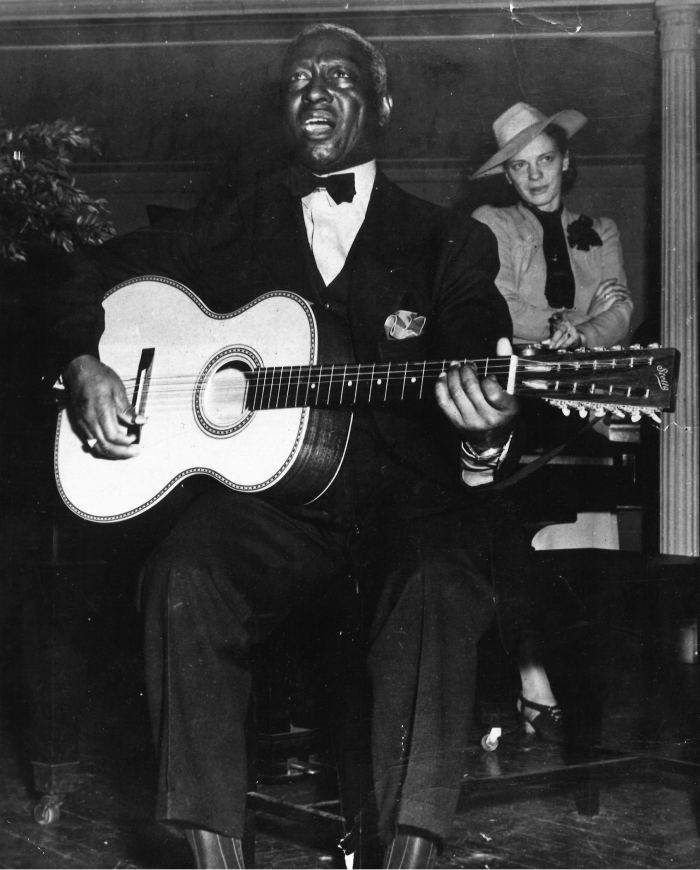
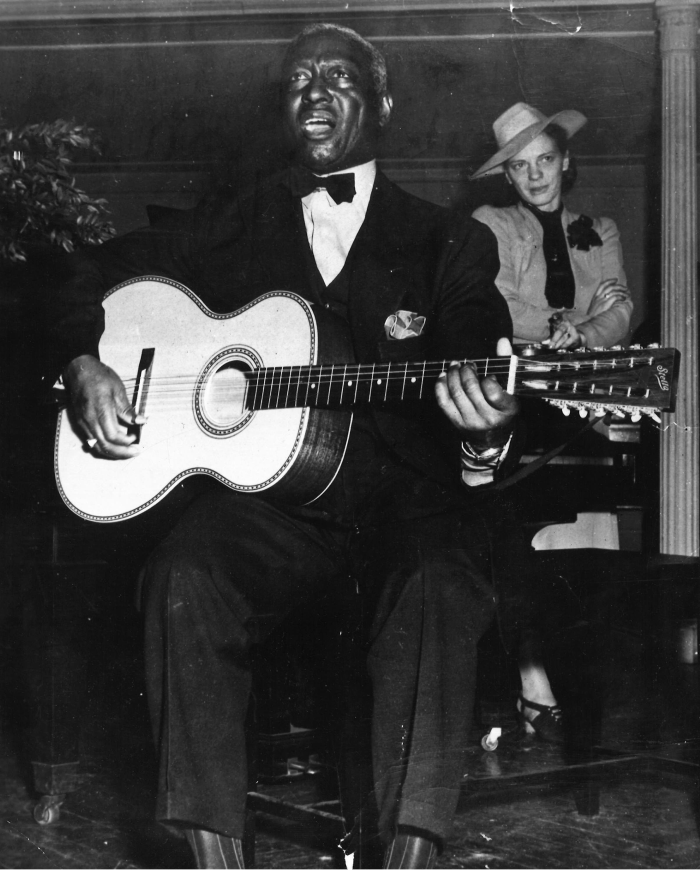
Lead Belly was an icon of 20th century American folk music. He is best remembered as the King of the 12-String Guitar and his song repertoire including
Goodnight Irene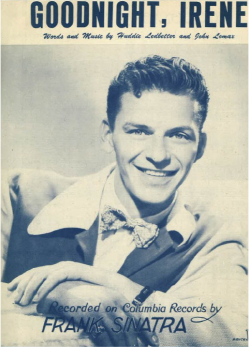
, Rock Island Love, Midnight Special and Cotton Fields. He was a major influence on Woody Guthrie and Pete Seeger who in turn influenced the folk revival and early development of rock and roll. He was inducted into both the Rock & Roll Hall of Fame (1988) and the Songwriters’ Hall of Fame (1970) and was honored with the Folk Alliance Lifetime Achievement Award (1998). The 125th anniversary of his birth was celebrated in 2015 with a Kennedy Center concert followed by concerts in London and New York.
Born on the Jeter Plantation near Mooringsport, Louisiana, he showed an early interest in music, learning the button accordion and playing for his parents’ church. He picked up his first guitar in 1903 and in 1912 met street musician Blind Lemon Jefferson with whom he used to play in the Dallas area. In 1915 he was convicted of weapons charges and sentenced to 30 days on a chain gang. He escaped and moved to Bowie County, TX where he lived under the name Walter Boyd and returned to performing while also working as a sharecropper. He served another prison sentence at Shaw Prison Farm, transferring to Sugarland where he was pardoned in 1925 after the minimum 7 years on an appeal to Governor Pat Neff for whom he performed and wrote a song.
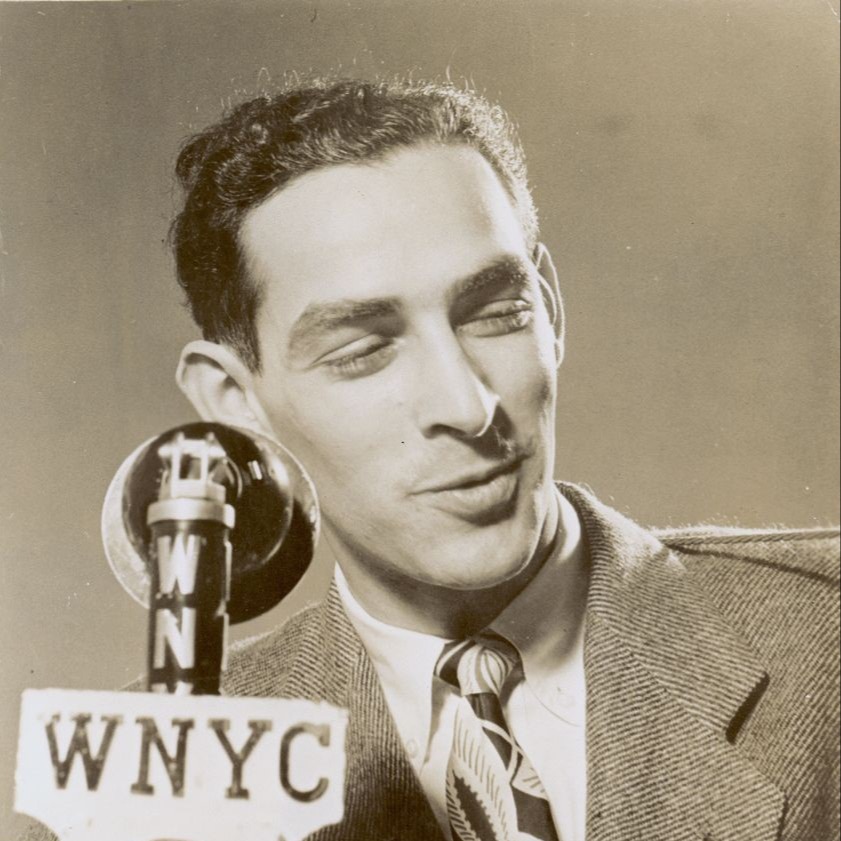
After his 1935 pardon he worked with the Lomaxes collecting folk songs in Southern prisons. In 1936 John Lomax and Lead Belly went their separate ways, Negro Folk Songs as Sung by Lead Belly was published, and Lead Belly moved to New York City with his wife Martha Promise, quickly building a career as a performer. In 1940 he launched his own weekly 15-minute radio show on station WNYC, Folksongs of America produced by Henrietta Yurchenko. He also recorded a set of commercial recordings for RCA and returned to recording for the Library of Congress.