1946-
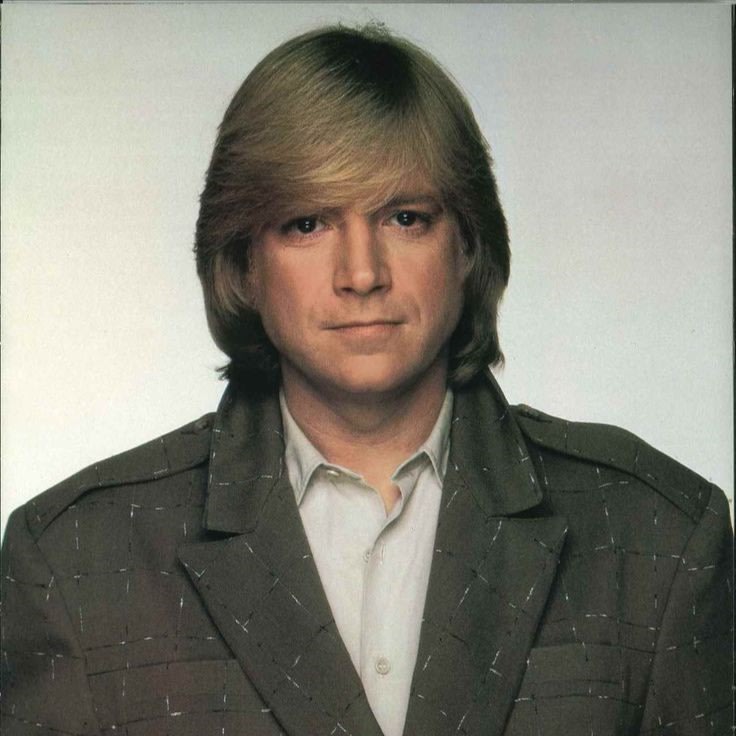
Justin Hayward
1946-
Justin Hayward
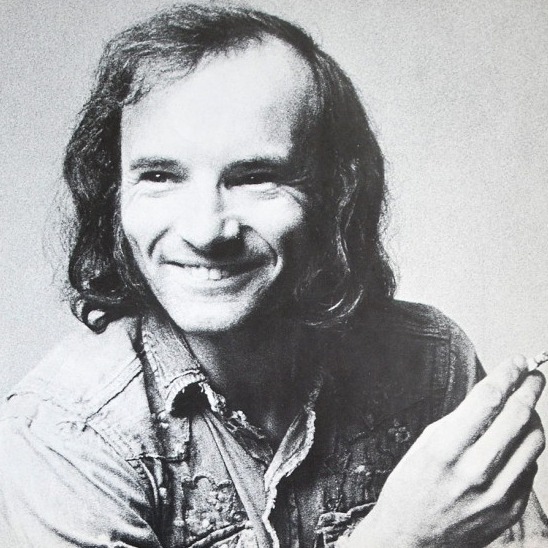
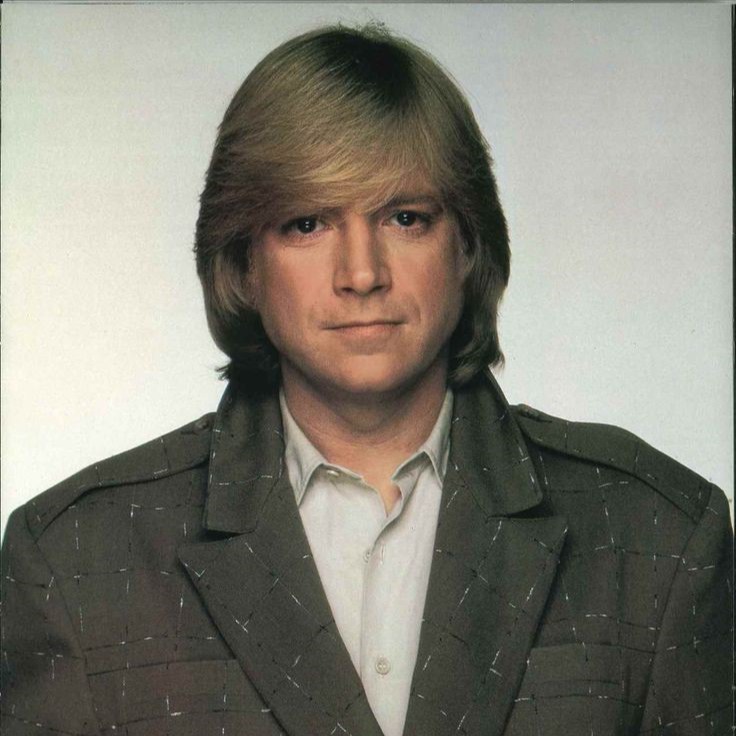
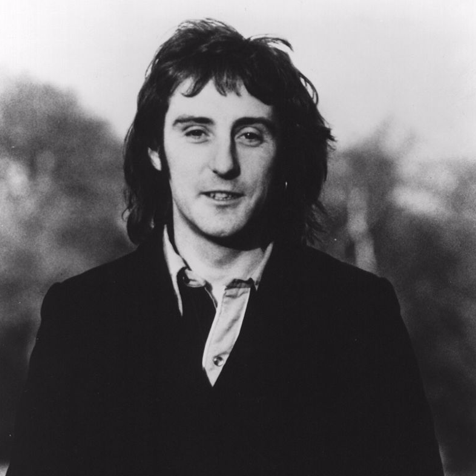
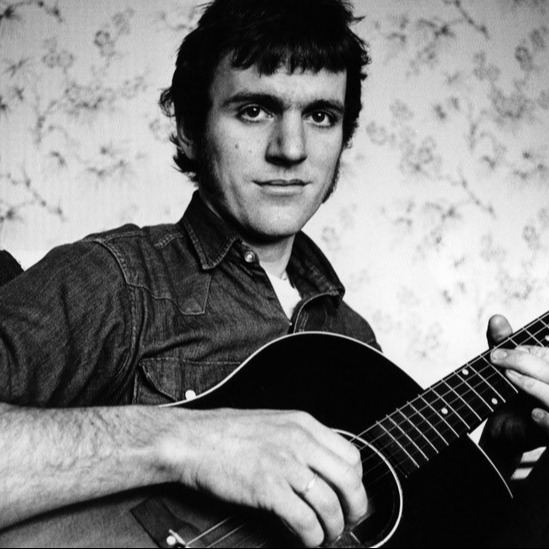
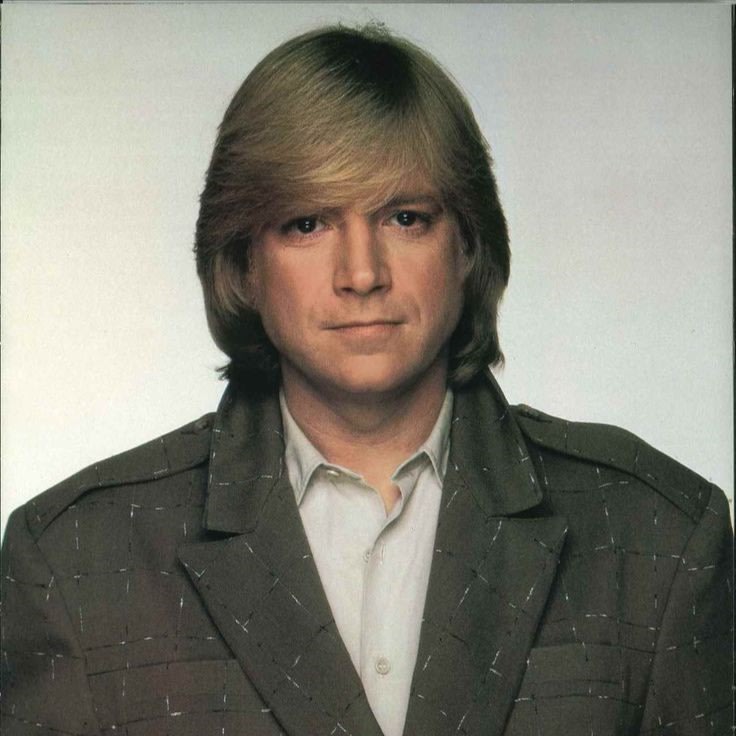
Justin David Hayward was born on October 14, 1946, in Swindon, Wiltshire, he attended Shrivenham School in Berkshire and the Commonweal School in Swindon. Hayward bought his first guitar, a Gibson 335 at the age of 15, a guitar that has appeared on all his records throughout his career. Hayward started out performing with local Swindon groups in clubs and dance halls, one of his early groups All Things Bright, opened for The Hollies and Brian Poole and the Tremeloes. At age 18, Hayward signed an eight-year publishing contract, as a songwriter with record producer Lonnie Donegan. In 1965 Hayward auditioned as a guitarist for Marty Wilde and went on to work with Wilde and his wife in The Wilde Three. In 1966 Hayward was contacted by Mike Pinder of The Moody Blues, within a few days, Hayward had replaced departing Moody Blues vocalist and guitarist Denny Laine.
Hayward's first song with The Moody Blues "Fly Me High", released in 1967 didn’t chart, but it gave the band a new artistic direction from the R&B sound they had been performing. Hayward's next piece "Leave This Man Alone" was released as the B-side of their next single, backing Pinder's "Love And Beauty" (1967), the first Moody Blues record to feature the Mellotron, (an electronic keyboard where each key controls the playback of a single prerecorded musical sound) this sparked the band greater commercial success and recognition. The Moody Blues' 1967 album Days of Future Passed, was one of the first influential symphonic rock albums, earning a gold record award and reaching No. 27 on the British LP chart and No. 3 on the U. S. Billboard charts. The album included Hayward-written singles "Tuesday Afternoon" and "Nights in White Satin". The latter would go on to sell over two million copies and chart three times in the UK. The Moody Blues' attempts to come up with another hit single during 1967–68 had them record three other Hayward compositions; "Long Summer Days", "King and Queen" and "What Am I Doing Here?". Hayward also co-wrote with Ray Thomas album tracks "Visions of Paradise", "Are You Sitting Comfortably", "Watching and Waiting" and, "Never Blame the Rainbows for the Rain". Hayward also cowrote with John Lodge for the Moody Blues, notably "Gemini Dream" (a US chart hit), "Meet Me Halfway", "Talkin' Talkin'", "Want to Be With You", "Once is Enough", "Strange Times" and "Sooner or Later (Walkin' on Air).”
““Eiusmod exercitation veniam in anim adipisicing culpa excepteur esse quis id magna nostrud amet excepteur minim.””
Somebody
JustinHayward
The band’s 1968 follow-up LP In Search of the Lost Chord included Hayward’s “Voices in the Sky” which charted as a single in the UK. Their next album On the Threshold of a Dream (1969) provided Hayward’s “Lovely to see You” and “Never Comes the Day”. Throughout this time period, the band’s music continued to become more complex and symphonic with heavy amounts of reverberation on the vocal tracks, resulting in 1969’s To Our Children’s Children’s Children, a concept album inspired by the first moon landing and the first to release on their own label “Threshold” under license to Decca. The band’s next album A Question of Balance (1970) reached No. 3 in America and No.1 in Britain, Hayward’s “Question” was a No. 2 single hit in the UK. The Moody Blues returned to their signature orchestral sound for their next two albums Every Good Boy Deserves Favour (1971) which featured Hayward’s “The Story in Your Eyes” the U.S. charting single and Seventh Sojourn (1972) which reached No. 1 in the U.S. In 1974, The Moody Blues decided to take a break from performing and recording. Hayward continued working with Lodge and producer Tony Clarke, together, they had a hit in 1975 with "Blue Guitar", which reached the UK top ten, and released the album Blue Jays, whichreached the UK top five. In 1977, Hayward recorded his first solo album Songwriter, and enjoyed international solo success in 1978 when he appeared on Jeff Wayne's Musical Version of The War of the Worlds concept album, which yielded his hits "Forever Autumn" and "The Eve of the War". Throughout the 1980s, Hayward composed and performed for film and television, including the theme song "It Won't Be Easy" for the 1987 BBC2 science-fiction series Star Cops, "Something Evil, Something Dangerous" for the film Howling IV: The Original Nightmare, "Eternal Woman" for the film She and music for the animated television series The Shoe People. In 1989, Hayward released Classic Blue, an album of pop standards written by other composers, and released his solo album The View from the Hill in 1996.
In 1977 The Moody Blues made the decision to record together again and by the spring 1978 their album Octave was ready for release. The Moodies toured the U. S. and Europe for much of 1979. By 1980 they were ready to record again releasing Long Distance Voyager (1981), which reached No. 1 on Billboard and was top 5 in the UK. Their next album The Present (1983) was less successful but in 1986 they enjoyed renewed success with their album The Other Side of Life. Their sound took on an ever-increasingly synthetic and technical quality with the use of modern sequencers, samplers, and drum machines. The group spent time perfecting the art of performing live with an orchestra and took a hiatus from recording until 1999 with the release of Strange Times. In 2000 the band released Hall of Fame, a new live concert from the Royal Albert Hall, and in 2003 released an album entitled December. The Moody Blues, continue to tour extensively, and in a BBC World Service interview, Hayward and Lodge regarded it as "a privilege" to still be working in the music industry. In 2011, Hayward contributed to the Moody Blues bluegrass tribute album Moody Bluegrass TWO...Much Love along with Moody Blues bandmates Lodge, Edge, Thomas, and Pinder.In February 2013, Hayward released his solo album Spirits of the Western Sky on the Eagle Rock label. He toured solo with this album on the East coast of the US in August 2013, the final show of the solo tour, which was recorded for a live DVD project and a live CD. The resulting DVD, Spirits… Live (2014), features the full concert along with a one-hour behind-the-scenes documentary titled On The Road To Love, following its release the DVD immediately rose to the #2 position on the Billboard Music Video charts.
Justin Hayward has earned several accolades throughout his career, he was awarded the first of numerous awards from the American Society of Composers, Authors, and Publishers (ASCAP) for songwriting in 1974. In 1985, the Moody Blues picked up the Ivor Novello Award for Outstanding Contribution to Music, and in 1988, Hayward received the Novello, among other honors, for Composer of the Year (for "I Know You're Out There Somewhere"). In 2000, he was one of a handful of British artists to receive the "Golden Note" award for lifetime achievement by ASCAP. In 2004, Hayward was awarded the "Gold Badge" for Songwriters, Composers, and Authors.At the Ivor Novello Awards in London on 16 May 2013, Hayward was given the PRS for Music Award for Outstanding Achievement, and in 2018, Hayward was inducted into the Rock and Roll Hall of Fame as a member of the Moody Blues. Hayward's songs written for the Moody Blues, both solo compositions and co-written with Lodge, and his lead vocals, harmony voice, and guitar playing, were a major factor in the band's work and continued success since 1981. Their album sales from 1978 to the present total more than 60 million, and Hayward has written 20 of the group's 27 post-1967 singles.