1930-2021
Chris Barber
1930-2021
Chris Barber
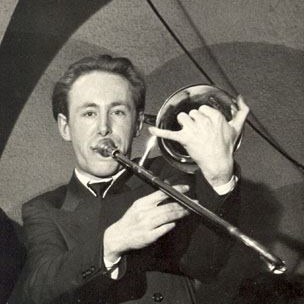
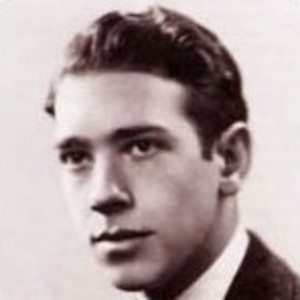
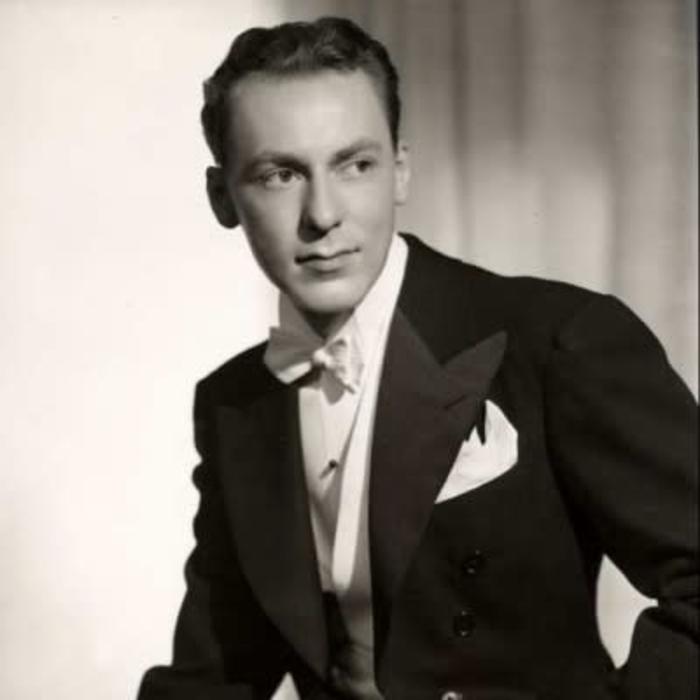
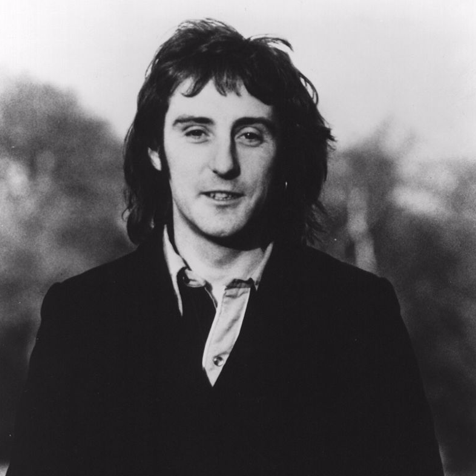
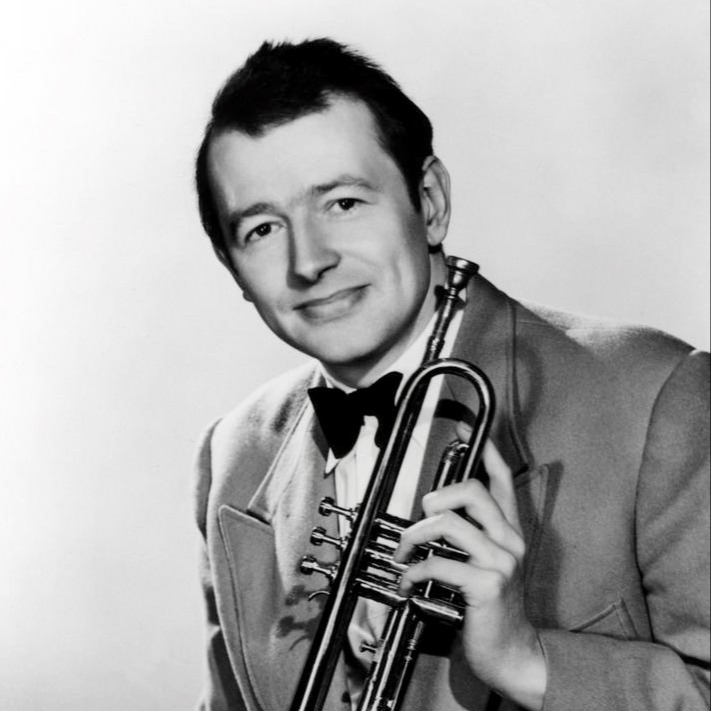
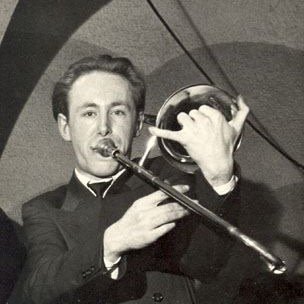
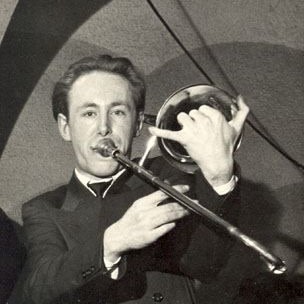
Chris Barber was an English jazz musician, best known as a bandleader/trombonist and for his 1959 jazz hit "Petite Fleur". Barber was one of the most influential jazz musicians from the jazz revivalist movement and played a significant part in shaping British popular music from the 40s to the 60s. He was born Donald Christopher Barber in Welwyn Garden City, Hertfordshire, on April 17, 1930. His father, Donald Barber, was an insurance statistician and his mother was a headmistress. Barber had an inclination towards music at an early age, he started learning the violin when he was just seven and attended Hanley Castle Grammar School, where he developed an interest in jazz music. After the end of World War II, Barber attended St Paul's School in London and began attending jazz clubs. Inspired Barber decided to pursue a career as a full-time musician, studying double bass and trombone at London's Guildhall School of Music. Barber assembled his first big band group, “The New Orleans Band” in 1949, the group contained up to eight musicians and played both traditional jazz and blues tunes.
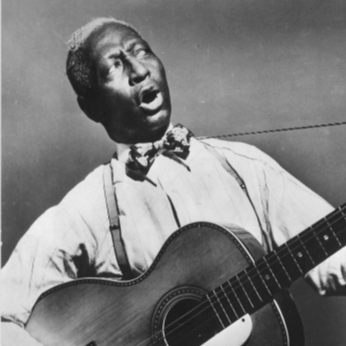
Throughout the 50s Barber worked with many musicians and was a part of several big bands. Barber co-founded the group called the Jazzmen with Ken Colyer, a cornetist, and in 1952 along with clarinetist Monty Sunshine, Barber co-founded a band with Pat Halcox (trumpet), Lonnie Donegan, Jim Bray (bass), and Ron Bowden (drums). The group began playing in London clubs and made their debut in Copenhagen Denmark in early 1953. In 1954 Barber and Lonnie Donegan broke off from the group to form "The Chris Barber Band" and began recording music. The group’s first LP New Orleans Joys (1954) included their rendition of the Leadbelly classic "Rock Island Line", performed by Donegan. The song was released as a single in 1956 under Donegan's name and became a hit on both sides of the Atlantic, sparking Donegan’s career and the British skiffle movement. Along with Donegan, Barber is credited with igniting the UK Skiffle movement, he was one of the first British bandleaders to feature skiffle music, which helped launch the careers of many UK bands, including the Beatles, the Rolling Stones, the Yardbirds, and more.
Chris Barber
The Barber Band continued to record several In Concert LPs during the 1950s and was featured in the short 1956 documentary film Momma Don't Allow, performing live with Irish blues singer Ottilie Patterson. In 1959, the band found a hit with their 1956 recording of Sidney Bechet's "Petite Fleur". The song spent twenty-four weeks on the UK Singles Charts, reached No. 3 on the charts, and went gold, selling over one million copies. Following "Petite Fleur"’s success Barber toured the United States several times, the work charted to No. 5 there as well, and Barber’s group became the first British band to play on the prime-time Ed Sullivan Show. Although by this time rock’n’roll music was on the rise and traditional jazz was declining, Barber found himself inspired by the blues music present in both jazz and rock-n-roll. He made a name for himself among blues and rock players, from Alexis Korner and John Mayall to Eric Clapton and the Rolling Stones. Barber even invited blues artists Big Bill Broonzy and Brownie McGhee to the UK to tour with his band, and stunned traditionalists in 1964 when he introduced blues guitarist John Slaughter into his Chris Barber Band. In addition to performing with blues artists in the late 1950s and early 1960s, Barber also arranged the first UK tours for blues writers Big Bill Broonzy, Sonny Terry and Brownie McGhee, and Muddy Waters. This blues music introduction to the UK is what helped power the British invasion into the US charts in the 1960s.
In 1969, Barber was signed to the label Marmalade Records and released the album Battersea Rain Dance. Throughout the 1960s and 70s, The Chris Barber Band was very popular in Germany, and Barber spent a lot of time touring Europe. In 1968 The Chris Barber Band released the album Live in East Berlin, and in 1972 released the album Drat That Fratle Rat. In addition to Barber’s work in jazz, blues, and rock n’ roll music, he also ventured into classical music later in life. He was commissioned to co-write a Concerto for Jazz Trombone in 1986 with Richard Hill and recorded the album Under the Influence of Jazz with The London Gabrieli Brass Ensemble in 1991. In 1998 Barber began to expand his band and continued to tour. After his 'Down Under Tour' of Australia and New Zealand in 2000, he permanently grew the band to 11 members and renamed the group “The Big Chris Barber Band” in 2001. Slowing down from music Barber published his autobiography Jazz Me Blues in 2014, and announced his decision to retire on August 12, 2019, after 70 years of performing.
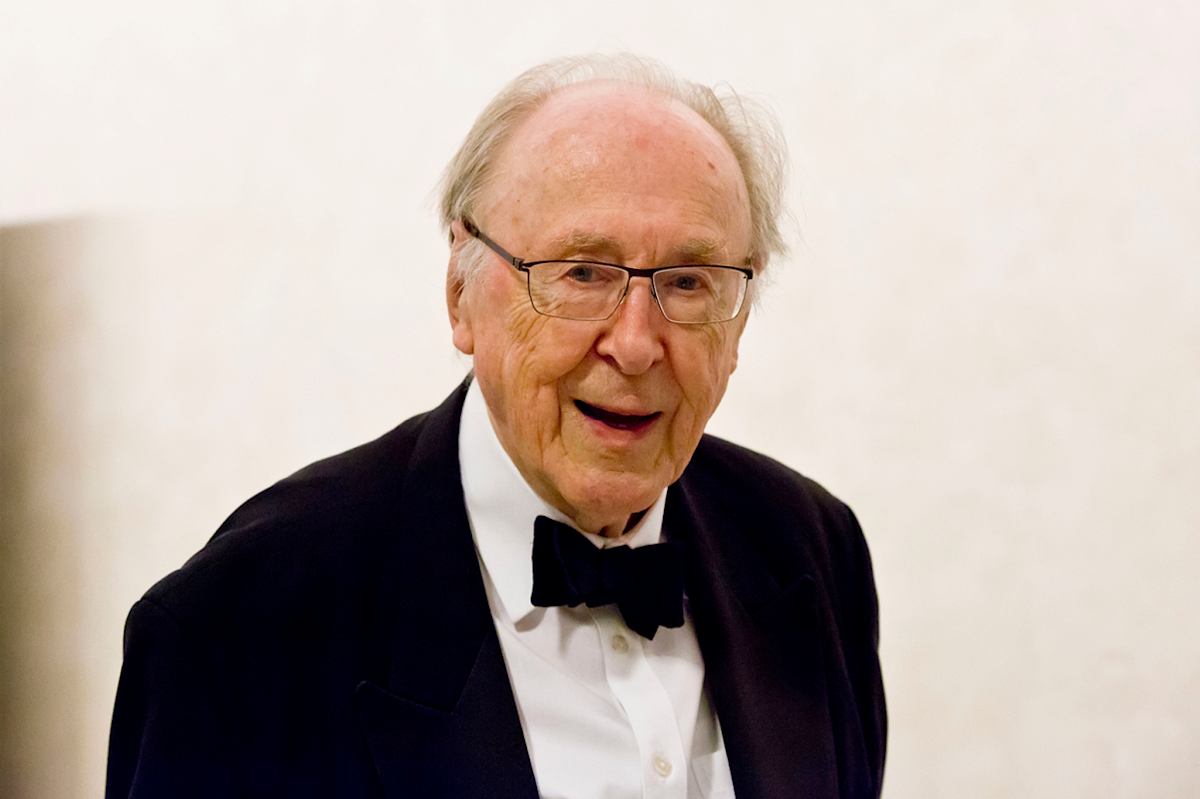
Chris Barber’s musical career spanned decades, from forming his first amateur band in 1949 to 2019. Throughout this time, he earned many accolades including an OBE in 1991 for services to music, an honorary doctorate from Durham University in 2006, won the German Jazz Trophy in 2014, and in 2013 was awarded the "Blues Louis" for his services to popularizing the blues in Europe at the "Lahnstein Blues Festival", where he is honored with an annual award. Suffering from dementia, Chris Barber died on March 2, 2021, at the age of 90.