1944-
Ralph McTell
1944-
Ralph McTell
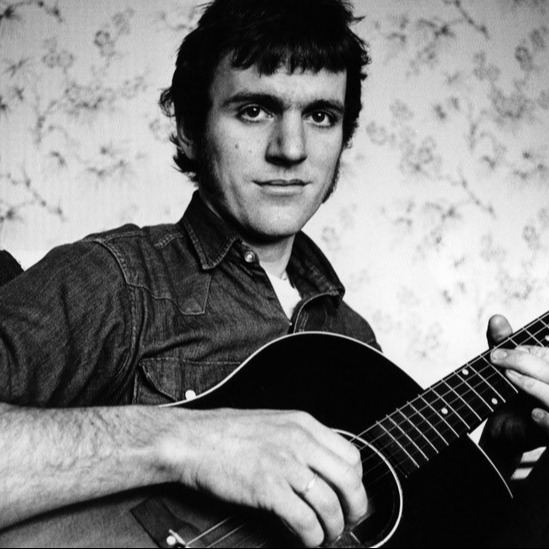
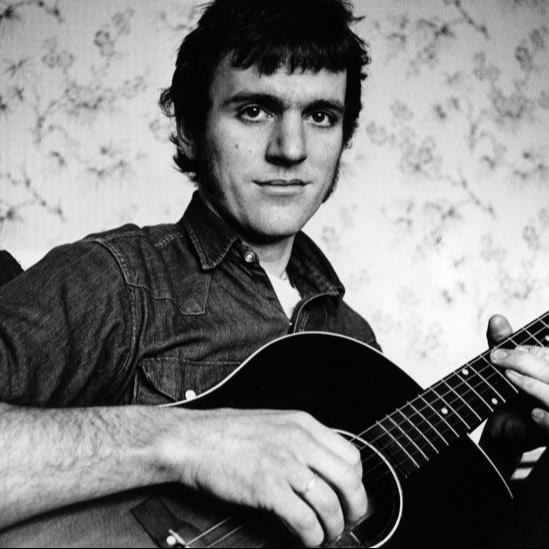
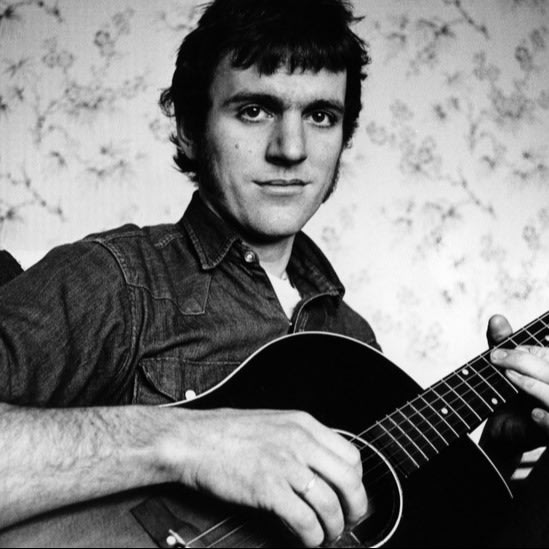
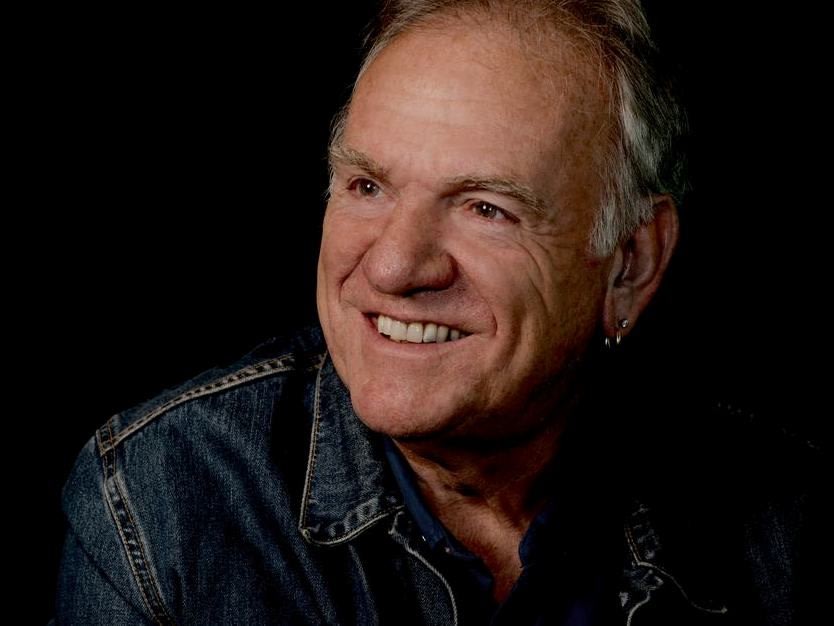
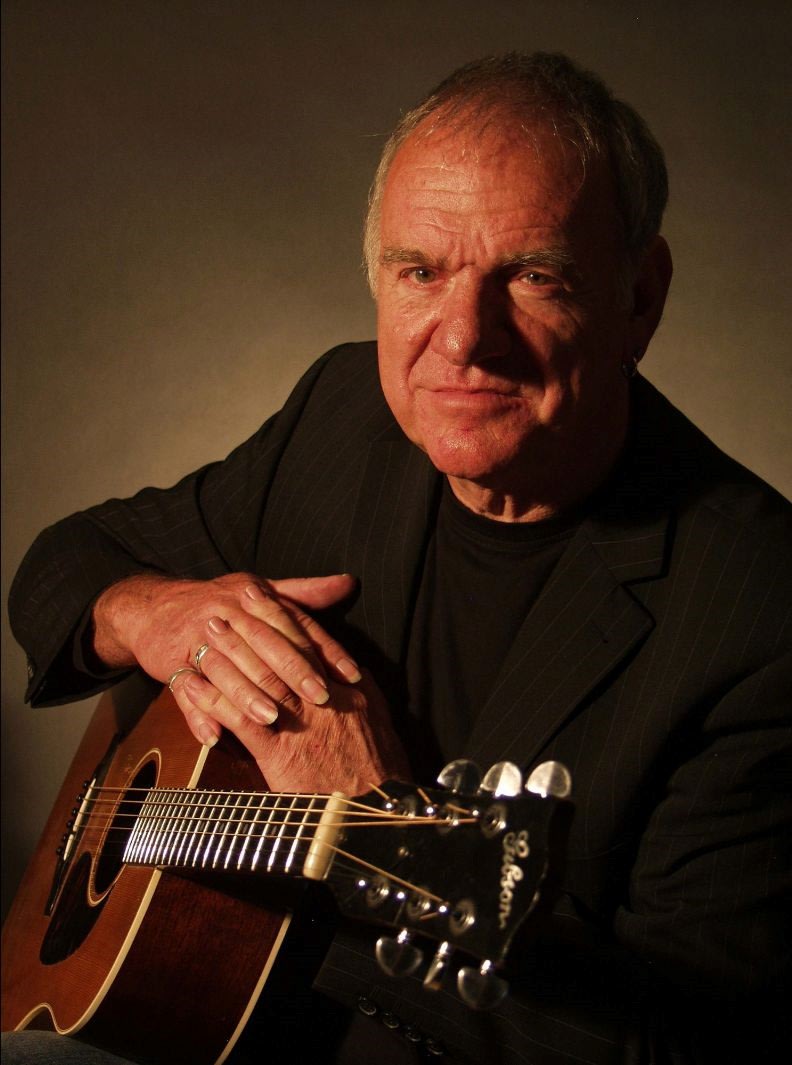
Ralph McTell is an English singer-songwriter and acoustic guitar player best known for his song "Streets of London", which has been covered by over two hundred artists around the world.McTell was born on December 3, 1944, in Farnborough, Kent as Ralph May to Winifred and Frank May. Ralph’s brother Bruce, was born in 1946. Their father walked out on the family in 1947 and Winnifred raised her two boys alone. McTell found his love for music at a young age, he was gifted a plastic harmonica by his grandfather, who taught and encouraged him. Many of Ralph’s childhood experiences shaped his songwriting, a young Irishman and his family were Ralph' upstairs neighbors, yearning for a father figure, McTell grew close to the young man, inspiring McTell’s piece "Mr. Connaughton". McTell attended the John Ruskin Grammar School, during this time he became captivated by skiffle and American rock 'n' roll, he learned to play the ukulele and mastered skiffle classics like "Don't You Rock Me, Daddy-O", by his second-year at school, he formed his own skiffle band. Ralph soon grew tired of school and signed up for the Junior Leaders Battalion of The Queen's Surrey Regiment, but he disliked military life more than education, and after six months left to enroll in college, studying art. While attending school McTell became interested in beatnik culture. McTell often frequented London's Soho jazz clubs where he first heard Ramblin' Jack Elliott sing "San Francisco Bay Blues." Learning to play the guitar he found himself inspired by musicians like Jesse Fuller, Ramblin' Jack Elliott, Robert Johnson, Woody Guthrie, Blind Willie McTell, and Muddy Waters.
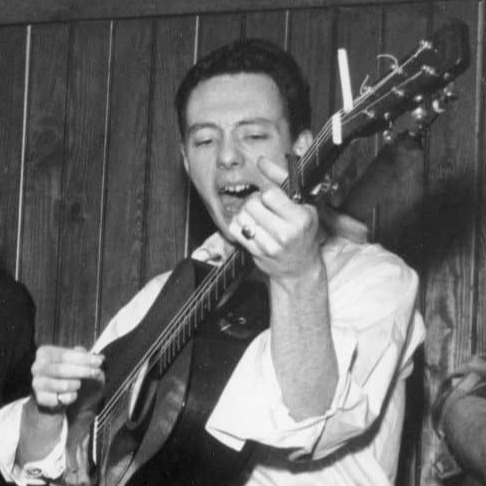
McTell soon began busking and traveling around Europe supporting himself with temporary work in factories, laundries, and hotels. It was on one of these jobs while working on a building site with Irish immigrants in 1963, that he found his inspiration for his piece," From Clare to Here". Soon after McTell was persuaded to join a bluegrass-influenced band called the Hickory Nuts,who performed across England. It was during this time McTell met his close friend Wizz Jones who was a regular performer on the Cornish circuit, Jones suggested the stage name "McTell" to Ralph, "after Blind Willie McTell, whose 'Statesboro Blues' we both loved". For a brief period, McTell tried his hand at teacher training college but found it unfulfilling. McTell decided to pursue working as a full-time musician. Due to his vocal and instrumental talents, as well as his storytelling songwriting, he became high in demand at folk clubs and festivals. In 1967, McTell signed with Transatlantic Records, releasing his first album, Eight Frames a Second, in 1968. The work was such a success it was featured on BBC radio programs like Country Meets Folk in August and John Peel's Top Gear. After the release of the album McTell’s brother Bruce became his manager and booking agent. His second album Spiral Staircase was released late in late 1968 and included the first recording of "Streets of London", recorded in one take by McTell on guitar and vocals. The following year McTell released his third album, My Side of Your Window, and became Melody Maker magazine's “Folk Album of the Month”. In July of 1969 McTell performed at Cambridge Folk Festivaland headlined at Hornsey Town Hall. By the 1970s he was sufficiently successful to fill the Royal Festival Hall in London and played at the Isle of Wight Festival alongside Jimi Hendrix, Joan Baez, and Leonard Cohen. By October 1970, McTell sold out the Royal Festival Hall for a second time and released his albums Revisited (1970) and You Well-Meaning Brought Me Here (1971).
RalphMcTellGuitar
McTell launched his first tour in the United States, signing with Paramount Records and later with Warner Bros. Records. Paramount released a new recording of "Streets of London" in the US release You Well-Meaning Brought Me Here, and, in April 1972, issued it as a single in the Netherlands, where it charted, at No. 9. In 1972 McTell released his fifth album, Not Till Tomorrow, produced by Tony Visconti, and launched a UK concert tour. In early 1974 he released his next work Easy, which earned critical acclaim and was promoted by tours of Britain and Europe. McTell re-recorded "Streets of London" and released it as a single on December 7, 1974, it climbed to No. 2 on the charts in the first week of 1975, became a worldwide million-seller, and won McTell the Ivor Novello Award. In early 1975, McTell released the album Streets..., which sold strongly and spent twelve weeks on the album charts. In 1976, McTell continued performing and completed his first tour of Australia and the far east. Going back to his roots, McTell insisted that, local buskers be given free tickets for the flagship concert at the Sydney Opera House. McTell's eighth album, Right Side Up, was released in 1976. After tours in the US and Britain, McTell again appeared at Cambridge Folk Festival. Slide Away The Screen was released by Warner Bros. Records. After McTell’s recording contract was up in 1980 with Warner Brothers he began his own record label with his brother Bruce called the Mays Records. The first release on the new label was the 1981 single "England", and the first Mays Records album release was Water of Dreams.
McTell launched his first tour in the United States, signing with Paramount Records and later with Warner Bros. Records. Paramount released a new recording of "Streets of London" in the US release You Well-Meaning Brought Me Here, and, in April 1972, issued it as a single in the Netherlands, where it charted, at No. 9. In 1972 McTell released his fifth album, Not Till Tomorrow, produced by Tony Visconti, and launched a UK concert tour. In early 1974 he released his next work Easy, which earned critical acclaim and was promoted by tours of Britain and Europe. McTell re-recorded "Streets of London" and released it as a single on December 7, 1974, it climbed to No. 2 on the charts in the first week of 1975, became a worldwide million-seller, and won McTell the Ivor Novello Award. In early 1975, McTell released the album Streets..., which sold strongly and spent twelve weeks on the album charts. In 1976, McTell continued performing and completed his first tour of Australia and the far east. Going back to his roots, McTell insisted that, local buskers be given free tickets for the flagship concert at the Sydney Opera House. McTell's eighth album, Right Side Up, was released in 1976. After tours in the US and Britain, McTell again appeared at Cambridge Folk Festival. Slide Away The Screen was released by Warner Bros. Records. After McTell’s recording contract was up in 1980 with Warner Brothers he began his own record label with his brother Bruce called the Mays Records. The first release on the new label was the 1981 single "England", and the first Mays Records album release was Water of Dreams.