1888-1959
Maxwell Anderson
1888-1959
Maxwell Anderson
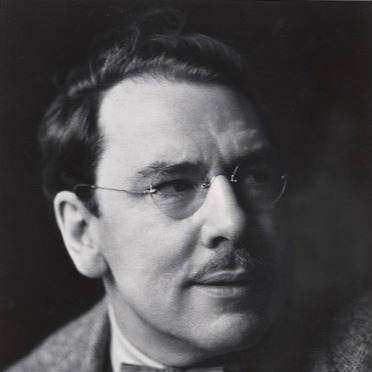
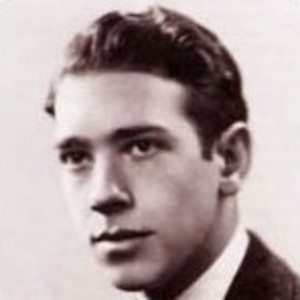
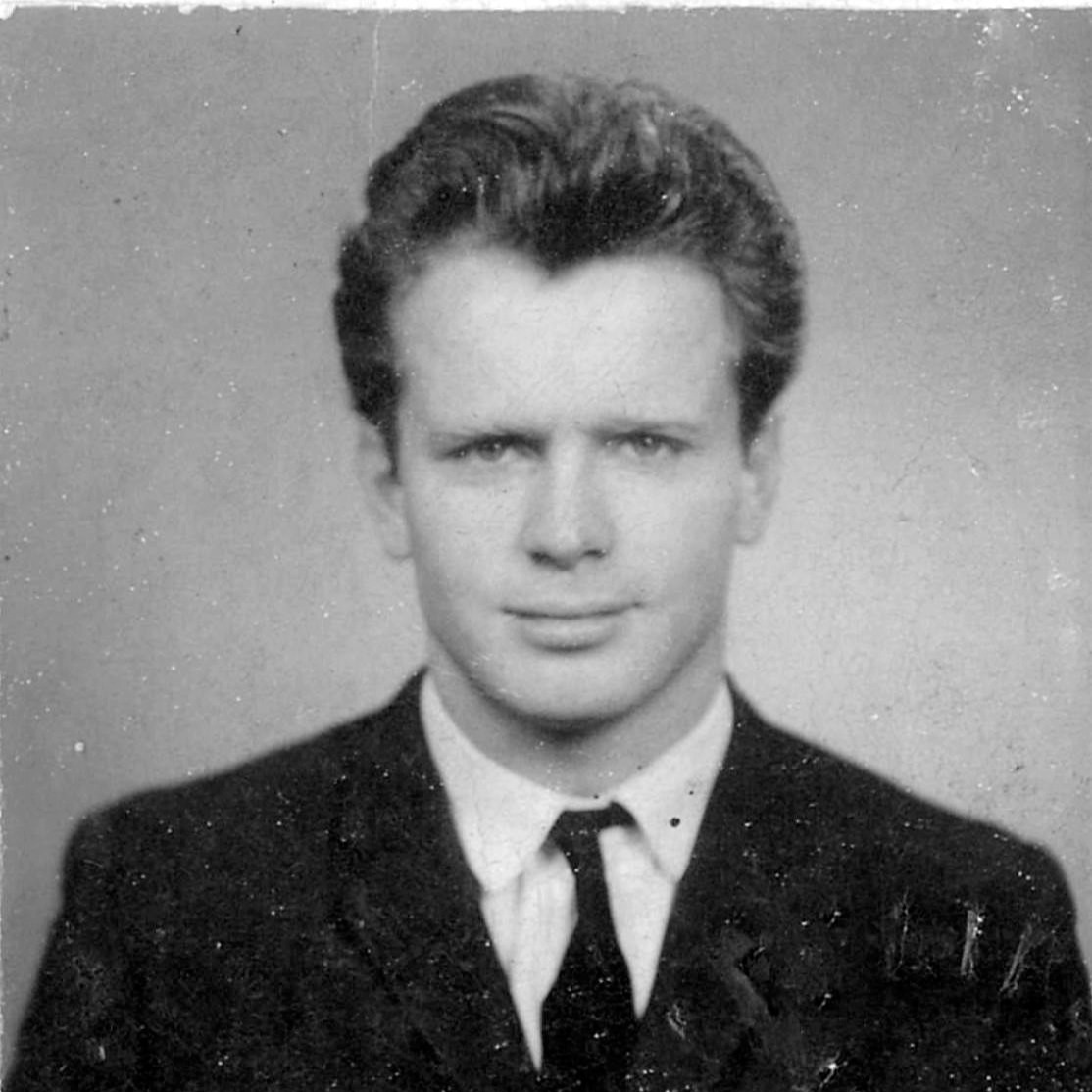
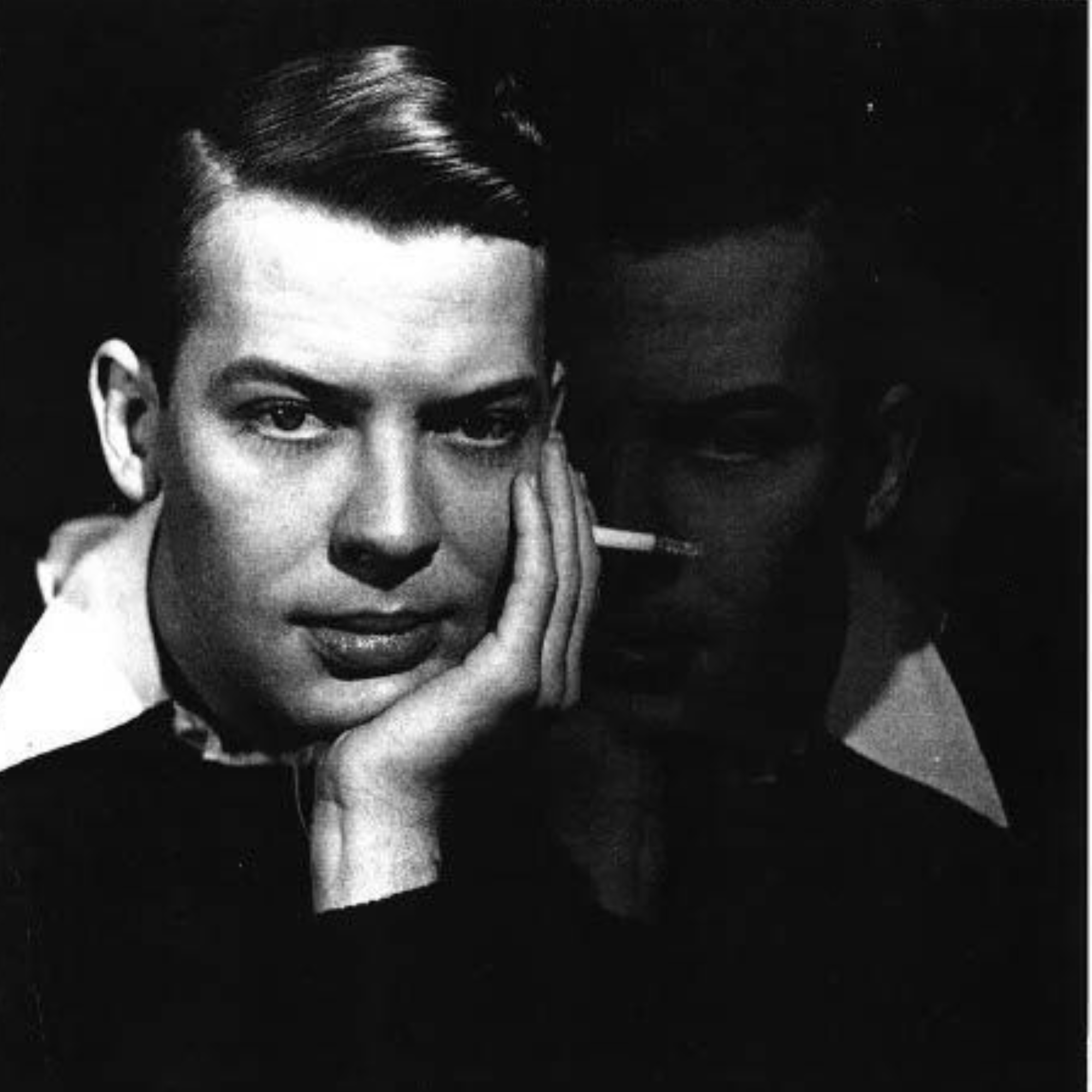
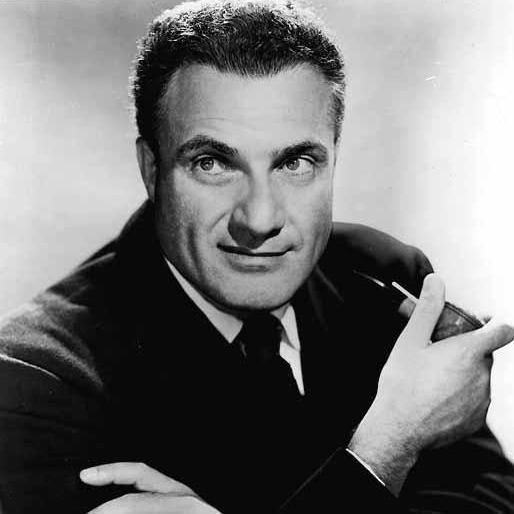
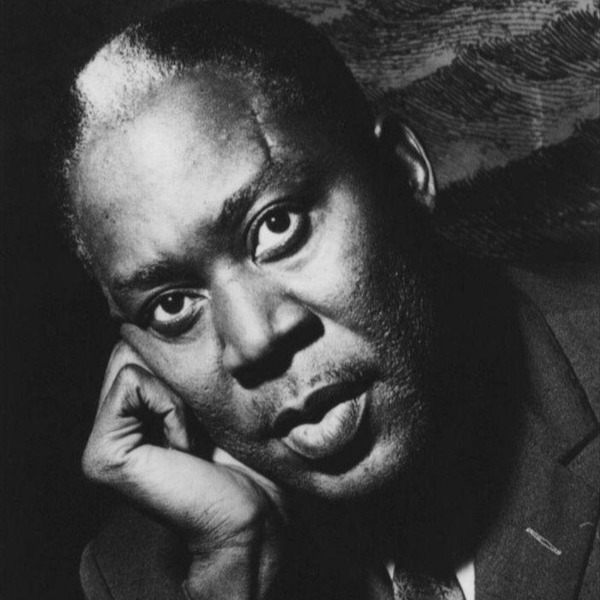
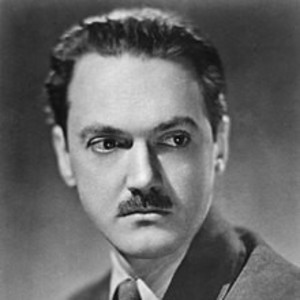
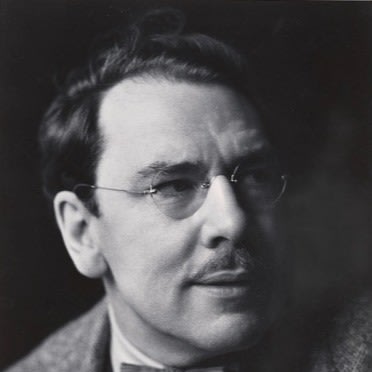
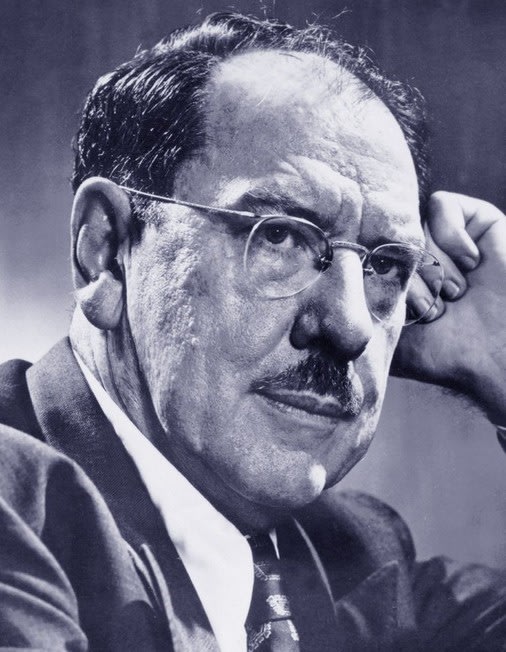
Maxwell Anderson was an American playwright, author, poet, journalist, and lyricist. He was born James Maxwell Anderson on December 15, 1888, in Atlantic, Pennsylvania, the second of eight children to William Lincoln "Link" Anderson, a Baptist minister, and Charlotte Perrimela Stephenson. As a child, Anderson lived with his family on his maternal grandmother’s farm, then moved to Andover, Ohio, where his father became a railroad fireman while studying to become a minister. The Andersons moved often, and Maxwell was frequently sick. He used his time in bed to become an avid reader, both his parents and Aunt were storytellers, which helped contribute to Anderson's love of literature. Maxwell moved to Jamestown, North Dakota in 1907, where he attended Jamestown High School, graduating in 1908. Anderson went on to attend the University of North Dakota, where he studied English literature. As an undergraduate, he waited tables, worked on the night copy desk of the newspaper "The Grand Forks Herald" and participated in his school's literary and dramatic societies. He graduated with a B.A. in English Literature in 1911 and became the principal of a high school in minnewaukan, North Dakota. A couple of years later Anderson attended Stanford University, where he obtained an M.A. in English Literature in 1914.
Anderson moved on from teaching to focus on journalism, he moved to Palo Alto to write for the San Francisco Evening Bulletin and moved to San Francisco to write for the San Francisco Chronicle. He eventually relocated to New York City to write about politics for The New Republic in 1918, The New York Globe, and the New York World. And in 1921, Anderson founded the poetry magazine The Measure: A Journal of Poetry. In addition to his work in literature, Anderson also had a passion for the dramatic arts, he wrote his first play, White Desert, in 1923; it wasn’t successful and had a short run of 12 performances, but it caught the attention of "New York World" critic Laurence Stallings. Stallings chose Maxwell as a collaborator on his World War One play "What Price Glory?". The show opened on September 3, 1924, and became a hit, running for 430 performances. After Anderson’s success as a dramatist, he soon resigned from journalism to pursue full time work as a playwright.
Maxwell Anderson
Many of Anderson’s plays and musicals commented on issues of the day directly or indirectly, and some were controversial. Anderson was also one of the first playwrights to write in verse, his work The Wingless Victory premiered in 1936, and two of Anderson's other historical plays, Valley Forge, about George Washington's winter there with the Continental Army, and Barefoot in Athens, concerning the trial of Socrates, were adapted for television. Many of his plays were adapted as films, and Anderson wrote screenplays of other authors' plays and novels as well. Anderson was awarded the Pulitzer Prize in 1933 for his political drama Both Your Houses, and twice received the New York Drama Critics Circle Award, for Winterset, and High Tor. He earned great commercial success in the ’30s and 40s with his series of plays set during the reign of the Tudor family, who ruled England, Wales, and Ireland in 1485-1603, such as Anne of the Thousand Days (1948) Elizabeth the Queen (1930), and The Private Lives of Elizabeth and Essex (1939). He remained a prolific playwright during the '50s, with highlights including 1951's Barefoot in Athens and 1954's Bad Seed.
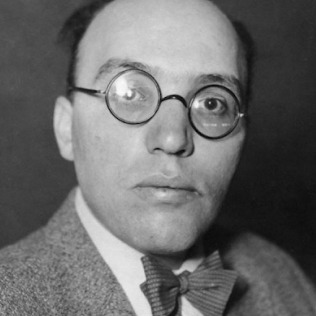
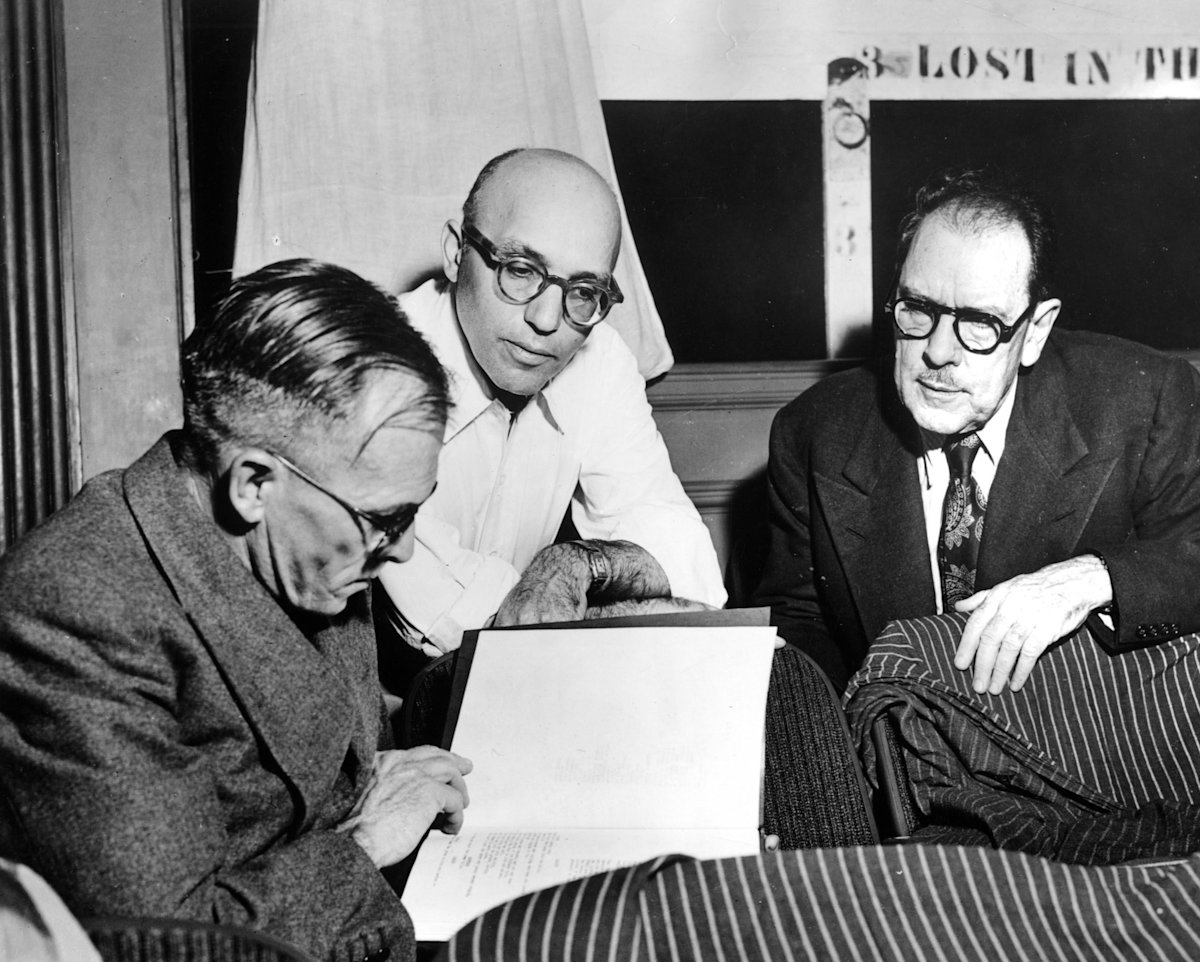
Though Maxwell Anderson is better known as a playwright than a composer, he was also a successful lyricist. In 1938, Anderson teamed up with the recently emigrated composer Kurt Weill, who'd fled to New York in the face of Nazi persecution, and sought out the city's top playwrights in search of collaborators. Their first collaboration was Knickerbocker Holiday, about the early Dutch settlers of New York, the show's hit number "September Song", became a popular standard that has been covered worldwide by artists like Frank Sinatra, Nat King Cole, James Brown, Mel Torme, John Lenon and more. Judy Garland and Tony Bennett also recorded and popularized another tune from the show, "It Never Was You”. In addition, Anderson also wrote the lyrics for the musical Lost in the Stars, whose title song became a hit, and was recorded by artists like Frank Sinatra, Sarah Vaughan, Elvis Costello, and more. In 1950, Anderson and Weill collaborated on a musical adaptation of Mark Twain's Huckleberry Finn, but Weill died when only a few songs had been completed for it. In addition to Anderson’s work as a lyricist and dramatist, he was also a published author. Maxwell published two books of poetry, "You Who Have Dreams" in 1925, and "Notes on a Dream," published posthumously in 1972. In addition, he also published two collections of essays, "The Essence of Tragedy and Other Footnotes and Papers" (1939) and "Off Broadway Essays About the Theatre" (1947).
Maxwell Anderson had a stroke on February 26, 1959, and died two days later in Stamford, Connecticut at the age of seventy. Over his lifetime he had written over thirty published plays and over a dozen unpublished ones. Among his many honors were honorary Doctor of Literature degrees from Columbia University in 1946 and the University of North Dakota in 1958 and the National Institute of Arts and Letters' Gold Medal in Drama in 1954.