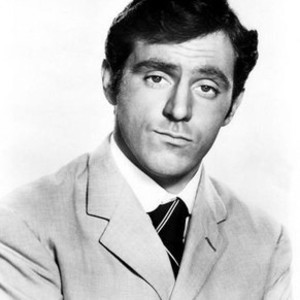
1919-2000
Ed McCurdy
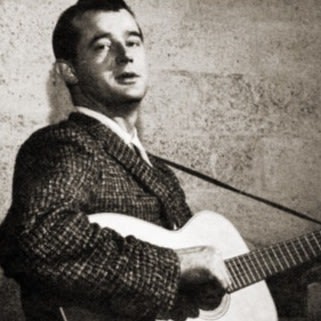
1919-2000
Ed McCurdy
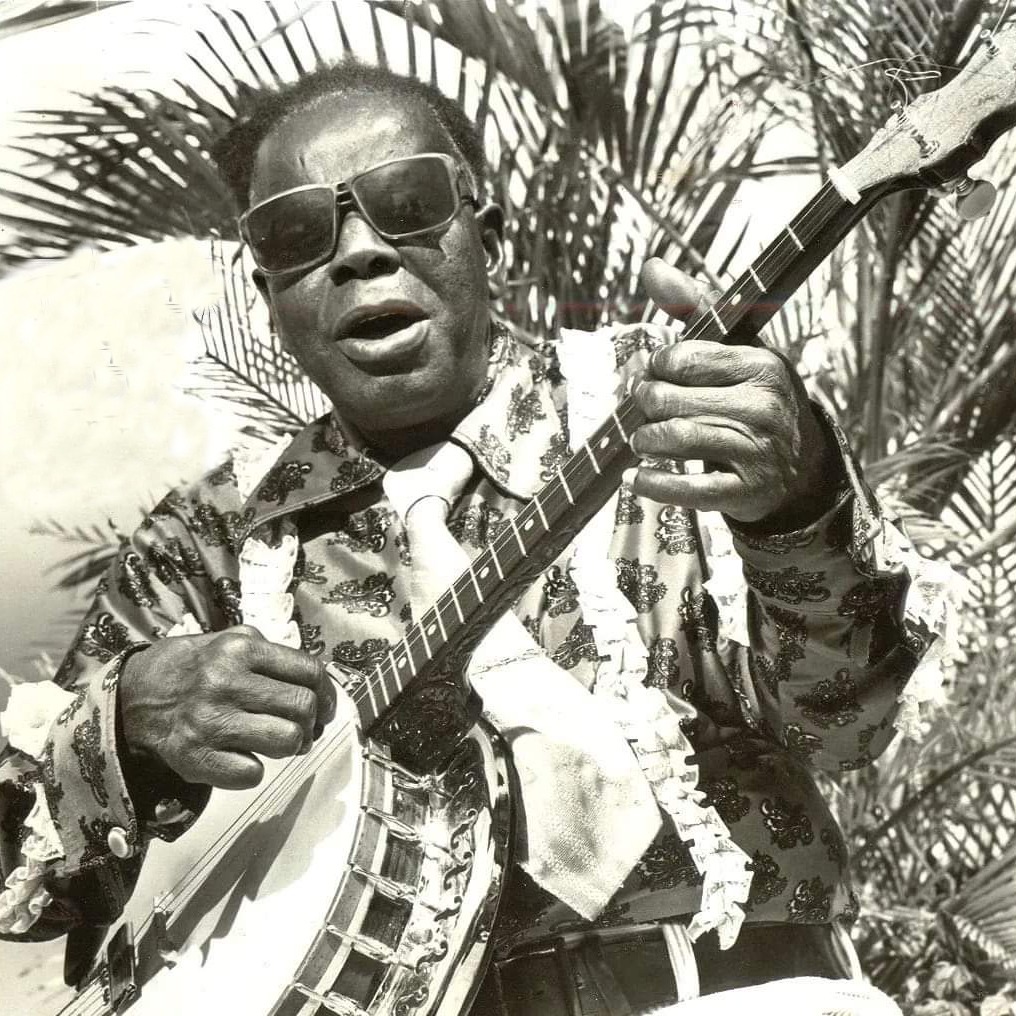
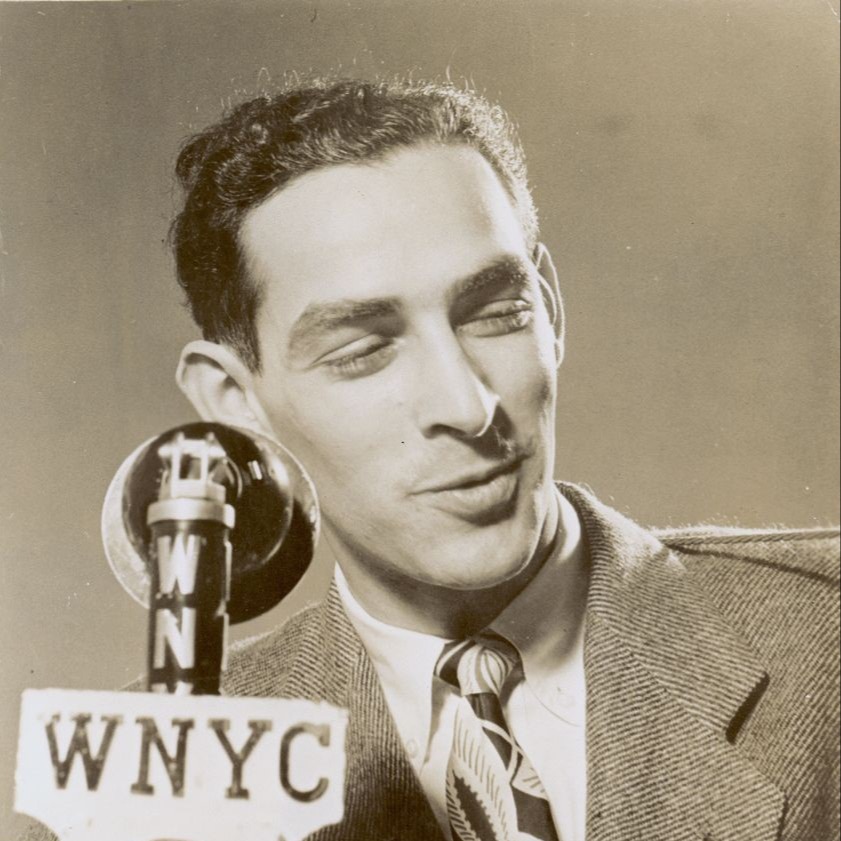
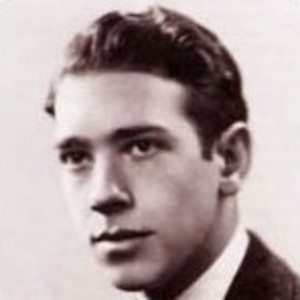
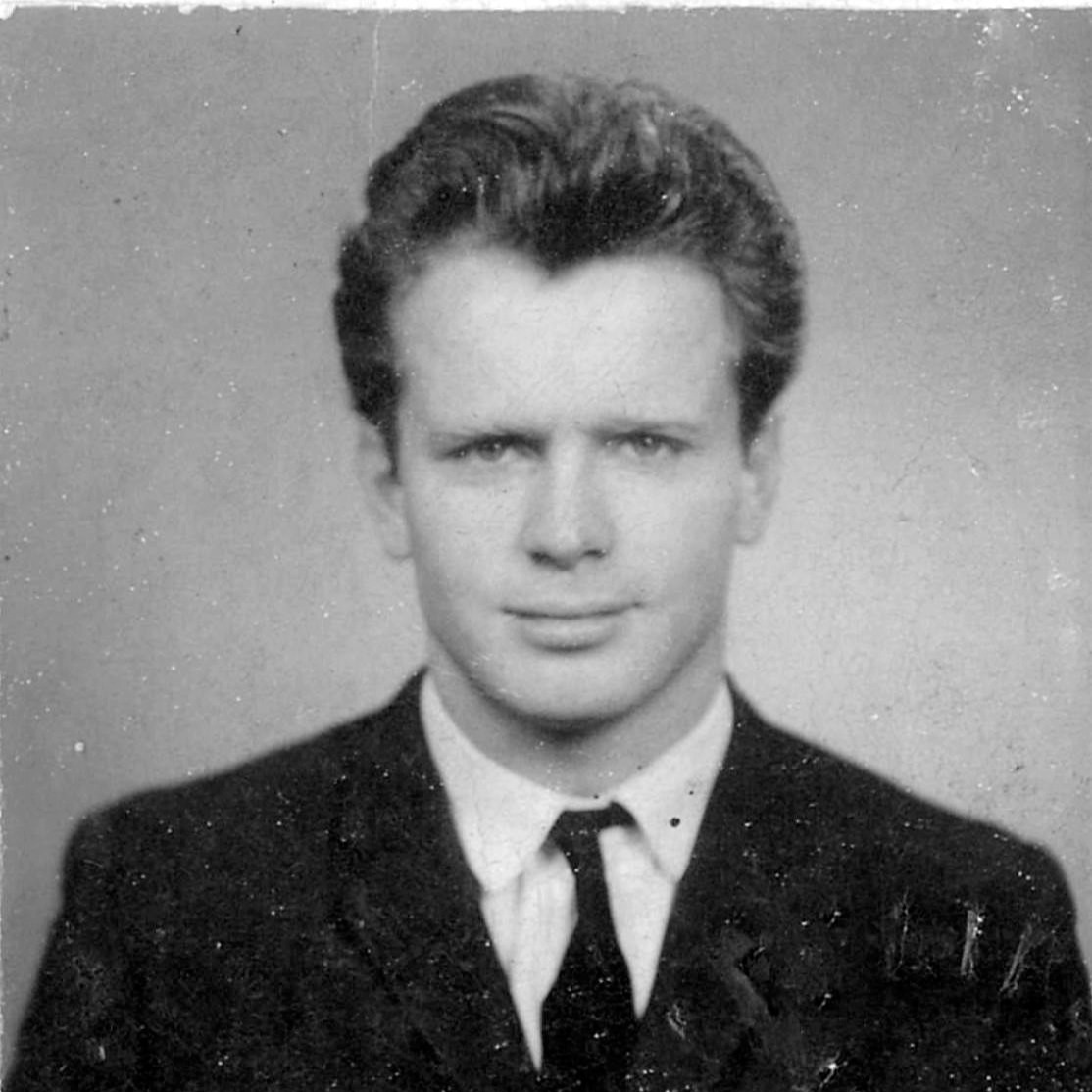
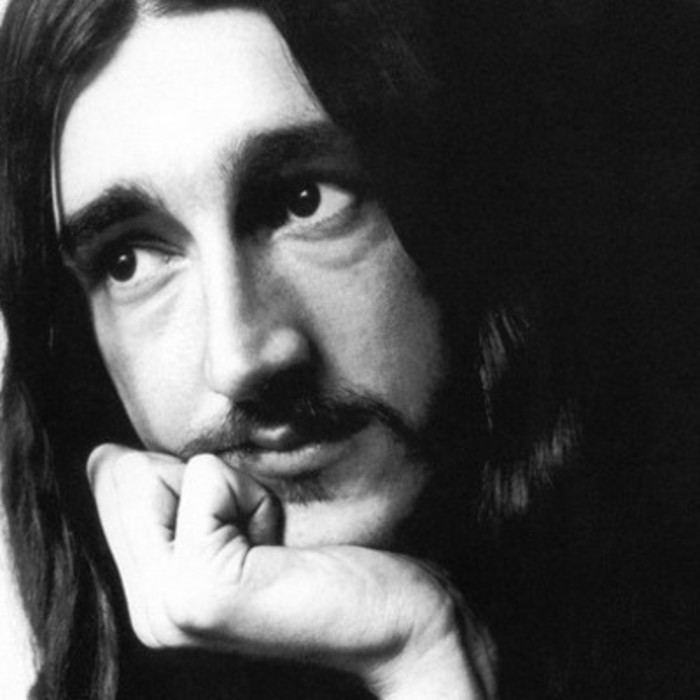
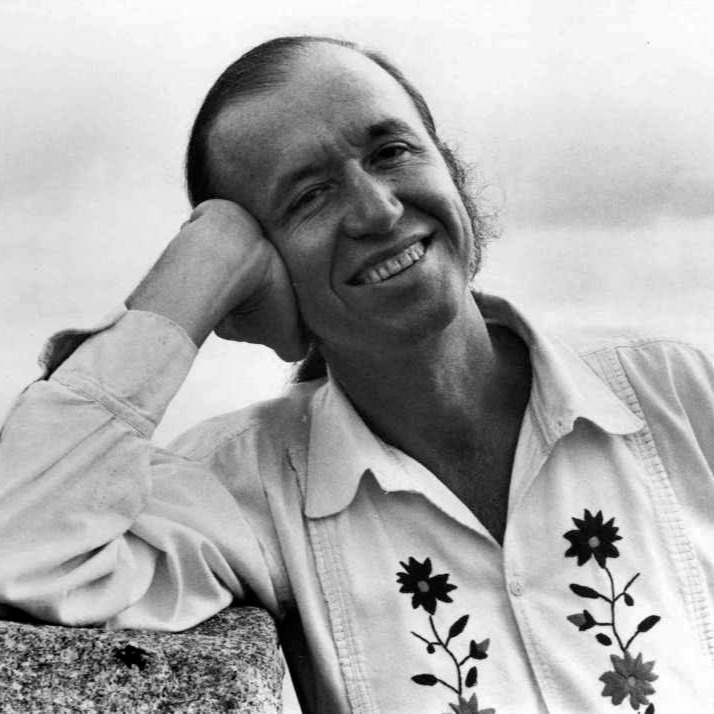
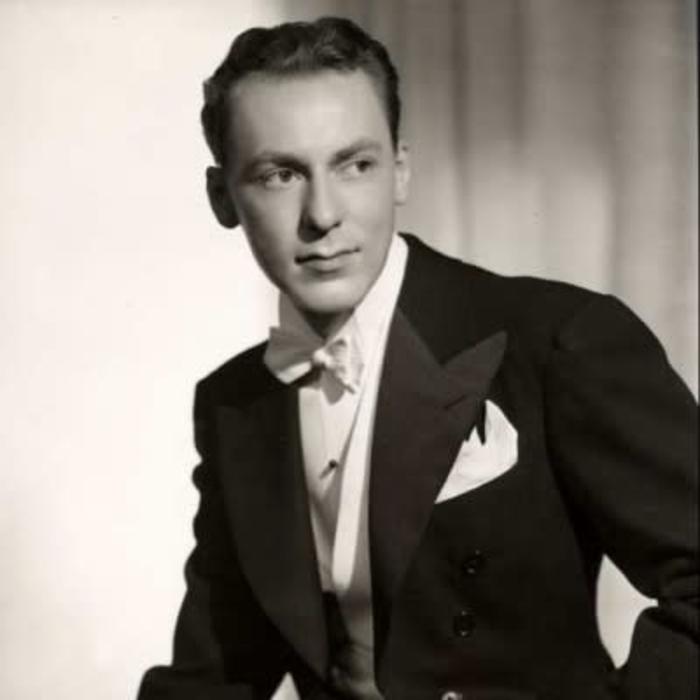
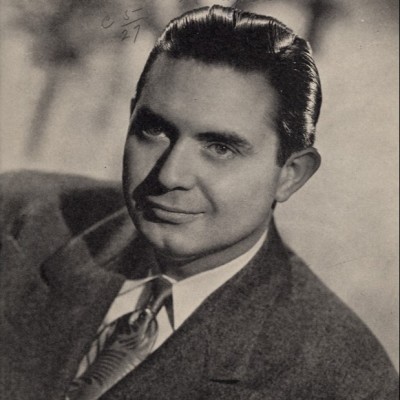
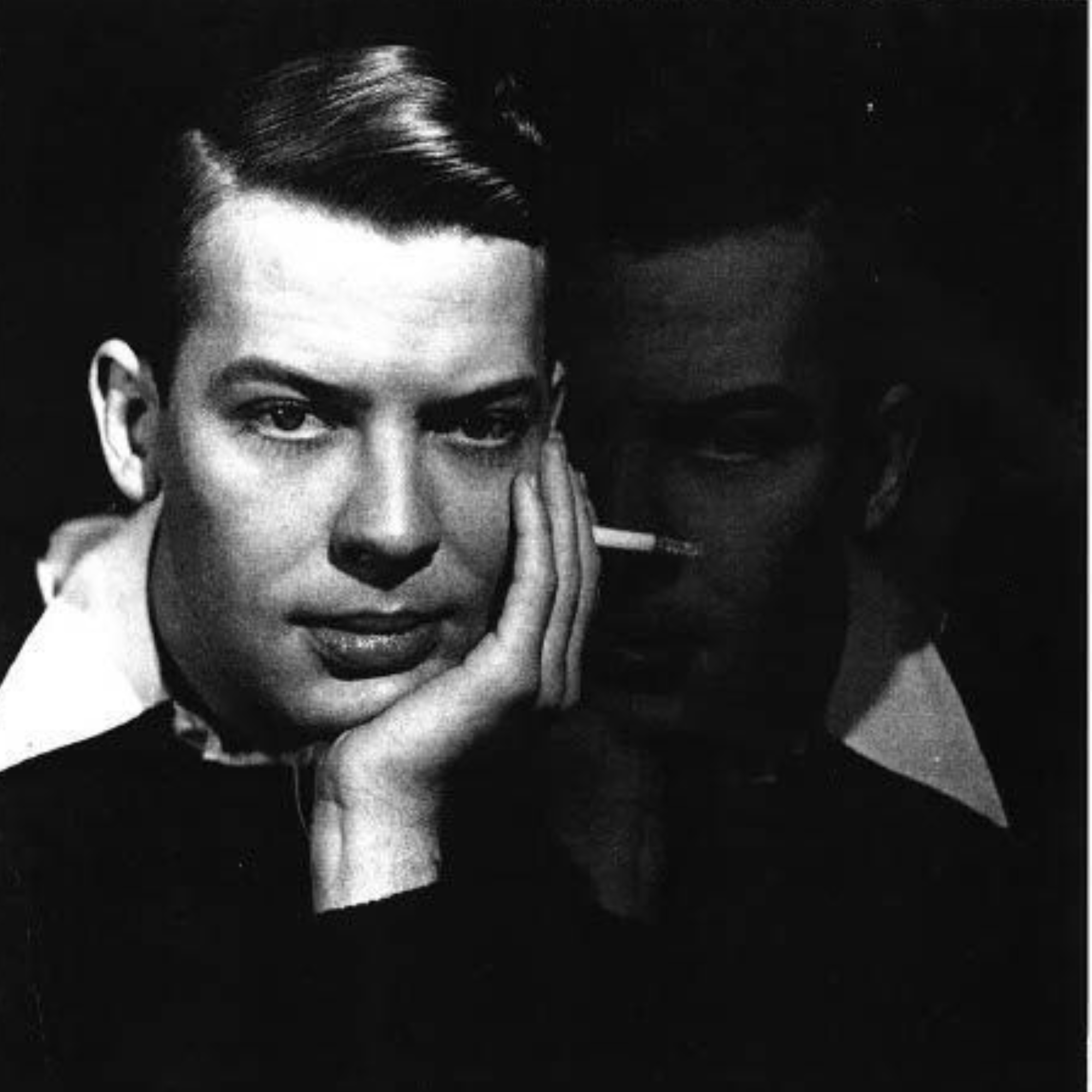
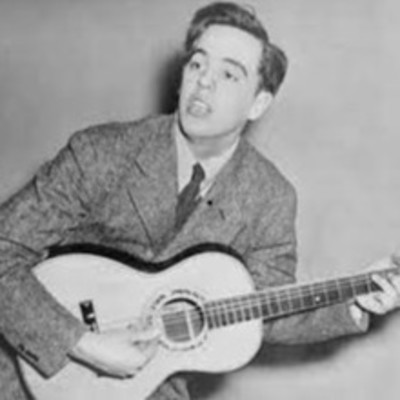
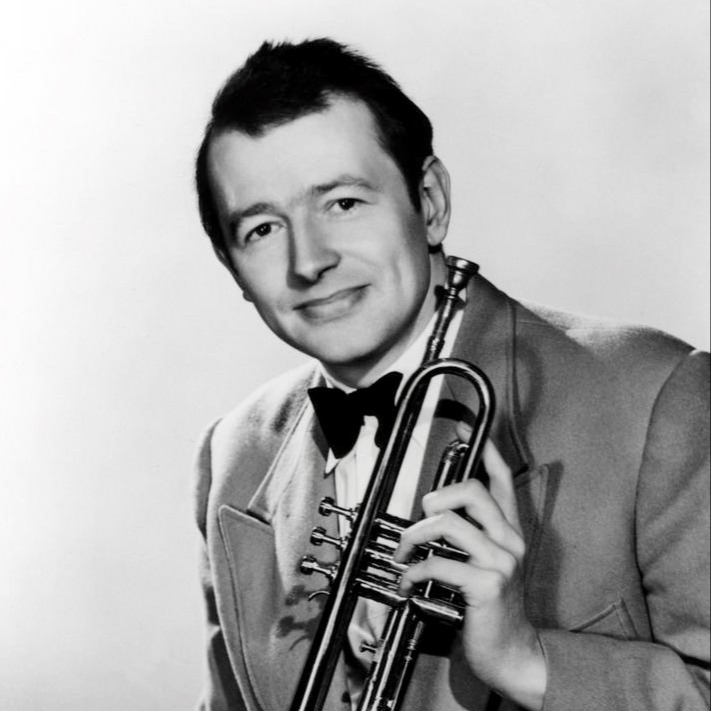
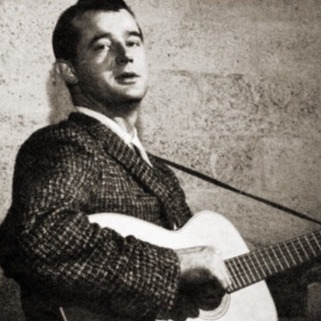
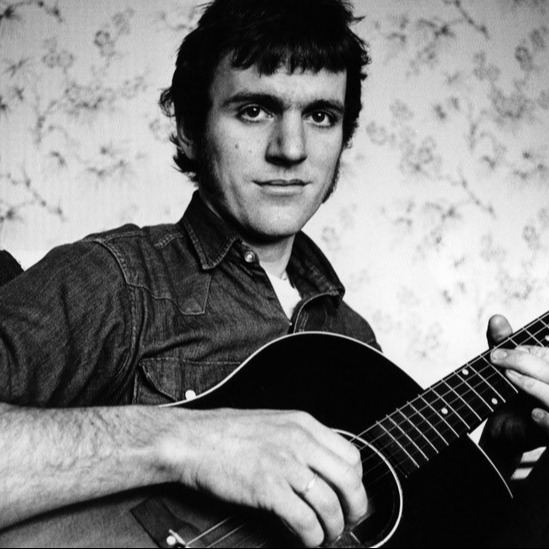
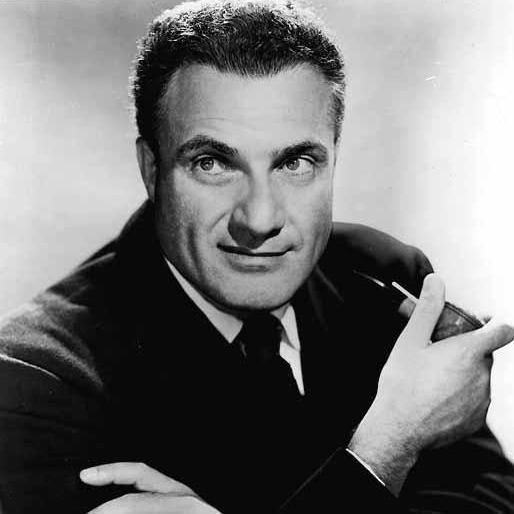
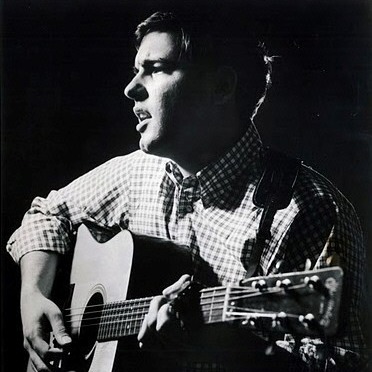
Ed McCurdy was an American folk singer, songwriter, and television actor best known for his anti-war song "Last Night I Had the Strangest Dream". Edward Potts McCurdy was born on January 11, 1919, to a farming family in Willow Hill, Pennsylvania. At the age of 18, he left home to pursue a career in singing. He found his first success in 1938 as a singer and disc jockey for a gospel radio station in Oklahoma City and later became a theatrical and nightclub performer. By the 1940s, McCurdy had become a popular singer of romantic songs in nightclubs across North America, burlesque dancer Sally Rand caught wind of his act, and hired him to join her show. Featuring McCurdy singing his romantic compositions to Sally on stage in a tuxedo while pushing her on a swing. In 1948, McCurdy moved to Vancouver with his Canadian dancer wife and family, where he hosted his own radio show for CBC Radio 'Ed McCurdy Sings'. McCurdy’s deep, rich tenor, proved best-suited to folk songs, and he began to pursue this new phase on his Canadian radio program, which was the first radio program on an English network devoted to folksong.
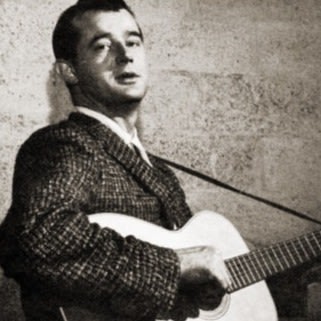
His show earned the such success that the CBC transferred him to the national station in Toronto where he starred in a morning children's show and an adult evening show, including 'Singing in the Wilderness' (Toronto, 1949), 'Young People's Radio Magazine' (Vancouver, 1953), and the children's TV program 'Ed's Place' (Toronto, 1953-4). He also sang the role of Mal Tompkins in the 1954 CBC-TV production of Mavor Moore's The Hero of Mariposa. During this time McCurdy developed friendships with guests on his show like Pete Seeger, Lena Horne, Josh White, Oscar Peterson, and Oscar Brand, and found his love for folk music. Following this passion, McCurdy released his first folk album in 1949 ''Ed McCurdy Sings Songs of the Canadian Maritimes.'' McCurdy’s debut LP earned such praise that he began performing his own folk show at the New York's Village Vanguard in 1950. By 1954 McCurdy had cemented his reputation through a record deal with Elektra Records, collaborating with Oscar Brand and Jack Elliott on the album Bad Men and Heroes. In 1955, he released his second album, The Ballad Record, earning him enough success for two more albums released Bar Room Ballads and A Ballad Singer's Choice, over the next two years.
Ed McCurdy
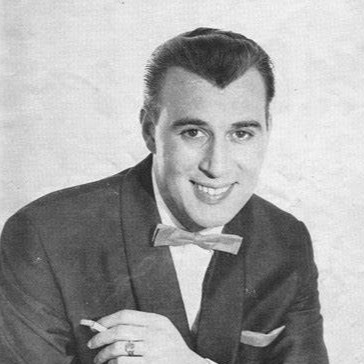
Though McCurdy moved to New York City in 1954, he continued to appear in Canada. He was the host for CBC-TV shows 'Edand Ross (Toronto, 1957-9,) and 'Folksongs with Ed McCurdy'(Halifax, 1961) and performed in Canadian coffeehouses and at the Mariposa Folk Festival in1962.In addition, McCurdy also maintained a side career as an actor and announcer on children's television shows, and became recognized as the "L&M Cigarette Man" on television, was an emcee for the George Gobel Show, and by 1956, was the star of the children's TV show Freddie The Fireman. McCurdy’s biggest hit is the anti-war song "Last Night I Had the Strangest Dream" (also known as "The Strangest Dream") written during the prelude of the Korean War, in1950. The song had its first album release when Pete Seeger recorded it as "Strangest Dream" for his 1956 album Love Songs For Friends & Foes. The strong anti-war theme of the song led it to be recorded by multiple other artists, including The Weavers (1960), Joan Baez (1962), The Kingston Trio (1963), Simon & Garfunkel (1964), Johnny Cash (2003), and more. The song has been recorded by over 50 acts in English and adapted into 80 languages, it acts as the theme song for the Peace Corps, and is considered one of the most influential anti-war songs of all time. <BR><BR>
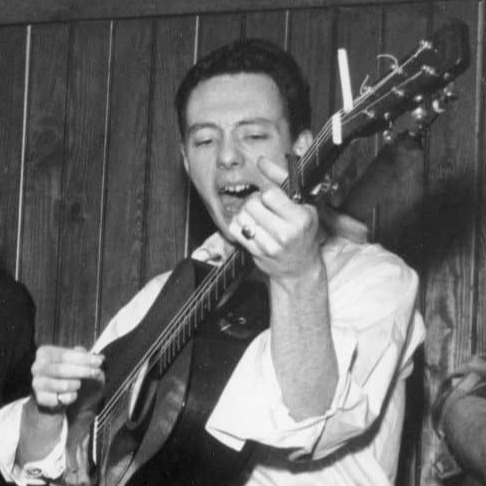
McCurdy also found success on college campuses throughout the late 50s with his risque collection of folk songs in a three-part series of albums titled When Dalliance was in Flower (and Maidens Lost Their Heads). And his 1956 single "Miracle of the Wheat" became a Christmas Tradition on Cincinnati Radio. McCurdy continued to release albums and perform throughout the 1950s and 1960s becoming well-known as a folk music artist. In 1959, he performed at the Newport Folk Festival, and four of his songs appeared on the third volume of Vanguard Records' Folk Festival at Newport.
McCurdy carried out a 1976 tour of Europe but began performing less frequently due to health problems. In 1980, his composition "King's Highway", became the official theme songs VISTA. In 1982 he moved to Halifax Nova Scotia and performed at several Canadian folk festivals, including Mariposa, Home County Folk Festival (London, Ont), and Winnipeg until 1994. He also took dramatic roles as an actor in films (eg, the NFB's Justice Denied, 1989) and on CBC-TV.
“Last Night I Had the Strangest Dream” became McCurdy's trademark, and the title track of his final album of new material, released in 1967. He was awarded the Peace Abbey Courage of Conscience award on September 26, 1992, for "Last Night I Had the Strangest Dream". McCurdy was one of the most recorded folk artists in North America, and one of the first to issue an album focusing on Newfoundland folk songs.
His first LP was followed by 30 others recorded in the USA for Riverside, Elektra, Tradition, etc. McCurdy lived to be 81, passing away on March 23, 2000, at his home in Halifax, Nova Scotia.