1936-2001
Fred Neil
1936-2001
Fred Neil
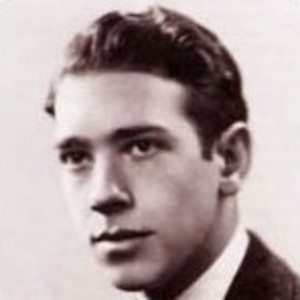
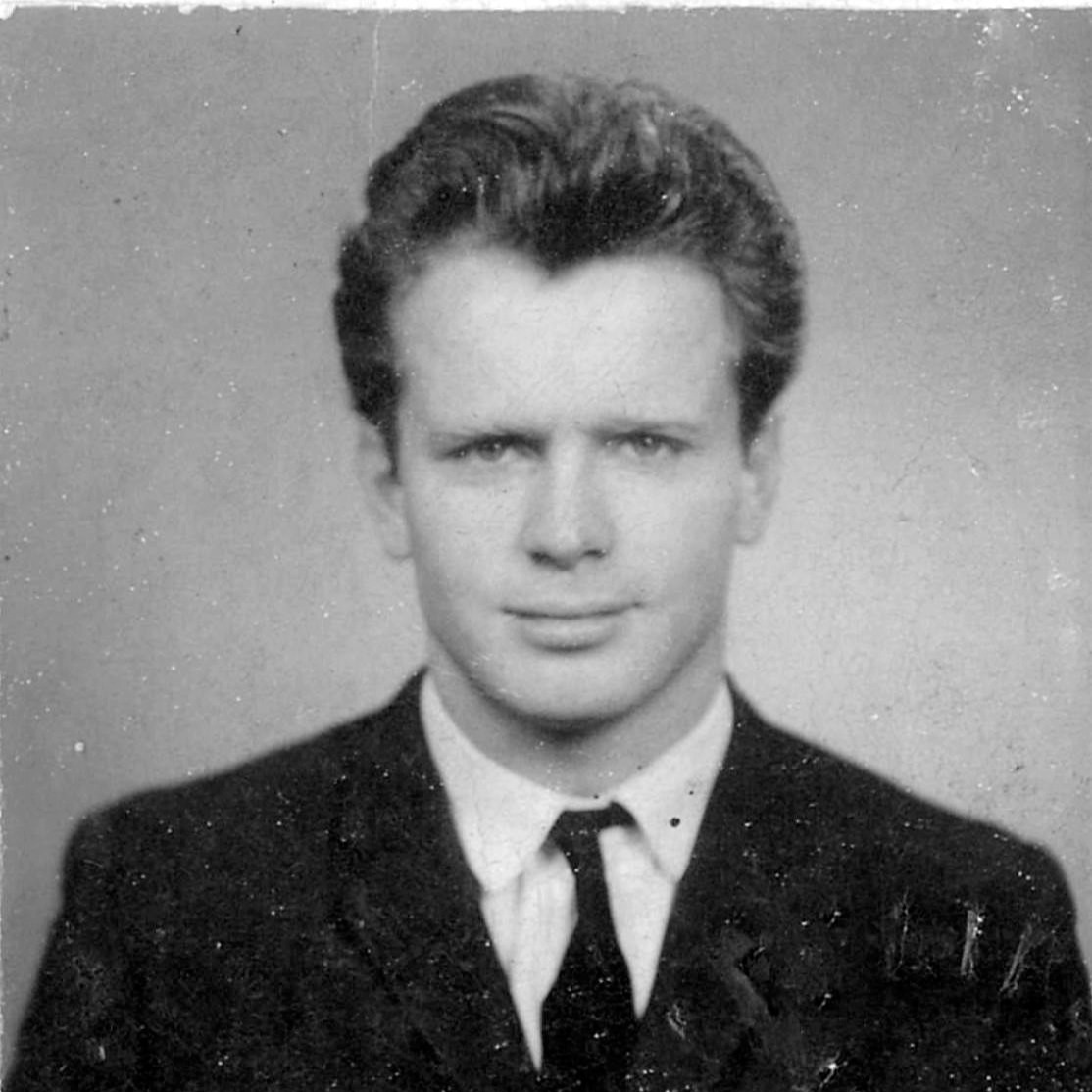
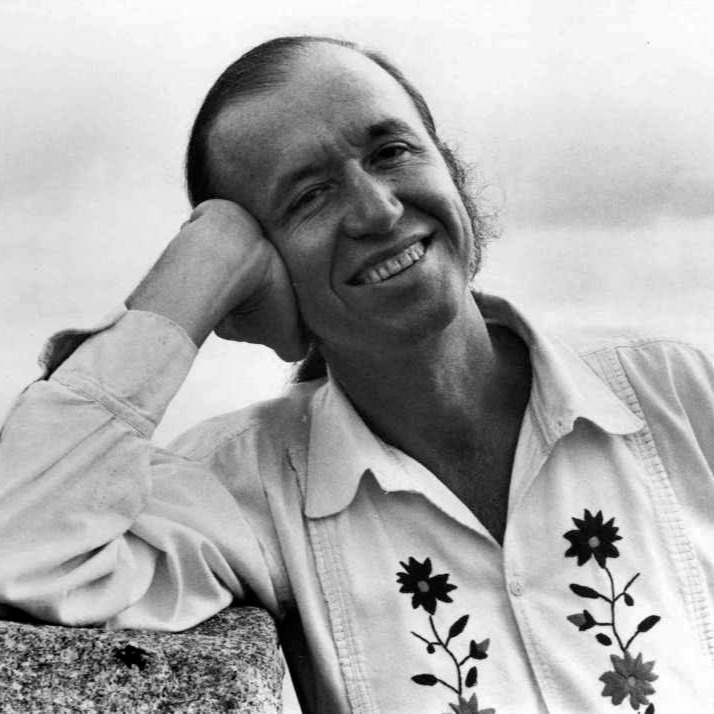
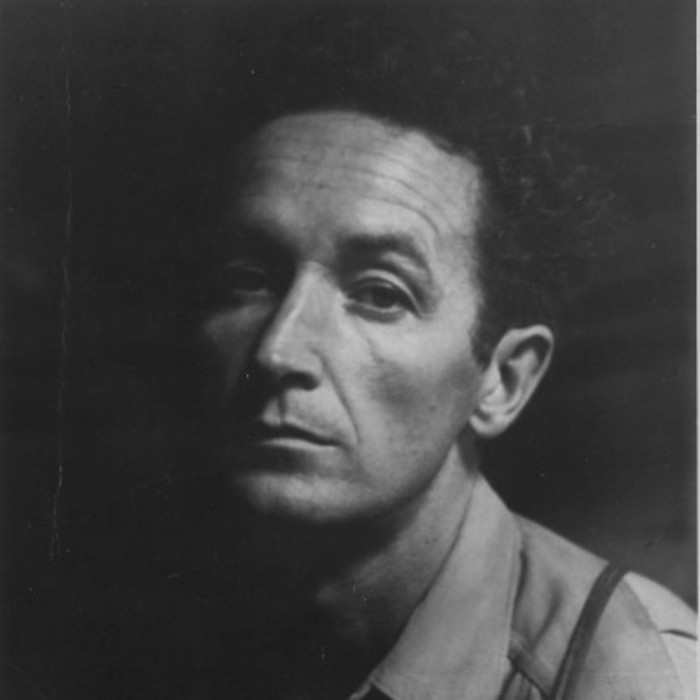
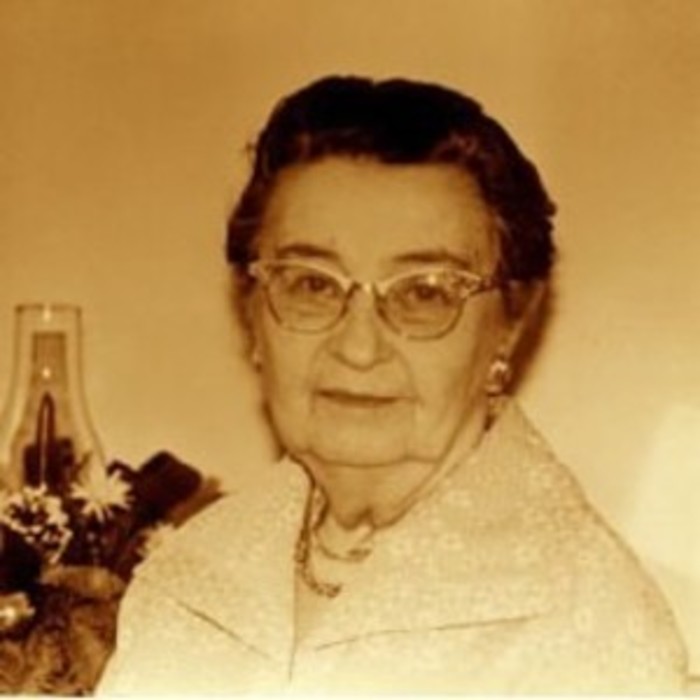
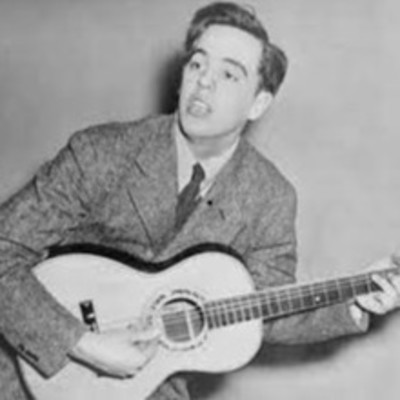
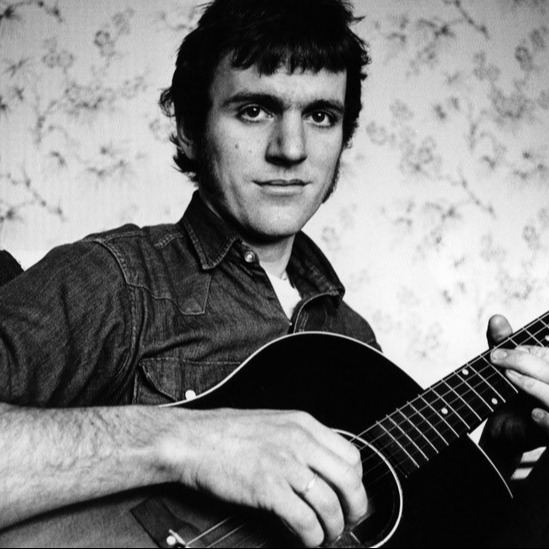
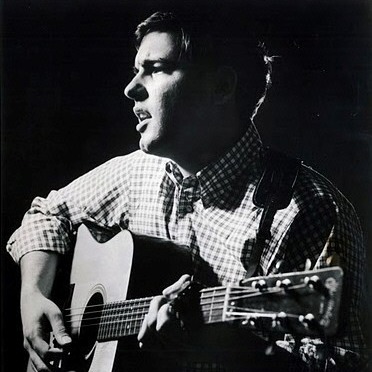
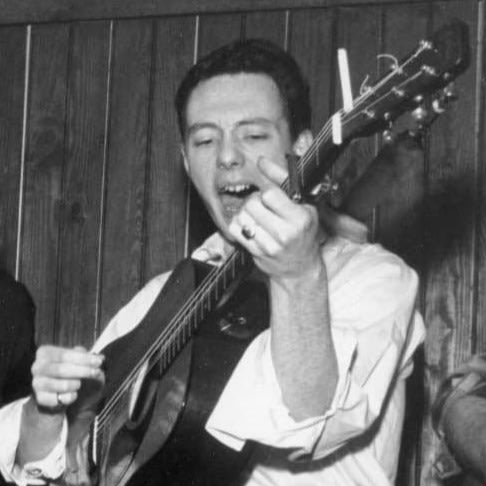
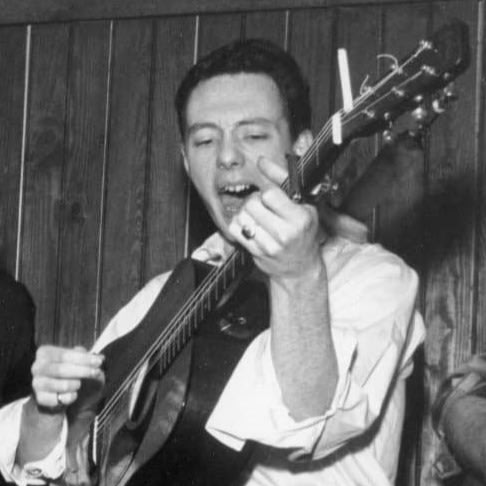
Fred Neil was an American folk singer-songwriter active in the 1960s and early 1970s. He is best known for his work "Everybody's Talkin'", which became a hit for Harry Nilsson after it was used in the film Midnight Cowboy in 1969. Fred Neil was born Frederick Ralph Morlock Jr., on March 16, 1936, in Cleveland, Ohio, just two weeks after his parents, Frederick Ralph Morlock and Lura Camp Riggs, married. Neil later took his stage name from his maternal grandmother, Addie Neill, the family member he was closest to. Neil was raised the son of a traveling Wurlitzer jukebox salesman and often accompanied him on his national route, exposing him to music early on. In 1942, he moved to St. Petersburg, Florida, where young Fred started singing when he was in first grade, coached by his mother. Around 1947, when in sixth grade, he started playing guitar. His parents separated in 1945, and divorced in 1949, his father returned to Cleveland.
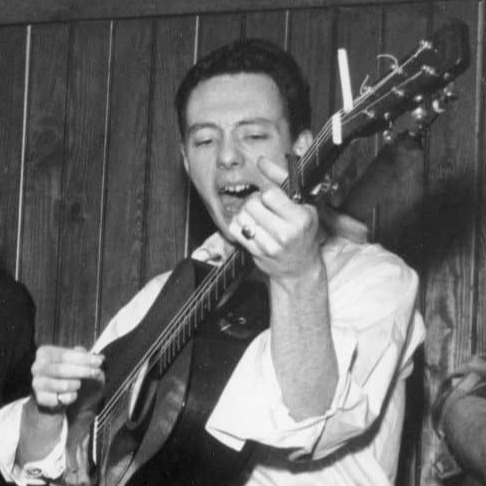
In the late 1950s, Neil was one of the singer-songwriters who worked out of New York City's Brill Building, a center for music industry offices and professional songwriters, writing songs for artists like Buddy Holly and Roy Orbison. While composing at the Brill Building for other artists, Neil also recorded six rockabilly-pop singles for different labels as a solo artist.Known for his 12-string guitar and spectacularly deep baritone voice, he became a prominent figure in the Greenwich Village NYC folk scene, where he mentored and wrote for artists like David Crosby, Bob Dylan, Gram Parsons, Karen Dalton, Barry McGuire, and Paul Kantner. In February 1961 he co-hosted with Lou Gossett, an afternoon hootenanny at Cafe Wha? Neil met Vince Martin in 1962, and they formed a singing partnership; his first LP, Tear Down The Walls (1964) was recorded with Martin, The bluesiest of his albums, it contained some of his best songs, including “Little Bit of Rain,” “Other Side of This Life,” and “Candy Man.” In the mid-60s, Neil began recording for Elektra and Capitol Records. In 1966, he released the self-titled work Fred Neil. This album features his two most recognizable songs: the aforementioned “Everybody’s Talkin'” and “The Dolphins”, famously covered by Tim Buckley and Linda Ronstadt.
“Eiusmod exercitation veniam in anim adipisicing culpa excepteur esse quis id magna nostrud amet excepteur minim”
Somebody
Bob Dylan Karen Dalton and Fred Neil
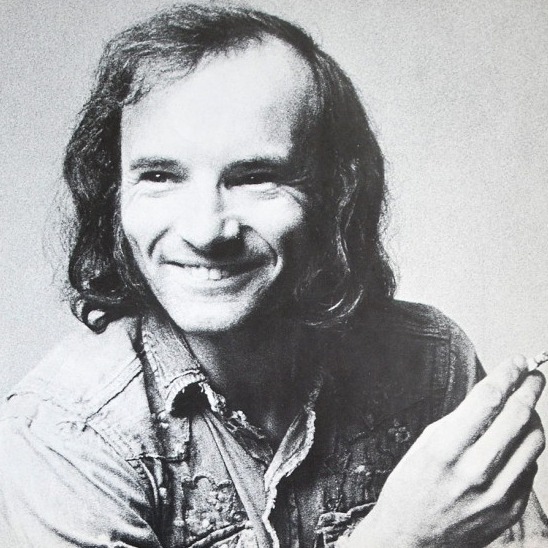
During 1965 and 1966 Neil was joined on many live sets by the Seventh Sons, a trio led by Buzzy Linhart on guitar and vibes. Neil released Bleecker & MacDougal on Elektra Records in 1965, reissued in 1970 as A Little Bit of Rain. His album Fred Neil, released in 1967, relaunched in 1969 as Everybody's Talkin', was recorded during his residencies in Greenwich Village and Coconut Grove, with one session taking place in Los Angeles. Neil gained public recognition in 1969 when Nilsson's recording of "Everybody's Talkin'" was featured in the film Midnight Cowboy; the song became a hit and won a Grammy Award. After "Everybody's Talkin'", Neil's best-known songs are "Other Side of This Life", covered by The Lovin' Spoonful on their debut album, Do You Believe in Magic and Jefferson Airplane on their live album Bless Its Pointed Little Head; and "The Dolphins", which was later recorded by several artists, including Linda Ronstadt, It's a Beautiful Day, Billy Bragg, Beth Orton, and Tim Buckley.
Neil soon relocated to Coconut Grove Florida, where he remained an enigmatic, and mysterious figure. His recorded output was formidable but sparse, he never moved on from cult success, and didn’t release anything after a live album in 1971. Interested in dolphins since the mid-1960s, when he began visiting the Miami Seaquarium, Neil, with Ric O'Barry, founded the Dolphin Research Project in 1970, an organization dedicated to stopping the capture, trafficking, and exploitation of dolphins worldwide. This passion overtook Neil’s work in music, and he stopped recording, with only occasional performances for the rest of the 1970s. Neil spent his remaining decades on the shores of southern Florida, involved in the Dolphin Project. After a guest appearance with Stephen Stills at New York City's Madison Square Garden in 1971, Neil began a long retirement, performing in public mostly at gigs for the Dolphin Project in Coconut Grove. Neil's last public performance was in 1981, at an outdoor concert at the Old Grove Pub in Coconut Grove, where he joined Buzzy Linhart for one song and stayed onstage for the rest of the set. In 1998, he remarked on a sore on his face that he claimed was a spider bite. It was the first sign of a later-diagnosed squamous-cell carcinoma, for which he received radiation treatment and surgery. The cancer returned in 2001, and he was scheduled to begin chemotherapy on July 16, but he was found dead on July 7, 2001, at the age of 65
Fred Neil was one of the most influential singer-songwriters of the '60s folk boom. With his cavernous baritone and loose-limbed acoustic guitar strumming, he was probably the first singer-songwriter to integrate jazz and blues into his sound. His unique style influenced everyone from Tim Buckley to Crosby, Stills & Nash, and over the years his songs were covered by everyone from Beth Orton to Tony Bennett.