1939-2019
Norma Tanega
1939-2019
Norma Tanega
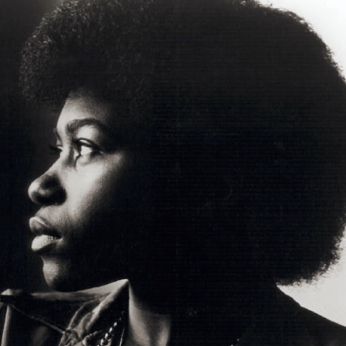
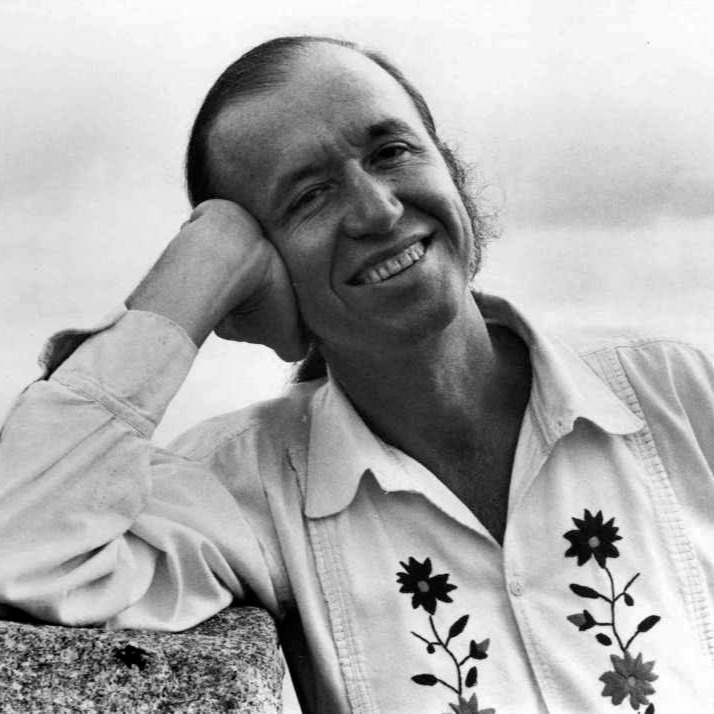
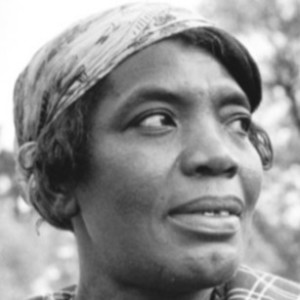
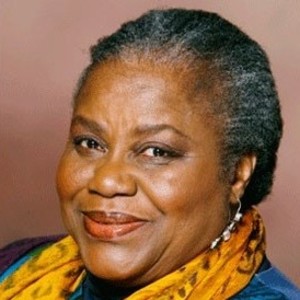
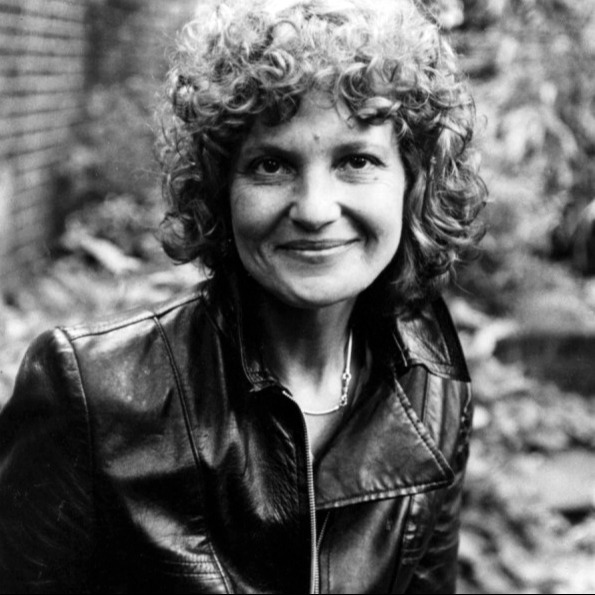
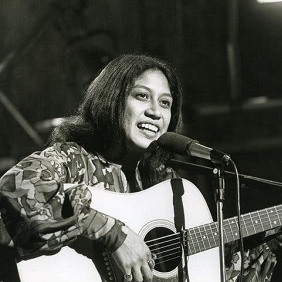
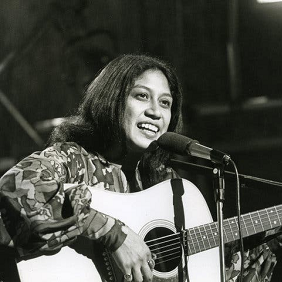
Norma Cecilia Tanega was an American folk and pop singer-songwriter, painter, and experimental musician, best known for her 1960s hit single "Walkin' My Cat Named Dog". She was born on January 30, 1939, in Vallejo, California, her mother Otilda Tanega was Panamanian, and her father, Tomas Tanega, was Filipino and worked as a bandmaster for 30 years in the United States Navy. At the age of nine Tanega began taking classical piano lessons, she entered Long Beach Polytechnic High School in 1952 and by her senior year directed the school's art gallery. At age 16 she was exhibiting her paintings at both Long Beach's Public Library and its Municipal Art Center, as well as playing Beethoven and Bartók at piano recitals, and writing poetry. She entered Scripps College at 17 on a scholarship and continued her studies at Claremont Graduate School, earning an MFA in 1962. Tanega spent a summer backpacking around Europe before moving to Greenwich Village in New York City in 1963 to pursue music. She became involved in the folk music scene performing her songs in coffee houses and pursuing political activism. During the summers Tanega worked as a camp counselor in the Catskill Mountains.
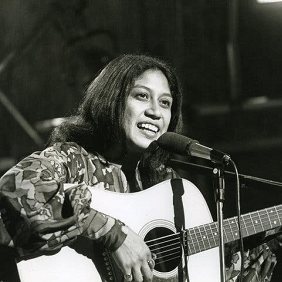
Tanega was signed to the New Voice Records label in 1966, her first single, "Walkin' My Cat Named Dog", became an international hit in 1966, peaking at number 22 on both the U.S. Billboard Hot 100 and the UK Singles Charts, and #3 in Canada. Tanega's inspiration for the song came from living in a New York City apartment building that did not allow dogs, so instead, she owned a cat that she named "Dog" and took for walks on a leash. In the piece, Tanega accompanies herself on guitar and plays harmonica, singing “Dog is a good old cat/People, what you think of that? That’s where I’m at, that’s where I’m at.” The single's success earned Norma appearances on American Bandstand and Where the Action Is, as well as a North American tour with Gene Pitney, Bobby Goldsboro, Chad and Jeremy, and The McCoys. Many of Tanega’s songs are adaptions of traditional tunes like "Hey Girl", derived from Lead Belly's "In the Pines", but she also experiments with the structure of typical pop and folk music, as seen in her piece "No Stranger Am I". In fact, during a stop on her nationwide tour, Tanega told The Detroit Free Press that she wasn’t sure which genre she worked in “The folkies don’t like me and the rock ’n’ rollies don’t like me. I just want to sing for people. You might say it’s mass love.”
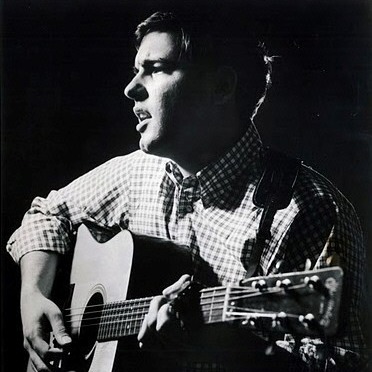
NormaTanegaGuitar
Tanega's next three singles had less commercial success than "Walkin' My Cat Named Dog", but her debut album spawned several cover versions of her hit by contemporary artists, including Barry McGuire, The T-Bones, Jazz Crusaders, Art Blakey. There were also international versions of her piece "Walkin' My Cat Named Dog" in different languages, including French, Dutch, and Danish renditions. In 1966 Tanega went on tour in England which included a performance on the program Ready Steady Go!, where she met British pop singer Dusty Springfield. Tanega entered a romantic relationship with Springfield, and they lived together in London's Kensington district for five years. During this time Tanega continued to paint and play music, and Springfield recorded many of Tanega's songs including "No Stranger Am I", "The Colour of Your Eyes", which Tanega wrote for Springfield in Venice, Los Angeles; "Earthbound Gypsy", "Midnight Sounds", and "Come for a Dream". In 1970 Tanega teamed up with jazz pianist Blossom Dearie to write a song “Dusty Springfield” about Springfield for Dearie's album That's Just the Way I Want to Be. But Tanega went uncredited for many of her collaborations with Springfield, and by 1970 their relationship was deteriorating. While living in England in 1971 Tanega released her album I Don't Think It Will Hurt If You Smile, which failed to chart.
After her six-year relationship with Springfield ended, Tanega moved back to California and began working as a gallerist and painter with support from the Claremont Museum of Art. Tanega found a home in Claremont and became a central figure in the city’s LGBTQ2S+ art community. Tanega also took jobs as an adjunct professor of art at California State Polytechnic University and taught music, art, and English as a second language. Tanega also continued her work as a musician but switched her focus to percussion and her style evolved from folk-rock singer-songwriting to more instrumental and experimental music. In the 1980s she was a member of Scripps ceramics professor Brian Ransom's Ceramic Ensemble, a group that played Ransom's handmade earthenware instruments, and in the 1980s-1990s, Tanega founded the musical groups hybrid vigor, Latin Lizards and Baboonz. And nearly 50 years after the debut of Tanega’s first album, its opening track, “You’re Dead,” which speaks on Tanega’s struggles in New York’s music scene, was used as the theme song for “What We Do in the Shadows” in 2015. The movie spawned a TV series on the FX network, and in 2019, Tanega’s “You’re Dead” was also used as the opening credits theme for the television adaptation.
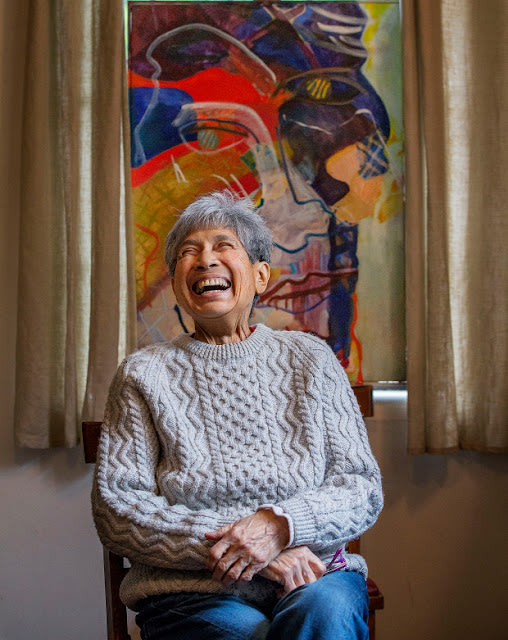
Tanega continued teaching, painting, and playing music for the rest of her life before passing away from Colon Cancer on December 29, 2019, at her home in Claremont, California, at the age of 80. “I always played for personal joy, and that could make things difficult. Music is for pleasure. I was never good at business, I never wanted to be a serious artist because I like to laugh too much.” -Norma Tanega