1935-2002
Dudley Moore
1935-2002
Dudley Moore
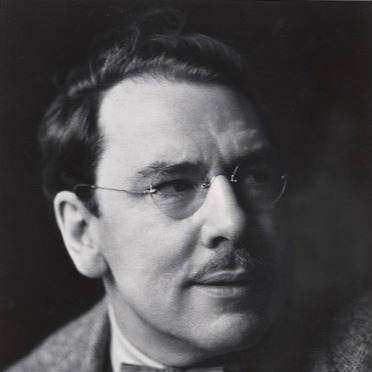
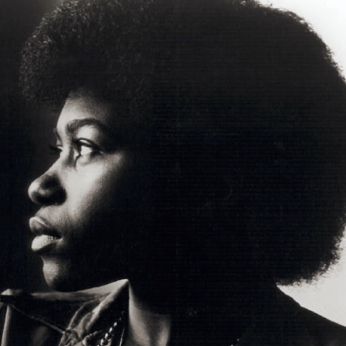
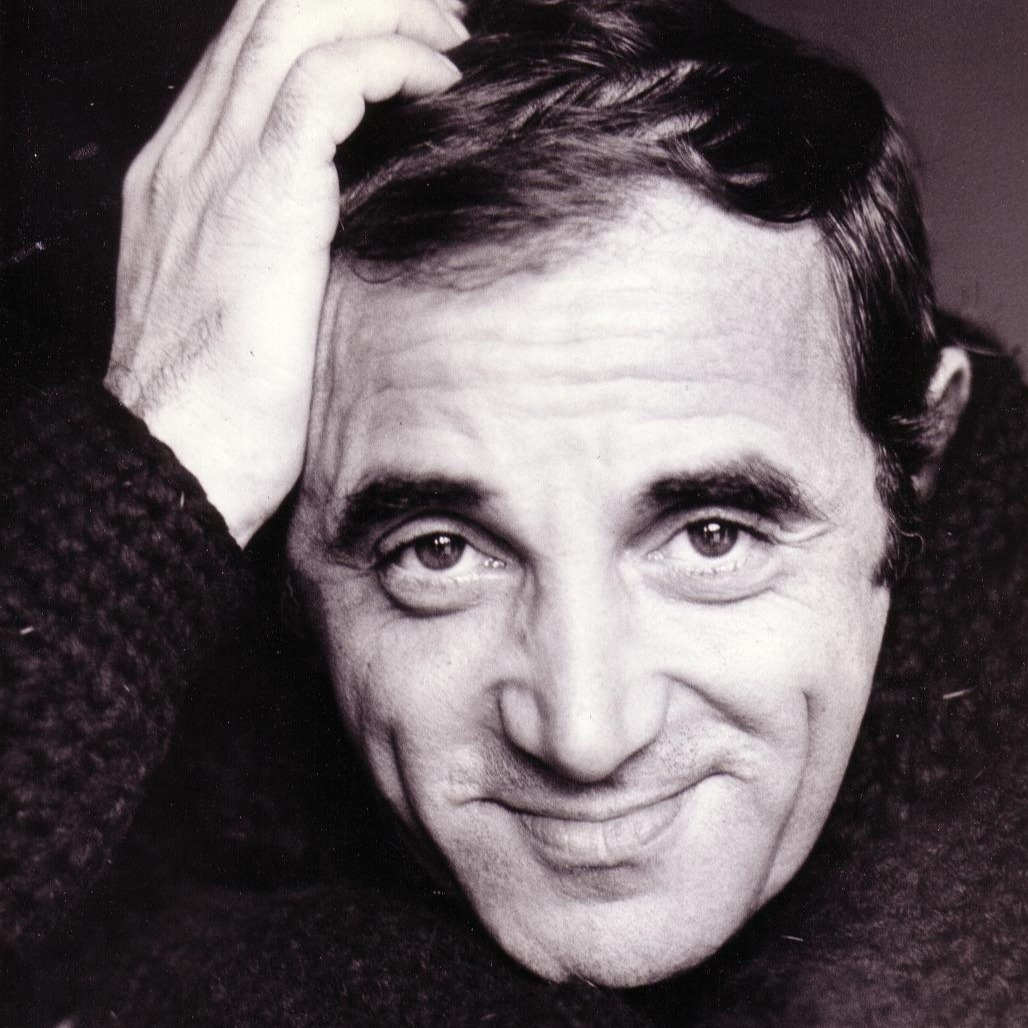
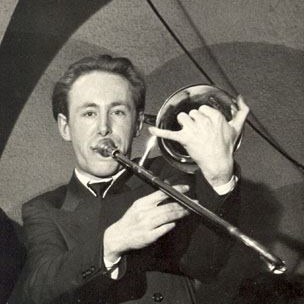
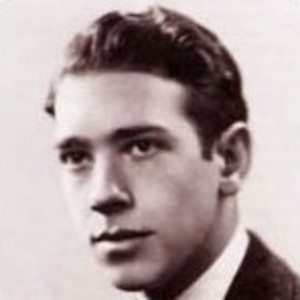
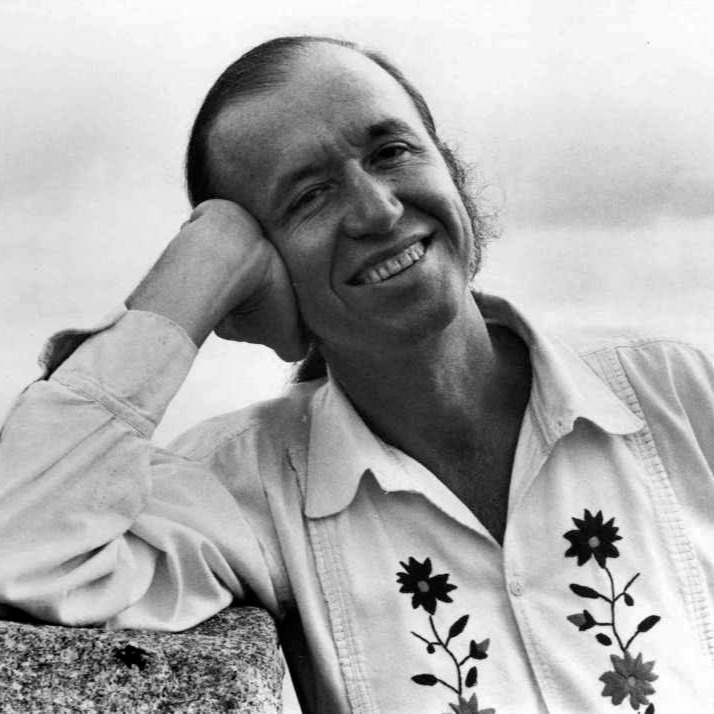
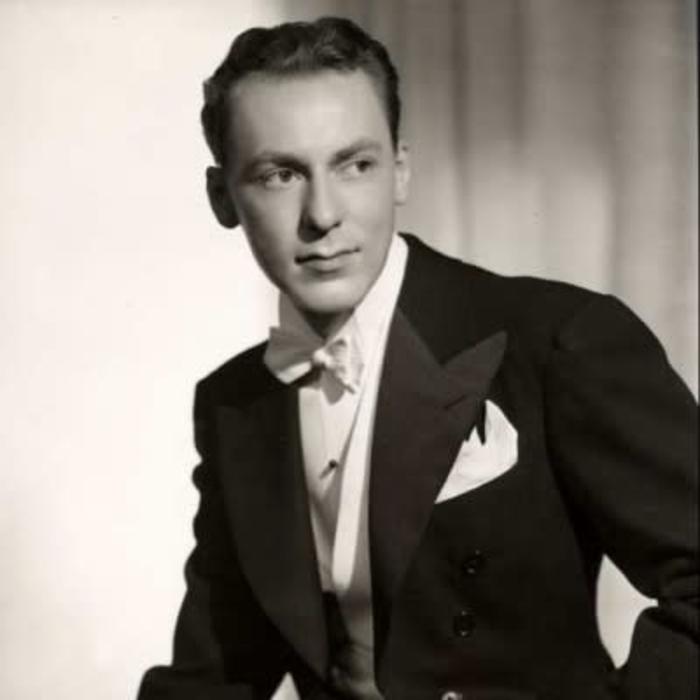
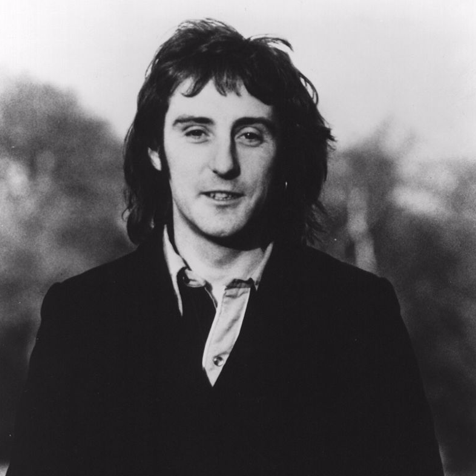
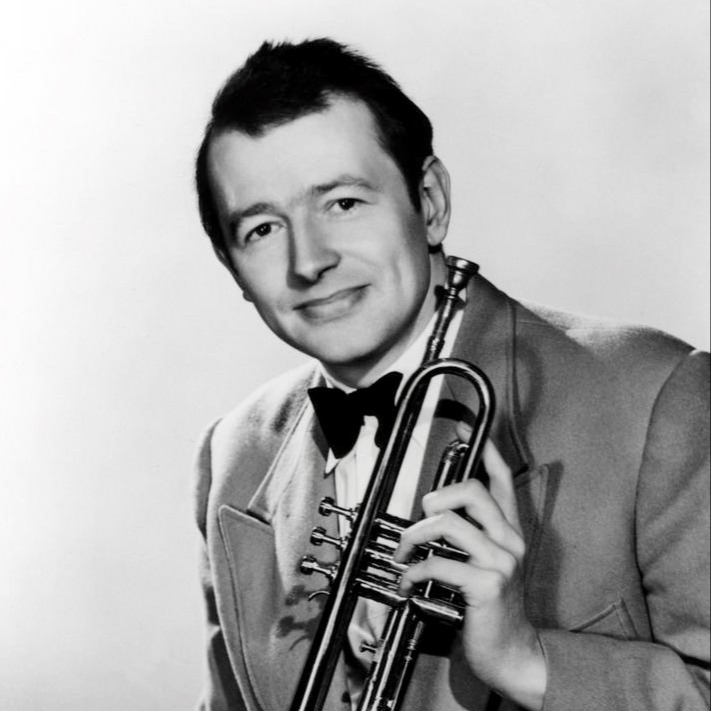
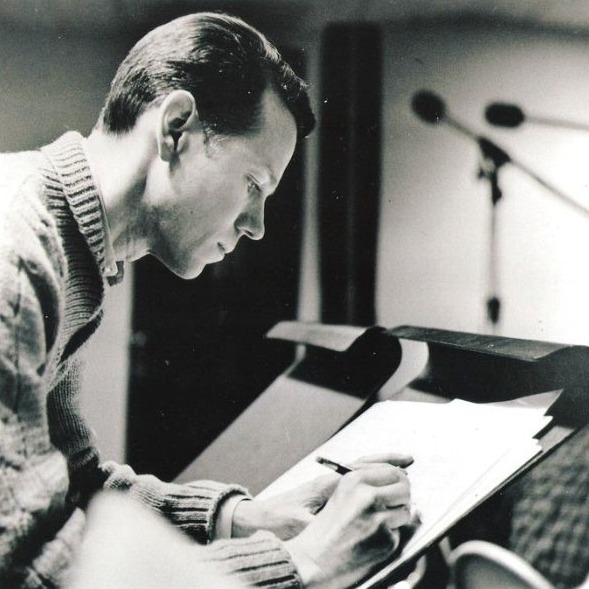
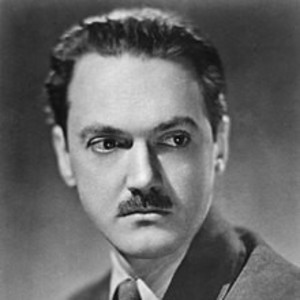
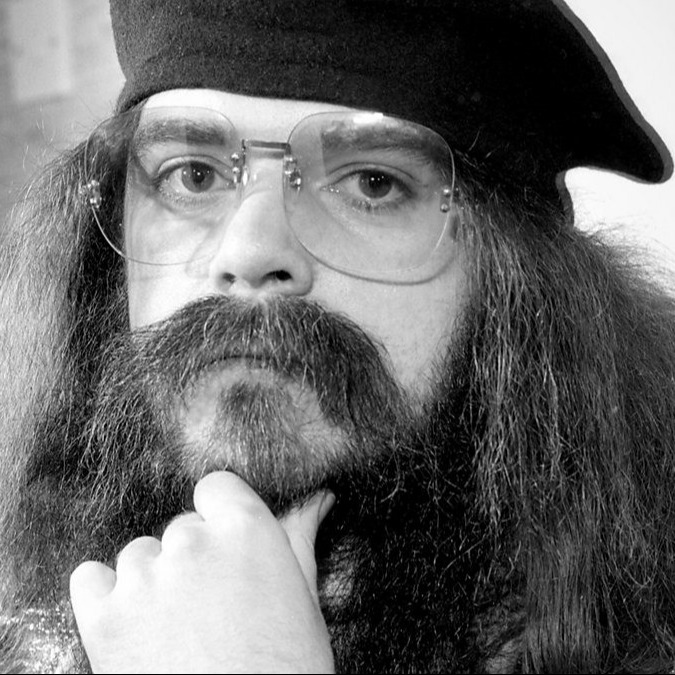
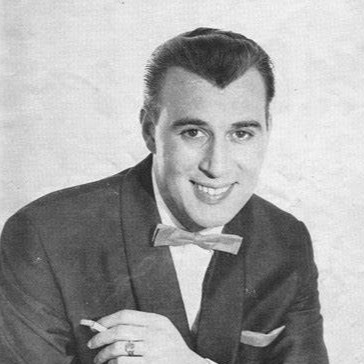
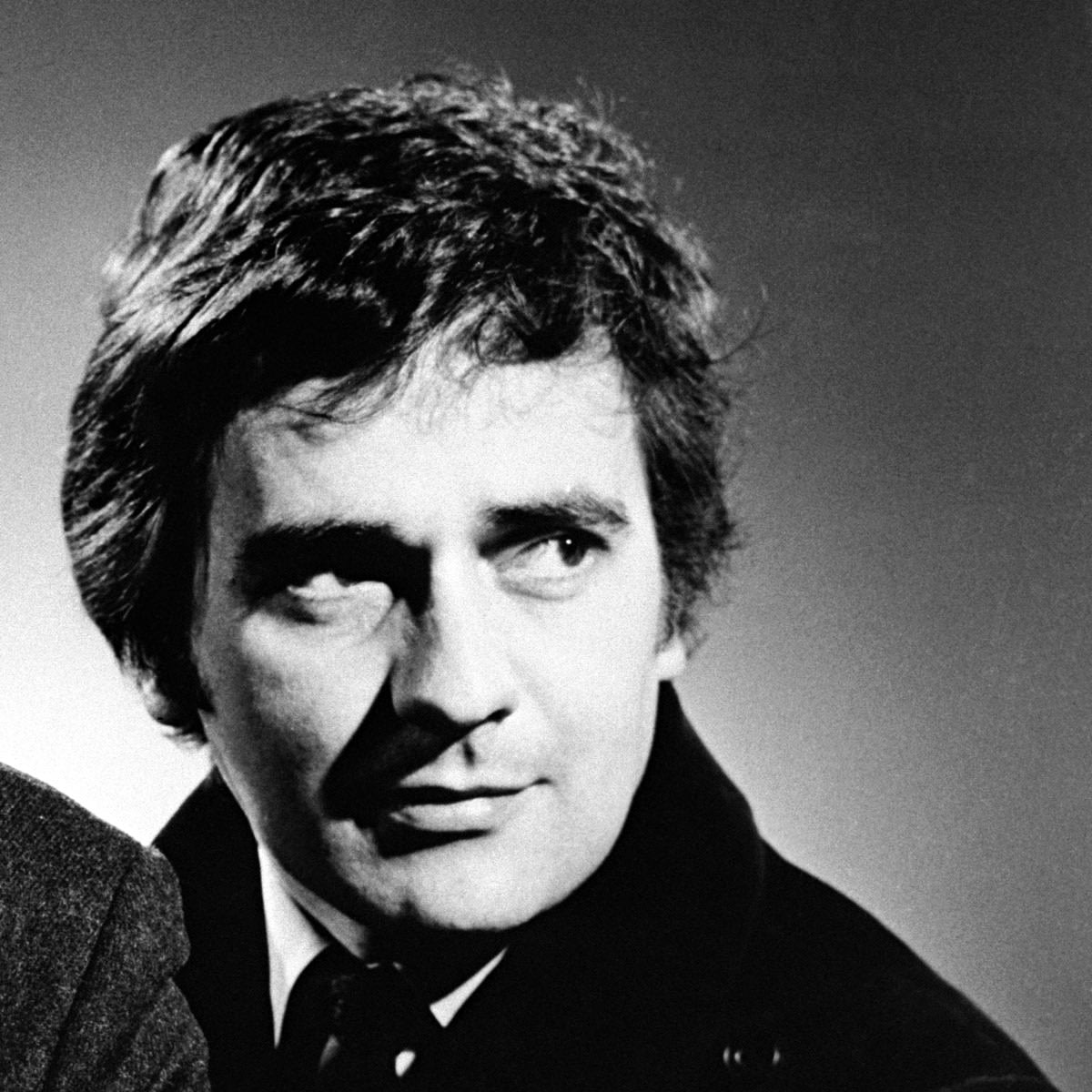
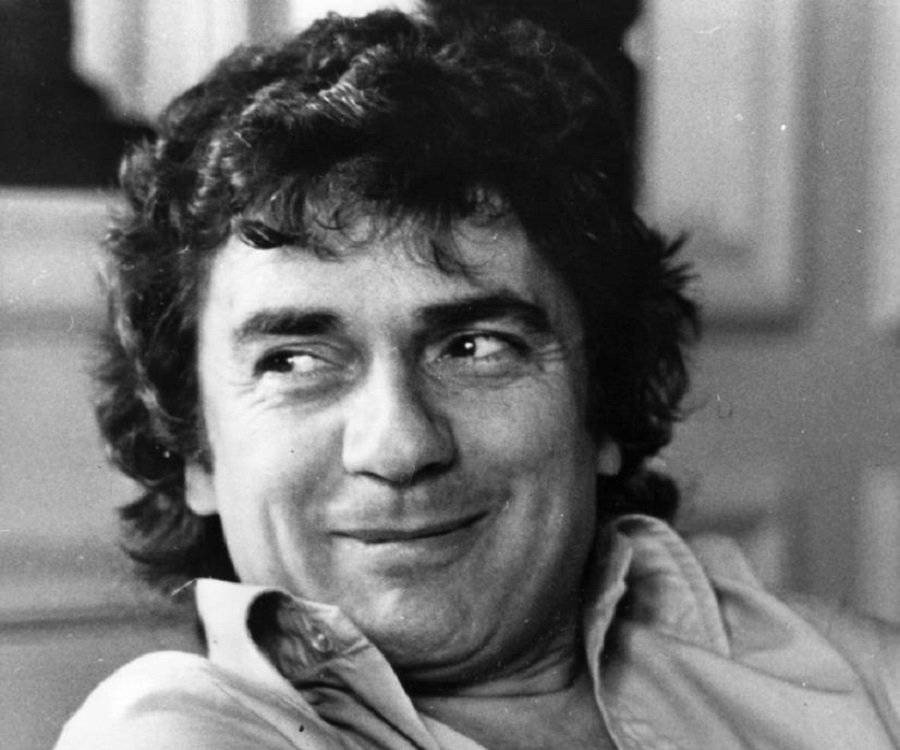
Dudley Moore was an English actor, comedian, musician, and composer. He was one of the four writer-performers in the 1960 comedy revue Beyond the Fringe and collaborated with English actor, comedian, and screenwriter, Peter Cook, on the BBC television series Not Only... But Also. Dudley Moore was born Dudley Stuart John Moore on April 19, 1935, in central London, the son of Ada Francis, a secretary, and John Moore, a railway electrician. He was born with club feet that required extensive hospital treatment, his right foot was corrected by the time he was six, but his left foot was permanently twisted, which caused him to be teased as a child. Dudley found an interest in music shortly after, he joined a choir by the time he was six and at age eleven, earned a scholarship to the Guildhall School of Music, where he took up harpsichord, organ, violin, musical theory, and composition. He rapidly developed into a highly proficient pianist and organist and began playing the organ at weddings by the age of 14. Moore went on to attend Dagenham County High School where he received music tutelage from composer Peter Cork, who helped him towards his Oxford music scholarship. Moore won an organ scholarship to Magdalen College, Oxford, where he was tutored by composer Bernard Rose. While studying music and composition, he also performed with Alan Bennett in The Oxford Revue. Moore's primary musical influences were Oscar Peterson and Erroll Garner. During his time in school, Moore developed a love of jazz music and shifted his focus. He soon became an accomplished jazz pianist and composer and began working with musicians like John Dankworth and Cleo Laine. Some of Moore’s early recordings include "My Blue Heaven", "Lysie Does It", "Poova Nova", "Take Your Time", "Indiana", "Sooz Blooz", "Baubles, Bangles & Beads", "Sad One for George" and "Autumn Leaves".
During the 1960s he formed the Dudley Moore Trio, with drummer Chris Karan and bassist Pete McGurk. The trio performed regularly on British television, made numerous recordings, and had a long-running residency at Peter Cook's London nightclub, the Establishment. Amongst other albums, they recorded The Dudley Moore Trio, Dudley Moore plays The Theme from Beyond the Fringe and All That Jazz, The World of Dudley Moore, The Other Side Of Dudley Moore, and Genuine Dud. Moore caught his big break in 1960 when John Bassett, a graduate of Wadham College, recommended Moore to producer Robert Ponsonby, who was putting together a comedy revue entitled Beyond the Fringe. Beyond the Fringe was at the forefront of the 1960s UK satire boom, when the revue was performed at the Fortune Theatre in London it became a hit. The satire show had musical numbers as well that were composed by Moore, most famously an arrangement of the Colonel Bogey March in the style of Beethoven. In 1962 the show transferred to the John Golden Theatre in New York, with its original cast, and President John F. Kennedy attended a performance in February 1963, the show continued in New York until 1964. When Moore returned to the UK he was offered his own series on the BBC, Not Only... But Also, where he invited Peter Cook on as a guest, and their comedy partnership became a permanent fixture of the series. They jointly received the 1966 British Academy Television Award for Best Entertainment Performance. Cook and Moore’s comedy acts were successful, and they are best remembered for their sketches as two working-class men, Pete and Dud, in macs and cloth caps, commenting on politics and the arts.
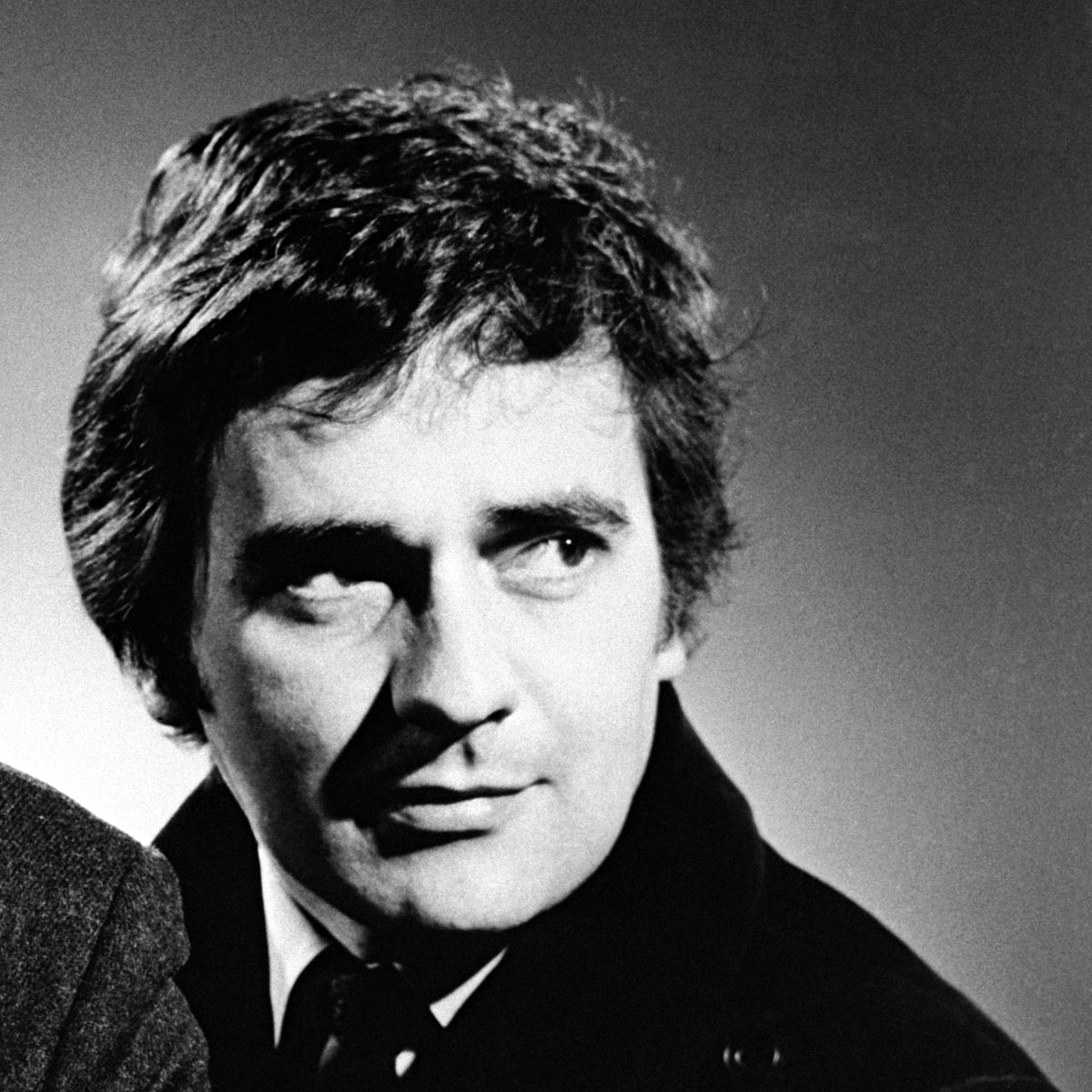
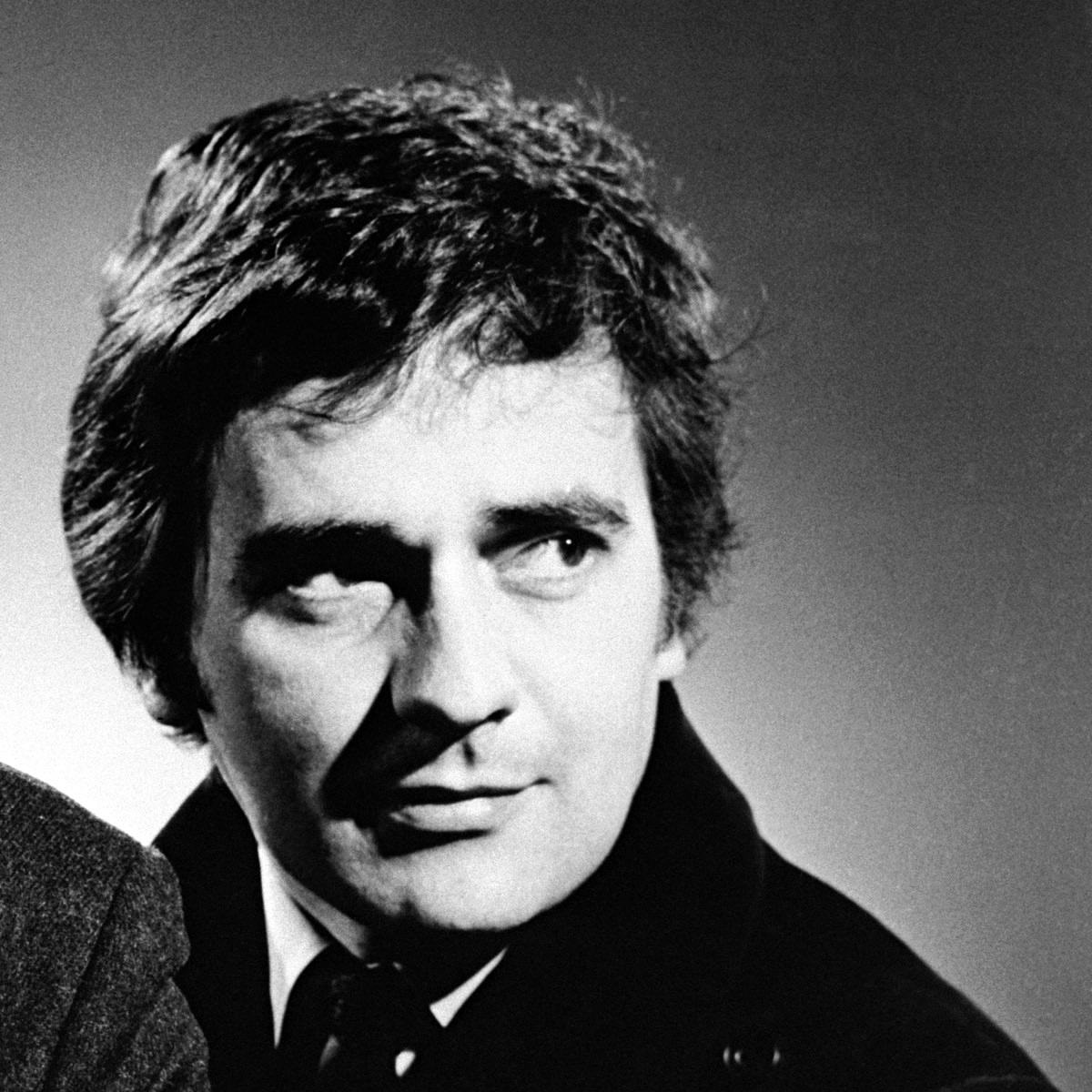
Dudley Moore cropped bw
Moore stayed on the series throughout the late 70s, and Moore and Cook continued their comedic partnership on film in the 1966 British film The Wrong Box, before co-writing and co-starring in Bedazzled (1967) with Eleanor Bron, and the duo closed the decade with appearances in the ensemble caper film Monte Carlo or Bust and Richard Lester's The Bed Sitting Room. In 1968 and 1969 Moore embarked on two solo comedy ventures, in the film 30 is a Dangerous Age, Cynthia, and on stage, for an adaptation of Woody Allen's Play It Again, Sam at the Globe Theatre in London's West End. In the 1970s, the relationship between Moore and Cook became increasingly strained as the latter's alcoholism began affecting his work. In 1971, however, Cook and Moore took sketches from Not Only....But Also and Goodbye Again, together with new material, to create the stage revue Behind the Fridge. This show toured Australia in 1972 before transferring to New York City in 1973, re-titled Good Evening, the show became very popular and won Tony and Grammy Awards. It was during the Broadway run of Good Evening that Cook persuaded Moore to take the humor of Pete and Dud further on long-playing records as Derek and Clive, which they released commercially as Derek and Clive (Live) (1976), the "Derek and Clive" albums, Derek and Clive Come Again (1977) and Derek and Clive Ad Nauseam (1978), were later released. When the Broadway run of Good Evening ended, Moore stayed on in the U.S. to pursue his acting ambitions in Hollywood. Moore earned a supporting role in the hit film Foul Play (1978) with Goldie Hawn and Chevy Chase, and in 1979 had his breakout role in Blake Edwards's 10, which became one of the biggest box-office hits of 1979 and gave him a Hollywood status as a romantic leading man. In 1981 Moore appeared in the title role of the comedy Arthur, an even bigger hit than 10, for which Moore received an Oscar nomination for Best Actor, and won a Golden Globe award for Best Actor in a Musical/Comedy.
Moore continued his success in Hollywood with the films, Six Weeks (1982), Lovesick (1983), Romantic Comedy (1983), and Unfaithfully Yours (1984), and he won another Golden Globe for Best Actor in Micki & Maude, a Musical/Comedy in 1984, and in 1986 he hosted Saturday Night Live. In addition to acting, Moore continued his work as a composer and pianist, writing scores for a number of films and performing as a pianist. In 1976 he played piano on Larry Norman's album In Another Land, and in 1981 he recorded Smilin' Through with Cleo Laine. He also composed the soundtracks for the films Bedazzled (1967), 30 is a Dangerous Age, Cynthia (1968), Inadmissible Evidence (1968), Staircase (1969), The Hound of the Baskervilles (1978), and Six Weeks (1982), among others. In 1991 he released the album Songs Without Words and in 1992 Live From an Aircraft Hangar, recorded at London's Royal Albert Hall. He collaborated with the conductor Sir Georg Solti in 1991 to create a Channel 4 television series, Orchestra!, which was created to introduce audiences to the symphony orchestra, he later worked on a similar television series, Concerto! (1993). By 1995 Moore's film career was on the wane and he was having trouble remembering his lines, a problem he had never previously encountered (his difficulties were, due to the onset of the medical condition that eventually led to his death). Moore continued to work, switching his concentration to the piano. He began performing as a duo with Fruchter, in the US and Australia. However, his disease soon started to make itself apparent there as well, as his fingers would not always do what he wanted them to do. Further symptoms such as slurred speech and loss of balance were misinterpreted by the public and the media as a sign of drunkenness. He moved into Fruchter's family home in New Jersey and stayed there for five years, and she later set him up in the house next door.
In April 1997, after spending five days in a New York hospital, Moore was informed that he had calcium deposits in the basal ganglia of his brain and irreversible frontal lobe damage. In September 1997, he underwent quadruple coronary artery bypass surgery in London. He also suffered four strokes. On 30 September 1999, Moore announced that he was suffering from the terminal degenerative brain disorder progressive supranuclear palsy (PSP), a Parkinson-plus syndrome. Moore died on March 27, 2002mas a result of pneumonia, secondary to immobility caused by his PSP, in Plainfield, New Jersey, at the age of 66. Moore had his final public appearance in November 2001, when he was appointed a Commander of the Order of The British Empire (CBE). Despite his deteriorating condition, he attended the ceremony at Buckingham Palace to collect his honor in a wheelchair.