1909-2004
Gene Raskin
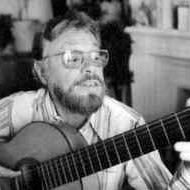
1909-2004
Gene Raskin
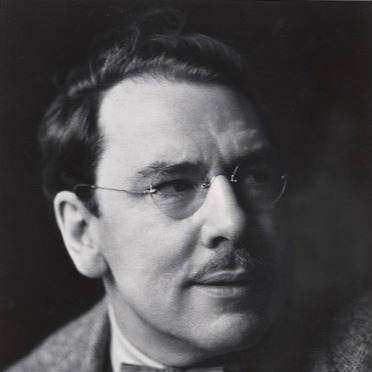
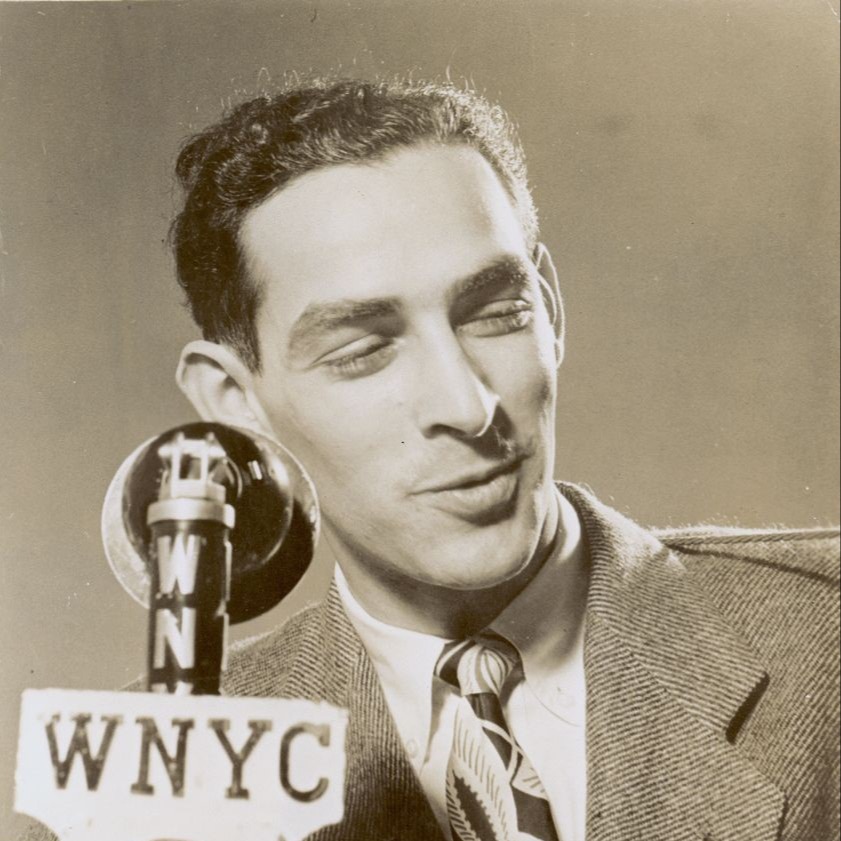
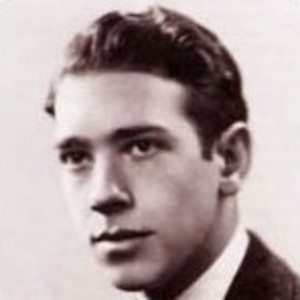
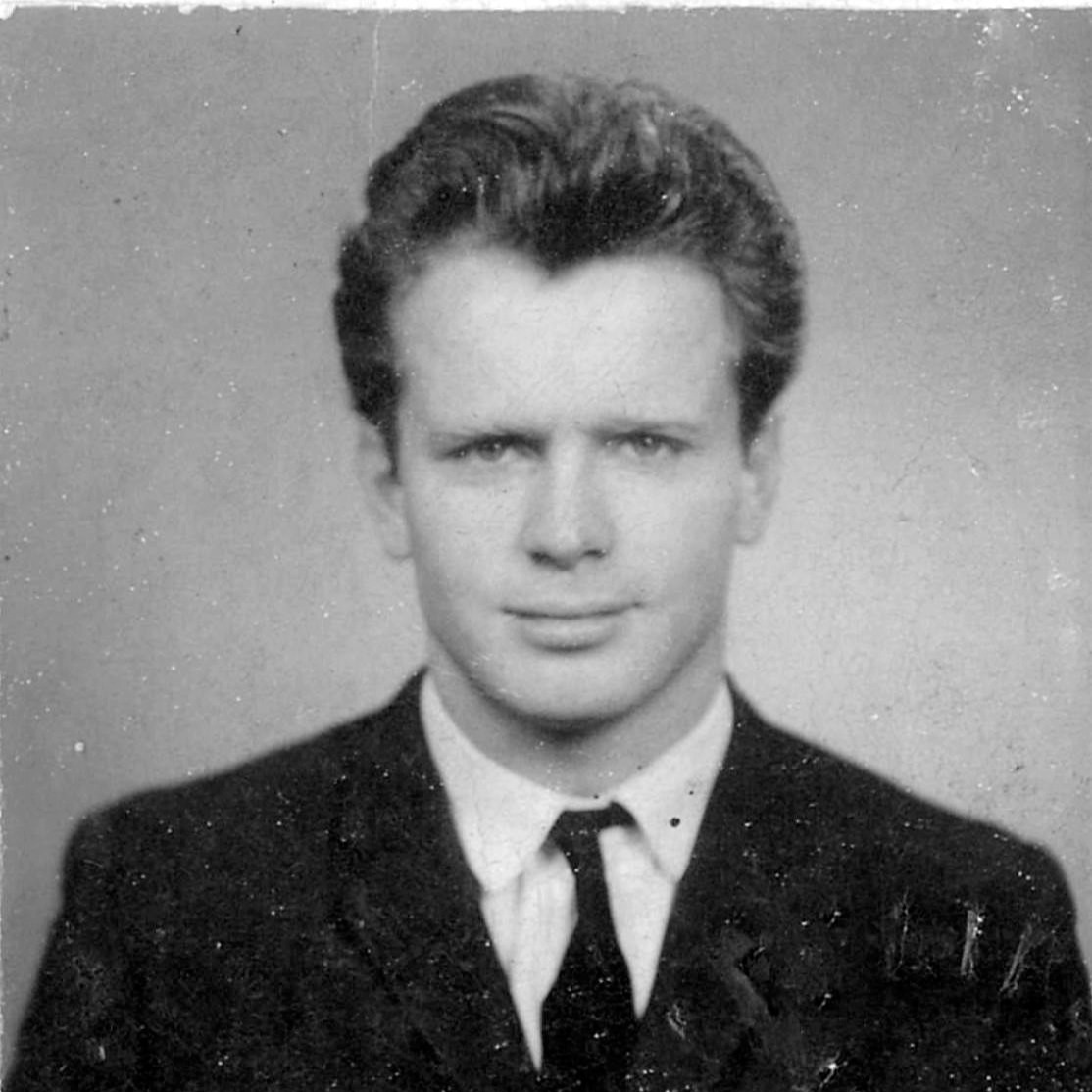
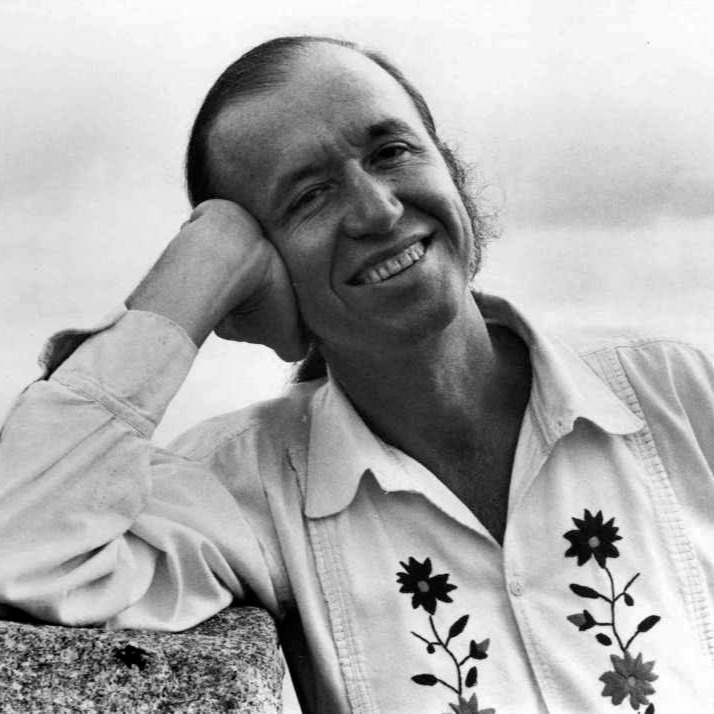
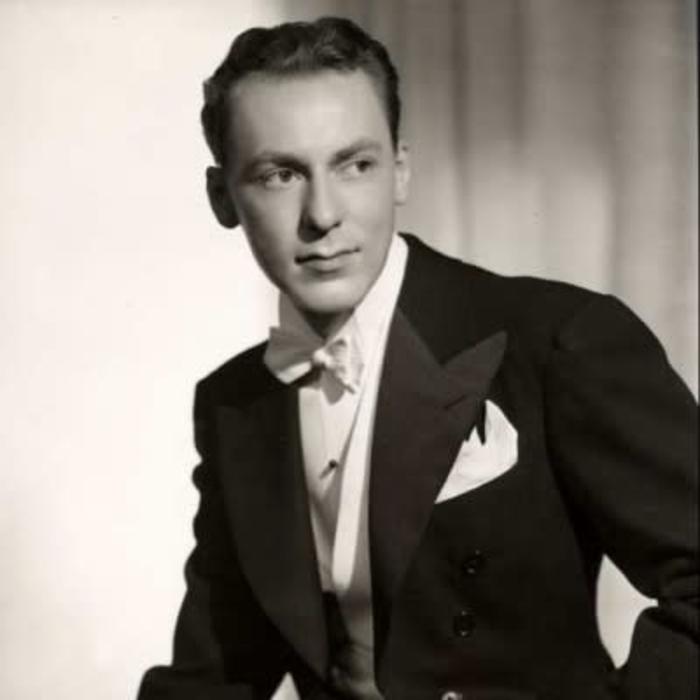
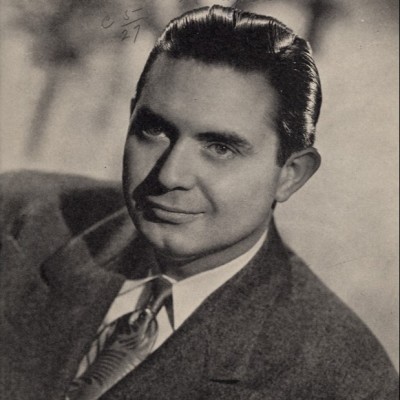
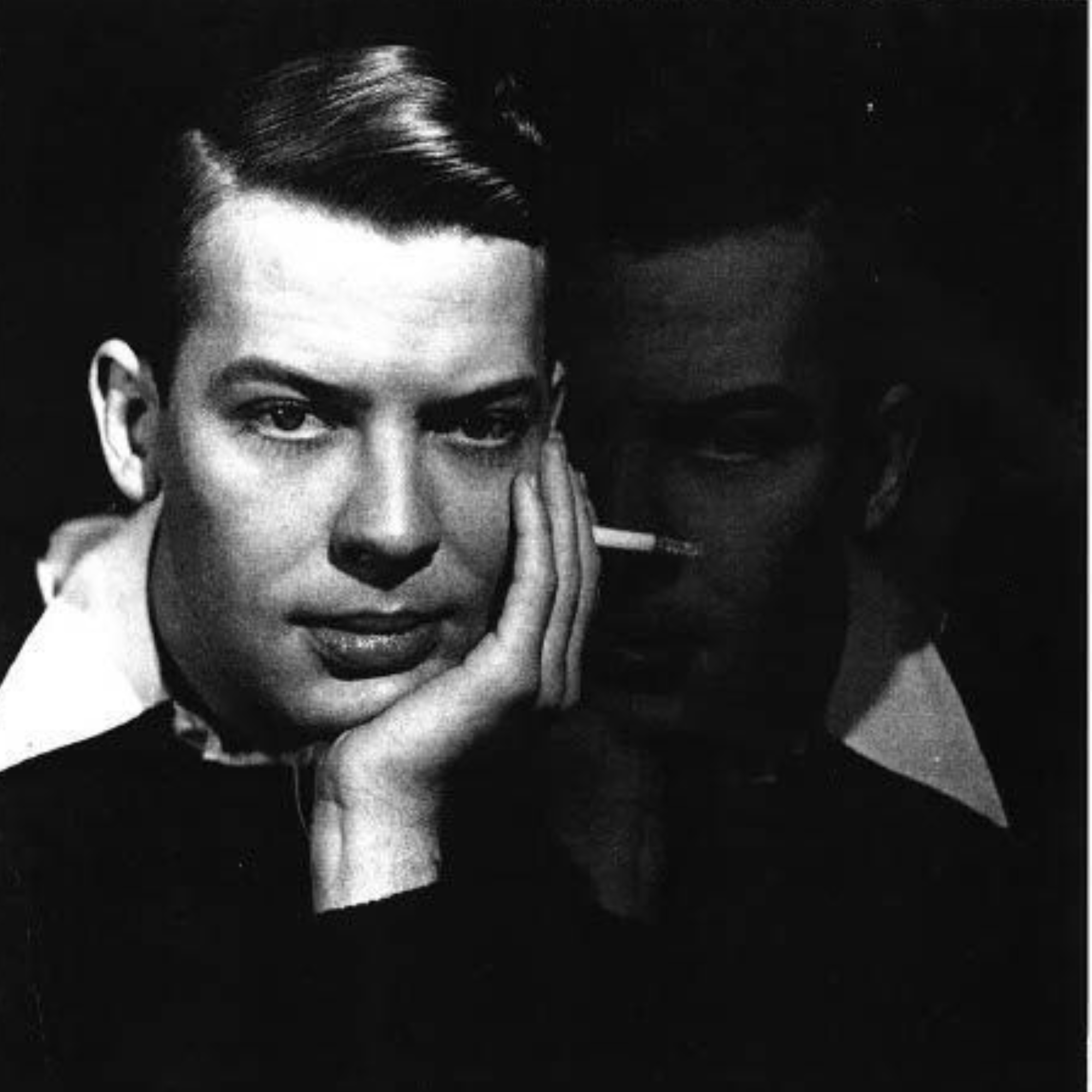
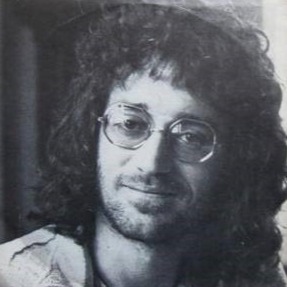
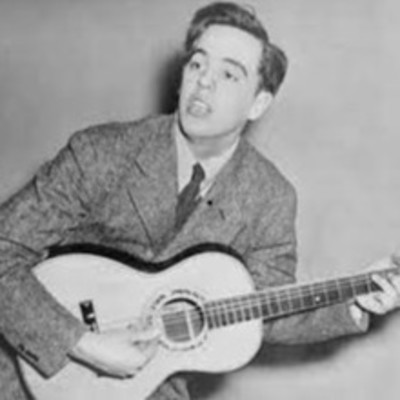
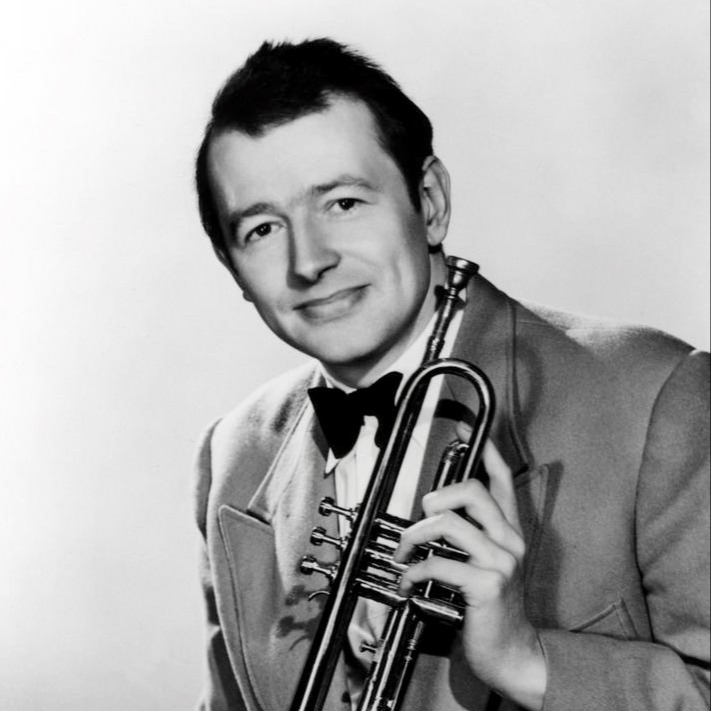
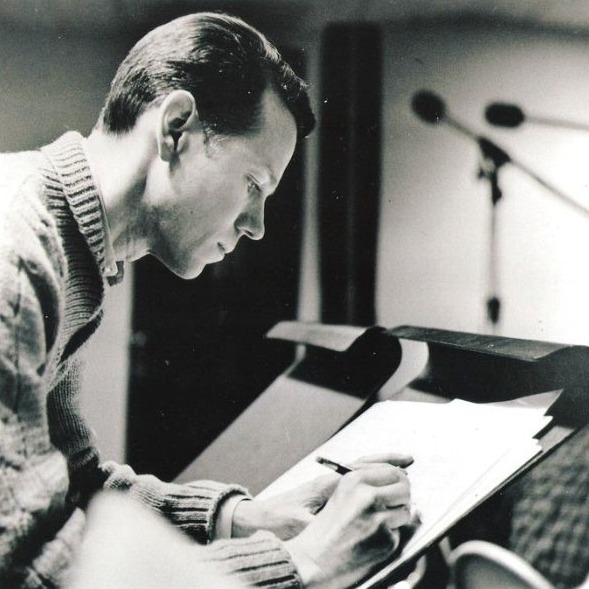
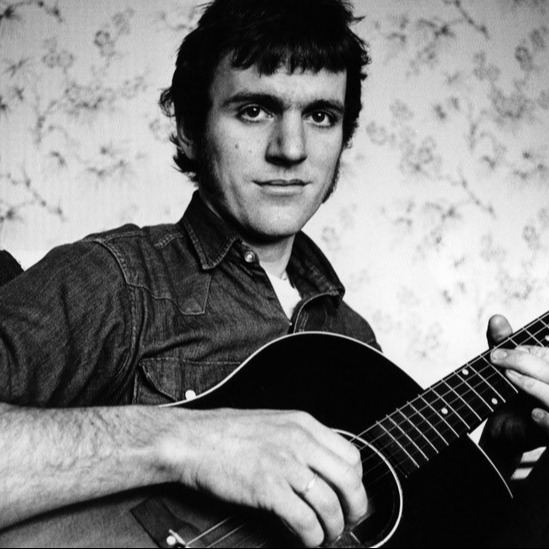
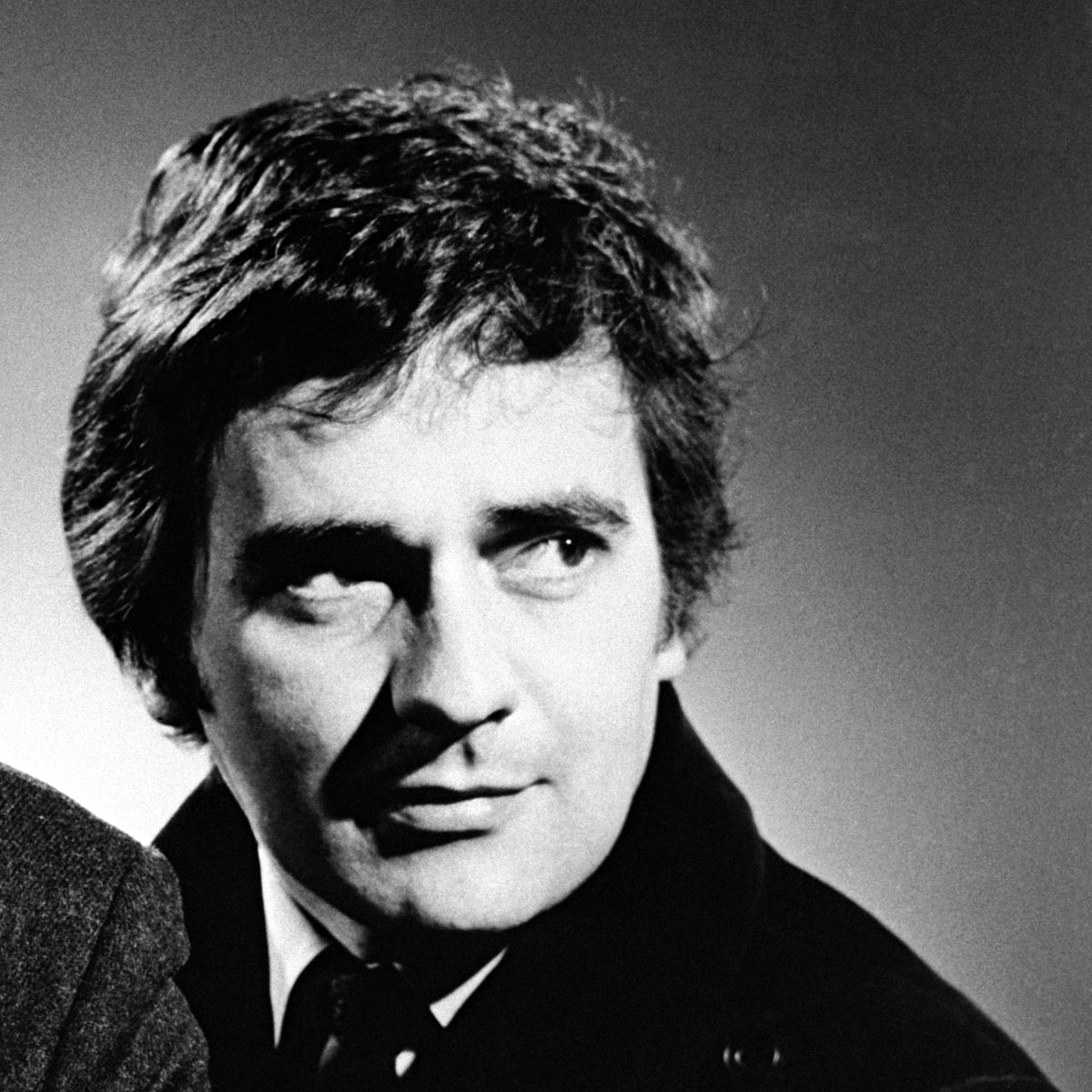
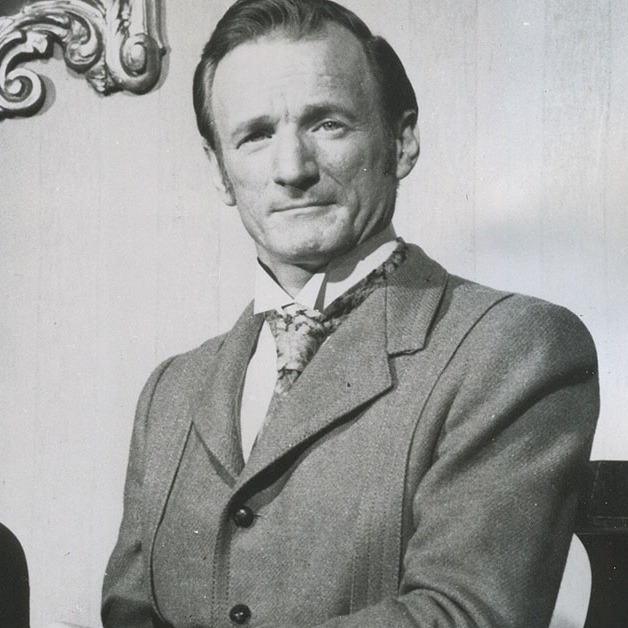
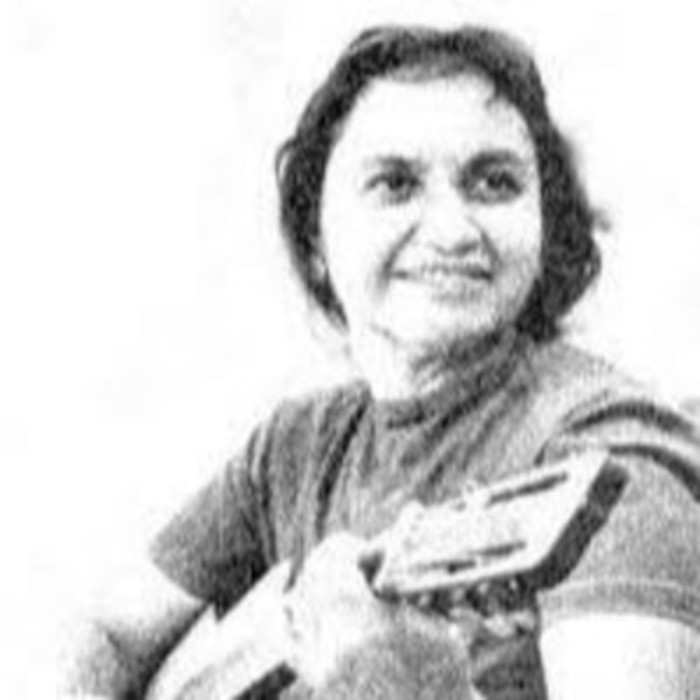
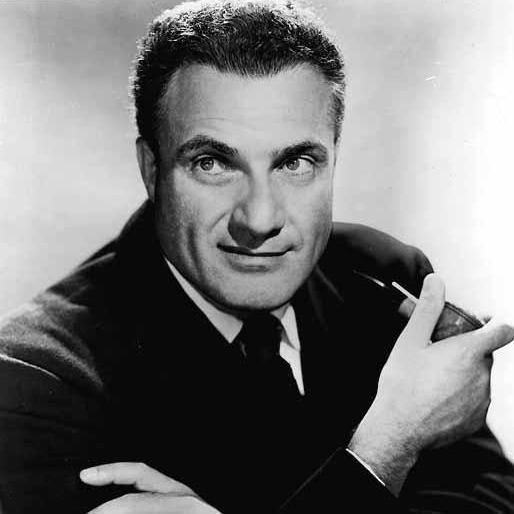
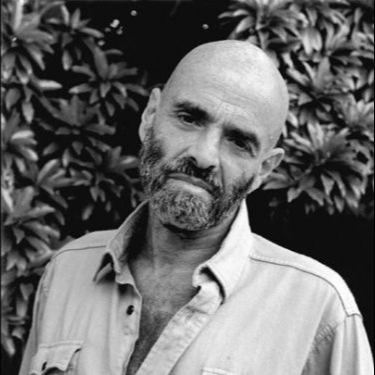
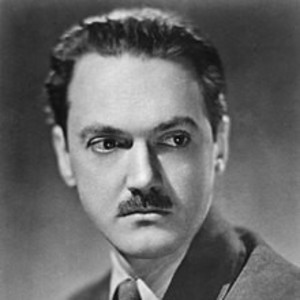
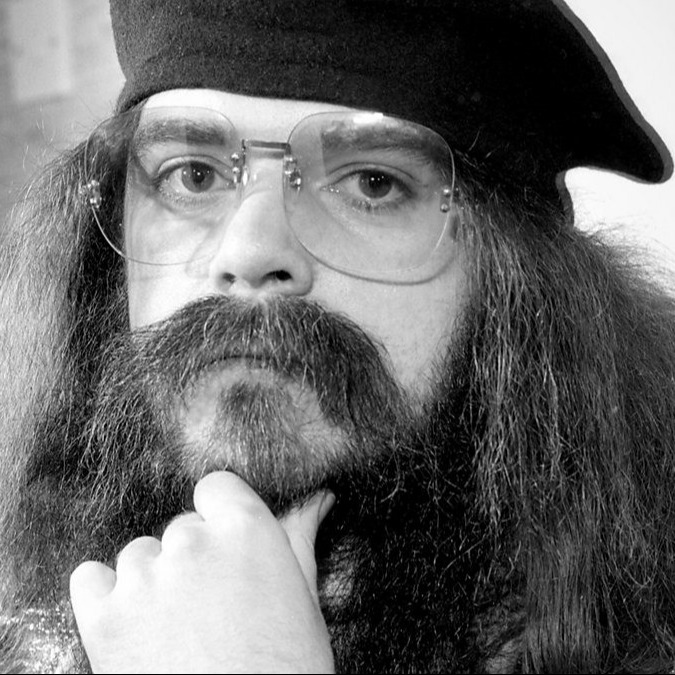
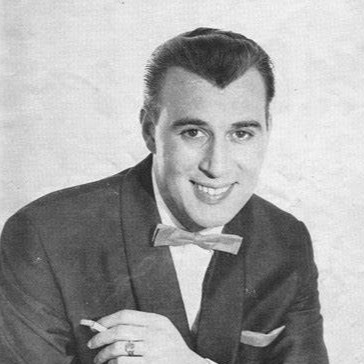
Gene Raskinwas an American musician, songwriter, and playwright, best known for transforming a traditional Russian folk melody into "Those Were the Days.” Eugene Raskin was born on September 5, 1909, in The Bronx of New York City. He studied architecture at Columbia University, and the University of Paris, he worked briefly as an architect before becoming a professor of architecture at Columbia from 1936 to 1976.
Raskin had many creative passions, he also wrote three plays, "One's a Crowd" (1949), a comedy about an atomic scientist, "Amata" (1951), a romantic play; and later, "The Old Friend". He also published three books on architecture including "Architecturally Speaking" (1951), "Sequel to Cities" (1971); and "Architecture and People" (1974). Outside of his love for architecture, Raskin authored a novel, "Stranger in my Arms” and a number of short pieces, including I'm on the Other Phone, Quartet for Two, and First Guitar (an autobiographical play about Gene's first guitar). These short stories were ultimately presented by dramatist Steven Packard in his 1994-1995 themed series Plays by Playwrights at the theatre collective Polaris North in New York City. In addition, Raskin wrote film scripts such as “How to Look at a City,” the first-prize documentary winner at American Film Festival in 1964.
GeneRaskinOlder
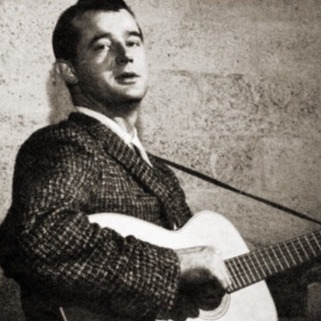
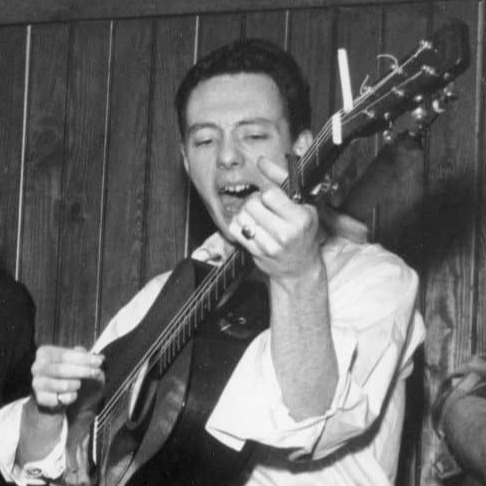
During the early '60s, Raskin and his wife began playing in Greenwich Village folk clubs under the name “Gene & Francesca”. In 1962 they released an eponymous LP on Tetragrammaton which included Raskin’s "Those Were the Days," a reworking of a traditional tune of Russian origins known as "Dorogoj Dlinnoyu" dating back to the beginning of the 20th century. Raskin grew up hearing the tune sung by his mother and was inspired to create his own rendition with English lyrics. The song was initially taken up by the Limeliters, an American folk music group, formed in 1959. Raskin and his wife Francesca continued composing and performing for years and recorded several albums for Elektra Records. Gene and Francesca would perform at London's Blue Angel clubevery year and would always close their show with "Those Were the Days". Paul McCartney of the English rock band The Beatles, would frequently visit the club when they were performing, and became impressed by the piece.
In 1968 when the Beatles formed the Apple label, he secured the rights to "Those Were the Days" for a record to be performed by Welsh singer/songwriter Mary Hopkin. Raskin was slightly chagrined to receive the request to have Mary Hopkin record his song as he always imagined it sung by a romantic man. But the resulting single topped the U.K. pop charts for six weeks in the autumn of 1968 reaching No. 2 on the U.S. charts and No. 1 in Britain. Hopkin subsequently recorded renditions in Spanish, French, German, Italian, and Hebrew, selling eight million copies worldwide and becoming Apple's biggest hit outside of the Beatles' own recordings. The song became an international hit and was recorded by many acts in the years to follow including The Ventures, Engelbert Humperdinck, the 5th Dimension, Wanda Jackson, and the Three Tenors, and was recorded in over 20 different languages.
Raskin became extremely successful with his composition “Those Were the Days” and received a royalty check just for the US mechanicals for that month $26,000. He also found financial success from his novel Stranger in my Arms, his play The Old Friend, and his several books on architecture, which are still used in various universities around the world. Raskin bought a home in Pollença, Mallorca, a Porsche Spyder, and a sailboat, and lived very well off his royalties for the rest of his life. Gene Raskin died June 7, 2004, of natural causes at his home in Manhattan.