1921-2008
Humphrey Lyttelton
1921-2008
Humphrey Lyttelton
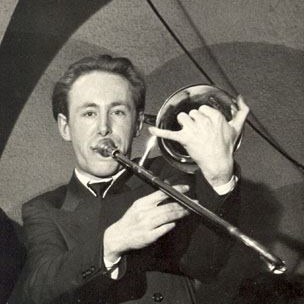
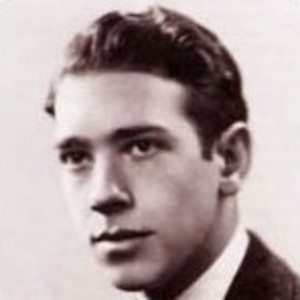
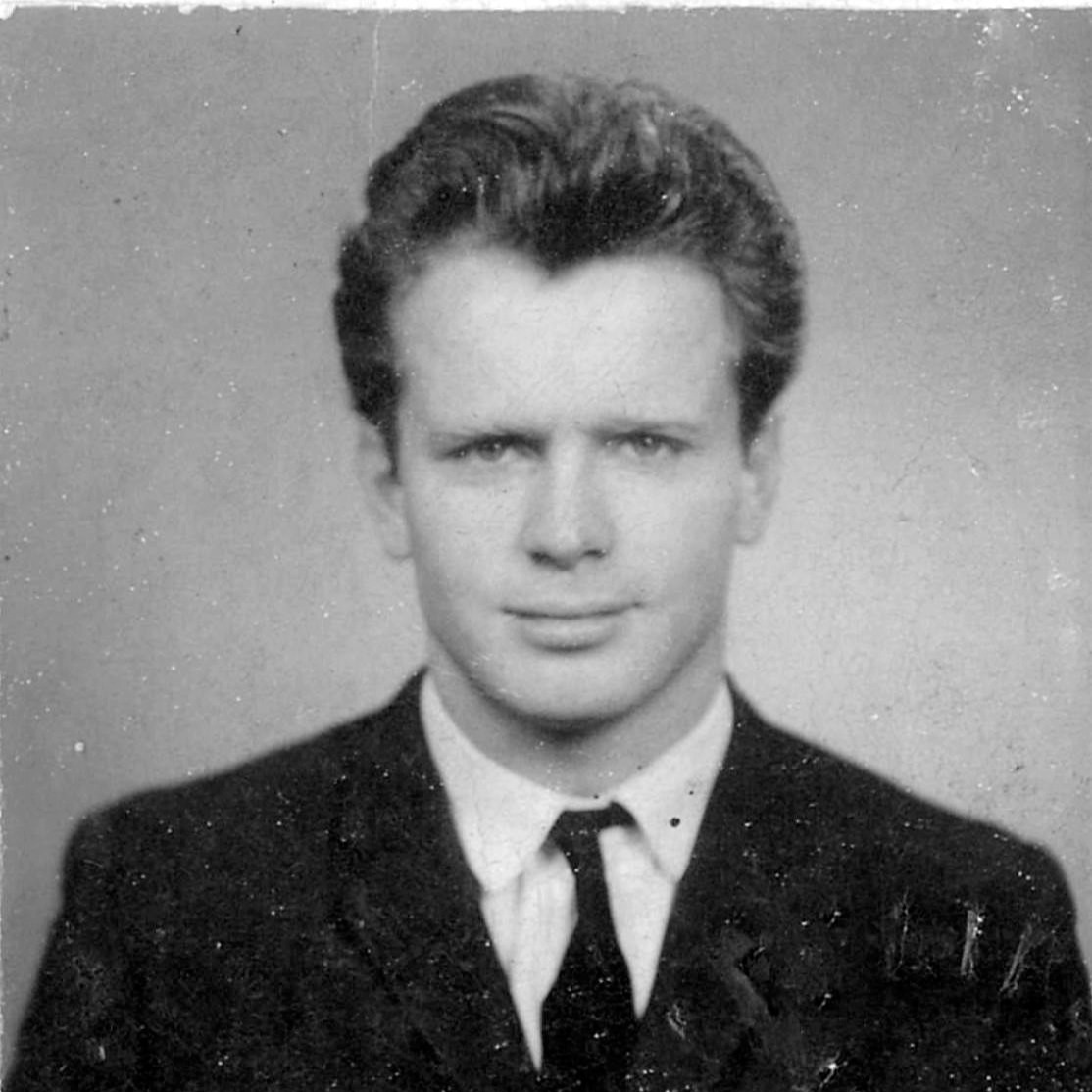
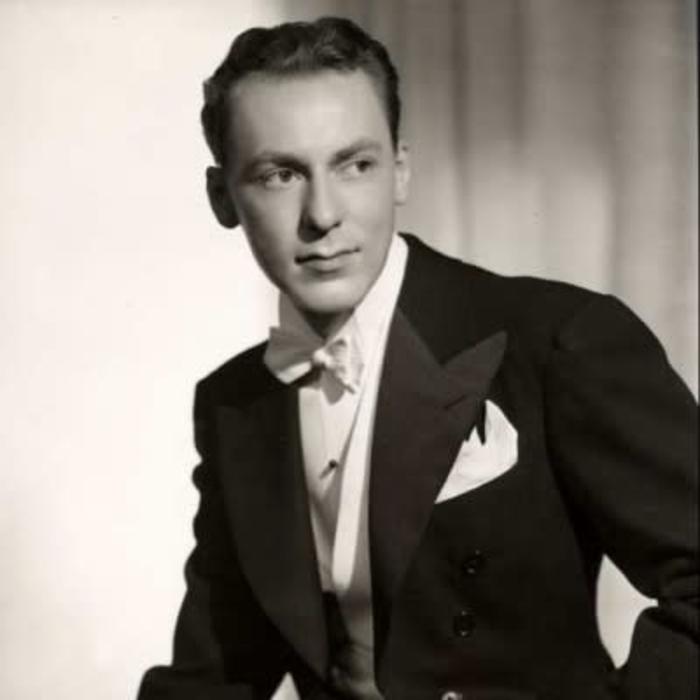
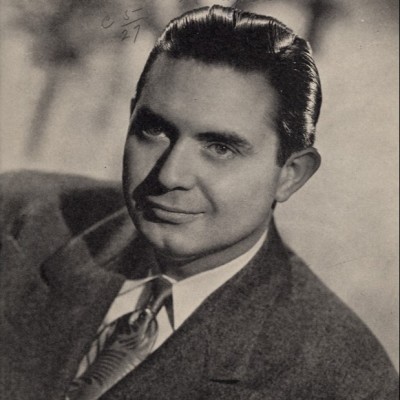
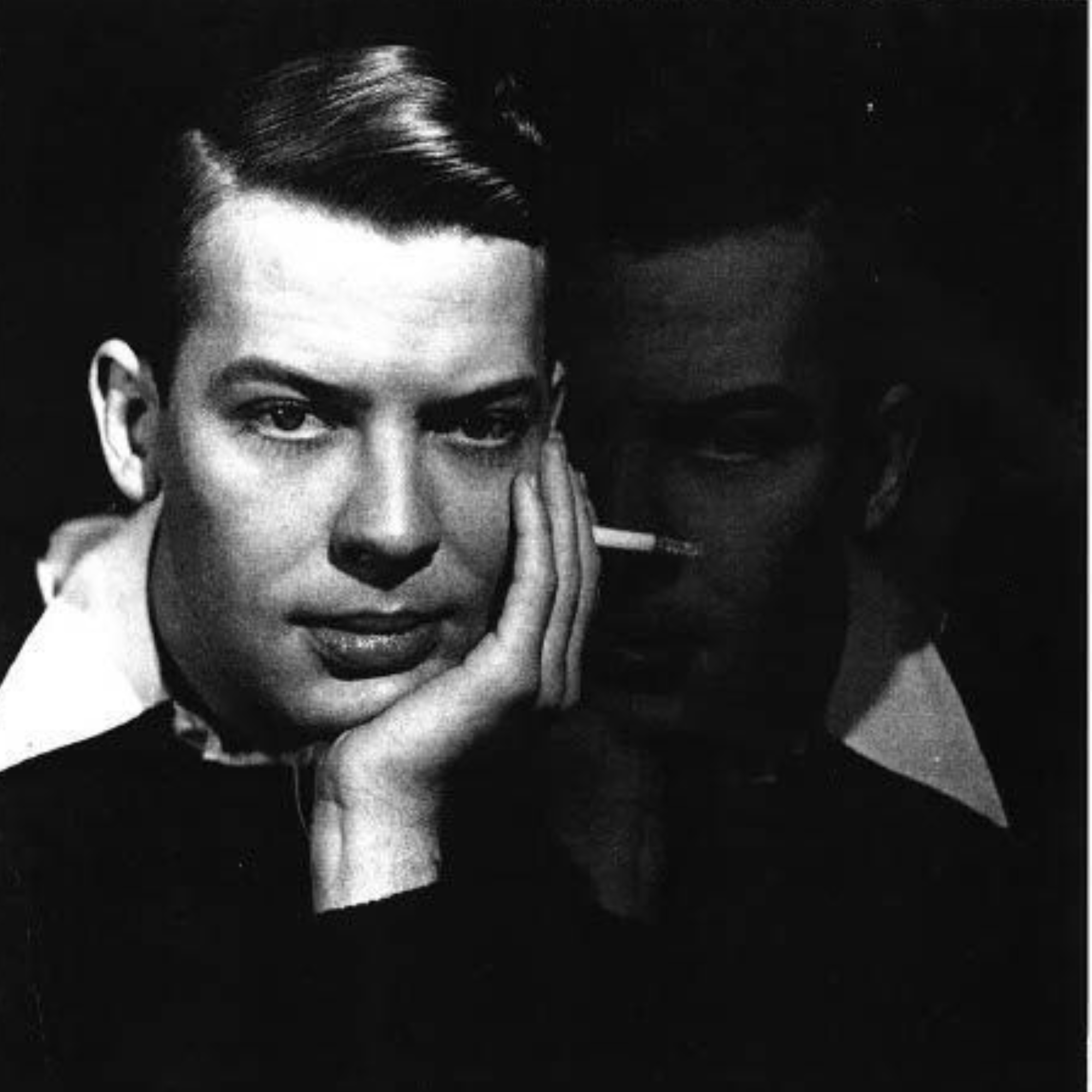
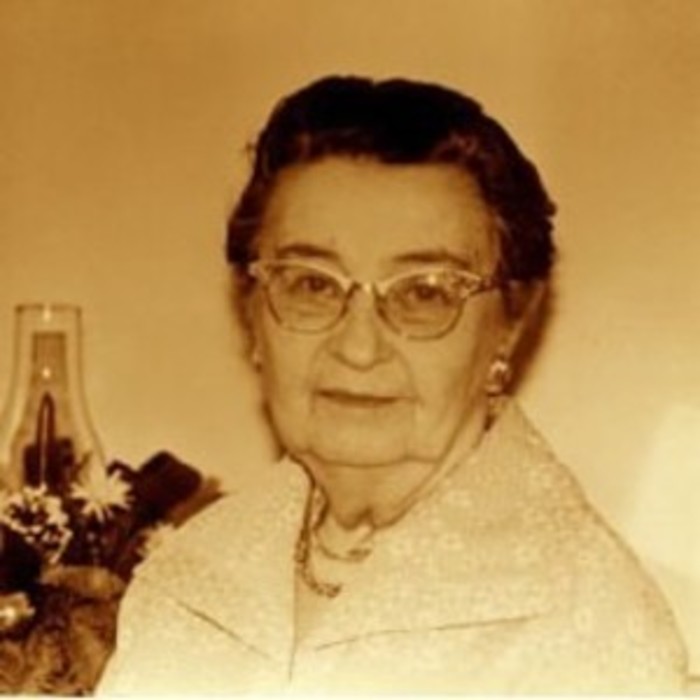
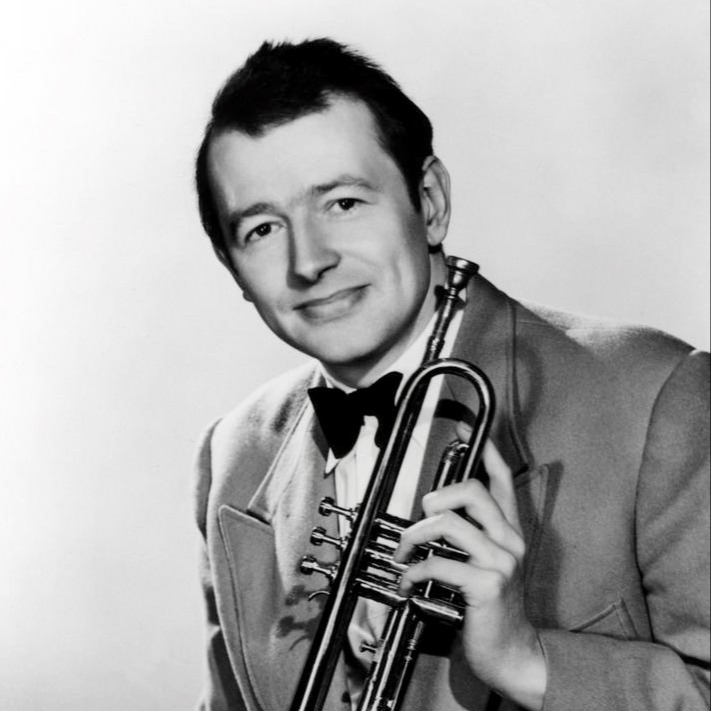
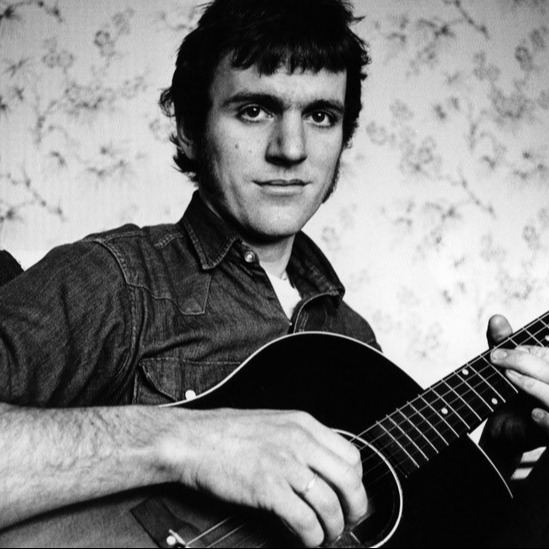
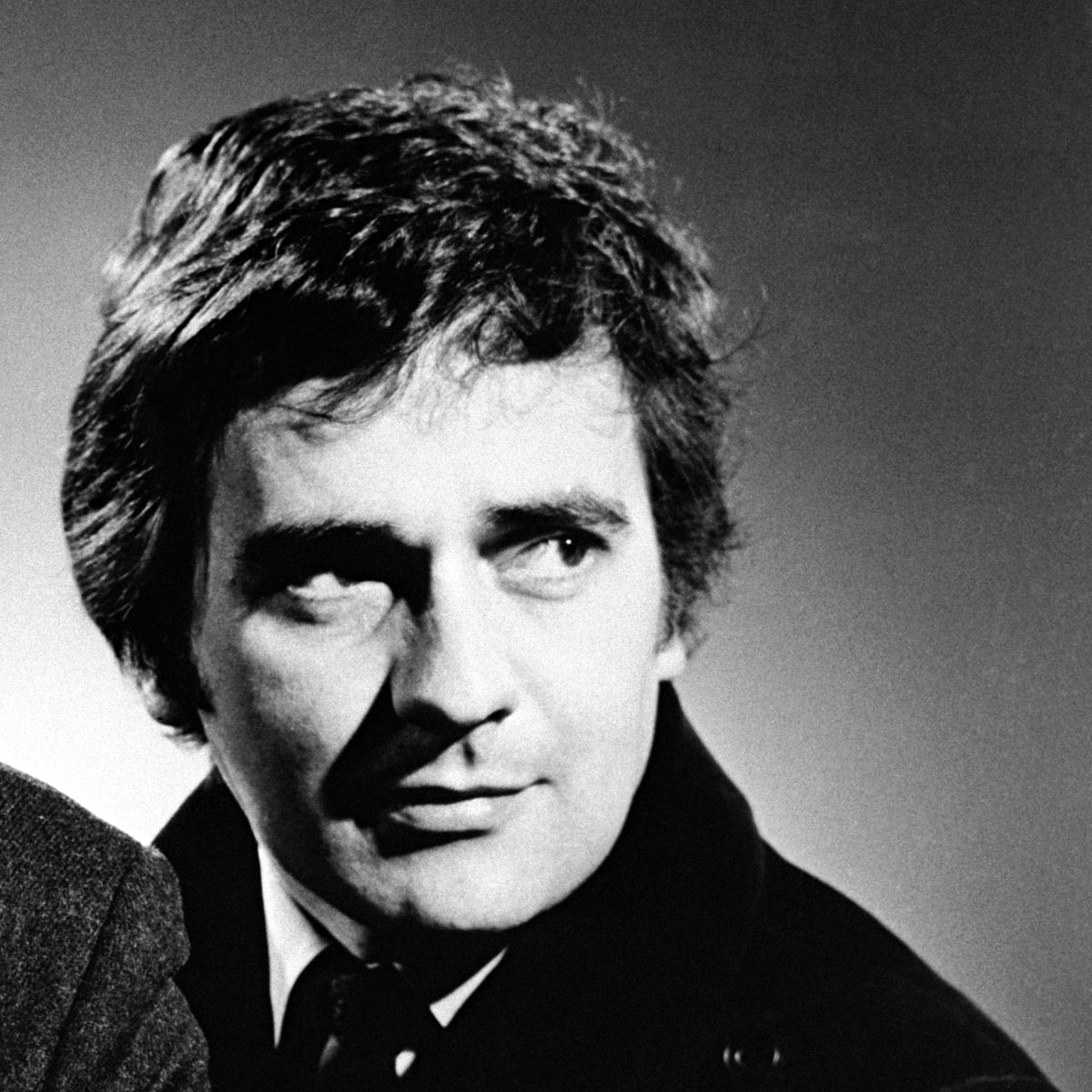
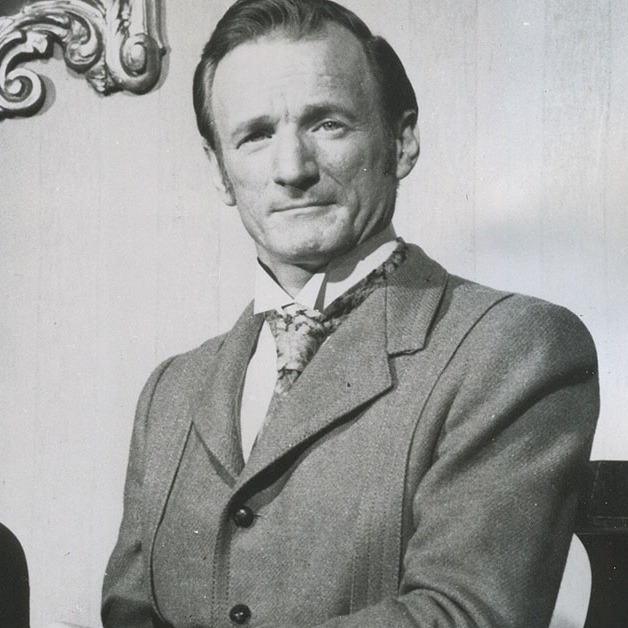
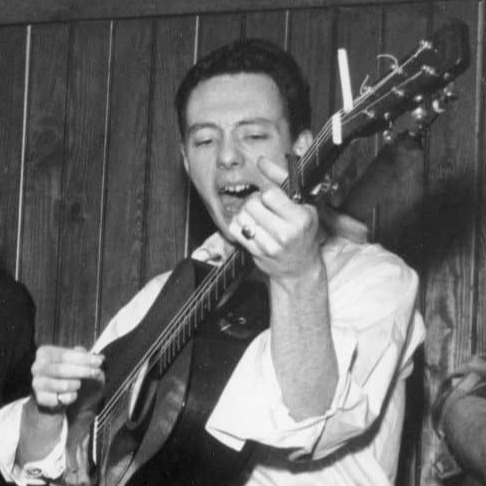
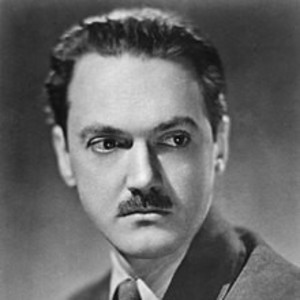
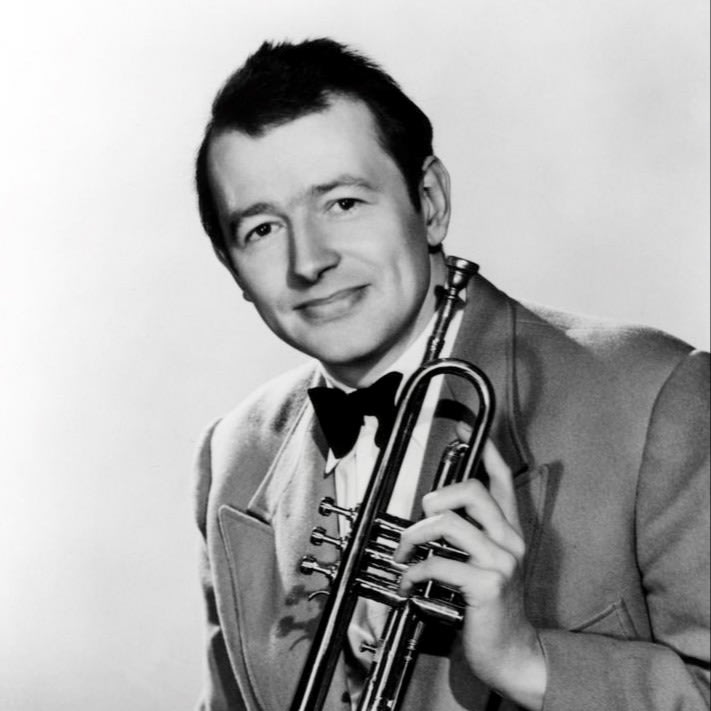
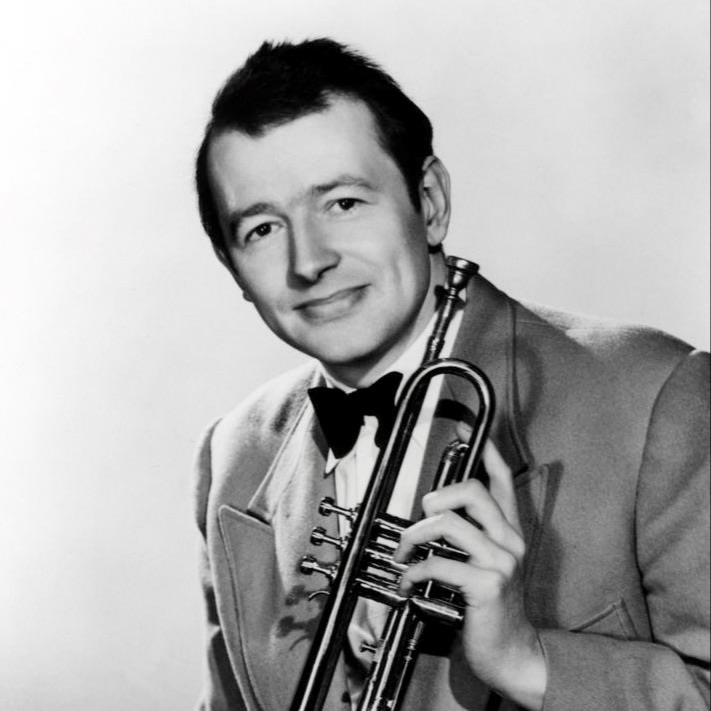
Humphrey Lyttelton also known as ‘Humph’, was an English jazz musician and broadcaster from a British aristocratic family. Lyttelton was born Humphrey Richard Adeane Lyttelton on May 23, 1921, at Eton College where his father, George William Lyttelton was a housemaster. Both of his parents had a musical background, his mother, Pamela Lyttelton, played piano, and guitar and his father took up the cello while at Cambridge. Humphrey attended Sunningdale Preparatory School and went on to Eton College where he found his love of jazz. Humphrey’s musical hero was trumpeter Louis Armstrong, inspired he received his first trumpet at age 15 and taught himself the instrument. Humphrey went on to form his own quartet in 1936. He also studied military drumming under a former Coldstream Guards drum major and joined the school band as a percussionist. After leaving school, Lyttelton worked at the Port Talbot steel plate works in South Wales, until he enlisted in the British Army on D-Day, where he was he was an officer in the Grenadier Guards, an infantry regiment of the British Army. When the war ended on VE Day, May 8, 1945, Lyttelton joined in the celebrations by playing his trumpet from a wheelbarrow, inadvertently giving his first broadcast performance on the BBC.
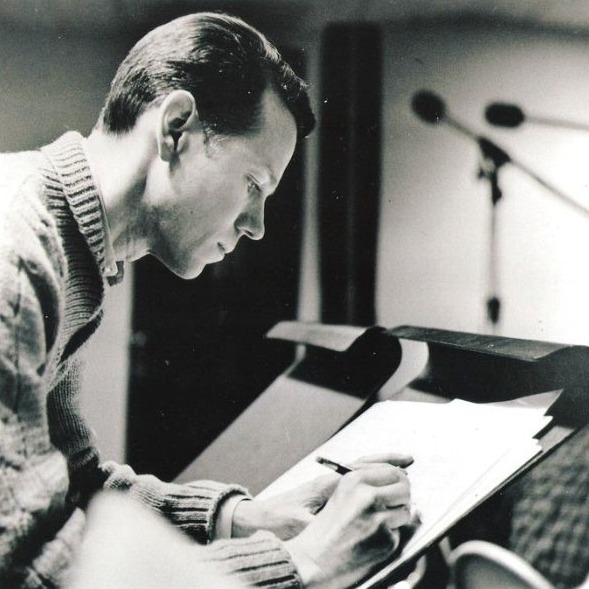
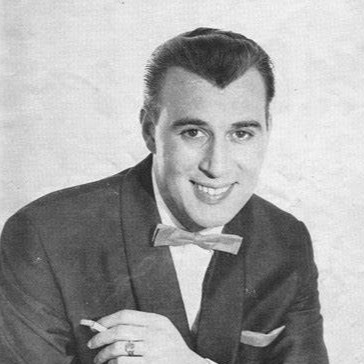
Lyttelton continued to pursue his artistic pursuits post-World War 2 by attending Camberwell Art College. In 1949, he joined the Daily Mail as a cartoonist, where he remained until 1956, working with Wally Fawkes, a fellow jazz enthusiast and clarinet player, on the long-running cartoon strip Flook. He also reviewed jazz and classical recordings for the newspaper. In 1947, Fawkes and Lyttlelton both joined the George Webb Dixielanders, a group that fathered the traditional jazz movement in Britain. In early 1948 Lyttelton resigned from the Dixielanders to found his own group, bringing Fawkes and later pianist Webb with him. In the late 1940s and early 1950s, Lyttelton was prominent in the British revival of traditional jazz forms from New Orleans. In late 1949, The Humphrey Lyttelton Band signed to Parlophone, and their 78-rpm efforts sold so consistently that the label issued a new release each month until introducing the LP format several years later. In 1956, he wrote and released his pop chart hit, "Bad Penny Blues", which was on the UK Singles Chart for six weeks, and the first British jazz record to enter the Top 20. In 1948 Humphrey assembled a big band for BBC broadcasts and records, and from 1957-58 blues singer Jimmy Rushing toured England with the band. However, Lyttelton quickly felt smothered within the narrow creative confines of the trad jazz sound and began embracing Latin and African rhythms as early as 1951 -- he also exploited new technologies, employing multi-track recording techniques to play trumpet, clarinet, piano, and washboard on "One Man Went to Blow."
““Eiusmod exercitation veniam in anim adipisicing culpa excepteur esse quis id magna nostrud amet excepteur minim.””
Somebody
HumphreyLyttleton
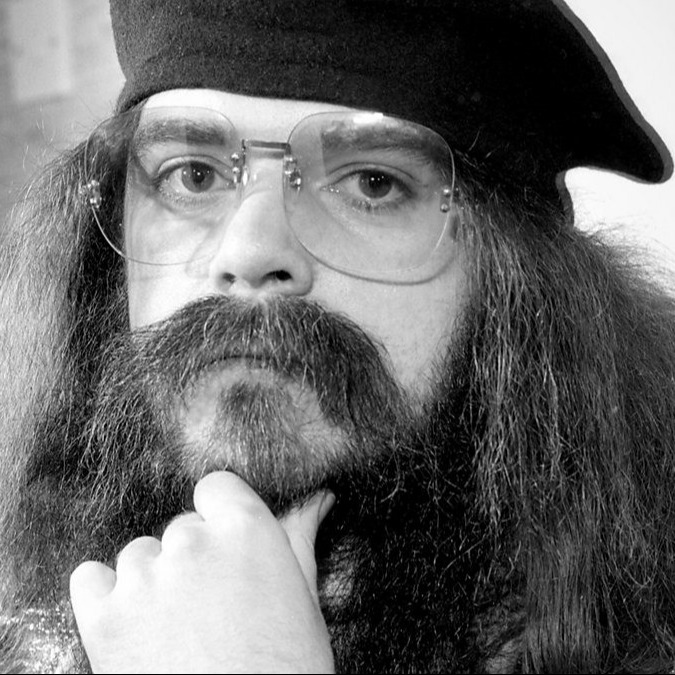
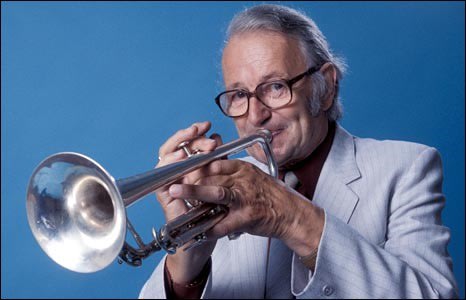
The Humphrey Lyttelton band helped develop the careers of many prominent British musicians, including Tony Coe and Alan Barnes. Lyttelton regarded his band as a family, with some members returning to the group after periods away and/or staying for long periods. The group went on to tour Europe and the Middle East, and in 1959 joined Thelonious Monk and Anita O'Day on a tour across the U.S. By the 60s however rock & roll was on the rise, though Lyttelton continued performing, and he also launched a second career as a broadcaster. In 1968 Lyttelton become a radio host on The Best of Jazz on BBC Radio 2, a program that featured a mix of his recordings from all periods of his music's history. In 1972 Lyttelton was chosen to host the comedy panel game I'm Sorry I Haven't a Clue (ISIHAC) on BBC Radio 4., the program was extremely successful and had considerable influence on how comedy was presented on the radio. In 1993, Humph was also the recipient of the radio industry's highest honor: The Sony Gold Award. He also continued his writing, over the course of his lifetime publishing a series of books including I Play as I Please, Second Course, Take It from the Top, Why No Beethoven, and It Just Occurred to Me..., Lyttelton was also a calligrapher and President of The Society for Italic Handwriting. In 1983, Lyttelton formed his own label Calligraph Records, which reissued some of his old recordings, all future recordings by his band, and recordings by band members.
In addition to his work as a radio host, Lyttelton continued performing throughout his later life, frequently performing sold-out shows. During the 1990s his band toured with Helen Shapiro in a series of Humph and Helen concerts. The group was also featured in several Giants of British Jazz tours with Acker Bilk and George Melly and John Chilton's Feetwarmers. In addition, Lyttelton performed with UK singer Elkie Brooks in early 2000 and had a series of sold-out and well-received concert performances. And Humphrey’s music reached a whole new audience In early 2000 when his band played on the track "Life in a Glasshouse" on Radiohead's album Amnesiac. Lyttelton died following heart surgery on April 25, 2008, at the time of his death, he was the oldest active panel game host in the UK, and BBC Radio 4 broadcasted a 1995 episode of I'm Sorry I Haven't a Clue as a tribute. And Radio 4 celebrated Humphrey Lyttelton Day on Sunday 15 June 2008, including a new profile of ISIHAC by Stephen Fry called Chairman Humph — A Tribute.
Lyttelton is survived by his four children, on April 25, 2010, two years after Lyttelton's death, a celebratory concert entitled "Humphrey Lyttelton — A Celebration Concert" was held at the Hammersmith Apollo to celebrate his life, works, and contribution to music. The event was organized and hosted by his son Stephen Lyttelton, who is also the founder and Chairman of The Humph Trust, an organization set up to support young up-and-coming jazz musicians. Lyttelton received the Lifetime Achievement Awards at both the Post Office British Jazz Awards in April 2000 and at the first BBC Jazz Awards in 2001, and on July 23, 2008, Lyttelton was posthumously named BBC Radio 2 Jazz Artist of the Year, voted by radio listeners.