1915-1986
Blind Blake
1915-1986
Blind Blake
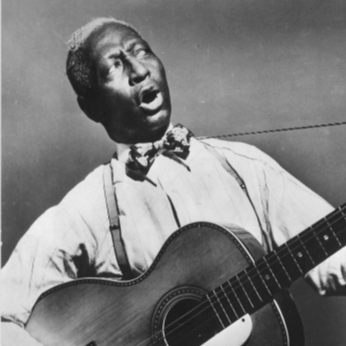
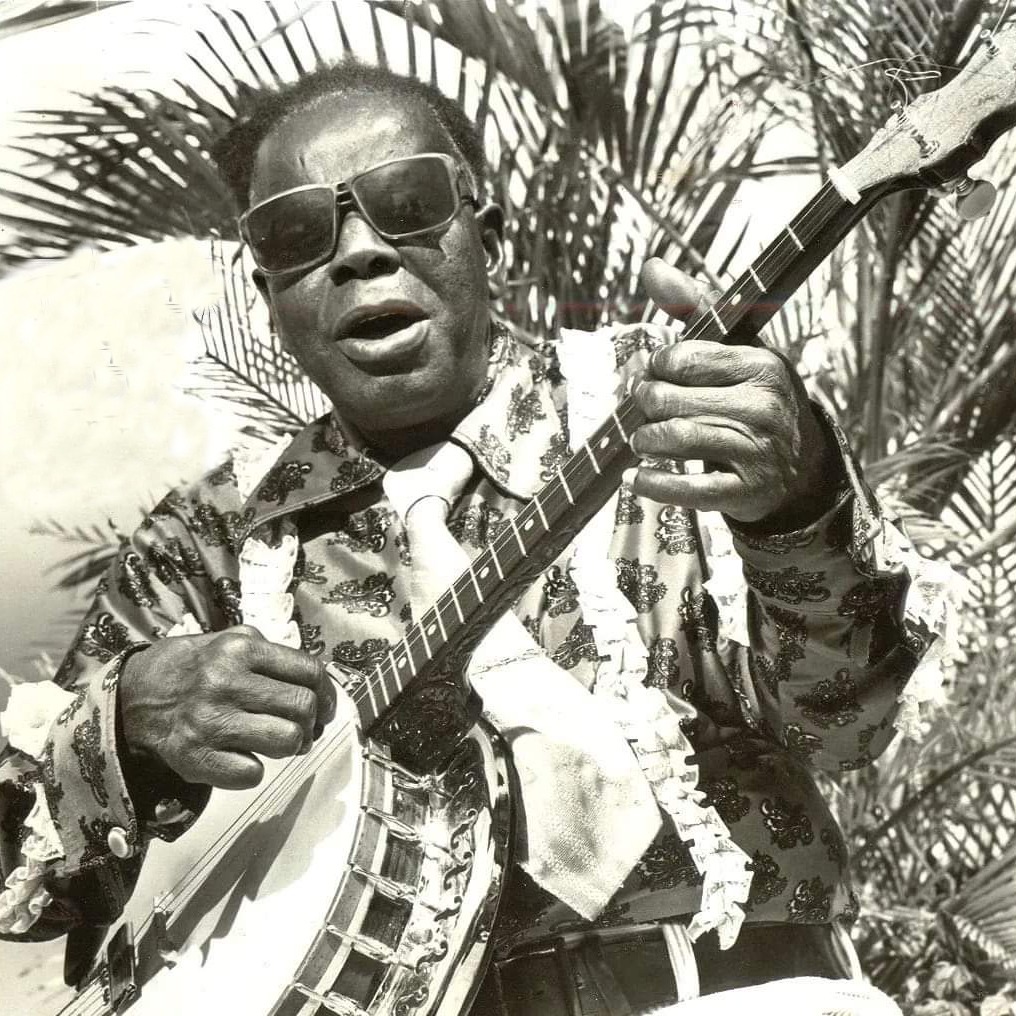
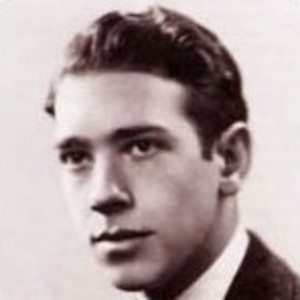
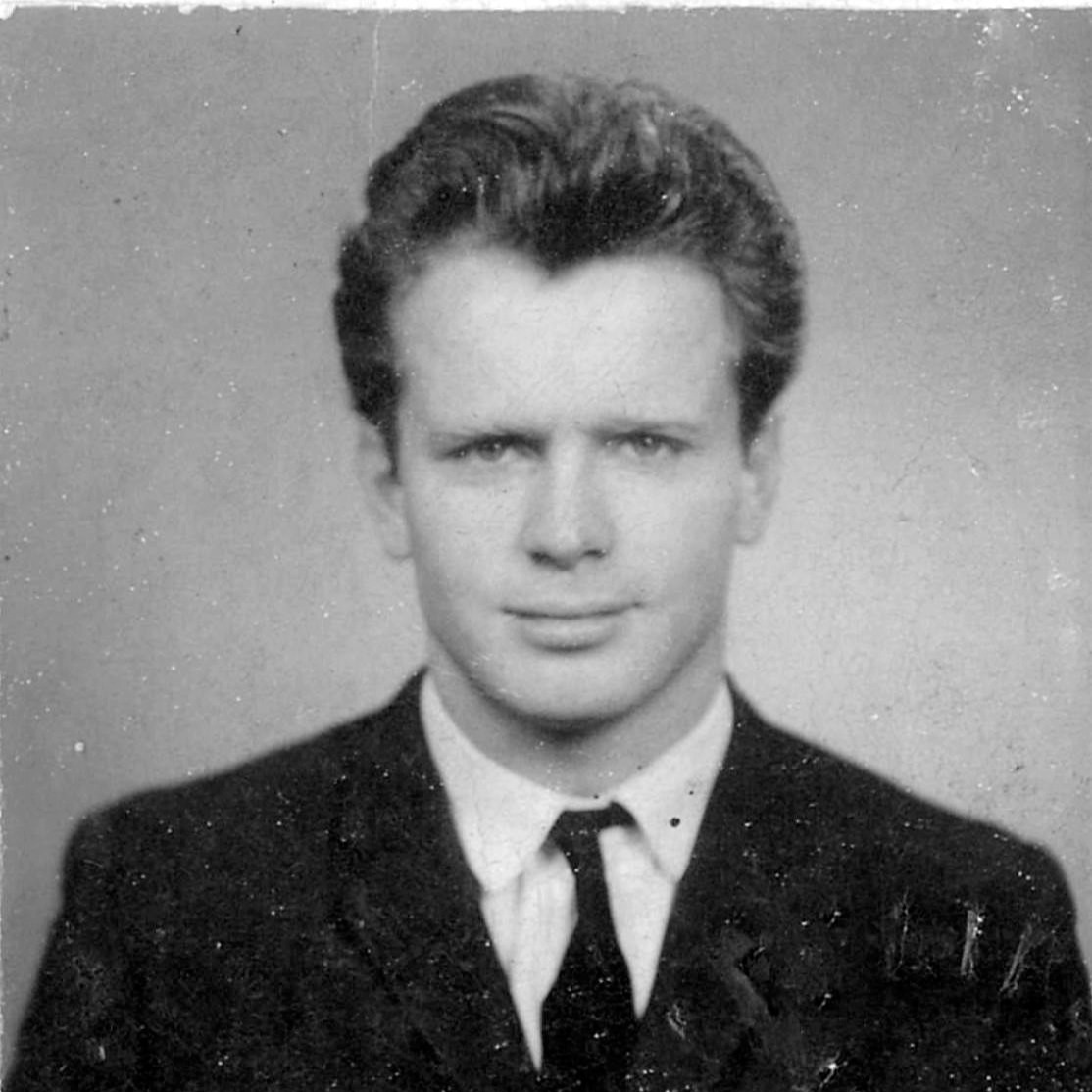
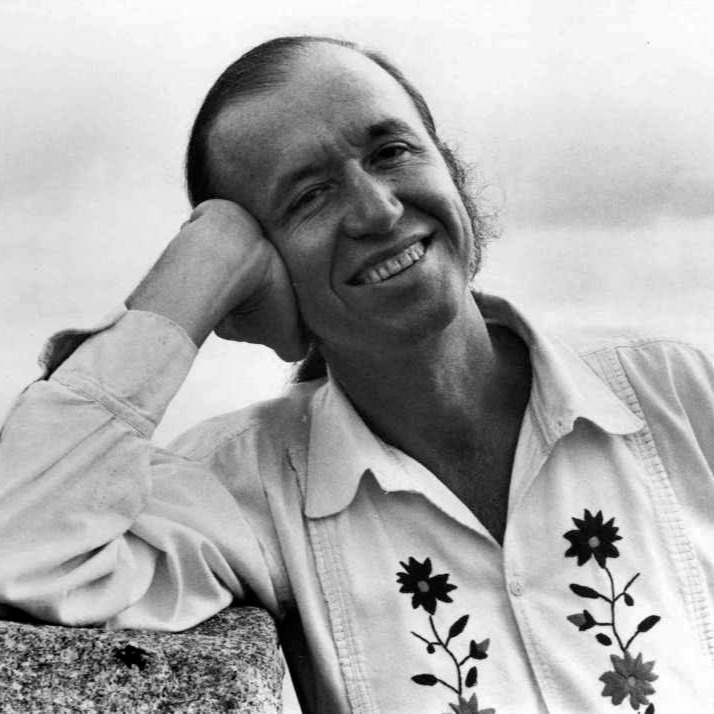
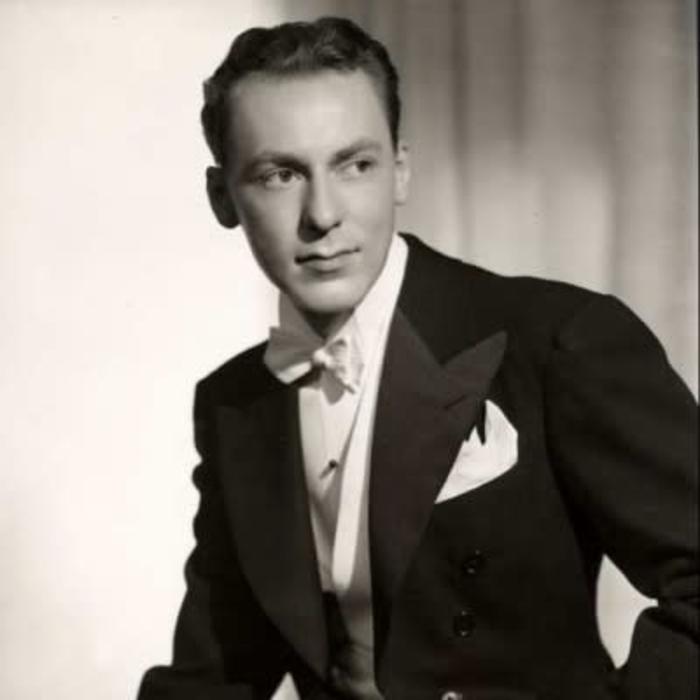
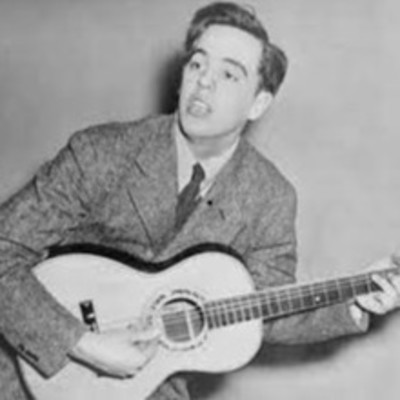
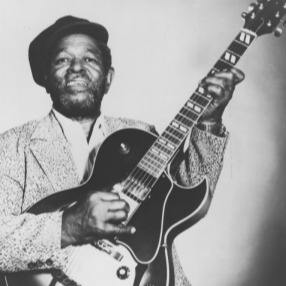
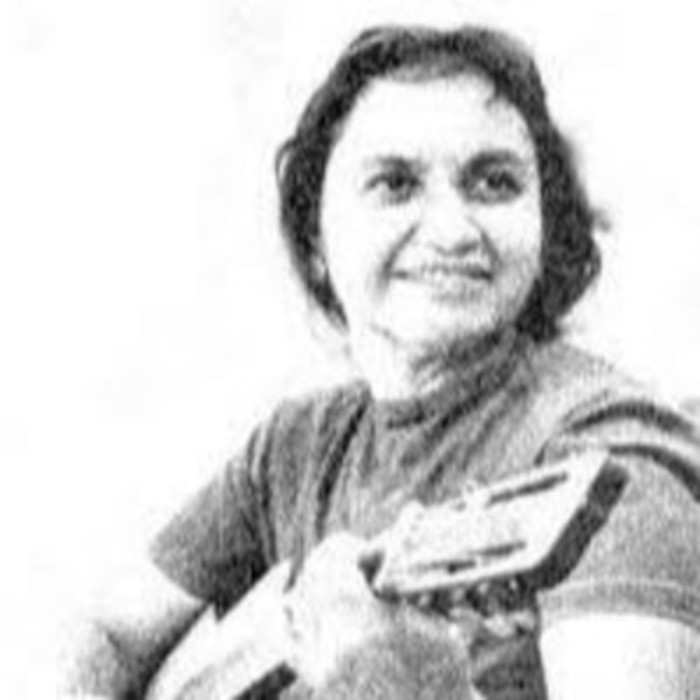
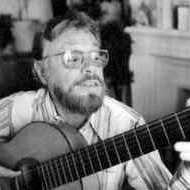
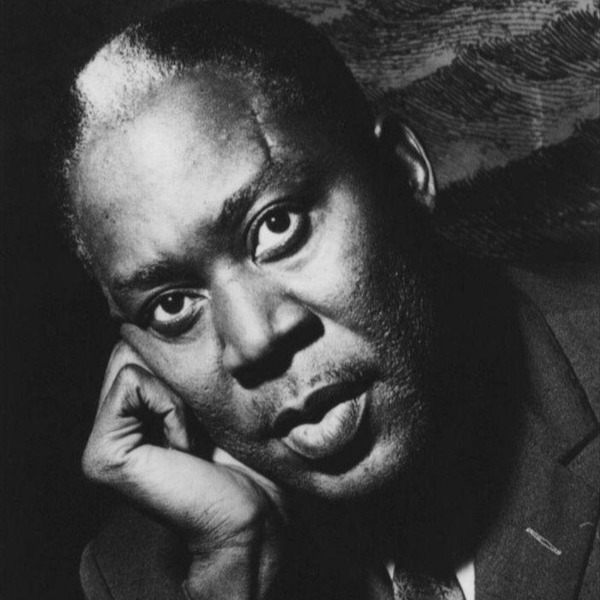
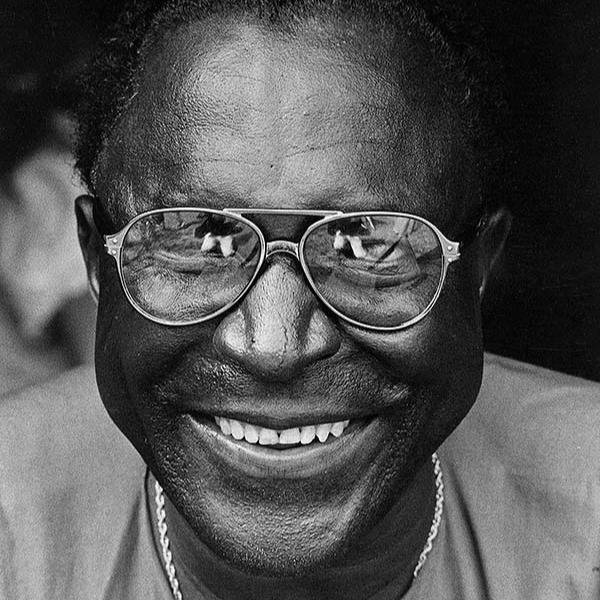
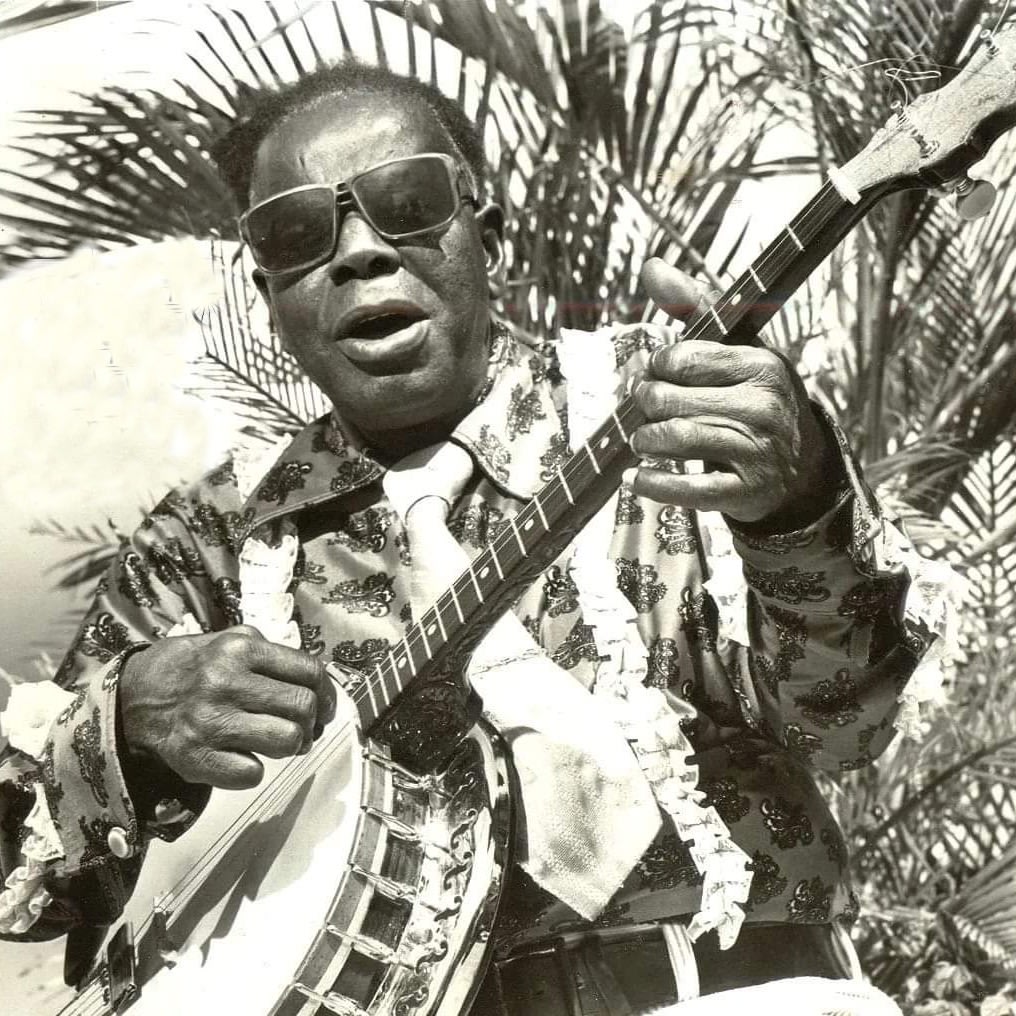
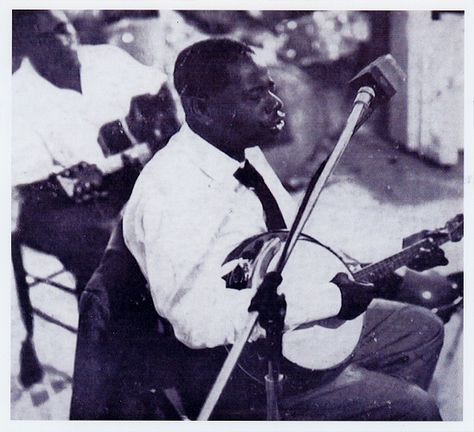
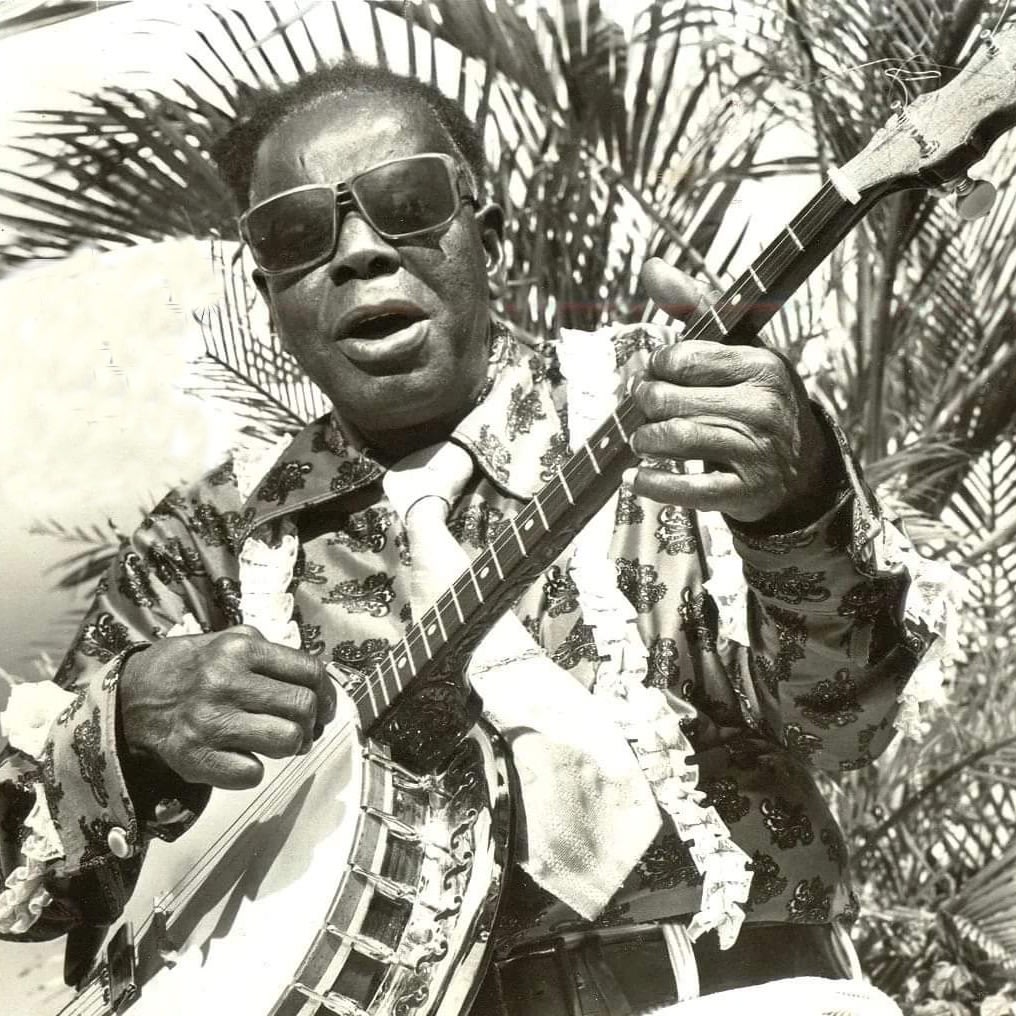
Blake Alphonso Higgs, better known as "Blind Blake", was the best-known performer of goombay and calypso in the Bahamas from the 1930s to the 1960s and is considered the “Father of Bahamian Music”. He was born in 1915 in Matthew Town, Inagua, Bahamas, and was blind from boyhood. For much of his career, Blind Blake was based at the Royal Victoria Hotel in Nassau, his music was a unique mix of old island favorites, more recent calypso compositions, and a quirky mix of songs and ballads from the United States. Higgs played the banjo and sang, his style was a mix of Dixieland jazz, calypso/goombay, and American folk, most likely due to the close proximity the Bahamas has to the USA.
For several decades, he was arguably the most important figure in the Bahamian tourist entertainment industry. Keeping with goombay tradition the themes to Higgs’ songs do not have profound social messages but tell a story or recount a specific event. One of his most famous songs, the medley "Little Nassau/Peas and Rice", was written during the U.S. prohibition era, and is about the easy access to alcoholic beverages in Nassau, then complaining of the locals' frustration with a diet of peas and rice. Furthermore, his ballad "Run Come See Jerusalem" describes a historical event of the 1929 Bahamas Hurricane and was covered by many artists in the 1950-60s Folk Revival.
““Non sint qui ullamco proident laboris cupidatat nisi duis ut amet ut ea laborum.””
Somebody
BlindBlakeGuitar
Included in his wide repertoire was his performance of "Love, Love Alone", a song (by Trinidadian calypsonian Caresser) about the abdication of Edward VIII. Blind Blake's performance of this calypso is said to have been enjoyed by the former king himself, who, as the Duke of Windsor, served as Governor of the Bahamas during World War II. During his time at the Royal Victoria Hotel in Nassau Blind Blake released four albums on the Floridian label Art in the early 1950s amid the earliest phases of the calypso boom. He was backed by the Royal Victoria Hotel Calypso Orchestra and recorded one album with singer Lou Adams, and several other lesser albums towards the end of his career.
Over his lifetime he wrote sixty goombay tunes, and he spent most of his career performing at the Royal Victoria Hotel in Nassau. In his later years, the Government hired him to entertain tourists at the International Airport. Though Higgs never hit it big himself, his music has been covered by various famous artists, including Dave Van Ronk ("Yes, Yes, Yes", although the original is actually called "The Duck's Yas-Yas-Yas", a 1929 hit by blues pianist-singer James "Stump" Johnson) Pete Seeger ("Foolish Frog"), Lord Mouse and the Kalypso Katz ("Tomatoes"), The Percentie Brothers ("Goombay Drums"), Johnny Cash’s “Delia” was a rewrite of “Delia Gone”, and perhaps most famously The Beach Boys who covered his 1952 recording of the Caribbean folk song "John B Sail" ("Wreck of the John B") and called it "Sloop John B".
Blind Blake was a fixture in and around Nassau in the Bahamas for 20 years before he cut his first record. He had most of what he needed in the delivery of his songs, which included genuine island numbers as well as pieces like "The John B. Sail". Though Blake never became a major star he was one of the better authentic island musicians whose work made it to the United States in the 1950s. He died on January 01, 1986, at the age of 71 years old.