1929-1980
Bill Evans
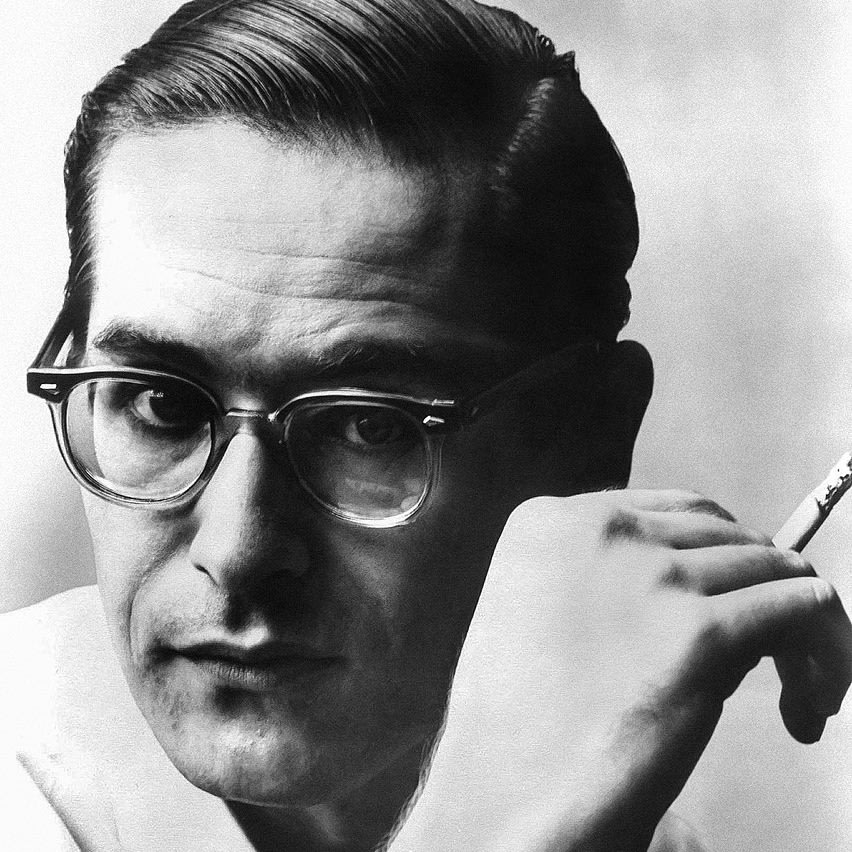
1929-1980
Bill Evans
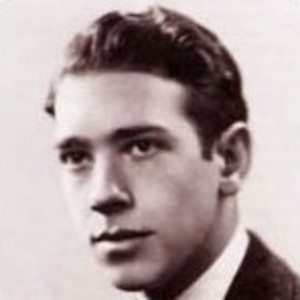
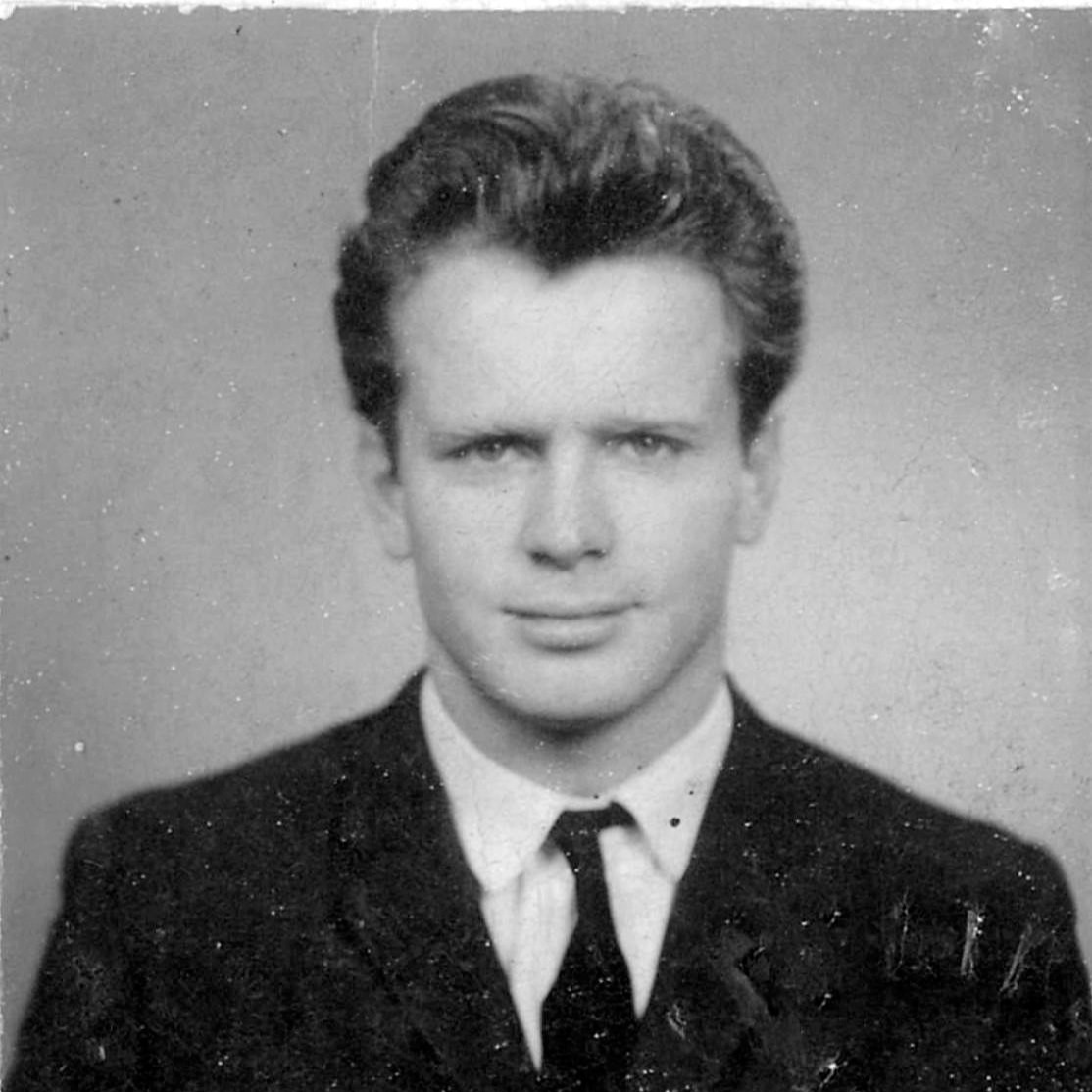
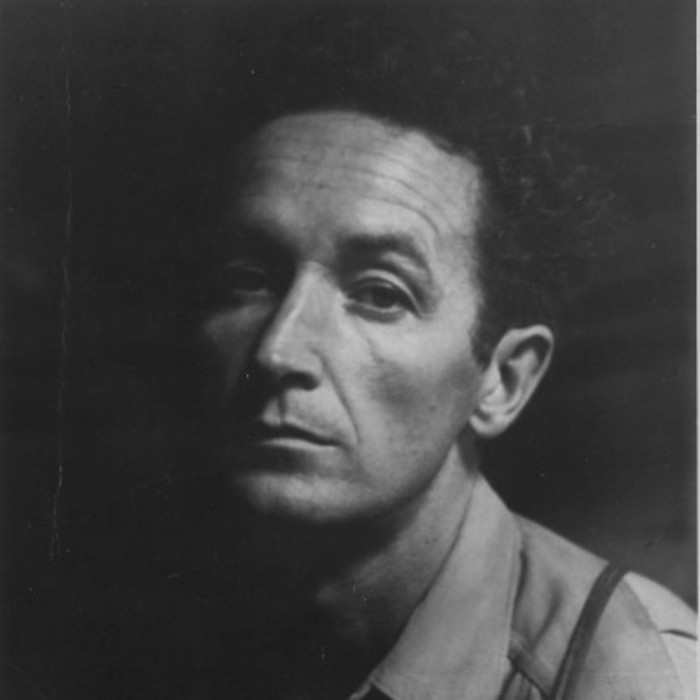
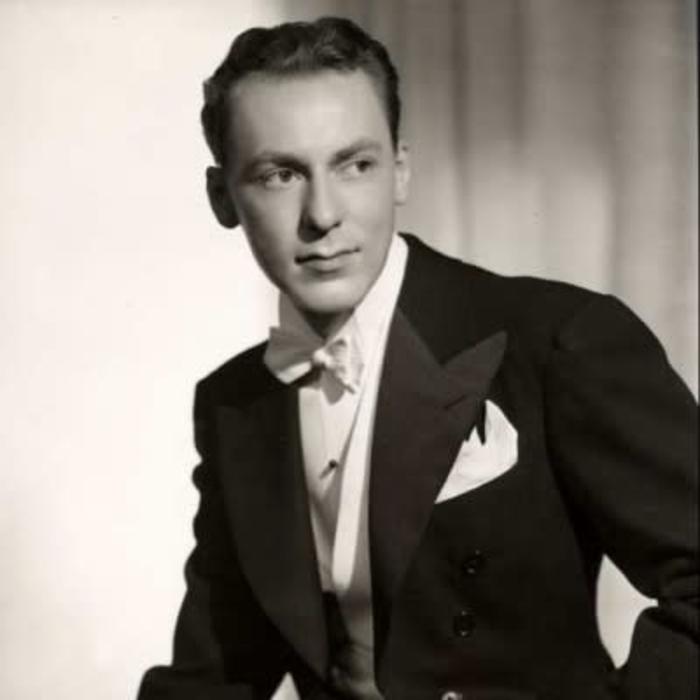
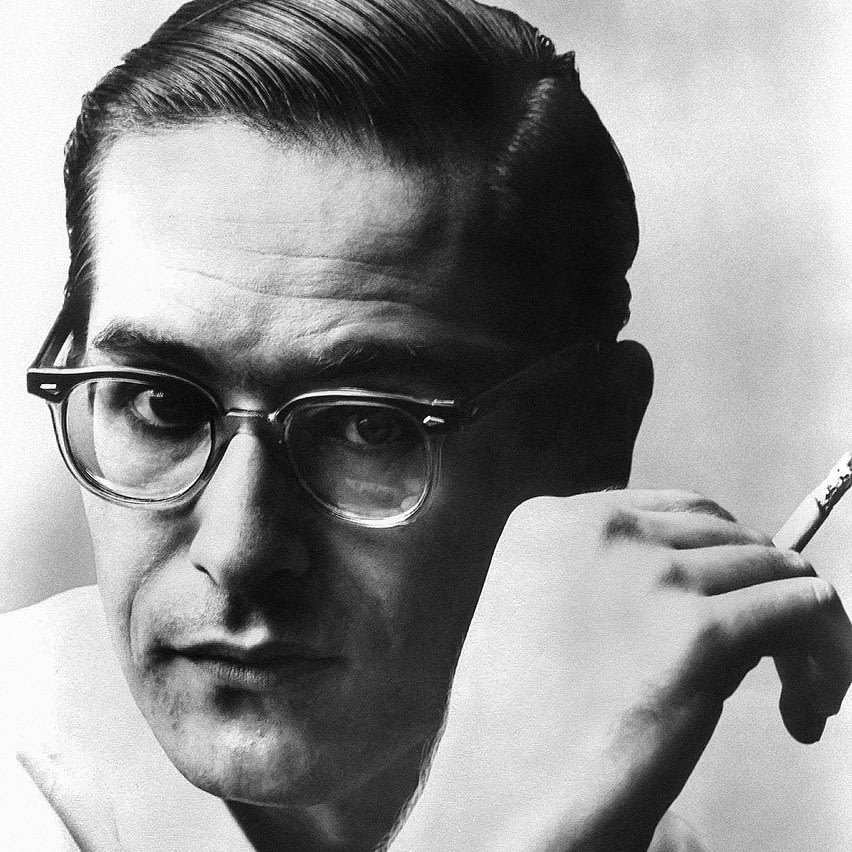
Bill Evans was an American jazz pianist and composer, best known for his lyrical improvisation, and as the leader of the “Bill Evans Trio”. He was born William John Evans on August 16, 1929, in Plainfield, New Jersey, to Harry and Mary Evans. His father ran a golf course, and his mother was descended from a family of coal miners. Bill had an older brother, Harry who he was very close with and often visited his Aunt Justine in Somerville with his mother. It was here that Harry at age five began piano lessons. Though Bill, who was only three at the time and thought to be too young for lessons, he began to play what he had heard from his brother and began taking lessons shortly after. Evans quickly developed a fluent sight-reading ability and began to play Mozart, Beethoven, and Schubert. During high school, Evans explored other musical styles including Stravinsky's Petrushka, and Milhaud's Suite provençale. During this time Evans started to move away from classical music and began listening to jazz also artists like Coleman Hawkins, Bud Powell, George Shearing, Nat King Cole, and more. He began performing out at the age of 13, for dances and weddings throughout New Jersey. Evans graduated from North Plainfield High School in 1946.
Evans went on to attend Southeastern Louisiana University where he studied classical piano. During his junior year in college, Evans composed his first known tune, "Very Early", and around that time he also composed the work "Peace Piece". Evans graduated in 1950, with a Bachelor of Music in piano and a bachelor's in music education. While attending school, Evans met guitarist Mundell Lowe, and together they formed a trio with bassist Red Mitchell. The three relocated to New York City but had difficulties booking gigs so they left for Calumet City, Illinois. In July 1950, Evans joined Herbie Fields's band and did a three-month tour backing Billie Holiday. The group returned to Chicago where, Evans worked in clubs until he was drafted into the U.S. Army. Evans served three years, during which time he played flute, piccolo, and piano in the Fifth U.S. Army Band, and hosted a jazz program. It was during this time that Evans composed his best-known tune, "Waltz for Debby", for his young niece. Evans was discharged from the Army in 1954, but had nightmares for years, and began using recreational drugs. In 1955, Evans returned to New York City and enrolled in the Mannes College of Music for a three-semester postgraduate course in music composition. During this time Evans began to perform in Greenwich Village clubs with Don Elliott, Tony Scott, Mundell Lowe, and bandleader Jerry Wald.
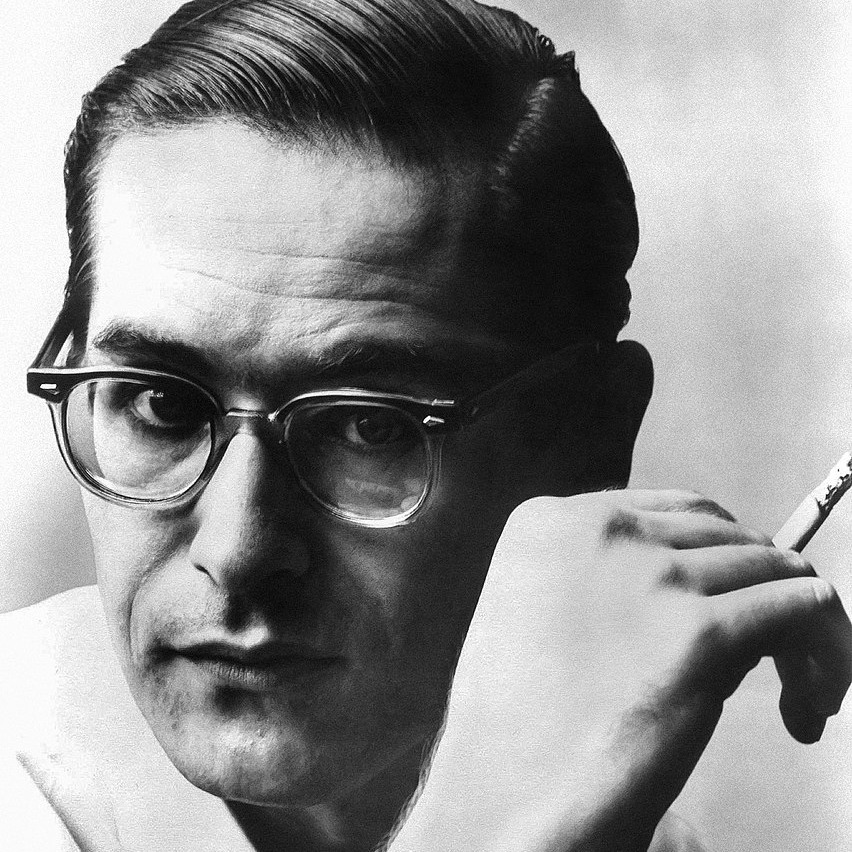
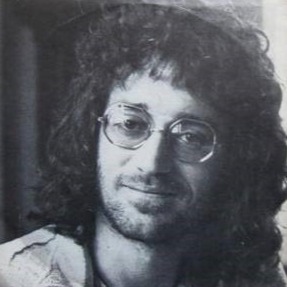
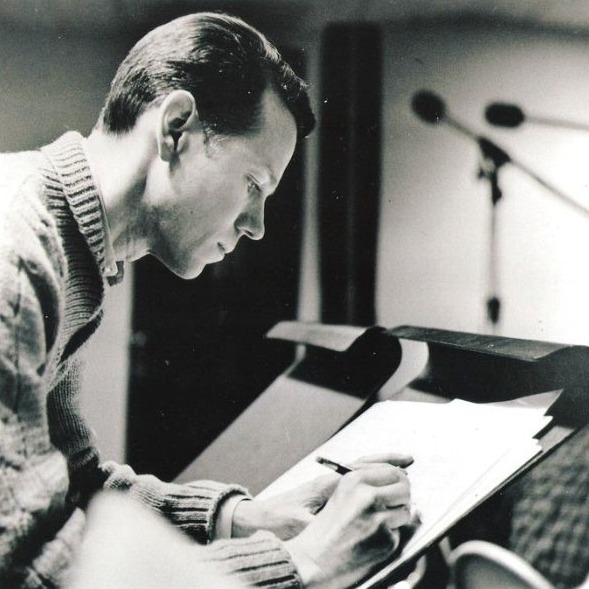
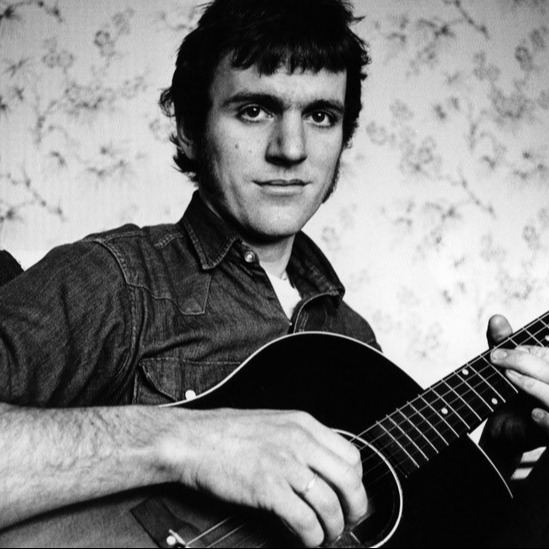
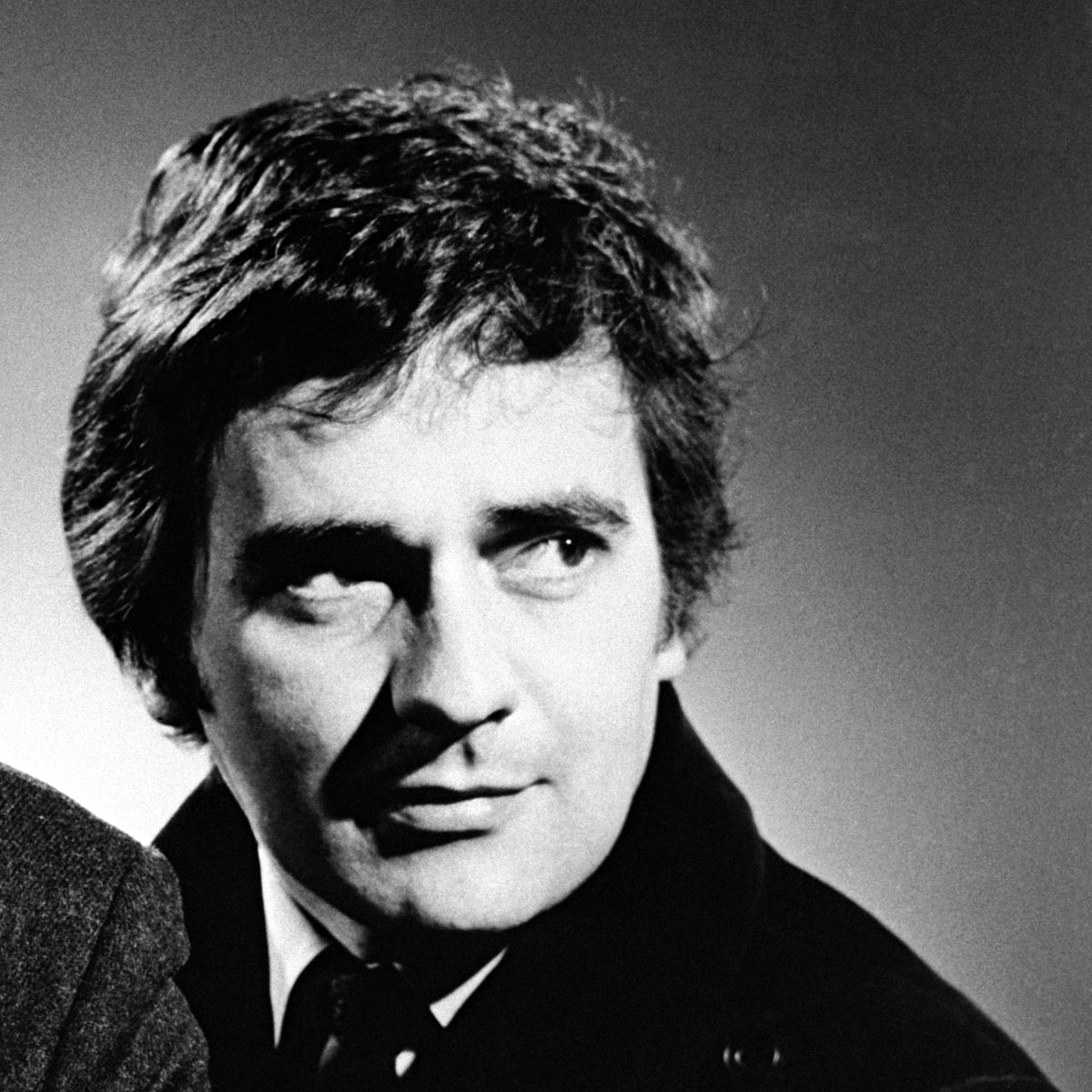
Bill Evans (FOUND ONLINE)
In 1955 Evans began playing piano for singer Lucy Reed at the Village Vanguard and The Blue Angel. The following year, Evan recorded his debut album, New Jazz Conceptions, featuring the original versions of "Waltz for Debby" and "Five". The album marked the formation of the first Bill Evans trio with Teddy Kotick and Paul Motian. Although the album earned critical success from DownBeat and Metronome magazines, it only sold 800 copies in the first year. Shortly after, Evans met composer George Russell and began to work together. In 1957, Russell wrote the piece "All About Rosie" which featured Evans for the Festival of the Creative Arts. After the show Evans’ career began to take off, in 1958 he joined the Miles Davis' Sextet, and made his first studio recordings with Davis, as part of Jazz Track. The same year Evans won the DownBeat International Critics' Poll for his work with Davis and his album New Jazz Conceptions. But facing anxiety and burnout, Evans left Davis' sextet in November 1958 and stayed with his parents in Florida. He eventually moved back to New York and recorded the trio album Everybody Digs Bill Evans.
Evans returned to the Davis sextet in early 1959, at the trumpeter's request, but by the fall of 1959, he formed another trio with bassist Scott LaFaro and Paul Motian. The group recorded its first album, Portrait in Jazz in 1959, released the follow-up work Explorations in February 1961, and in late June 1961, released the albums Sunday at the Village Vanguard, and Waltz for Debby. Tragedy struck ten days after the Vanguard performances when trio member LaFaro died in a car accident. Devastated Evans did not record or perform again for several months. He eventually returned to performing and in 1962, he completed the duo album, Undercurrent, and reformed his trio to release the works, Moon Beams and How My Heart Sings!. Shortly after Evans won his first Grammy Award with his 1963 solo album Conversations with Myself. In 1966, Bill Evans met bassist Eddie Gómez and invited him to join his trio. Gómez stayed with the trio for eleven years during which time the group released several critically acclaimed albums including Bill Evans at the Montreux Jazz Festival (1968), which won Evans his second Grammy award, Solo – In Memory of His Father (1966), and Intermodulation (1966). During this time Evans also released the solo album Alone (1968) which won him his third Grammy.
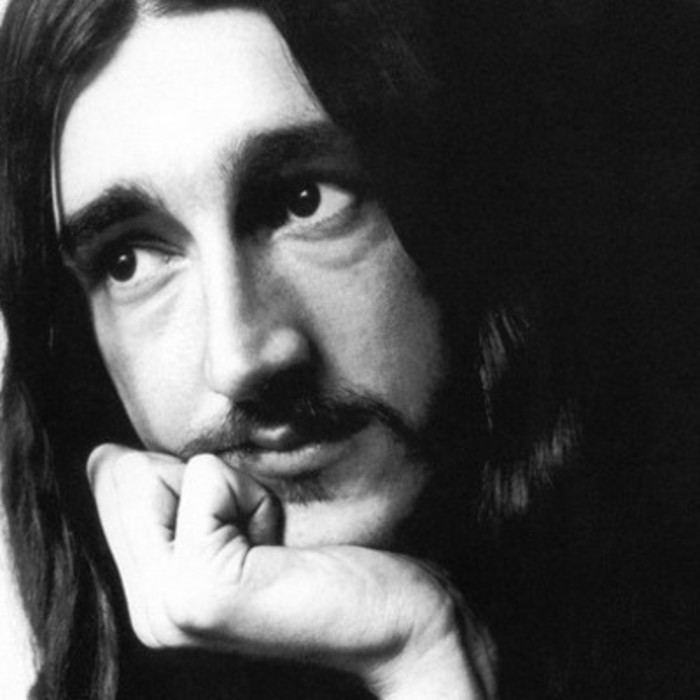
Evans had always considered himself an acoustic pianist but during the late 60s, he began exploring the electric piano. He recorded the works From Left to Right, and The Bill Evans Album, on the instrument, and the latter won him two Grammy awards. In 1973, while working in California, Evans met and fell in love with Nenette Zazzara, they were married that same year and in 1975, had a child, Evan. Evans’ moved to Closter, New Jersey with his wife, son, and stepdaughter Maxine. During this time he continued his musical work, collaborating with singer Tony Bennett on the albums The Tony Bennett/Bill Evans Album (1975) and Together Again (1977). In 1978 Gómez left the Evans Trio, and eventually, Marc Johnson joined the group on bass and Joe LaBarbera on drums. In 1979 Evans’ brother was diagnosed with schizophrenia and committed suicide. Deeply upset Evans recorded his last album, We Will Meet Again, which went on to win a Grammy.
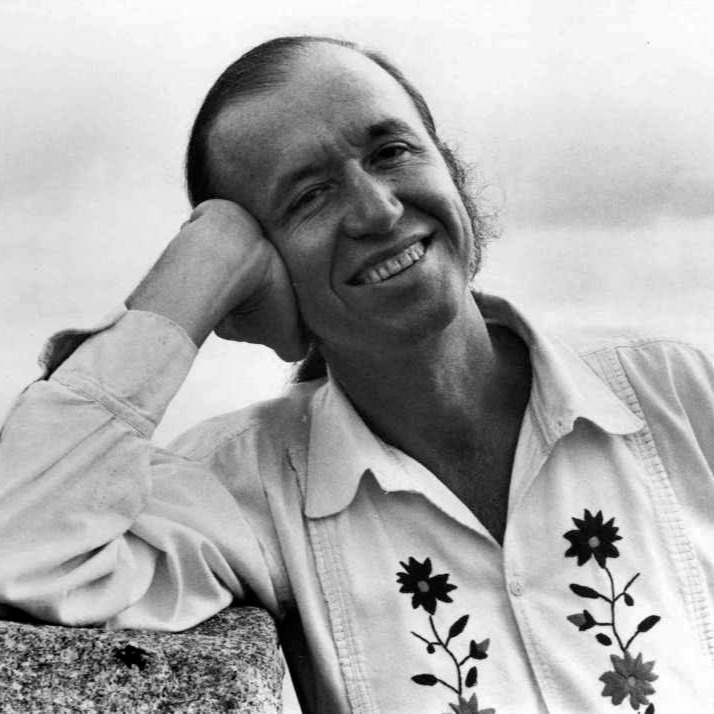
Evans died on September 15, 1980, due to a combination of peptic ulcer, cirrhosis, bronchial pneumonia, and untreated hepatitis. Evans inspired many players including Herbie Hancock, Keith Jarrett, Chick Corea, Brad Mehldau, and more. He is credited with influencing the harmonic language of jazz piano, and many of his tunes, including "Waltz for Debby", "Turn Out the Stars", "Very Early", and "Funkallero", have become jazz standards. During his lifetime, Evans was honored with 31 Grammy nominations, in 1994, he was posthumously honored with the Grammy Lifetime Achievement Award.