1926-2023
Max Morath
1926-2023
Max Morath
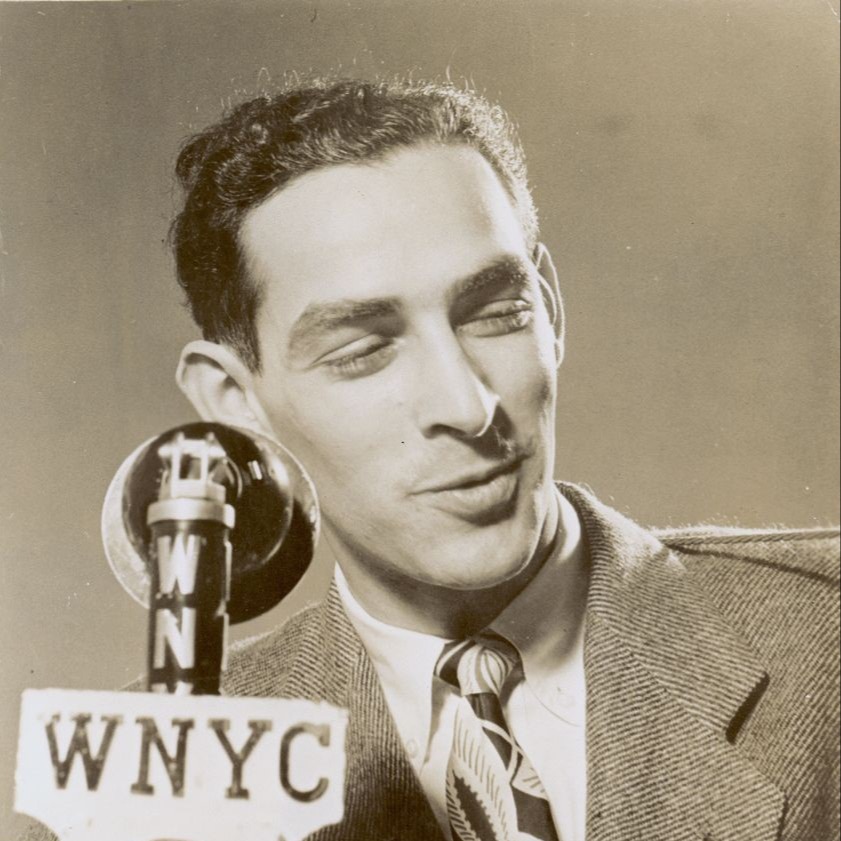
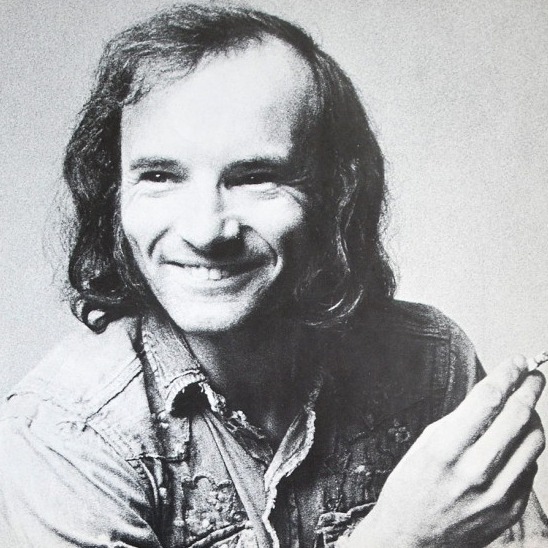
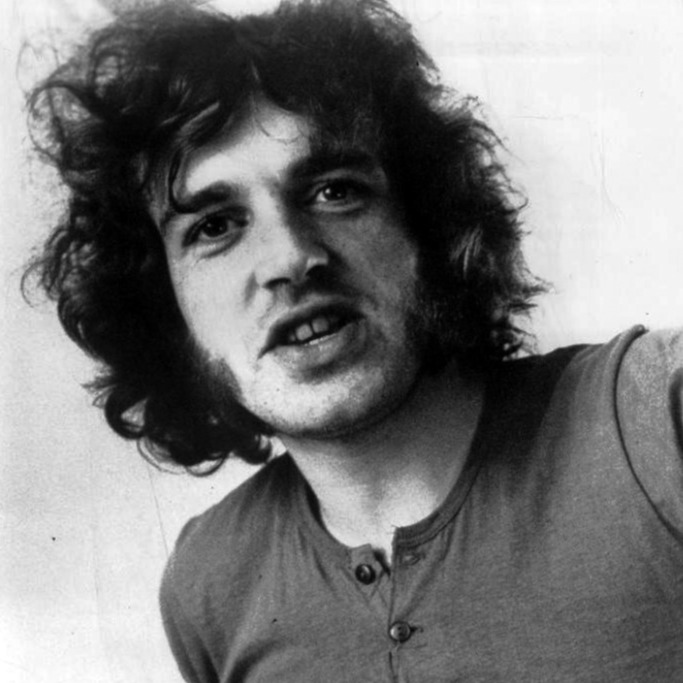
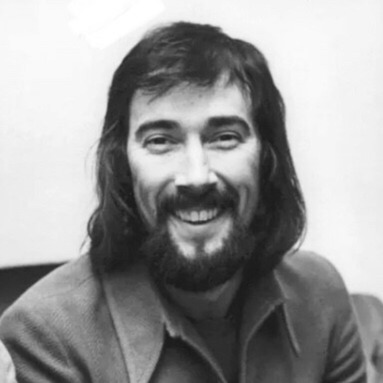
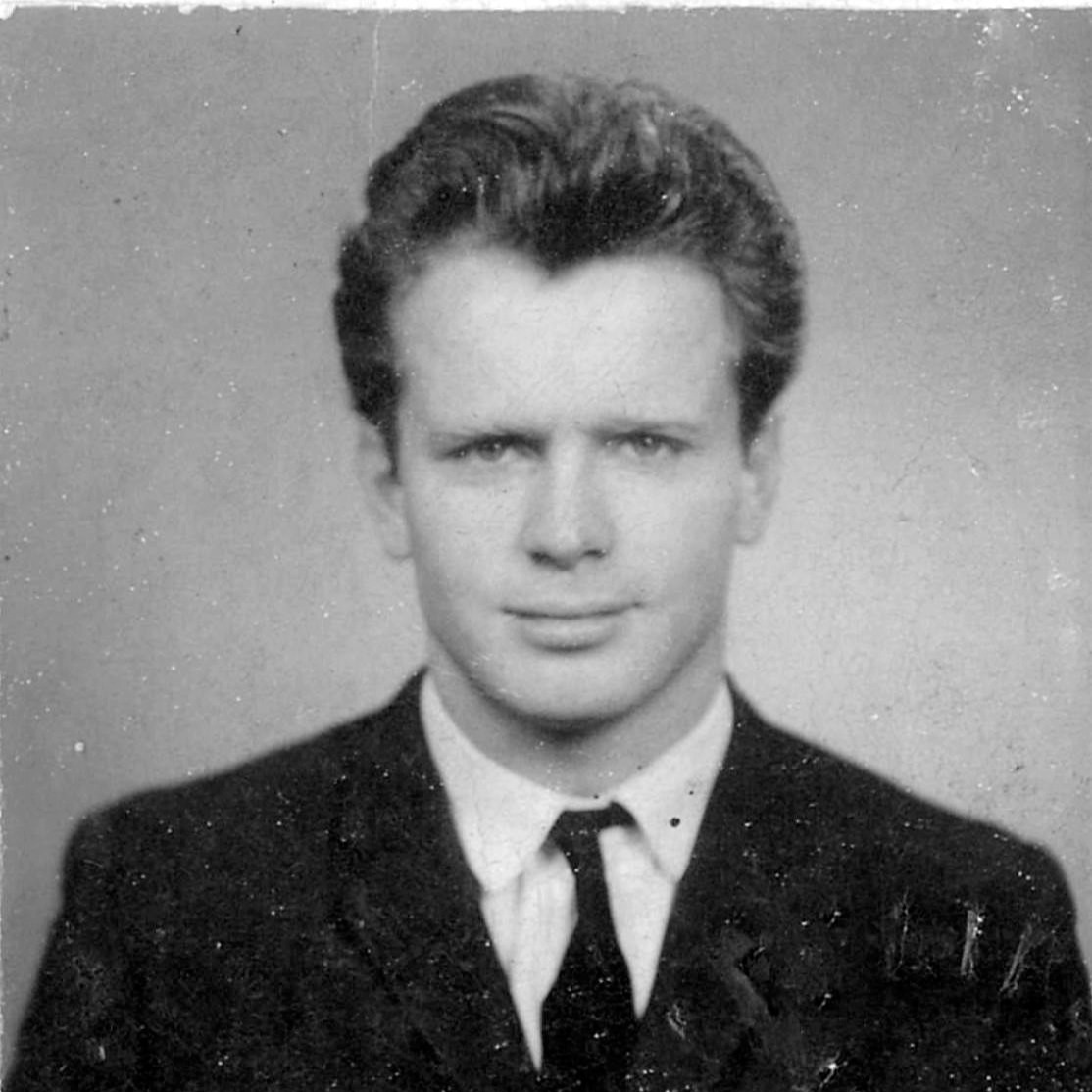
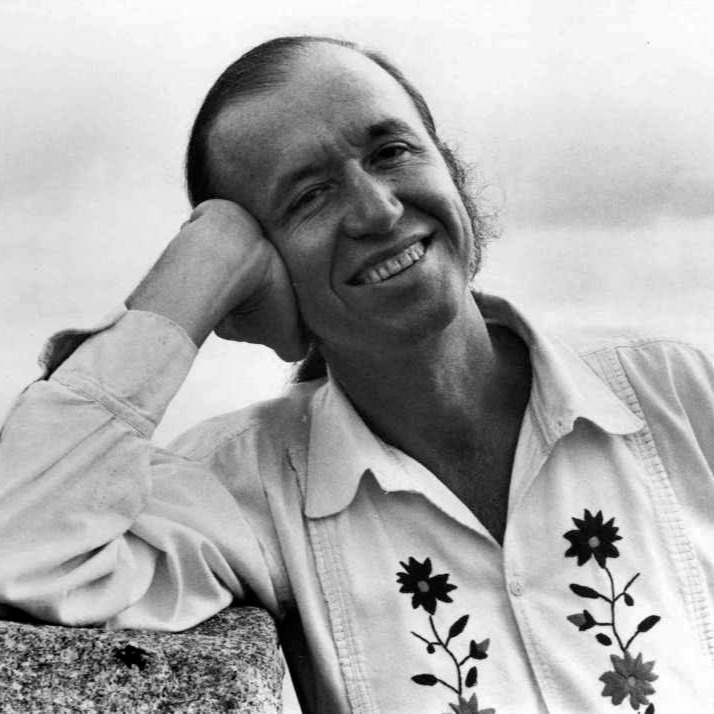
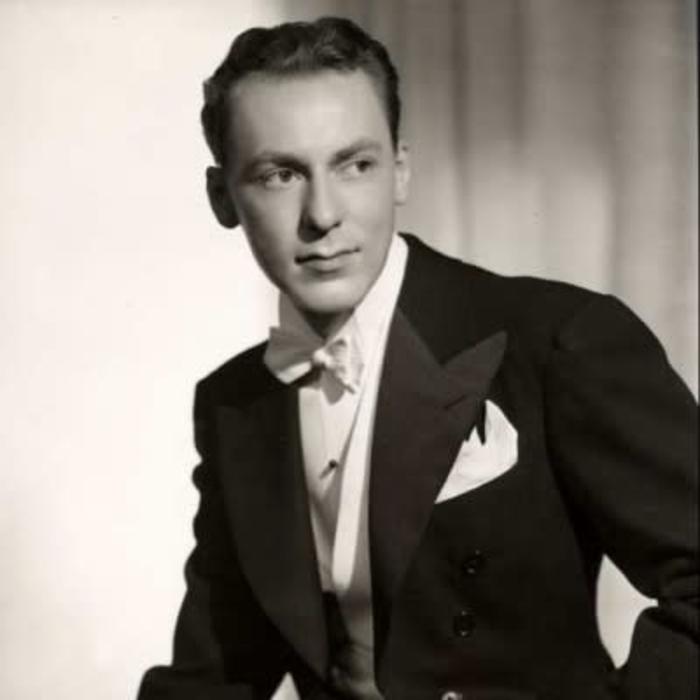
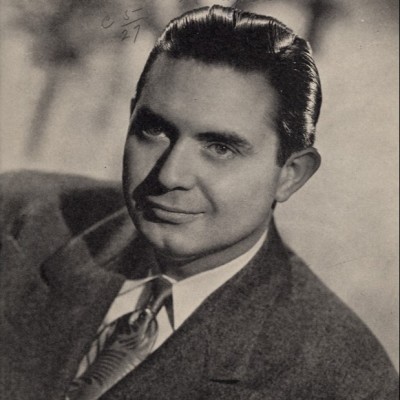
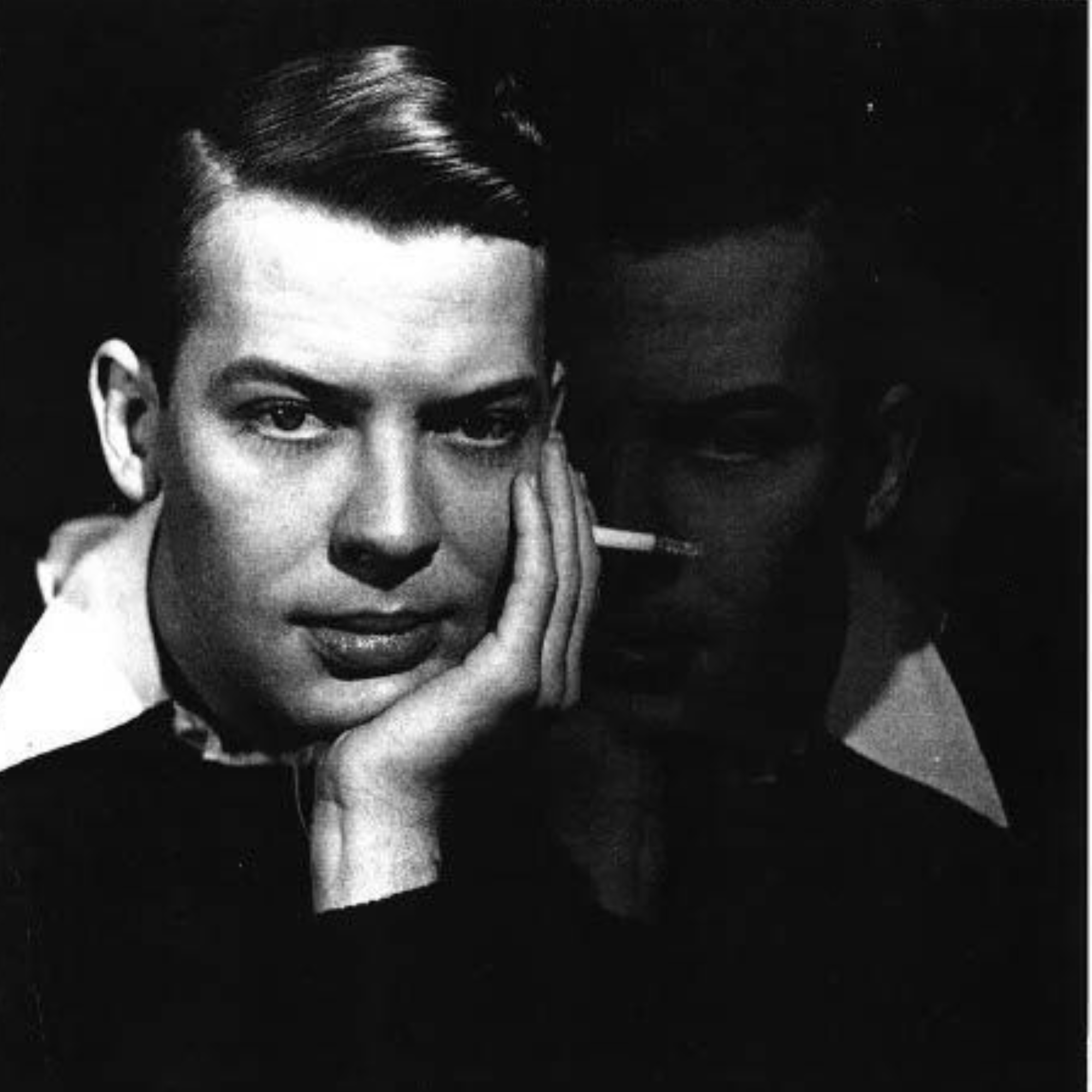
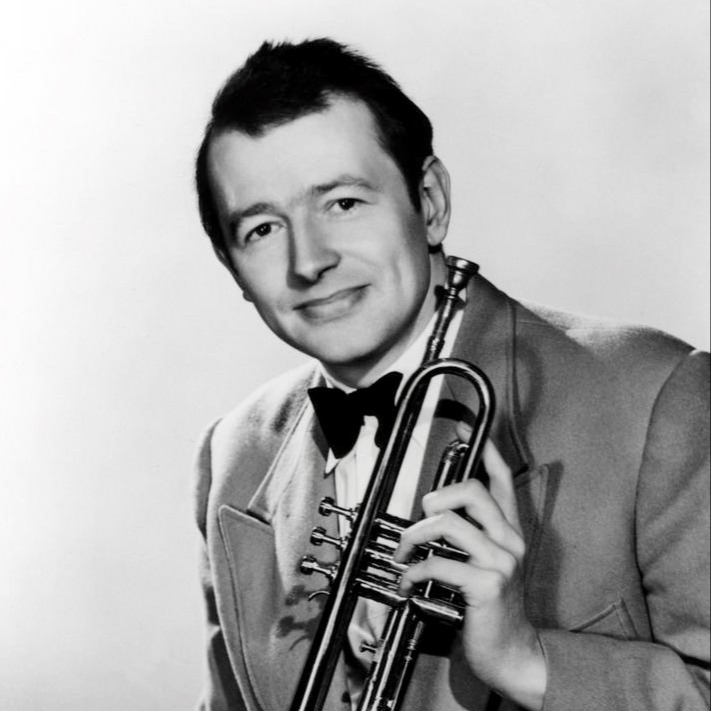
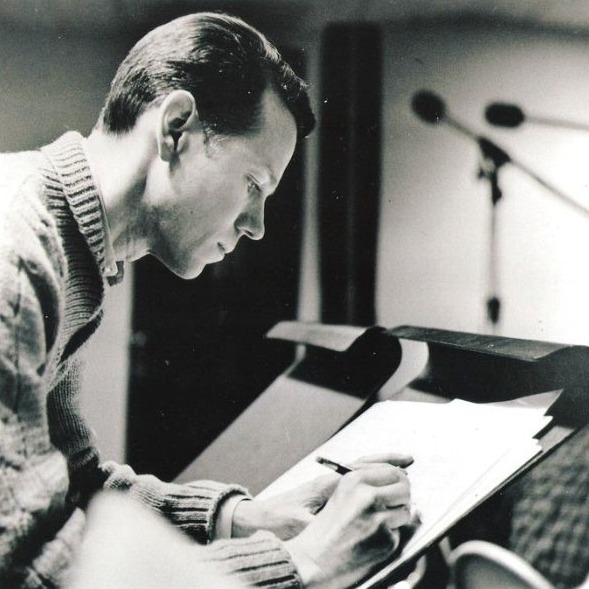
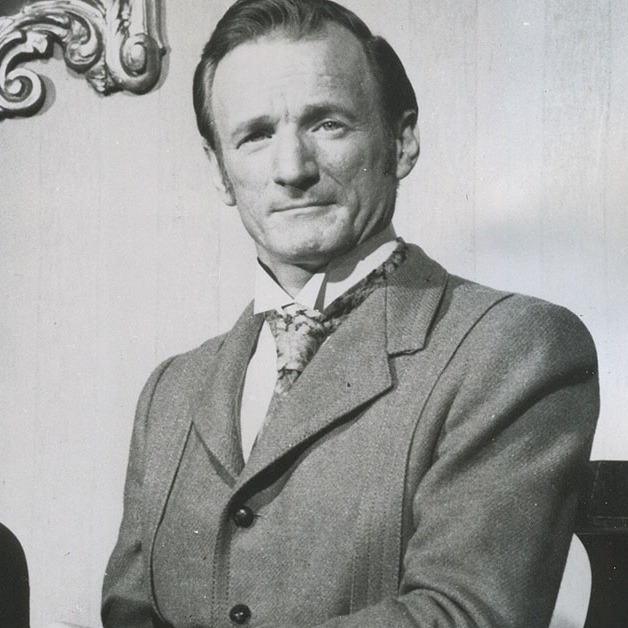
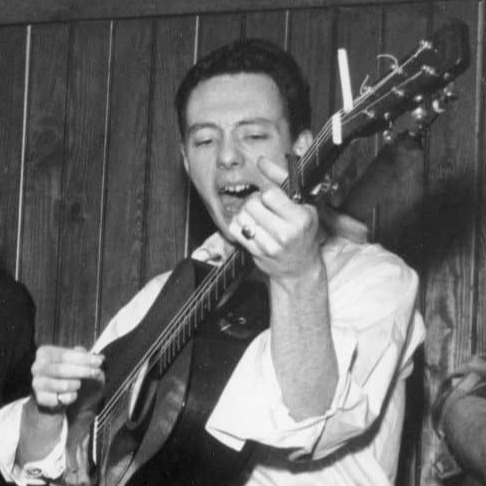
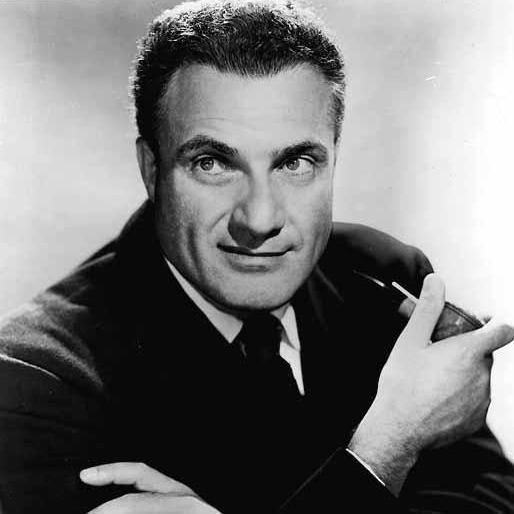
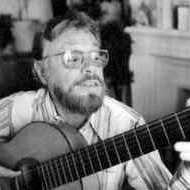
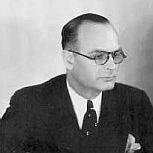
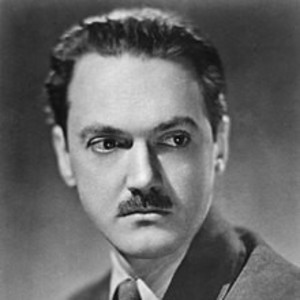
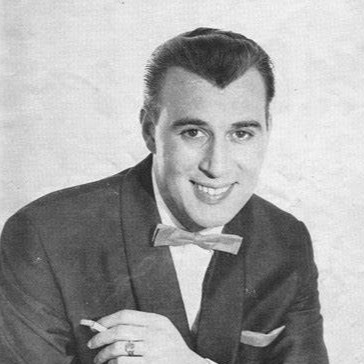
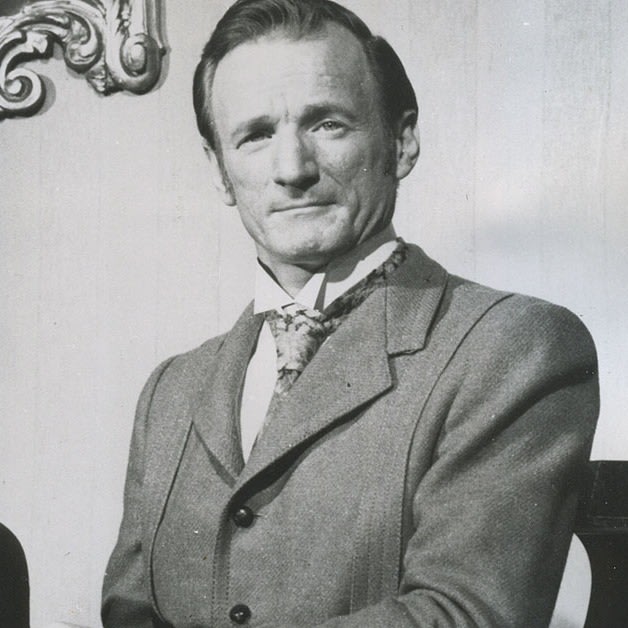
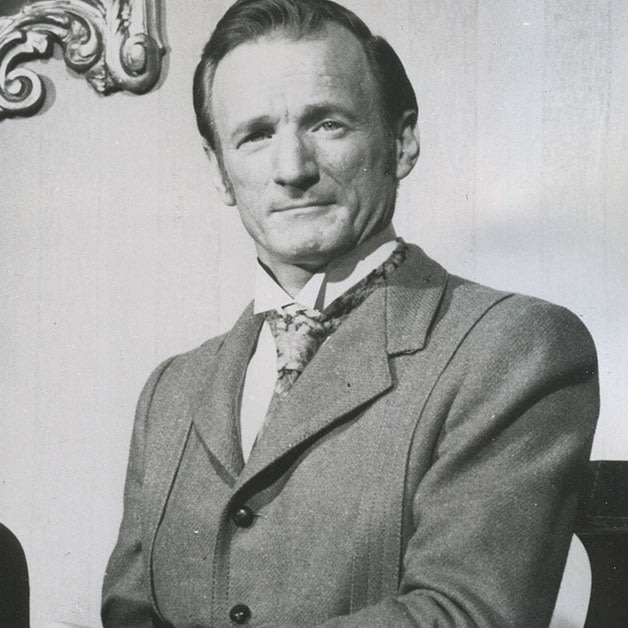
Max Morath, was an American ragtime pianist, composer, actor, and author. Often referred to as "Mr. Ragtime", Max Morath was born on October 1, 1926, in Colorado Springs, CO. Though born after ragtime's decline, Max’s mother was a pianist for silent films and introduced him to the genre. As a child Max studied piano and harmony, he worked his way through Colorado College as a radio announcer and jazz sideman and graduated with a B.A. in English in 1948. Throughout school, Max would work summer jobs as a pianist for melodrama companies in Colorado and Arizona. This exposure led to his development and interest in ragtime and American popular music, he was particularly influenced by the ragtime of Scott Joplin and Eubie Blake, and the compositions of the Gershwins and Irving Berlin. In 1951 Morath completed graduate studies at the Stanford-NBC Radio and Television Institute, furthering his media skills.
In 1959 Morath was approached by a producer for National Educational Television who proposed Max share his knowledge of ragtime on a television series. Morath hosted “The Ragtime Era" show in 1960 which explored vintage American popular culture. The show’s success led to another NET series, "Turn of the Century", where Morath discussed the social history behind ragtime music. Morath commented, "scorned by the establishment as ephemeral at best, trashy at worst, ragtime was the fountainhead of every rhythmic and stylistic upheaval that has followed in a century of ever-evolving American popular music". In addition to his television series, Morath made other contributions to NPR and PBS, appearing on The Bell Telephone Hour, Kraft Music Hall, Today, and The Tonight Show. And from 1965 to 1972, was a regular guest of Arthur Godfrey on CBS Radio. He also made appearances on NPR’s Piano Jazz with Marian McPartland and the Wynton Marsalis series Making the Music.
MaxMorath1
Morath moved from Colorado to New York in 1963 and began focusing on his own music. He performed nationally with his Original Rag Quartet in college concerts and nightclubs, including New York's Blue Angel and the Village Vanguard. His one-man show, Max Morath at the Turn of the Century, was a critical success and an integral part of the revival of ragtime in the 1970s. The show opened Off-Broadway at the Jan Hus Playhouse in 1969, followed by a four-year national tour. Morath went on to perform similar productions including The Ragtime Years, Living the Ragtime Life, The Ragtime Man, Ragtime Revisited, plus Ragtime and Again, all of which toured nationally. Musically Morath recorded albums for Vanguard, Epic, Solo Art, and RCA, including solo piano and vocal albums, performances with his Original Rag Quartet, and orchestral works. Within the space of three years, Morath released four vinyl LPs with the prestigious Vanguard label: The Best of Scott Joplin (double album, 1972); The World of Scott Joplin, Volume 1 (1973); and The World of Scott Joplin, Volume 2 (1975). Albums that followed included Jonah Man, Ragtime Women, and The Great American Piano Bench, each of which went beyond Morath’s original focus on Scott Joplin, and included some original ragtime compositions by Morath such as “Echoes of the Rosebud”, “Gold Bar Rag”, “Golden Hours”, “One for Amelia”, “Polyragmic” "Cripple Creek Suite", and more.
Morath turned his attention back to academia and writing later in life. IN 1996, he completed his master's degree at Columbia University in American Studies. He centered his thesis on Carrie Jacobs-Bond who wrote hundreds of classic early 20th-century songs. IN 1999, Morath co-created with his wife Diane Fay Skomars, an illustrated book on his experiences on the road, titled Max Morath: The Road to Ragtime. Morath went to write NPR's Curious Listener's Guide to Popular Standards in 2002, and contributed to The Oxford Companion to Jazz's essay "Ragtime Then and Now". Norath continued touring with his one-man show, Max Morath the Ragtime Man until 2007, he retired from preforming, having logged over 5000 engagements in the USA and Canada. Morath turned 95 last October and remains active today was a writer, lecturer and consultant.
Throughout his career, Morath accrued a number of accomplishments and praise. In 2008, he received the Louis T. Benezet Award from Colorado College.Furthermore, Max, along with Moss Hall won first prize at the Nashville Film Festival in the category “Music-Inspired Drama” for their screenplay, Blind Boone, and in 2016, Morath was inducted into the Colorado Music Hall of Fame. Morath is credited for singlehandedly keeping ragtime alive through his recordings, performances, and broadcasts. Max has recommended himself as the ambassador for ragtime, and music critic Rudi Blesh has called him a "one-man ragtime army"!