1907-1980
Alec Wilder
1907-1980
Alec Wilder
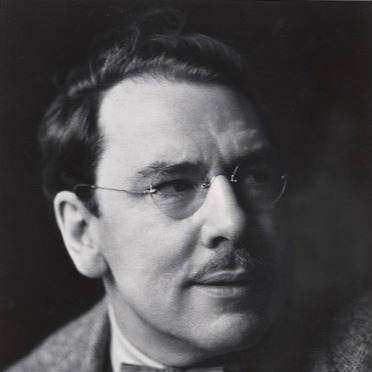
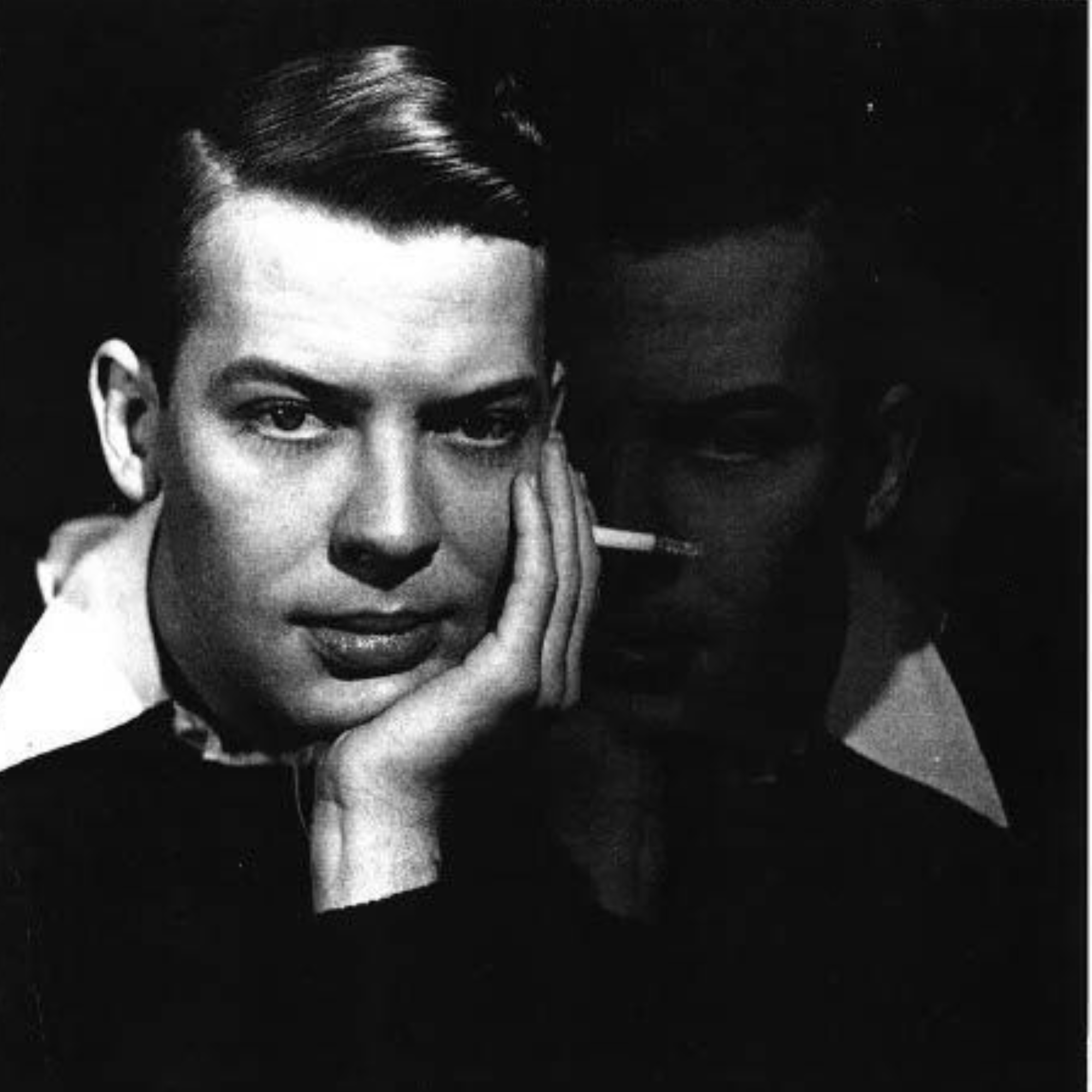
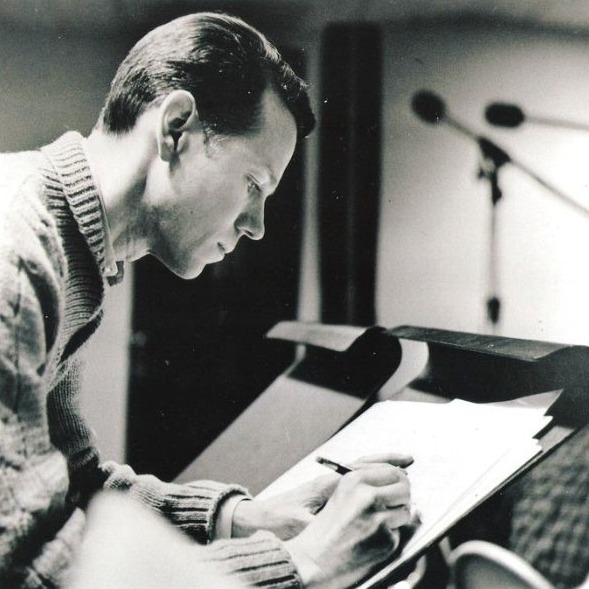
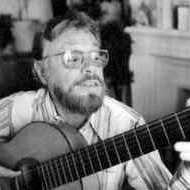
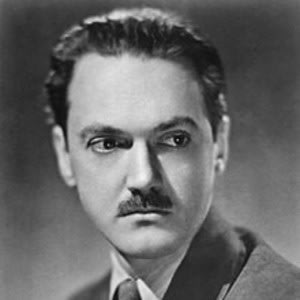
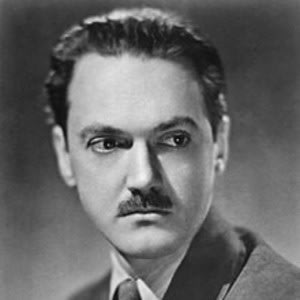
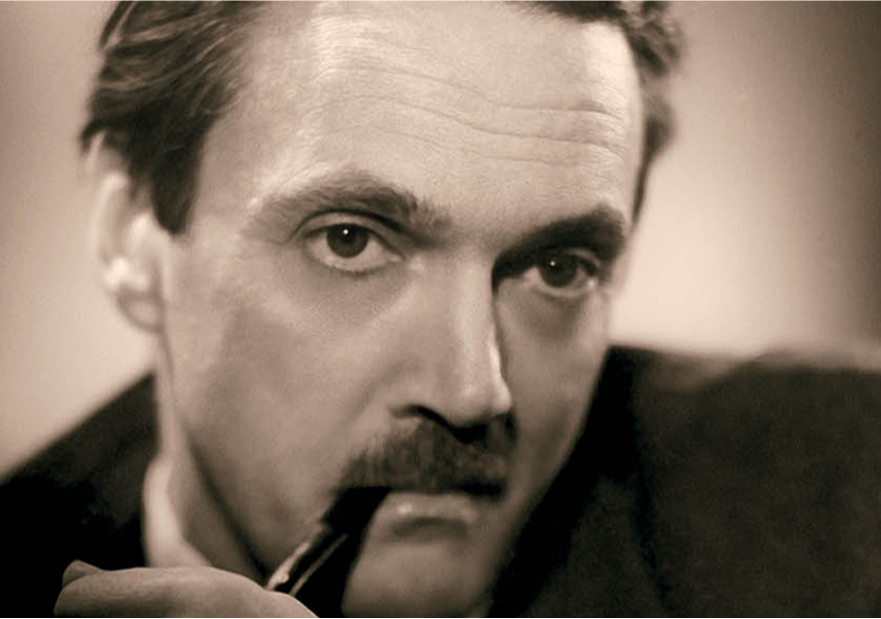
Alec Wilder was an American composer, who wrote music of remarkable originality in many forms: sonatas, suites, concertos, operas, ballets, art songs, hundreds of popular songs, and many more. His work uniquely blends American musical traditions, like jazz and the American popular song, and basic “classical” European forms and techniques. Alec Wilder was born Alexander Lafayette Chew Wilder in Rochester, New York on February 16, 1907, to a prominent family; the Wilder Building downtown bears the family's name, and his maternal grandfather, and namesake, was a prominent banker. As a young boy, he traveled to New York City with his mother and stayed at the Algonquin Hotel, which would later be his home for the last 40 or so years of his life. He attended several prep schools, unhappily, as a teenager, and eventually hired a lawyer to cut himself off from his family. As a composer, Wilder was largely self-taught, but studied composition and counterpoint privately at the Eastman School of Music, with composers Herman Inch and Edward Royce, in the 1920s.
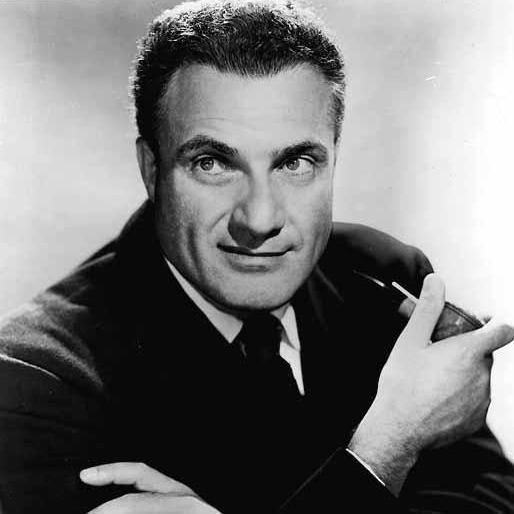
Mitch Miller, whom Wilder met at Eastman, and Frank Sinatra were initially responsible for introducing his music to the public. It was Miller who organized the historic recordings of Wilder octets beginning in 1939for Brunswick Records. Wilder’s unique combination of elements of classical chamber music, popular melodies, and a jazz rhythm section, gave the octets their popularity. Wilder wrote more than 20 octets, giving them whimsical titles such as Neurotic Goldfish, It’s Silk, Feel It, and Jack, This Is My Husband. In 1945, Frank Sinatra, an early fan and avid supporter of Wilder’s music, persuaded Columbia Records to record an album of Wilder's solo wind works with a string orchestra, Sinatra conducting. The two men became lifelong friends and Sinatra recorded many of Wilder’s popular songs. His last song, A Long Night, was written in response to Sinatra’s request for a “saloon” song. Wilder also contributed two tone poems, "Grey" and "Blue", to the 1956 album, Frank Sinatra Conducts Tone Poems of Color.
AlecWilder
Wilder wrote songs for artists like Jan DeGaetani and Eileen Farrell, and chamber music for the New York Woodwind and New York Brass quintets. It was John Barrows, who served as Wilder’s mentor, not only urging him to compose in the larger forms but also introducing him to many of his musician colleagues. Jazz musicians fascinated Wilder, and he was admired and respected not only by Frank Sinatra, Mabel Mercer, Mildred Bailey, Peggy Lee, and Tony Bennett, for whom he wrote songs but by Marlene VerPlanck and Jackie and Roy, who recorded Wilder albums. Among his best-known songs are It’s So Peaceful in the Country, I’ll Be Around, While We’re Young, and Blackberry Winter.
Sometimes Wilder wrote the lyrics for his songs, but more often he collaborated with the brilliant lyricist William Engvick, and in later years the outstanding Loonis McGlohon, as well as with Johnny Mercer, Marshall Barer, and Arnold Sundgaard. His collaborations resulted in larger-scale works, expanding his song concept into operas and musicals, like Miss Chicken Little (1953), written with William Engvick, and the operas Sunday Excursion (1953), The Opening (1969) and the musical comedies Kittiwake Island (1953) and Nobody’s Earnest (1973). Wilder also worked on film scores for the Academy Award-winning documentary Albert Schweitzer (1957), The Sand Castle (1959), and Open the Door and See All the People (1963).
In the early 1950s, Wilder became increasingly drawn to writing concert music for soloists, chamber ensembles, and orchestras. Throughout the rest of his life, he produced dozens of compositions for the concert hall, writing solo suites with piano or sonatas for every orchestral instrument, ten brass quintets, nearly 20 woodwind quintets, and numerous combinations of winds and brass-especially for clarinet, bassoon, horn, and tuba. Wilder also wrote the definitive book American Popular Song: The Great Innovators, 1900–1950(1972), and was featured in a radio series based on the book, broadcast in the middle to late 1970s.Alec Wilder said “I didn’t do well in terms of financial reward or recognition. But that was never the point.” Wilder shunned publicity and was uncomfortable with celebrity. Nonetheless, his awards eventually included an honorary doctorate from the Eastman School of Music, a Peabody Award for the National Public Radio series “American Popular Song,” cohosted by Loonis McGlohon, an Avon Foundation grant, the Deems Taylor ASCAP Award and a National Book Award nomination—all having to do with American Popular Song: “The Great Innovators, 1900-1950”.
Wilder was also awarded a Guggenheim Fellowship just before his death and in 1983was posthumously inducted into the Songwriters’ Hall of Fame. The Alec Wilder Archive and Reading Room in the Sibley Music Library, Eastman School of Music, was dedicated in 1991. Alec Wilder died of lung cancer on Christmas Eve 1980 in Gainesville, Florida. Wilder could also create tunes of haunting simplicity. I’ll Be Around is surely an extraordinary example of the latter, while the ravishing theme of Serenade from the Jazz Suite for Four Horns is a superior representative of the former, a melody worthy of an Ellington, a Gershwin or a Schubert.