1915-1988
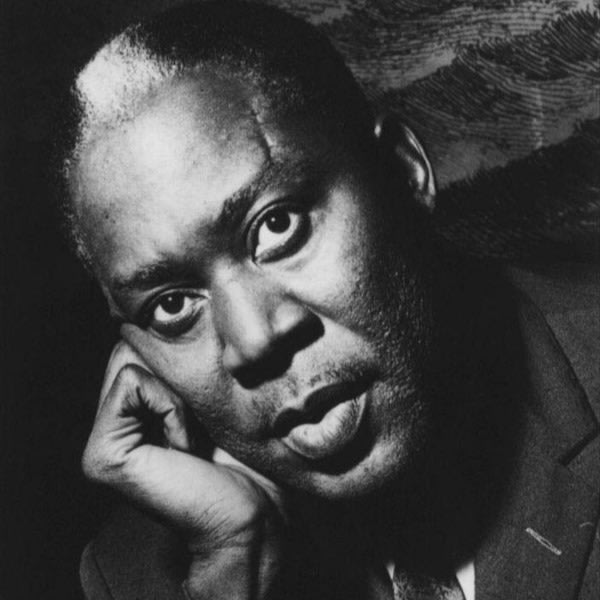
Memphis Slim
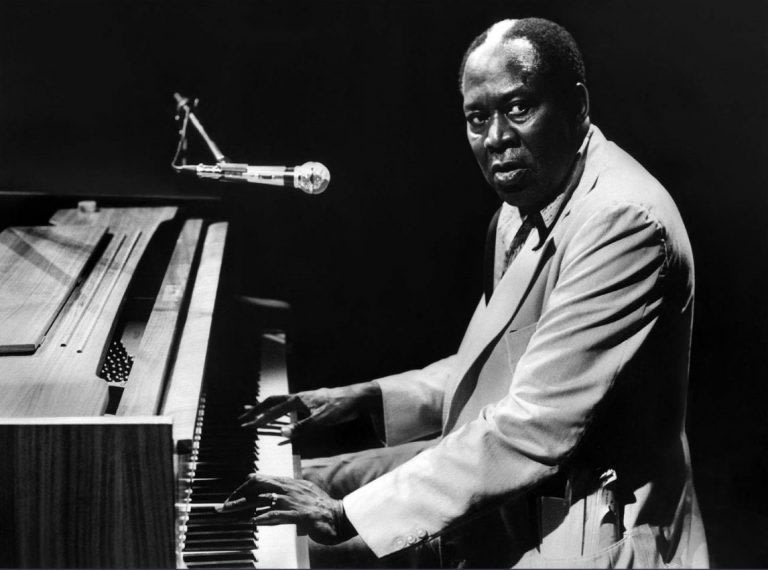
1915-1988
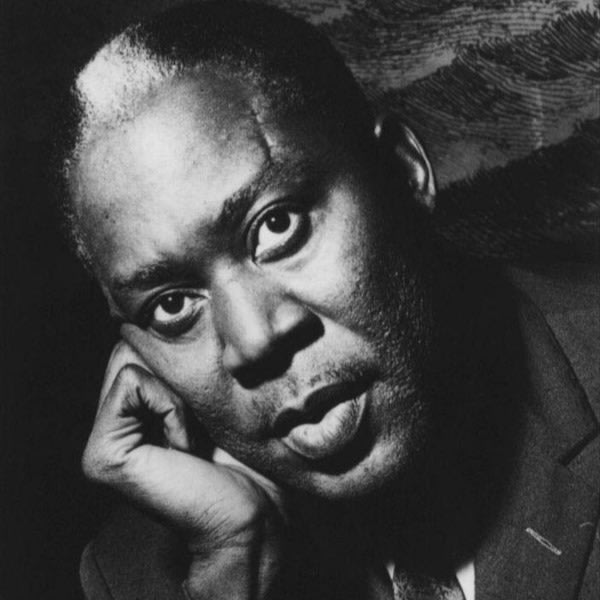
Memphis Slim
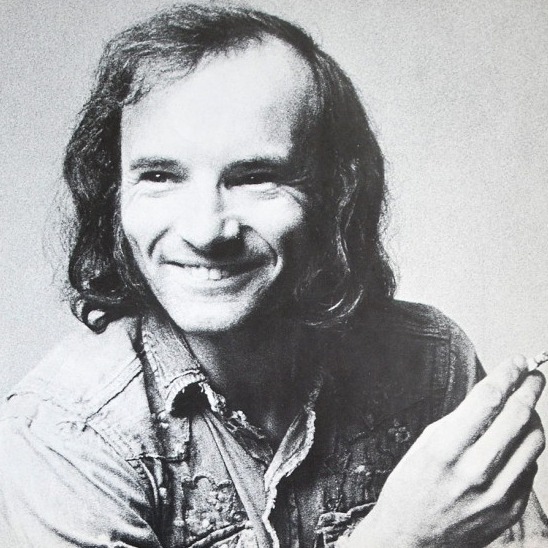
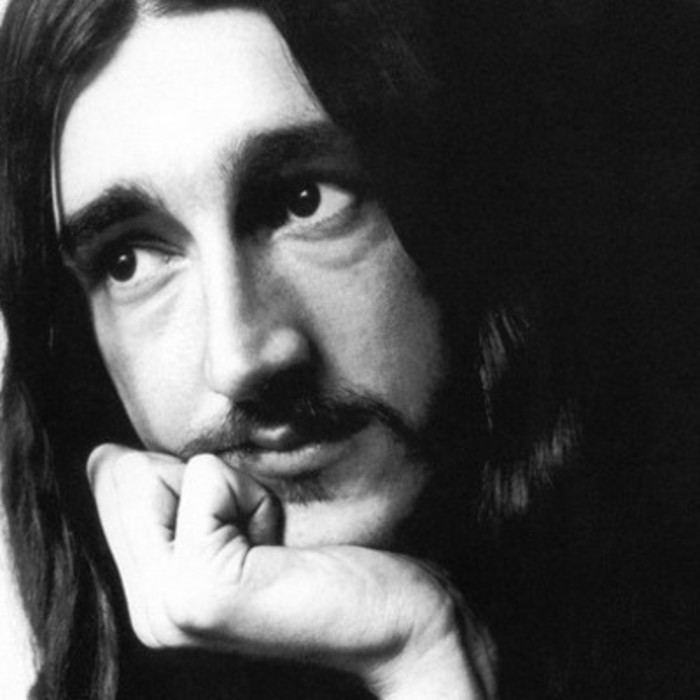
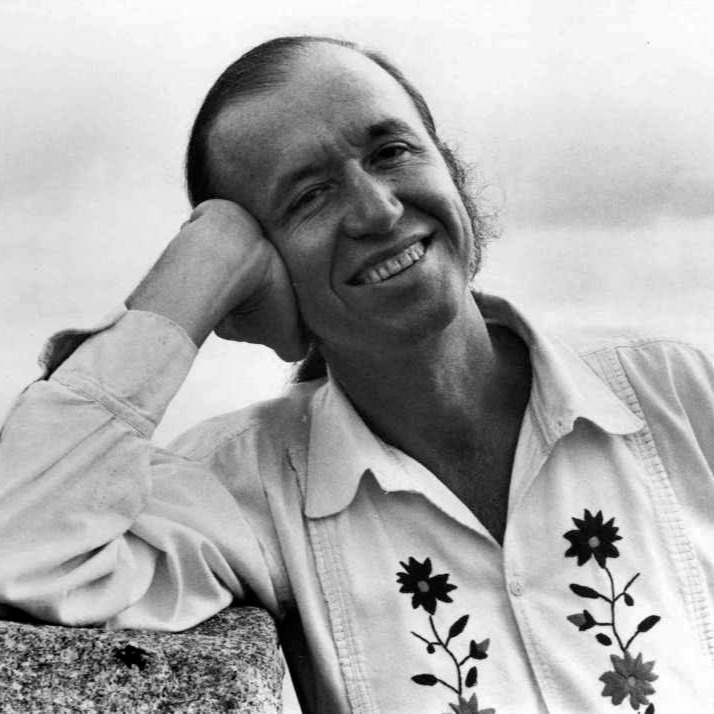
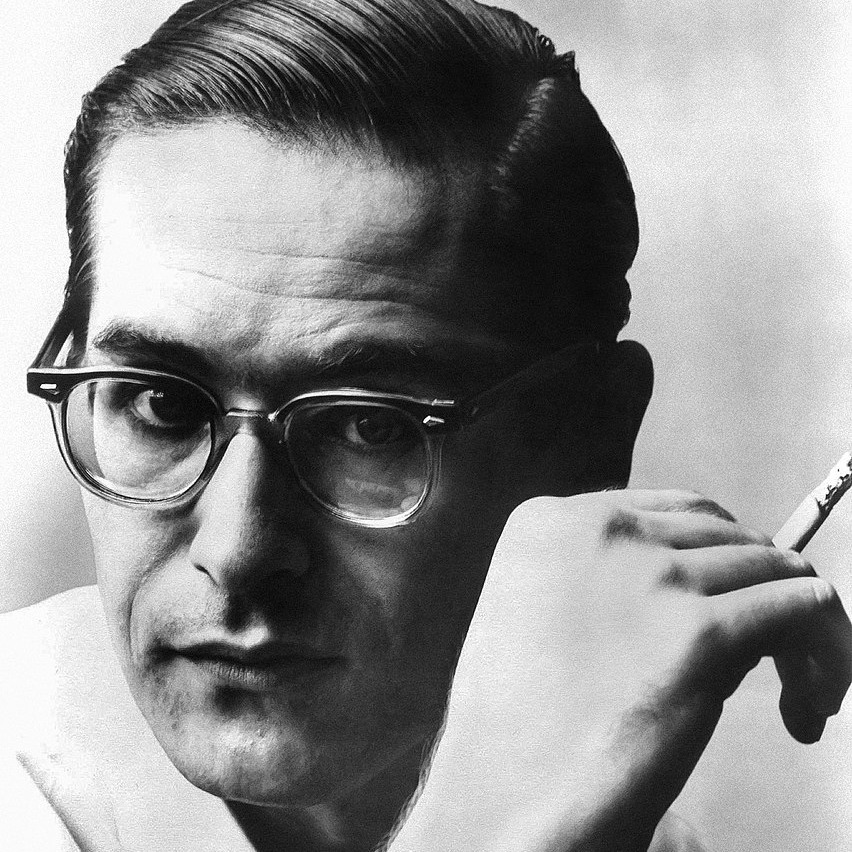
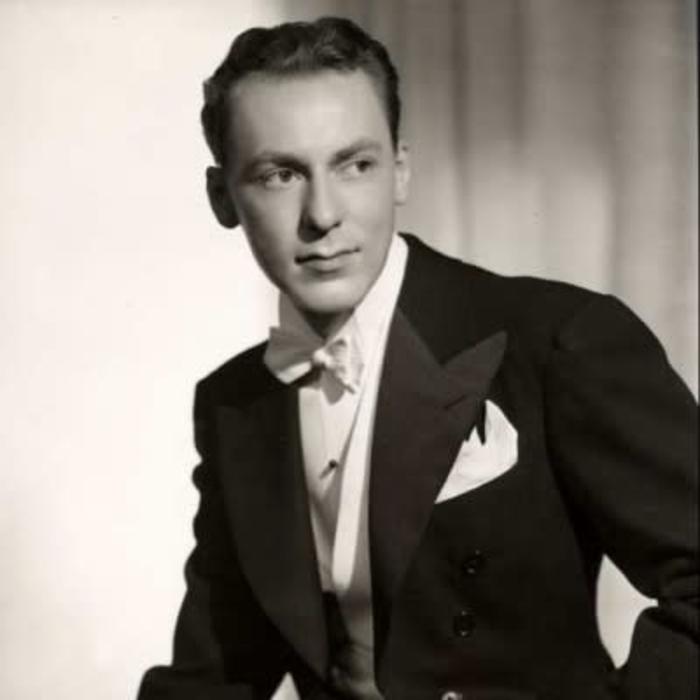
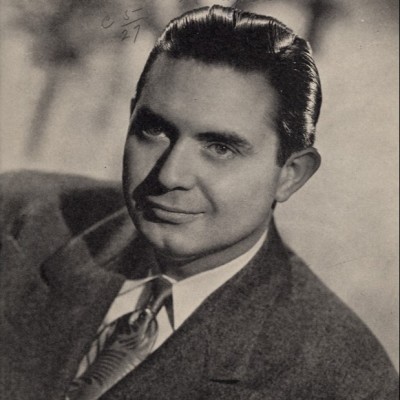
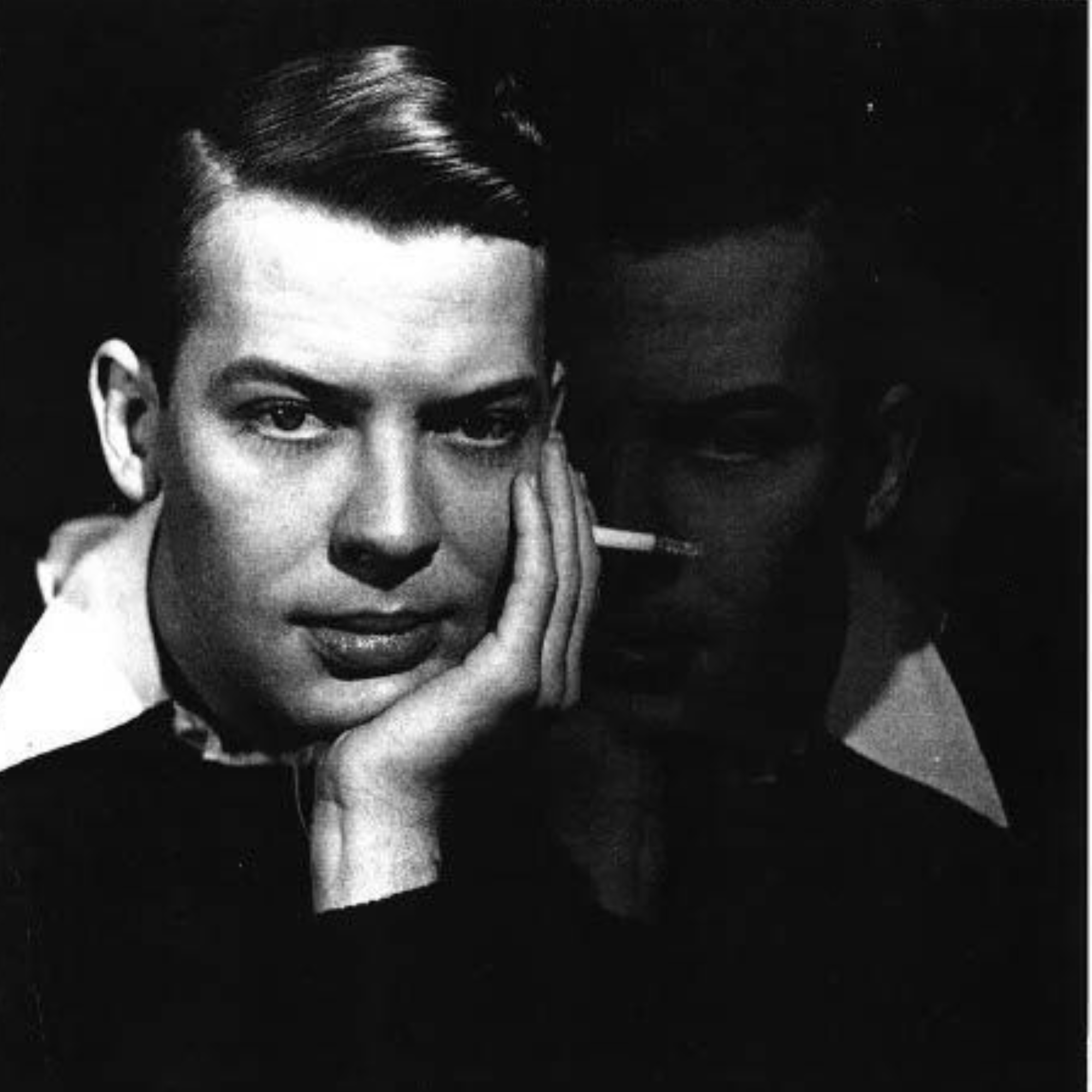
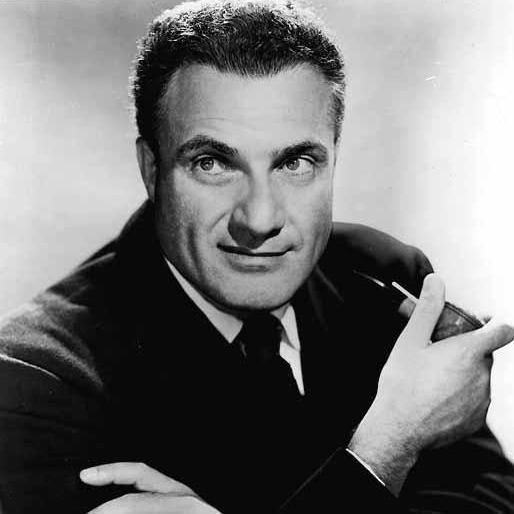
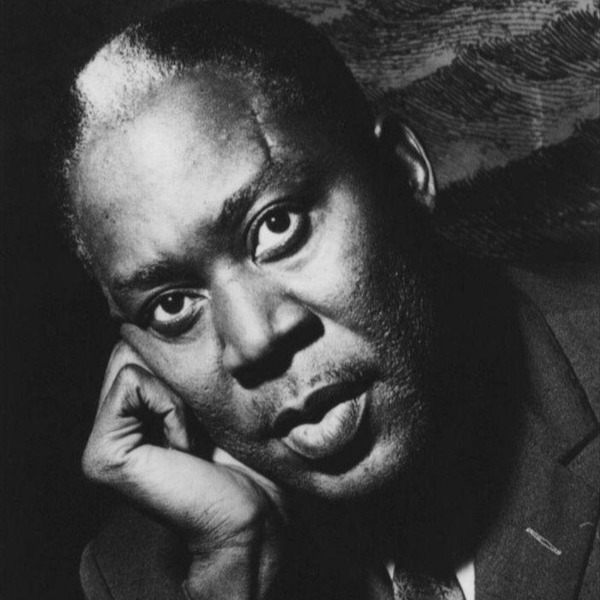
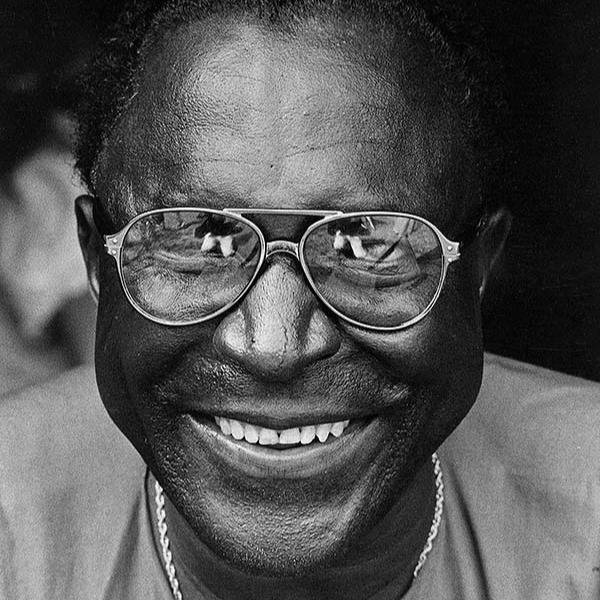
John Len Chatman, better known as Memphis Slim, was an American blues pianist, singer, and composer. Memphis Slim is widely considered one of the greatest blues pianists of all time. He made over 500 recordings, including "Every Day I Have the Blues", which has become a blues standard, led a series of blues bands, and used his soulful voice and booming piano to bridge the gap between traditional and urban blues. Memphis Slim was born John Len Chatman on September 3, 1915, in Memphis, Tennessee. He was raised in Memphis and was exposed to the blues at a very young age by his family, who were some of the earliest blues musicians in the Mississippi Delta. His father Peter Chatman led a group called the Washboard Band, which featured the influential blues pianist Roosevelt Sykes. Inspired by Sykes, John Chatman taught himself piano. He began performing in the 1930s, making appearances at honky-tonks, dance halls, and gambling joints in West Memphis, Arkansas, and southeast Missouri. In the late '30s, he moved to Chicago and began recording as a band leader for OKeh Records under his father’s name Peter Chatman as a way to honor him. In 1940 he began recording for Bluebird records, where he recorded two of his biggest hits including "Beer Drinking Woman"and "Grinder Man Blues", released under the name "Memphis Slim," given to him by Bluebird's producer, Lester Melrose. During this time Slim also became a regular session musician for artists like John Lee "Sonny Boy" Williamson, Washboard Sam, and Jazz Gillum. He also teamed up with guitarist and singer Big Bill Broonzy and worked as his accompanist until 1944. It was Broonzy, who encouraged the young pianist to develop his own playing style and stop emulating his idol, Roosevelt Sykes.
After World War II, Memphis Slim formed his own band called the House Rockers, which focused on the jump-blues sound and included the saxophone, bass, drums, and, piano. One of the songs recorded at the first session was the ebullient boogie "Rockin' the House," which gave the group its name. Slim and the House Rockers recorded mainly for Miracle through 1949, with some commercial success. Among the songs they recorded were "Messin' Around" (which reached number one on the R&B charts in 1948) and "Harlem Bound". One of Slim's most affluent records was recorded in 1947 for Miracle records, "Every Day I Have the Blues." The song was recorded in 1950 by Lowell Fulson and would go on to be recorded by numerous affluential artists, including B. B. King, Elmore James, T-Bone Walker, Ray Charles, Eric Clapton, Natalie Cole, Ella Fitzgerald, Jimi Hendrix, Mahalia Jackson, Sarah Vaughan, Carlos Santana, John Mayer, and Lou Rawls. And in 1947, Memphis Slim’s vocals and piano were recorded by the folklorist Alan Lomax, and Lomax featured snippets of this recording on BBC Radio in the early 1950s as a documentary, The Art of the Negro, and later released an expanded version as the LP Blues in the Mississippi Night.
MemphisSlim
Throughout the early ‘50s, Memphis Slim label-hopped, moving from Miracle to Peacock to Premium to Chess to Mercury records before staying with Chicago's United Records from 1952 to 1954. During this period he recruited his first permanent guitarist, Matt Murphy, who played on the works "The Come Back," "Sassy Mae," and "Memphis Slim U.S.A." After 1954, Slim did not have a deal in place with any record company until 1958, when he signed with Vee-Jay Records. In 1959 his band recorded the album Memphis Slim at the Gate of the Horn, which featured a lineup of his best-known songs, including "Mother Earth", "Gotta Find My Baby", "Rockin' the Blues", "Steppin' Out", and "Slim's Blues". Throughout this time, Memphis Slim also collaborated with bassist Willie Dixon, playing and writing on Dixon's 1959 debut album, Willie's Blues. The duo also released several albums together on Folkways Records, including Memphis Slim and Willie Dixon at the Village Gate with Pete Seeger in 1962.
After the introduction of rock ‘n’ roll the blues interest in America began to decline, so Slim left the country with Dixon to perform internationally. In the early 1960s, Slim became one of the first artists to sign on when German promoters, together with Willie Dixon, proposed the European blues concert American Folk Blues Festival. The festival had a huge influence on the skiffle movement that would influence British invasion artists like Eric Clapton and Mick Jagger. Memphis Slim along with Willie Dixon, and other iconic blues musicians like Muddy Waters, Sonny Boy Williamson, and T-Bone Walker performed. In 1962, Slim moved to Paris and became one of Europe’s most prominent blues artists for nearly three decades. He appeared on television in numerous European countries, acted in several French films, wrote the score for the film À nous deux France (1970), and performed regularly. During this time Slim also ran his own blues club in Paris, which he called the Memphis Melodies Club. Towards the end of his life, he teamed up with jazz drummer George Collier and toured across Europe. Memphis Slim died of renal failure on February 24, 1988, in Paris, at the age of 72.He is buried at Galilee Memorial Gardens in Memphis, Tennessee.
Throughout his career, Memphis Slim earned a series of accolades, including the titles of Commander of Arts and Letters from the French government and Good Will Ambassador-at-Large from the U.S. Senate. He was posthumously inducted into the Blues Hall of Fame in 1989.He was inducted into the Memphis Music Hall of Fame in 2015.