1900-1950
Kurt Weill
1900-1950
Kurt Weill
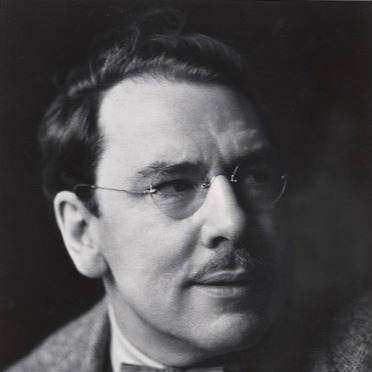
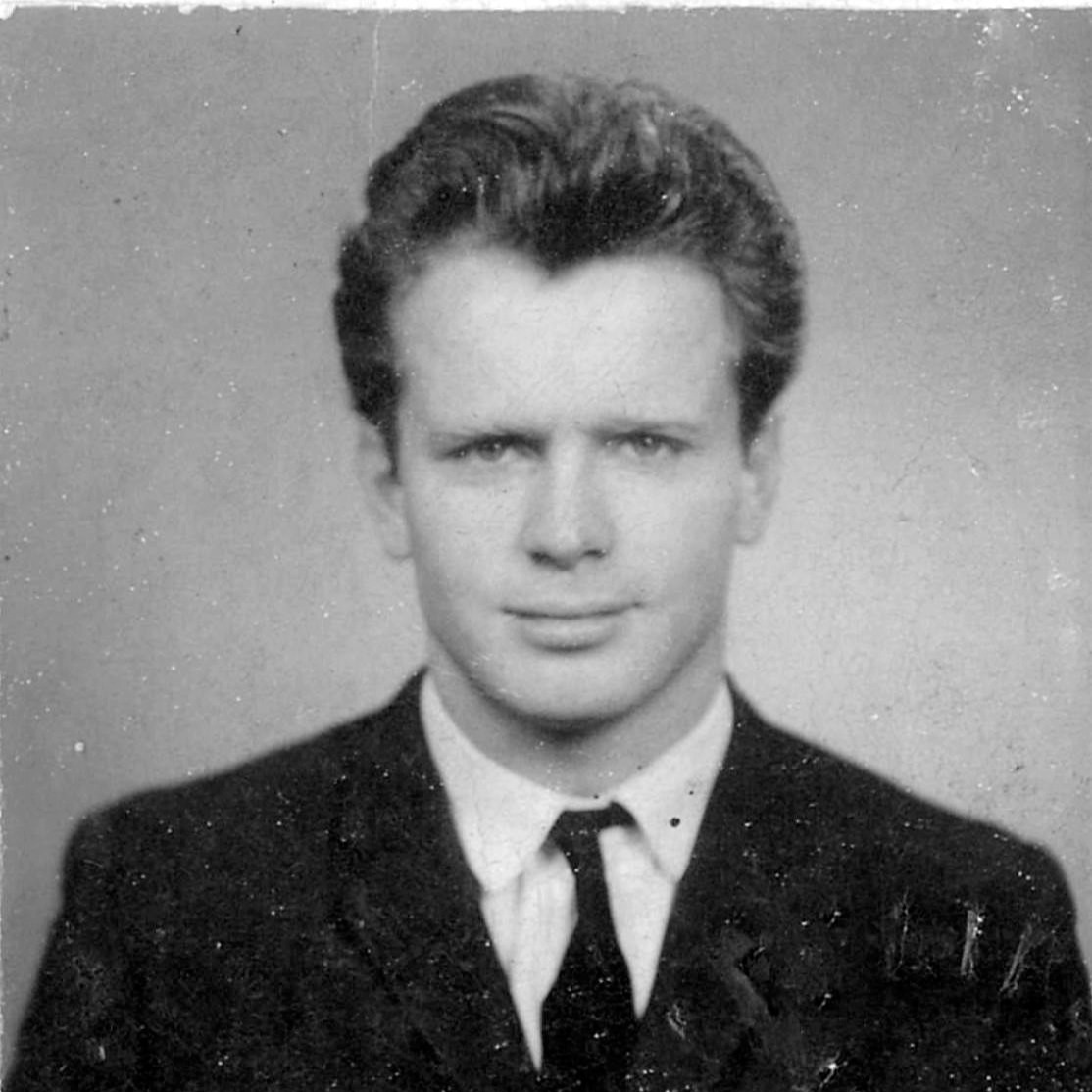
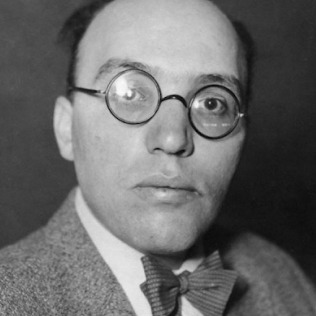
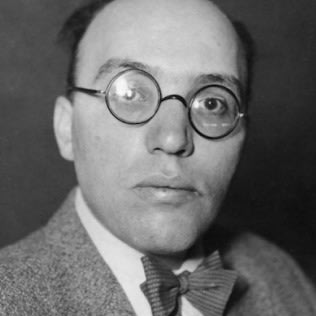
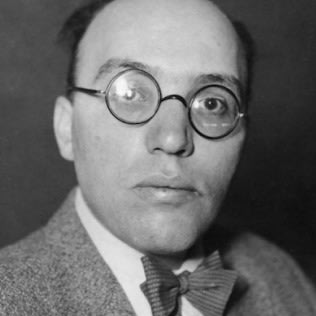
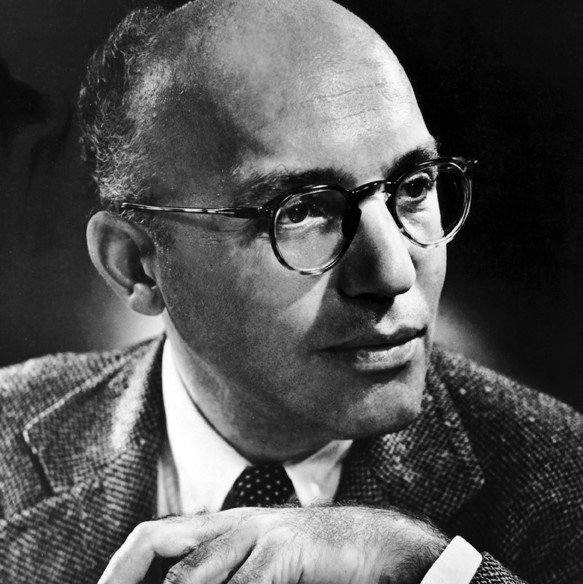
Kurt Weill was a German composer, active from the 1920s in Germany, and later in the United States. He is best known for his collaborations with Bertolt Brecht, together the developed productions like The Threepenny Opera, which included the ballad "Mack the Knife". Weill was born on March 2, 1900, to Albert and Emma Weill. He grew up in a religious Jewish family in the Jewish quarter in Dessau in Saxony. At the age of twelve, Weill started taking piano lessons and writing music, his earliest preserved composition "Mi Addir: Jewish Wedding Song" was written in1913. In 1915, Weill started taking private lessons with Albert Bing who taught him piano, composition, music theory, and conducting. In the following years, he composed numerous lieder (setting poetry to classical music) to the lyrics of poets such as Joseph von Eichendorff, Arno Holz, and Anna Ritter. Weill graduated from the Oberrealschule of Dessau in 1918 and enrolled at the Berliner Hochschule für Musik at the age of 18, where he studied composition with Engelbert Humperdinck, it was here he wrote his first string quartet.
Due to financial difficulties after the aftermath of World War I, Weill left school and returned to Dessau, where he was employed as an accompanist at the Friedrich-Theater. During this time, he continued composing, and in December 1919, Weill was appointed as Kapellmeister at the newly founded Stadt theater in Lüdenscheid, where he directed opera, operetta, and singspiel for five months. In December 1920 Weill was accepted as one of Ferruccio Busoni’s five master students in composition at the Preussische Akademie der Künste in Berlin. From January 1921 to December1923, Weill studied music composition with him. During this time Busoni became a major influence on Weill, and he composed his first symphony, Sinfonie in einem Satz. In December 1923, Weill finished his studies with Busoni, and by February 1924 was introduced to the dramatist Georg Kaiser.
“Nulla do ipsum ipsum exercitation sint minim adipisicing elit anim sunt ea anim.”
Author
Kurt Weill
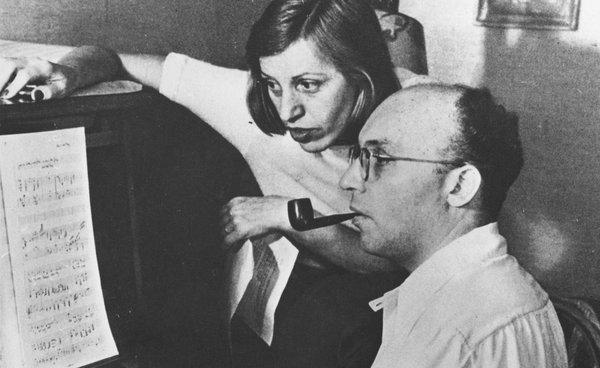
Kurt Weill and Kaiser went on to have a long-lasting creative partnership, and it was at Kaiser's house when Weill first met the singer and actress Lotte Lenya in 1924. Lotte often performed Weill’s compositions and supported Weill's work. Weill married Lenya twice, in 1926 and again in 1937. During this time Weill gravitated more toward vocal music and musical theatre, and his works became extremely popular in Germany in the late 1920s and early 1930s. His best-known work during this period is The Threepenny Opera (1928), written in collaboration with Bertolt Brecht. It contains Weill's most famous song, "Mack the Knife" ("Die Moritat von Mackie Messer"). The Threepenny Opera was part of Weill’s wish to "reform" opera for the modern stage, commenting "It gives us the opportunity to make opera the subject matter for an evening in the theater". The show was a huge success and in April 1933 was given its premiere on Broadway. Weill fled Nazi Germany in March 1933, as a prominent Jewish composer, Weill was targeted for his political views.
He moved to Paris where he worked with Brecht on the ballet The Seven Deadly Sins. In 1934 he completed his Symphony No. 2, his last sole orchestral work and also the music for Jacques Deval's play Marie Galante. A production of his operetta Der Kuhhandel (A Kingdom for a Cow) brought him to London in 1935, and later that year he went to the United States. He and Lotte moved to New York City on September 10, 1935, where Weill decided to study American popular and stage music. He collaborated with several writers during this time including Maxwell Anderson and Ira Gershwin. Altogether he brought eight shows to Broadway beginning with Johnny Johnson in 1936 and Knickerbocker Holiday in 1938. He had two major Broadway successes including Lady in the Dark (1941) and One Touch of Venus (1943). Weill strived to create an American opera that was both commercially and artistically successful. His closest attempt in this direction is his work Street Scene (1947), in which Weill was awarded the inaugural Tony Award for Best Original Score. Weill considered Street Scene a “Broadway opera” and his project of making opera more palatable to Broadway audiences were carried forward by Menotti, Blitzstein, and Bernstein. Some of his popular jazz standards include “September Song”, “My Ship”, “Speak Low” “Lost in the Stars” "Mack the Knife" and more. Weill was also active in political movements during this time encouraging American entry into World War II, and after America joined the war in 1941. Weill also volunteered by working as an air raid warden and became a U.S. citizen in 1943. In addition, Weill wrote numerous songs supporting the American war effort including "Schickelgruber", "Buddy on the Nightshift" and "Ballad of the Nazi Soldier's Wife".
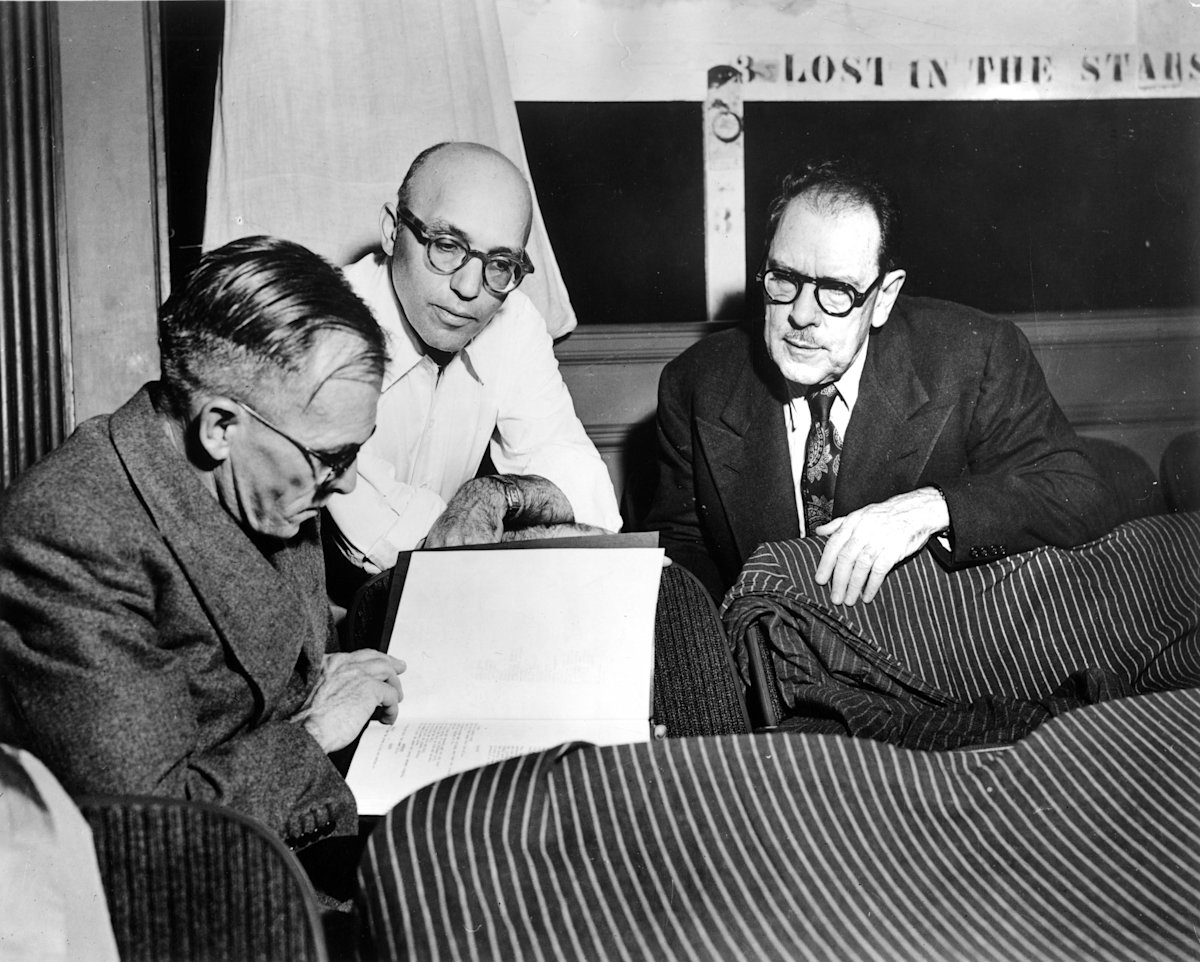
Weill suffered a heart attack after his 50th birthday and died on April 3, 1950, in New York City, while his last show Lost in the Stars was still running on Broadway. Weill’s songs are still recorded today by major artists ranging from Nina Simone, Judy Garland, Frank Sinatra, The Doors, Ella Fitzgerald, David Bowie, Judy Collins, and more. Kurt Weill is a member of the American Theater Hall of Fame, and after his death, Lotte Lenya, Weill’s former wife formed the Kurt Weill Foundation in 1962, a non-profit dedicated to promoting understanding of Weill's life and works and preserving his legacy.