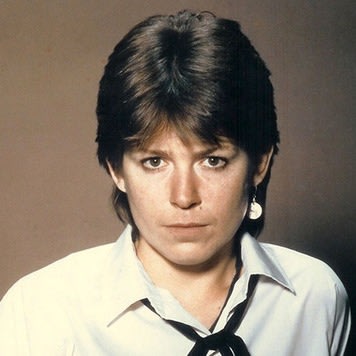
1955-
Shona Laing
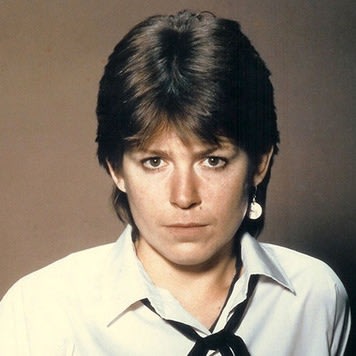
1955-
Shona Laing
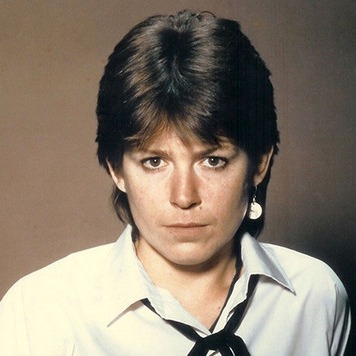
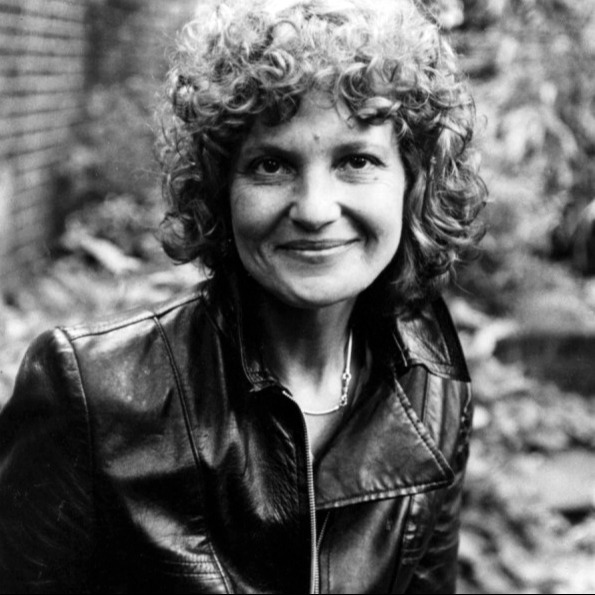
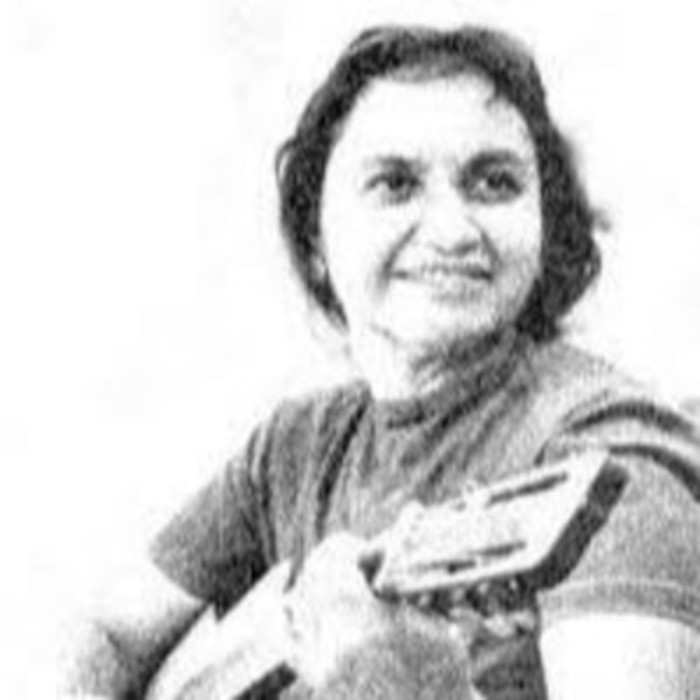
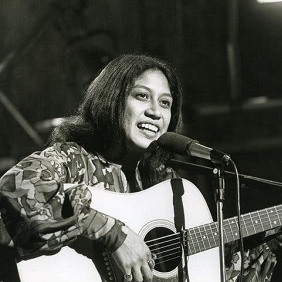
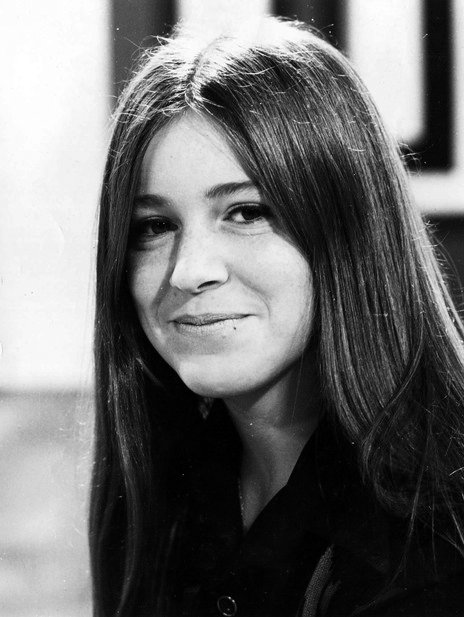
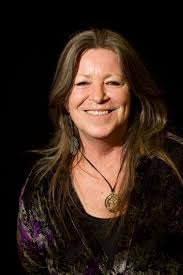
Shona Laing is a New Zealand musician and singer/songwriter. She was born on October 9, 1955, in New Zealand, and had several hits in her home country, as well as a few minor international hits, most notably "(Glad I'm) Not a Kennedy" and "Soviet Snow". Laing spent much of her early teens writing and practicing songs at home, commenting on her early songwriting influence, “the thing that made me stop in my tracks and fall in love with music was ‘It’s Too Late’. I became a dedicated Carole King fan.” Shona composed all her own material, she first came to fame in 1972 as a 17-year-old runner-up in the television talent show New Faces with her original song "1905". Known for her insightful lyrics, rich vocal tone, and passionate singing style she was promptly signed to the record label Phonogram, where she released her first album, that year Whispering Afraid, a folk record that spawned two Top Five hits including her debut single "1905" and the follow-up, "Show Your Love,” both certified gold and peaked at number 4 on the New Zealand charts. A third single, "Masquerade," reached number 11. Later that year, Shona entered the Studio One television competition with a song called 'If Only', but failed to place. Laing was awarded two Recording Arts Talent Awards in 1973 for Best New Artist and Recording Artist Of The Year.
Shona was selected to represent New Zealand at the Tokyo Music Festival, in 1973 with the song "Masquerade". At her second visit to the Tokyo Song Festival in 1974, she met Roberto Danova, an Italian producer, he urged her to go to London to further her career. She released one more album with Phonogram, the 1974 Shooting Stars Are Only Seen at Night, before parting ways with the label and relocating to the U.K. In 1975, Laing relocated to Britain and was based there for the next seven years, she continued to perform at folk clubs and recorded an album that was never released. During this time she released a number of singles and an album, Tied to the Tracks (1981) which adopted a more pop/rock-oriented style. She also joined Manfred Mann's Earth Band for two years, Shona had recorded a song called 'Don't Tell Me' which received a lot of airplay in Britain on Radio 1. Manfred heard it and got in touch with her because he wanted to record the song. As a result, she ended up singing for him and during that time learned a lot about synthesizers, sequencers, and similar equipment. She worked alongside English musician Chris Thompson for the album Somewhere in Afrika, Shona is featured prominently on the tracks, 'Eyes of Nostradamus', 'Third World Service and Demolition Man', and on the single 'I Who Have Nothing'. Though Shona left the band before the corresponding tour, in an interview with Manfred, he described Shona as “a great singer with a great voice”.
ShonaLaing1
Laing returned to New Zealand in 1983, in 1985 she appeared as a singer in the film Shaker Run and released her fourth LP, Genre with the independent Pagan label. Though the album didn't chart, it featured the song "Glad I'm Not a Kennedy," which was remixed by English producer Peter Wilson and gave the song a new edge. It was included on Shona's next album 'South' released in 1987 and the song took off, the synth-pop tune reached number two in Australia, landed on Billboard's Alternative Songs chart, and was nominated for a New Zealand Music Award for Single of the Year; Laing took home the award for the category of Best Female Vocalist. The song also won a Pater Award in Sydney for 'New Zealand Song Of The Year' in 1986. There were two other singles from Laing’s South album that reached the charts in New Zealand, Australia, and the U.S.; "Drive Baby Drive" and "Soviet Snow". “Soviet Snow” was the second song of Laing’s to chart in the U.S. the first being "Glad I'm Not a Kennedy," which reached No. 14 on the Billboard Modern Rock Tracks chart at number 14. "Soviet Snow" received airplay on MTV and reached number 32 on the Dance Club Songs chart. Laing’s album South was nominated for Album of the Year in 1988, and Laing received another New Zealand Music Award for Best Female Vocalist.
Laing continued to perform and write throughout the 90s, in 1991 she released a greatest hits album, The compilation 1905-1990: A Retrospective. In 1992 Laing signed to Epic Records and released the grittier work New on Earth, the album behind three Top 40 singles, it reached number four on New Zealand's album chart. After moving to TriStar, her seventh studio LP, 1994's Shona, marked her final appearance in the Top 40. She followed it with the acoustic album Roadworks in 1997. She reached the Top Five of the album chart in her native New Zealand with the more adult-oriented rock of 1992's New on Earth. She eventually settled into an alternative folk sound by her ninth studio album, 2007's Pass the Whisper. Though Laing's recording output slowed, she continued to perform shows in New Zealand. The Essential Shona Laing album was released in 2004, and she returned to her folk roots for 2007's Pass the Whisper, her first original material in over a decade.
Forty years after winning Best New Artist at the New Zealand Music Awards, she received their Legacy Award in 2013. Laing was inducted into the New Zealand Music Hall of Fame as the Legacy Award recipient at the 2013 New Zealand Music Awards in November 2013.