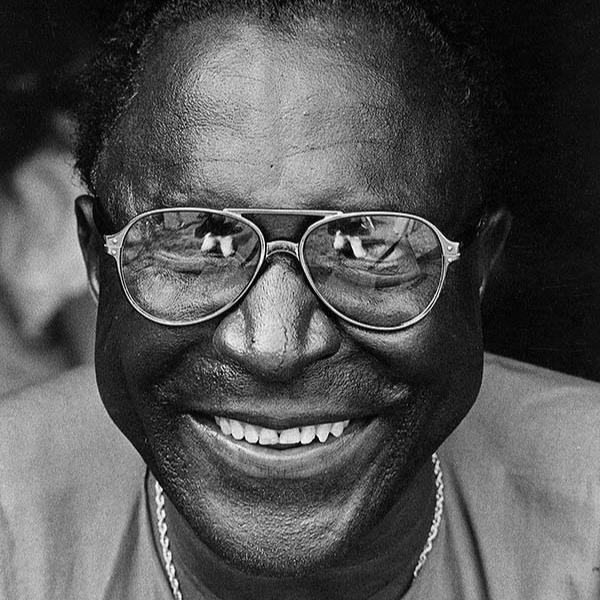
1911-1986
Sonny Terry
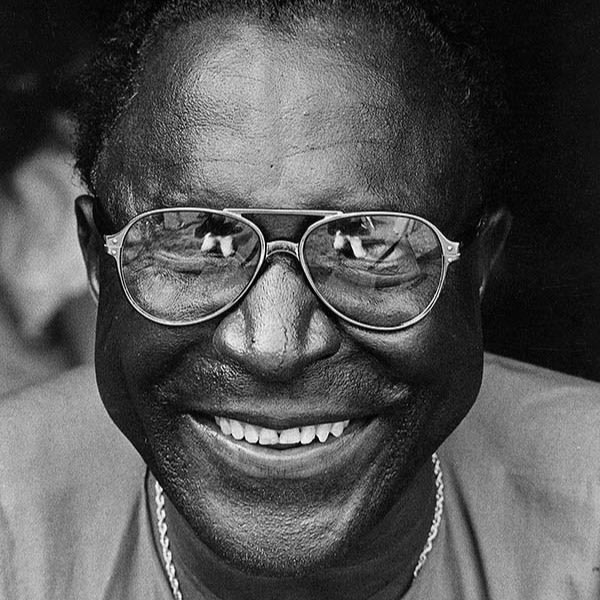
1911-1986
Sonny Terry
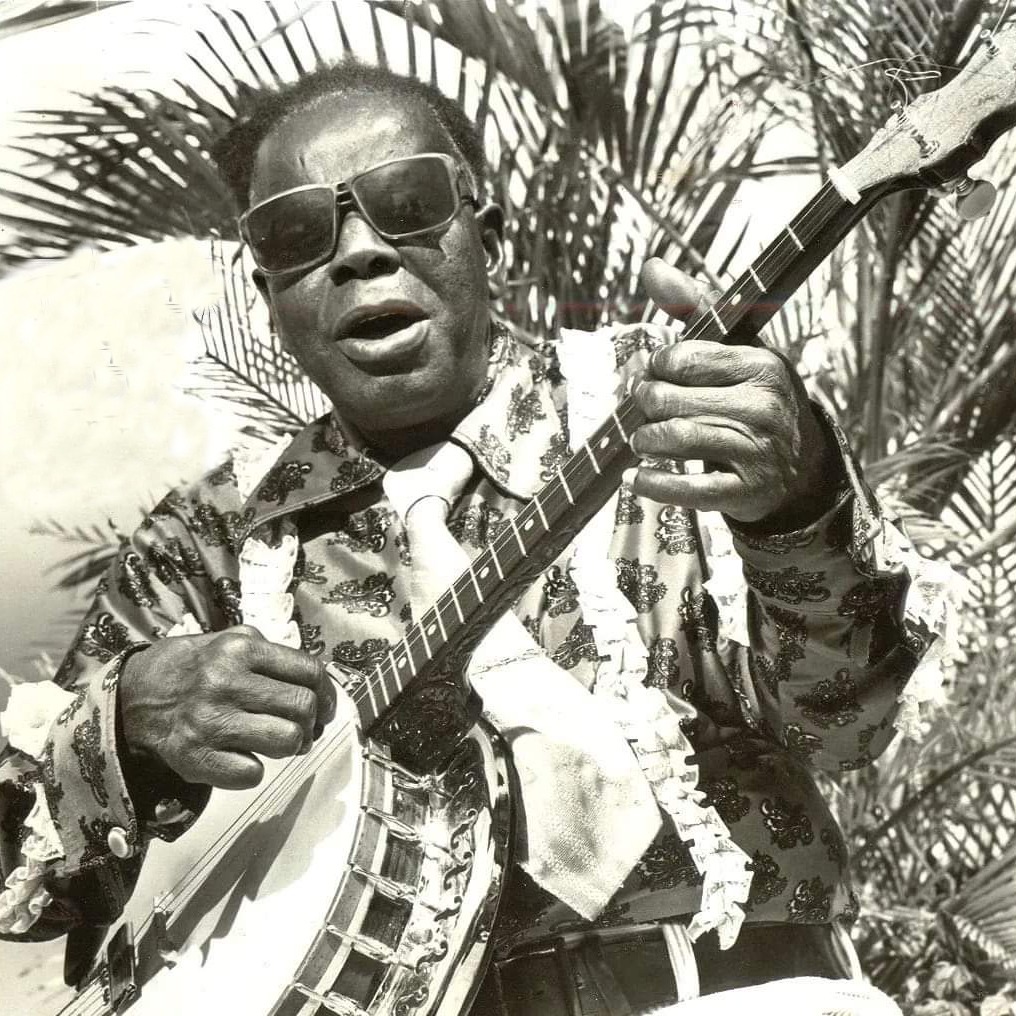
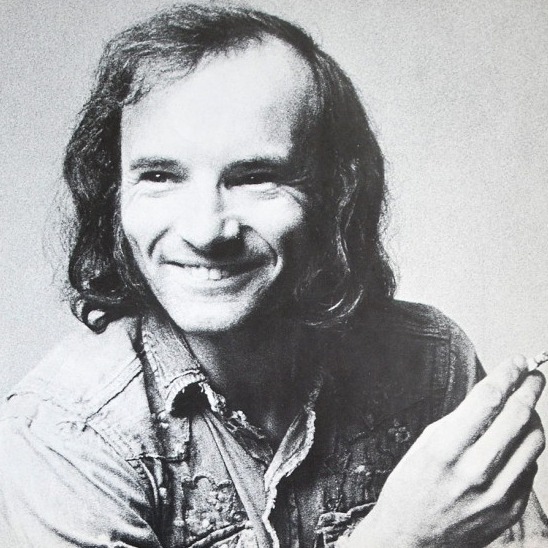
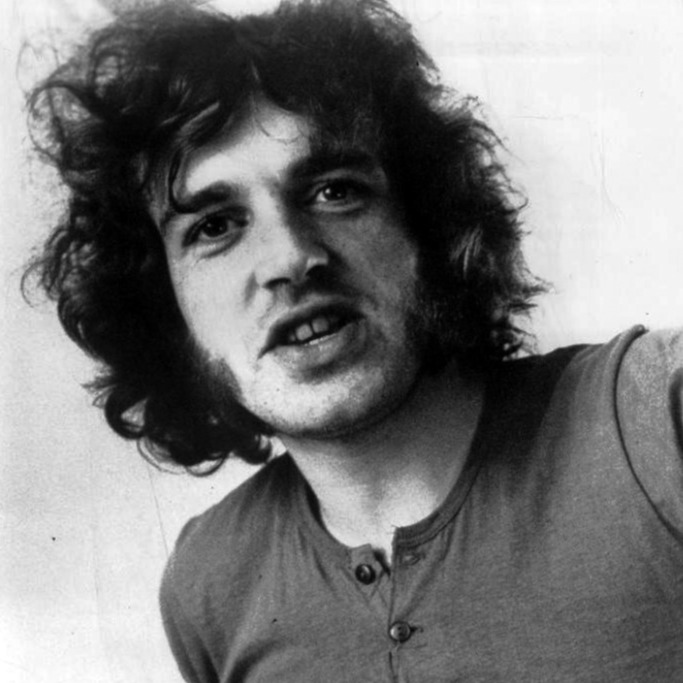
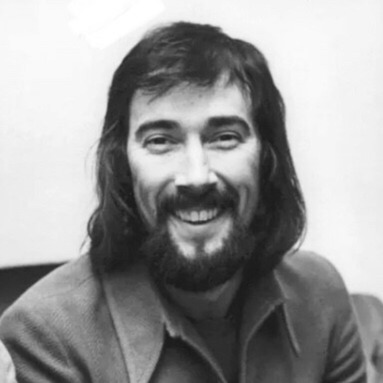
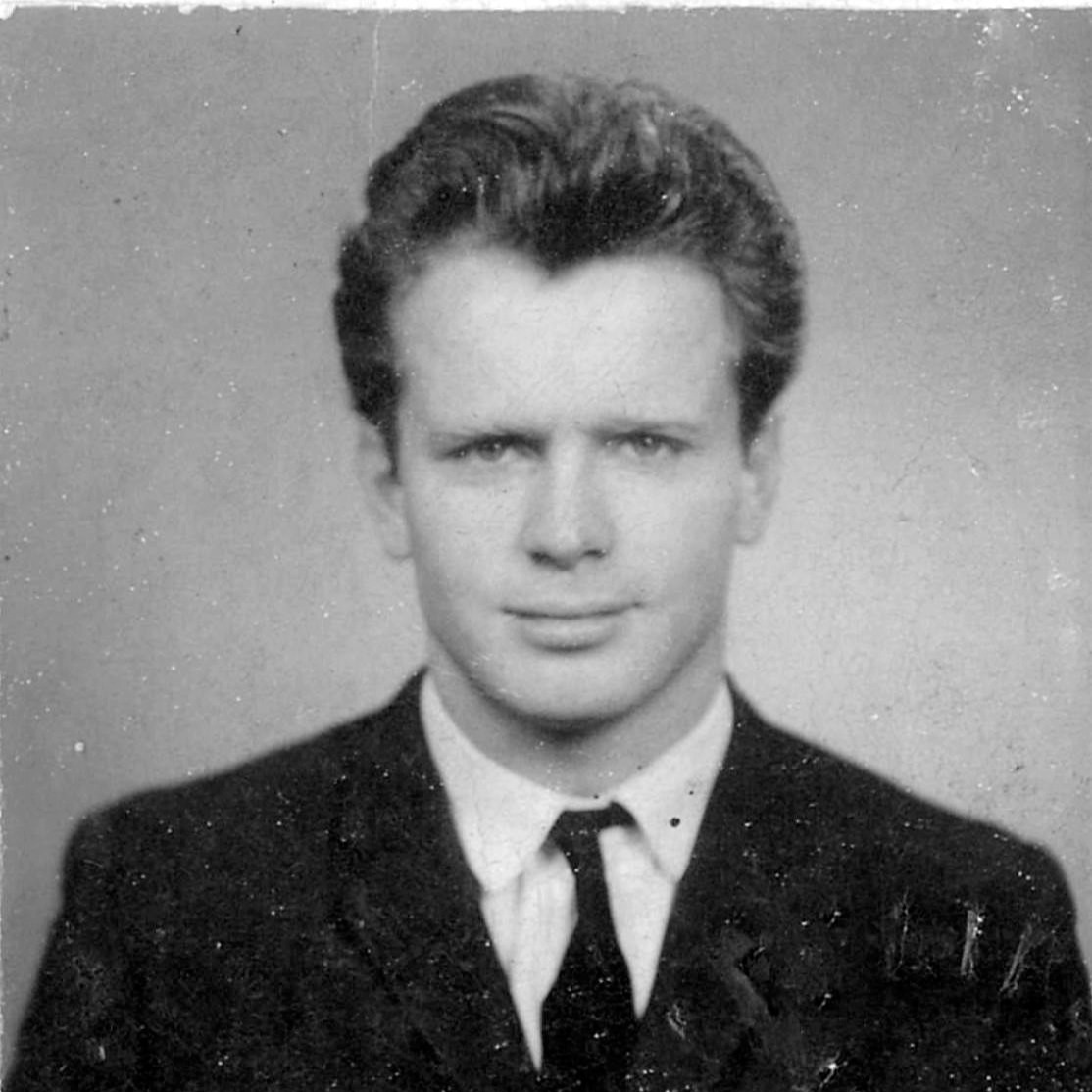
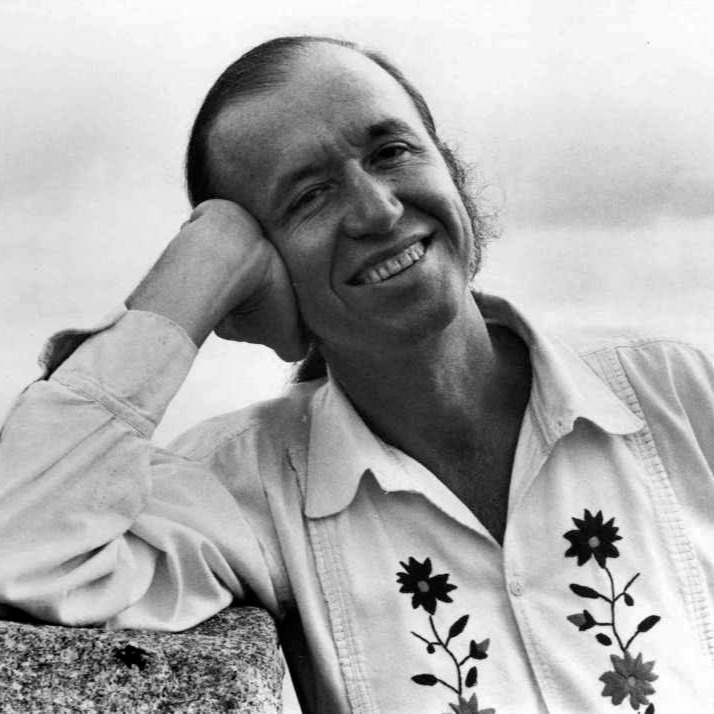
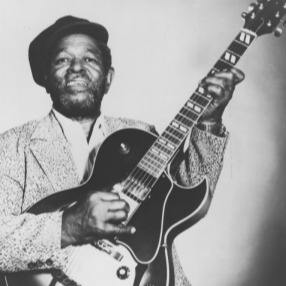
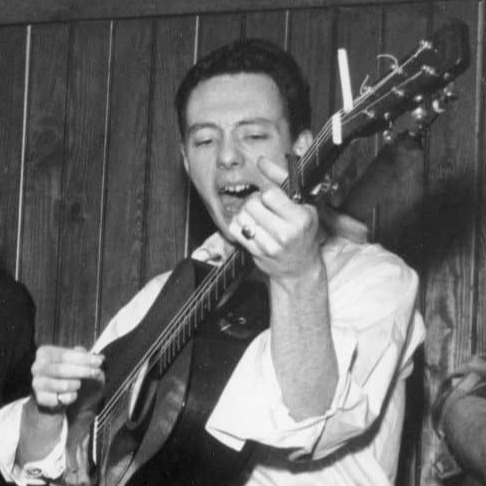
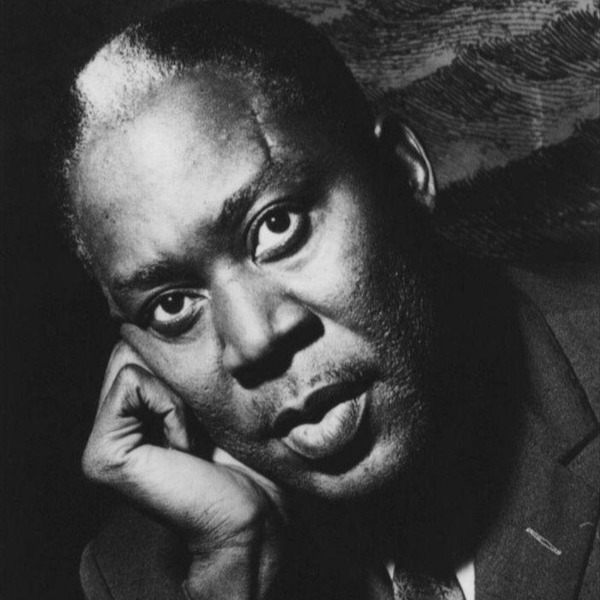
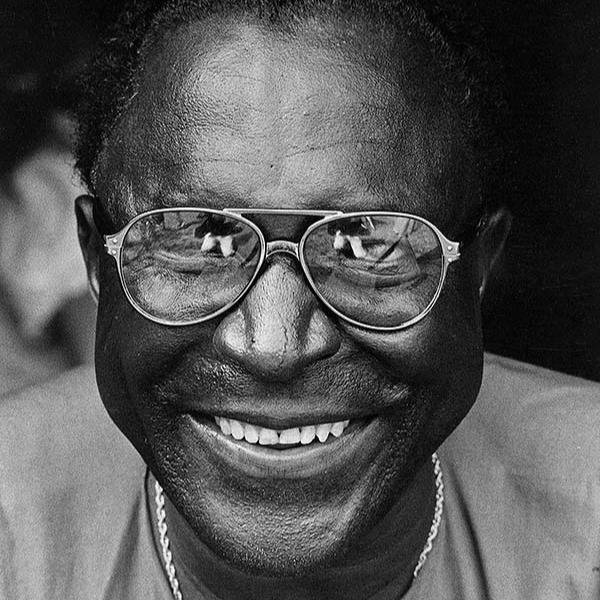
Sonny Terry was an American blues and folk musician best known for his duo with guitarist Brownie McGhee. He was born Saunders Terrell on October 24, 1911, in Greensboro, Georgia. His father was a farmer and played harmonica around town, he taught Terry to play the basic blues harp. Terry unfortunately sustained injuries to his eyes and went blind by the time he was 16. This prevented him from following in his father’s footsteps and becoming a farmer. Terry decided instead to be a blues singer and began traveling around North Carolina, performing on street corners for tips. In 1934, he befriended popular guitarist Blind Boy Fuller. Fuller convinced Terry to move to Durham, where the two immediately gained a strong local following. By 1937, they were offered an opportunity to go to New York to record for the Vocalion label, and a year later Terry was invited to play at Carnegie Hall for the first From Spirituals to Swing concert, he went on to record for the Library of Congress. Among his most famous works are "Old Jabo", “Mountain Tunes”, and "Lost John".
Terry continued playing regularly with Fuller until his passing in 1941. It was during this time that Terry first met his future partner, guitarist Brownie McGhee. McGhee was initially sent to look after Terry by Blind Boy's manager after Fuller’s death, but a friendship developed between the two. Together the duo moved to New York and began playing the folk music circuit, their pairing was an overnight success, they became known for their collaborations with Styve Homnick, Woody Guthrie, Leadbelly, Pete Seeger, and Moses Asch.
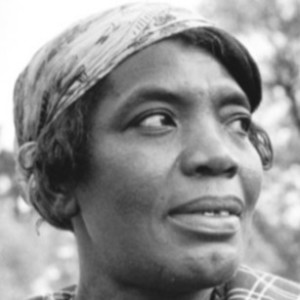
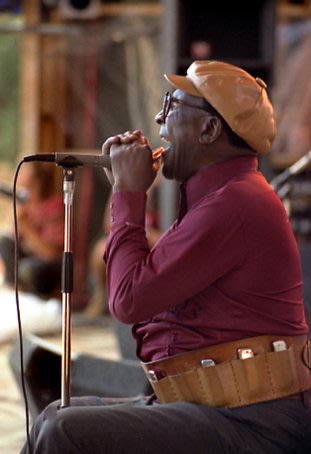
Sonny Terry bw
During World War II, the duo performed with Woody Guthrie on the Office of War Information (OWI) radio shows and also appeared in short wartime films. During this period Terry and McGhee also appeared in the original Broadway productions of Finian's Rainbow and Cat on a Hot Tin Roof. But it was during the blues revival of the 1960s, that Terry and McGhee found their biggest success on the concert and music festival circuits. The duo were some of the first blues artists to tour Europe and were featured on many major network television shows and folk music special programs. Most of Terry and McGhee’s fame however came from their success with touring, from 1958 until 1980, they spent 11 months each year touring and recording dozens of albums.
Terry was constantly traveling throughout the '70s, stopping only long enough to write his instructional book The Harp Styles of Sonny Terry. But by the mid-'70s, the strain of constantly being on the road created personal problems between McGhee and Terry, so the pair decided to resign from their long partnershipTerry continued his career by appearing in the 1979 Steve Martin comedy The Jerk, the 1985 film The Color Purple, and collaborating with Ry Cooder on the track "Walkin' Away Blues". Terry also performed a cover of Robert Johnson's "Crossroad Blues" for the 1986 film Crossroads.
Terry and McGhee both received a 1982 National Heritage Fellowship awarded by the National Endowment for the Arts, the United States government's highest honor in the folk and traditional arts and were inducted into the Blues Hall of Fame in 1986. Terry died of natural causes in Mineola, New York, on March 11, 1986.