1944-2014
Joe Cocker
1944-2014
Joe Cocker
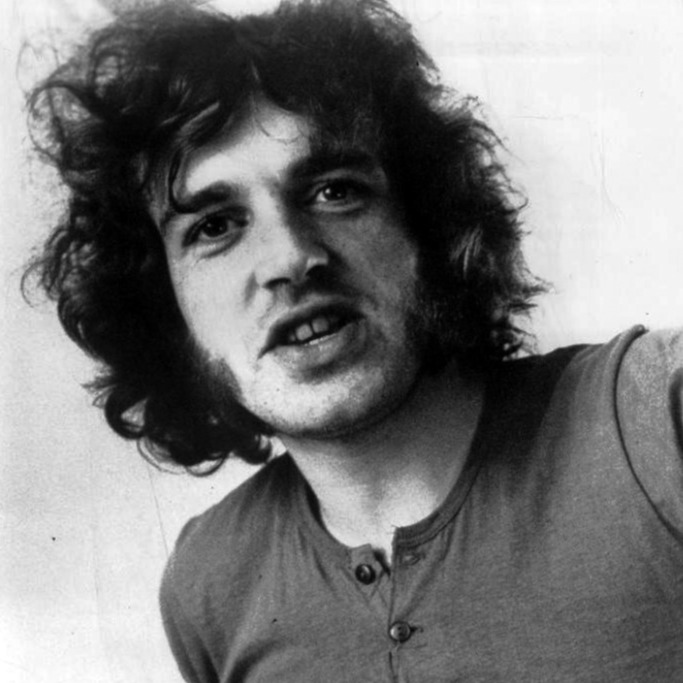
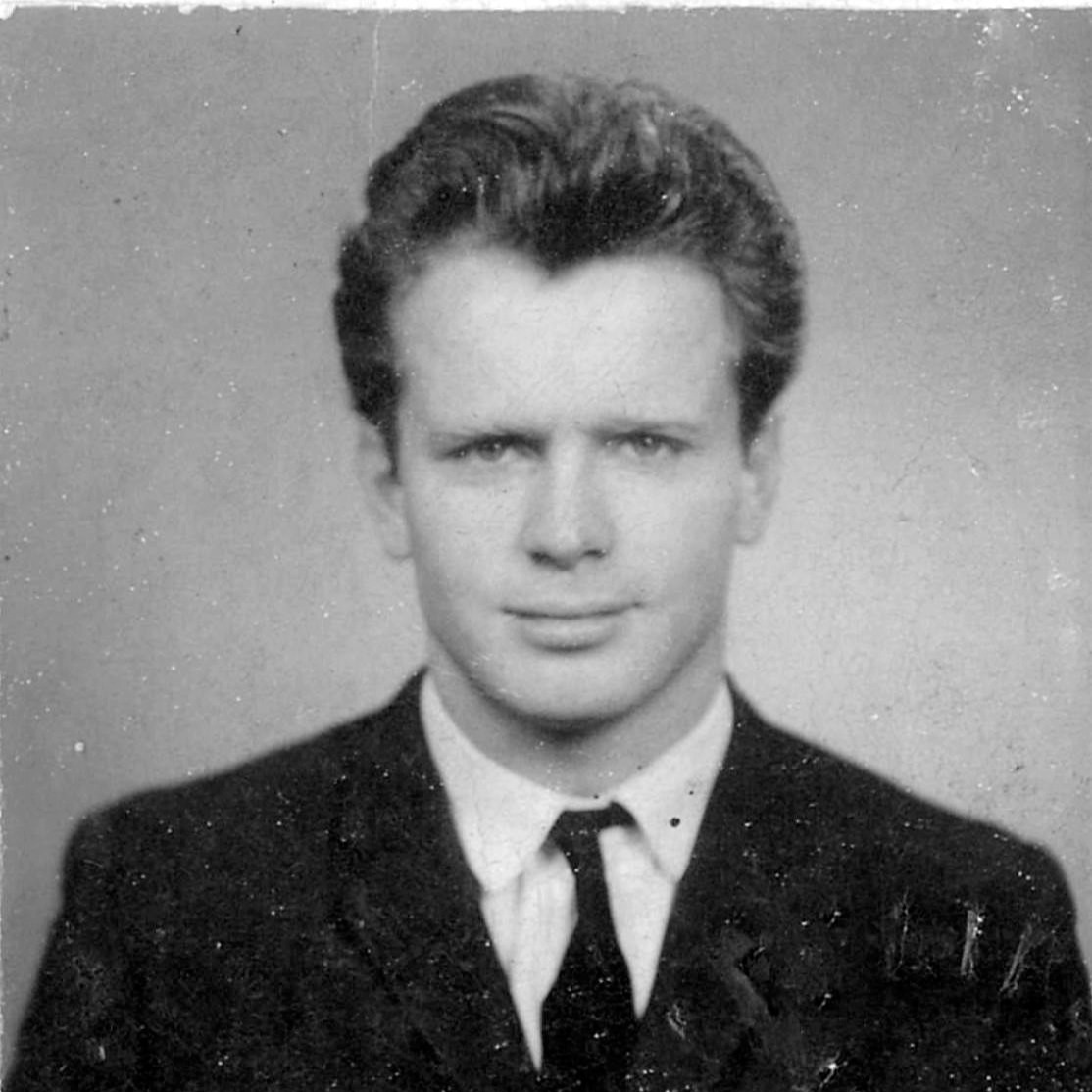
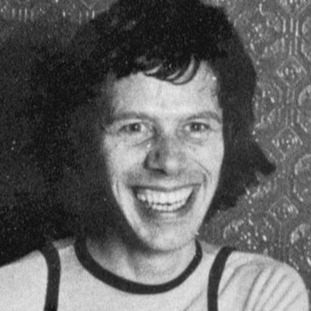
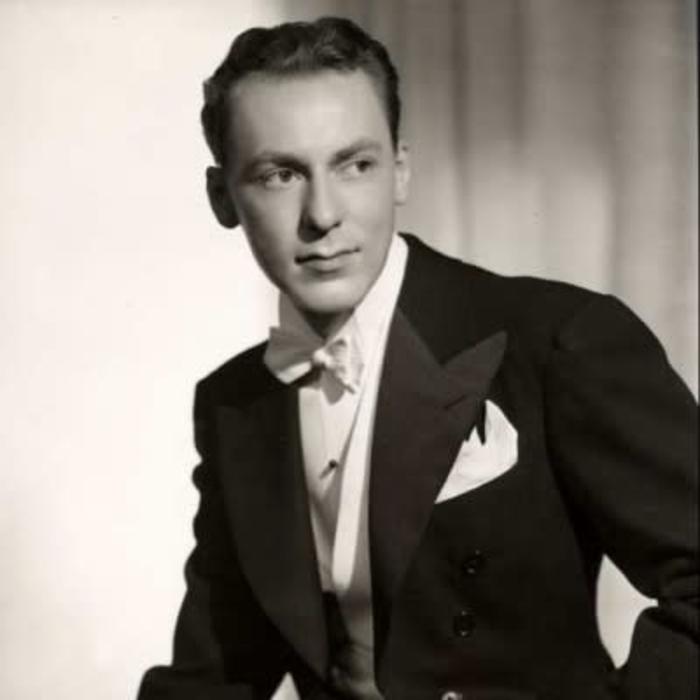
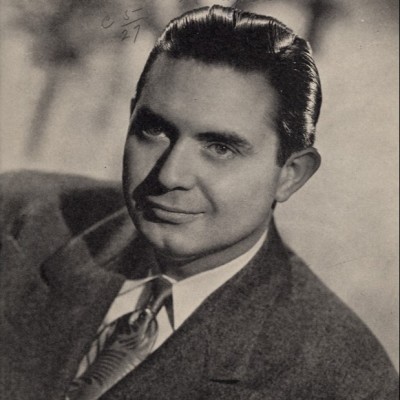
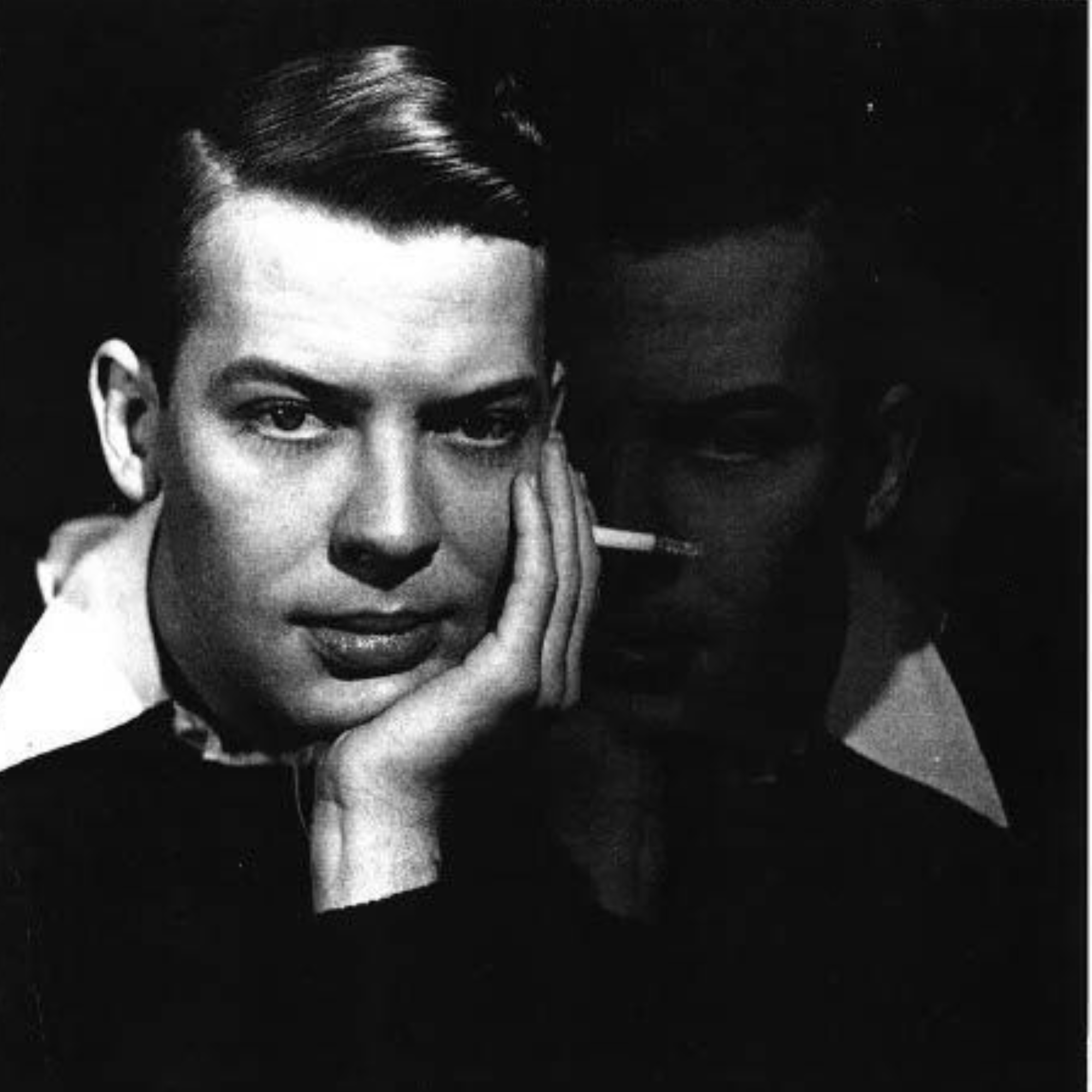
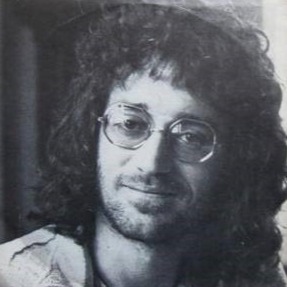
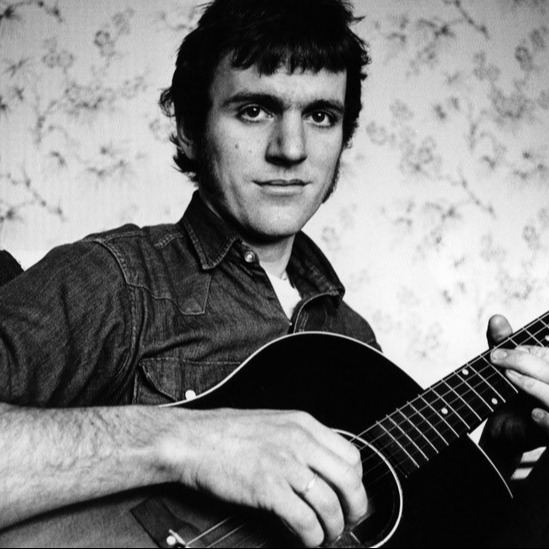
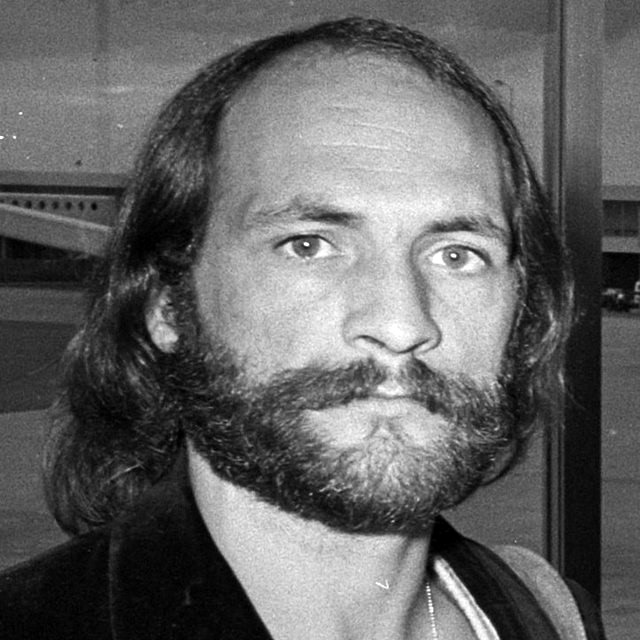
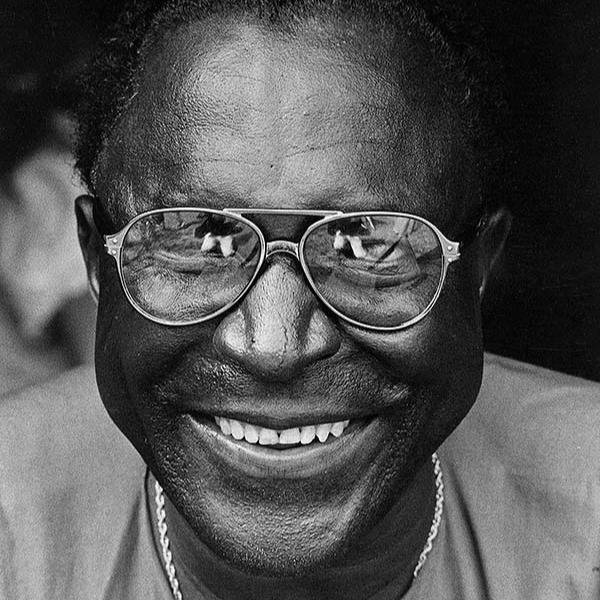
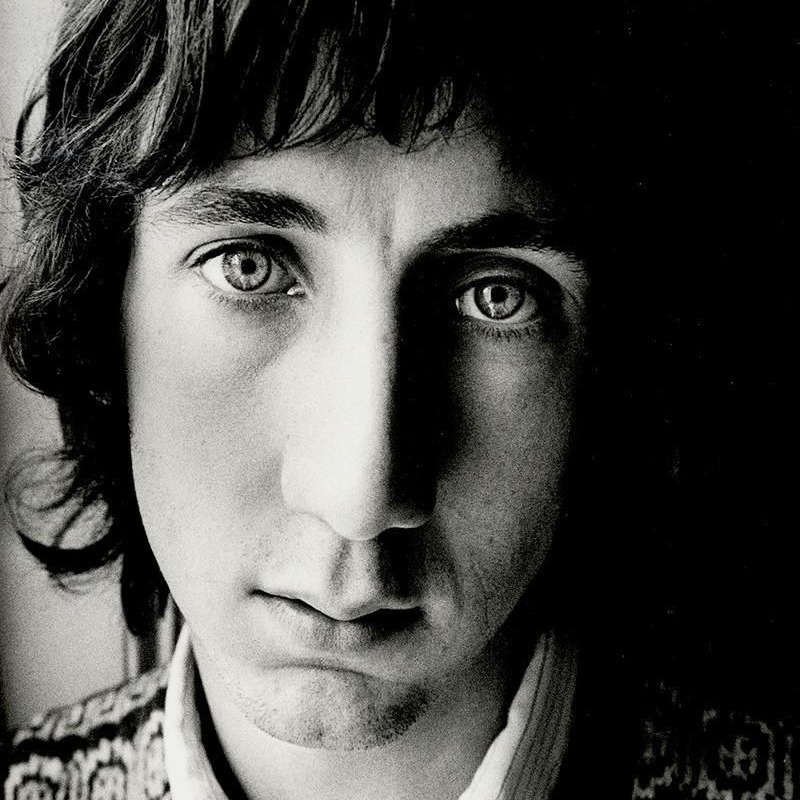
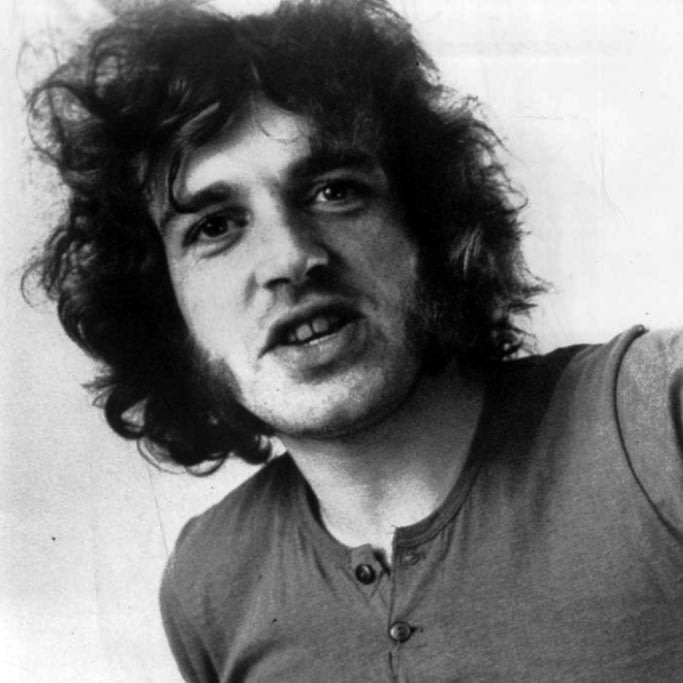
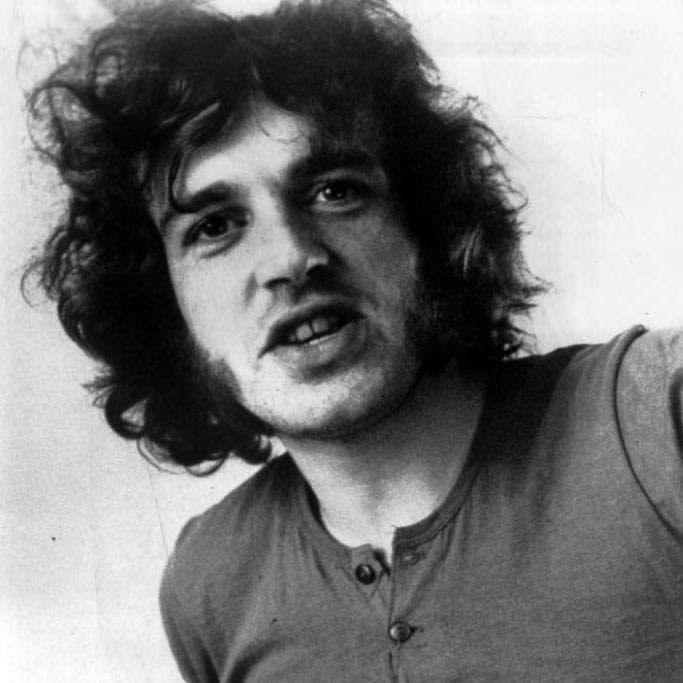
Joe Cocker was an English singer known for his gritty, bluesy voice and dynamic stage performances. John Robert “Joe” Cocker was born on May 20, 1944, in Crookes, Sheffield UK. He was the youngest son of a civil servant, Harold Norman Cocker, who served as an aircraftman in the Royal Air Force. Cocker received his nickname of “Joe” from playing a childhood game called "Cowboy Joe". Growing up, his main musical influences were Ray Charles and Lonnie Donegan. He first performed in public at the age of 12 when his older brother Victor invited him on stage with his skiffle group. It wasn’t until 1960 however, that Cocker formed his own group, the Cavaliers. The Cavaliers eventually broke up after a year Cocker left school to become an apprentice gasfitter for the East Midlands Gas Board, though he continued to pursue a career in music. In 1961, Cocker took the stage name Vance Arnold and began performing with a new group, Vance Arnold and the Avengers. The group played in Sheffield pubs and performed covers of Chuck Berry and Ray Charles’ songs. Cocker soon developed an interest in blues music and sought out recordings by John Lee Hooker, Muddy Waters, Lightnin' Hopkins, and Howlin' Wolf. In 1963, Vance Arnold and the Avengers booked their first big gig as openers for the Rolling Stones at Sheffield City Hall. The following year, Cocker was offered a solo recording contract with Decca Records and released his first single, a recording of the Beatles' "I'll Cry Instead". Despite the extensive promotion, the record didn’t perform well and his recording contract with Decca ended.
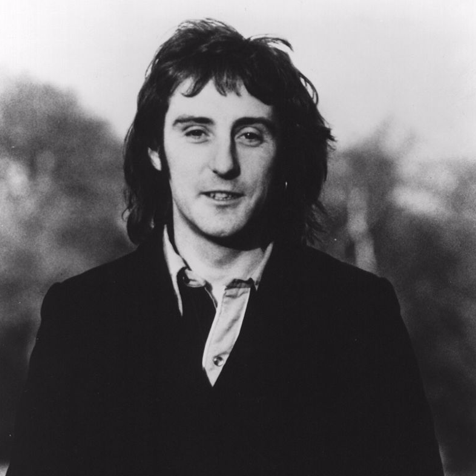
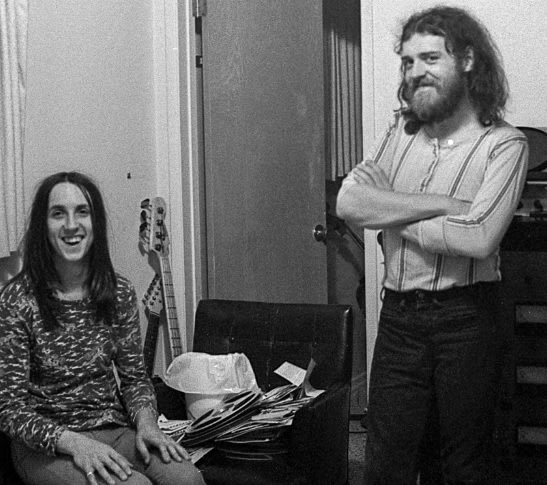
Cocker teamed up with English session musician, keyboard player, bassist, and songwriter, Chris Stainton, whom he had met several years before, to form the Grease Band. Like the Avengers, Cocker's group mostly played in pubs in and around Sheffield. However, The Grease Band came to the attention of Denny Cordell, the producer of Procol Harum, the Moody Blues, and Georgie Fame. He and Cocker recorded a single "Marjorine" in a London studio, and Cocker ended up moving to London with Chris Stainton after the Grease Band was dissolved. Cordell pushed Cocker’s career forward by setting him up with a residency at the Marquee Club in London, and a "new" Grease Band was formed with Chris Stainton and keyboardist Tommy Eyre. It wasn’t until 1968 however that Cocker hit it big with a rearrangement of the Beatles’ "With a Little Help from My Friends", bringing him to near-instant stardom. The single remained in the top ten of the UK Singles Chart for thirteen weeks before eventually reaching number one, on November 9, 1968.It also reached number 68 on the US charts and became a staple of Cocker’s many live shows including Woodstock, the Isle of Wight in 1969, and the Party at the Palace in 2002. The song became so popular that years later it was even used as the opening song for The Wonder Years.
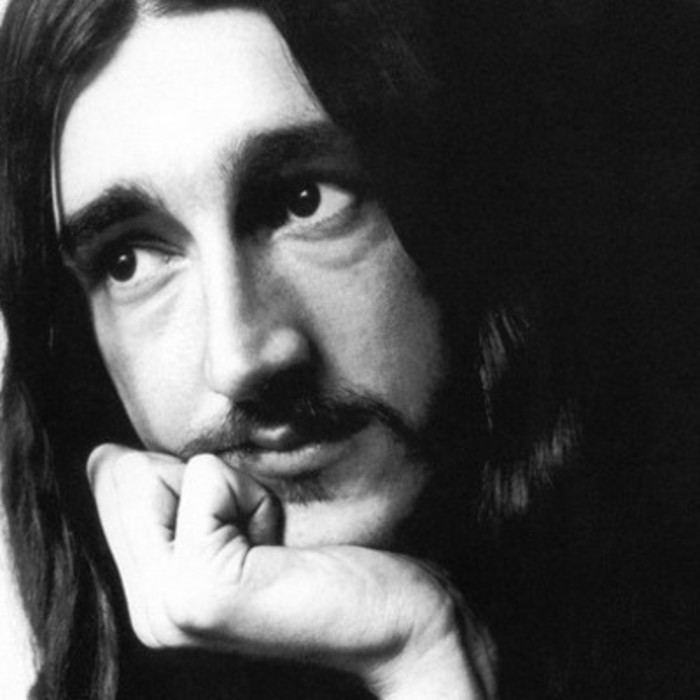
JoeCocker bw
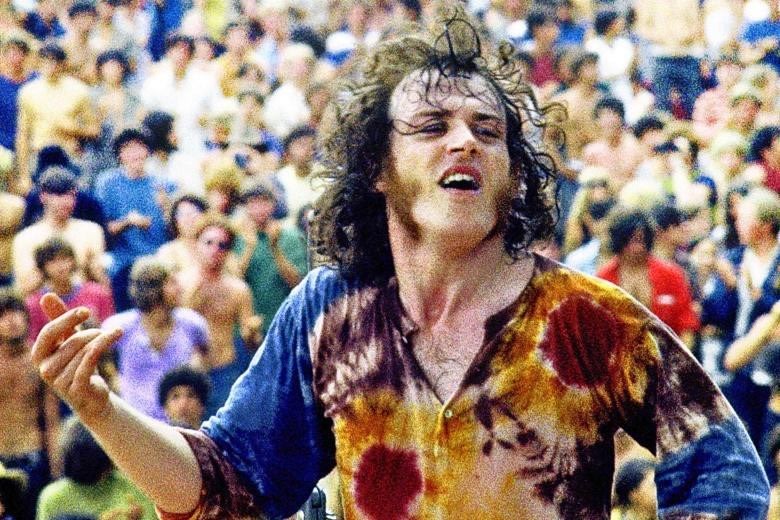
Following his success, in 1968 Cocker went on tour with The Who, and with Gene Pitney and Marmalade in 1969. The Grease Band also embarked on their first tour of the US in the spring of 1969. Cocker's album With a Little Help from My Friends was released soon after their arrival and made number 35 on the U.S. charts, eventually going gold. During his time in the U.S., Cocker played several large festivals, including the Newport Rock Festival and the Denver Pop Festival. In August, Denny Cordell heard about the planned concert in Woodstock, New York, and booked Cocker and the Grease Band to perform. The group was flown into the festival by helicopter due to the large crowds, and performed several songs, including "Feelin' Alright?", "Something's Comin' On", "Let's Go Get Stoned", "I Shall Be Released" and "With a Little Help from My Friends". Cocker later commented it was "like an eclipse ... it was a very special day." After performing at Woodstock, Cocker released his second album, Joe Cocker!, the album reached number 11 on the US charts and earned a second UK hit with the Leon Russell song, "Delta Lady". Following this success, throughout 1969 Cocker was featured on a variety of TV shows like The Ed Sullivan Show and This Is Tom Jones. It was during this time that he became known for his onstage movements, he would often flail his arms and play the air guitar while performing. The Grease Band was soon dissolved and Cocker formed a new band of more than 20 musicians. During this period Cocker's music evolved into a more bluesy type of rock, comparable to that of the Rolling Stones.
The band went on a tour of the U.S., they visited 48 cities and recorded a live album. However, his time on the road proved to be challenging, and Cocker became depressed and began drinking excessively as the tour ended in 1970. After spending several months in Los Angeles, Cocker returned home to Sheffield, where his family became concerned with his deteriorating physical and mental health. In the summer of 1971, A&M Records released Cocker’s single "High Time We Went", which became a hit, reaching number 22 on the US Billboard Hot 100 chart. Cocker decided to step away from music to focus on his health but returned to the scene after nearly two years in early 1972. He went on tour with a group that Chris Stainton had formed, touring the United States and Europe. During these tours, the group cut the songs that would be part of his newest album, Joe Cocker, a mixture of live songs and studio recordings. This album peaked at number 30 on the US charts, and Cocker returned to the studio the following year to record a new album, I Can Stand a Little Rain. The album was released in August 1974 and reached number 11 on the US charts. In January 1975, he released a second album I Can Stand a Little Rain, Jamaica Say You Will. In 1976, Cocker performed "Feelin' Alright" on Saturday Night Live, and several months later, he met producer Michael Lang, who agreed to manage him. With a new band, Cocker embarked on a tour of New Zealand, Australia, and South America.
Throughout the late 70 and 80s, Cocker continued to tour around the world, playing to large audiences in Europe, Australia, and the United States. In 1982 Cocker recorded the duet "Up Where We Belong" with Jennifer Warnes for the soundtrack of the film An Officer and a Gentleman. The song was an international hit, reaching number 1 on the Billboard Hot 100, and winning a Grammy Award for Best Pop Performance by a Duo. The duet also won an Academy Award for Best Original Song, and Cocker and Warnes performed the song at the awards ceremony. Cocker also performed for US President George H. W. Bush at an inauguration concert in February 1989. And at the 1993 Brit Awards, Cocker was nominated for British Male Solo Artist, and on June 3, 2002, he performed "With A Little Help From My Friends" at the Party at the Palace concert on the grounds of Buckingham Palace, an event in commemoration of the Golden Jubilee of Elizabeth II. In 2007, the singer had another Beatles hit, "Come Together",and was awarded an OBE (Order of the British Empire) in the Queen's 2007 Birthday Honours list for services to music. To celebrate receiving his award, Cocker played two concerts in London and in his hometown of Sheffield where he was awarded a bronze Sheffield Legends plaque outside Sheffield Town Hall.
Cocker kept recording and touring throughout his later years. His 2012 album, Fire it up, would prove to be his last, which was followed by an extensive tour. Cocker’s final performance was at the Loreley Open Air Theatre on September 7, 2013. He died from lung cancer on December 22, 2014, in Crawford, Colorado, at the age of 70.The two remaining living ex-Beatles, Paul McCartney and Ringo Starr, were among those who paid tribute to the singer following his death, and Cocker's agent, Barrie Marshall, said that Cocker was "without doubt the greatest rock/soul singer ever to come out of Britain". Cocker was ranked number 97 on Rolling Stone's 100 greatest singers list.