1915-1996
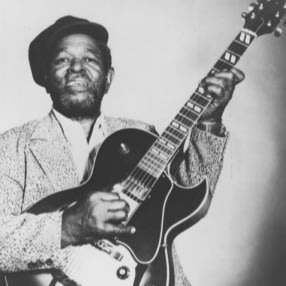
Brownie McGhee
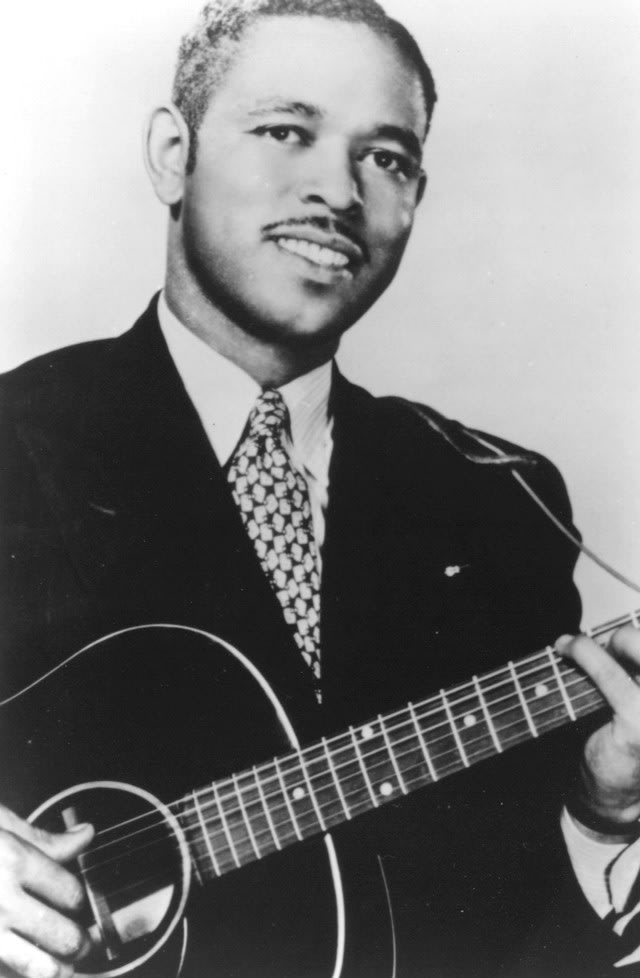
1915-1996
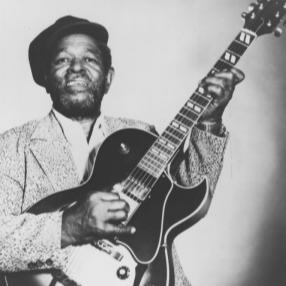
Brownie McGhee
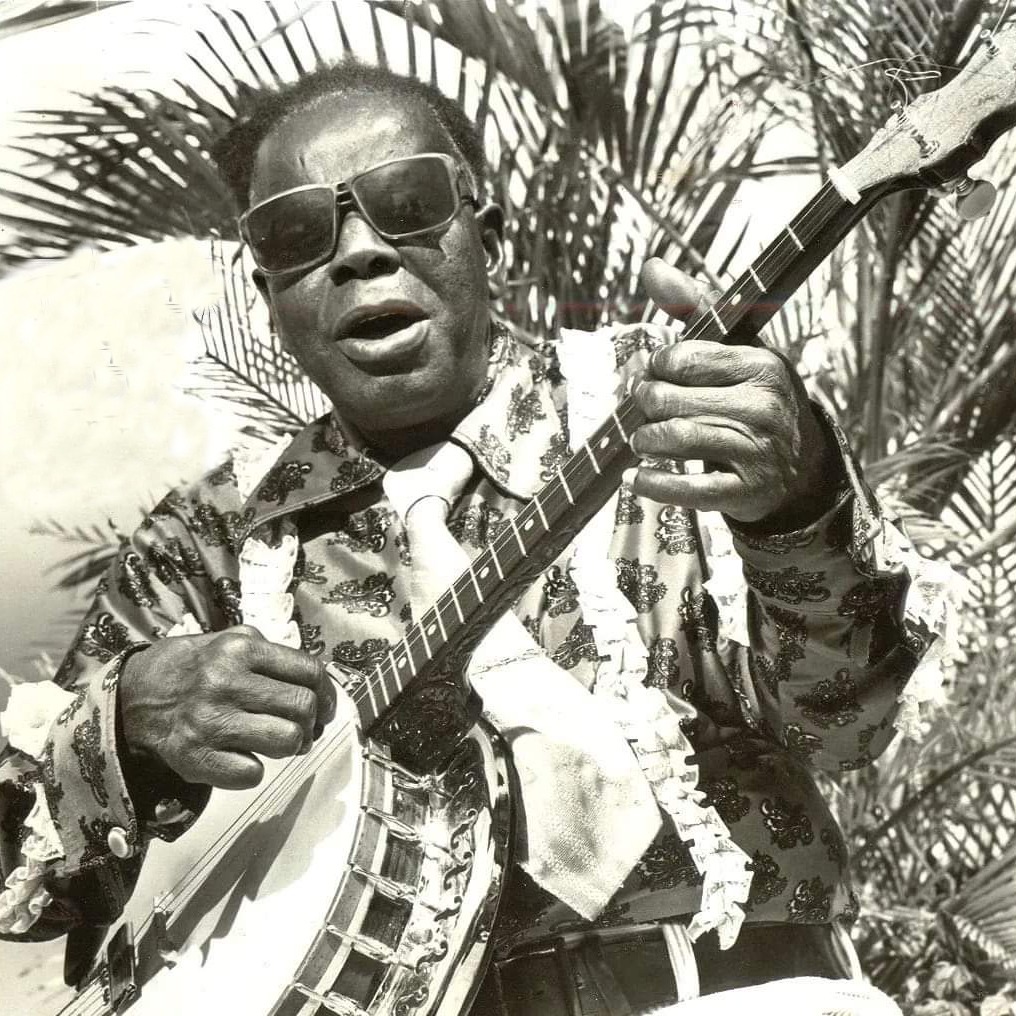
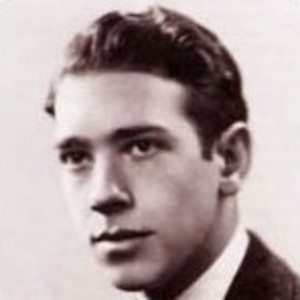
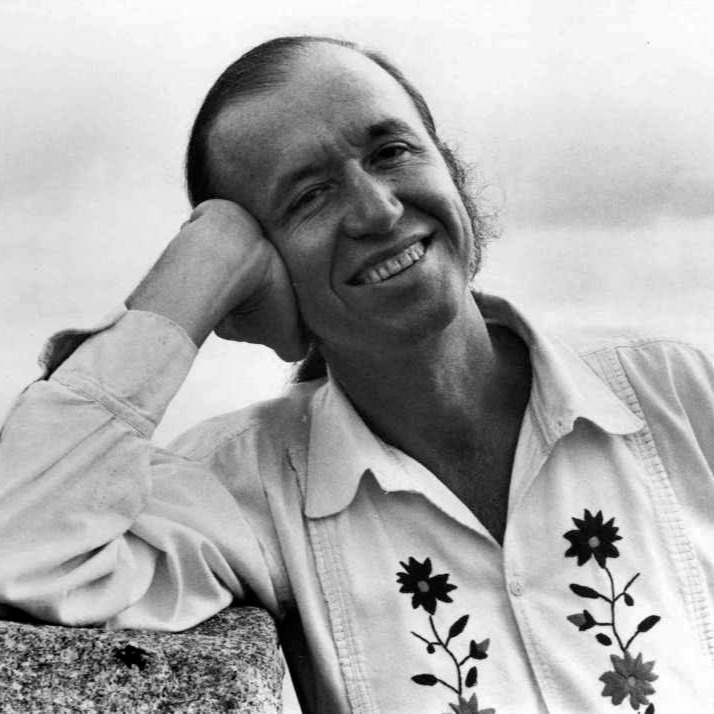
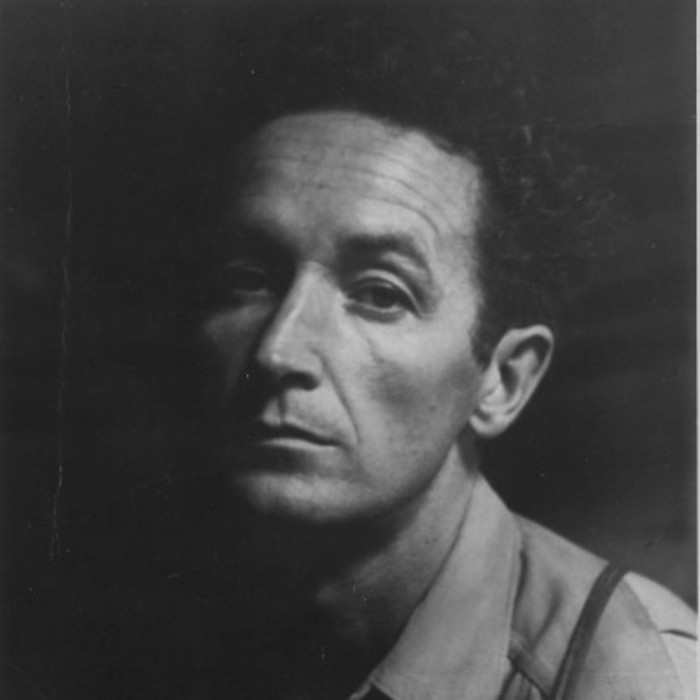
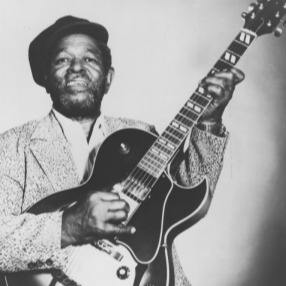
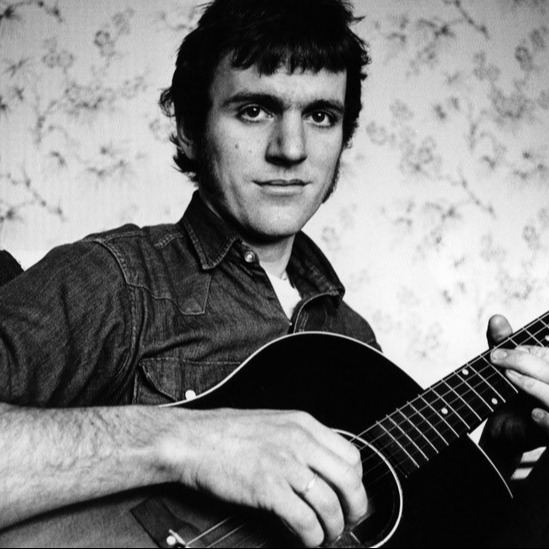
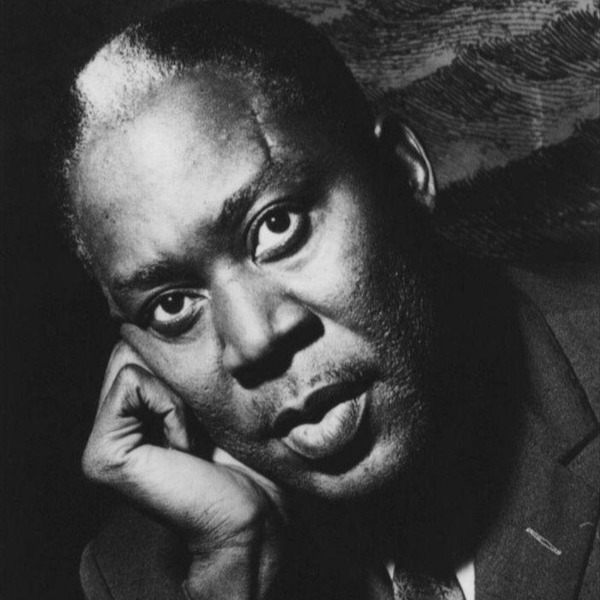
Brownie McGhee was an American folk and blues singer and guitarist, best known for his collaboration with harmonica player Sonny Terry, he was born Walter Brown McGhee November 30, 1915, in Knoxville, Tennessee, and grew up in Kingsport, Tennessee. When McGhee was five years of age, he was diagnosed with poliomyelitis and walked with crutches and a cane for most of his childhood until a procedure in 1937 gave him the ability to walk with a limp. Brownie's younger brother, Granville McGhee, who also went on to become a talented guitarist earned the nickname, "StickMcGhee" because he pushed his disabled sibling around in a small cart propelled by a stick throughout their upbringing. Brownie was exposed to music at a young age, his father George McGhee, was a factory worker, but was also known was a talented guitarist and singer. George McGhee often played with his brother-in-law, John Evans, at local dances and parties. It was Brownie's Uncle John who made him his first guitar from a tin marshmallow box and a piece of board. McGhee taught himself to play guitar by the following year, and his father thought him never to strum the guitar but to learn to pick it as he did.
With his disability preventing him from getting around, Brownie spent most of his childhood around music, he sang with a local harmony group, the Golden Voices Gospel Quartet, and was self-taught on the five-string banjo, ukelele, and piano. During the summer after his freshman year McGhee quit school to become a musician. He entertained at resorts in the Smoky Mountains and earned a living traveling throughout Tennessee preforming with the Hagg Carnival and in medicine and minstrel shows. When McGhee was 22 years old, he left his home state to become a traveling musician, making his living as a street performer, and eventually teaming up with harmonica player Jordan Webb. Together they played for J.B Long, am Okeh Records talent scout. Long was so impressed with McGhee that he got him a recording contract with OKeh Records in 1940. It was during this time McGhee befriended American Blues guitarist and singer Blind Boy Fuller, a man who McGhee considered one of his greatest musical influences. After Fuller's death in 1941 McGhee cut a moving tribute song, "Death of Blind Boy Fuller" and Columbia Records began to promote McGhee as "Blind Boy Fuller No.2". In 1939 McGhee began recording in Chicago first with Webb, and later with harmonica player Sonny Terry. Their partnership proved particularly successful, and in 1942 McGhee moved to New York where Terry was residing.
“Eiusmod exercitation veniam in anim adipisicing culpa excepteur esse quis id magna nostrud amet excepteur minim.”
Somebody
Brownie McGhee
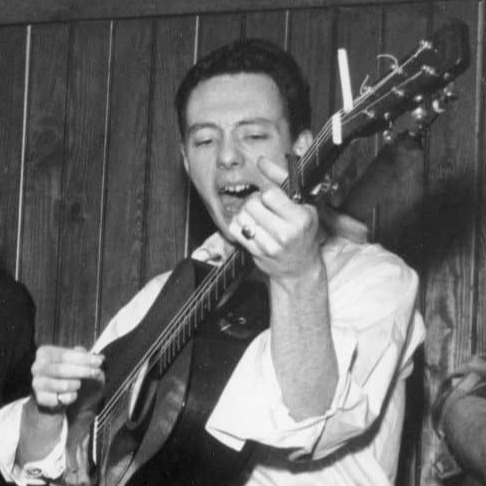
Terry and McGhee’s pairing was an overnight success and would go on to last decades. The duo quickly connected with the city's burgeoning folk music circuit, they worked with Woody Guthrie, Pete Seeger, and Leadbelly, and became popular in local nightclubs, coffeehouses, and folk concerts. During World War II, the duo performed with Woody Guthrie on the Office of War Information (OWI) radio shows and also appeared in short wartime films. During this period Terry and McGhee also appeared in the original Broadway productions of Finian's Rainbow in and Cat on a Hot Tin Roof. And in 1947, McGhee performed on the soundtrack for the motion picture The Roosevelt Story and began writing his own compositions. Among his better-known songs are "Sportin' Life" and "My Fault". During the blues revival of the 1960s, Terry and McGhee found their biggest success on the concert and music festival circuits. The duo were some of the first blues artists to tour Europe and were featured on many major network television shows and folk music special programs. Most of Terry and McGhee’s fame however came from their success with touring, from1958 until 1980, they spent 11 months each year touring and recording dozens of albums.
In addition to pursuing his recording and touring career with Sonny Terry, from 1942-1950, McGhee opened the Home of the Blues Music School in Harlem, New York, where he taught young musicians blues guitar. And in 1971 Happy Traum, a former guitar student of McGhee's, edited a blues guitar instruction guide and songbook, titled Guitar Styles of Brownie McGhee in which McGhee, between lessons, discusses his life and blues music. Outside his musical and teaching career McGhee also appeared in small roles in films and television later in his life. Throughout the 70s he recorded the soundtrack for the film Buck and the Preacher and appeared in two French films, Blues Under the Skin and Out of the Blacks and Into the Blues. In 1979 McGhee appeared in the Steve Martin comedy The Jerk, and the 1987 supernatural thriller movie Angel Heart, and in 1988 McGhee appeared in an episode of the television series Family Ties, and Matlock.
McGhee moved to California in the early 70s, where he built his own home in 1974 in Oakland. He continued to perform across the United States and abroad until his death. One of McGhee's last concert appearances was at the 1995 Chicago Blues Festival. On February 16, 1996, he died of stomach cancer in Oakland, California, at the age of 80. McGhee and Terry were both recipients of a 1982 National Heritage Fellowship awarded by the National Endowment for the Arts, and McGhee was inducted into the Blues Hall of Fame in 1997.