1945-
Pete Townsend
1945-
Pete Townsend
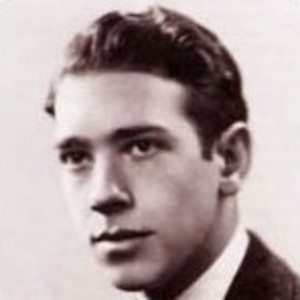
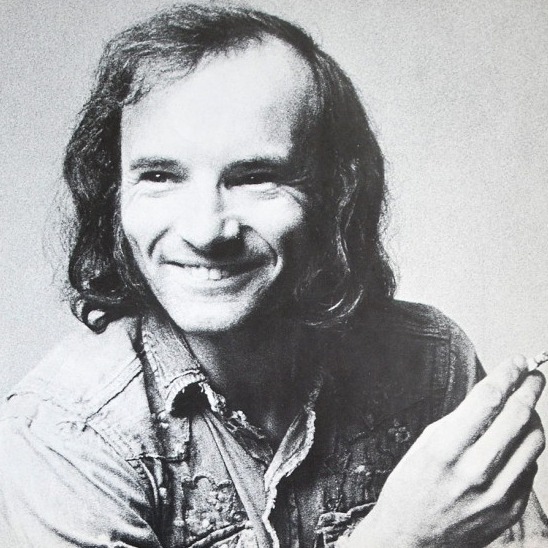
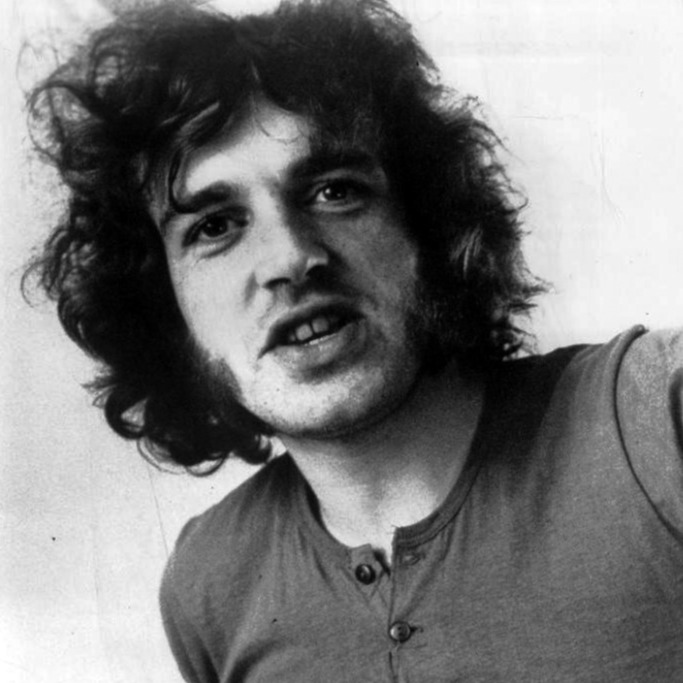
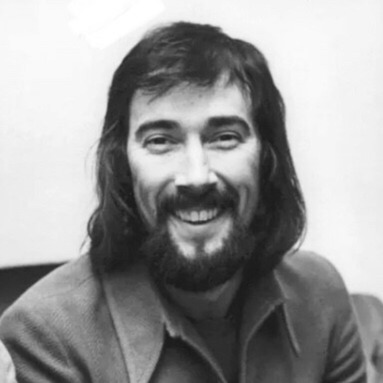
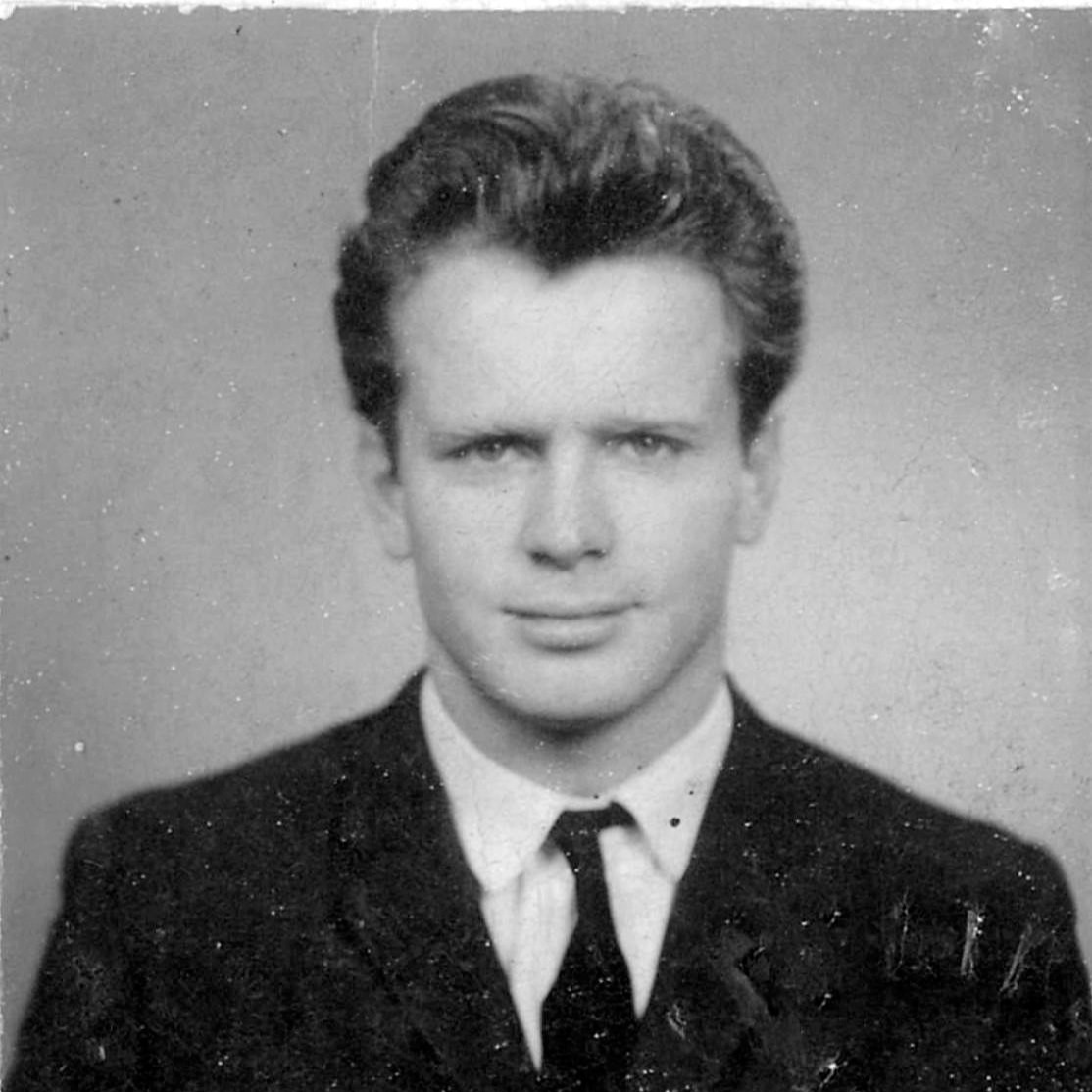
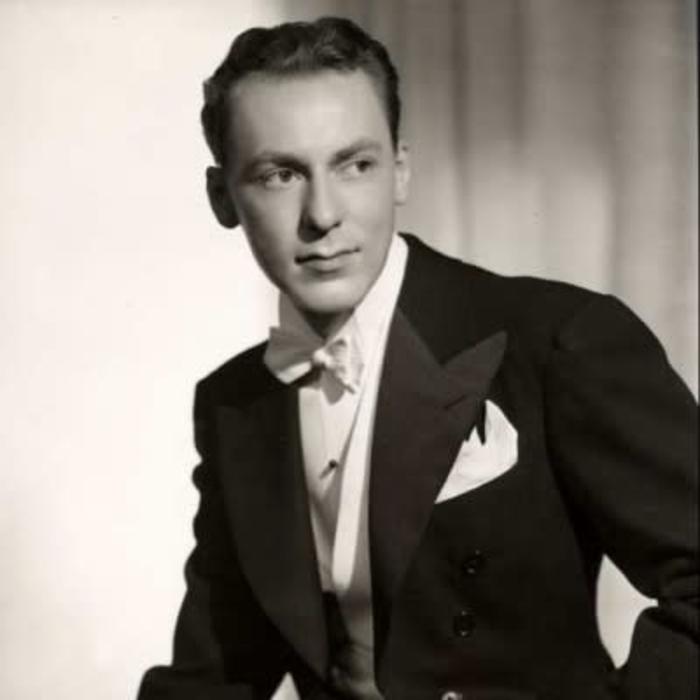
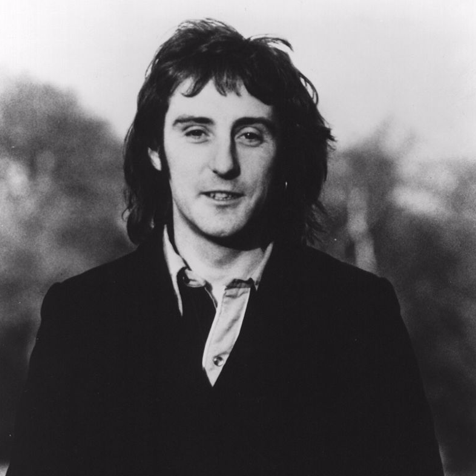
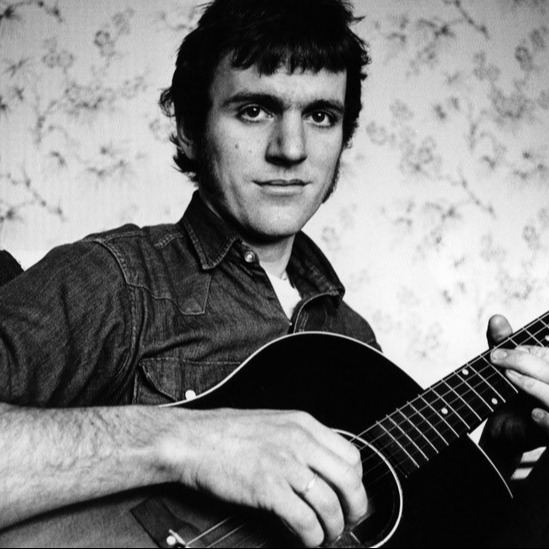
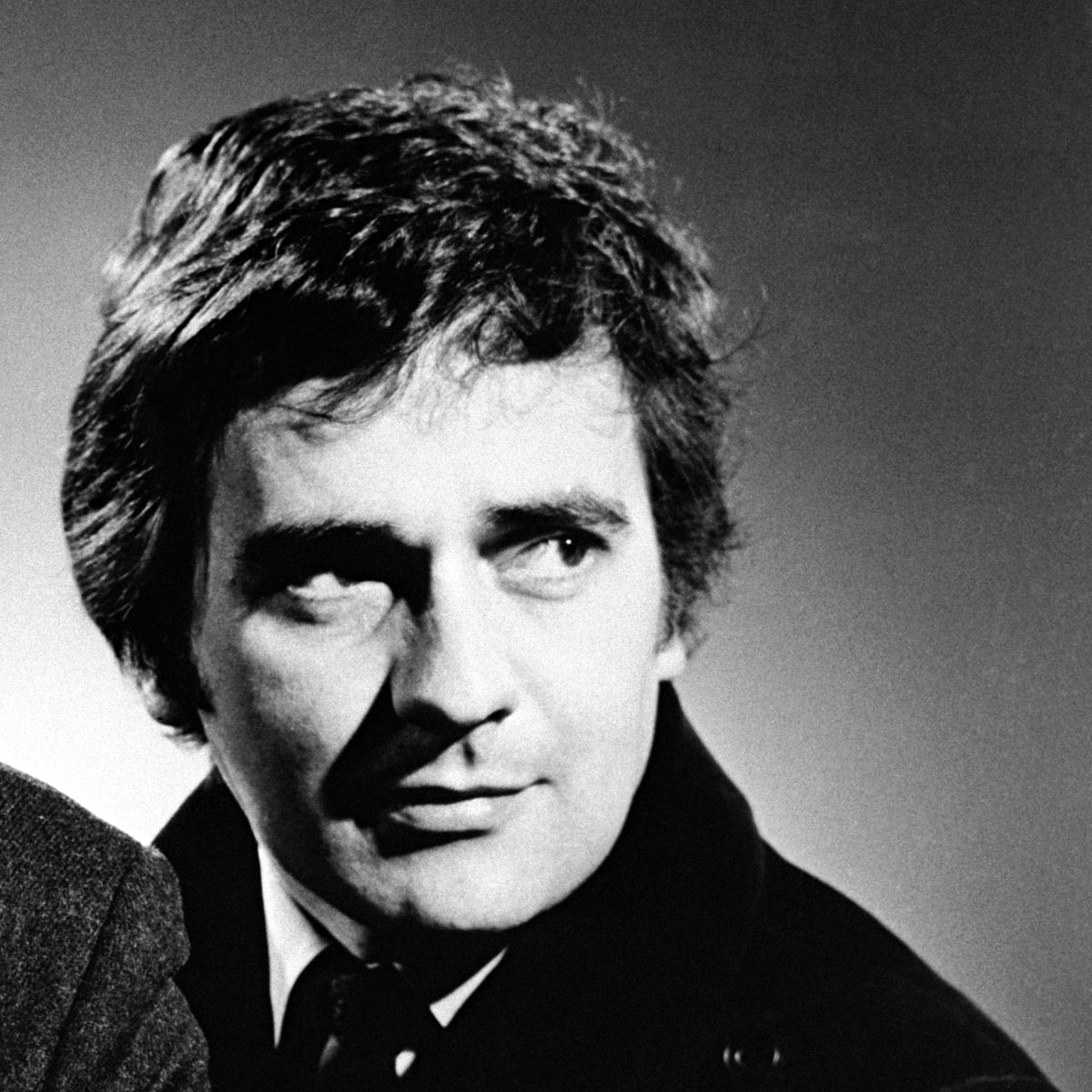
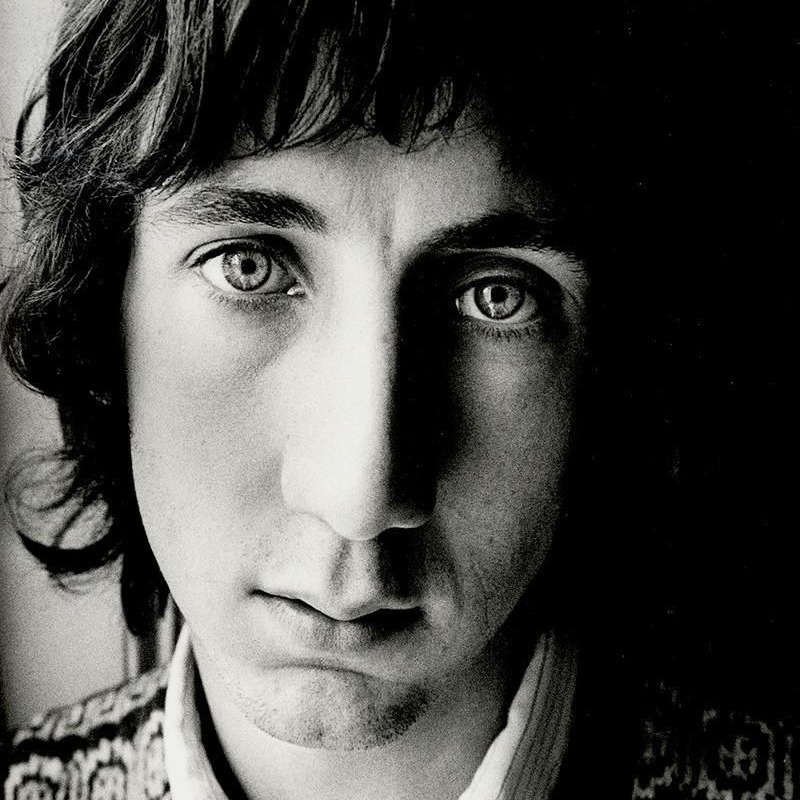
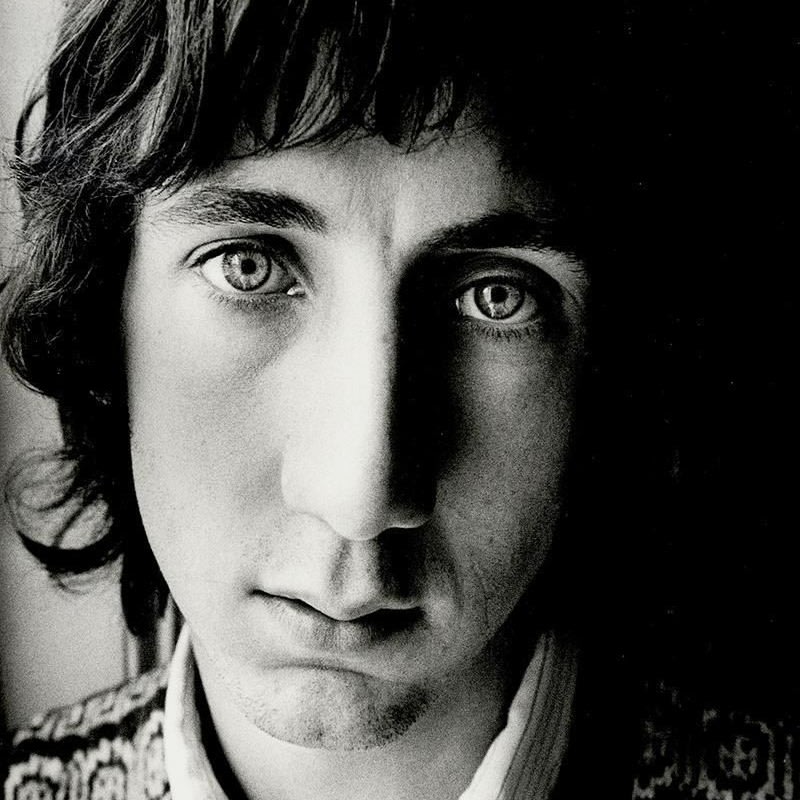
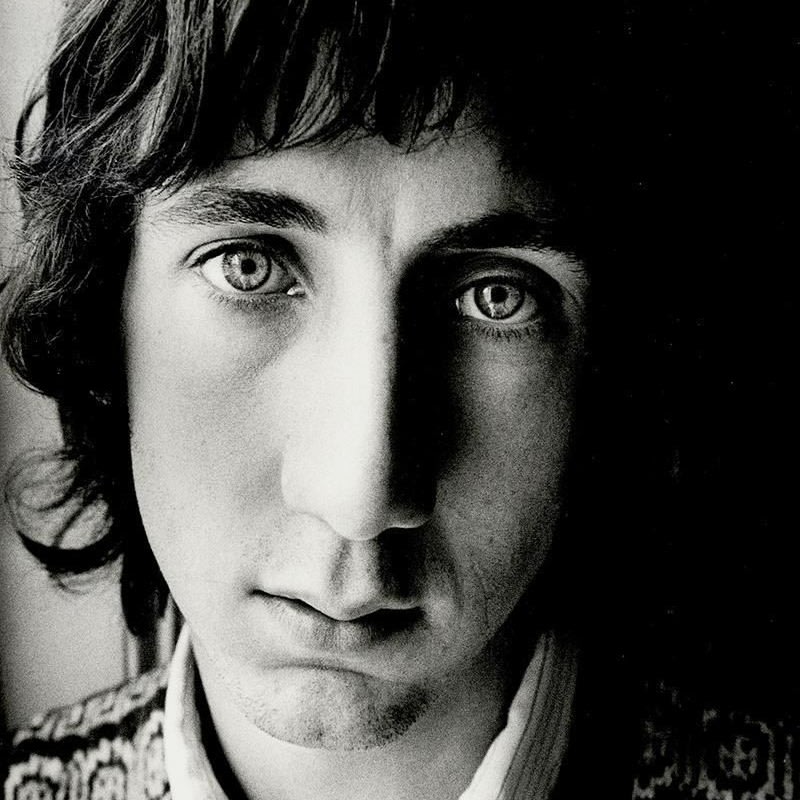
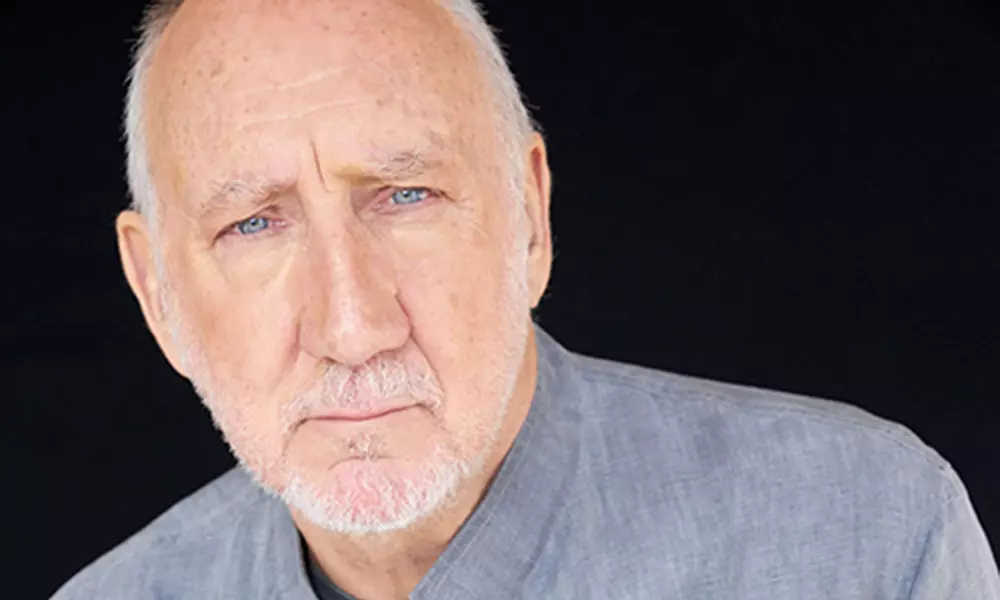
Pete Townshend is an English musician, singer, songwriter, and multi-instrumentalist, best known as the lead guitarist and songwriter for the rock band The Who. His career with The Who spans more than 50 years, during which time the band grew to be considered one of the most influential bands of the 20th century. Townshend is the main songwriter for the group, having written well over 100 songs for the band's 11 studio albums. Although known primarily as a guitarist, he also plays keyboards, banjo, accordion, harmonica, ukulele, mandolin, violin, synthesizer, bass guitar, and drums. Townshend was born on May 19, 1945, in Chiswick, west London. He came from a musical family, his father, Cliff Townshend, was a professional alto saxophonist, and his mother, Betty was a professional singer. Townshend was born ten days after Nazi Germany surrendered in the Second World War. According to Pete, postwar trauma was the driving force behind the rock music revolution in the UK, in his autobiography, he wrote: “I wasn't trying to play beautiful music. I was confronting my audience with the awful, visceral sound of what we all knew was the single absolute of our frail existence”.
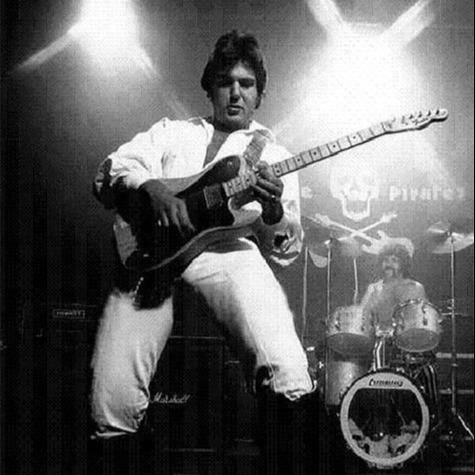
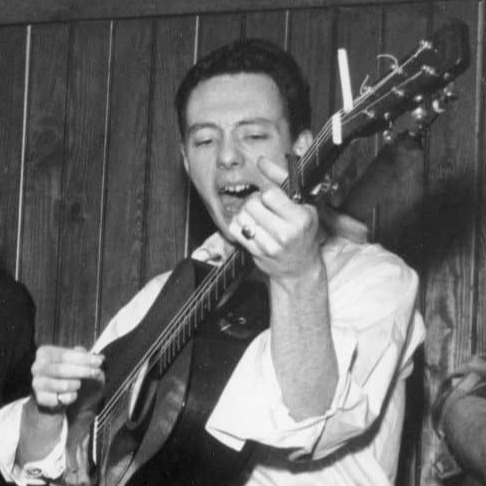
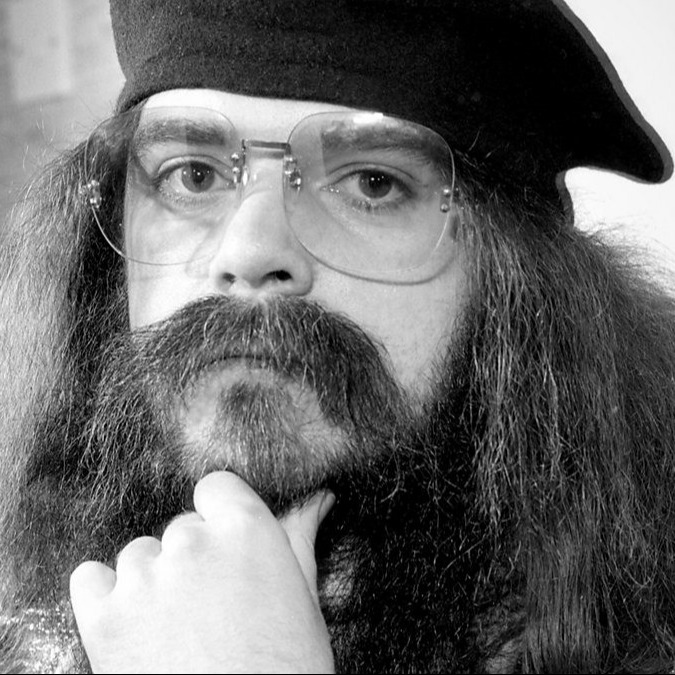
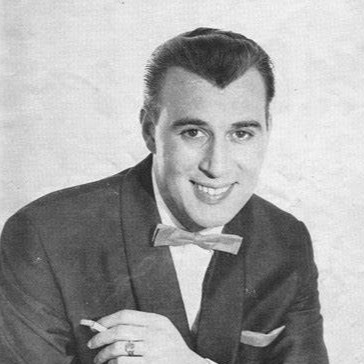
In 1956, Pete's grandmother purchased his first guitar, he was entirely self-taught and never learned to read music. In 1961, Townshend joined the Detours, a rock n' roll band, led by Roger Daltrey. The group obtained a management contract with local promoter Robert Druce, who started booking the group as support acts for bands like Screaming Lord Sutch, Cliff Bennett, and the Rebel Rousers, and Johnny Kidd and the Pirates. In 1964, The Detours became aware of a group with the same name forcing them to change theirs, Townshend's roommate Richard Barnes came up with "The Who". The band was then signed by two new managers, Chris Stamp and Kit Lambert, in June 1964, during a performance at the Railway Tavern, Townshend accidentally broke the top of his guitar and proceeded to destroy the entire instrument. Townshend was strongly influenced by cellist Malcolm Cecil, who often damaged his cello during performances, and Gustav Metzger, a pioneer of auto-destructive art, Pete considered guitar smashing not just an expression of youthful angst, but also a means of conveying ideas through musical performance. "We advanced a new concept", he states. "Destruction is art when set to music. This on-stage destruction of instruments soon became a regular part of the Who's shows.
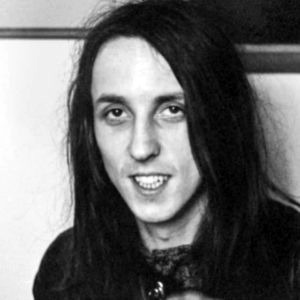
PeteTownshendYoung
In 1964, The Who signed a record contract with producer Shel Talmy. Townshend’s song "I Can't Explain", released in 1965, was The Who's first hit, reaching number eight on the British charts. However, it was the release of the Who's single, "My Generation", that reached number two on the UK charts, becoming the Who's the biggest hit. The song and its famous line "I hope I die before I get old" was "very much about trying to find a place in society", Townshend stated in an interview. The Who's debut album My Generation was released in late 1965, and Townshend continued to write several successful singles for the band, including "Pictures of Lily", "Substitute", "I'm a Boy", and "Happy Jack". The Who's next album A Quick One was released in 1966 and reached No. 4 on the charts. The band's subsequent album The Who Sell Out, contained The Who's biggest US single, "I Can See for Miles, which reached No. 9 on the American charts.
In 1968, Townshend developed a musical piece about a deaf, dumb, and blind boy who would experience sensations musically. This rock opera Tommy, released in 1969 earned critical acclaim and commercial success. A film version of Tommy premiered in 1975, earning Townshend an Academy Award nomination for his scoring in the film. Townshend began writing songs for another rock opera in 1973 entitled Quadrophenia, it was the only Who album written and produced entirely by Townshend, and it became their highest charting cross-Atlantic success, reaching No. 2 in the UK and US. The band’s next work The Who by Numbers came out in 1975 and peaked at No. 7 in the UK and 8 in the US. The Who continues to perform critically acclaimed sets into the 21st century, despite the deaths of two of the original members, including highly regarded performances at The Concert For New York City in 2001, the 2004 Isle of Wight Festival, Live 8 in 2005, and the 2007 Glastonbury Festival. The Who were the final performers at the 2012 Summer Olympics closing ceremony in London, and in 2019 released an album, simply titled Who, their first album in thirteen years.
Due to Townshend’s aggressive playing style and songwriting techniques, his works have earned him critical acclaim. He was ranked No. 3 in Dave Marsh's list of Best Guitarists in The New Book of Rock Lists, No. 10 in Gibson's list of the Top 50 Guitarists, and No.10 in Rolling Stone's list of the 100 Greatest Guitarists of All Time in 2011. In 1983, Townshend received the Brit Award for Lifetime Achievement, in 1990 he was inducted into the Rock and Roll Hall of Fame as a member of The Who, and in 2001 he received a Grammy Lifetime Achievement Award as a member of The Who.