1943-1989
Vincent Crane
1943-1989
Vincent Crane
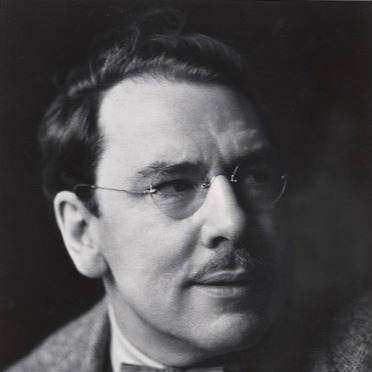
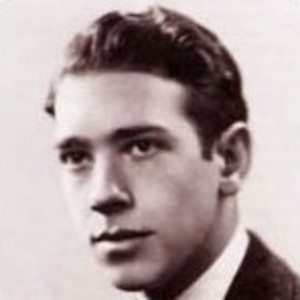
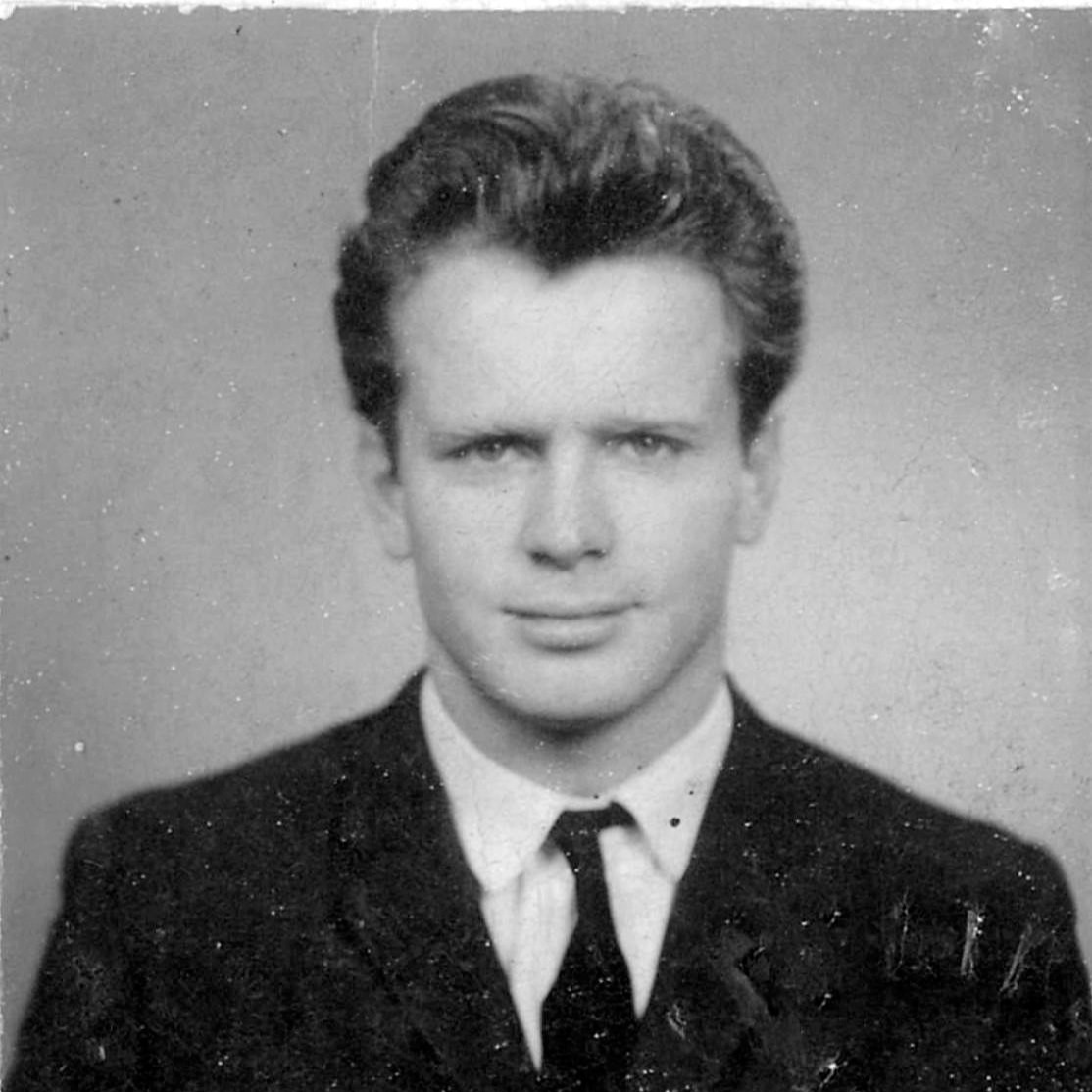
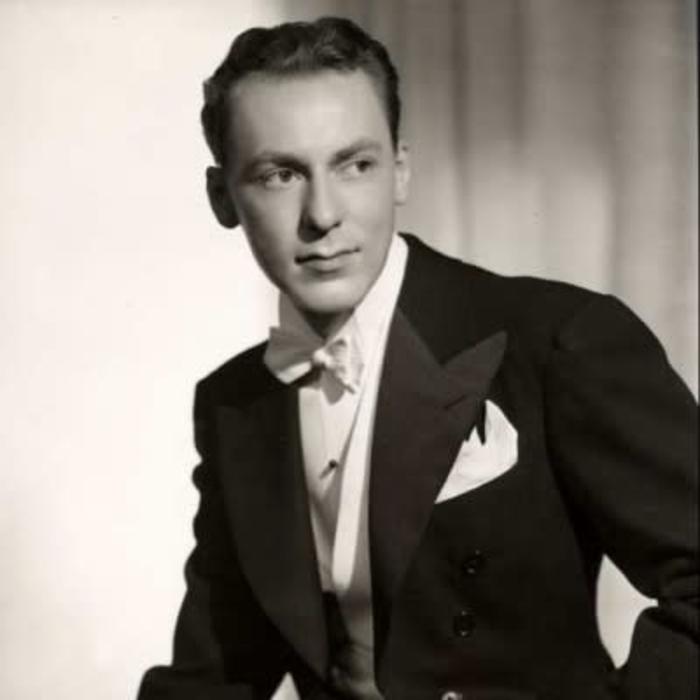
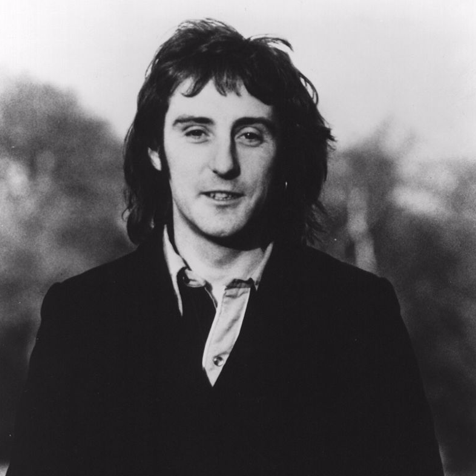
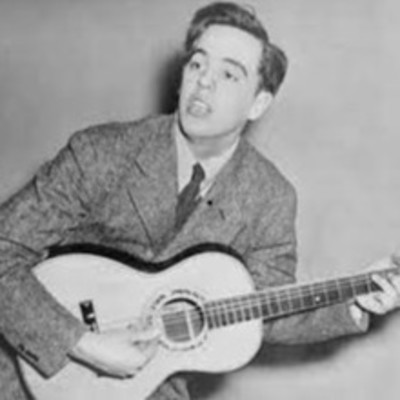
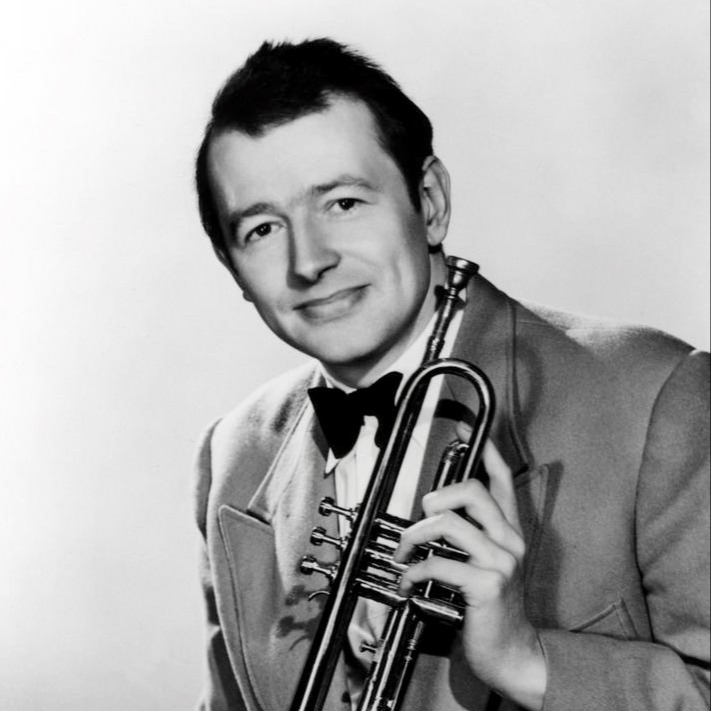
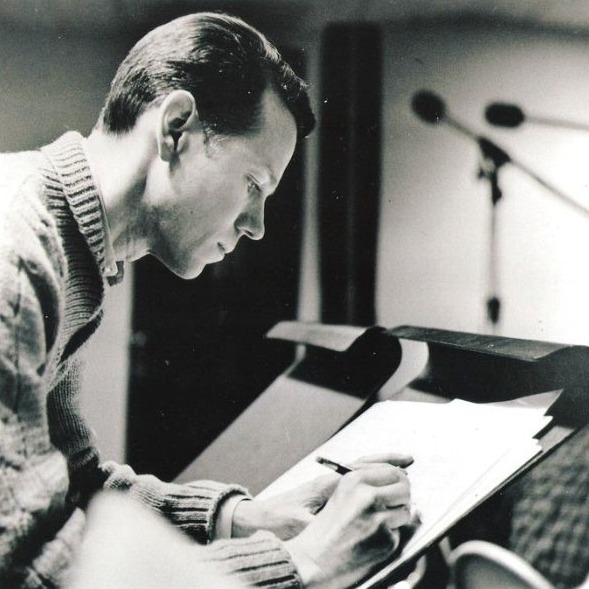
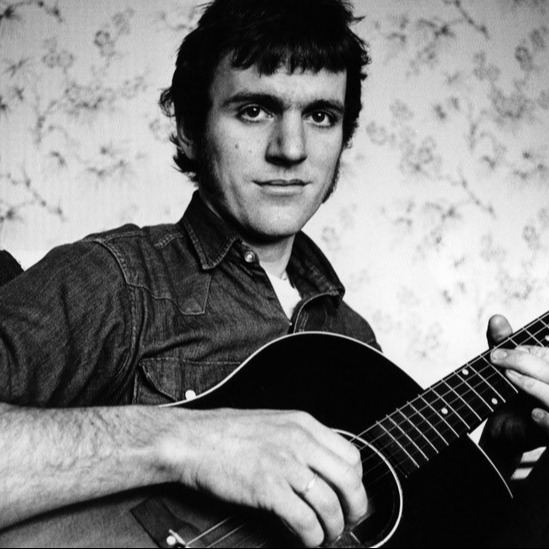
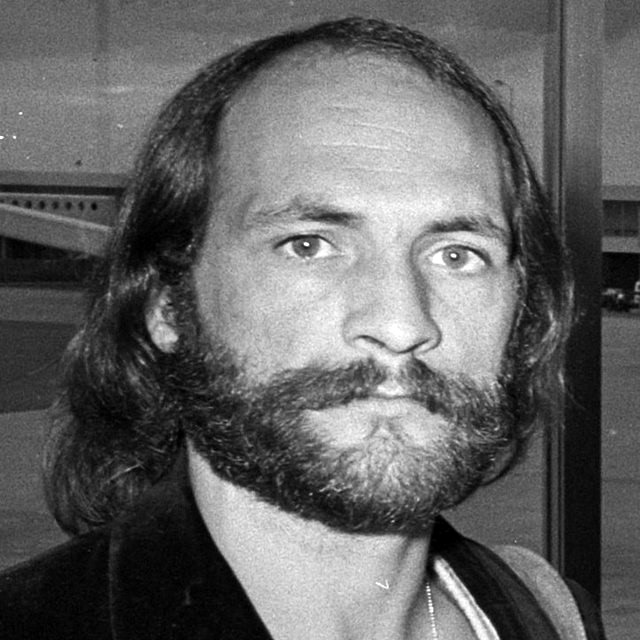
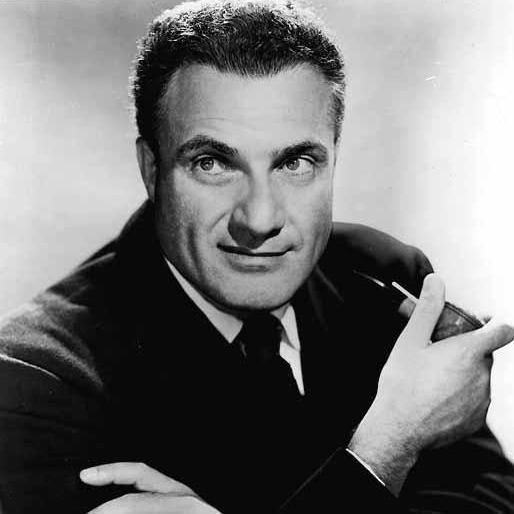
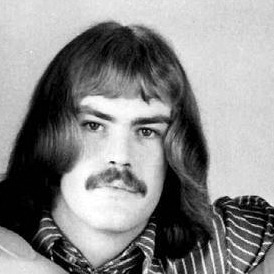
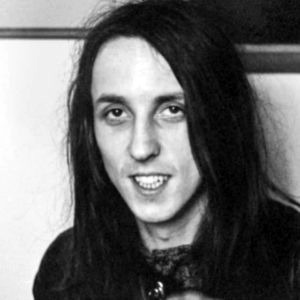
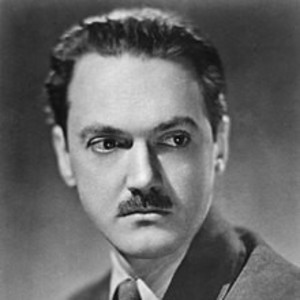
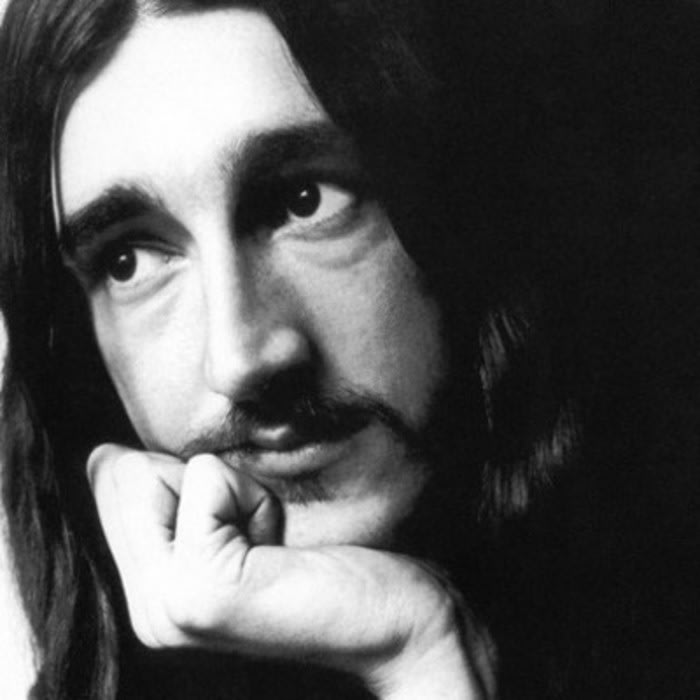
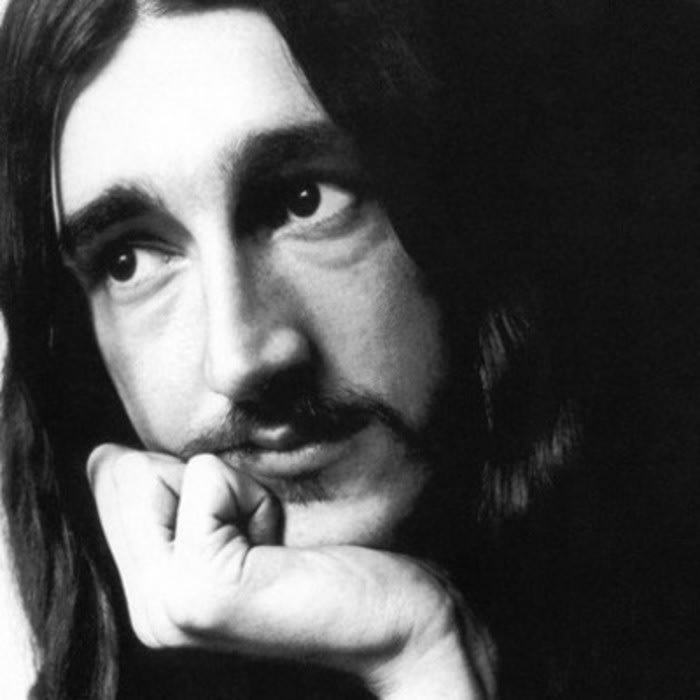
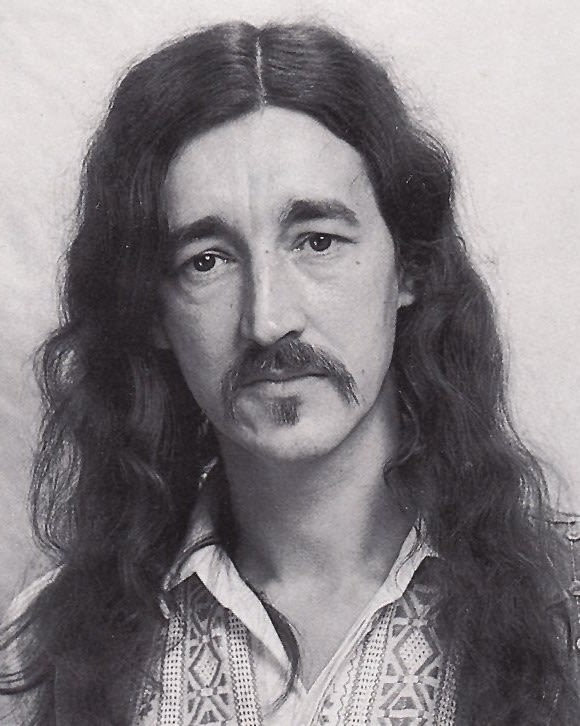
Vincent Crane was an English keyboardist best known as the organist for The Crazy World of Arthur Brown and Atomic Rooster. Named after Van Gogh he was born Vincent Rodney Cheesmanon on May 21, 1943, in Reading, Berkshire. He became Vincent Crane as a mid-sixties career move. Crane taught himself how to play piano as a teenager, and commented as a late-bloomer I ‘realized all I’d be was a fiftieth-rate concert artist.’ But he soon discovered how to write and arrange music ‘I thought I might as well concentrate on that…’ He attended Trinity College of Music in London from 1961-64. While attending school Vince formed the jazz group the Vincent Cheesman Trio, who supported Humphrey Lyttleton at the Marquee in 1964.
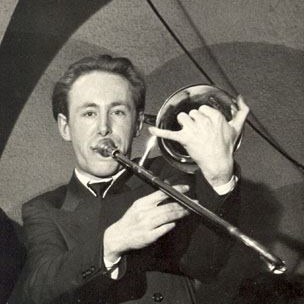
Influenced by Graham Bond, he took up the Hammond organ, during this time Vince landed his first serious gig, as a pianist on a French tour with trombonist Lou Herb’s Australian Jazz Band. In late 1966 he formed the Vincent Crane Combo. By the end of 1966 Crane’s musical reputation had developed and he had been offered a variety of positions. He had the invitation to join the Foundations, was already gigging with the Hedgehoppers Anonymous, and had just met ‘soul man’ Arthur Brown.
VincentCrane1 bw
In 1967 after spending a short time as a teacher, Crane became the organist and pianist for The Crazy World of Arthur Brown. Managed by Kit Lambert, and signed to The Who‘s label Track, the group hit it big with their debut album, The Crazy World of Arthur Brown (1968), which contained the U.S and UK chart-topping hit ‘Fire’ co-written by Crane. The band booked three US tours in the Fall of 1968, but Vince suffered a nervous breakdown midway through the first US tour. He spent three months at the Banstead mental institution in England and was diagnosed with bipolar depression. When Crane returned to the group its original drummer, Drachen Theaker had been replaced by Carl Palmer. In June 1969, Palmer and Crane left Arthur’s group together and returned to England to form their own band Atomic Rooster. Palmer explained the background behind the name choice stating ‘one evening in New York we took Vincent to see this girl because she was going to explain how bad acid was and that he should stop taking it, basically. The person she chose to talk about was the bass player in this group called Rhinoceros [who had] taken a lot of chemical substances and started calling himself ‘the atomic rooster’. I couldn’t help but laugh – it’s a great name.”
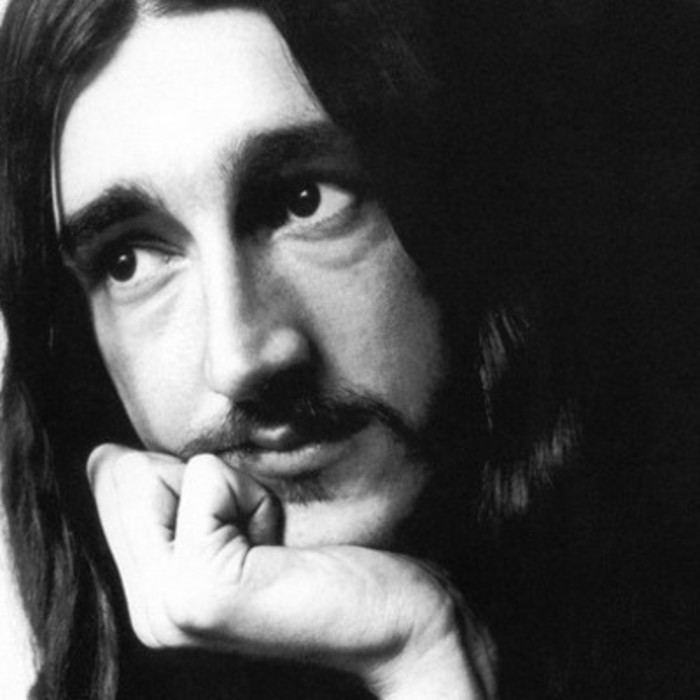
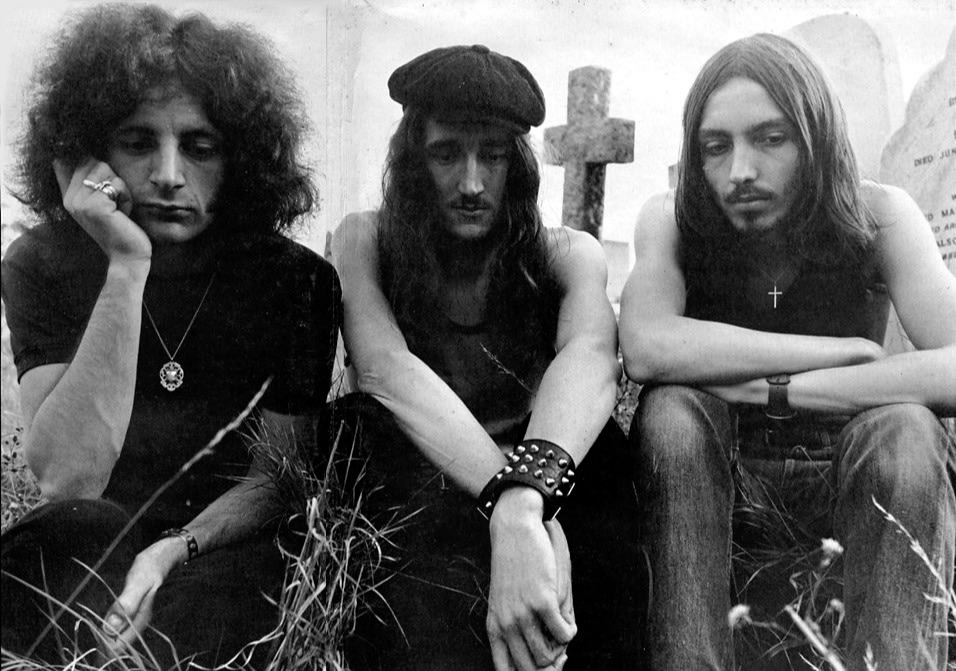
Atomic Rooster debuted at the Lyceum in London on August 29, 1969. Largely written by Crane, the band’s debut album Atomic Ro-o-oster was released in February 1970, shortly after Atomic Rooster’s debut single ‘Friday The 13th’ was released in March 1970, Palmer left the group accepting an offer to form the group Emerson, Lake & Palmer. Crane regrouped the band with guitarist and vocalist John Cann and drummer Paul Hammond. In September 1970, Crane’s hit ‘Tomorrow Night’ was released as a single. The band found their second UK hit with ‘Devil’s Answer’, written by John Cann and arranged by Crane brass arrangement, and Atomic Rooster’s next album, Death Walks Behind You continued the chart success. For a while Crane thought he had the ultimate band, commenting ‘It’s great to play, I don’t think I could survive if I came off the road.’ But in July 1971, within days of ‘Devil’s Answer’ entering the charts, Crane asked Cann to leave, and he took Paul Hammond with him. Crane was the one constant member of the band through their almost constantly changing lineups, and wrote the majority of the Atomic Rooster’s material.
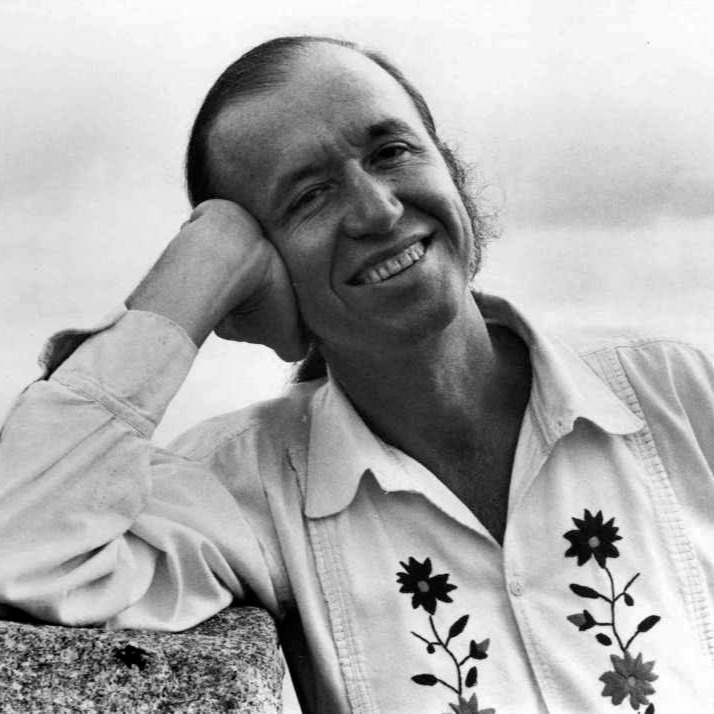
Crane recruited guitarist Steve Bolton and drummer Ric Parnell next, and the ‘new’ Atomic Rooster yielded the two albums In Hearing Of (1971) and Made In England (1972). A month later, Atomic Rooster took their one and only U.S. tour. In 1973 the group released its final album and by 1975 the group had disbanded. Throughout the late seventies, Crane worked in theatre productions, scored radio dramas for his friend Paul Green, and planned a new album with Arthur Brown (Taro Rota). He soon met his wife Jean, a poet and theater acolyte. Cann and Crane came back together in 1980 to reform Atomic Rooster but had a falling out within months. Over the winter of 1982, Crane convinced Tom Newman and Pink Floyd’s Dave Gilmour into creating the last ‘Atomic Rooster album Headline News, the group completed one last European tour in 1983 before disbanding once again. Vincent dejected stayed home for months, but in autumn ‘83, his wife spotted an ad in the Melody Maker for a ‘name band’ wanting ‘soulful players’. Convinced it was Dexy’s Midnight Runners, she encouraged Vince to reach out.
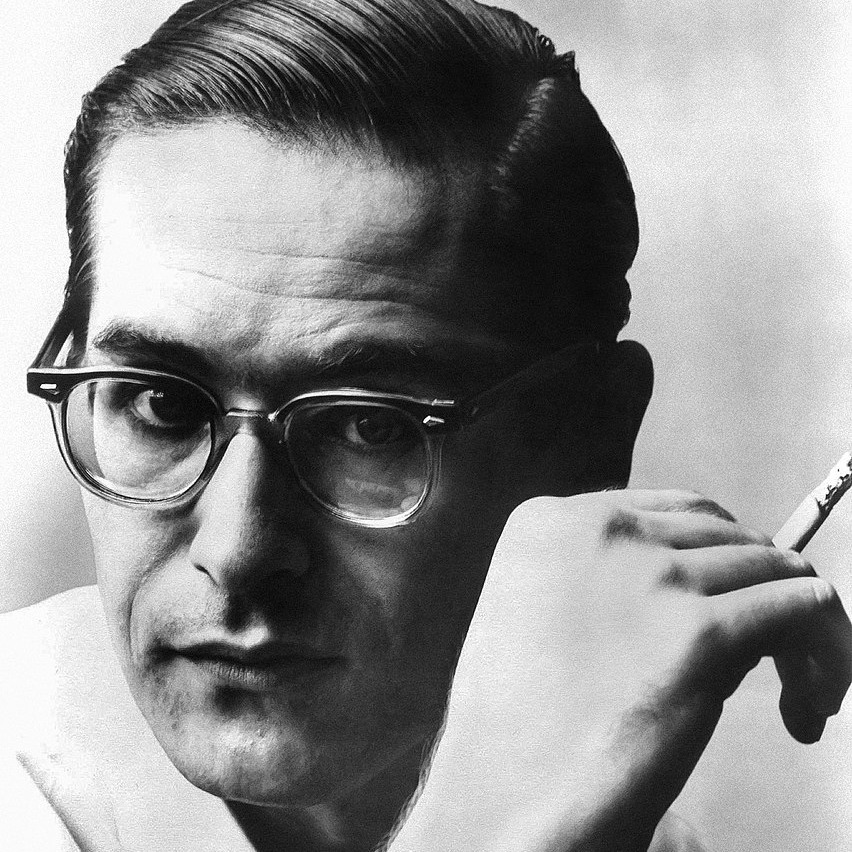
Crane joined Dexy's Midnight Runners and worked with the group on their ensemble piece Don’t Stand Me Down. He toured with the band in 1985 but the pressure got to him once more, and he had an affair. Eventually, by 1988, Crane and his wife split, and a few weeks later, on Valentine’s Day in 1989, Crane took 400 Anadin tablets and died at age 45.