1947-2016
David Bowie
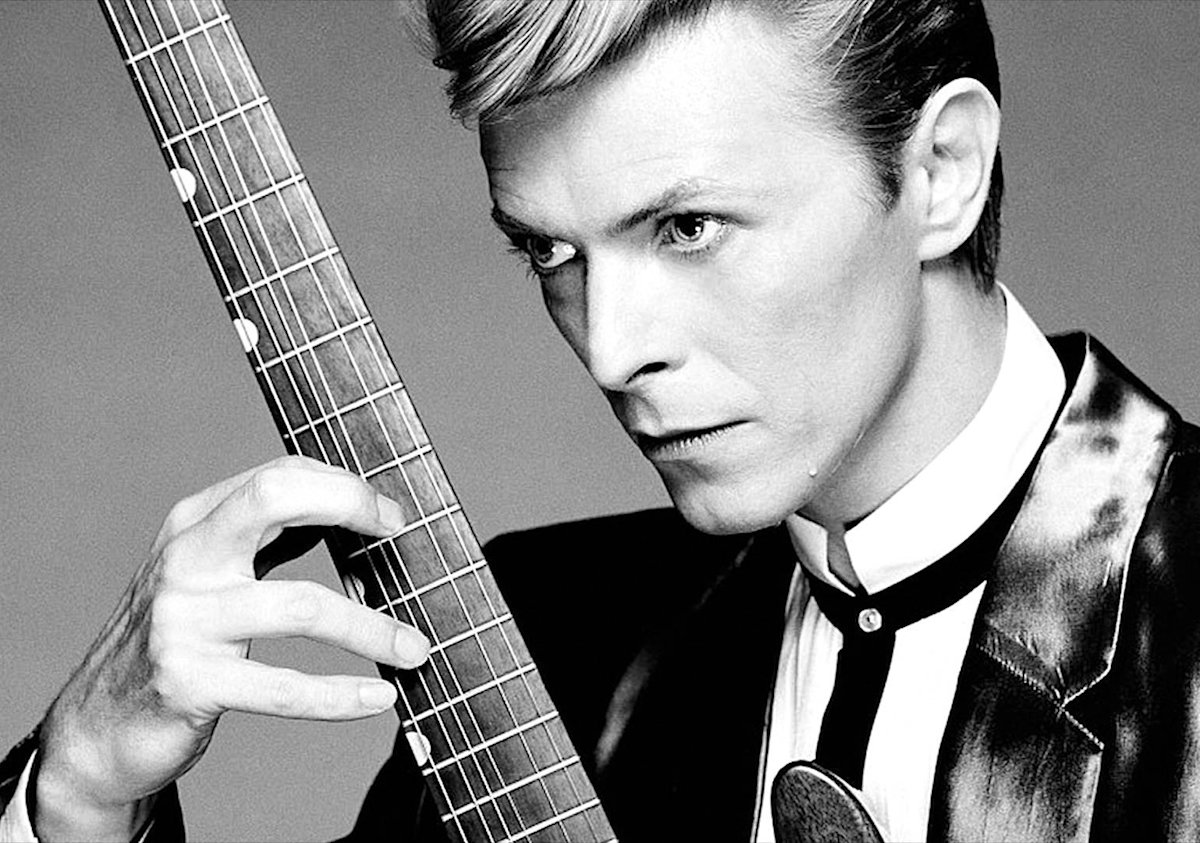
1947-2016
David Bowie
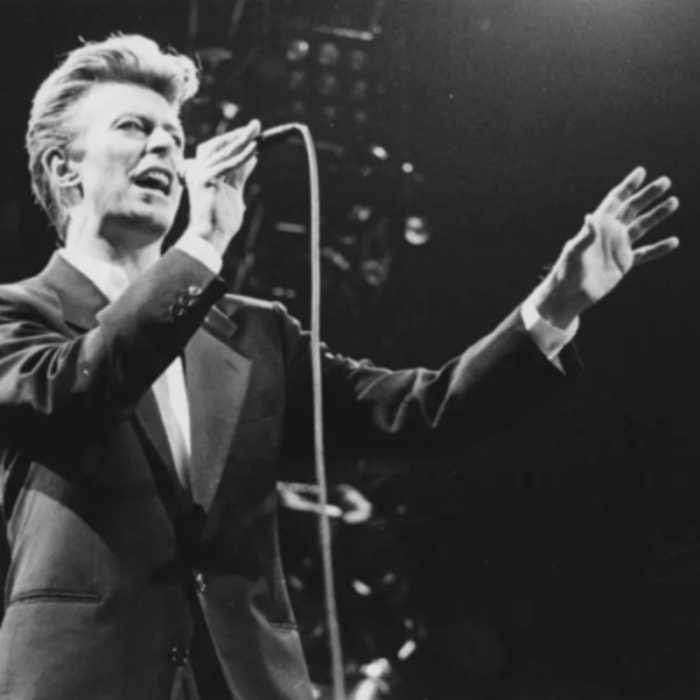
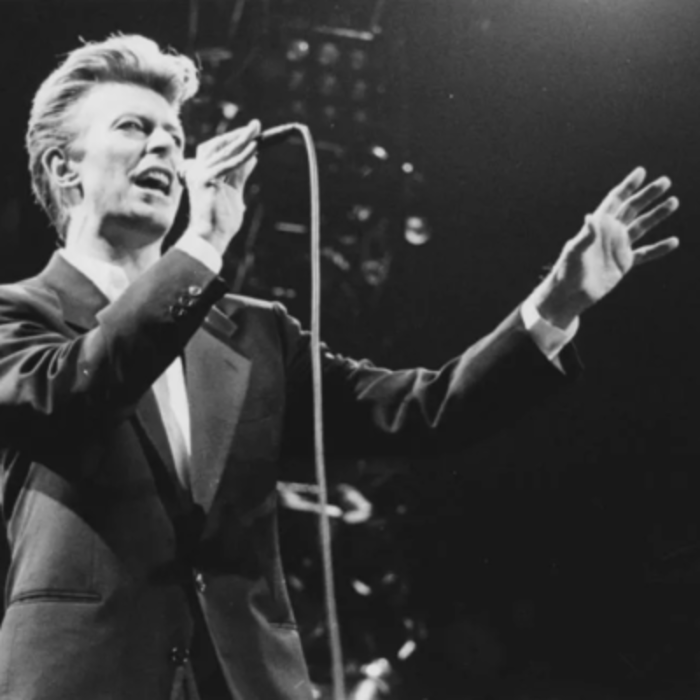
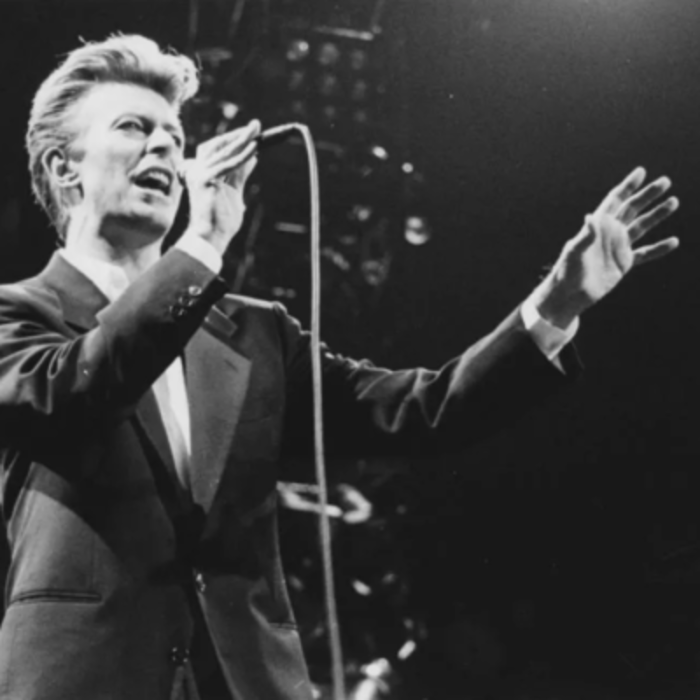
David Bowie was an English singer-songwriter and one of the most influential musicians of the 20th century. Bowie released 26 studio albums, 9 live albums, and 8 EPs, including "The Rise and Fall of Ziggy Stardust and the Spiders from Mars," "Space Oddity," and more. In addition to his music, Bowie's performances had great visual presentations and stagecraft. His impact had a significant effect on popular music.
Bowie was born David Robert Jones on January 8th, 1947, in Brixton, London. He attended Stockwell Infants School until age six, getting the reputation as a "gifted and single-minded child." He moved to Sundridge Park in 1955 and attended Burnt Ash Junior School. The school choir considered Bowie's voice as "adequate," but his recorder skills were impressive.
At 15, Bowie formed his first band, the Konrads. In 1963, the year after the Konrads formed, Bowie left technical school and told his parents about his musical dreams. Soon after, Bowie left the Konrads to join the King Bees because the others' musical aspirations were not as high as his. Bowie released his debut single, "Liza Jane," under Davie Jones and the King Bees. The single was not commercially successful. Bowie then quit the King Bees because he was tired of playing the same songs; most of their repertoire was covers.
The next band that Bowie joined was the Manish Boys, a blues band with folk and soul elements added. Bowie had no luck with the Manish Boys, so he moved and joined the Lower Third. The Lower Third was a blue trio influenced by The Who. At this point, Bowie dropped the Davie Jones name due to confusion with The Monkees' Davy Jones and took on David Bowie. Bowie's first release under his new name was "Can't Help Thinking About Me," with the Lower Third, in January 1966. This song was also unsuccessful.
Bowie then left the Lower Third after the release of the single. After "Can't Help Thinking About Me," Bowie released two more unsuccessful singles, now with the Buzz. Bowie continued to release singles and even a self-titled debut album, but all these releases followed the same trend as their predecessors.
David Bowie
"Space Oddity" Eventually, in 1969, Bowie wrote "Space Oddity," a song about a fictional astronaut named Major Tom. Bowie felt down about his unsuccessful career and a break-up, and this song resulted. It's also important to note that "Space Oddity" correlated with the release of the Apollo 11 launch, helping launch the song into success. The song reached the top five in the UK and was his first and last hit for three years. "Space Oddity" was later released in the United States in 1972 and hit number 15 on the charts.
Bowie released his third album, The Man Who Sold the World, in 1970. This album was more rocklike than his self-titled album and Space Oddity. Although this album was originally a commercial failure, the album features the title track, "The Man Who Sold the World," which Nirvana famously covered during their MTV Unplugged set in 1993.
In 1972, Bowie released The Rise and Fall of Ziggy Stardust and the Spiders from Mars. Ziggy Stardust was Bowie's creation of a "doomed rockstar," Ziggy's band was The Spiders from Mars. During this time, Bowie dressed in crazy costumes portraying Ziggy Stardust. On the last show of the US Ziggy Tour, Bowie made a shocking announcement. The show was going to be the group's last show ever. Bowie needed to "kill" the characters after portraying him for so long in concerts, interviews, and more. Bowie also did not want to be known by just one creation. So with just one announcement, Ziggy Stardust and the Spiders from Mars fell as quickly as they rose.
Bowie's Next Steps in Music After Ziggy Stardust, Bowie produced albums for Lou Reed and Iggy Pop. His next album Aladdin Sane released in 1973, also featured a glam rock style. Aladdin Sane was another Bowie-created character famously known for the bolt-on lighting covering his face. In addition, the name is a pun reading similar to "A Lad Insane." Next was Pin Ups, an album made up of covers. Bowie was now out of his "full-scale makeover" Ziggy Stardust and Aladdin Sane look. There were no more crazy costumes or sets. Bowie continued to release albums for a few years. One of the most notable is the 1980's Scary Monsters which featured the track "Ashes to Ashes," which can be considered a sequel to Major Tom's journey. After that, In 1981, Queen featured Bowie's hit song "Under Pressure," which became Bowie's third UK number-one song.
Bowie got his first significant role in a film project at this point in his career. Bowie has been acting alongside his music career since a small unidentified role in a television show called Theatre 625. He loved music but also loved film. His first big role was in 1976's The Man Who Fell to Earth as the lead. Overall, Bowie acted in 30 projects ranging from 1968 to 2009.
In 1996, David Bryne of The Talking Heads inducted Bowie into the Rock and Roll Hall of Fame. In the words of David Bryne, "When David Bowie came along, rock and roll needed a shot in the arm." Bowie's music was different but also familiar. This was a great achievement for Bowie. It also shows great resilience, as his early musical projects were not commercially successful.
In 2004, Bowie suffered a heart attack when on stage in Germany. This was a major health scare, but Bowie fully recovered. Between 2000 and 2016, Bowie only released four albums: Heathen, Reality, The Next Day, and Blackstar.
Bowie released his final album, Blackstar, on January 8th, his birthday. Two days later, the public learned of Bowie's passing. Bowie's Facebook read, "David Bowie died peacefully today surrounded by his family after a courageous 18-month battle with cancer." One can tell how great Bowie's love for music was. Even during his fight with cancer, Bowie released an album two days before his death.