Introduction
Until 1825, American music had been limited to the region in which it developed and only a few popular songs had garnered permanence in the fabric of their region due to lack of distribution, limits of population, and no machinery for producing a written reference for the song. With its creation in the mid-1800s, sheet music provided songs with an outlet for distribution and introduced Americans to different sounds previously isolated to their regions. The period before the Civil War is widely recognized as the period of the torch song and minstrelsy. Minstrel shows showcased songs and acknowledged songwriters individually for the first time, and as the shows traveled, more American regions were exposed to the songs.
All regional melodies and genres were converging, and musical influences previously segregated regionally were combining to create the American popular song. Printed sheet music transformed the way Americans were exposed to music and sheet music distribution was the beginning of the music publishing business. In the late 19th century, New York had become the epicenter of songwriting and publishers converged on the block of West 28th Street between Broadway and 6th Avenue in Manhattan. The block was called Tin Pan Alley and the name became more than a street, it defined an era. From 1880-1953 Tin Pan Alley was synonymous with songwriting.
Around the turn of the century, Maurice Richmond, an immigrant from Eastern Europe, began working for sheet music distributor Charles Pidgeon who put Maurice in charge of the Boston distribution and eventually Coupon Music Company in New York City. Maurice worked directly with writers like Irving Berlin, George Meyer, Paul Whiteman, George Gershwin, Charles K. Harris and in 1919, Maurice began Richmond Music Supply Corp. traveling throughout the US building outlets for sheet music distribution. To market their new songs, music publishers on Tin Pan Alley employed song pluggers to represent their wares by performing the most recent songs in public settings. The “plugger” would travel to popular pastimes such as sporting events, busy street corners and marketplaces to perform the latest songs and distribute sheet music to the masses.
Many of these “pluggers” were songwriters such as Victor Youmans, Harry Warren, and George Gershwin, who traveled and worked with their publishers performing on street corners. Maurice’s youngest son, Howie Richmond, recalled that Maurice and Gershwin would take a piano roll to the garment district in New York City and Gershwin would play the piano from the back of a truck for people passing by while Maurice would sell the sheet music of the songs being performed.
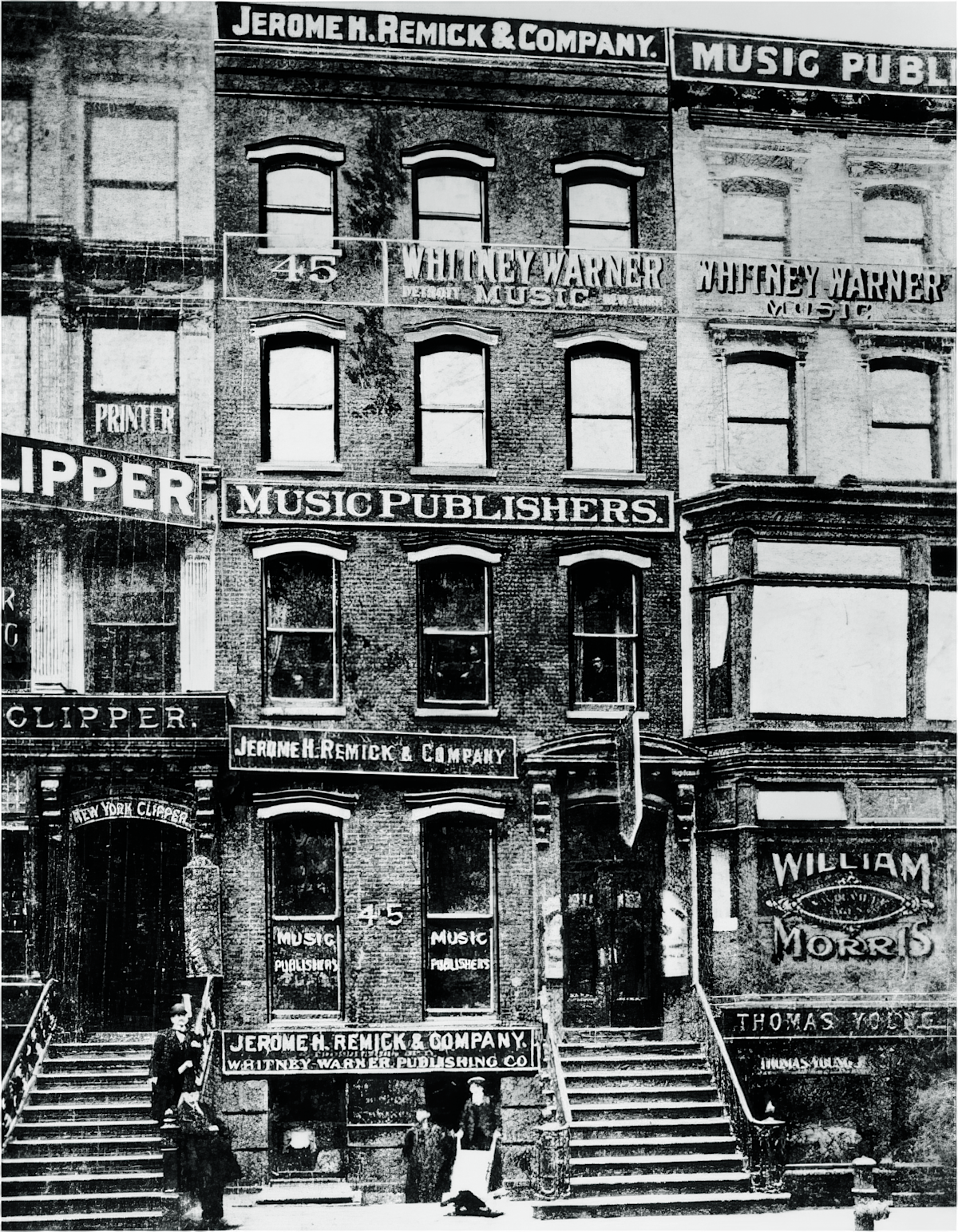
West 28th Street, New York City, 1910s.
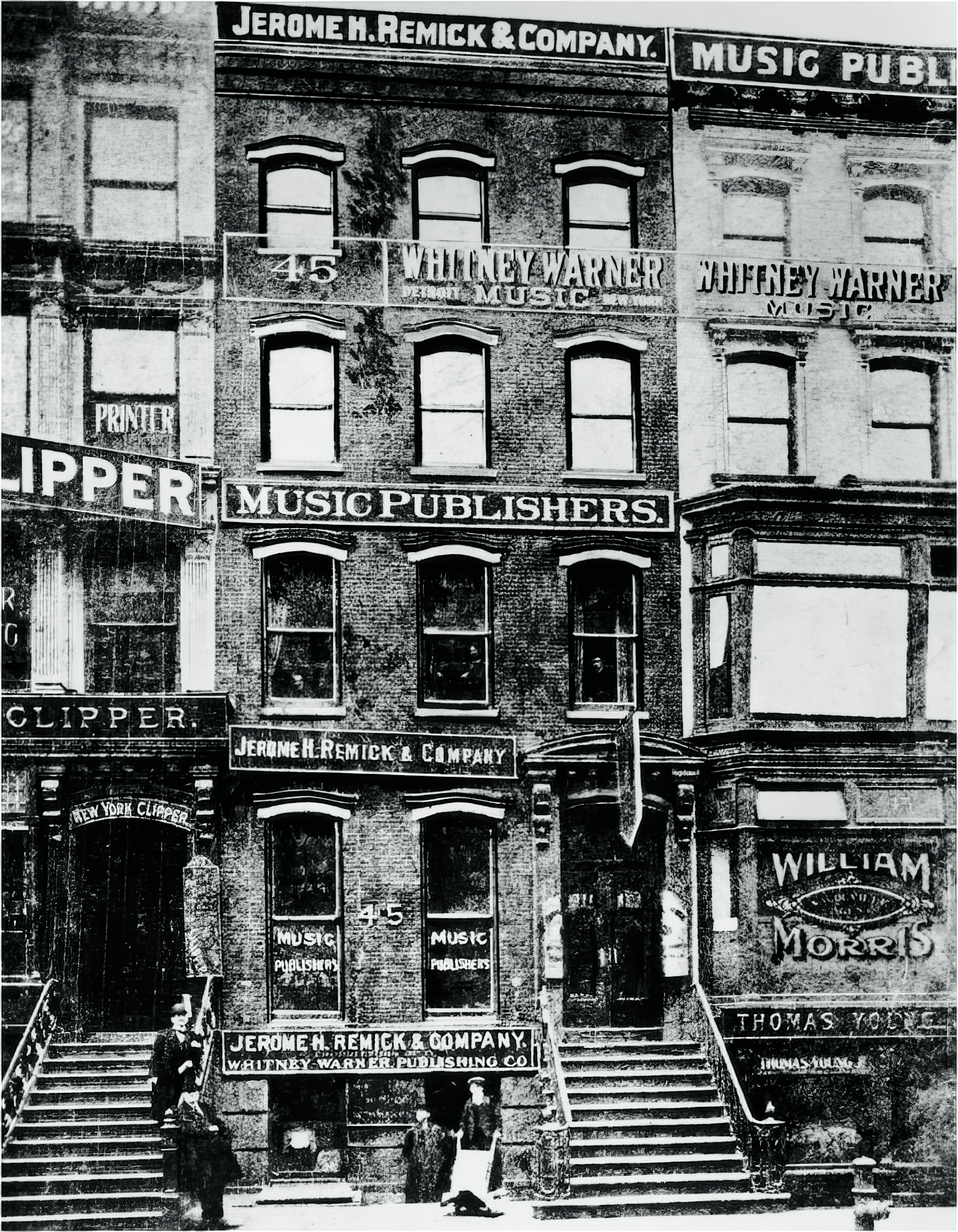
West 28th Street, New York City, 1910s.
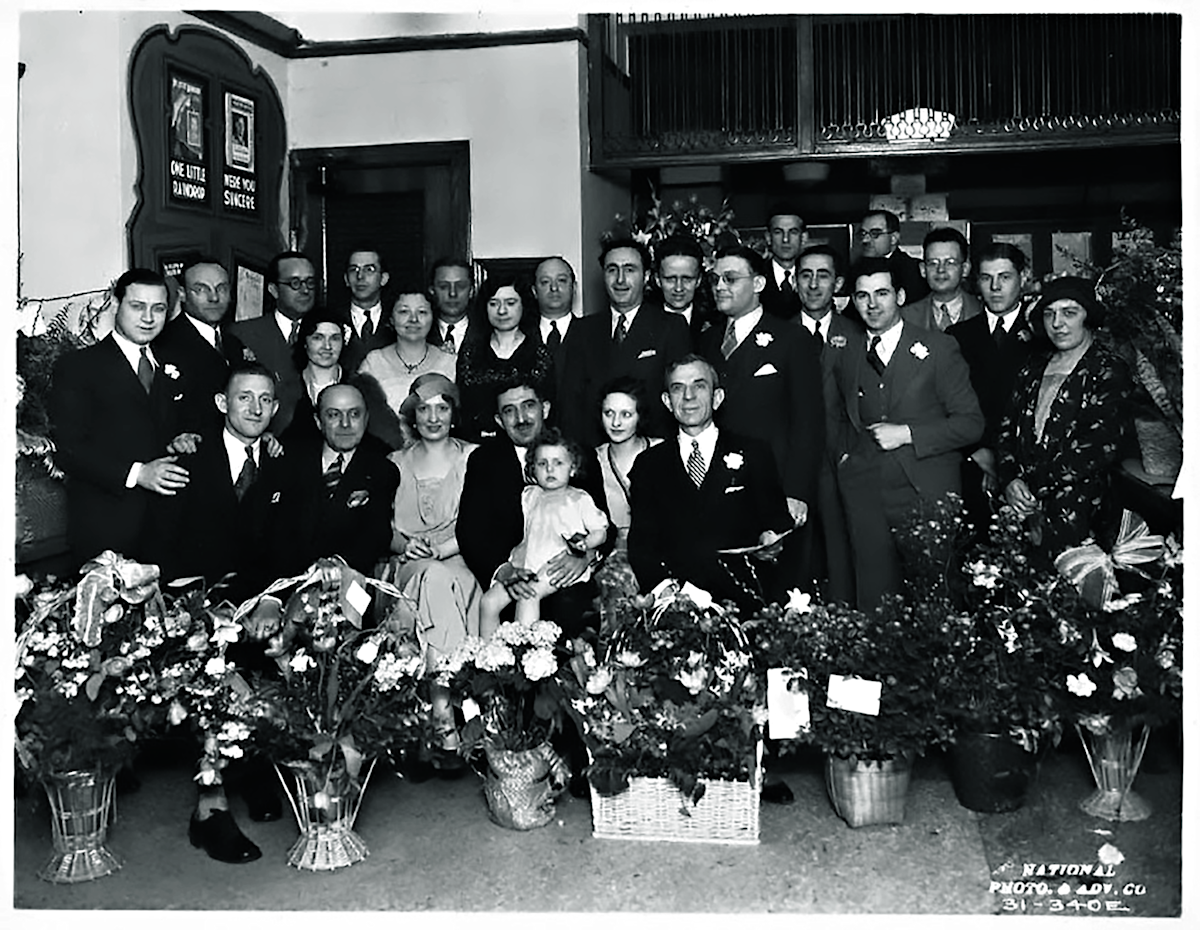
Maurice Richmond (sitting 7th from left) at Music Services Direct, 1928.
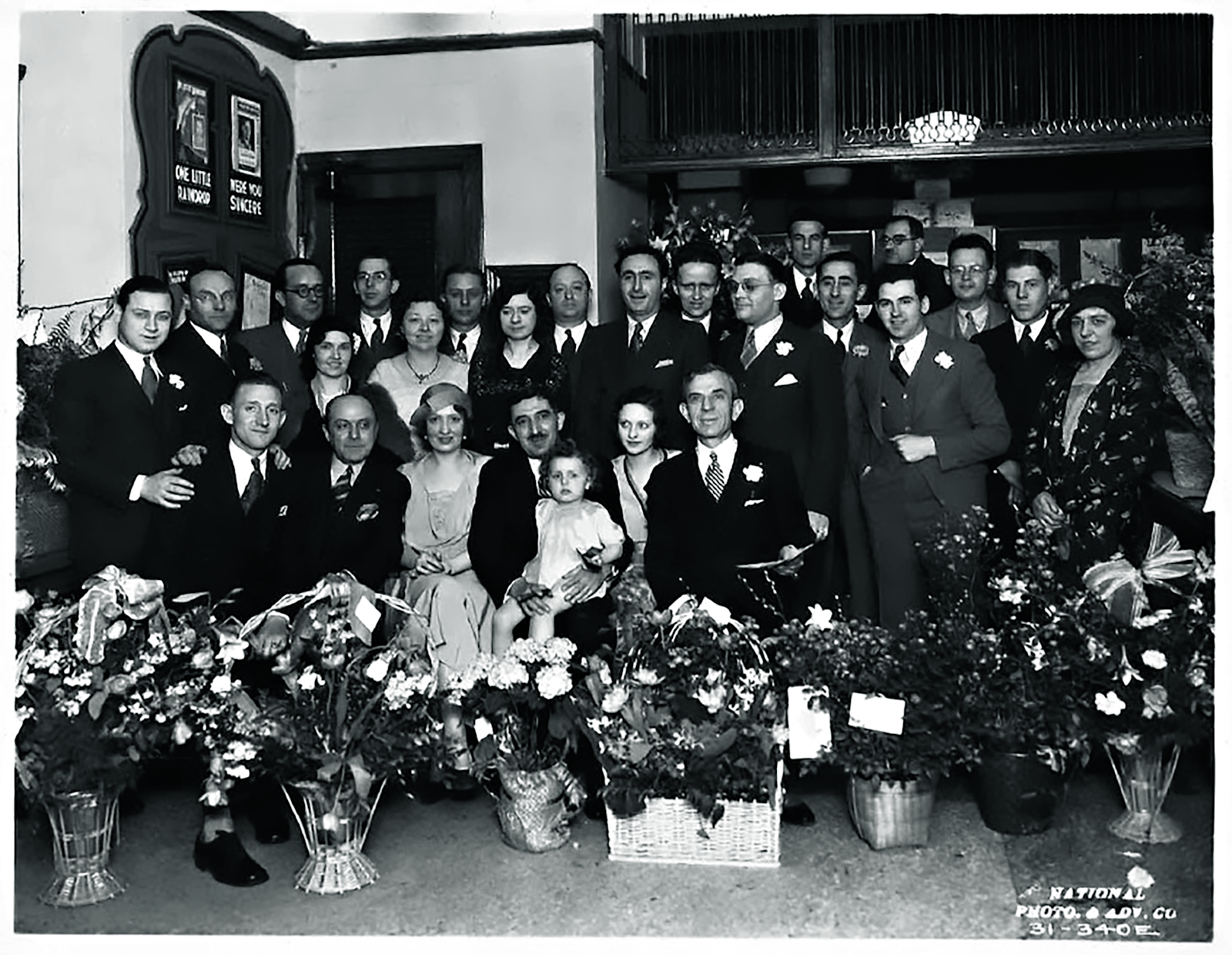
Maurice Richmond (sitting 7th from left) at Music Services Direct, 1928.
My father began in the music business before there was even an ASCAP...way back! He was working in the distribution of sheet music, and I had the opportunity of being in a home where songwriting, and songs and music was prevalent. I got to know a little more about the origins with my dad having had that background. I had so many opportunities to think about songs and hear them. But I never thought to look at music to make money. It was just for the pleasure and hearing it. We heard all kinds of music and not all styles were necessarily mainstream.
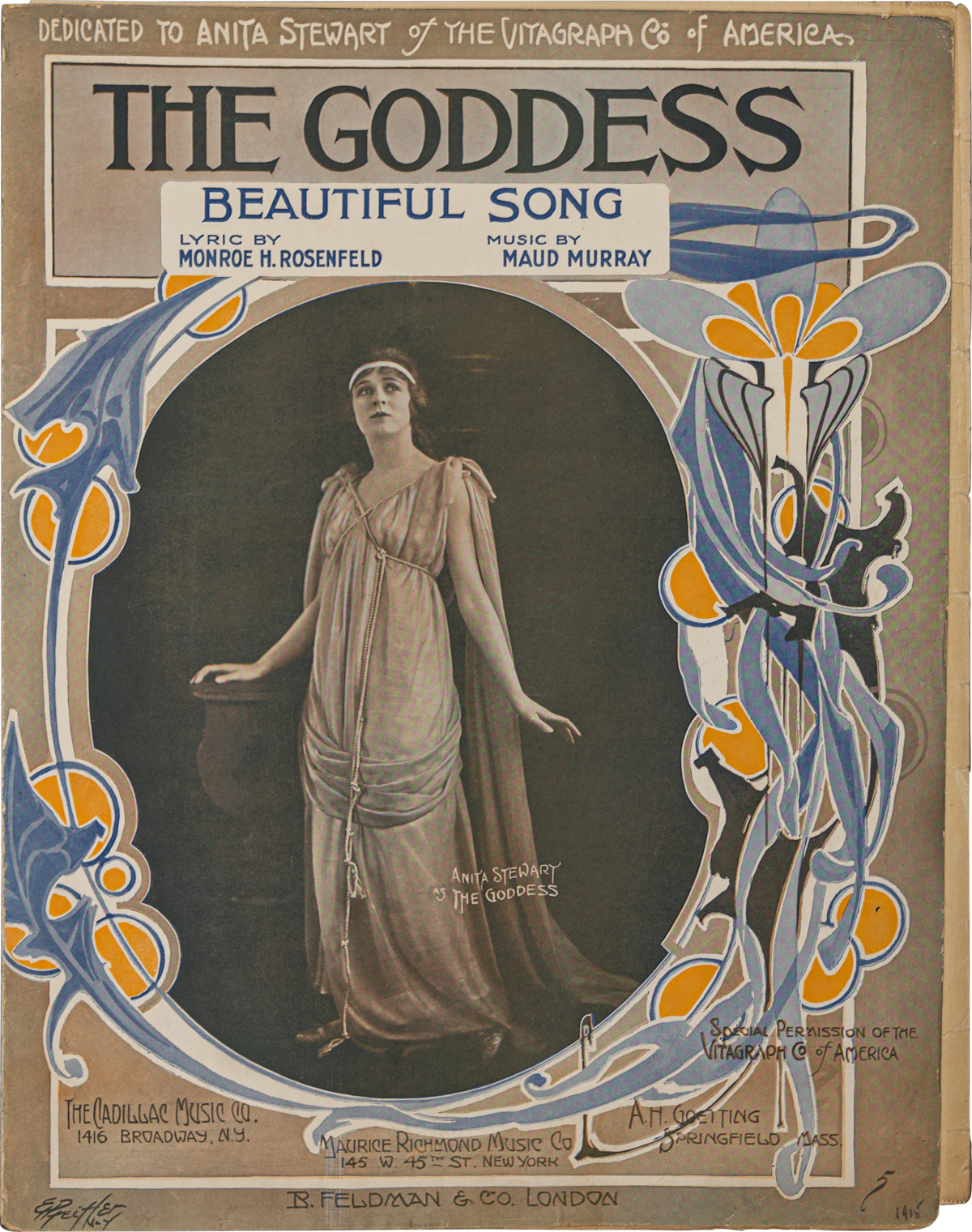
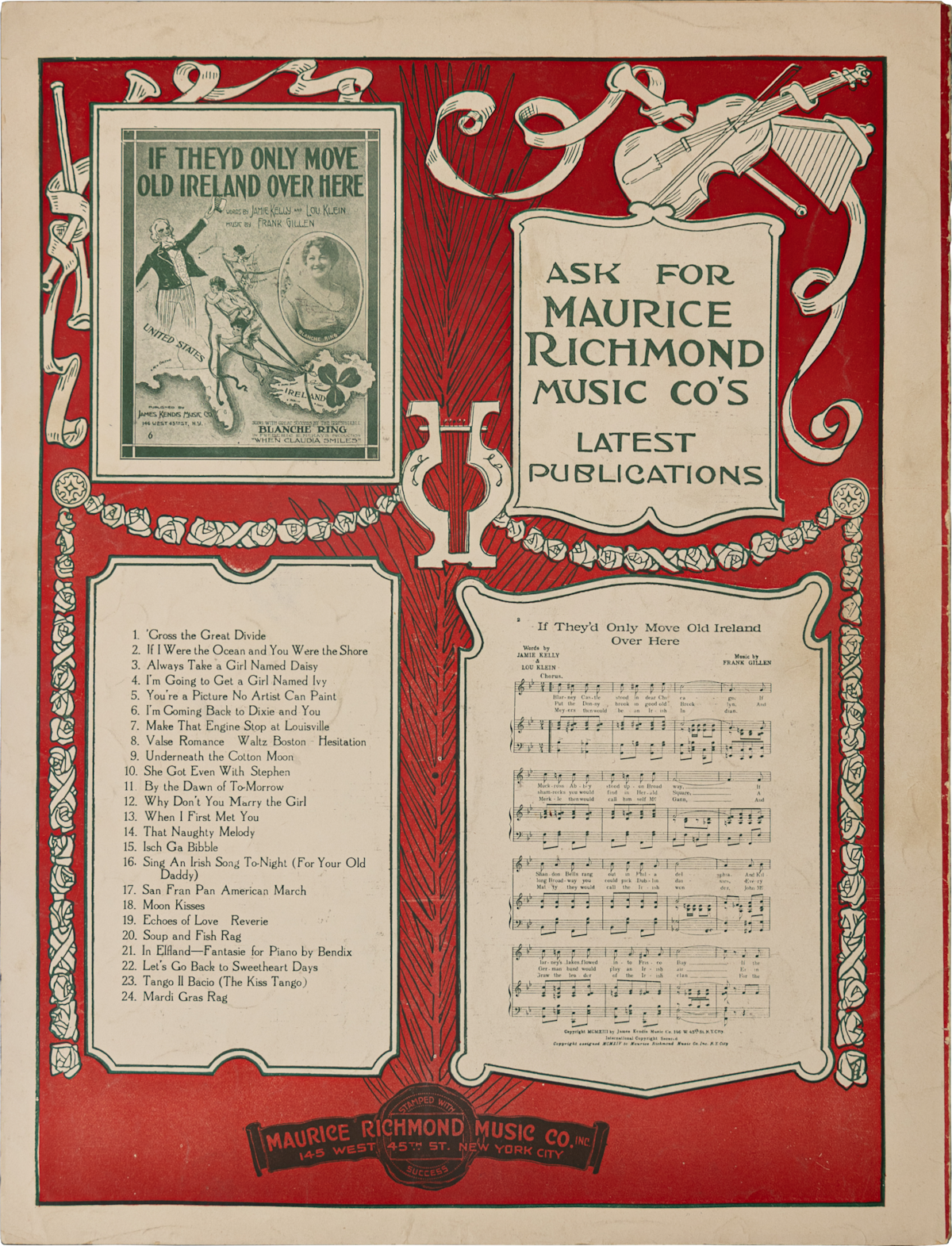
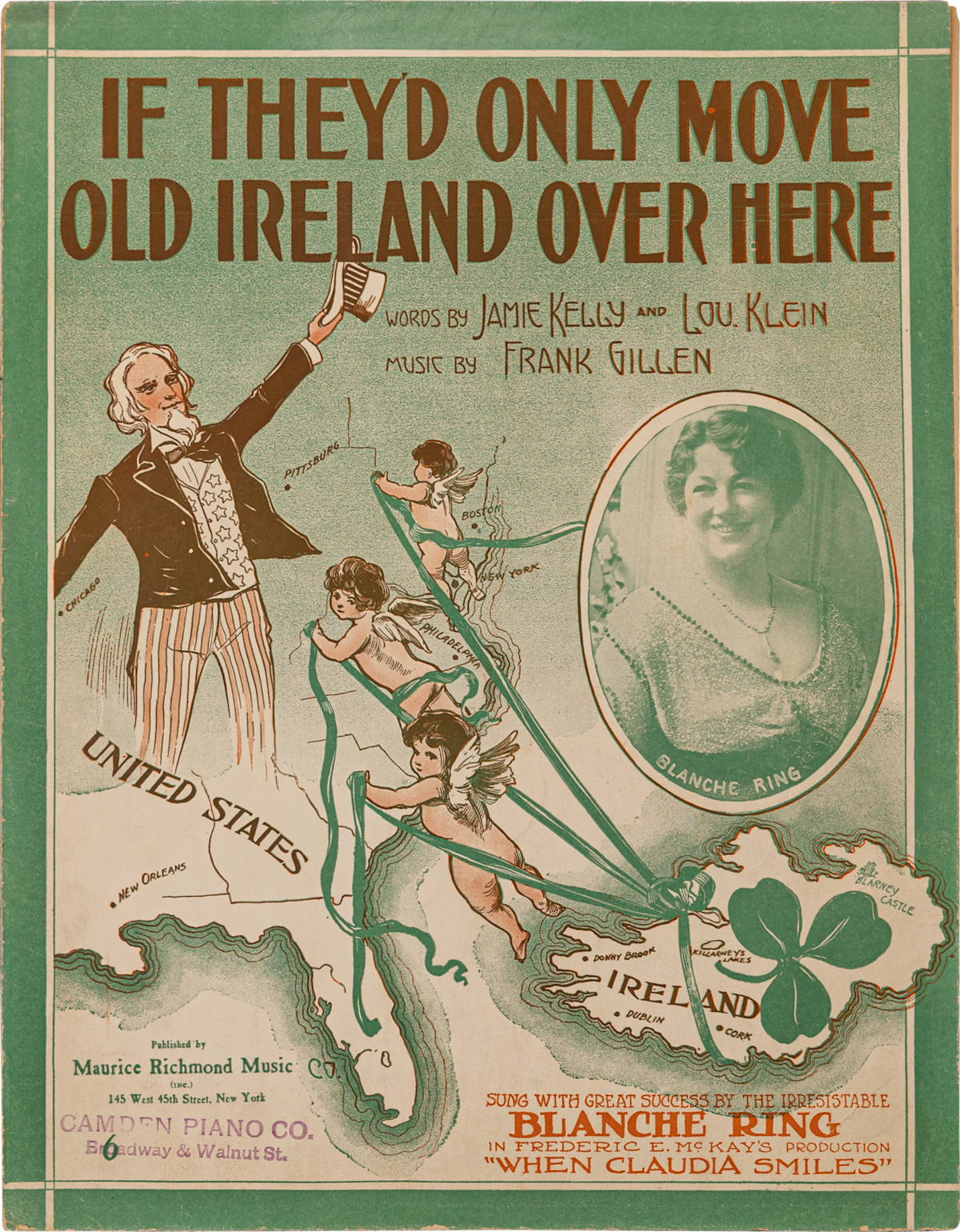
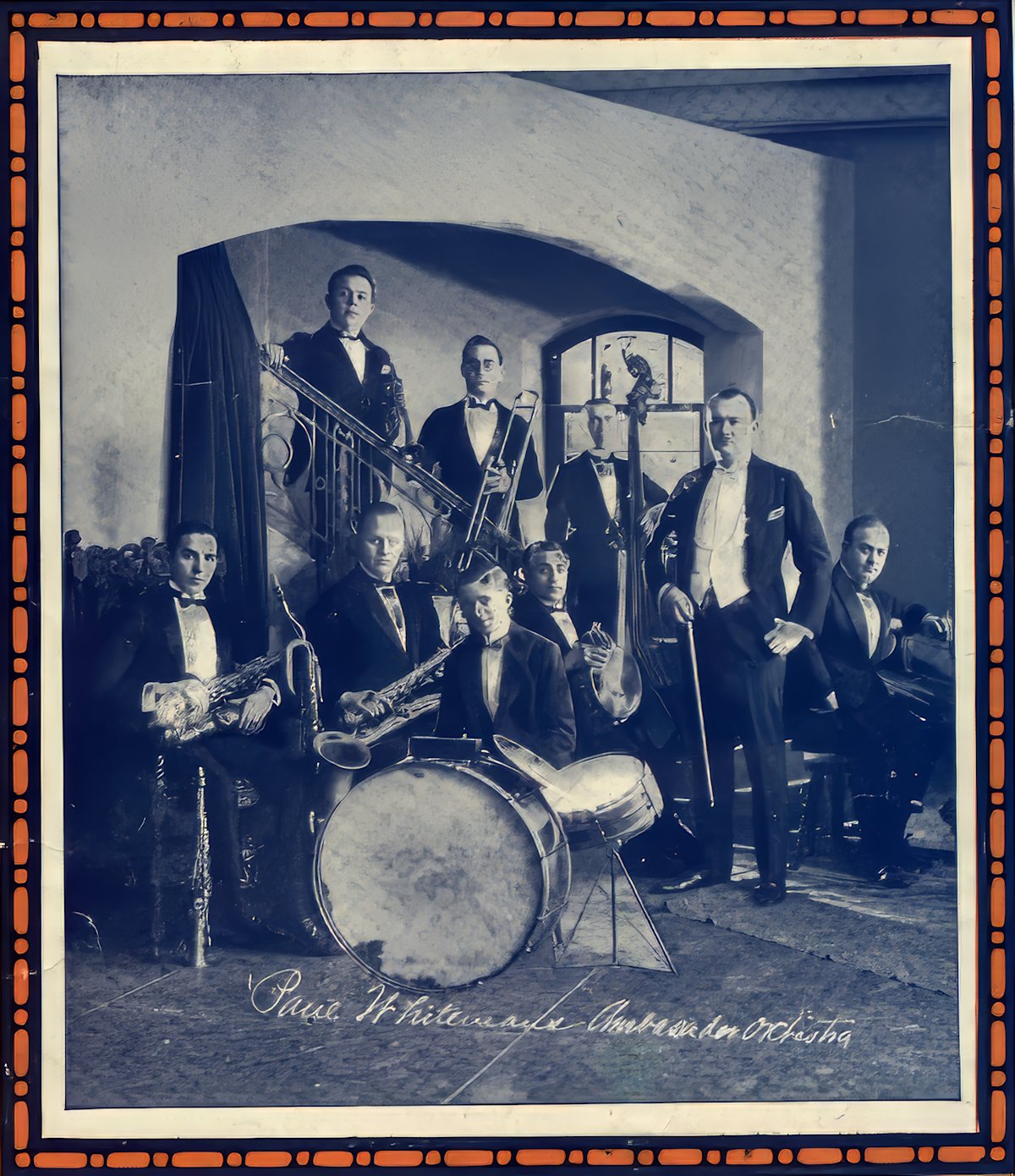
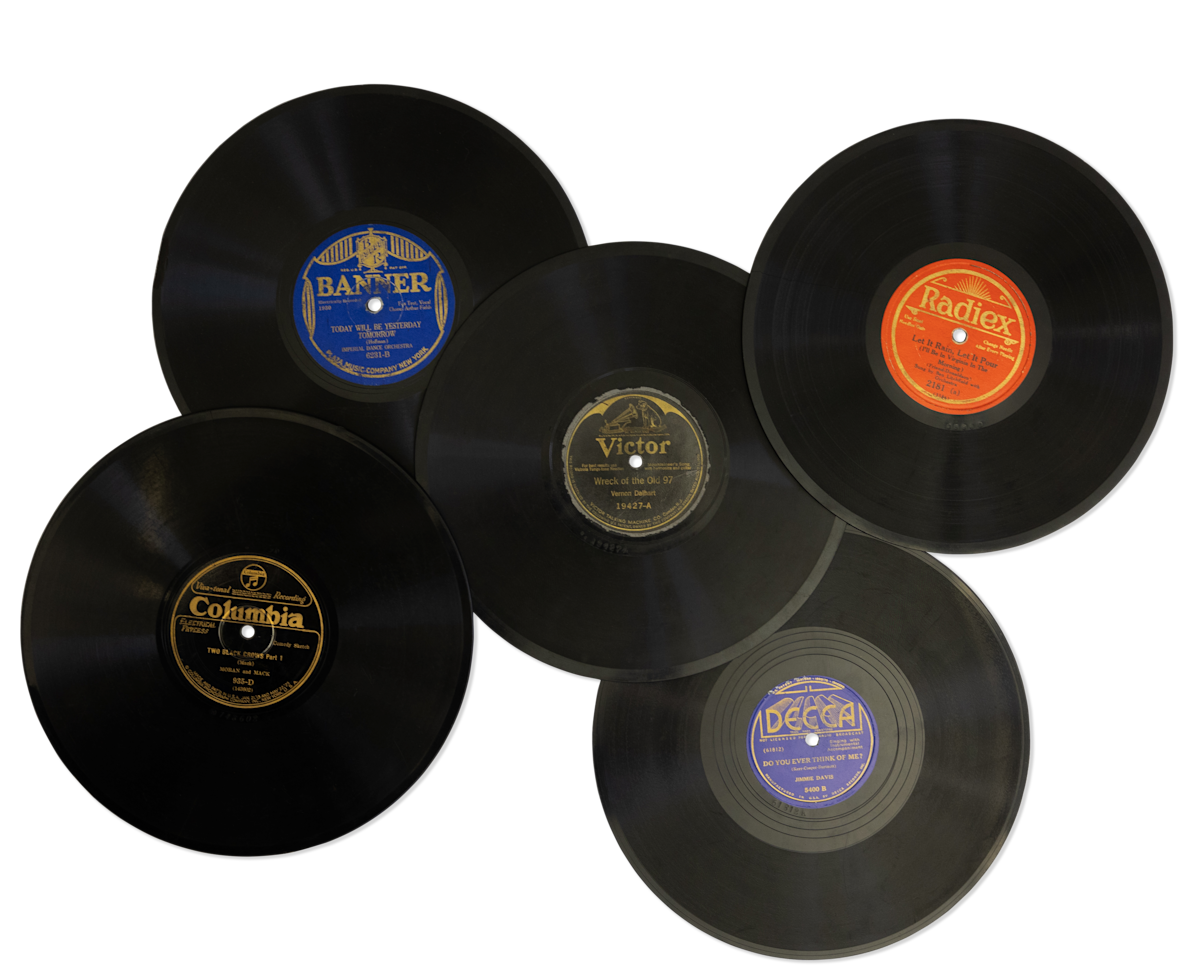
From 1910–20 the phonograph, invented in 1877 by Thomas Edison, became a truly mass medium for popular music, and recordings of large-scale orchestral works and other classical instrumental music proliferated. The rise of the popular record coincided in the United States with the new ragtime sound, popularized by Scott Joplin’s rags at the turn of the century and sensationalized by Irving Berlin’s “Alexander’s Ragtime Band.” It stimulated an unprecedented dance craze at a time when the phonograph was becoming increasingly available throughout America. As the fad spread to millions who had never danced before, phonographs were sold to people who had never owned records before. Between 1914 and 1919 phonograph sales increased more than fivefold.
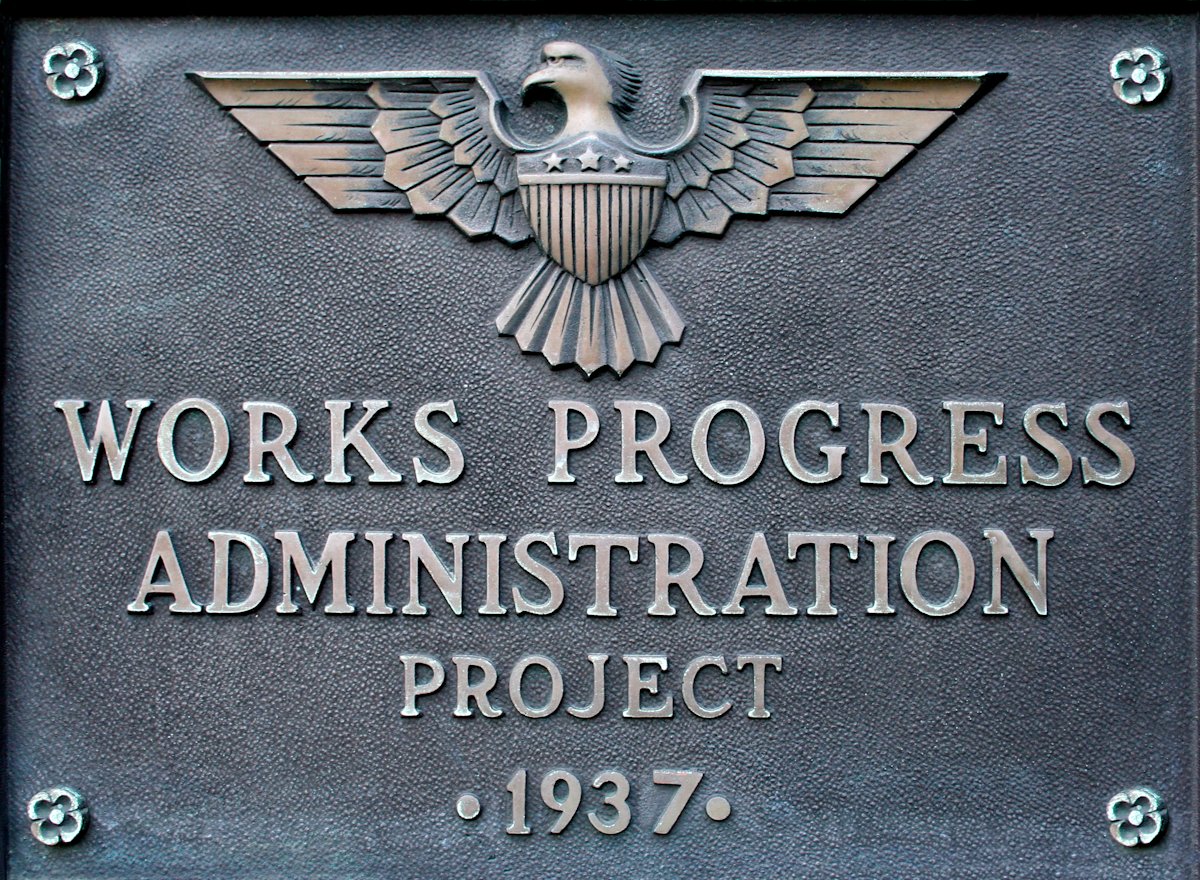
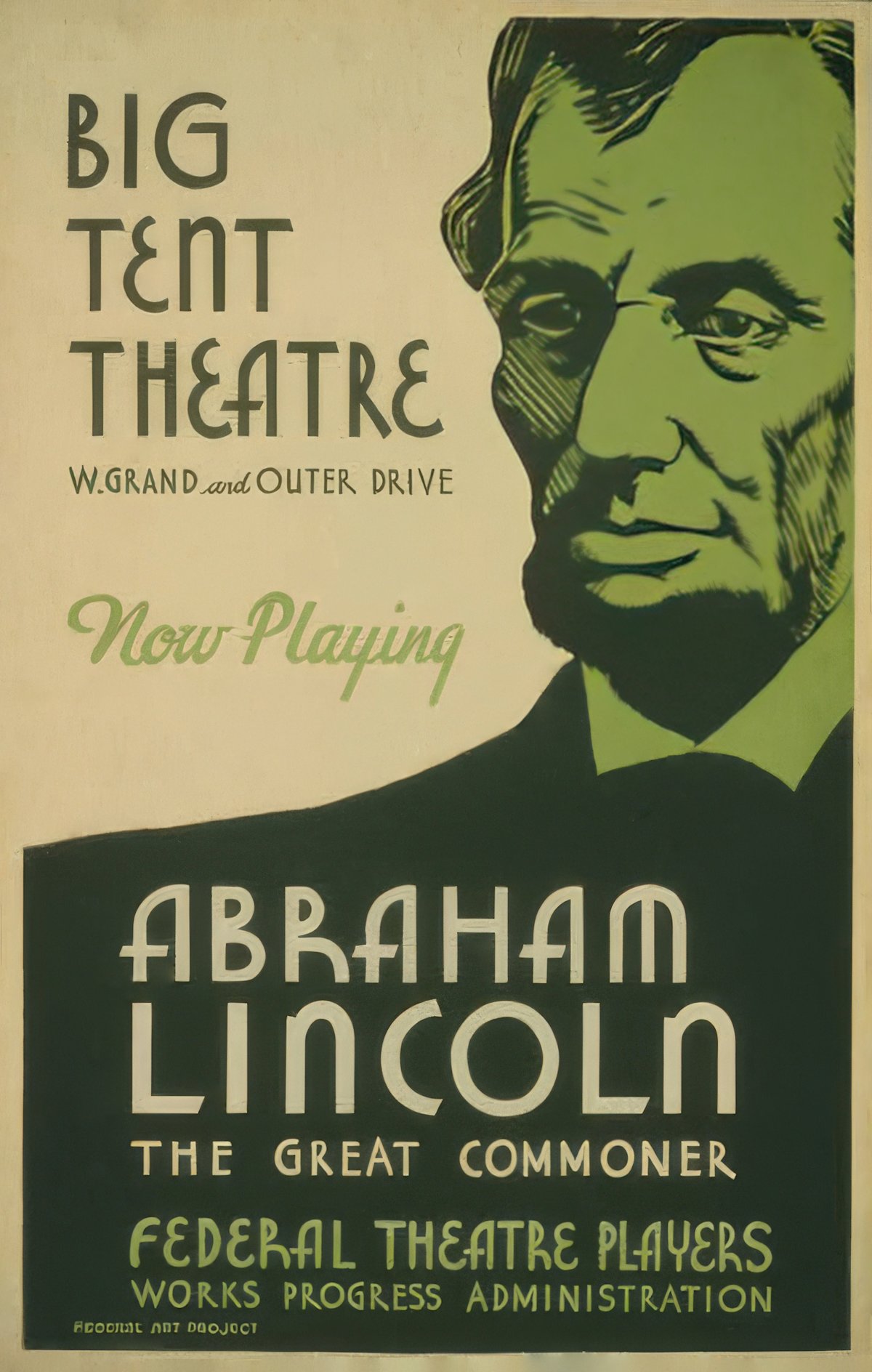
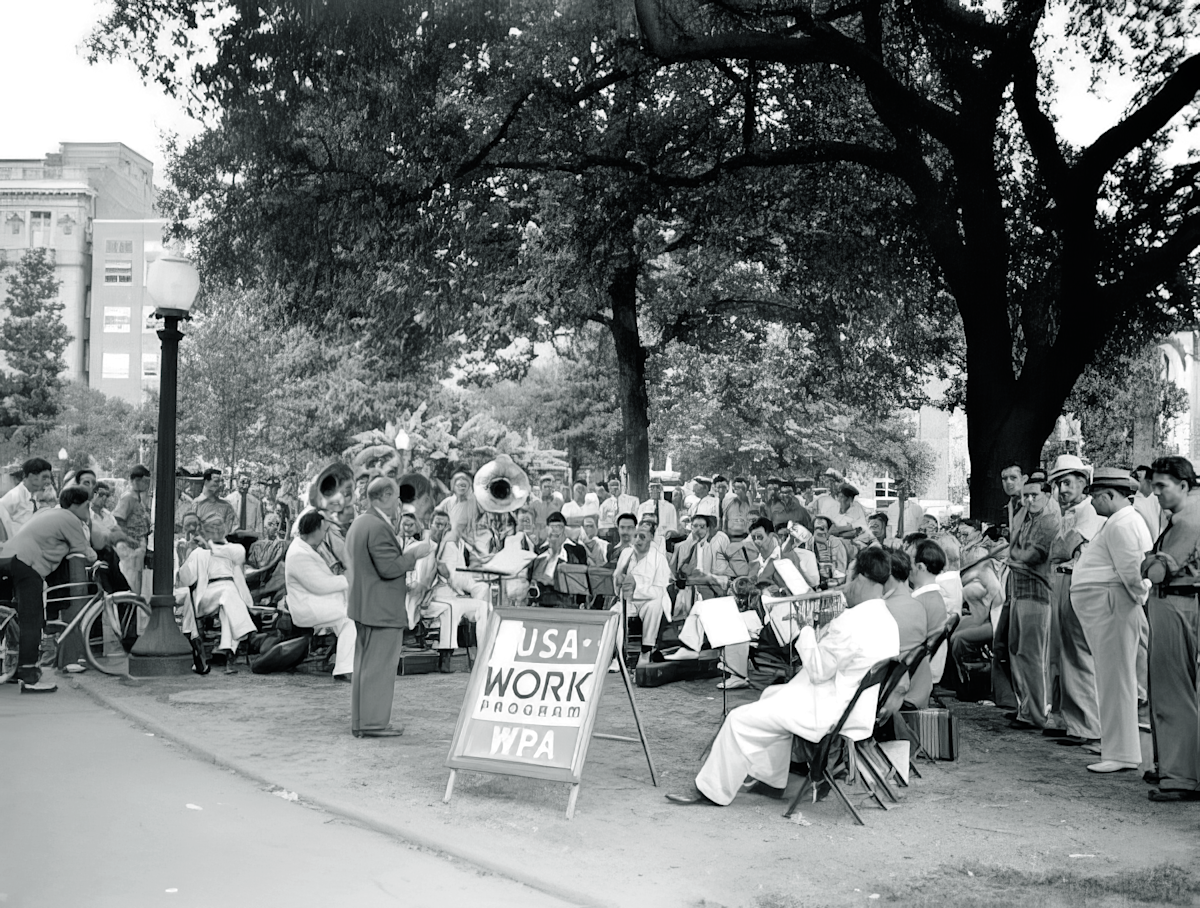
By the mid-1920s radio and motion picture “talkies” had developed providing cheaper music and entertainment. These new distribution opportunities, plus the worldwide economic depression of the 1930s, threw the phonograph industry into serious decline. In the dwindling market, the music business was relying mainly on radio, jukeboxes, and performances to survive. In 1935, President Franklin Delano Roosevelt had launched the Works Progress Administration, which gave life to numerous post-depression literary, musical, theatrical, and artistic projects. The WPA put people back to work, gradually alleviating the bitterness of the Great Depression. It provided grants for stage productions, struggling performers and musicologists discovering new talent. Music of all styles could be heard on the radio and in movies but the excitement of live performances by big bands was what captivated Howie.
When the phonograph record came, I was 12 or 13, and I remember when my father asked me one day, how did I see myself when I was grown up. He said to me, 'It’s important that you make a living doing what you like so how would you see yourself doing your work every day?' I said, 'I’d like to make those records! I’d like to play with those records!' And my Pop said, 'Well, that’s a good thought but how are you going to put that together?'
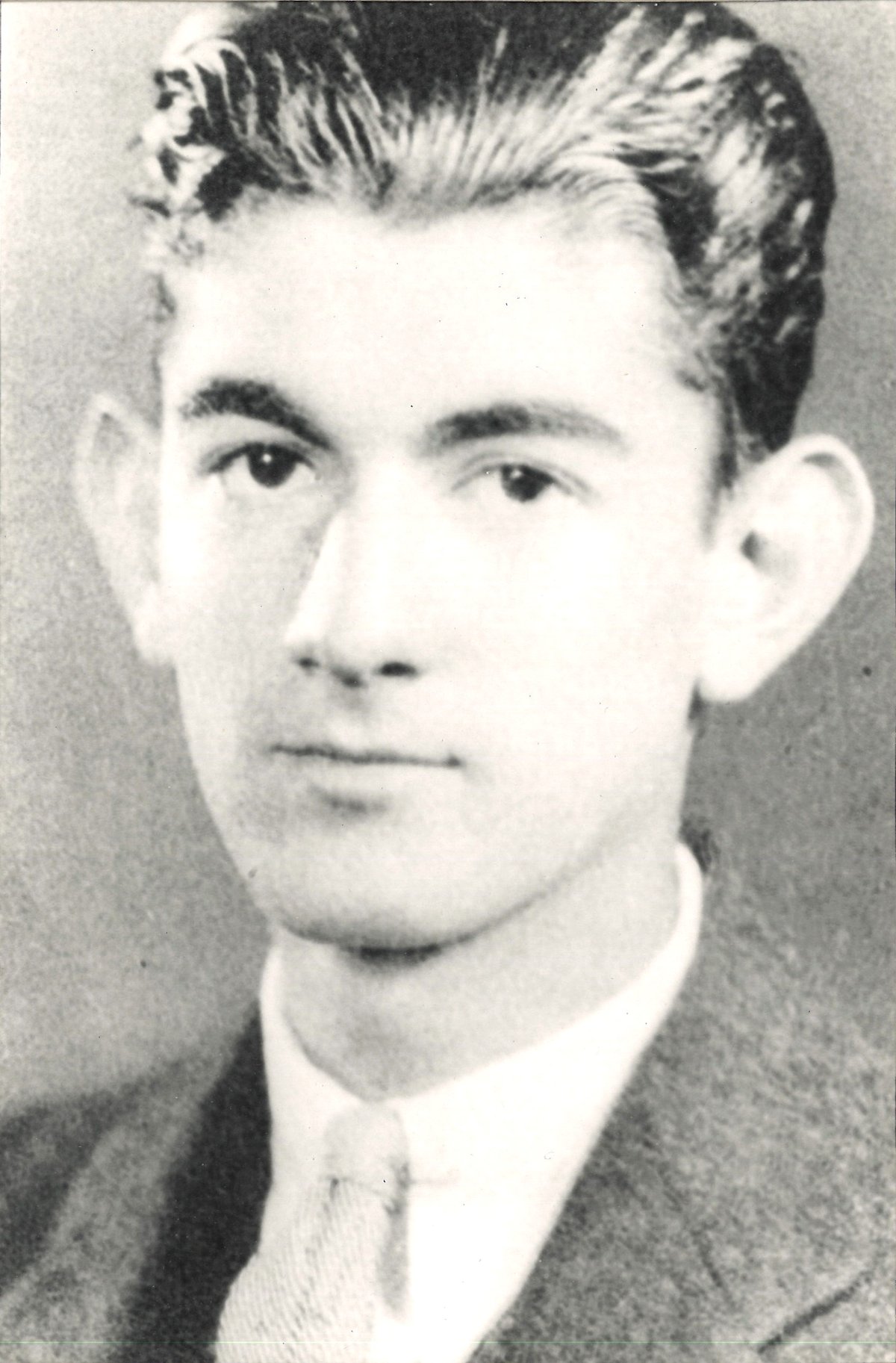
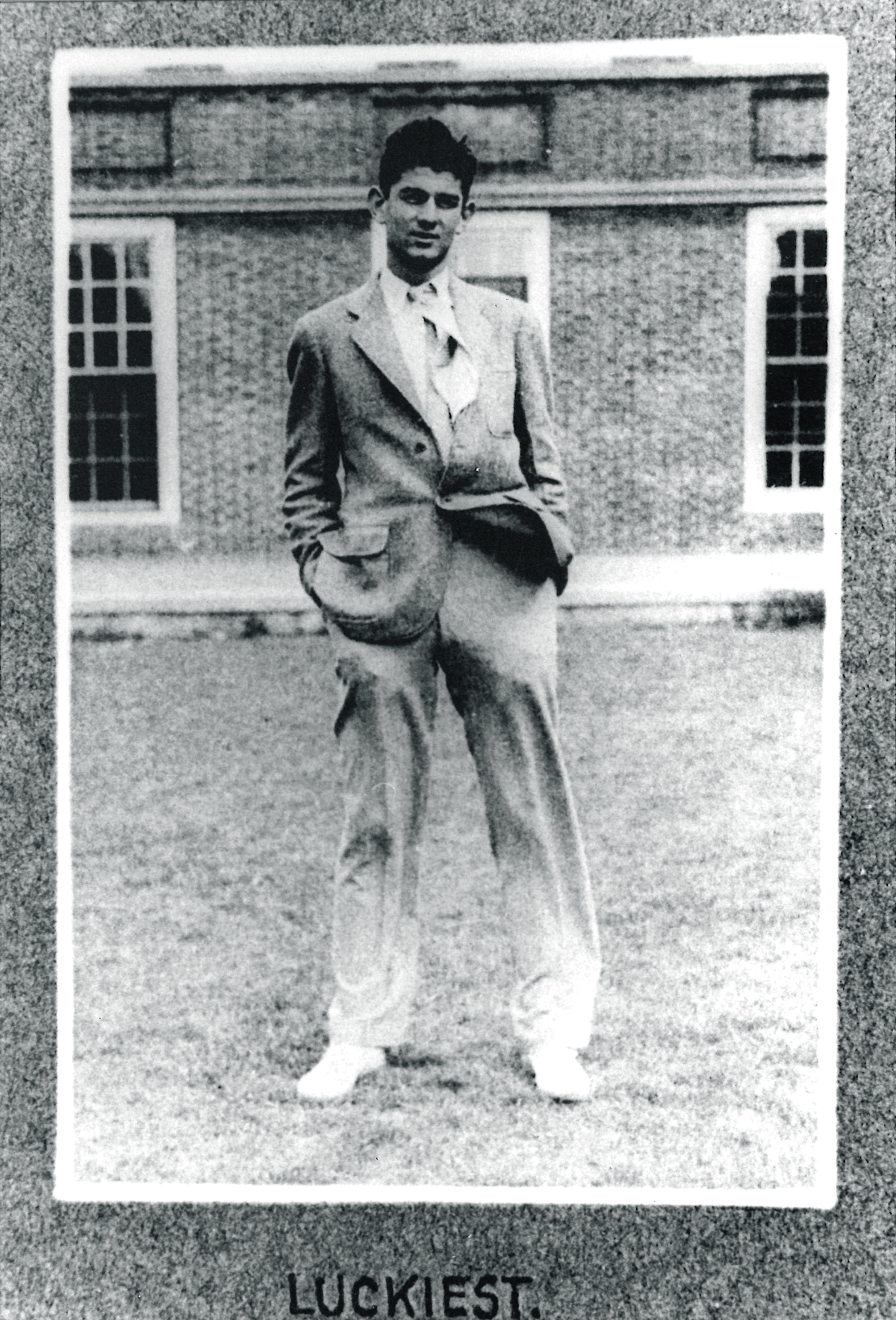
The idea was that I had to get a job before I left school. I could take a break from Penn and take six months off. It was still during the depression, so I wanted to try for a year if I could get a job. I went to New York and met Jack Bregman, who had worked at one time as a bookkeeper for my father, and now he was working for the publisher Feist. In walks Johnny... Johnny Mercer! I knew every song he had recorded with Bing Crosby, Mildred Bailey, everyone. I knew every word of every Johnny Mercer lyric he ever wrote! He had just gotten in from Hollywood, where he was writing for pictures, and came to meet with Jack Bregman. Bregman got a phone call, and Johnny said, 'I’ll see you later, Jack,' and turned to me and said, 'Let’s take a walk.'
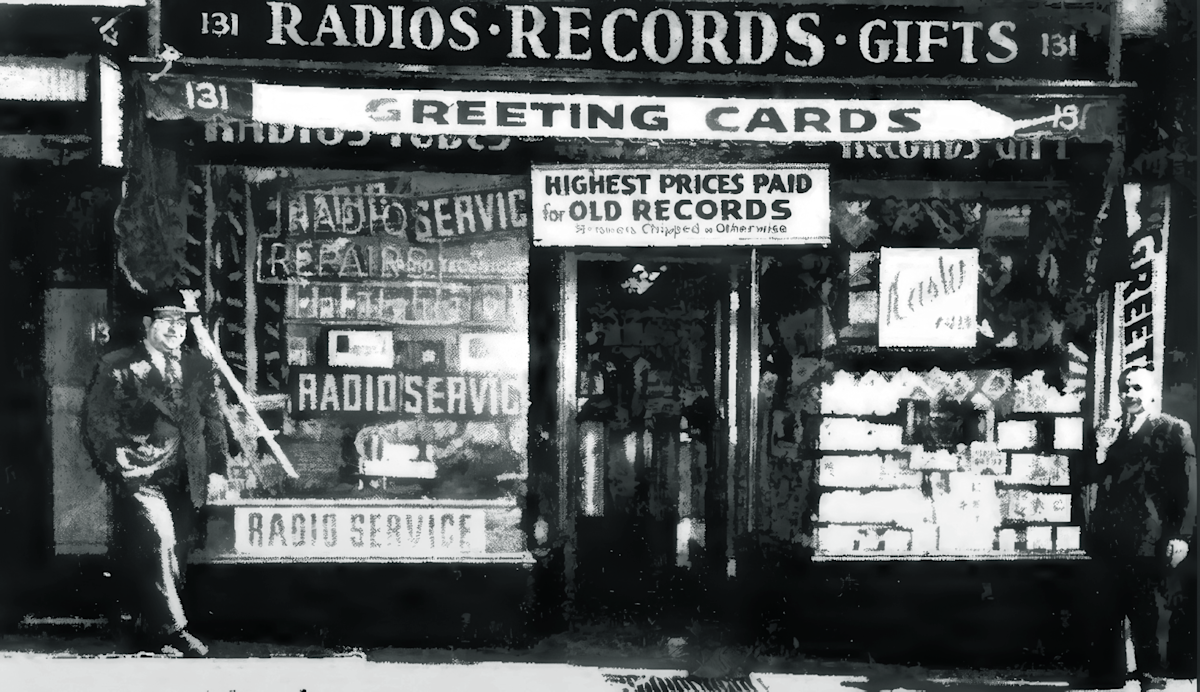
As we went down in the elevator, he said, 'How about listening to some records with me?' I said, 'Sure!' So, we walked down the street by the Brill Building down to 47th and Broadway to a record shop called O. Saporta where they played records on the street through a speaker, and he wanted to know what I liked. He said, 'Let’s listen to the records,' but he was interviewing me. I didn’t know it! Here I am with the greatest songwriter of the day in 1936. We made this pleasant friendship, and from then on, wherever I’d see him, he’d invite me over—52nd street sitting with Louis Armstrong and his new song, and here I am sitting with Johnny Mercer and Louis Armstrong! I lived on the perimeter of songwriters and singers while I was an errand boy at the publicity office on Broadway.
Leaving the University of Pennsylvania, Howie, then a 20-year-old fan of music and the people who were making it, began his career as an intern for George Lottman, dean of Broadway press agents. It was while working in Mr. Lottman’s office that Howie met Al Brackman.
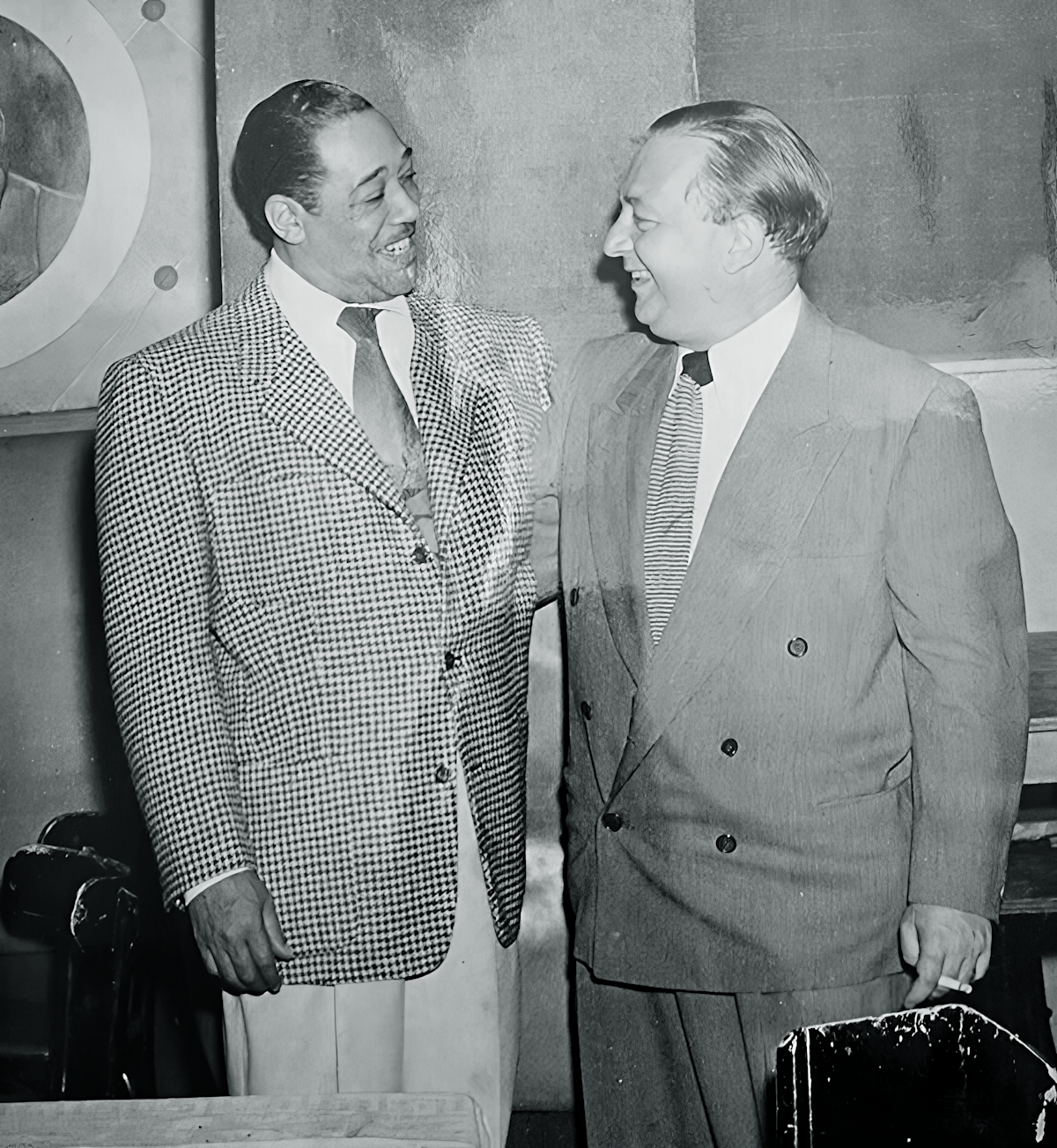
Al Brackman entered the entertainment business in 1932, when he began working at Irving Mills’ Artist Bureau, which represented Duke Ellington, Cab Calloway, Milton Berle, and others. Irving Mills also booked the talent for The Cotton Club, and Al functioned in the promotion-advertising department. In 1933, he assisted in the formation of the American Academy of Music and became the manager of the music publishing company headed by Irving Mills. In his association with Irving Mills, Al became a co-producer of over 400 jazz recordings through an agreement between Mills Artist Bureau and the American Record Company. The recordings included performances by Duke Ellington, Johnny Hodges, Rex Stewart, Benny Carter, and many more greats. Al was also the New York correspondent for the newly created Down Beat magazine and was the US correspondent for the weekly jazz publication Melody Maker, issued weekly in London.
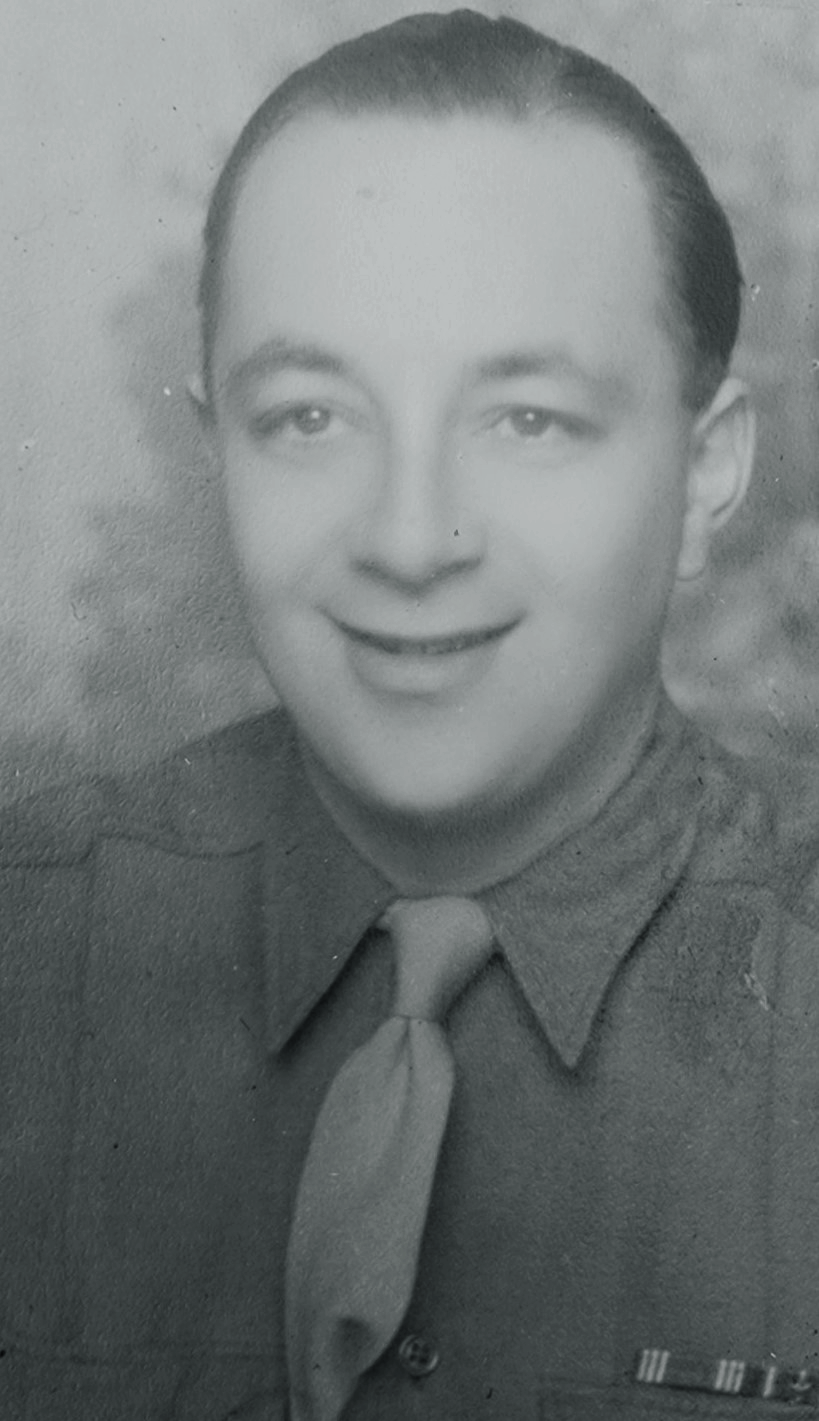
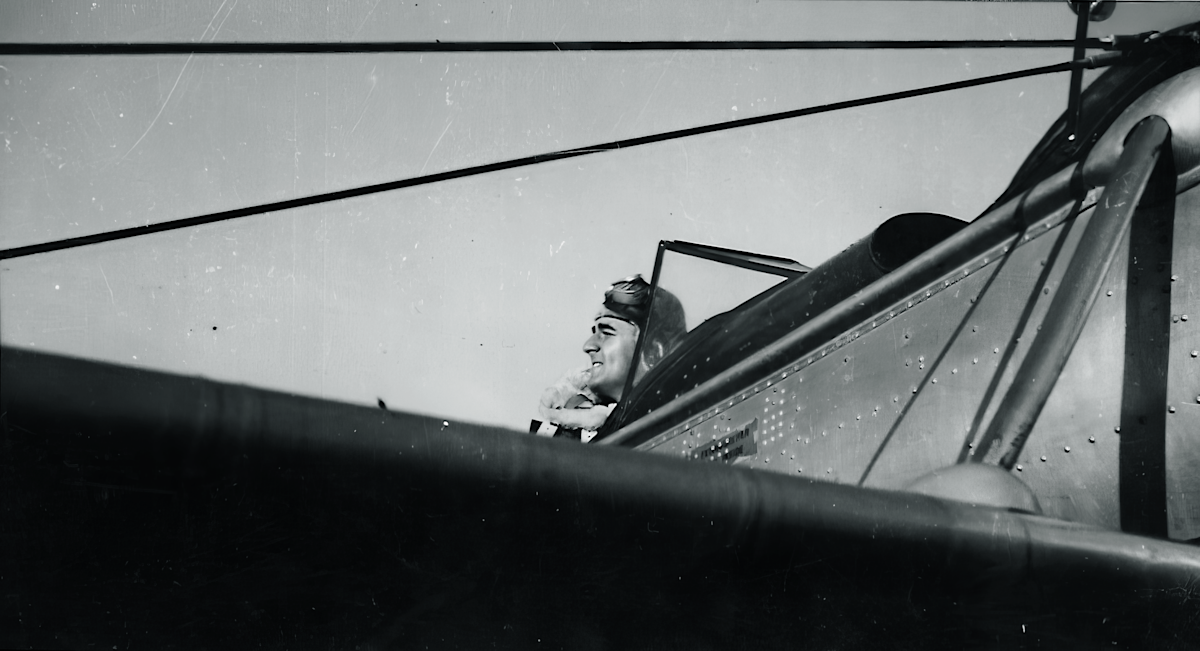
In 1935, Al left publishing and music promotions and applied his skills to publicizing performing artists at Lottman’s publicity organization. Howie and Al became fast friends and even roommates, and in 1938, both Al and Howie left Lottman’s offices, with Al joining the Big 3 Music Publishing Group (Robbins-Feist-Miller) and working closely with Abe Olman, one of the foremost executives in the music industry, while Howie set up his own press office, publicizing such legendary clients as Glenn Miller, Frank Sinatra, Dinah Shore, The Andrews Sisters, Woody Herman, Gene Krupa, and the bandleader Larry Clinton. Al and Howie’s career aspirations were put on hold with the outbreak of World War II, with Howie joining the Army Air Corps and Al joining the Army.
In post-war America, the music industry was changing rapidly with advancements in technology. British Decca had a far-reaching role to play after World War II when its FFRR—full frequency range recording—became internationally known. Two other developments in the late 1940s combined with the extended frequency range to produce a radical change in the development of recordings: magnetic recording and the first commercially successful long-playing (LP) record. The LP opened up an entirely new market—not only for newcomers but for older record collectors who could see the advantage of the new technology and were willing to repurchase their collections as LPs.
By 1946, both Howie and Al were back in New York, and Al returned to work for The Big Three while Howie worked for a time at The American Theater Wing. Howie then joined forces with another friend, Buddy Robbins, in operating Robbins Artist Bureau, a spin-off from the parent company Robbins, Feist and Miller, while continuing his publicity business.
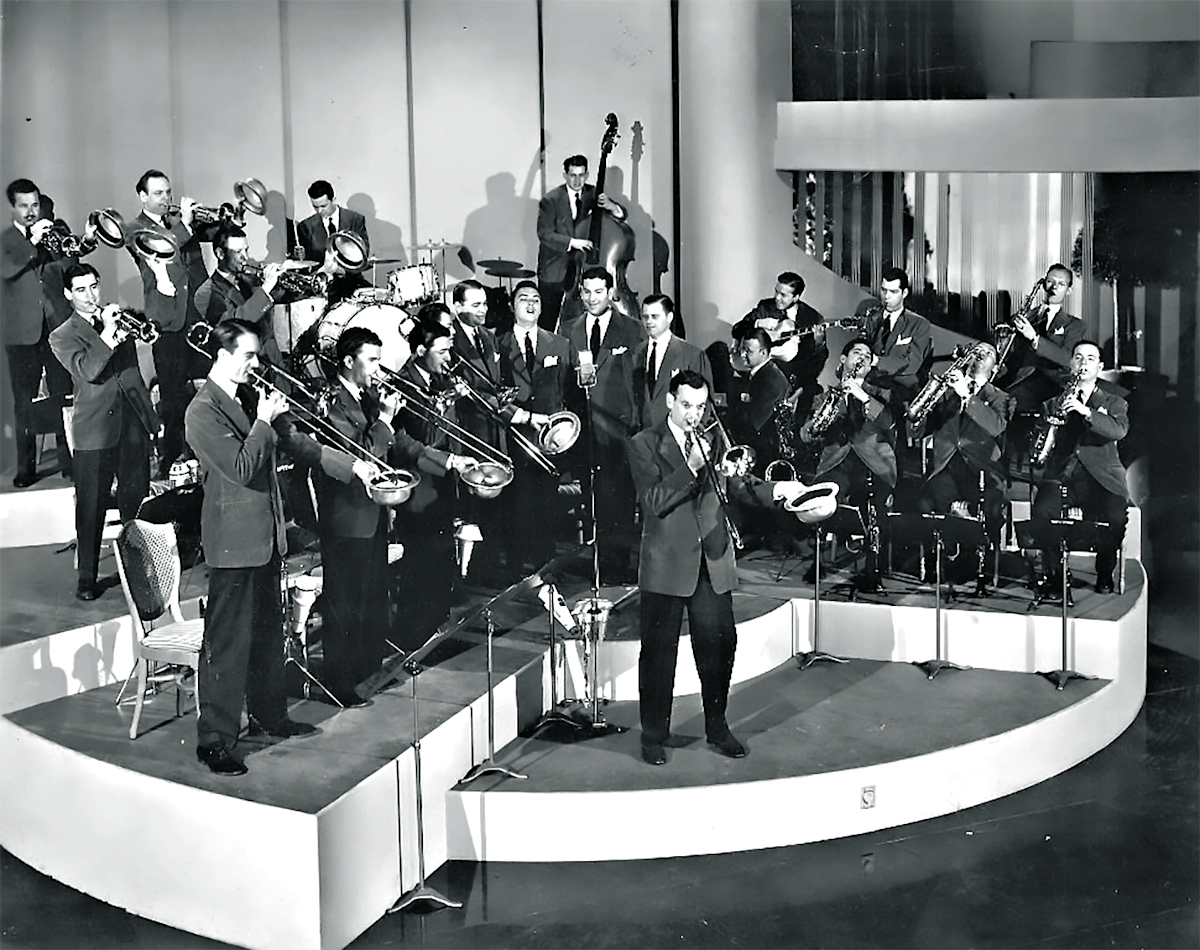
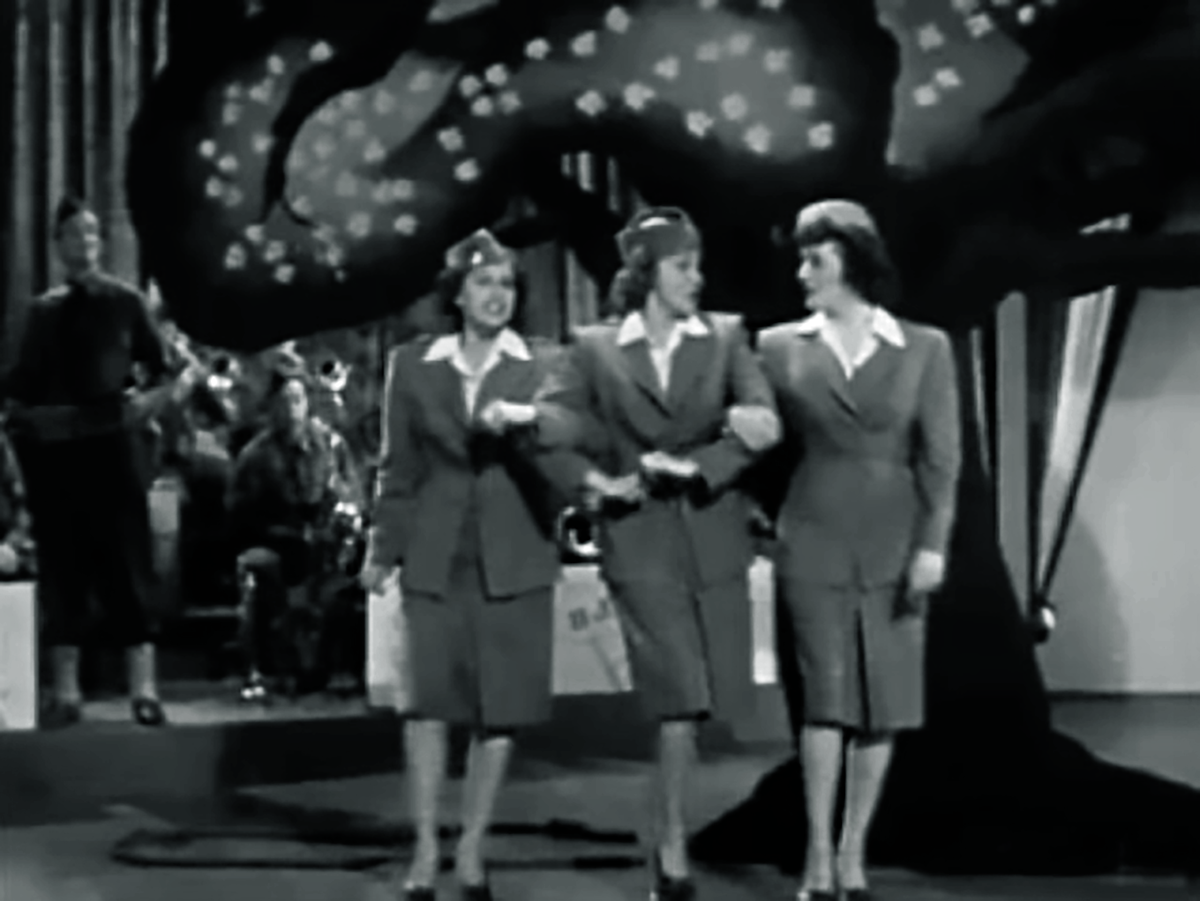
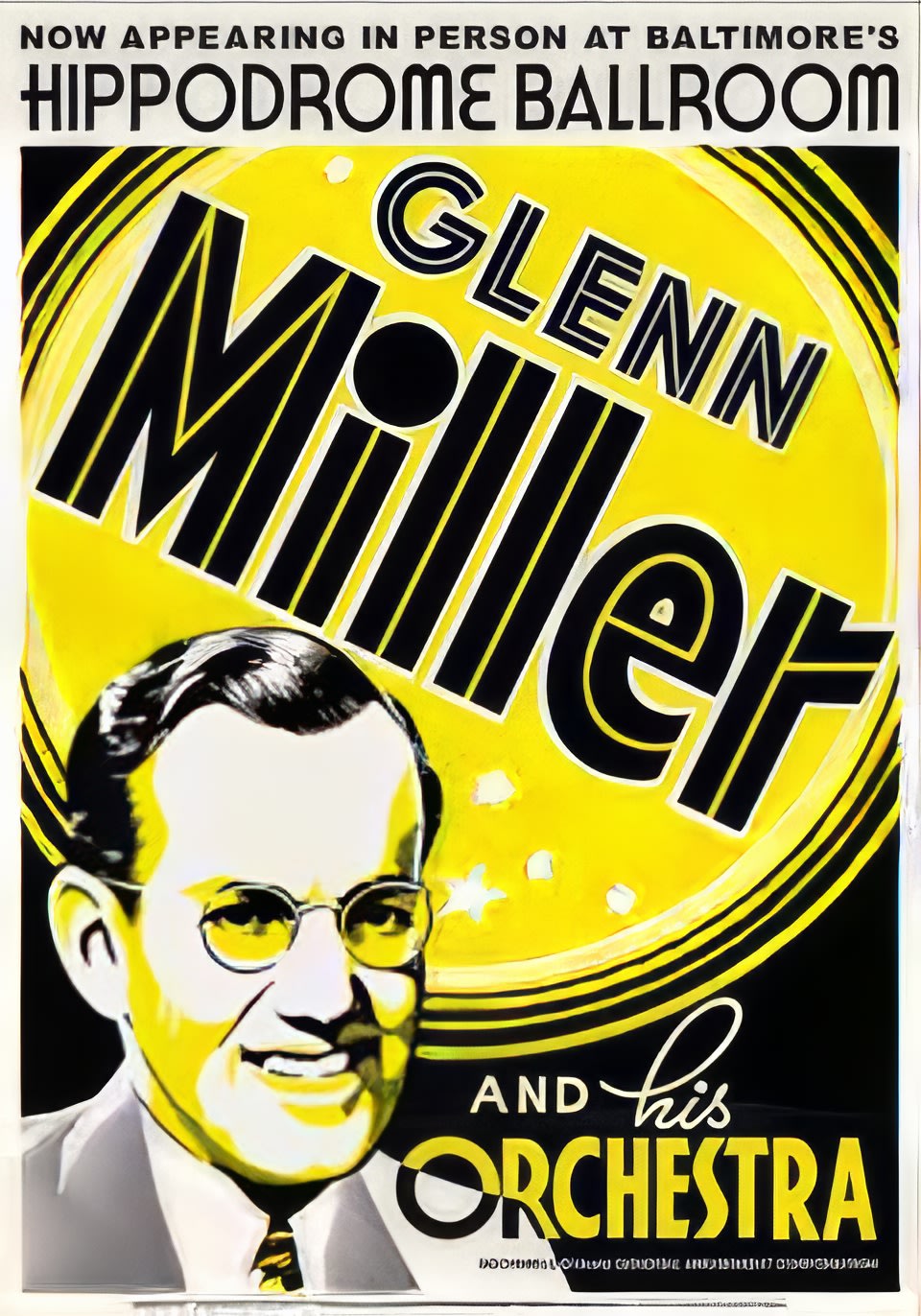
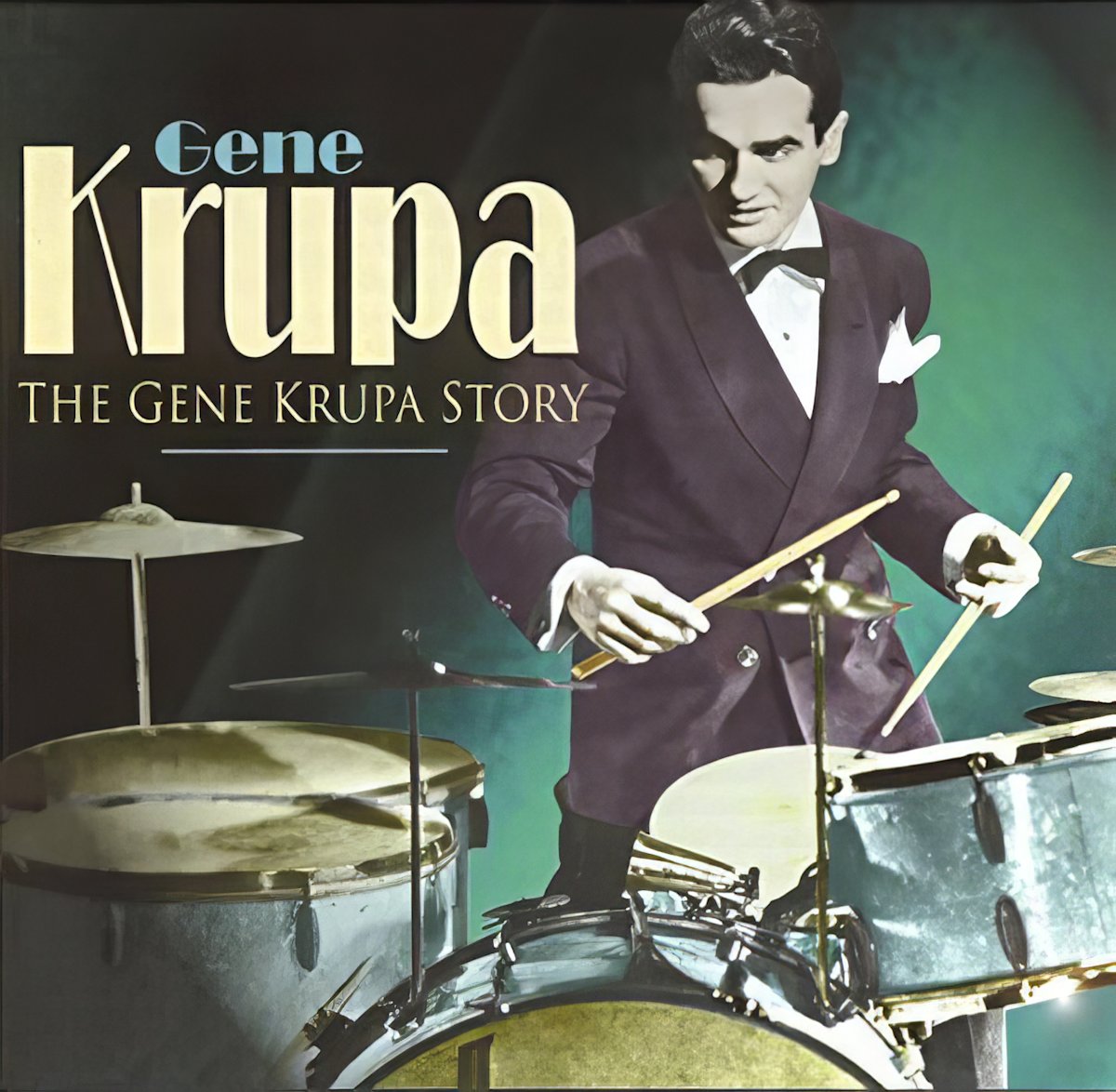
As a press agent, I couldn’t get my clients’ names into the columns, but I did get their records on the radio. Long before it was standard operating procedure, I was spending every second I could with the disk jockeys. After the big bands broke up, it was records, not bands, that you had to push. I felt that with so many records to push for my clients, it wouldn’t be hard to carry another around.

-
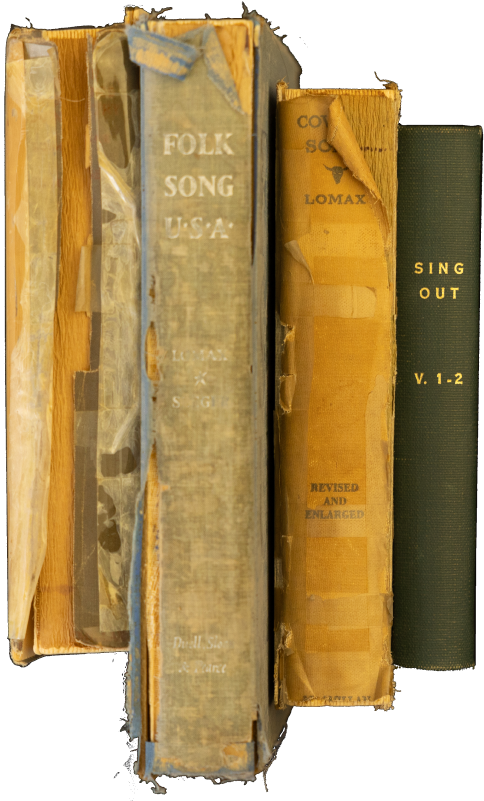
This is a picture of Folk Song Books.