1949- 1959
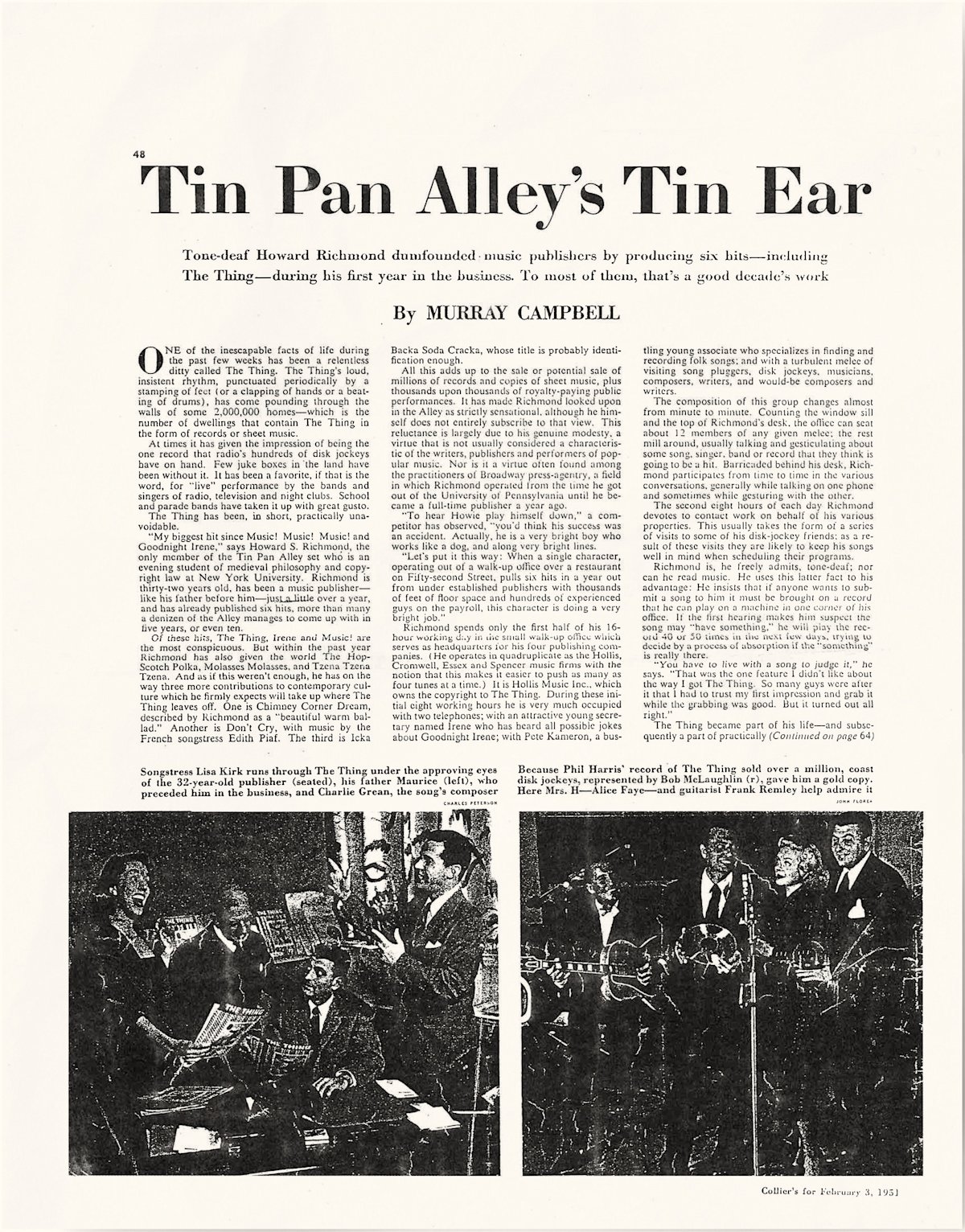
While carrying around one of those records, Howie persuaded one of his clients, renowned bandleader Guy Lombardo, to record a novelty song he had heard that no other publisher seemed to want.
We started with one song called "Hop-Scotch Polka," which I found from two disc jockeys, Gene Rayburn and Dean Finch. They were playing the equivalent of a London record Billy Whitlock had done on this old cylinder disc, and Decca had put it out on their English label. Rayburn said, "Can you do something with it?" At the time, I was doing some publicity for the Big Three, and I thought this is a cute little song for somebody. Mr. Olman over there said, "Not for us because we’re working on something else with Harry Warren." I went to my friend Carl Sigman and said, "What do you think of this one?" and Carl said, "Hop-Scotch Polka."
I had the pleasure of doing publicity for Guy Lombardo, even though no one needed to do publicity for Guy Lombardo, and I took it to him. He loved it and said, "We want to record it." We put that out on Decca, and everyone said, "Take the money and run. You’ll never get another one like that again!" So, I guess that’s how it started.
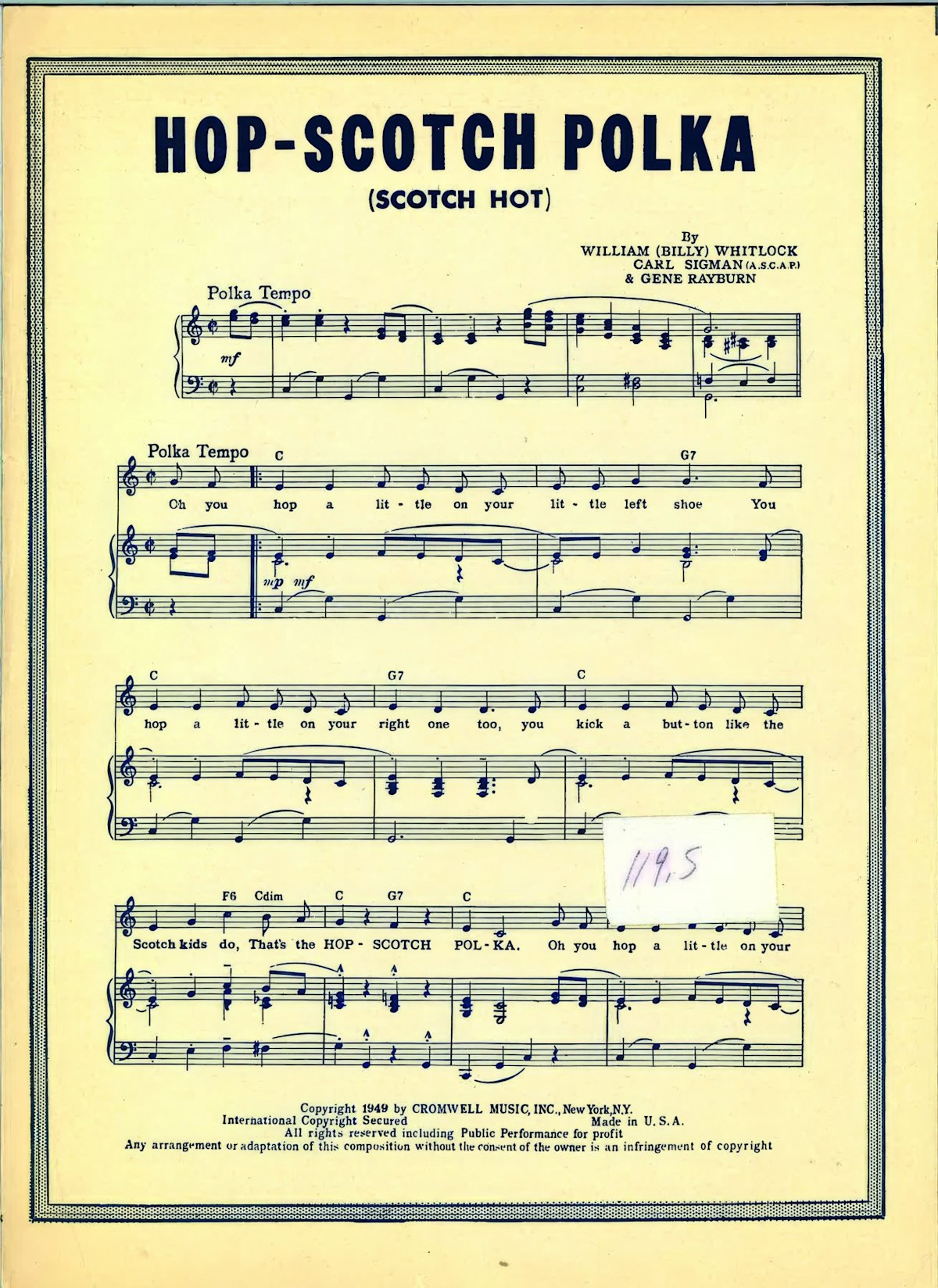
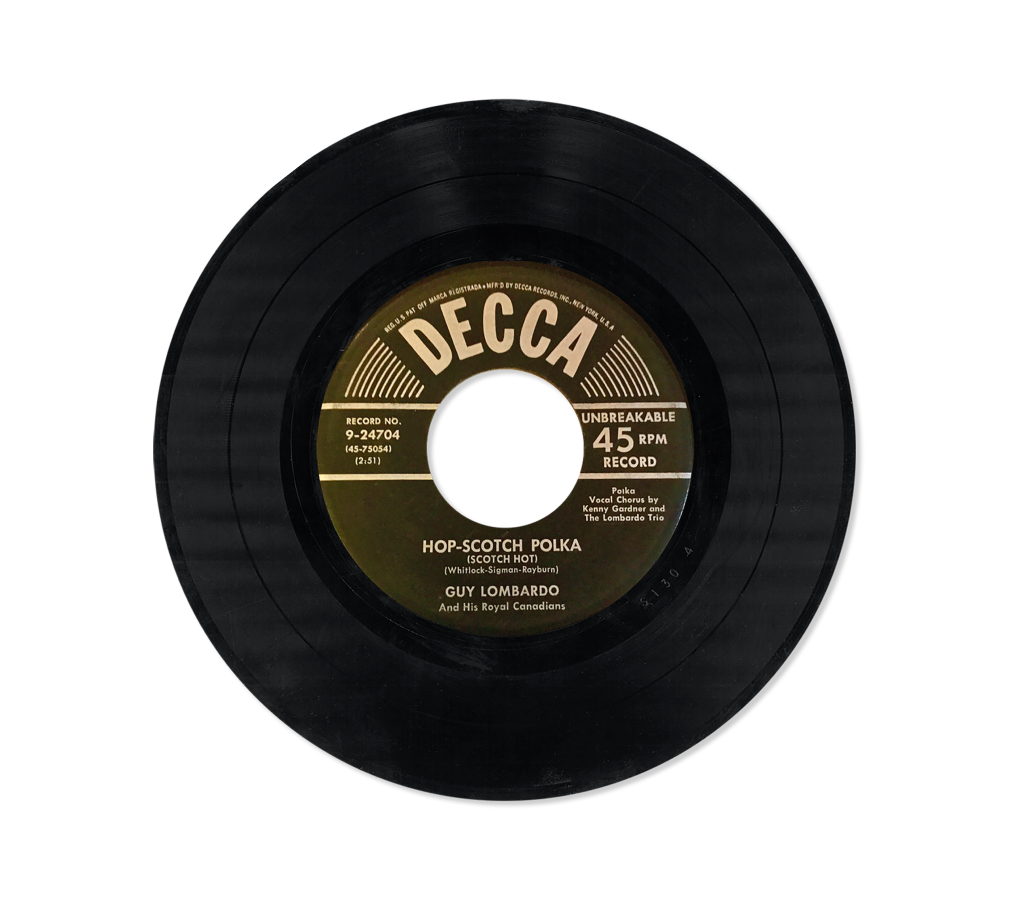
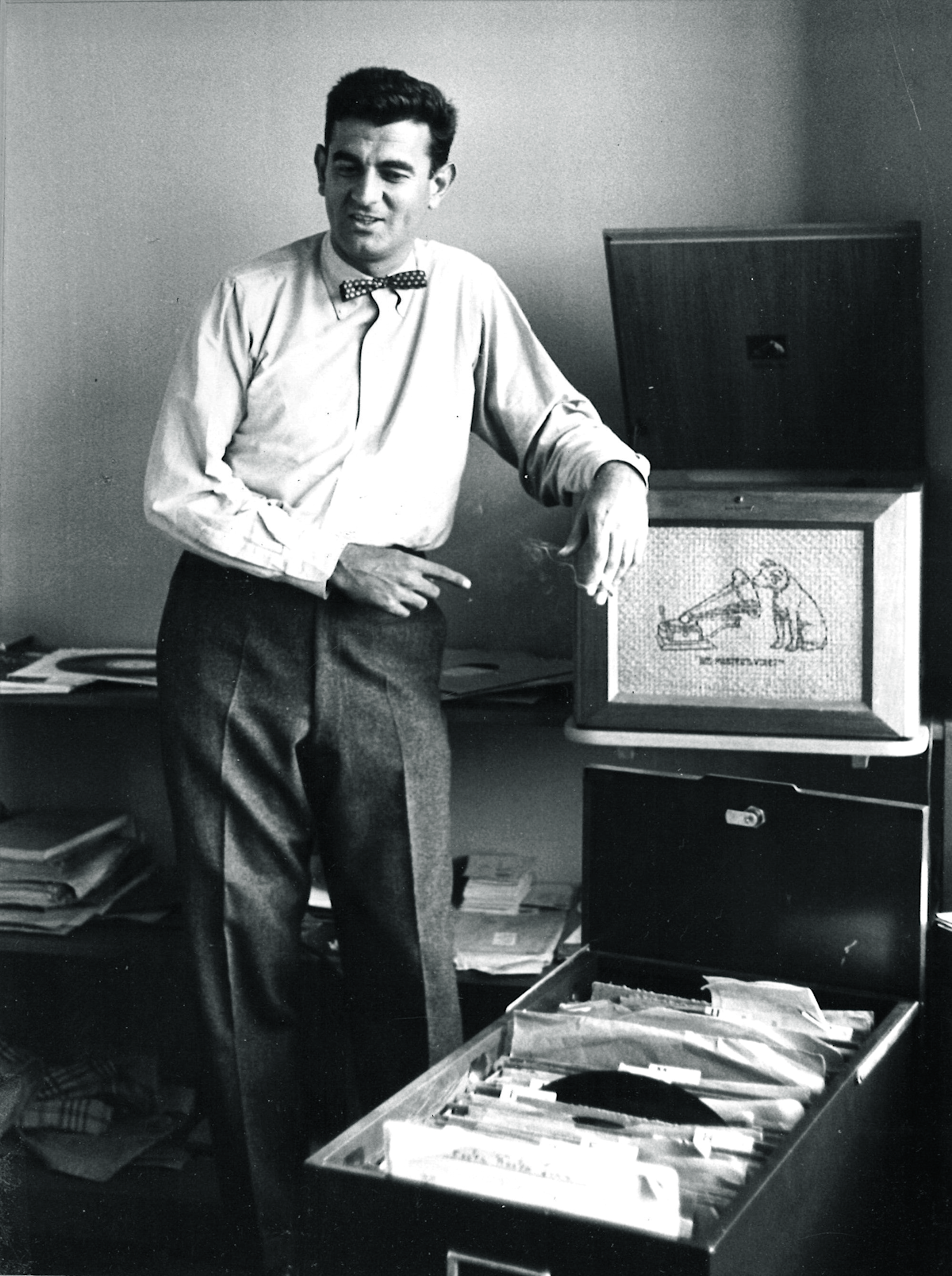
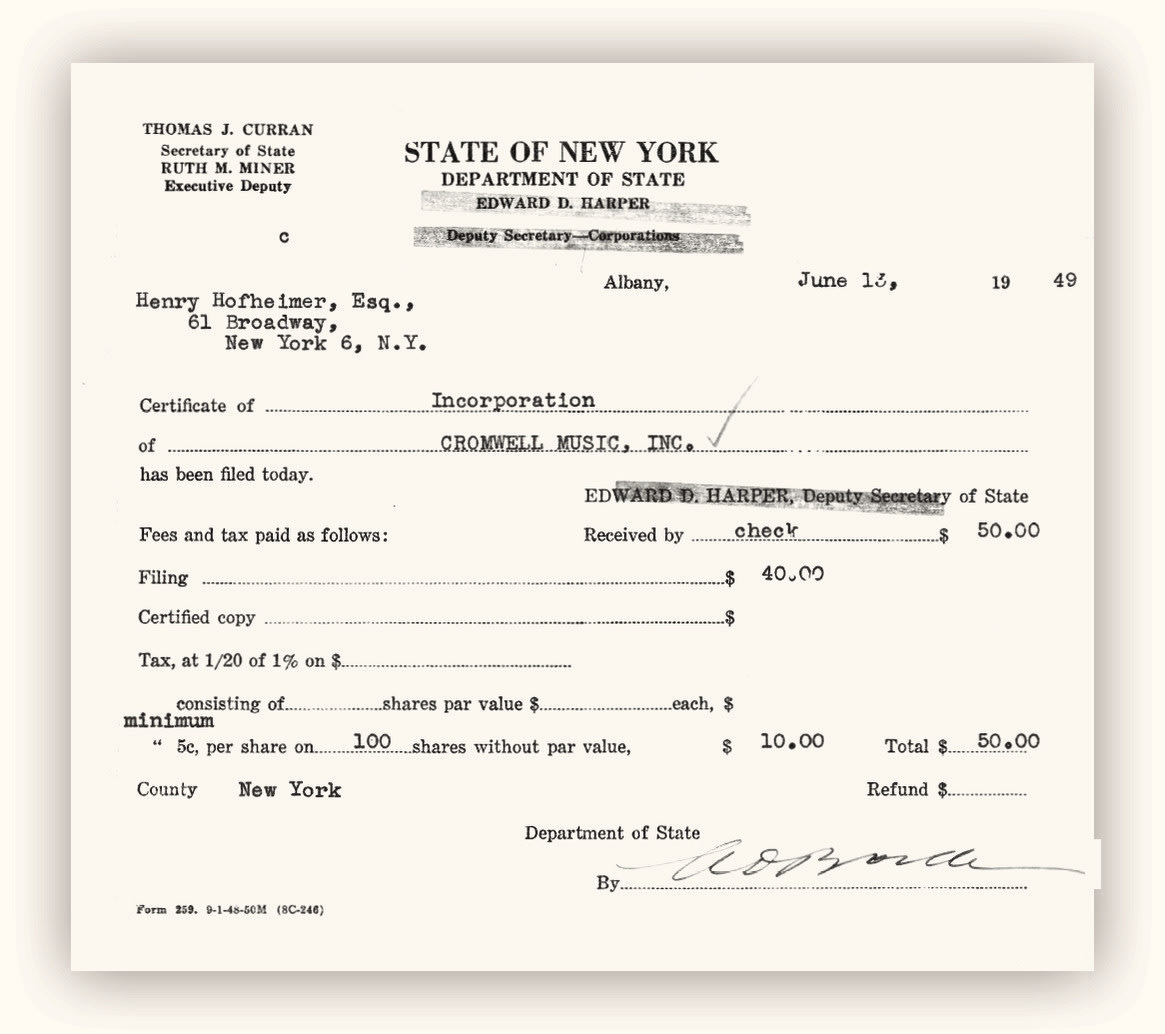
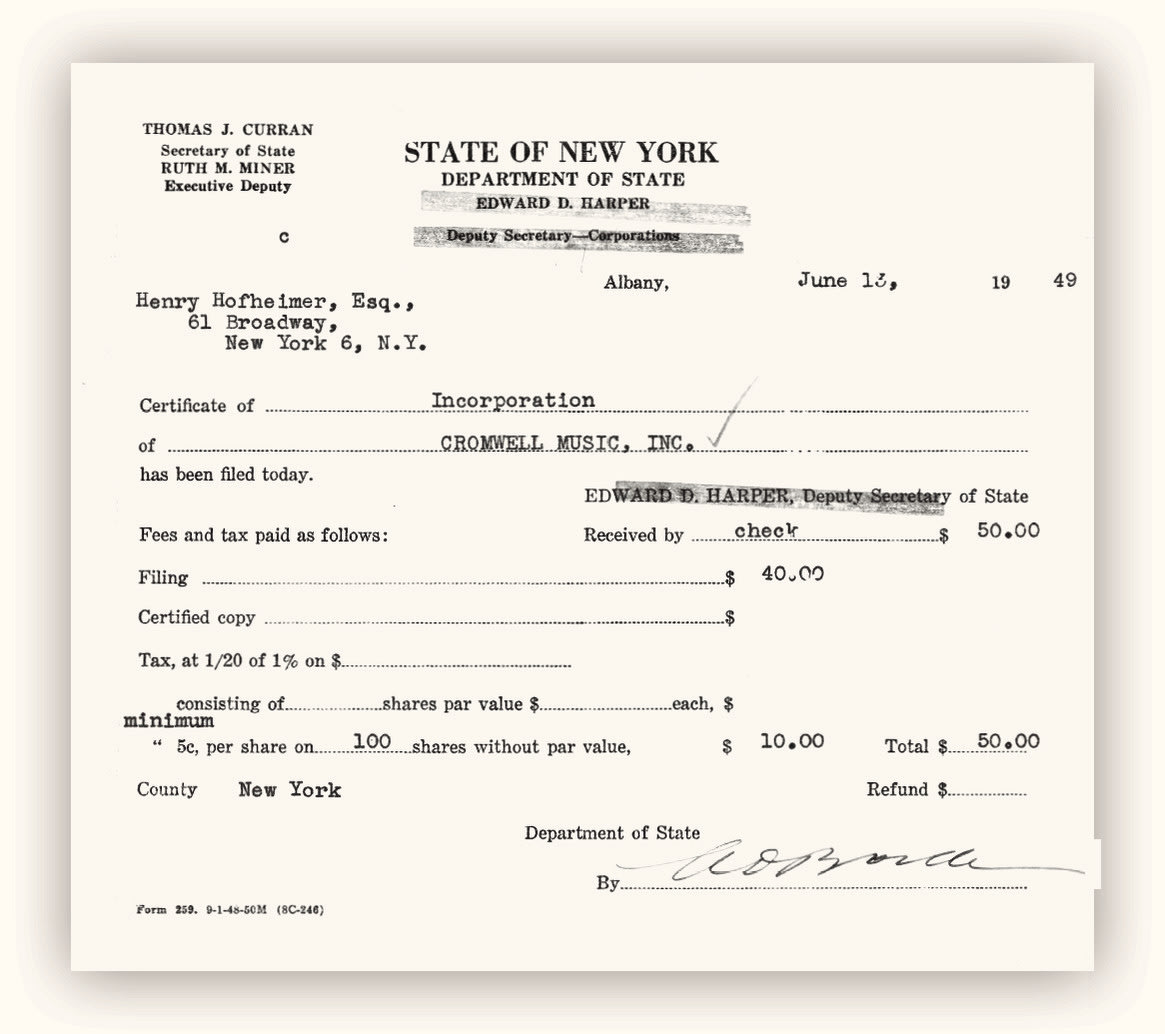
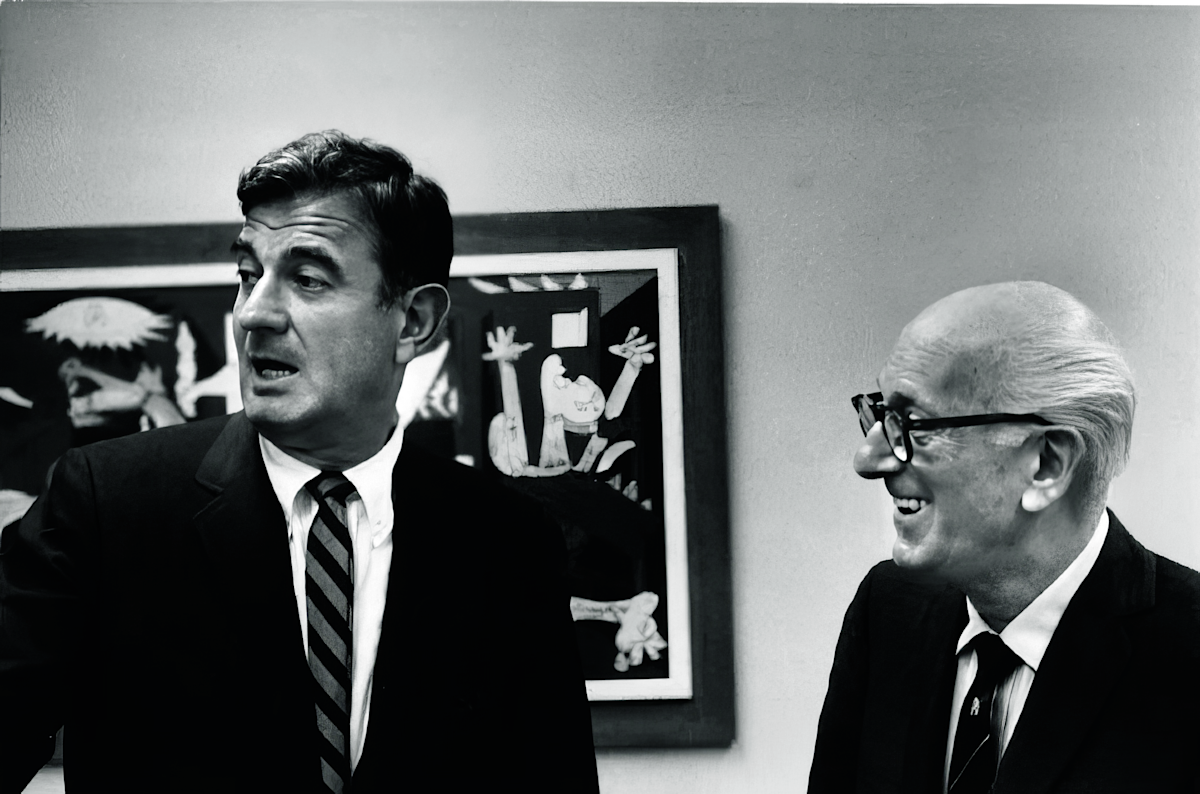
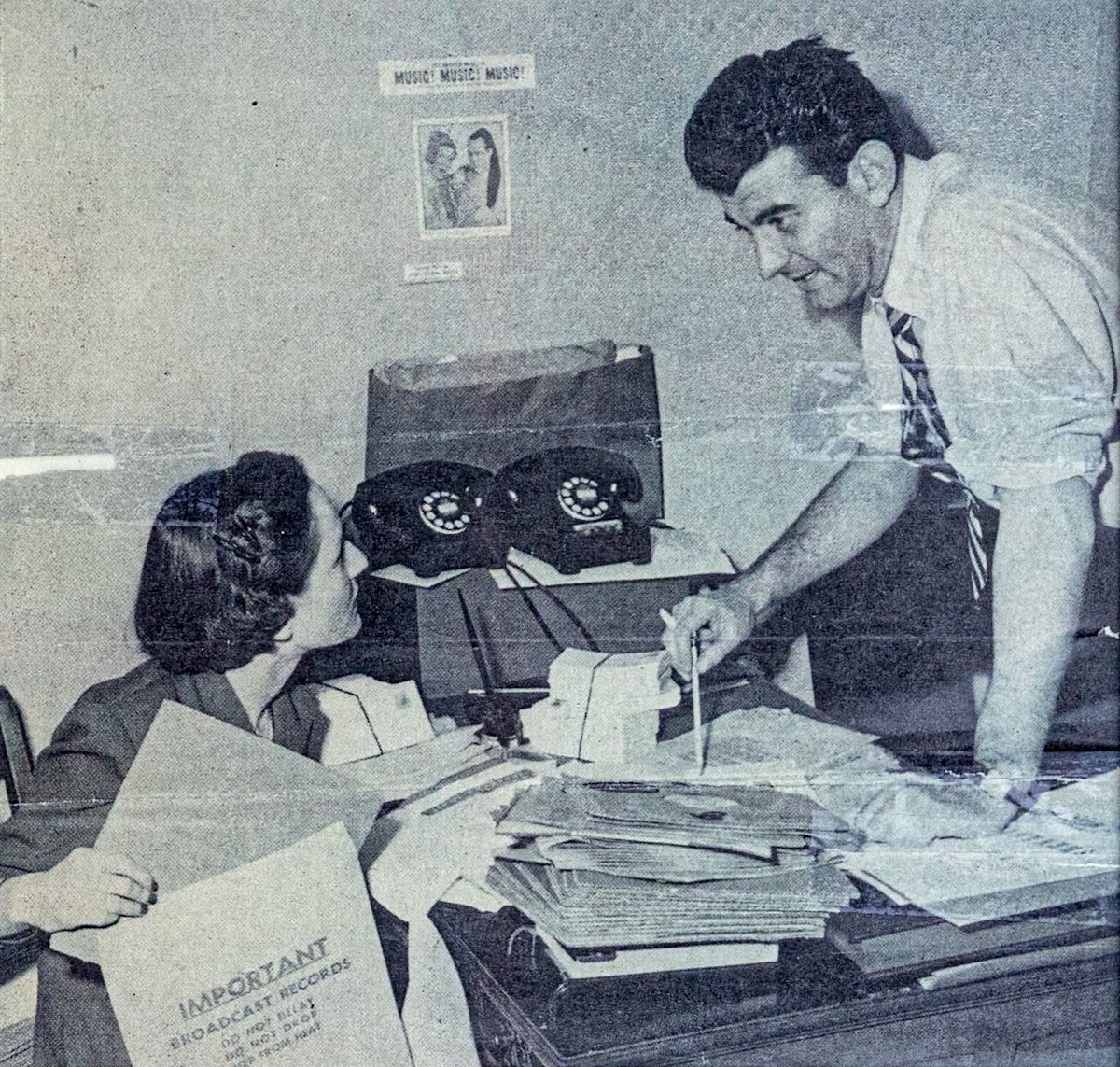
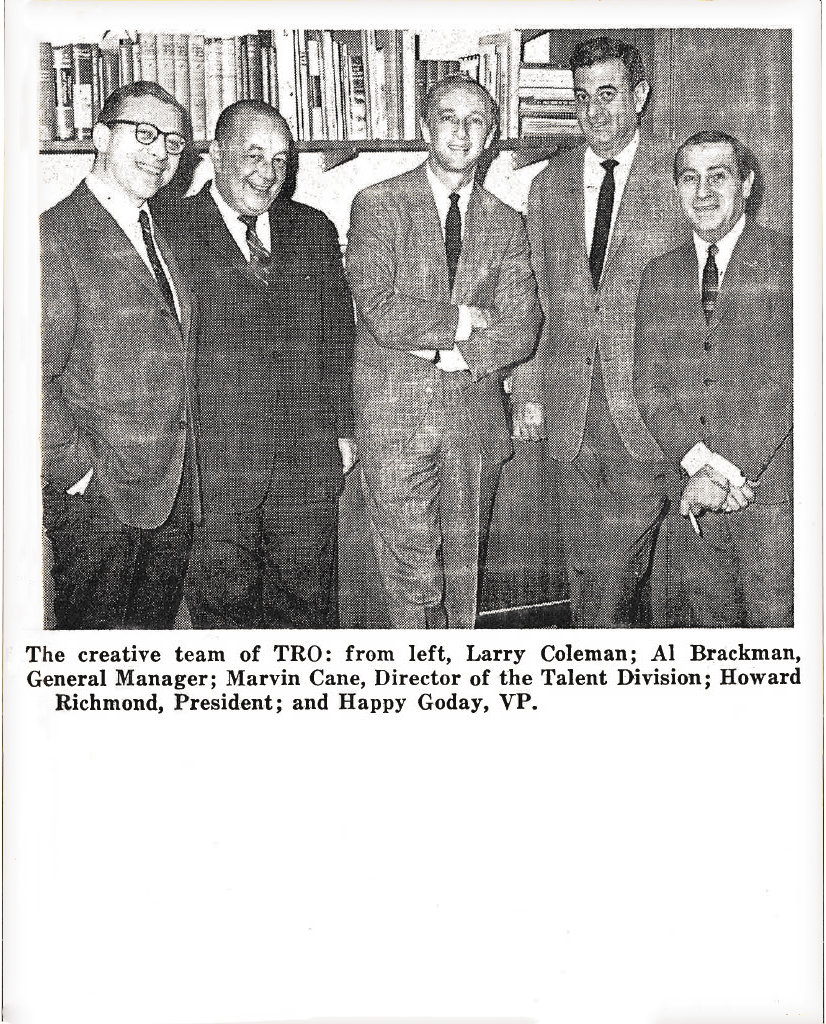
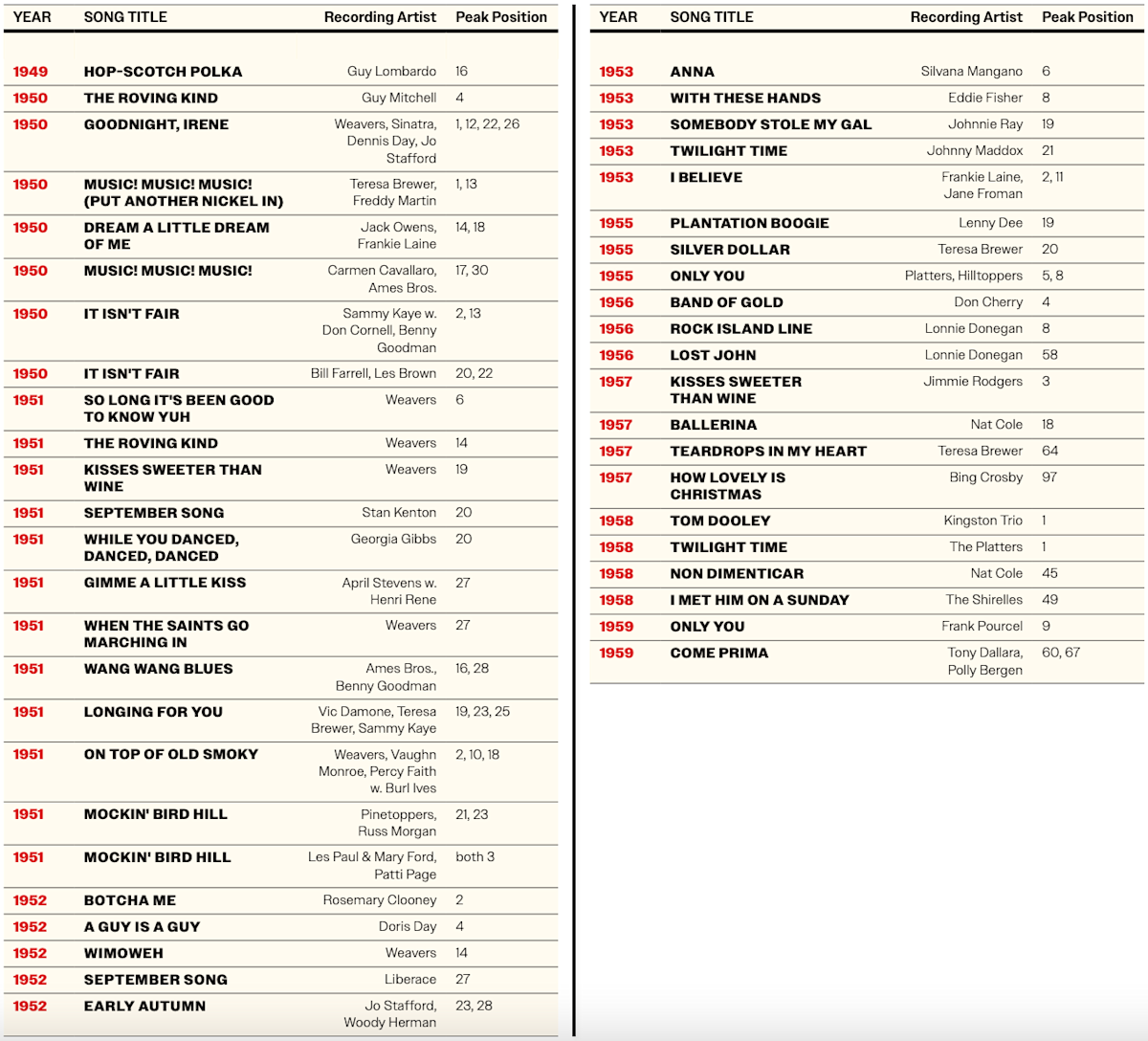
Howie’s first publishing company, Cromwell Music, Inc., opened on West 57th Street on June 13, 1949, and six months later, Guy Lombardo’s recording of "Hop-Scotch Polka" reached the #16 slot on the Billboard charts. Working with his longtime assistant, Irene Kelsey, Howie was soon joined by Al Brackman, and their joint love affair with songwriters and musicians began.
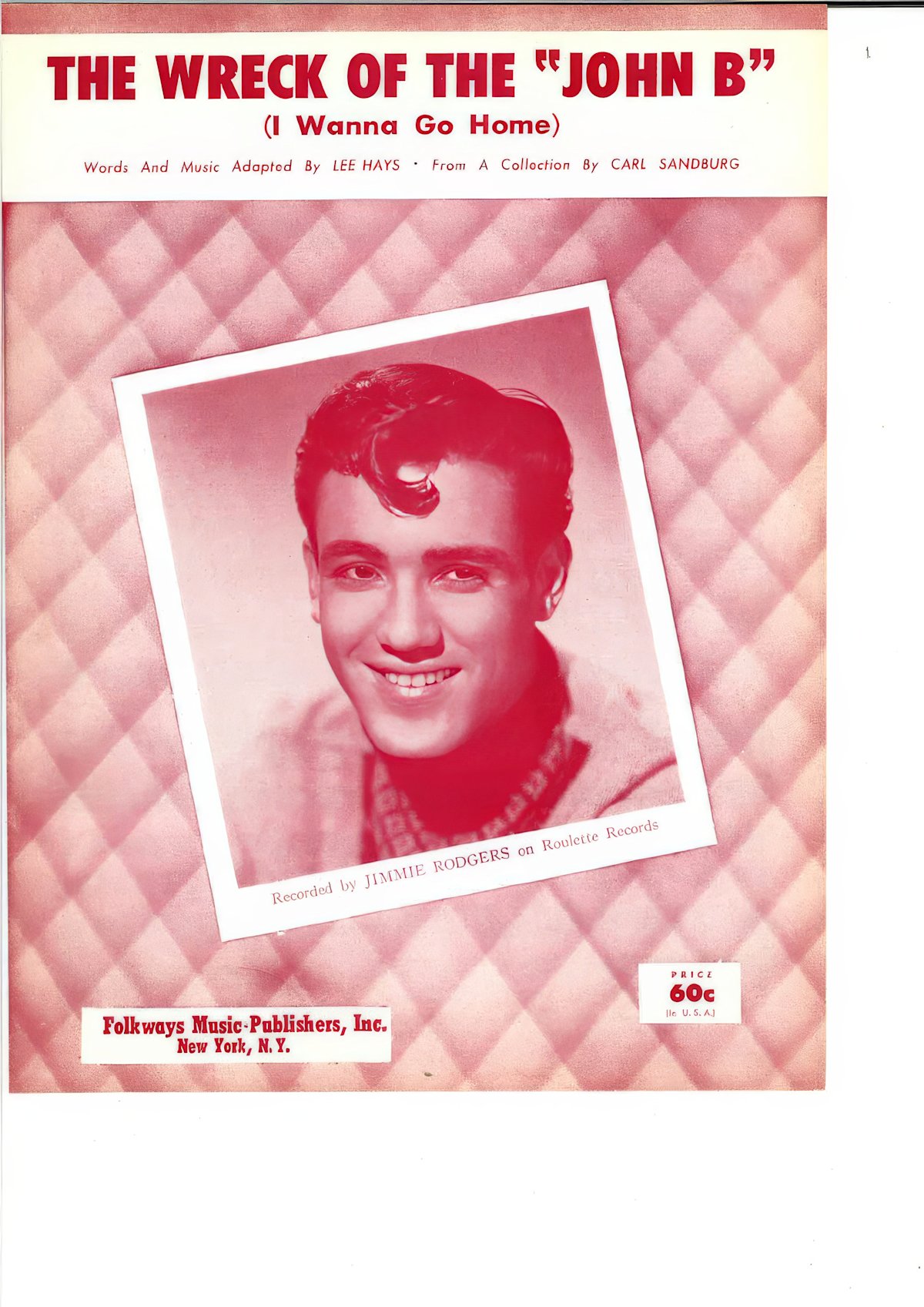
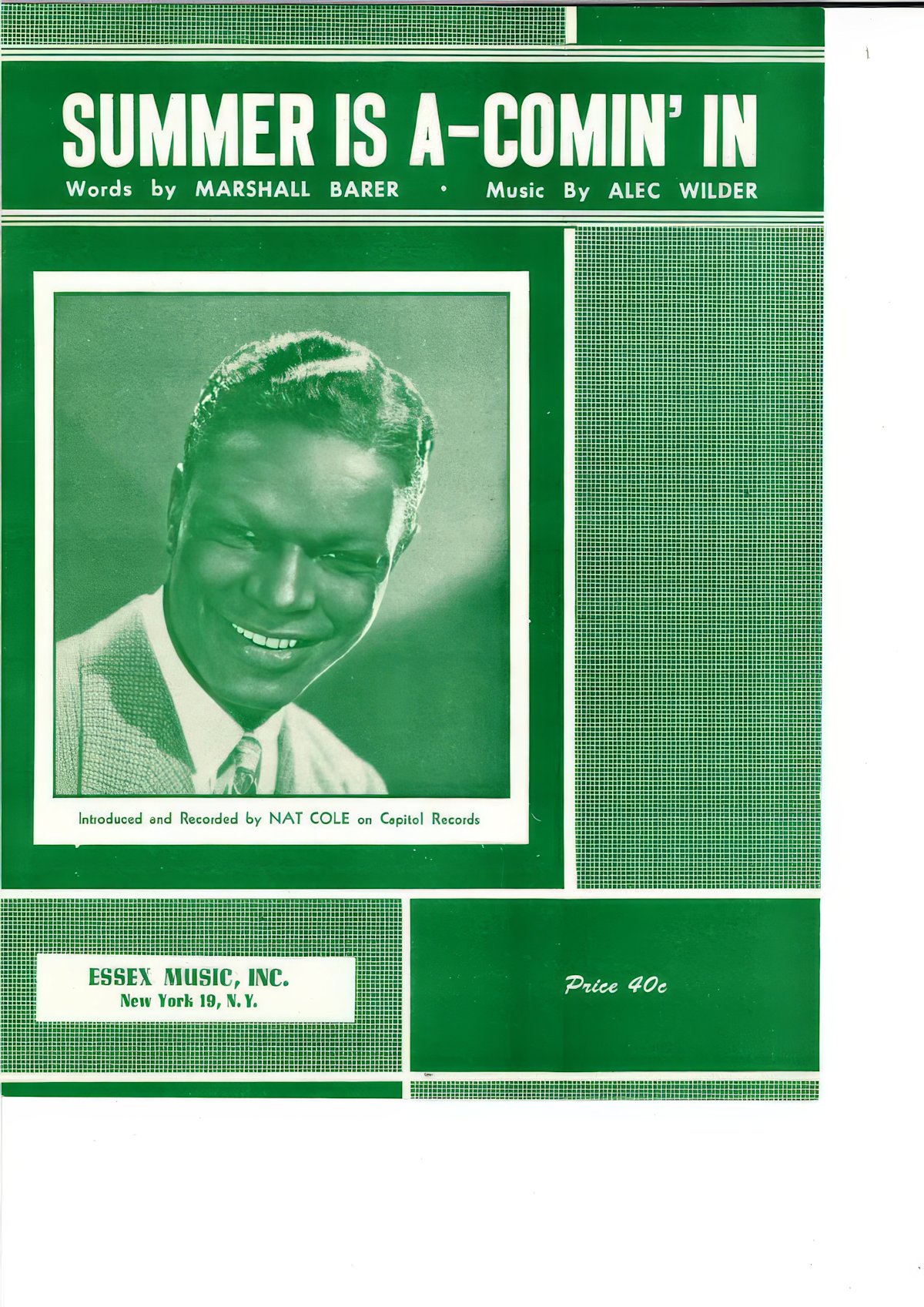
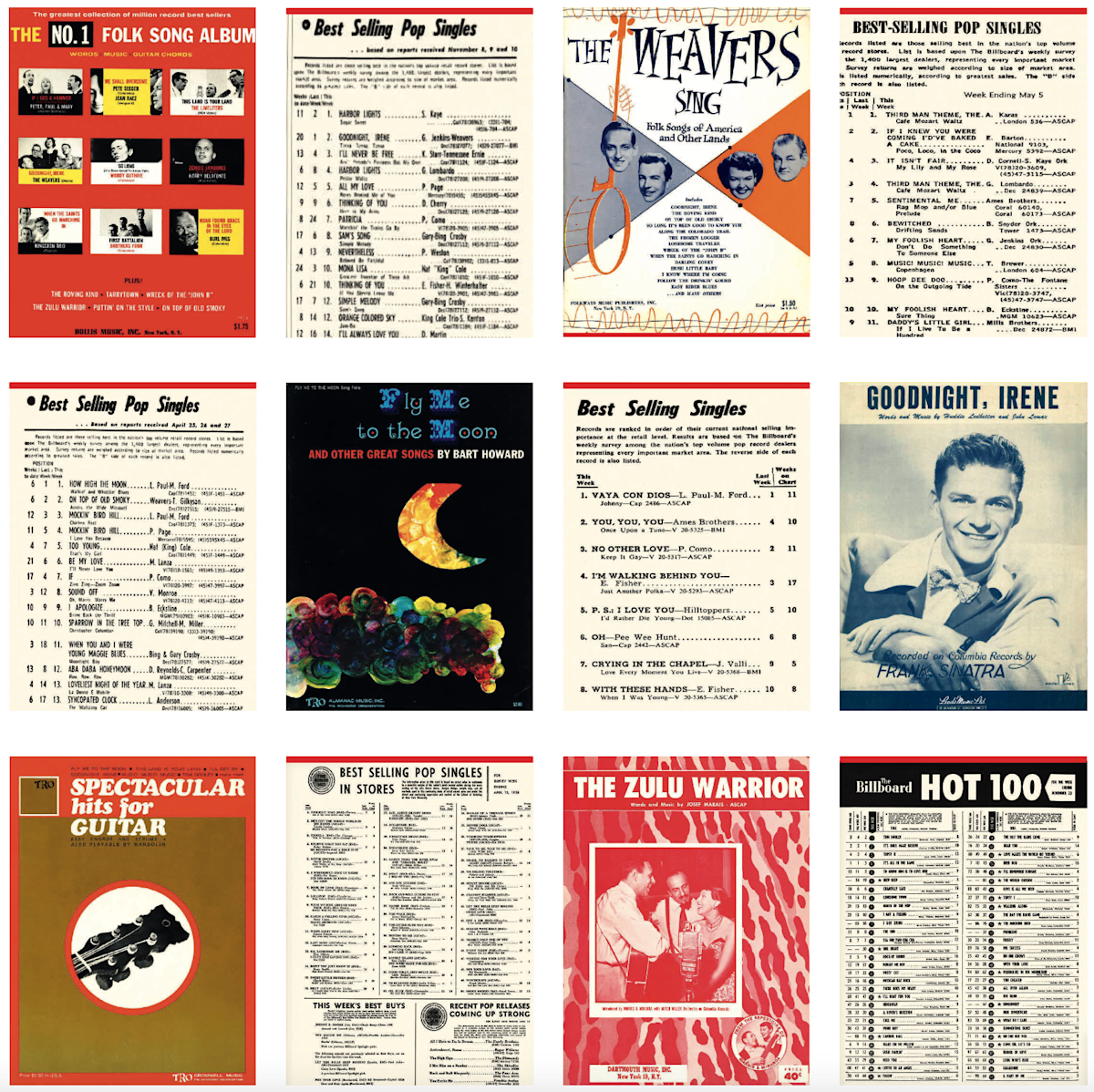
With activities developing on many fronts, Howie restructured his firm under the banner of The Richmond Organization, or simply TRO, and began working with Mitch Miller and other record producers who were turning to TRO for new material. Under the TRO umbrella, more publishing companies were created, including Hollis Music, Inc., Ludlow Music, Inc., Hampshire House Publishing Corp., Folkways Music Publishers, Inc., and Essex Music, Inc.
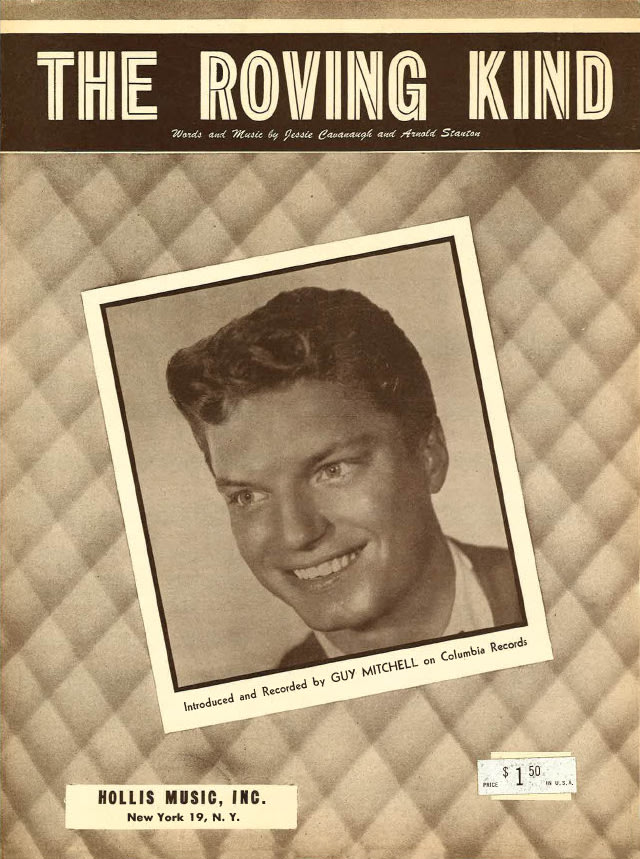
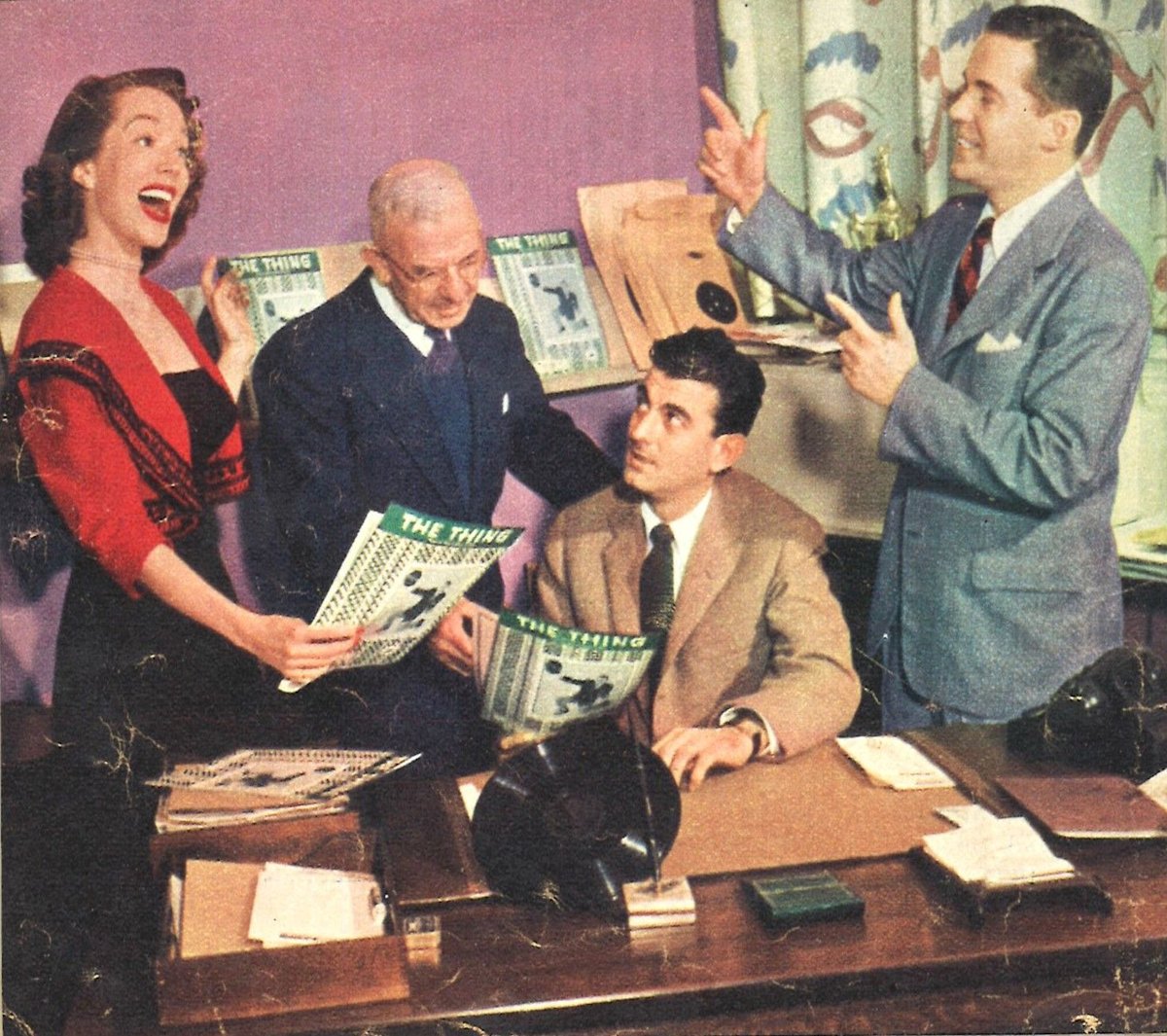
On the heels of the success of "Hop-Scotch Polka," TRO continued to have great success on the pop charts. "Music! Music! Music! (Put Another Nickel In)," written by Stephan Weiss and Bernie Baum and recorded by Teresa Brewer, was TRO’s first No. 1 hit song. Guy Mitchell’s recording of "The Roving Kind" was the next big success, and Phil Harris’ recording of "The Thing" topped the charts in December 1950.
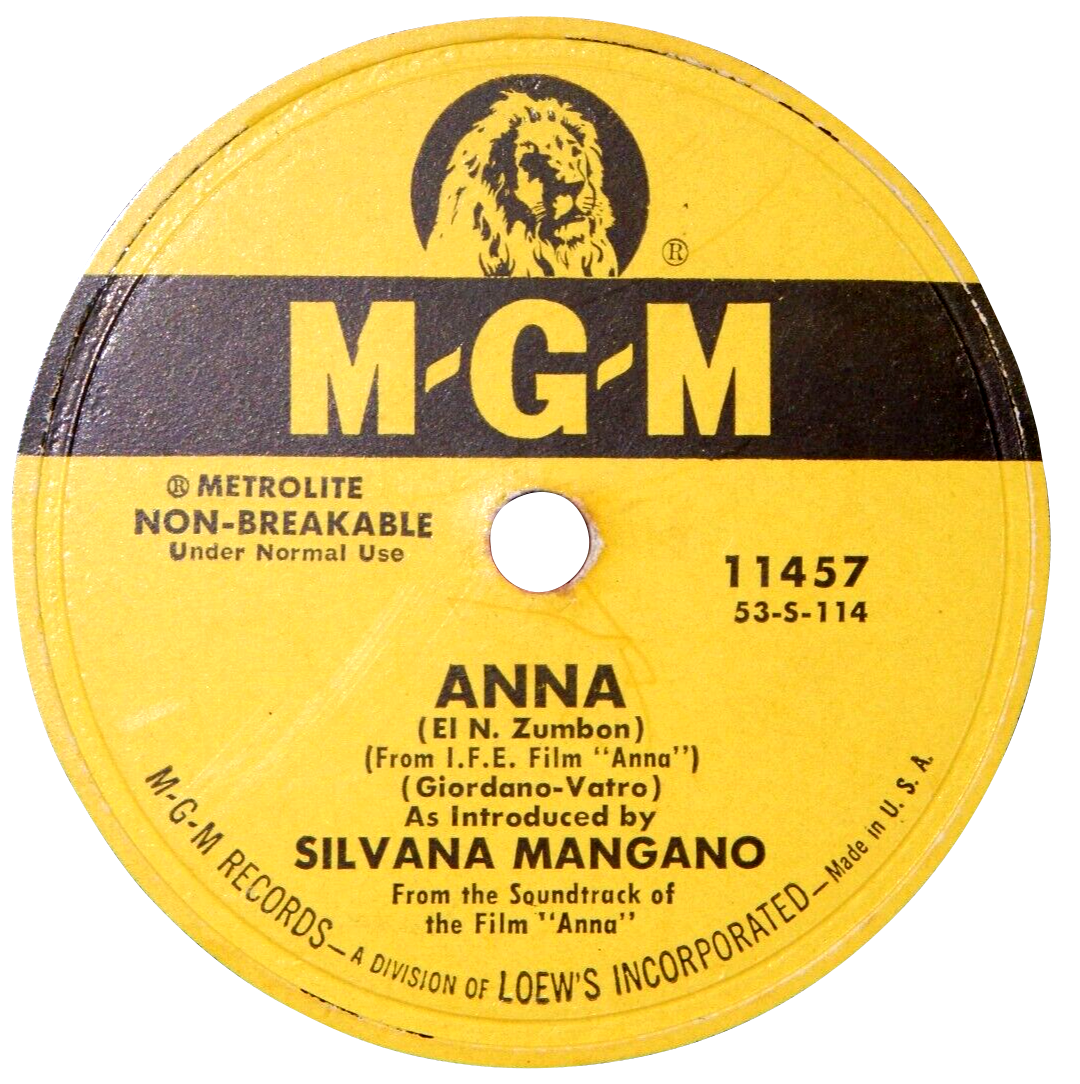
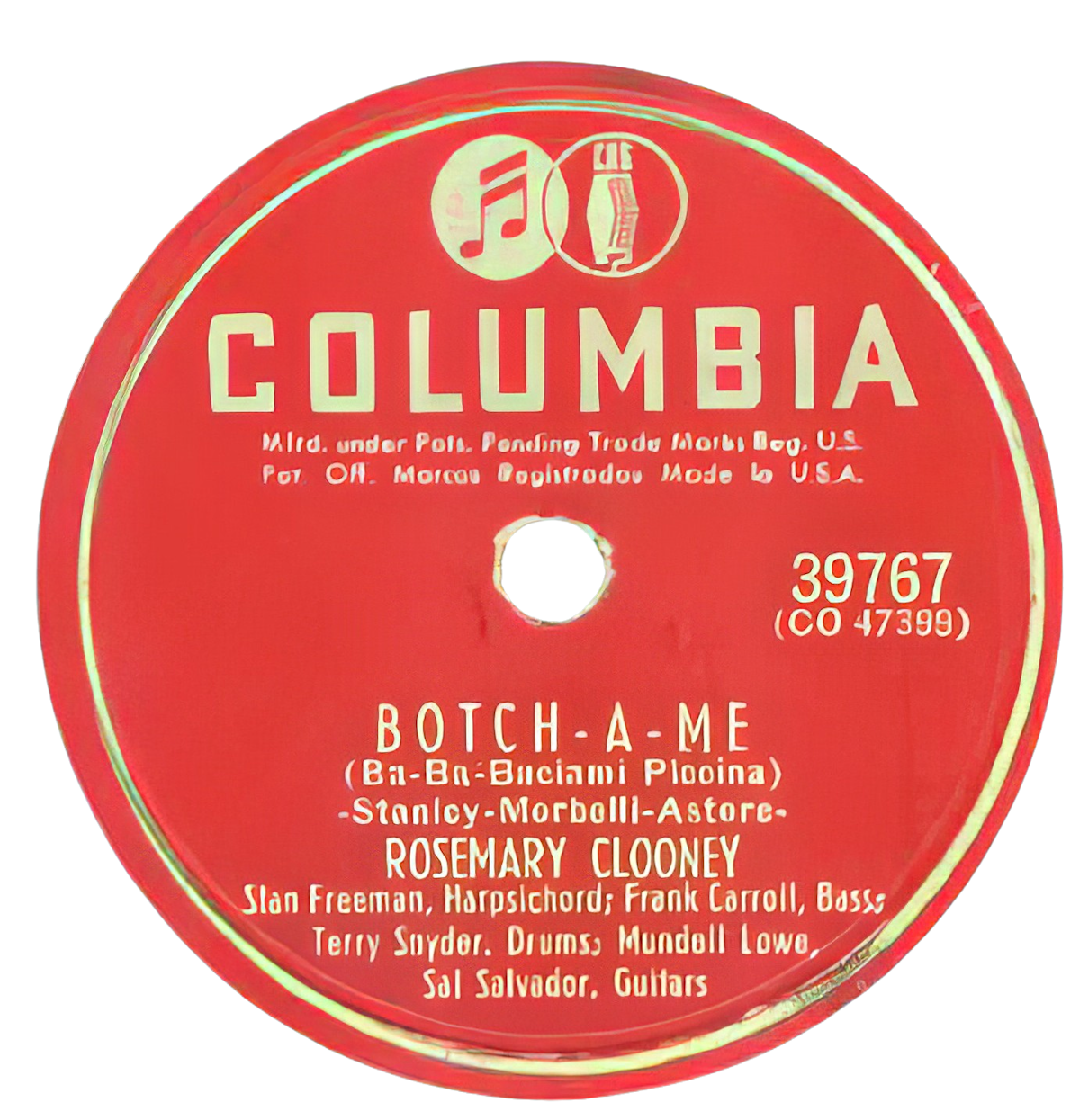
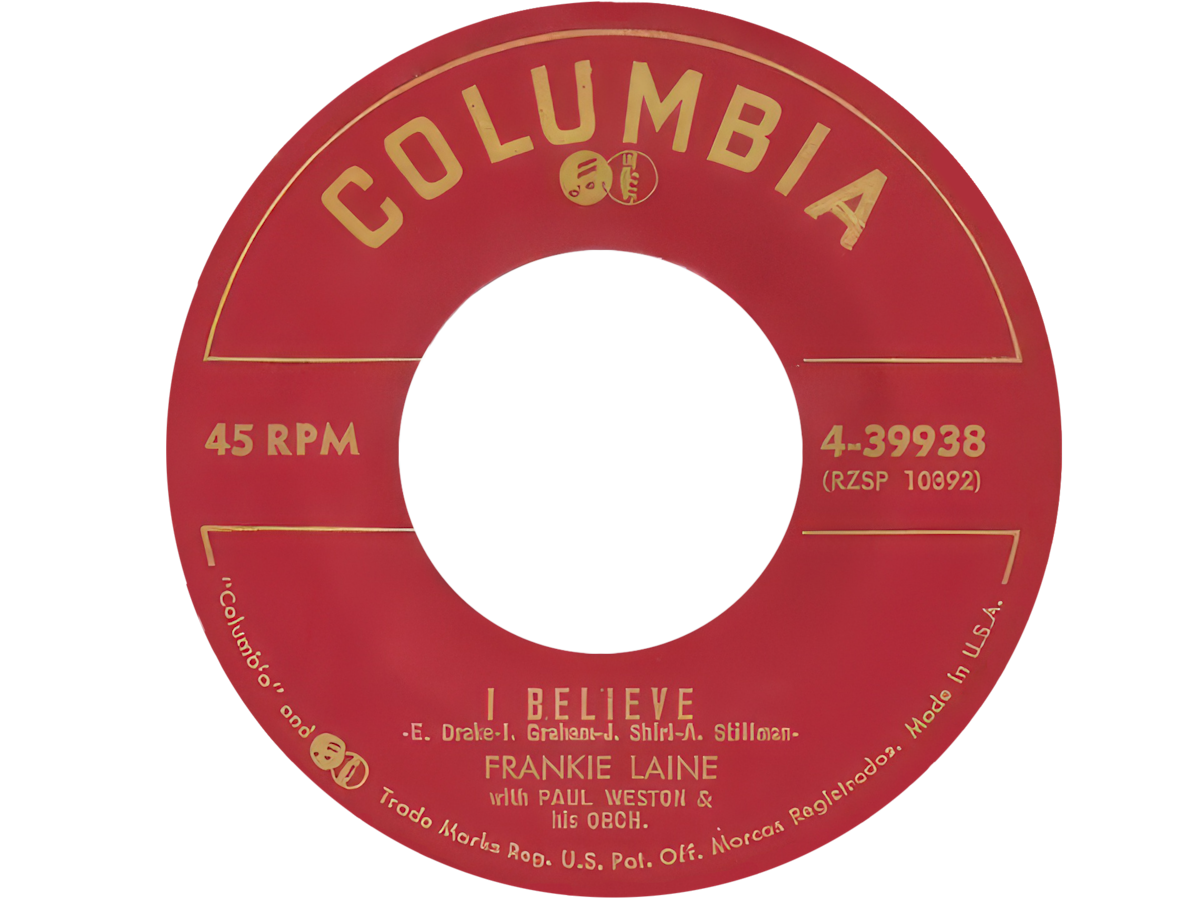
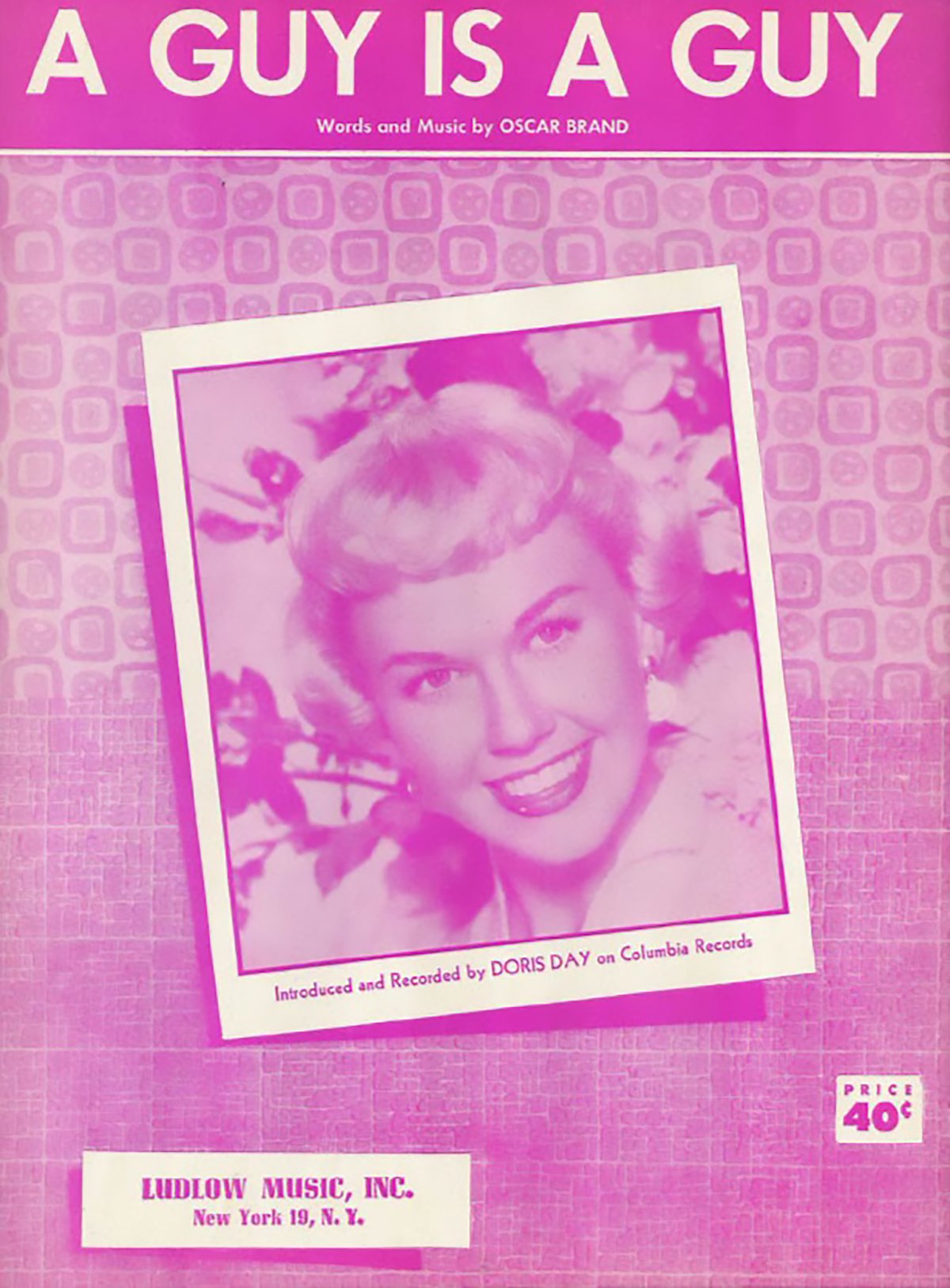
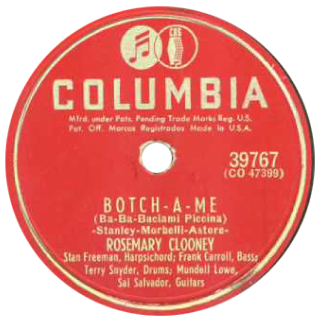
Throughout the decade, the TRO catalog would chart more than 40 times with 13 top five hits, including "A Guy Is a Guy," "Botch-a-Me," "I Believe," "Anna (El Negro Zumbon)," "Band of Gold," and "Tom Dooley."
One of the most important factors in TRO’s early success was its unique style of song plugging and promotion, which centered around radio exploitation. Other publishers had historically plugged new songs via live performances, with recordings usually made after songs were established and on best-selling sheet music charts. TRO started songs on shellac singles and plugged them with disc jockeys in numerous cities until the record sales took off. The process didn’t guarantee a hit, but it gave the song immediate audiences.
While the novelty songs were charting, a new sound was emerging from Greenwich Village in New York City that would change the course of TRO and American popular music. Folk and blues singers from all parts of the United States had found their way to New York City in the 1940s, and musicians explored the power of expressive lyrics and the cultural impact of subtle protest songs. When The Village Vanguard opened its doors in New York City, it became a hub for poetry and folk music and the pioneers of folk and blues music.
Allie [Brackman] was down in the Village, and he came to me and said, "You’ve got to come down and listen to this." The Weavers had been singing at the Village Vanguard, doing two shows every night. We would come for both shows because they would do a totally different set each time. I had never, ever sat through anything like it where every song was a gem! Every song! It was like you were in a dream.
To hear them uniquely blending and communicating with a fire, dedication, love, and warmth... You have no idea how the place glowed. Just good vibes all around. For anybody who was fortunate enough to be there... I can’t tell you the enthusiasm that filled the place! You’d think you were in the Roxy Theater! They sang to each one of us. It was so personal! They were so supportive of each other and of every single opening. If there was an empty spot, it was alive. Each of them—Lee Hays, Ronnie Gilbert (oh my goodness, what a voice), and Freddie Hellerman—had their own characteristic and helped each other. They were in you, and you were uplifted.
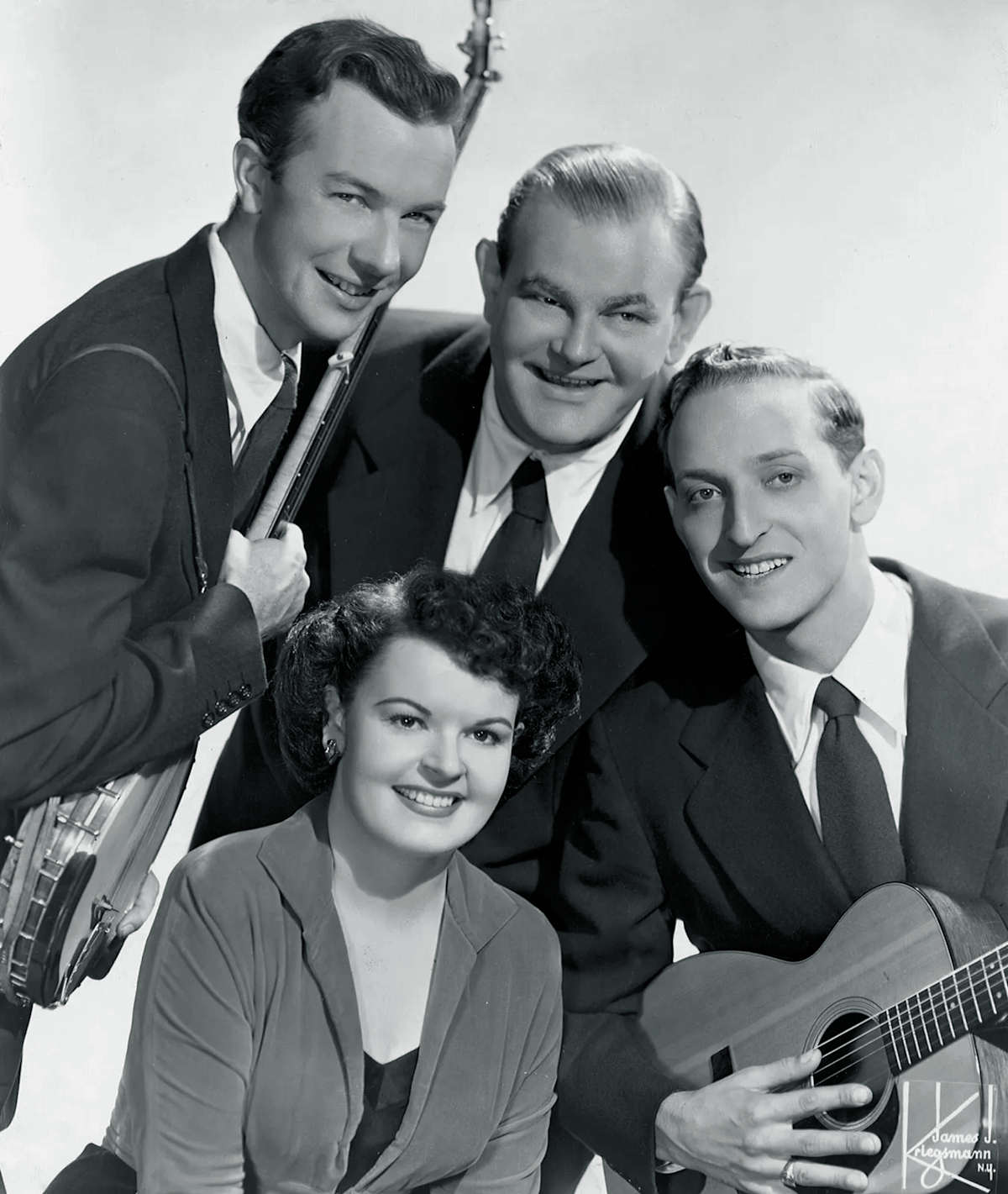

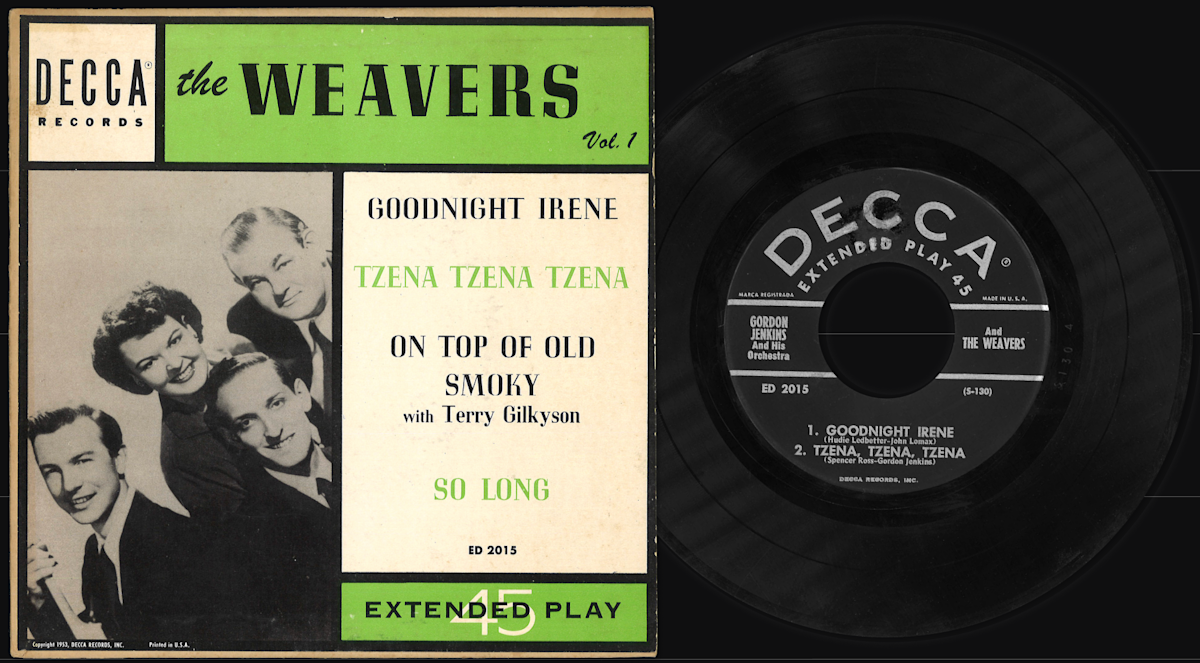
TRO signed Pete Seeger and The Weavers in 1950, and the group’s recording of "Goodnight Irene" catapulted the folk quartet into stardom. "Goodnight Irene," written by Huddie “Lead Belly” Ledbetter, was the first #1 hit for the quartet and brought a new sound to the American pop charts.
That record was so powerful at that time. It launched the Weavers, and there was nothing to compare with "Goodnight Irene." You can imagine how they swept the world! It was the first folk commercial music, opening vistas and vistas of opportunities, and crossing over to the pop world.
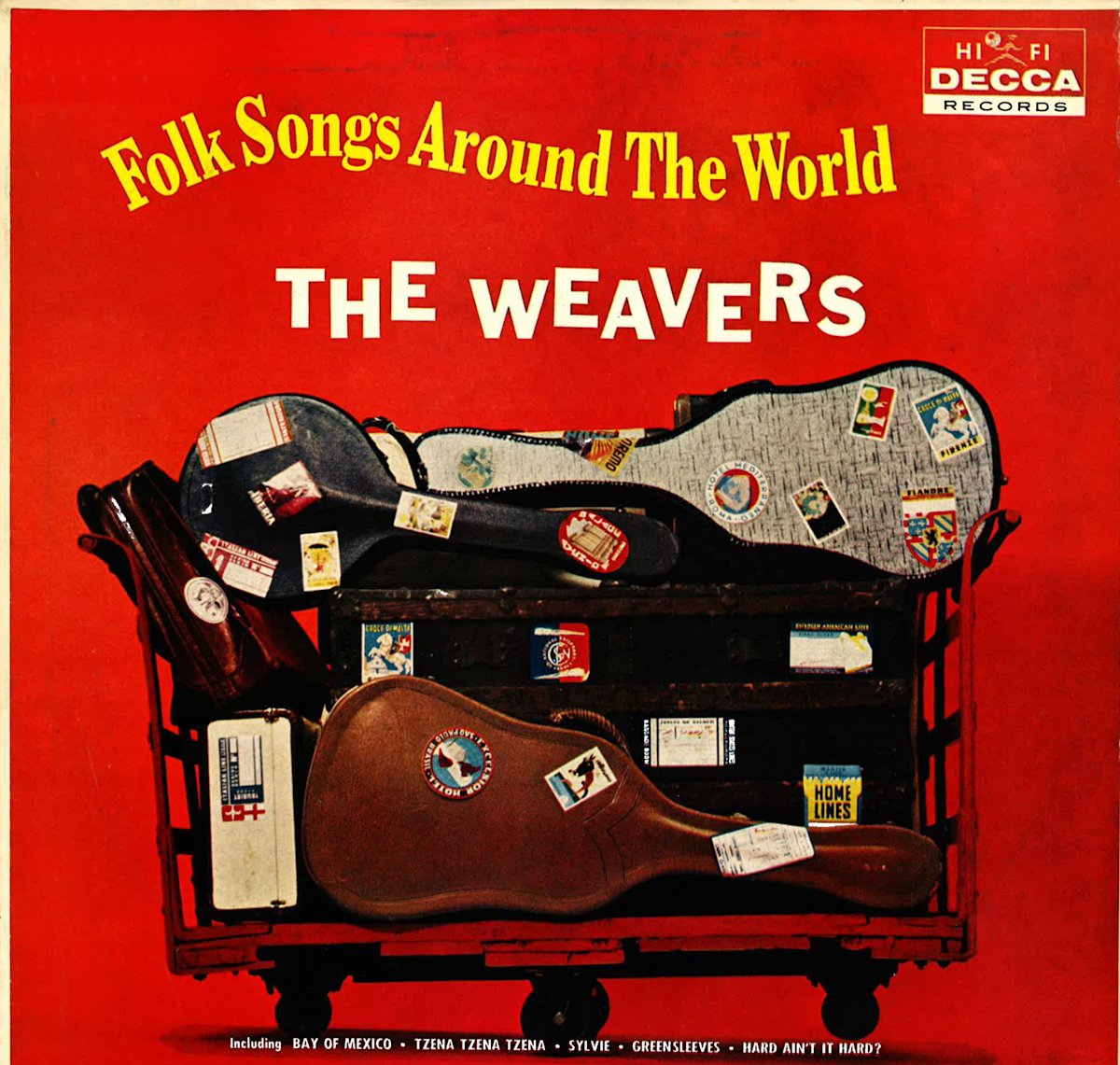
The Weavers followed up "Goodnight Irene" with "On Top of Old Smoky" (#2), "Kisses Sweeter Than Wine" (#19), "The Roving Kind" (#14), and "So Long, It’s Been Good to Know Yuh" (#6). However, in 1955, the House Un-American Activities Committee (HUAC) subpoenaed Pete Seeger to testify during the McCarthy era, and the Weavers were blacklisted and unable to perform or have their songs played on the radio or jukeboxes. TRO supported Pete and the Weavers with advances on the songs they were writing during the blacklist, which eventually ended, allowing Pete Seeger and the Weavers to perform again.
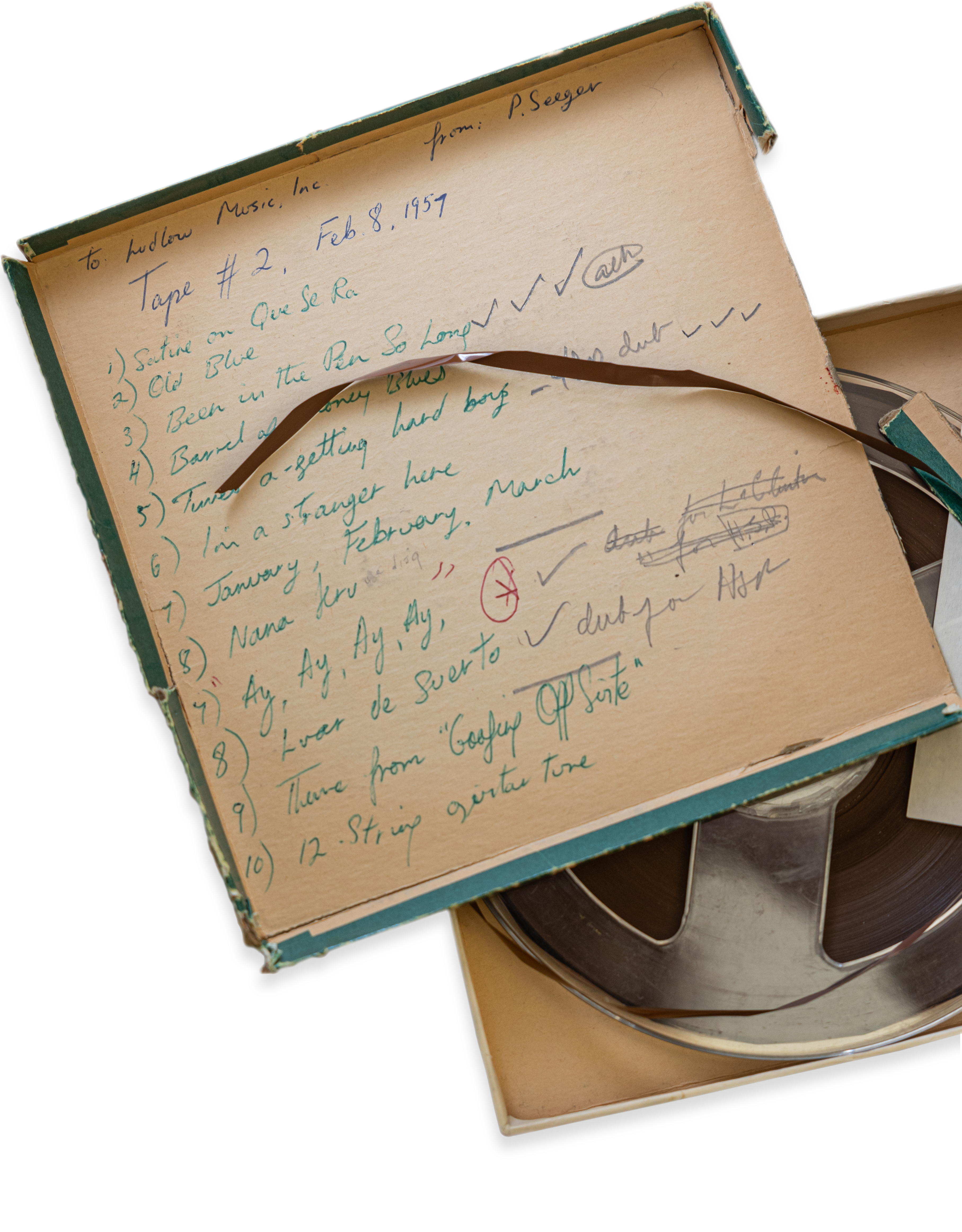
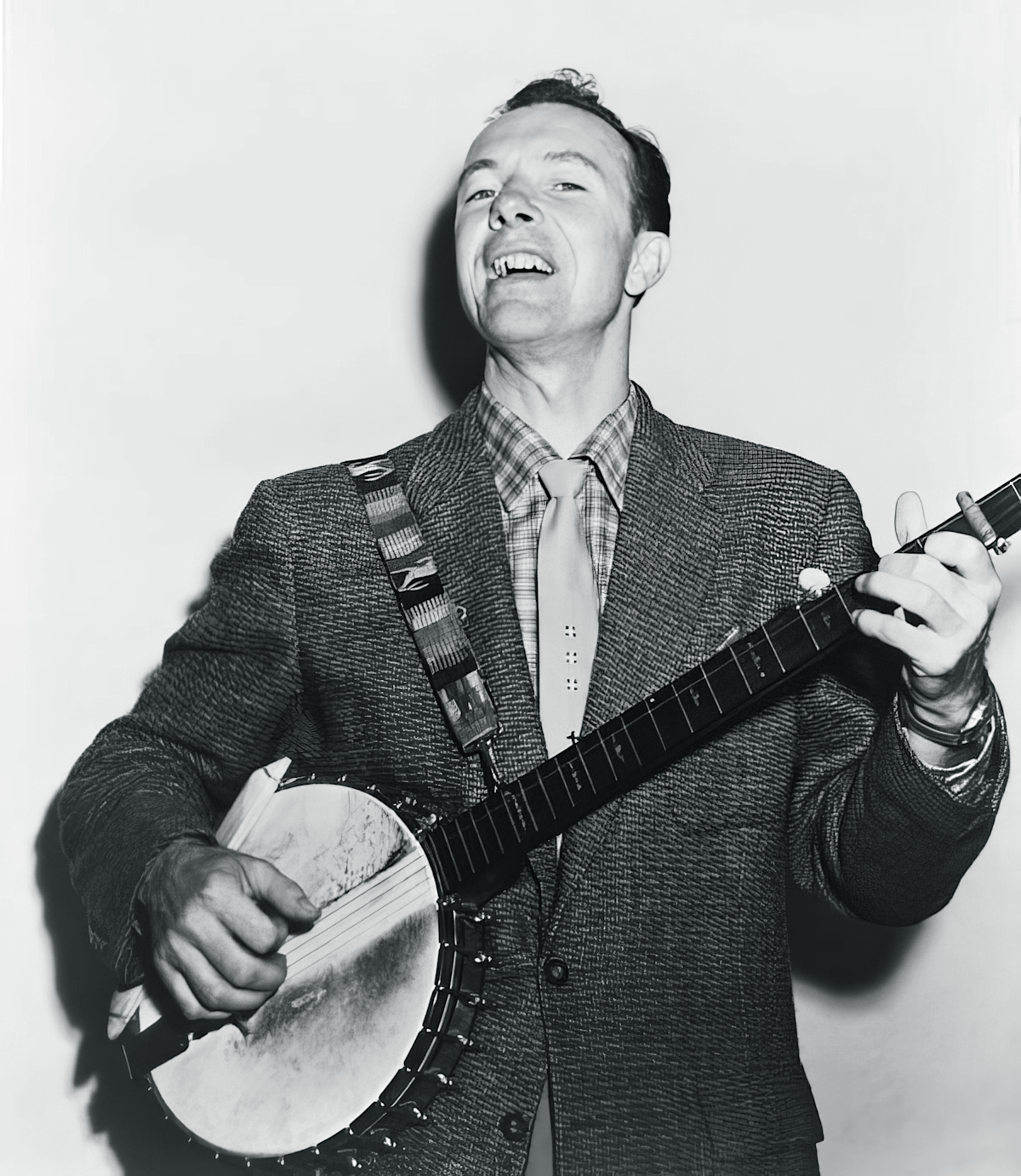
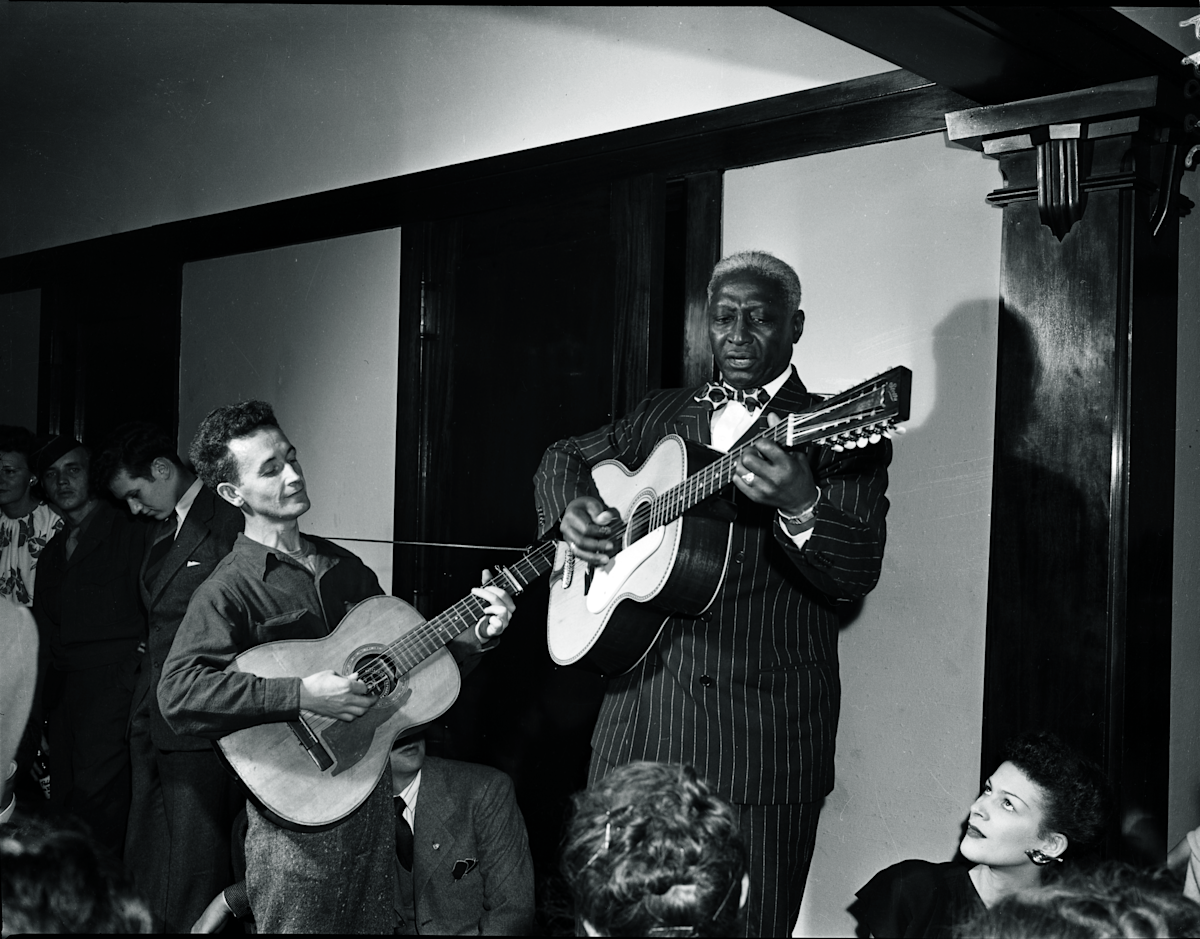
While the Weavers may have been the first commercial success for folk music, a decade before "Goodnight Irene" was released, Lead Belly and Josh White opened a set at the Village Vanguard to a crowd that included Pete Seeger, Burl Ives, and Woody Guthrie. It was the beginning of the folk revival in New York City.
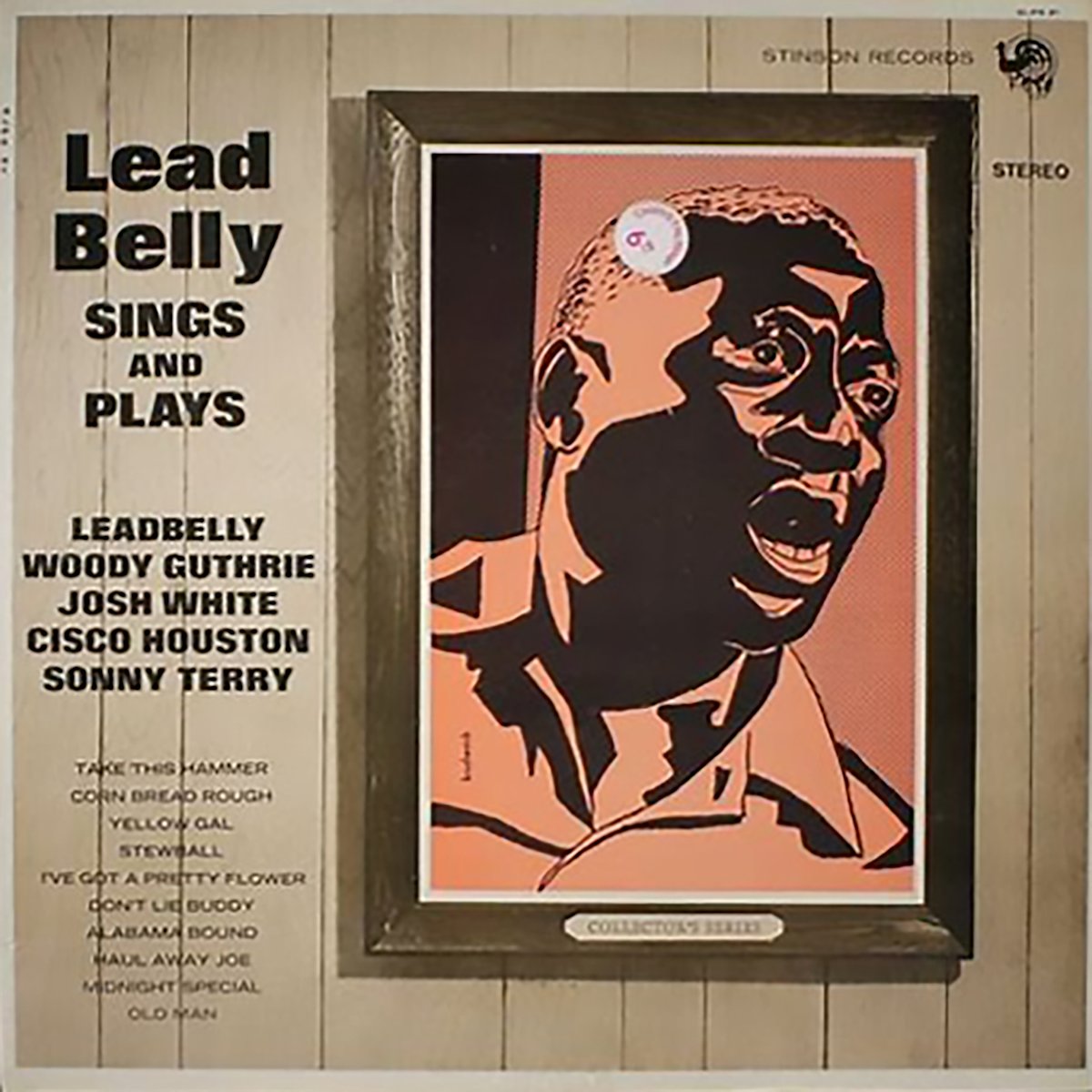
Huddie “Lead Belly” Ledbetter, the King of the 12-String Guitar, had met musicologists John A. and Alan Lomax while imprisoned in the South. The Lomaxes collected, adapted, and recorded Lead Belly’s songs, eventually bringing him to New York City. There, he began performing throughout New York to audiences at the Apollo Theater, the Village Vanguard, and to school children. With his diverse catalog, low tenor, and pioneering guitar technique, Lead Belly inspired his contemporaries and generations to follow with his songs and recordings of "Where Did You Sleep Last Night (In the Pines)," "Black Betty," "Cotton Fields (The Cotton Song)," "Midnight Special," and "Bring Me a Li’l Water, Silvy."
The Weavers’ recording of "Goodnight Irene" was unfortunately released after Lead Belly’s passing from Lou Gehrig’s disease in 1948, but his influence on musicians remains strong to this day.
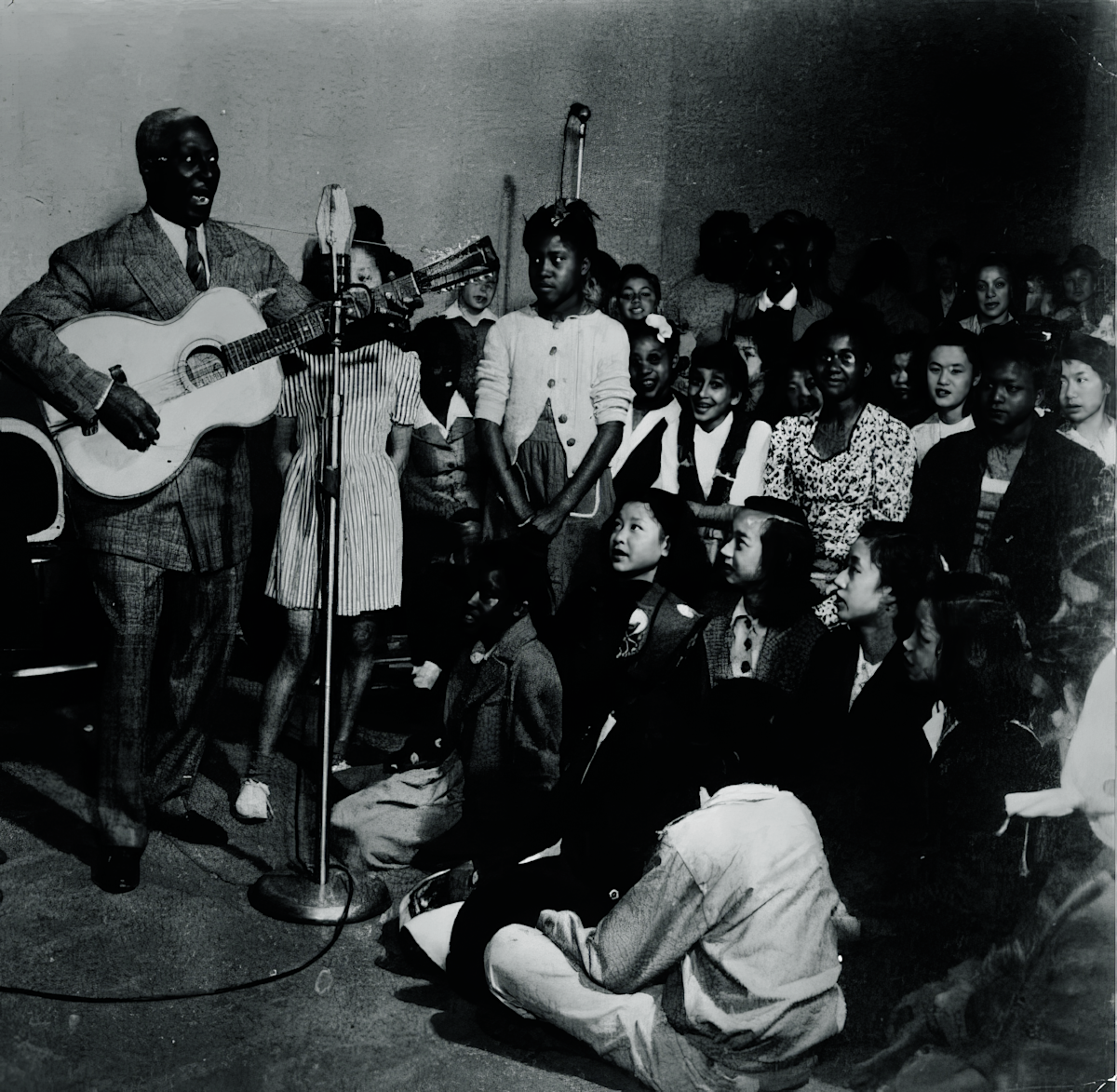
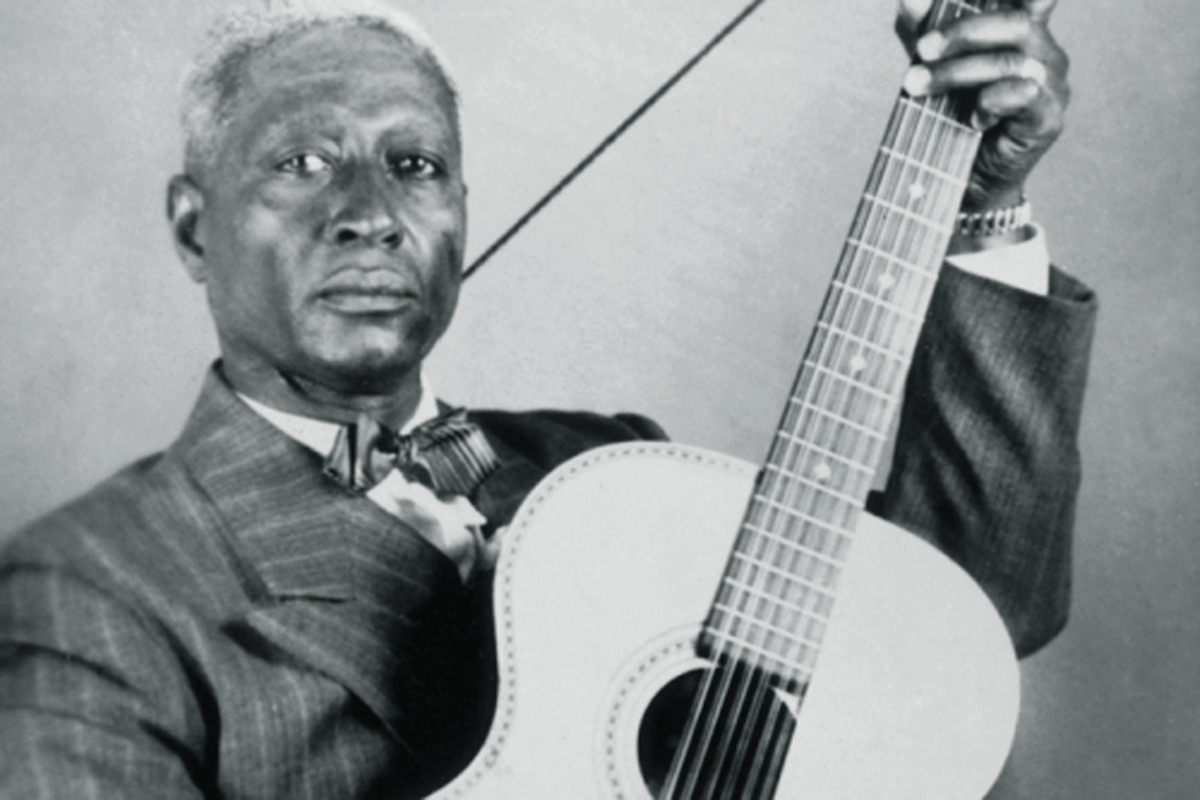
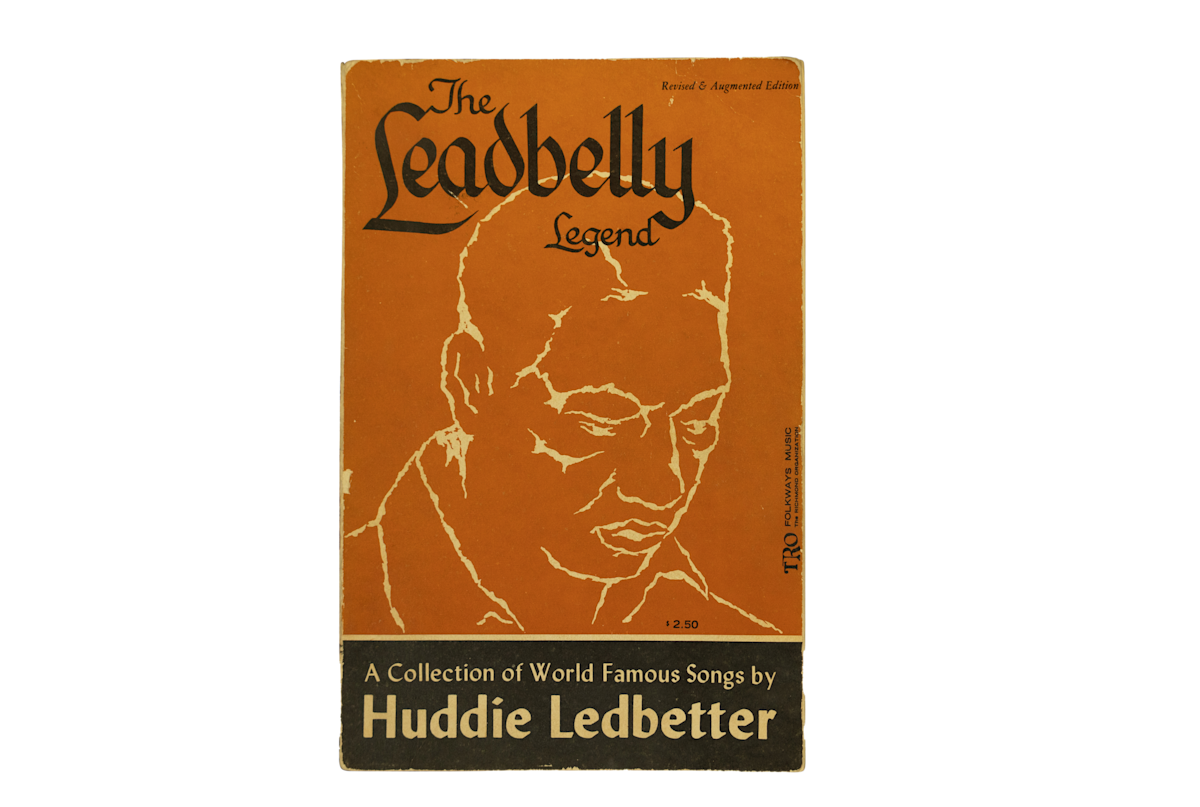
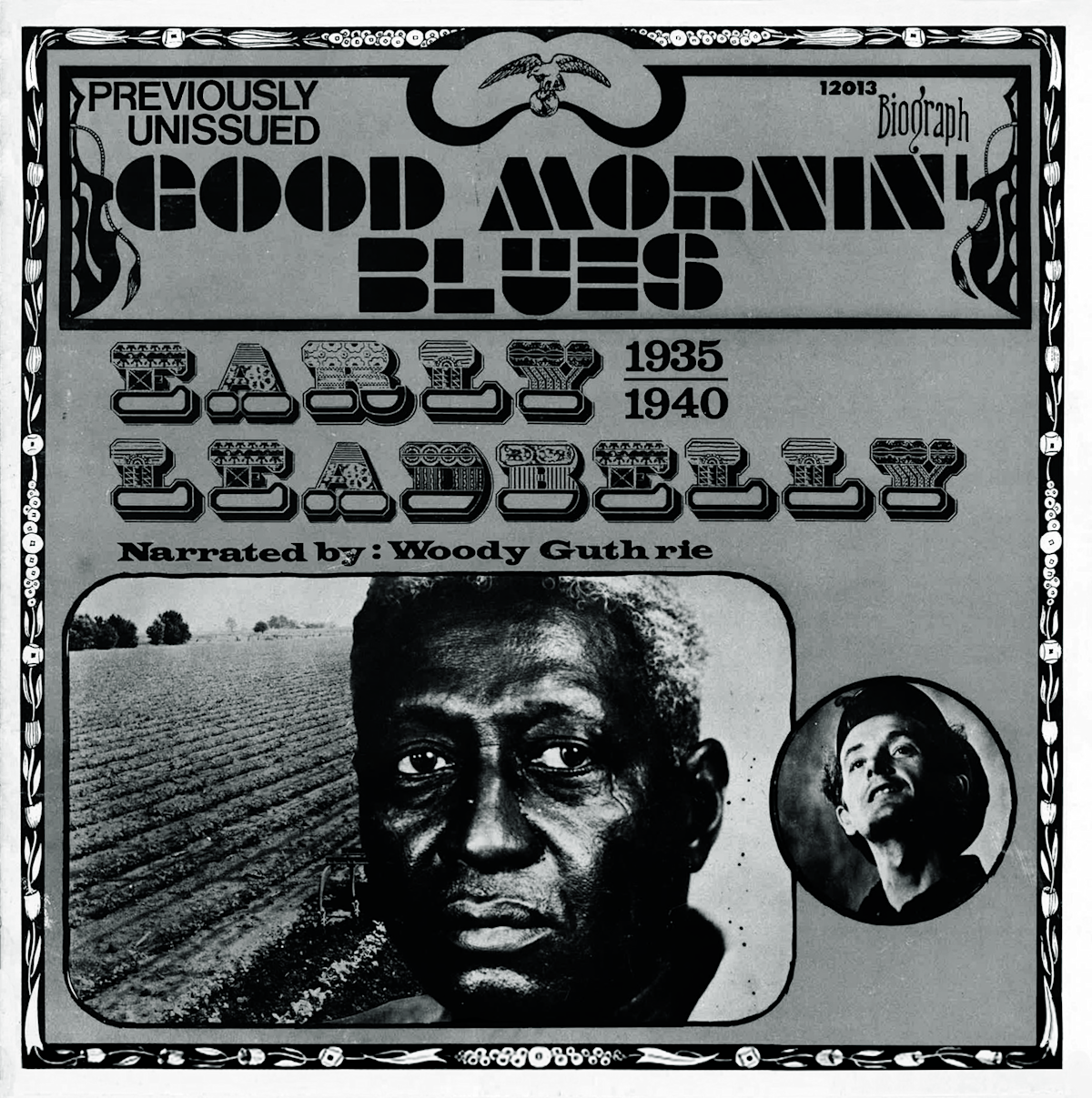
I decided I’d get tough. The gift I’d buy had to be better than perfume and stronger than metal. It had to be the simplicity of a whole people and the dignity of a race, the honesty of a saloon and the frenzy of a church — and it had to speak and reflect in a homey, easy way, the feel of the work and the war to beat Hitler, which will, before it quits, end all fascism down to the last bully. So when I heard Lead Belly’s voice on these records, I thought here is the surprise I’ve been looking for. Surprise!
— Woody Guthrie’s handwritten inscription to his wife Marjorie when gifting her the original release of "Work Songs of the USA" recorded by Lead Belly on Smithsonian Folkways. July 29, 1942.
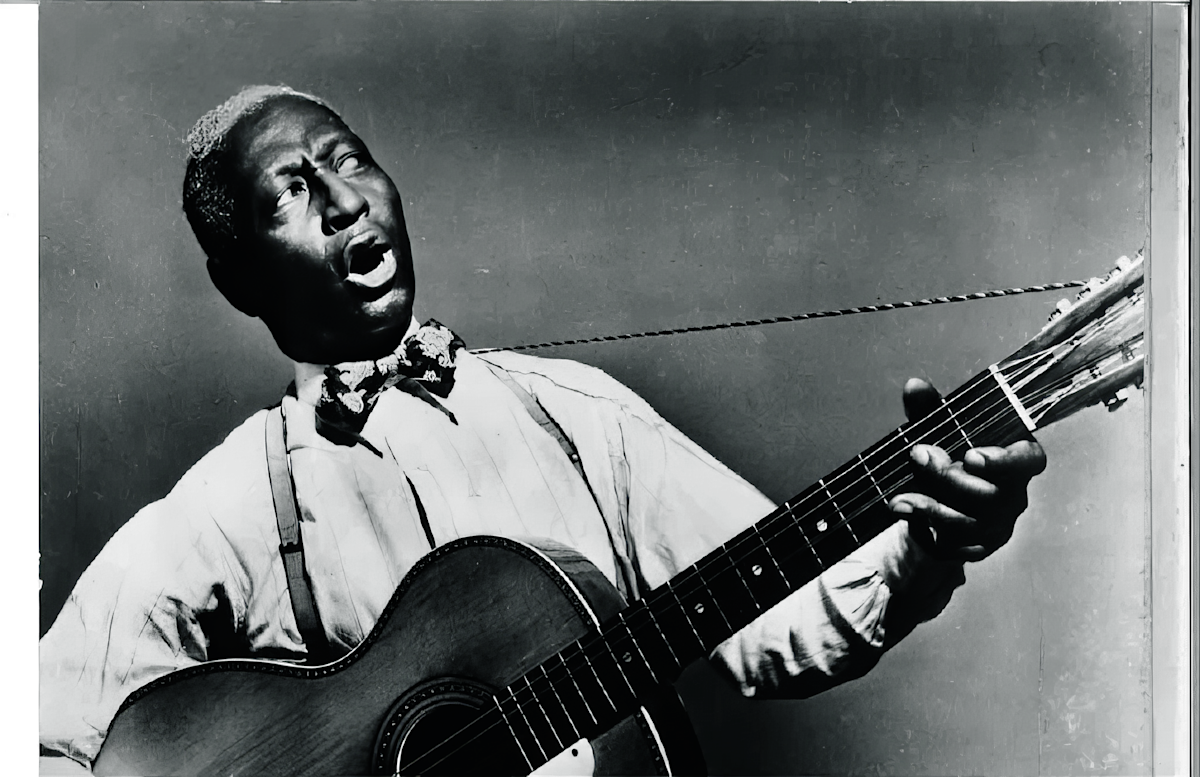
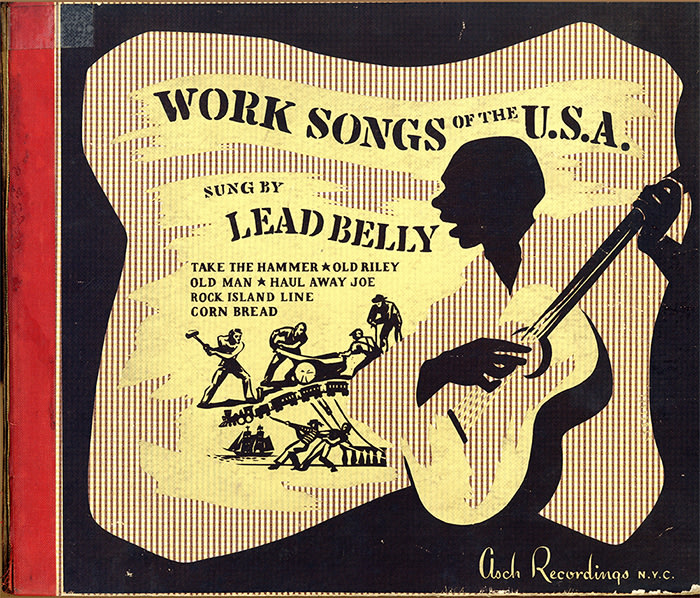
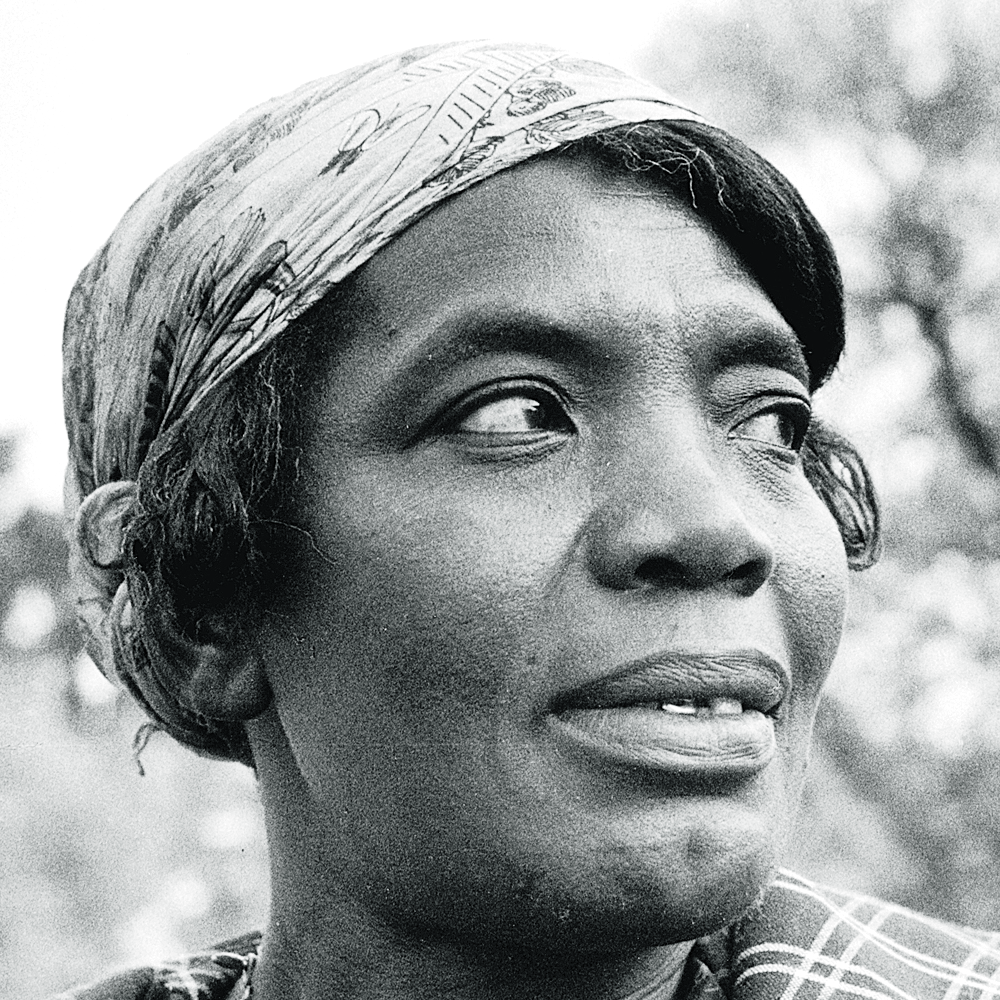
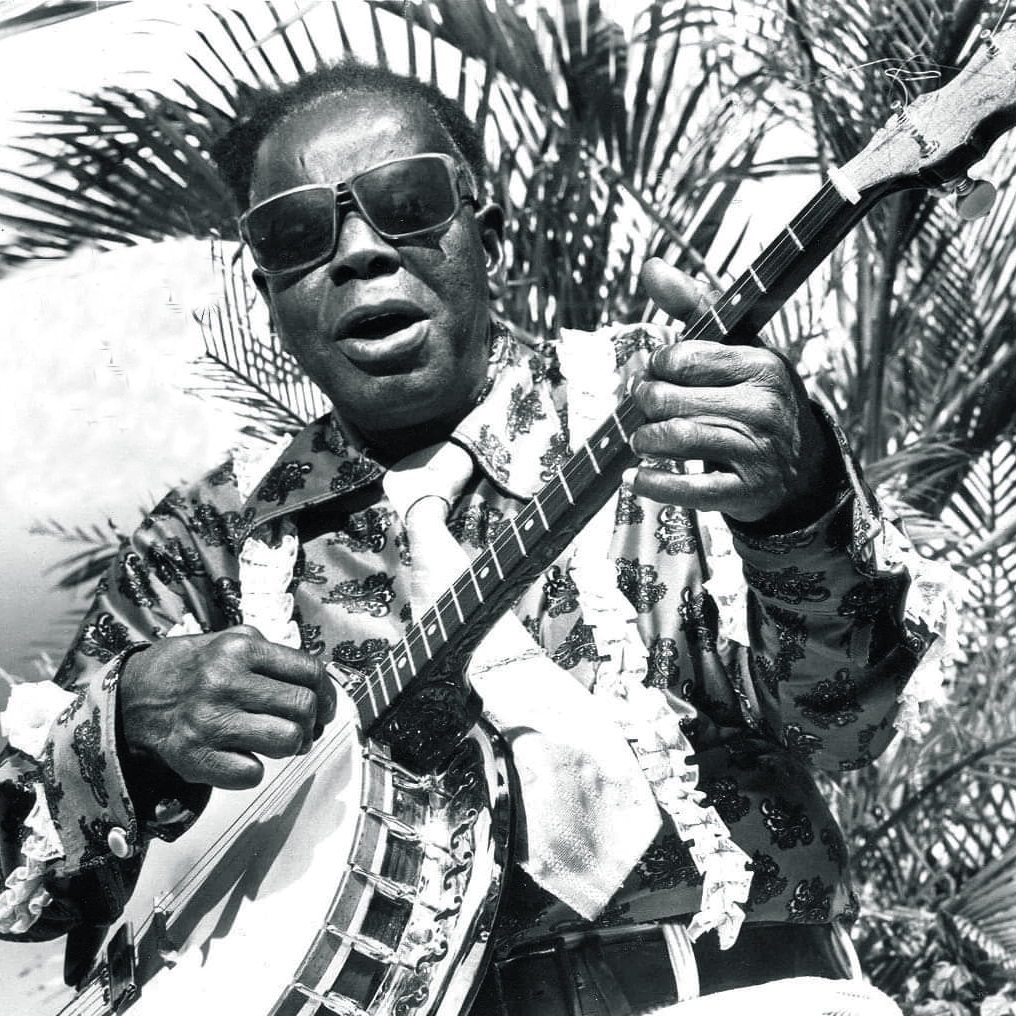
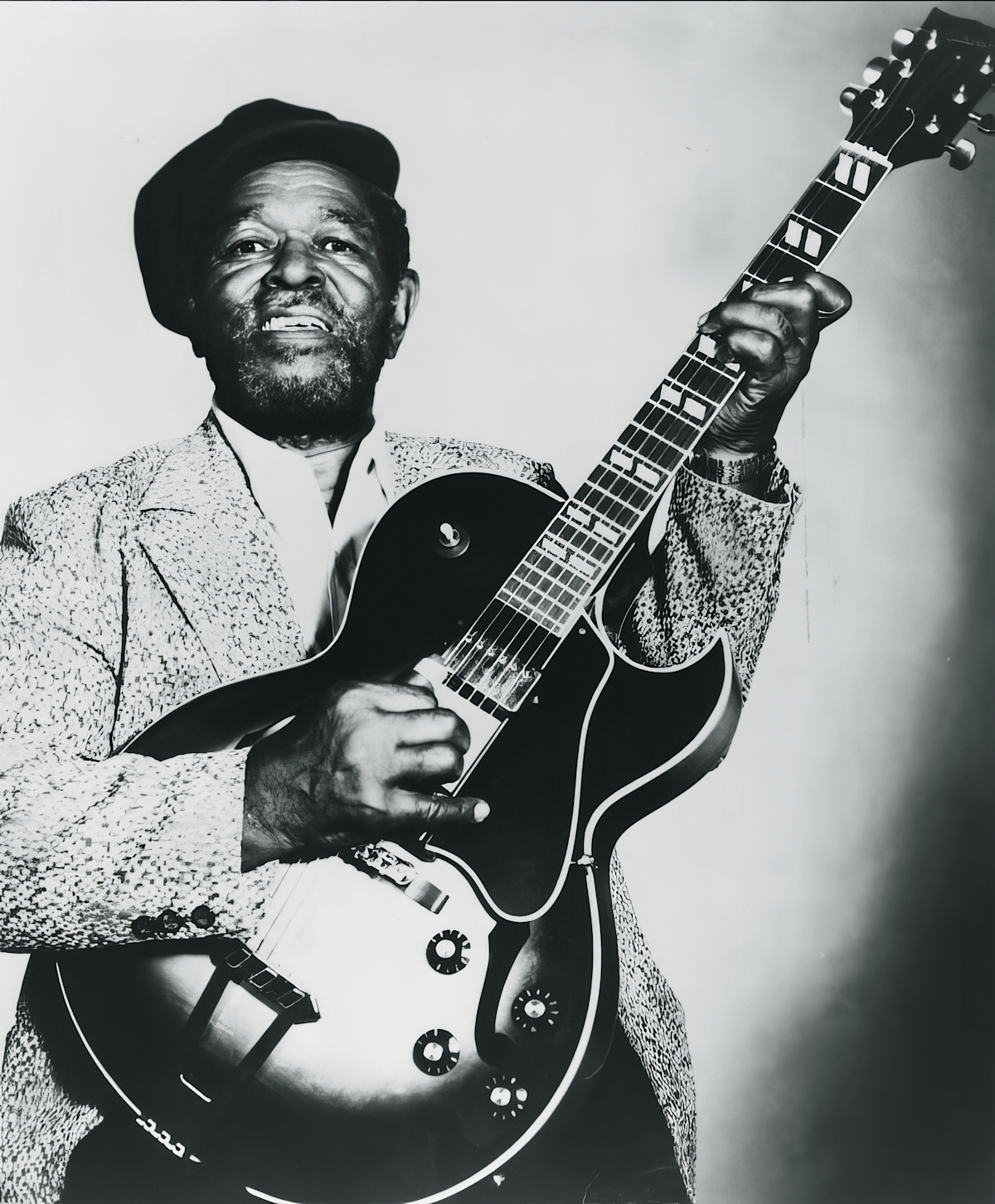
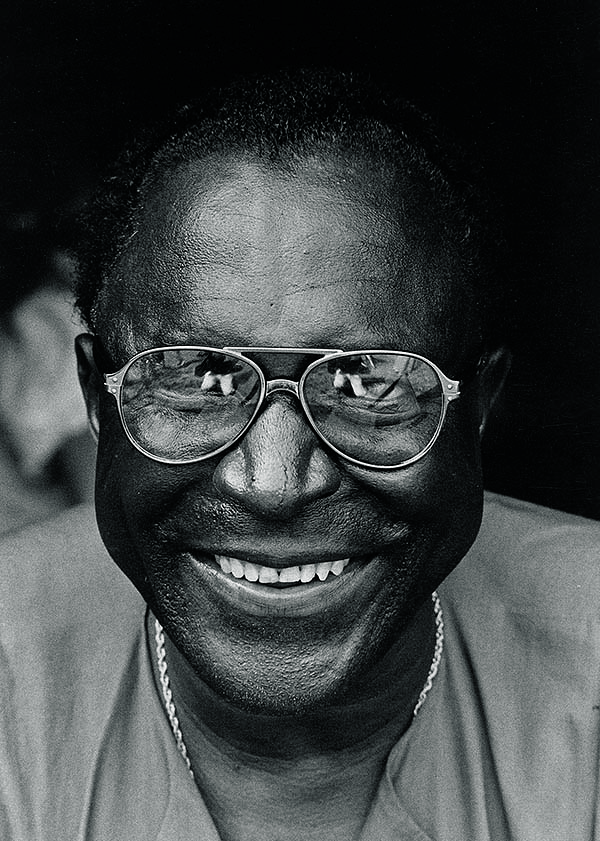
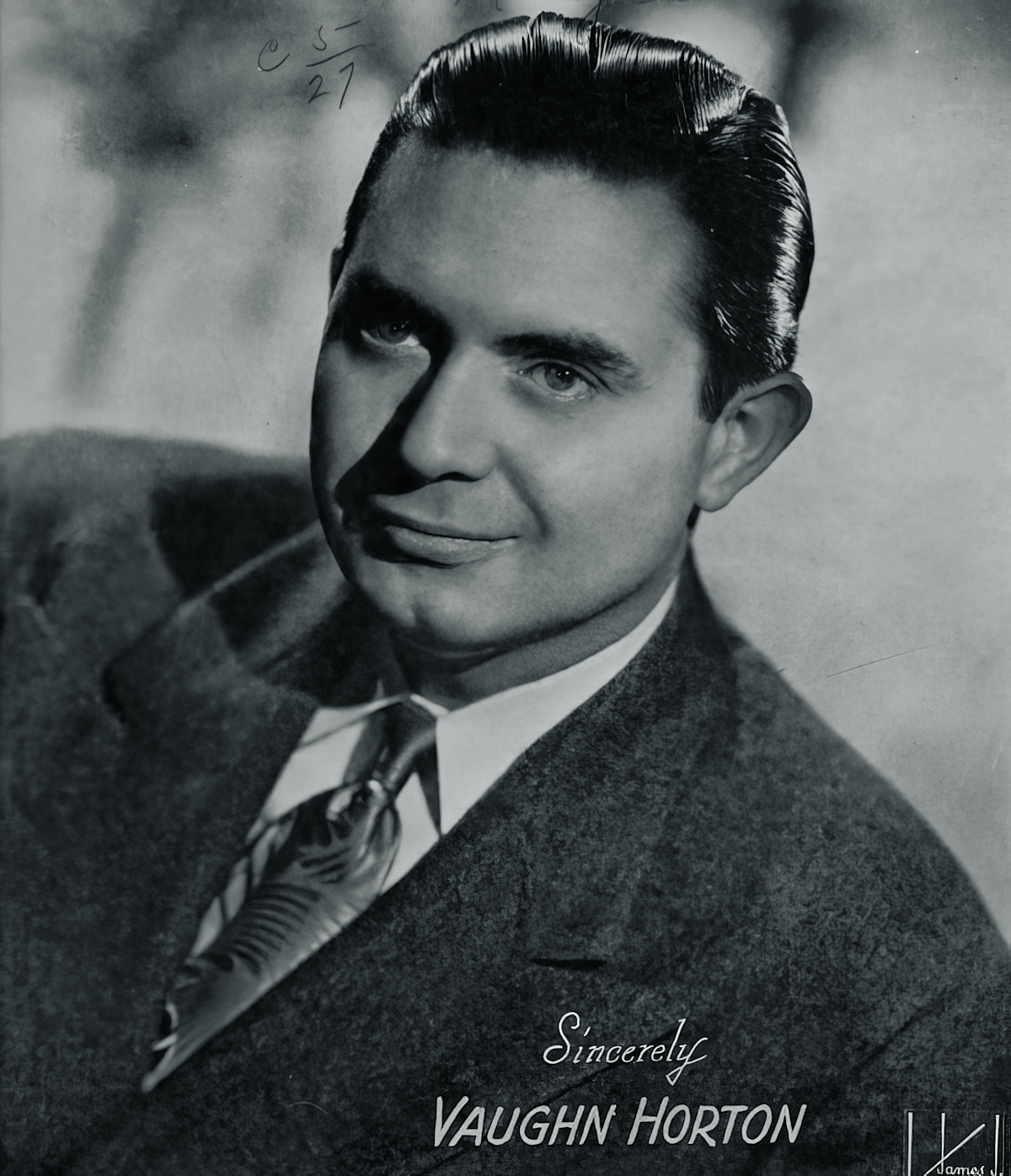
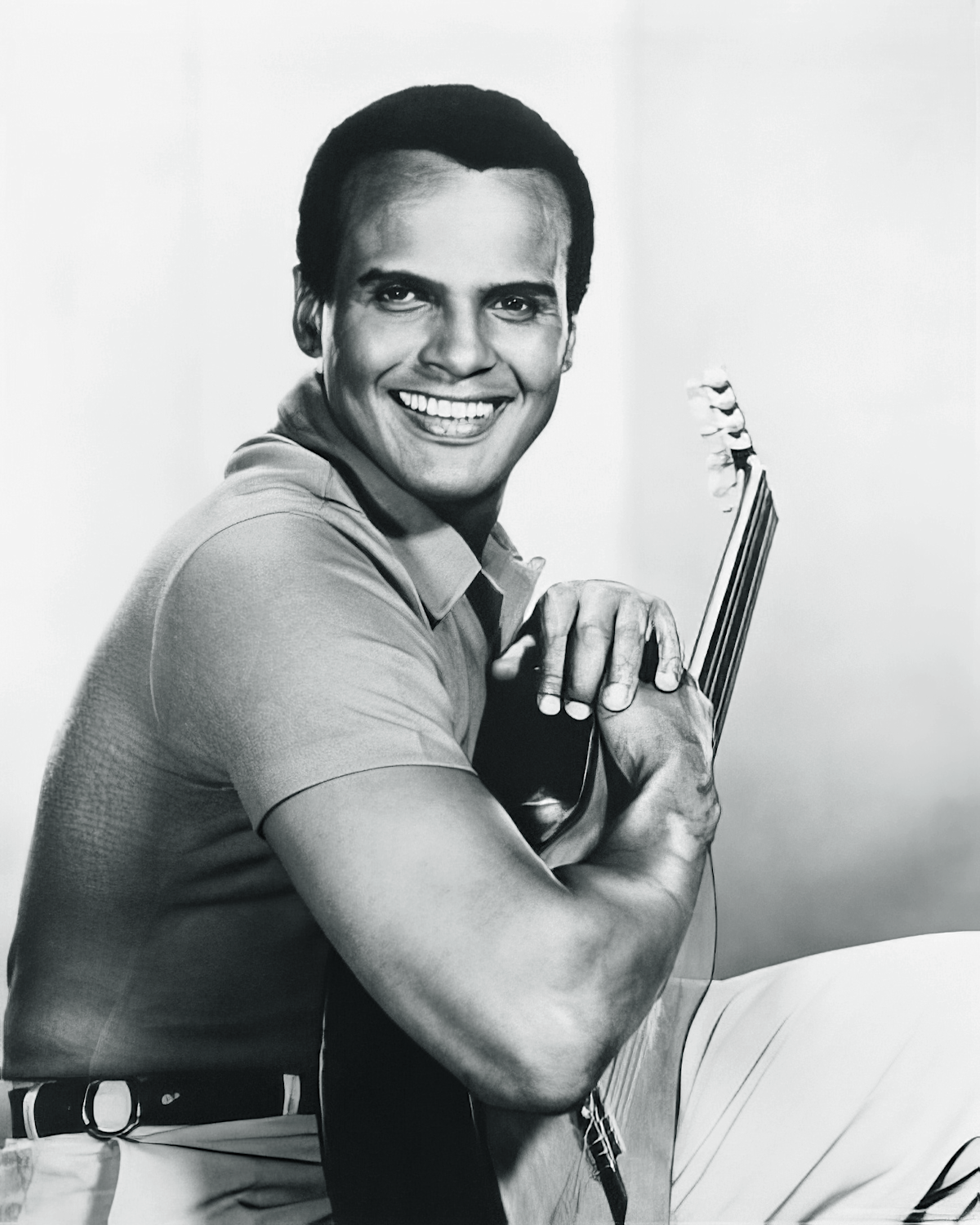
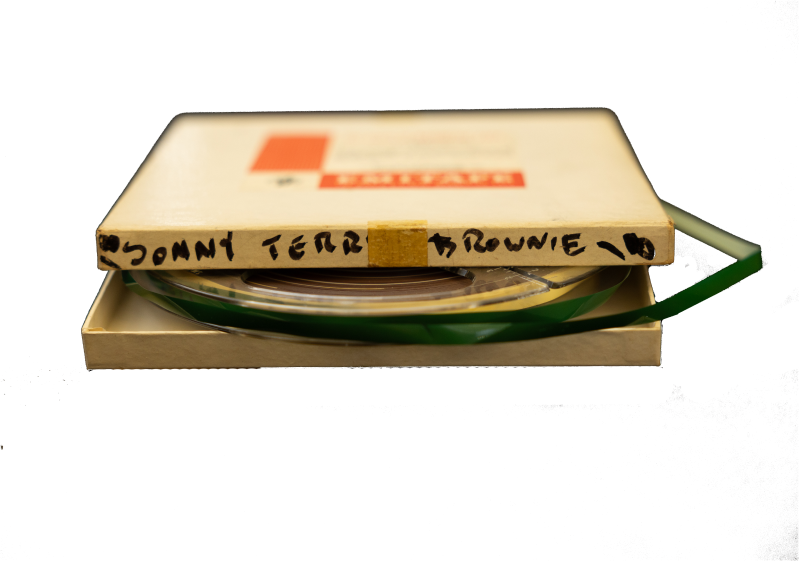
More folk and blues songwriters joined the TRO catalog, including Fred Neil, Sonny Terry, Brownie McGhee, Bessie Jones, Ed McCurdy, Blind Blake, Harry Belafonte, Cisco Houston, Vaughn Horton, and Oscar Brand.
Oscar Brand hosted the radio show "Folksong Festival" every Saturday at 10 p.m. in New York City. The show ran continuously for 70 years, making it the longest-running radio show with the same host, according to the Guinness Book of World Records. Over its run, Oscar and "Folksong Festival" introduced such talents to the world as Bob Dylan, Joan Baez, Woody Guthrie, Arlo Guthrie, Huddie Ledbetter, Joni Mitchell, Peter, Paul & Mary, Judy Collins, The Kingston Trio, Pete Seeger, and The Weavers.
That was the thing about that time with Cisco Houston, Lead Belly, and all those guys. They were fans of each other. When you think about Pete Seeger, he doesn’t think about himself; he thinks he was one of the people involved in the experience. The integrity was shared.
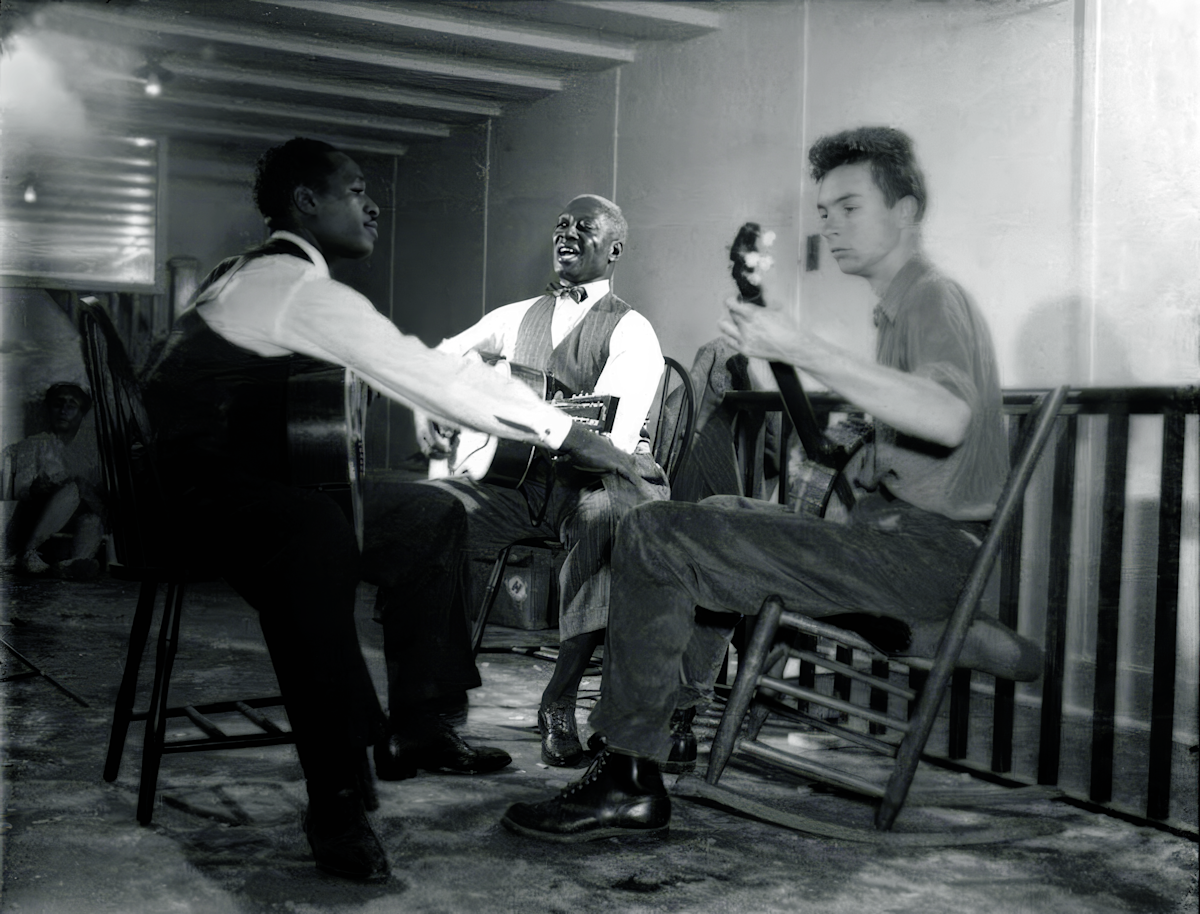
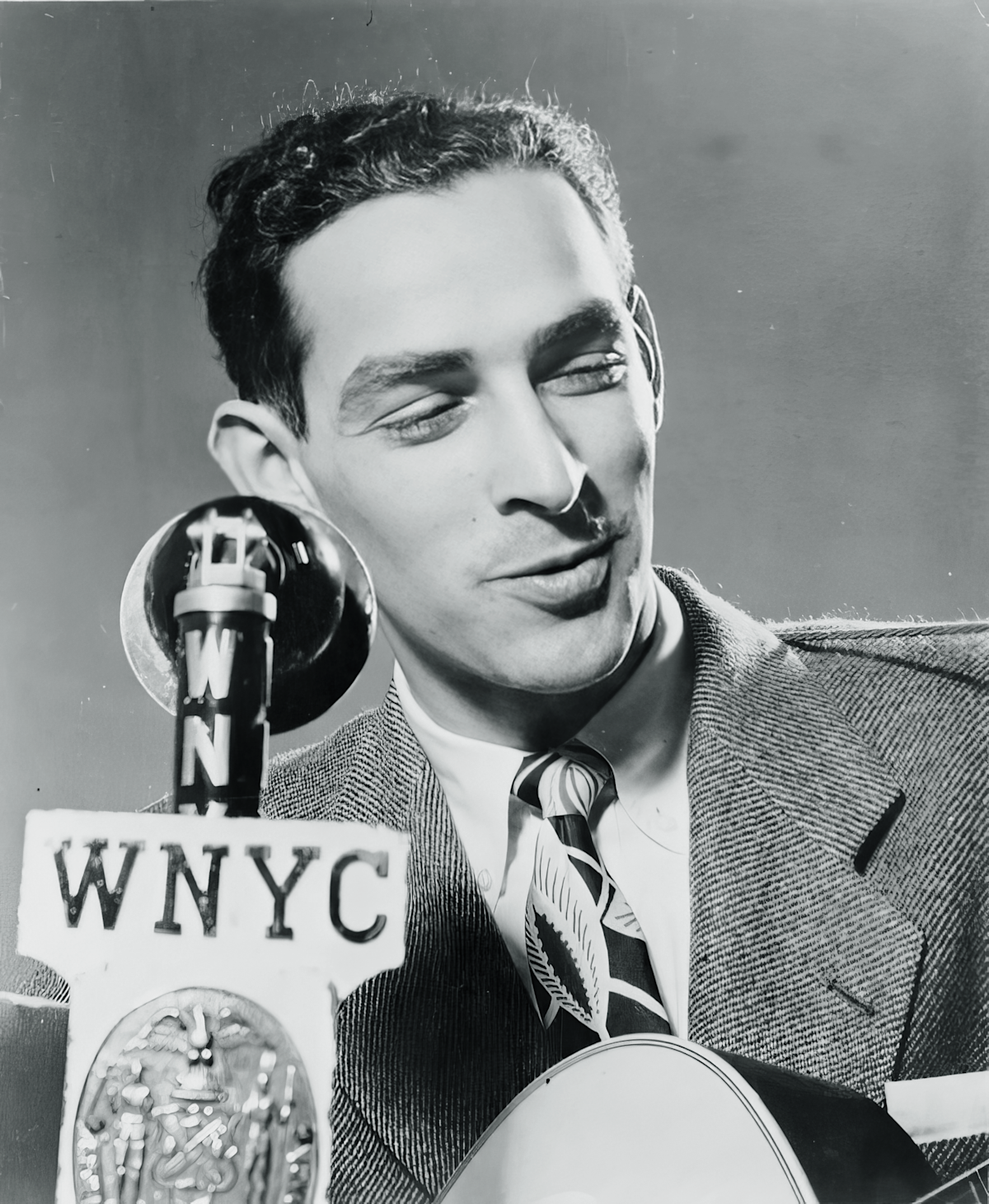

When Woody Guthrie walked into TRO’s offices in 1950, he found a musical home. Woody, who was greatly misunderstood by other publishers and record labels, had traveled throughout the country with the Almanac Singers in the 1940s, hosted a radio program with Lefty Lou, and wrote a weekly column titled "Woody Sez" for various left-leaning newspapers.
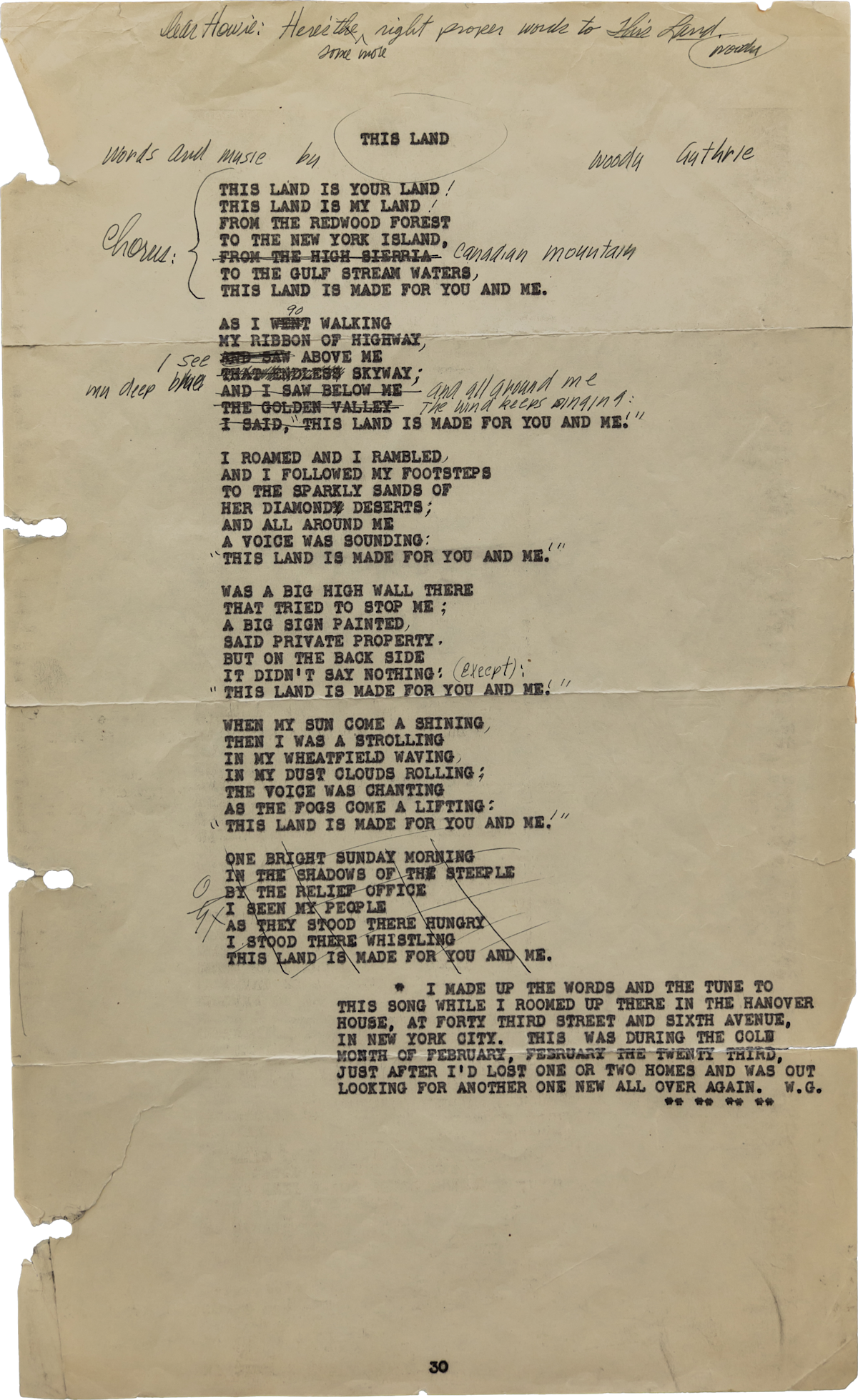
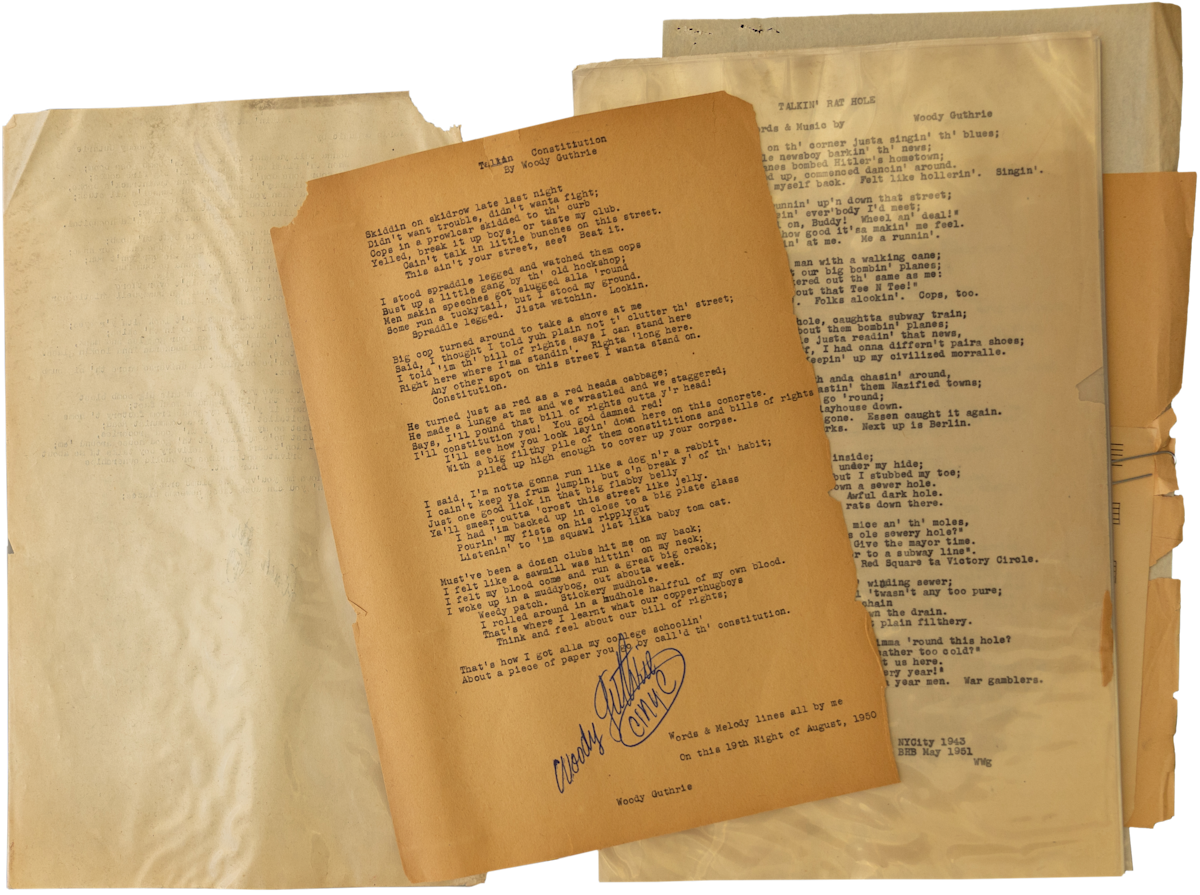
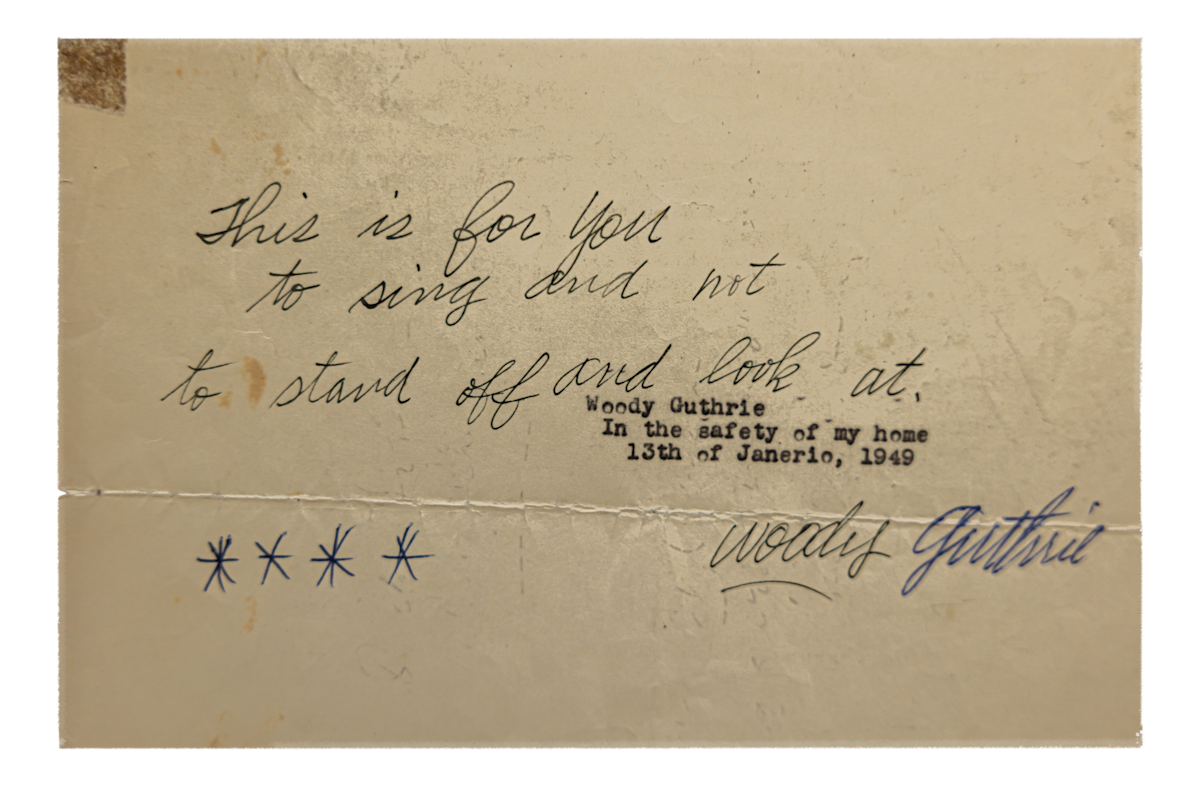
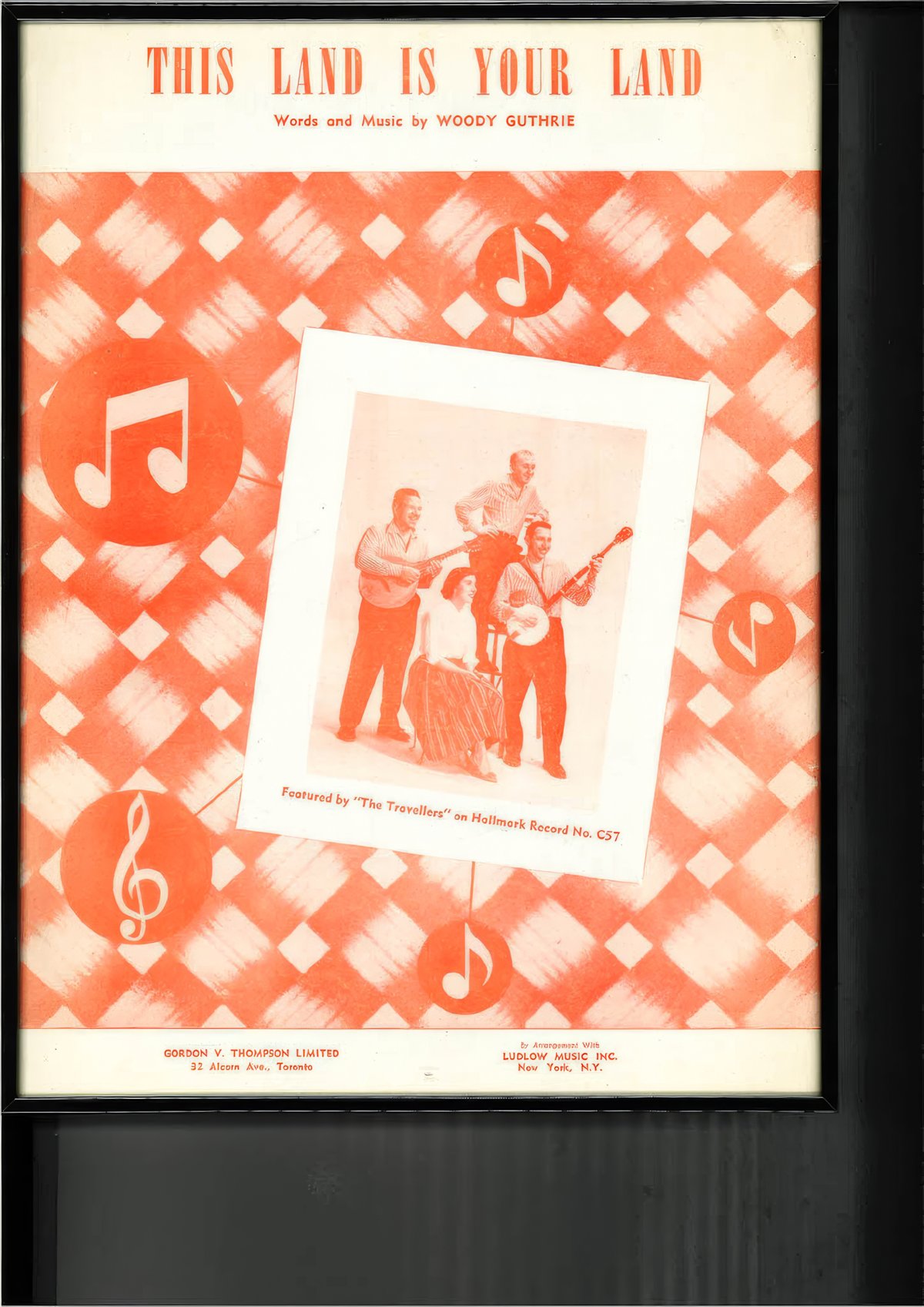
In Woody’s collection of over three thousand songs were stories of common people and their struggles. His songs offered inspiration and hope. One song in particular, "This Land Is Your Land," was written in response to Irving Berlin’s “God Bless America.” In order to get the song circulated, TRO gave a gratis license to print the work in schoolbooks, and soon the song was being taught to children throughout America. By the end of the decade, "This Land Is Your Land" was being sung across the country.
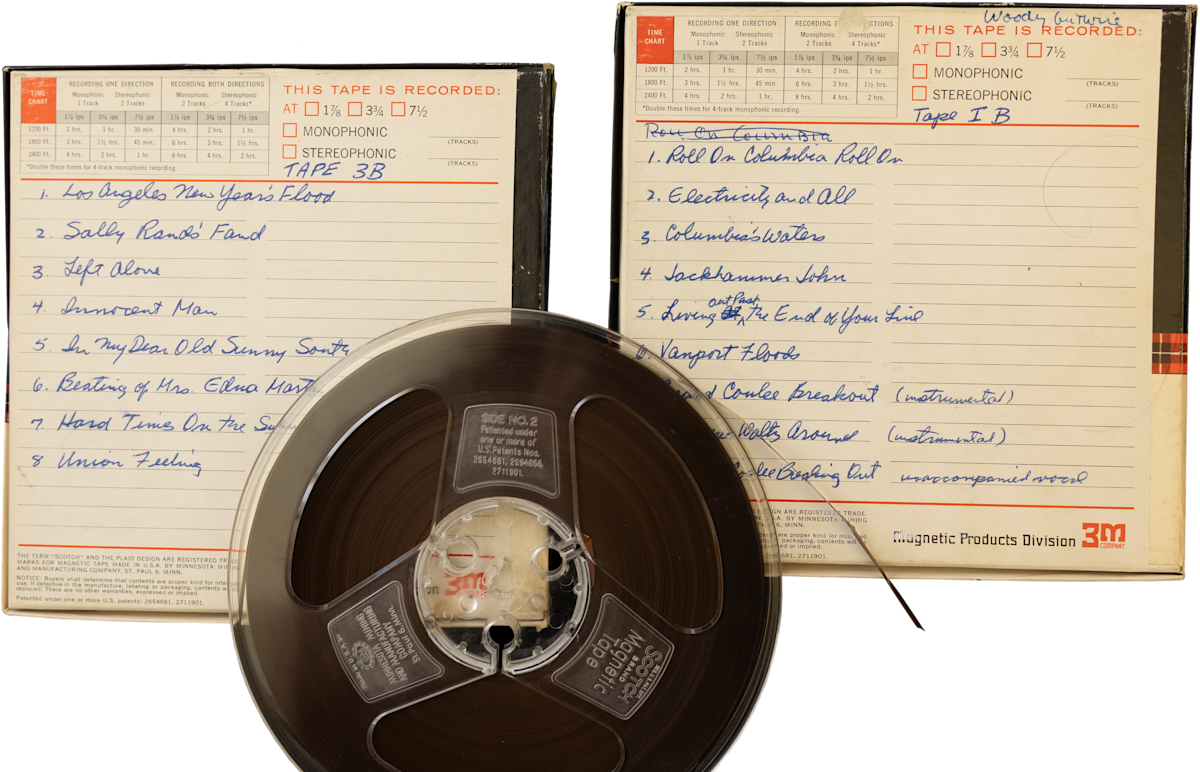
In the early 1950s, Woody’s health began to suffer from Huntington’s disease. Howie sent Woody a tape recorder so he could record his songs more comfortably. Woody Guthrie’s words, honesty, and truths have resonated and inspired generations of musicians, including Bob Dylan, Joan Baez, and so many more.
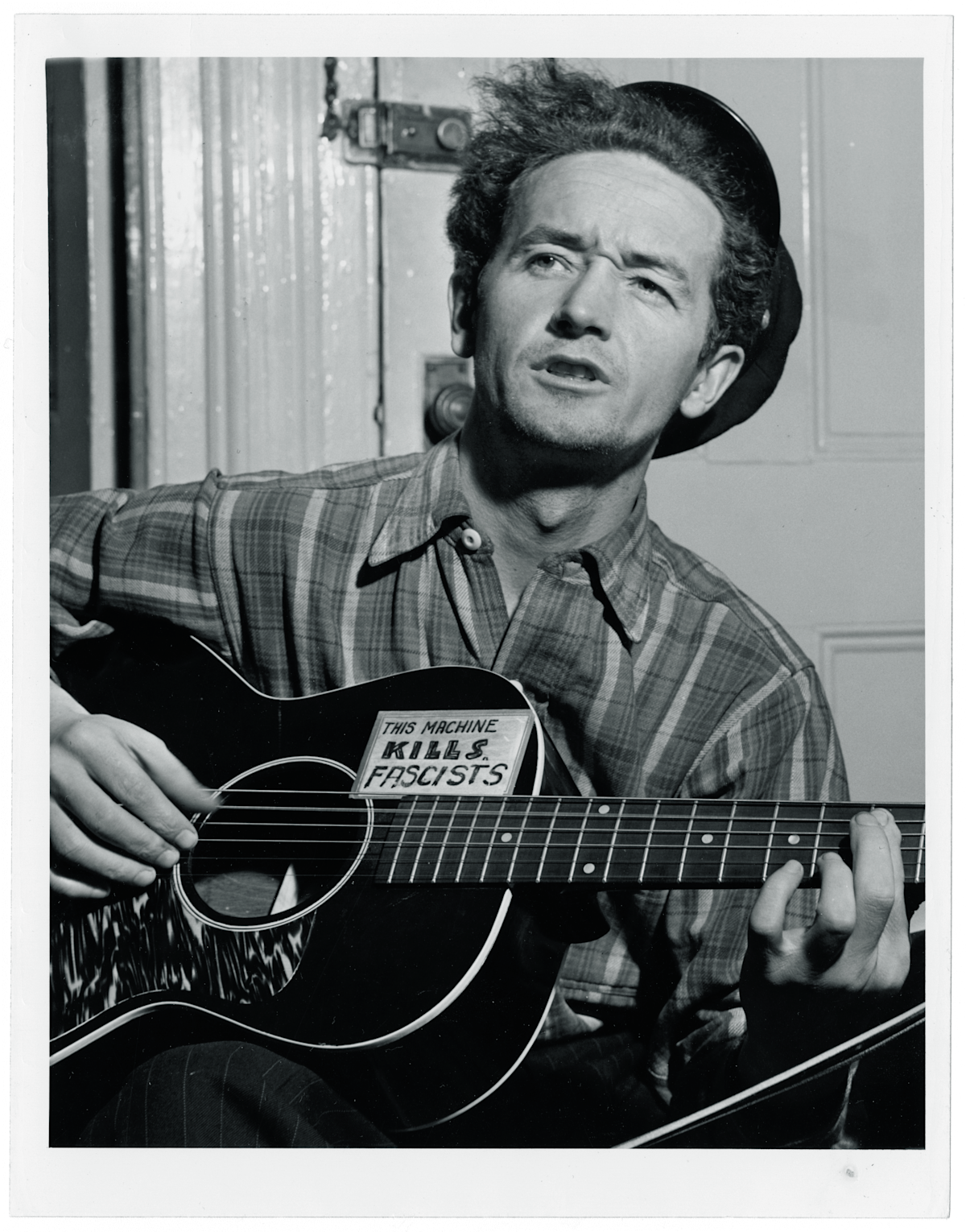
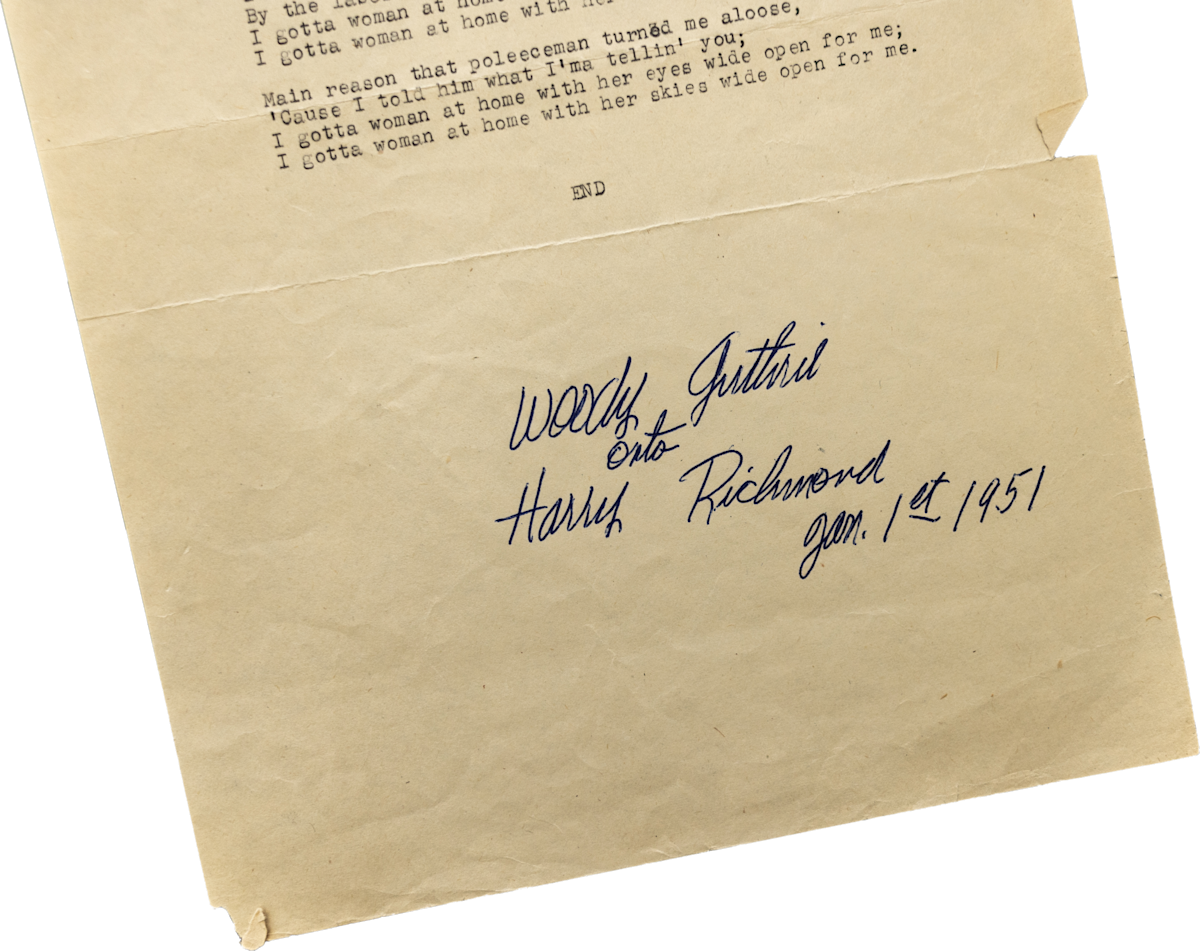
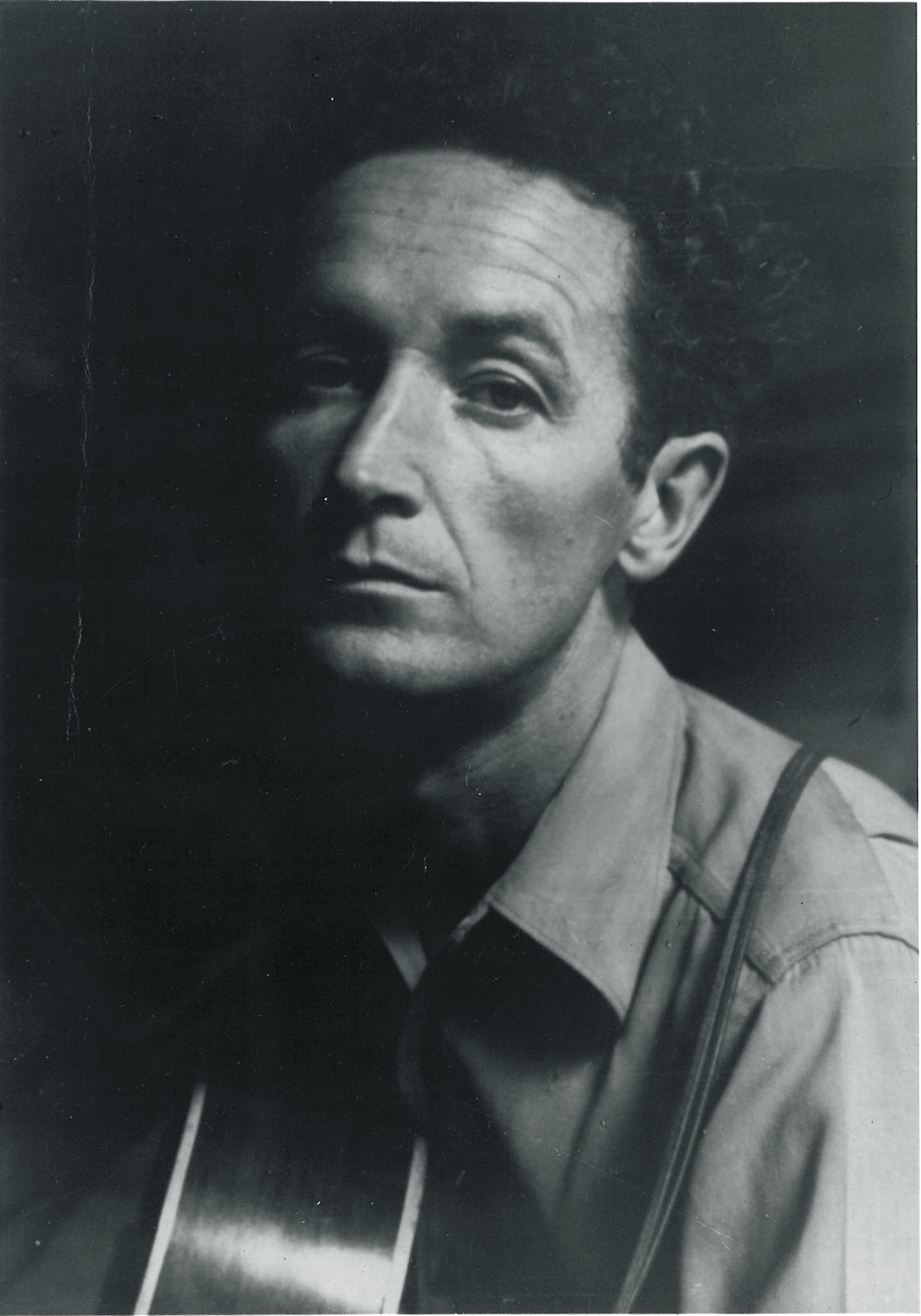
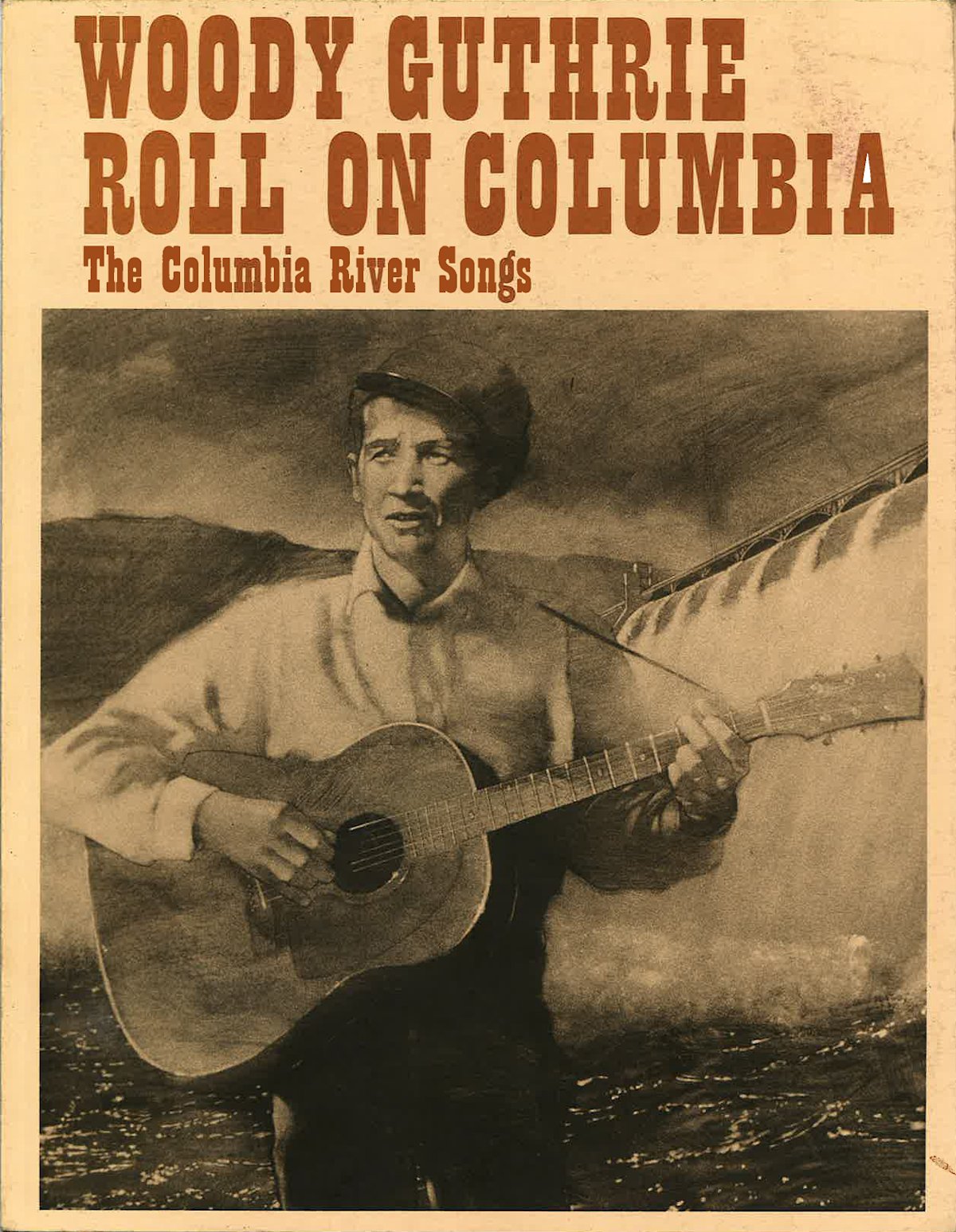
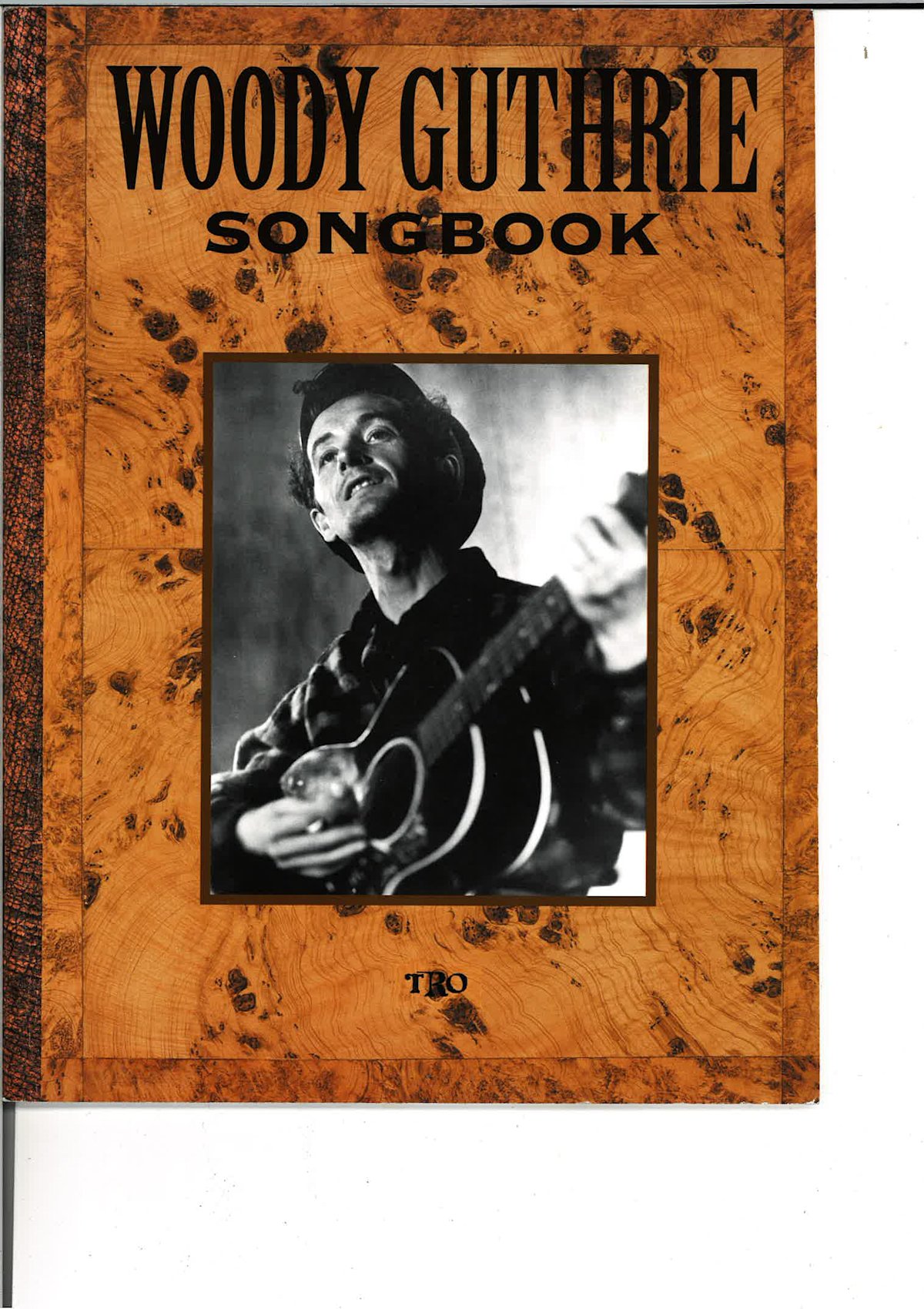
Woody was a hero to me before I knew him and before I was a publisher. Most of the things that Woody did, he had done in his life long before I came along into it. I was still in the army when I first heard a Woody song, "The Good Ship Reuben James." I was so thrilled with it because it was not a conventional song, but it was a song that said a lot. When the Weavers broke with "Goodnight Irene," we weren’t really talking about Woody yet.
We were sharing the collection of songs Woody had put together with a few people. The songs had really been confined to Woody singing them for his family and friends. Sometimes, we would show the songs to singers and record labels, but they always asked, "What market would they have?" But they were alive. With Woody’s work, all it had to be was... shared.

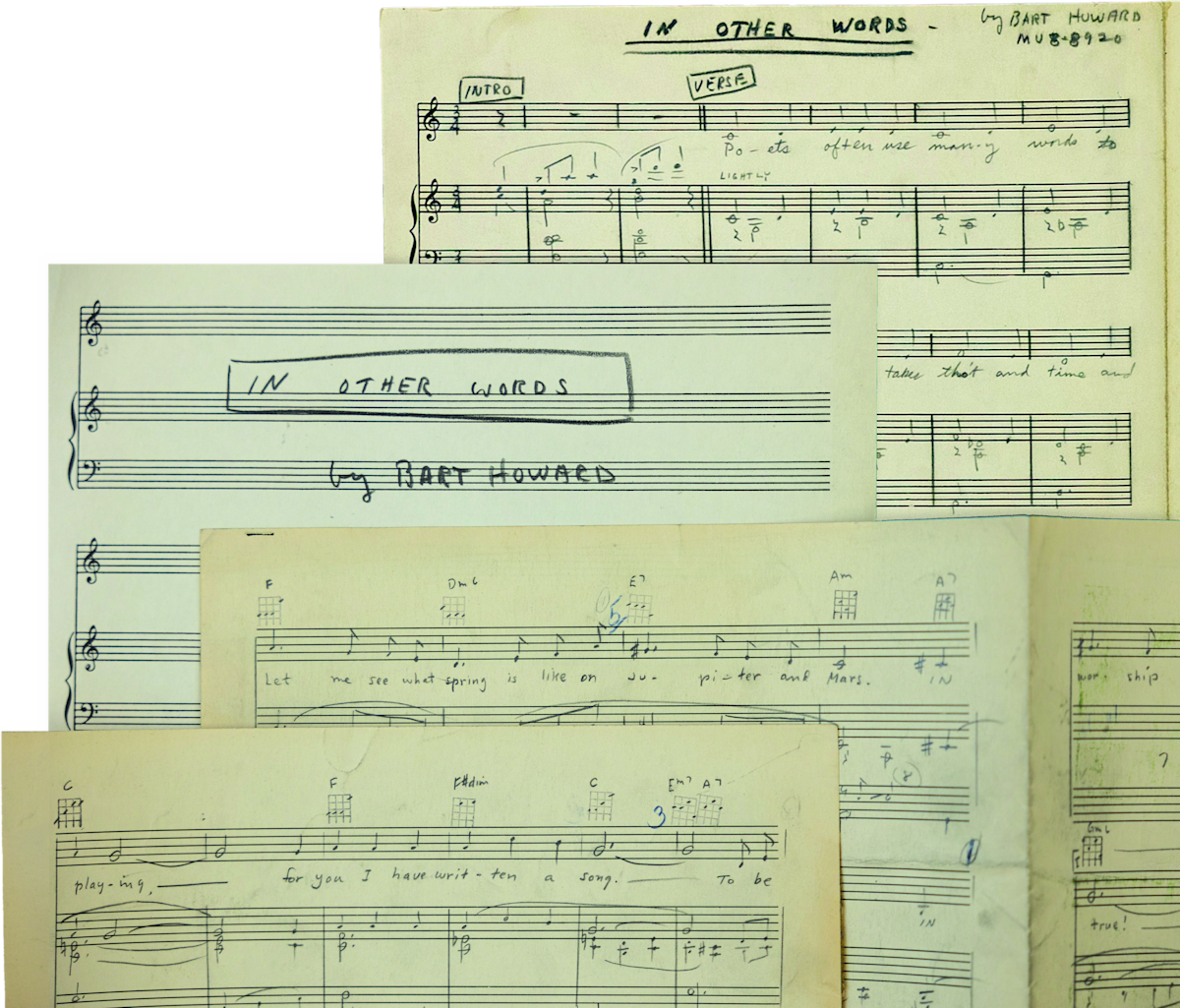
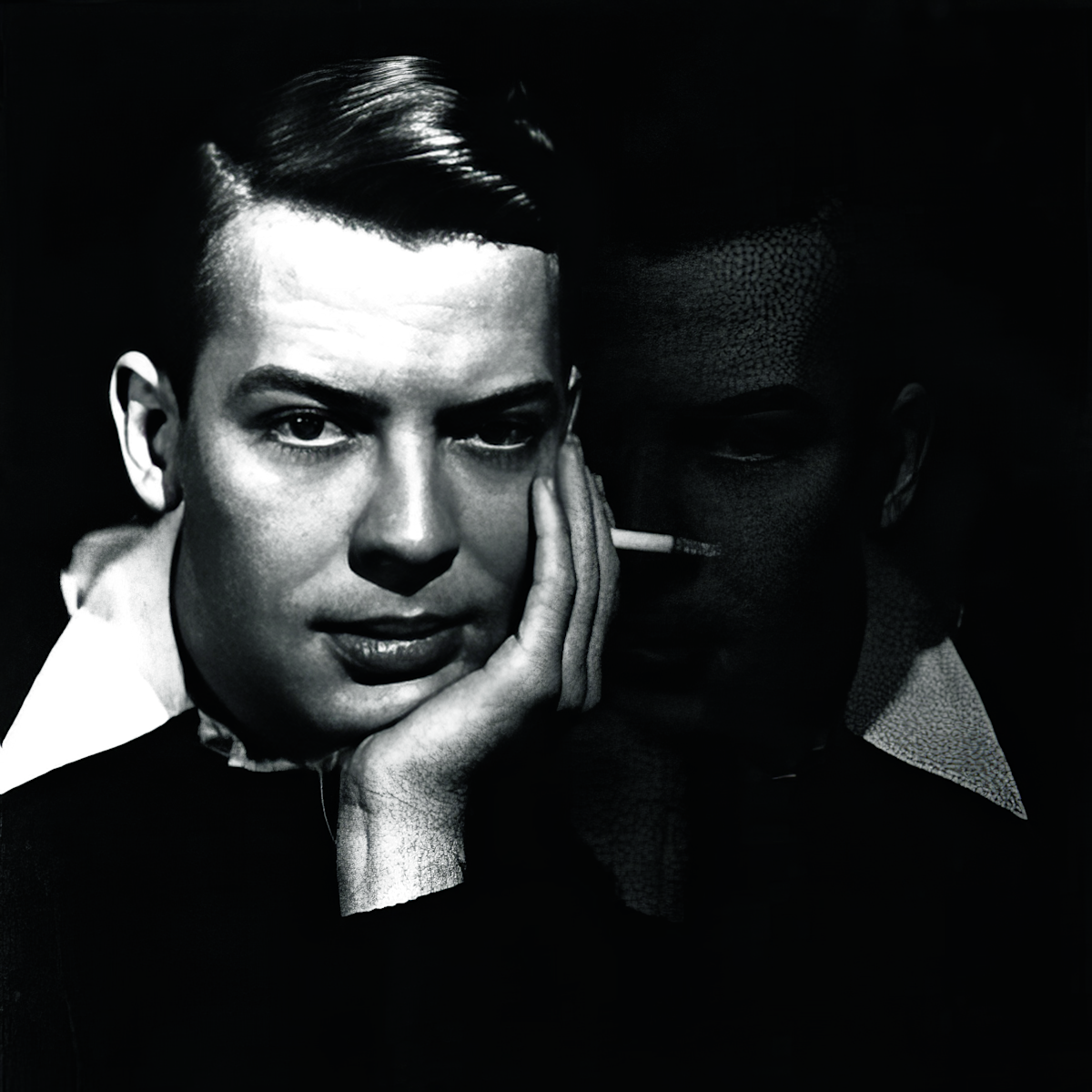
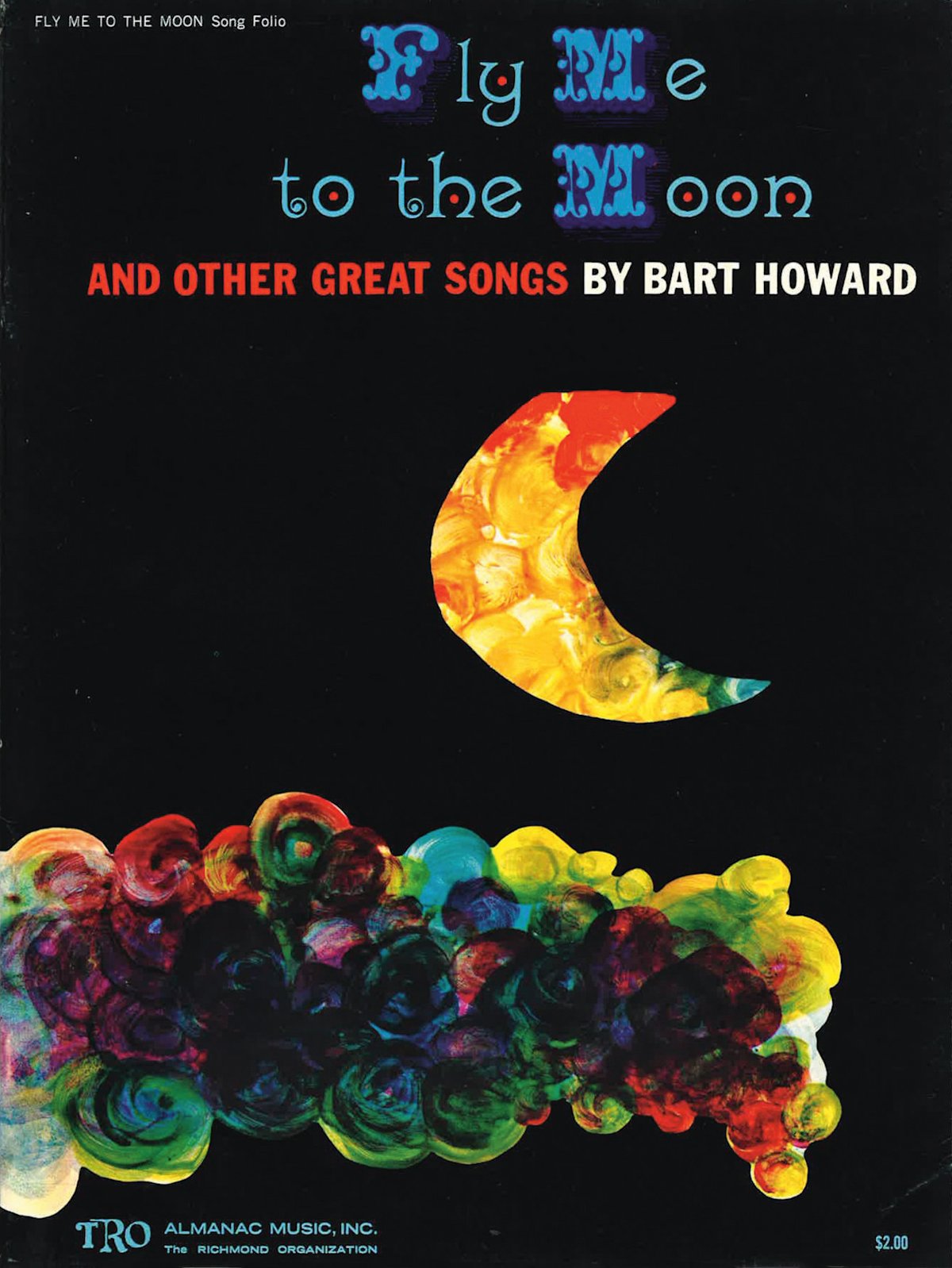
By the mid-1950s, clubs in New York were transitioning from folk and blues to jazz and cabaret. Bart Howard was a pianist and songwriter who had written songs in the larger theatrical style inspired by his idol Cole Porter, but Howie and Al had requested a simpler song format. The result was a song entitled "In Other Words." “After 20 years in the music business,” Bart said, “I finally learned to write a song in 20 minutes.” TRO took "In Other Words" to Kaye Ballard, who released the first recording on Decca in 1954. However, it was the 1956 performance by Peggy Lee on the Ed Sullivan Show that made the song a hit.
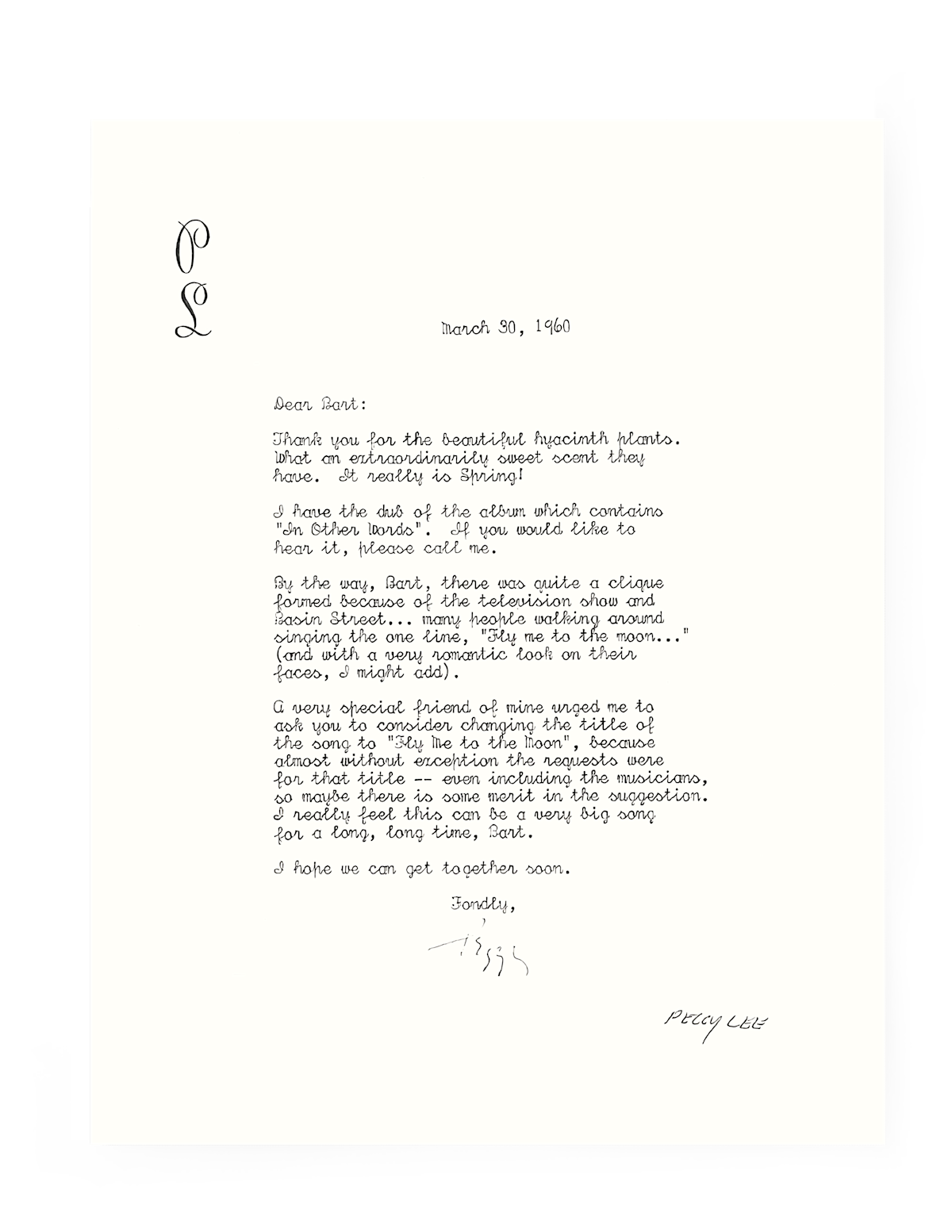
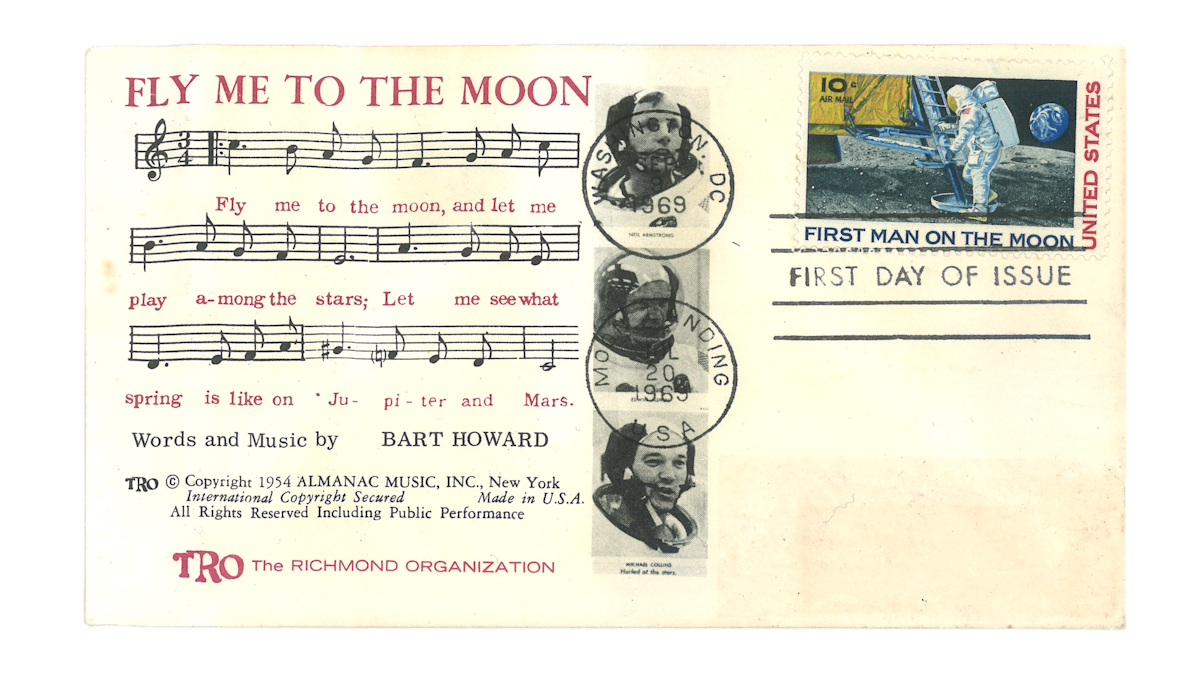
Peggy wrote to Bart, encouraging him to change the title. “Everywhere you go downtown, people are talking about this song,” she said to him, “but you have to change the title.” The song was officially changed to "Fly Me to the Moon (In Other Words)" a decade after it was originally written and was famously recorded by Frank Sinatra and Count Basie in 1964. In 1969, the Sinatra recording was played by Neil Armstrong during the moon landing.

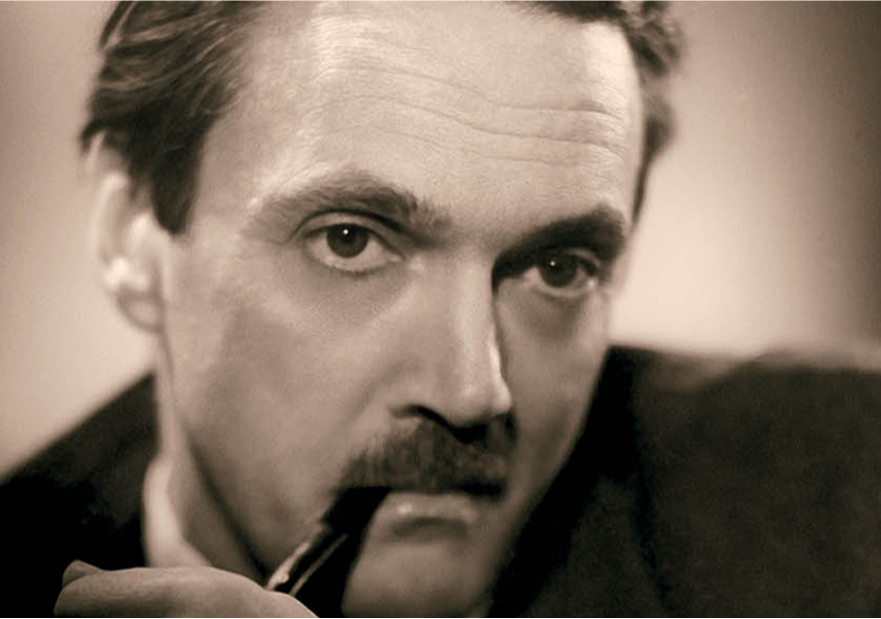
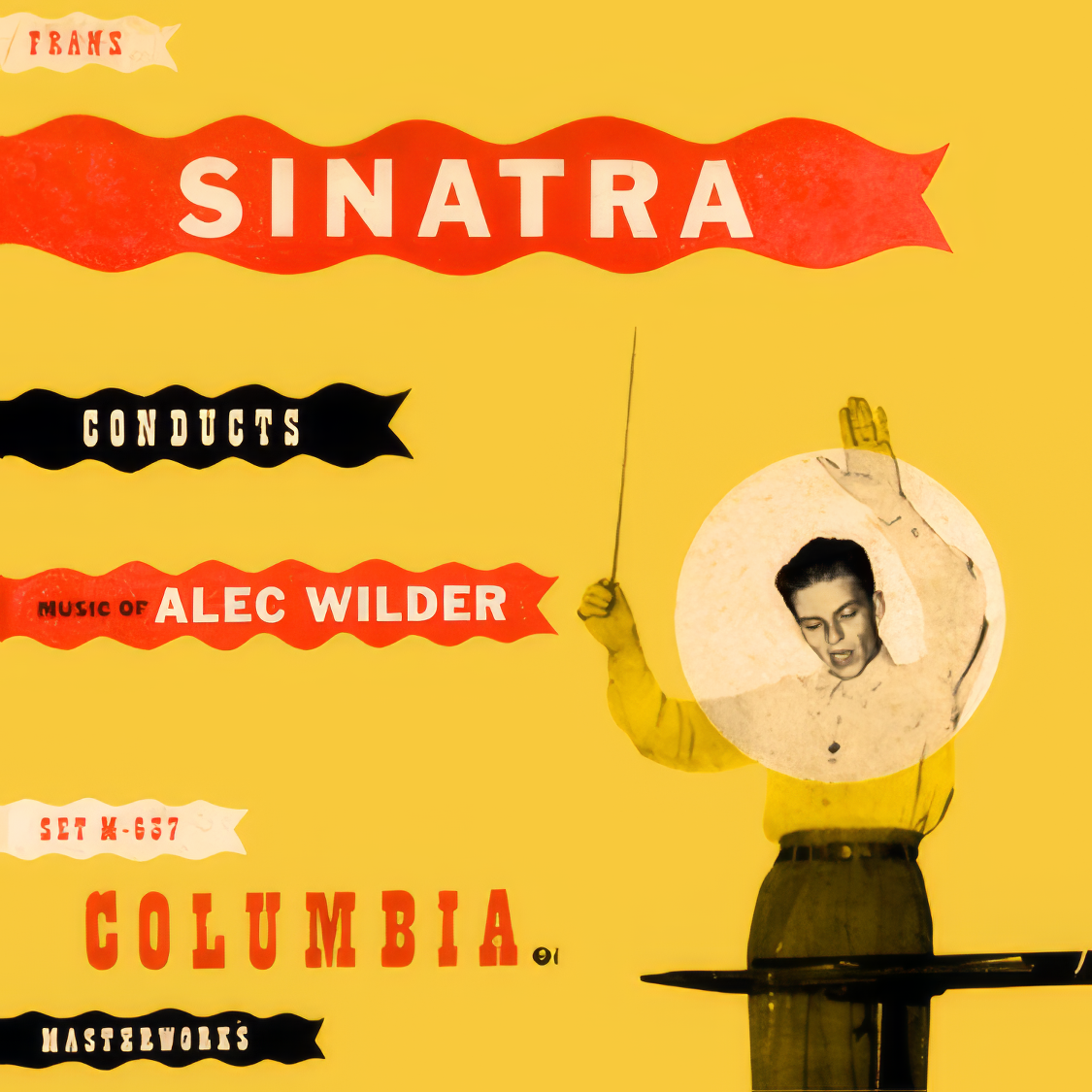
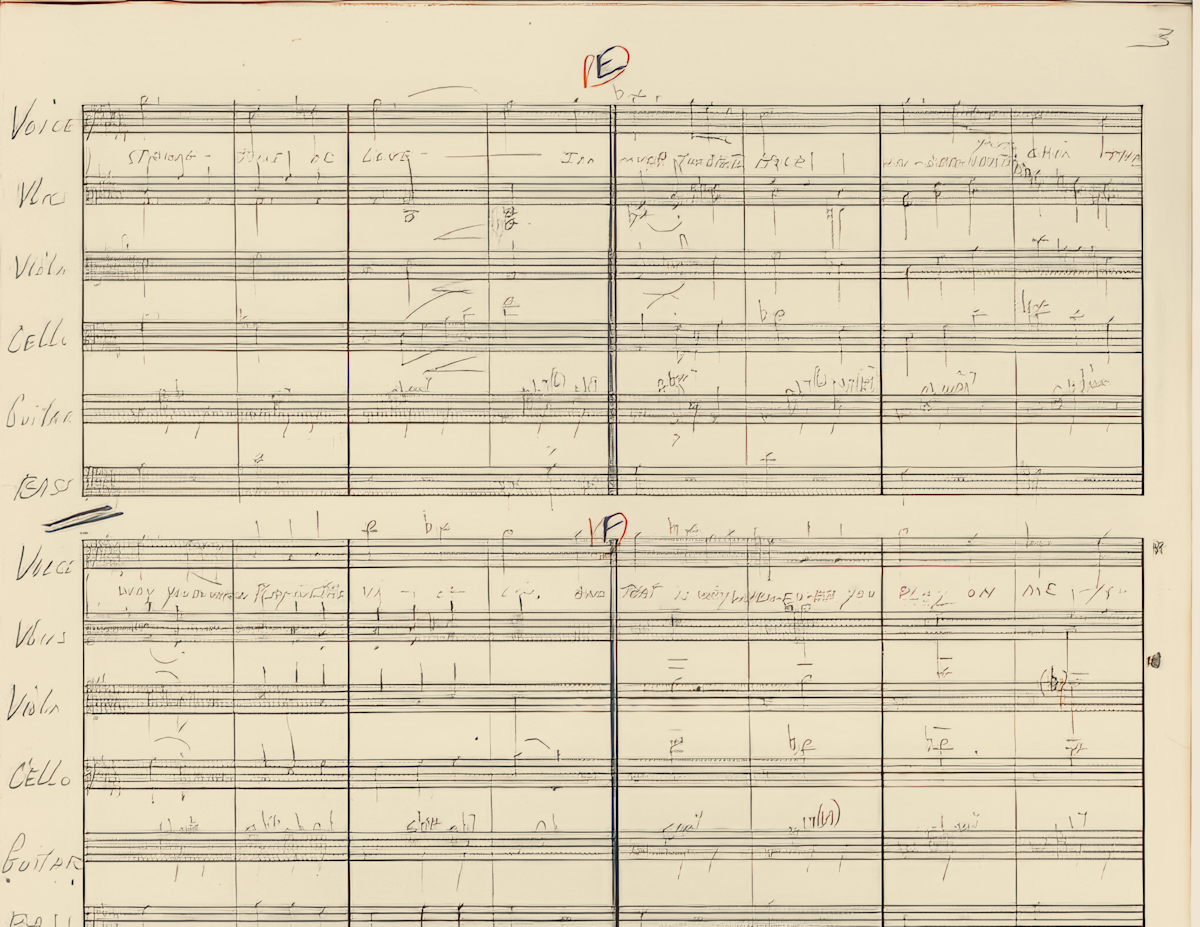
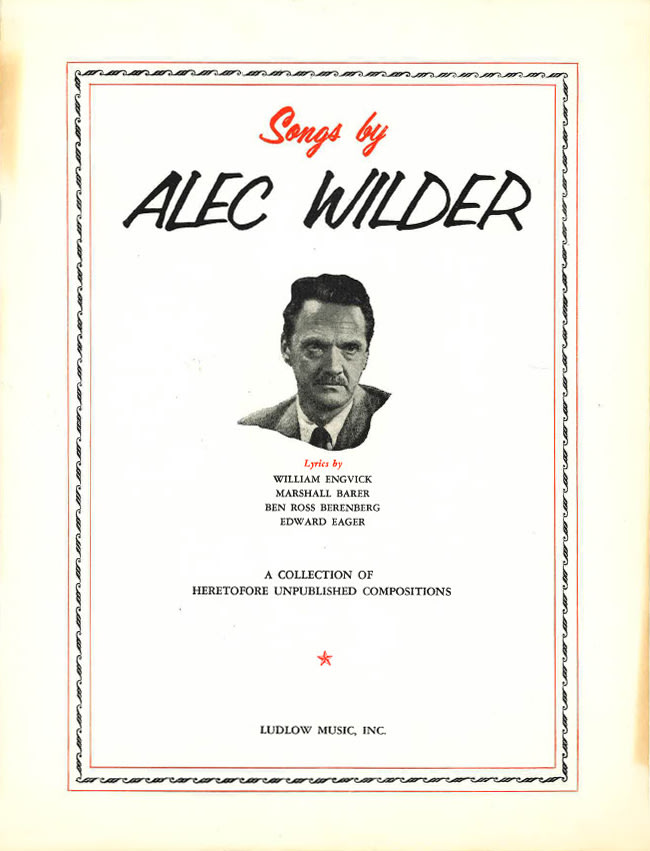
Composer Alec Wilder met Howie in the late 1940s. He was nicknamed “The Professor” by his good friend Frank Sinatra, who in 1955 conducted and recorded an album of the Wilder Octets for Columbia Records. Wilder was also a member of the Algonquin Round Table with Dorothy Parker, and in 1972, he published the revered "American Popular Song, 1900-1950: The Great Innovators," which is still considered the most complete analysis of the time period. In addition to his serious music collection of quintets, operas, octets, and sonatas, Alec collaborated with lyricists Loonis McGlohon, Arnold Sundgaard, Bill Engvick, and Marshall Barer. His popular song catalog includes standards recorded by Peggy Lee, Tony Bennett, Marian McPartland, Frank Sinatra, and Gunther Schuller.
I met Alec long after I had become an admirer of his. I like to think of when I first fell in love with Alec’s work. I heard the works of Alec’s octets, and there was just something incredible and magical about them. I was fortunate enough at that time to be hanging around with—or in the close environs of—musicians who were able to point out Alec’s work early on. I don’t think I would have known how to discover it or maybe how to even listen to it, although everybody that heard it was attracted to it. He had a very special, unique, wonderful place in, I guess you might say, the souls of all those who heard it.
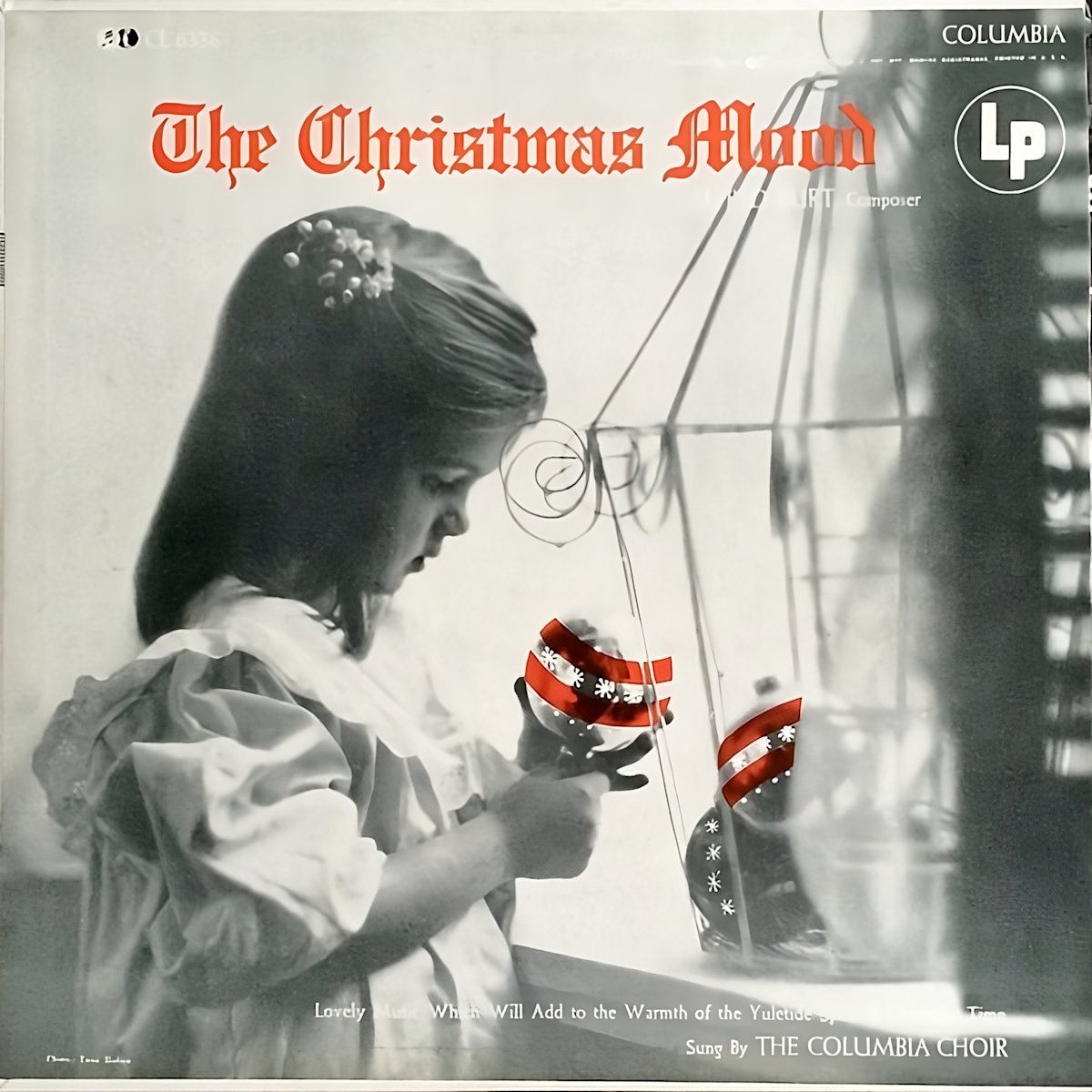
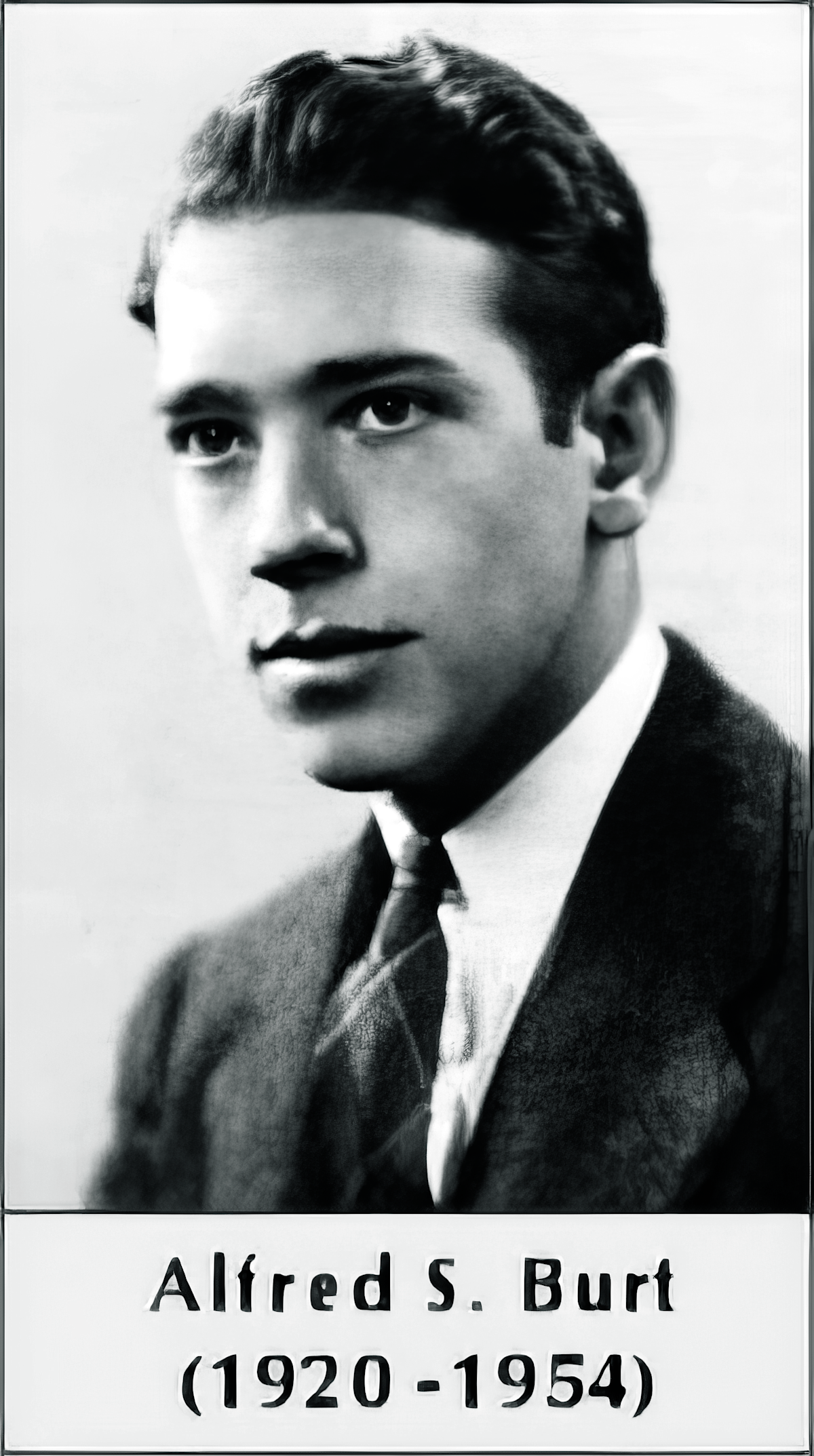
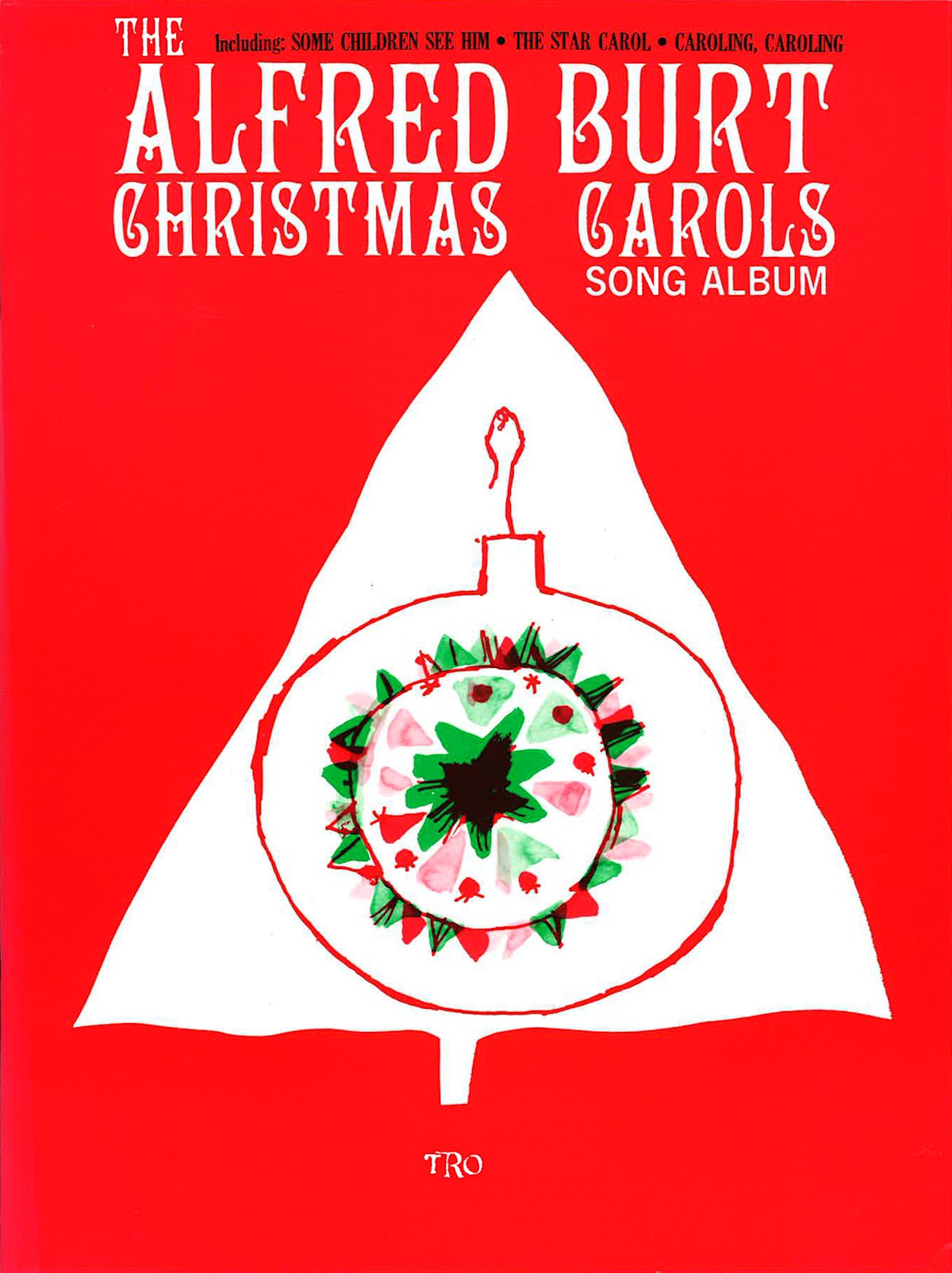
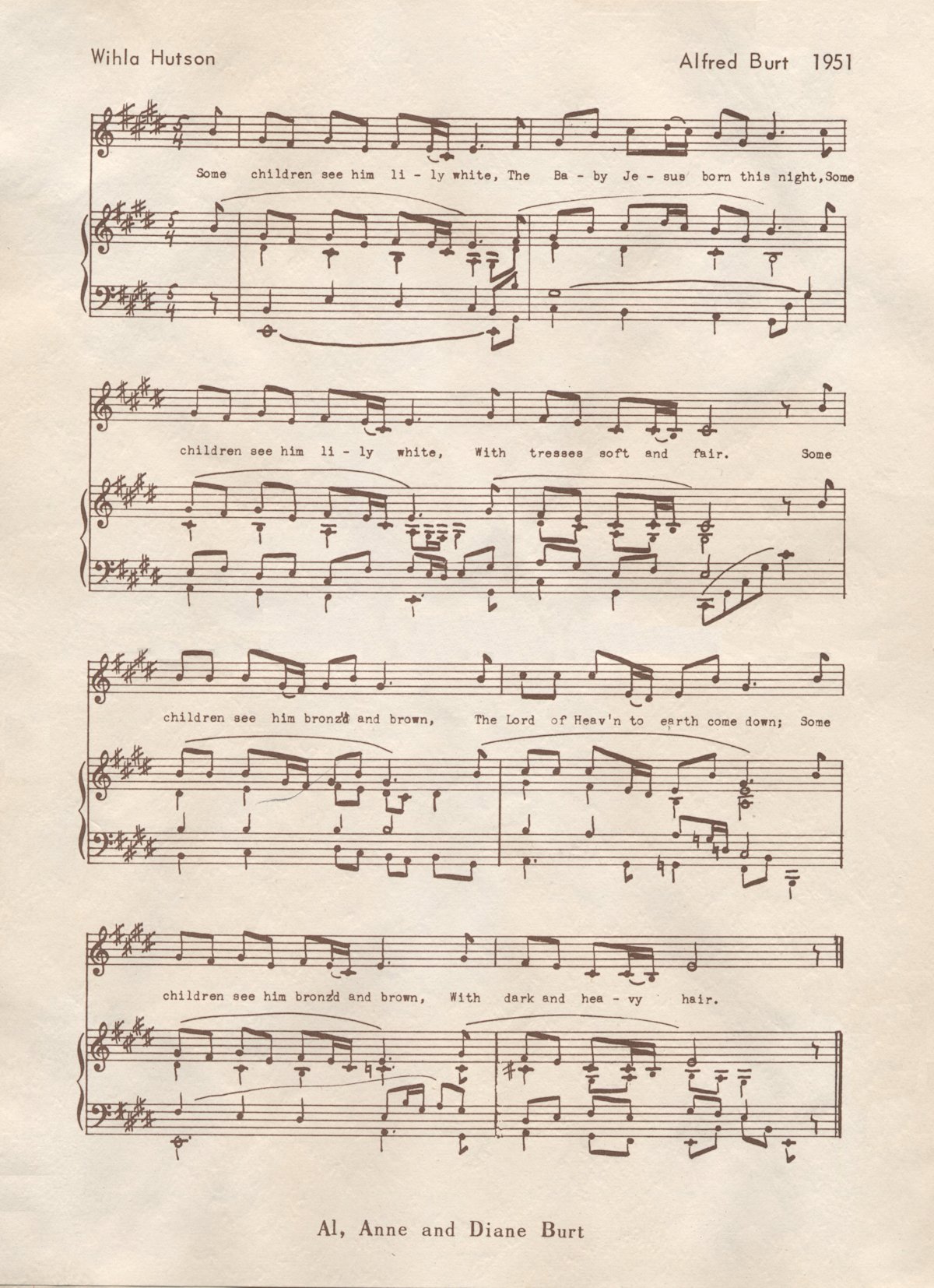
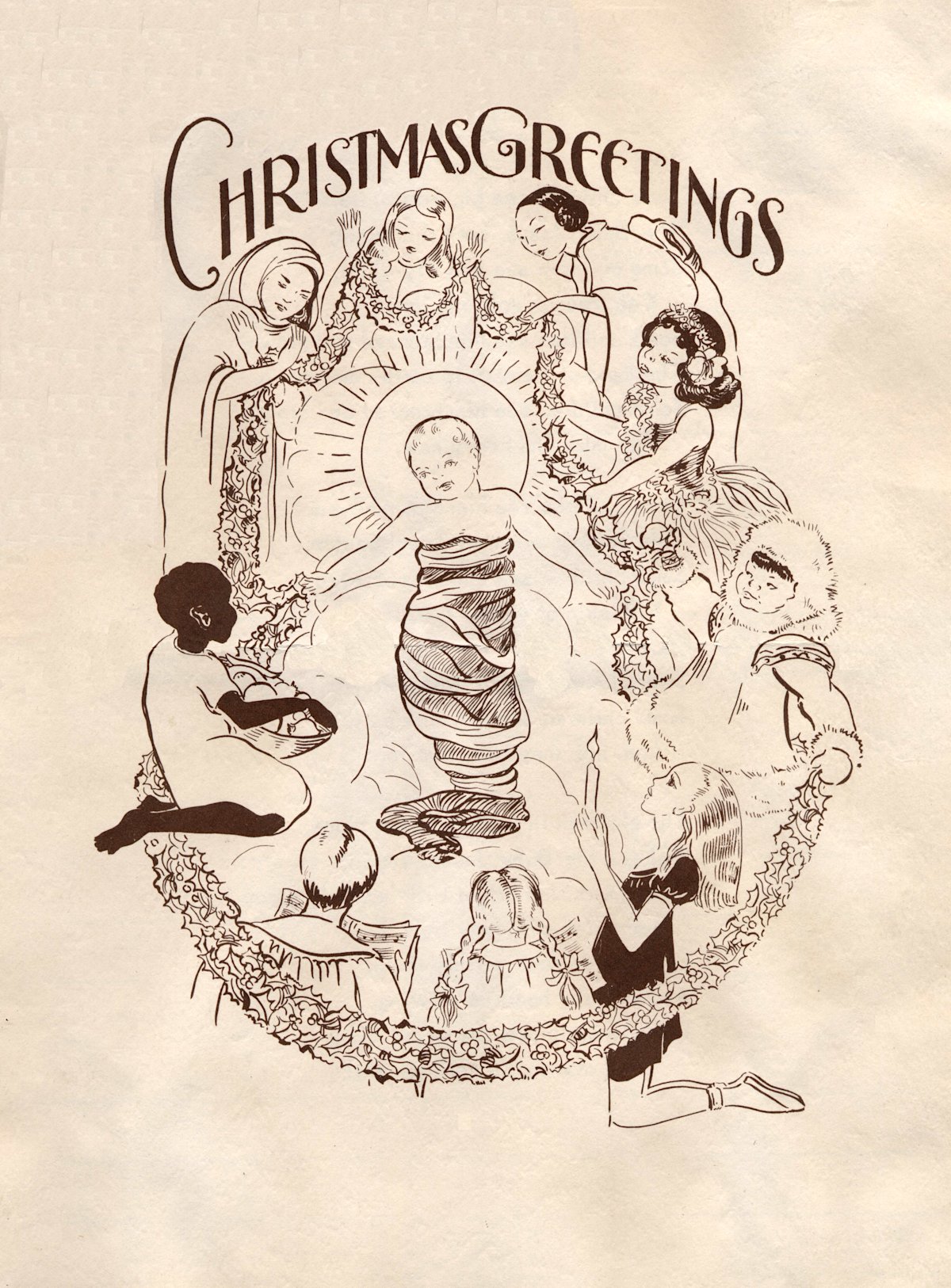
TRO signed another very special catalog, The Alfred Burt Carols, which were originally annual Christmas cards written by composer Alfred Burt with lyrics by Wihla Hutson. The Alfred Burt Carols originated in the small Upper Peninsula town of Marquette, Michigan. Alfred Burt was the son of the rector of St. Paul’s Episcopal Church, Reverend Bates G. Burt, who started the Burt family tradition of sending an original carol as a Christmas card to friends and parishioners. Alfred joined his father and later Wihla Hutson in creating the series of carols as songs.
The Carols were first recorded in 1954 by the Columbia Choir and Brass Ensemble, popularized by Fred Waring and His Pennsylvanians, and licensed for print to Waring’s Shawnee Press in three choral sets. Over the years, the Carols have been individually recorded by a wide range of artists, from Nat King Cole to James Taylor. Tennessee Ernie Ford’s recording of "The Star Carol" peaked at No. 4 on the Billboard Christmas charts in 1958, followed by Fred Waring and His Pennsylvanians’ recording of six of the Carols in 1959 and Nat King Cole’s recording of "Caroling Caroling" in 1960.
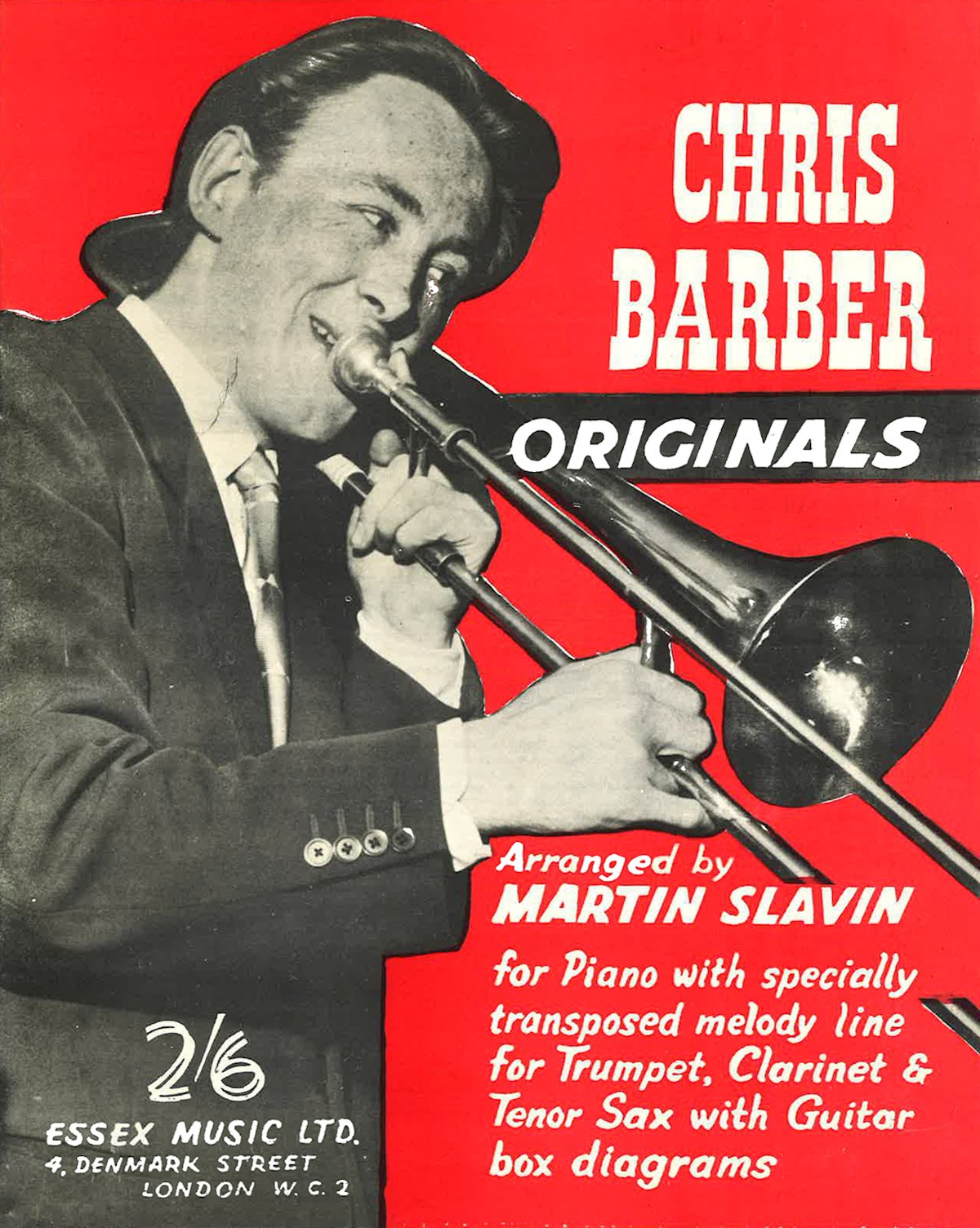
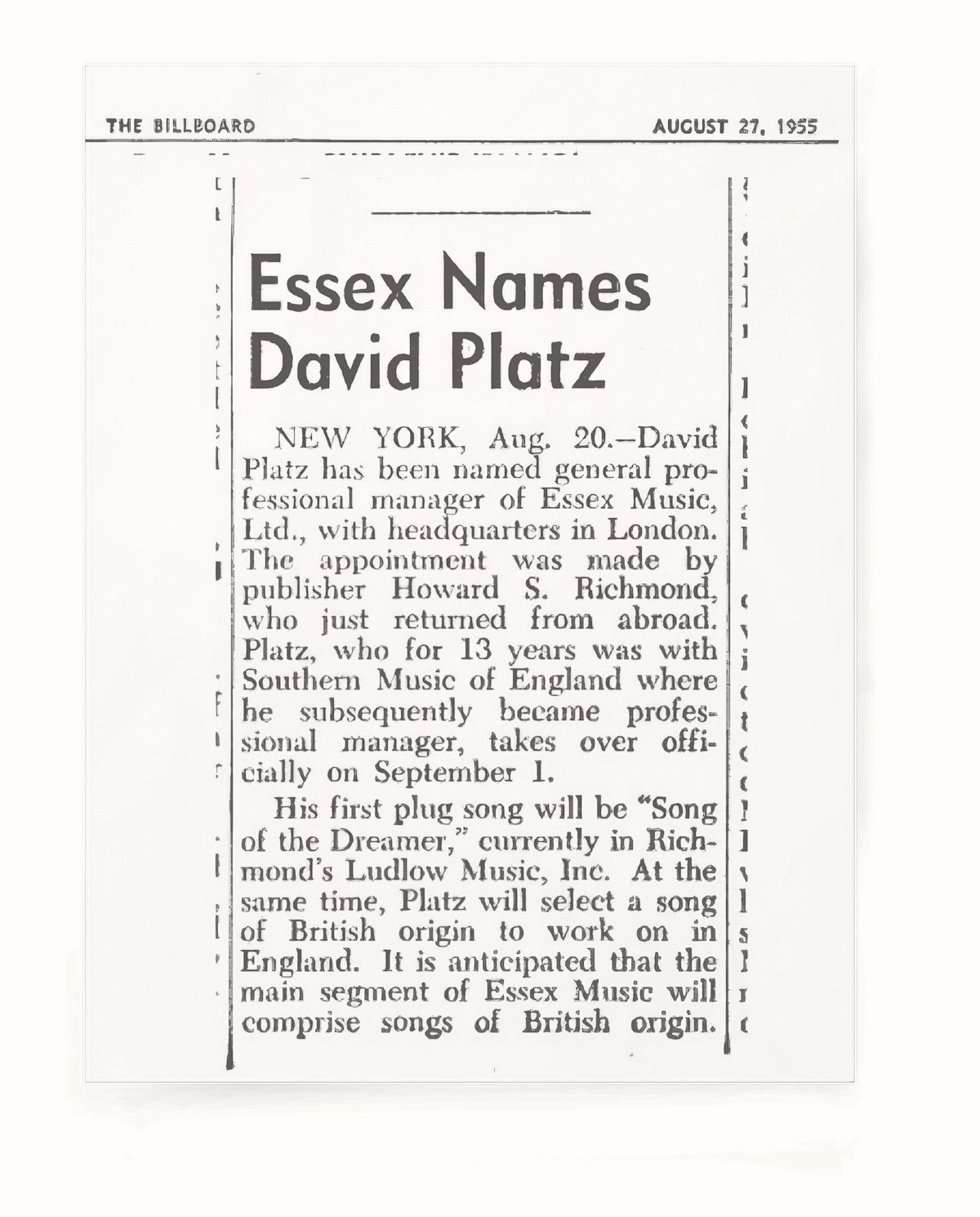
With the momentum of TRO’s success in the United States, Essex Music Ltd. was established as the international arm of TRO with offices in England, France, Italy, and Germany. David Platz, formerly General Manager of Southern Music Publishing Inc. (Peer Music International), was hired as General Manager of Essex Music Ltd in the UK.
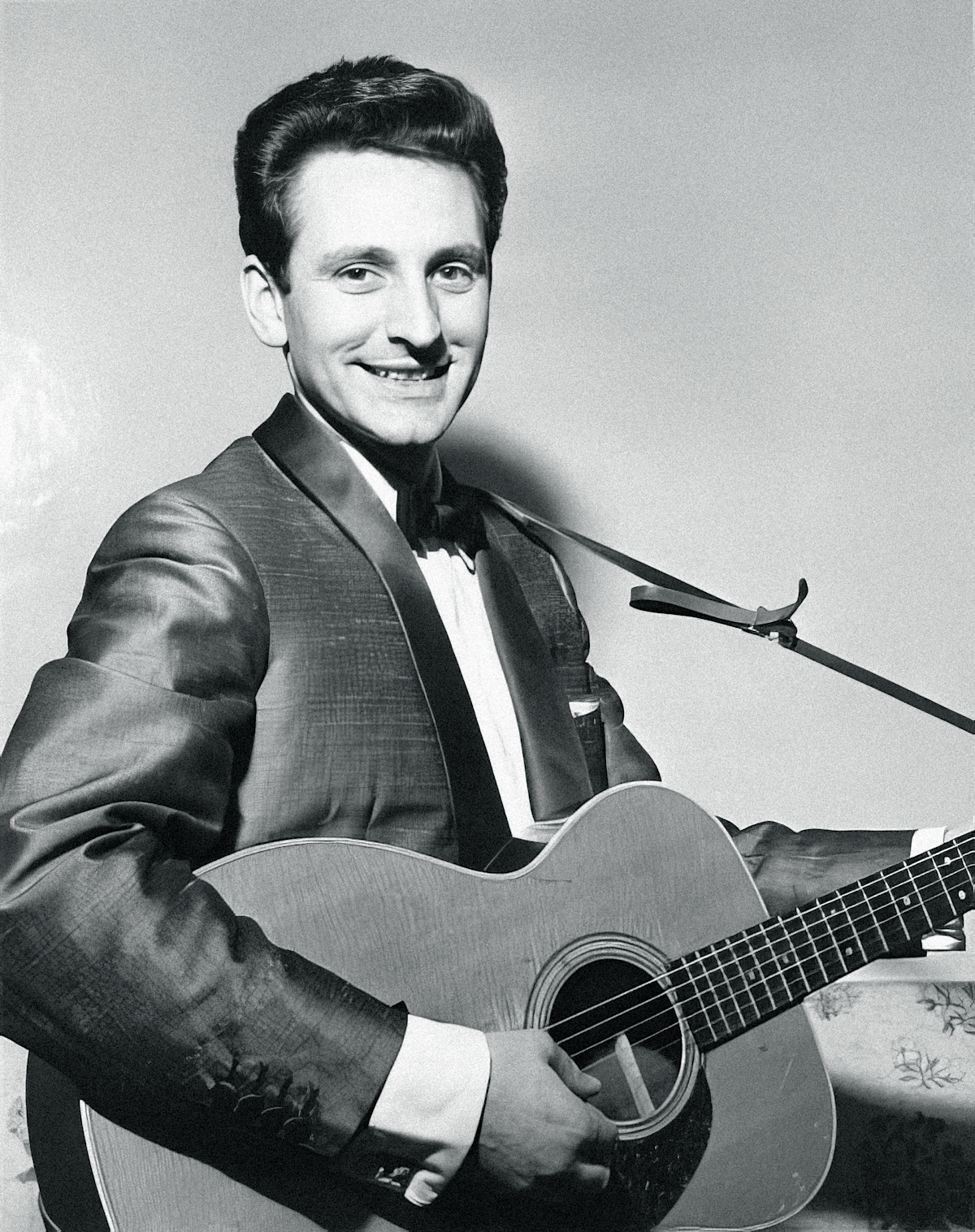
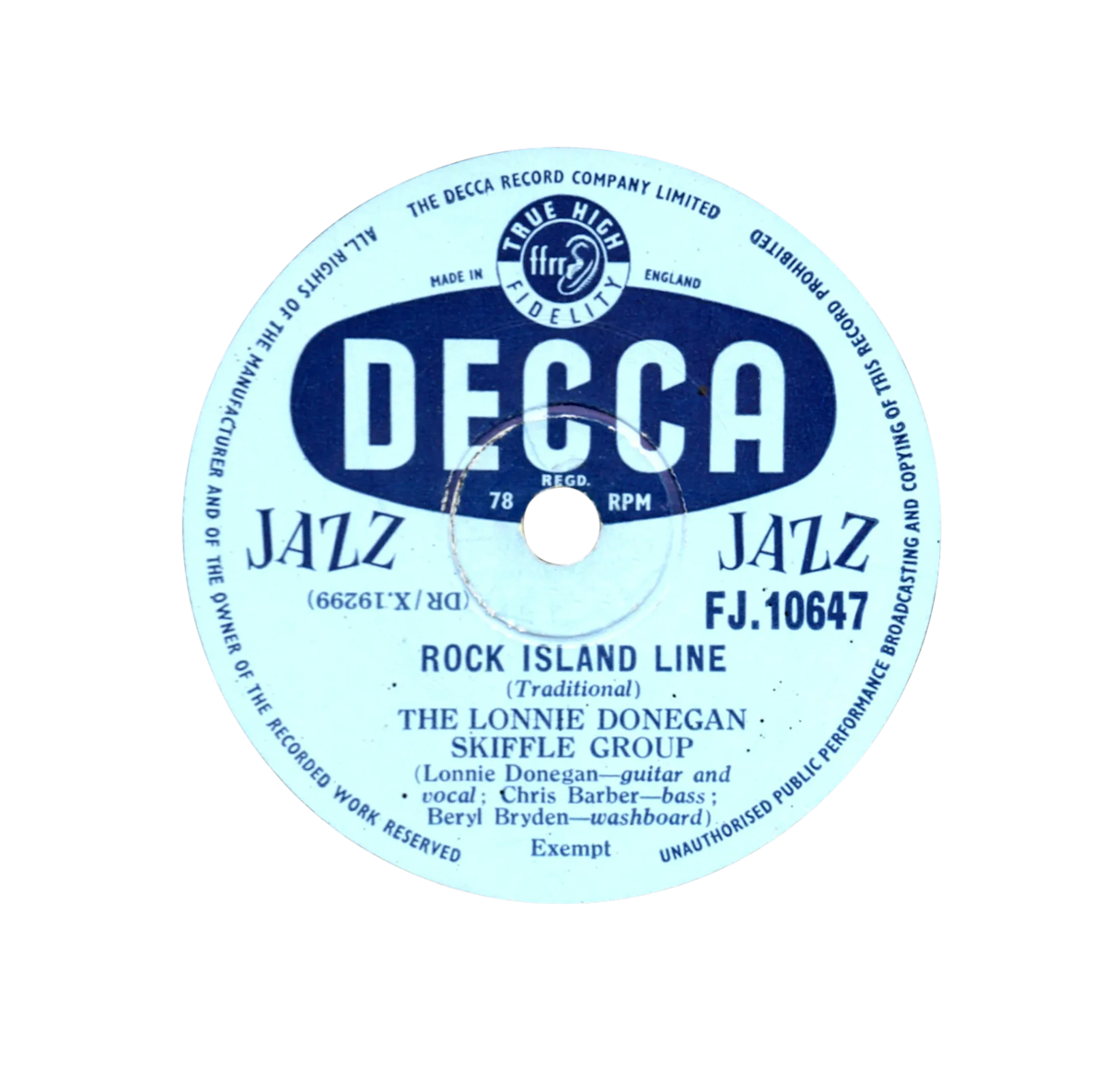
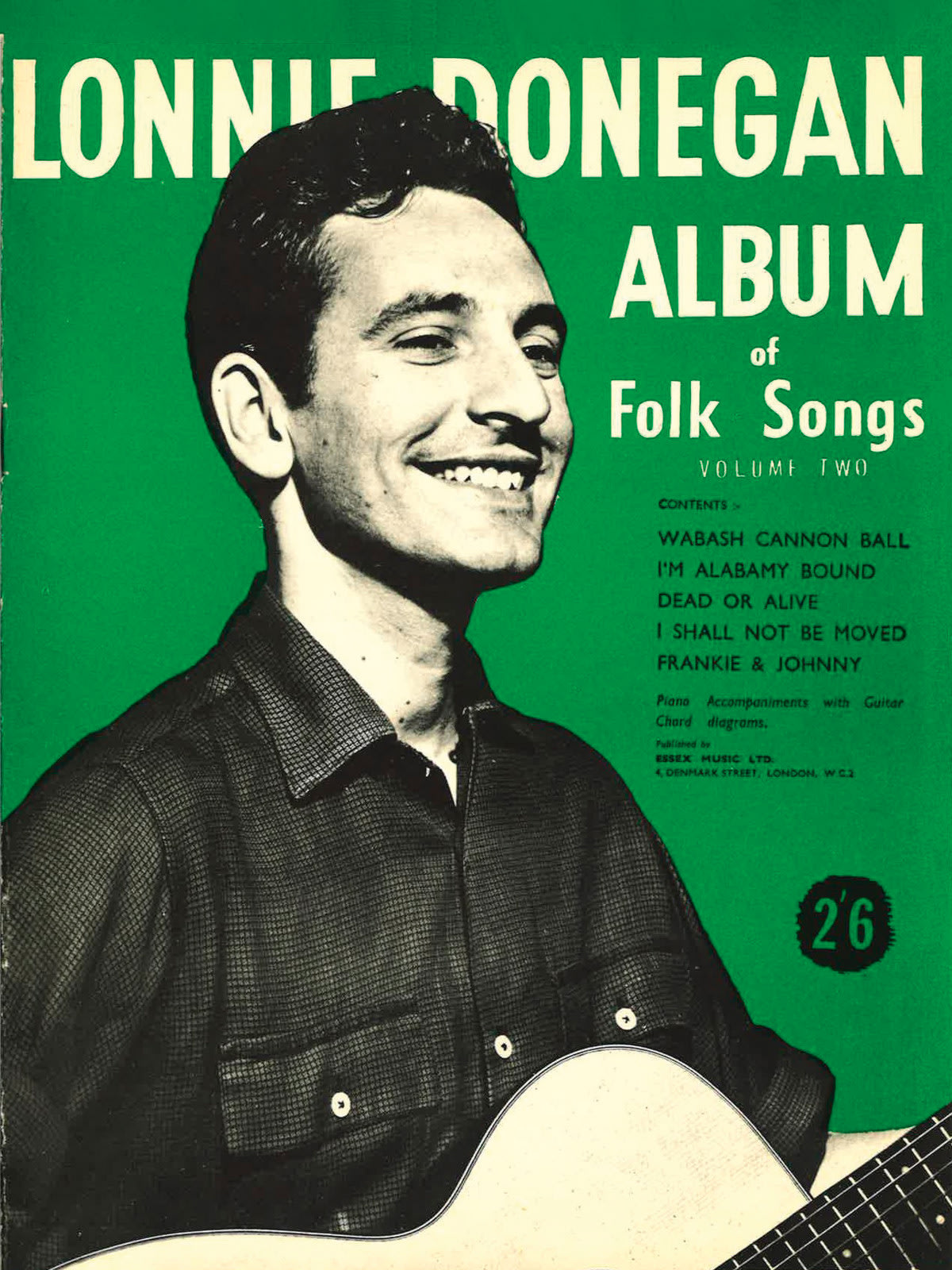
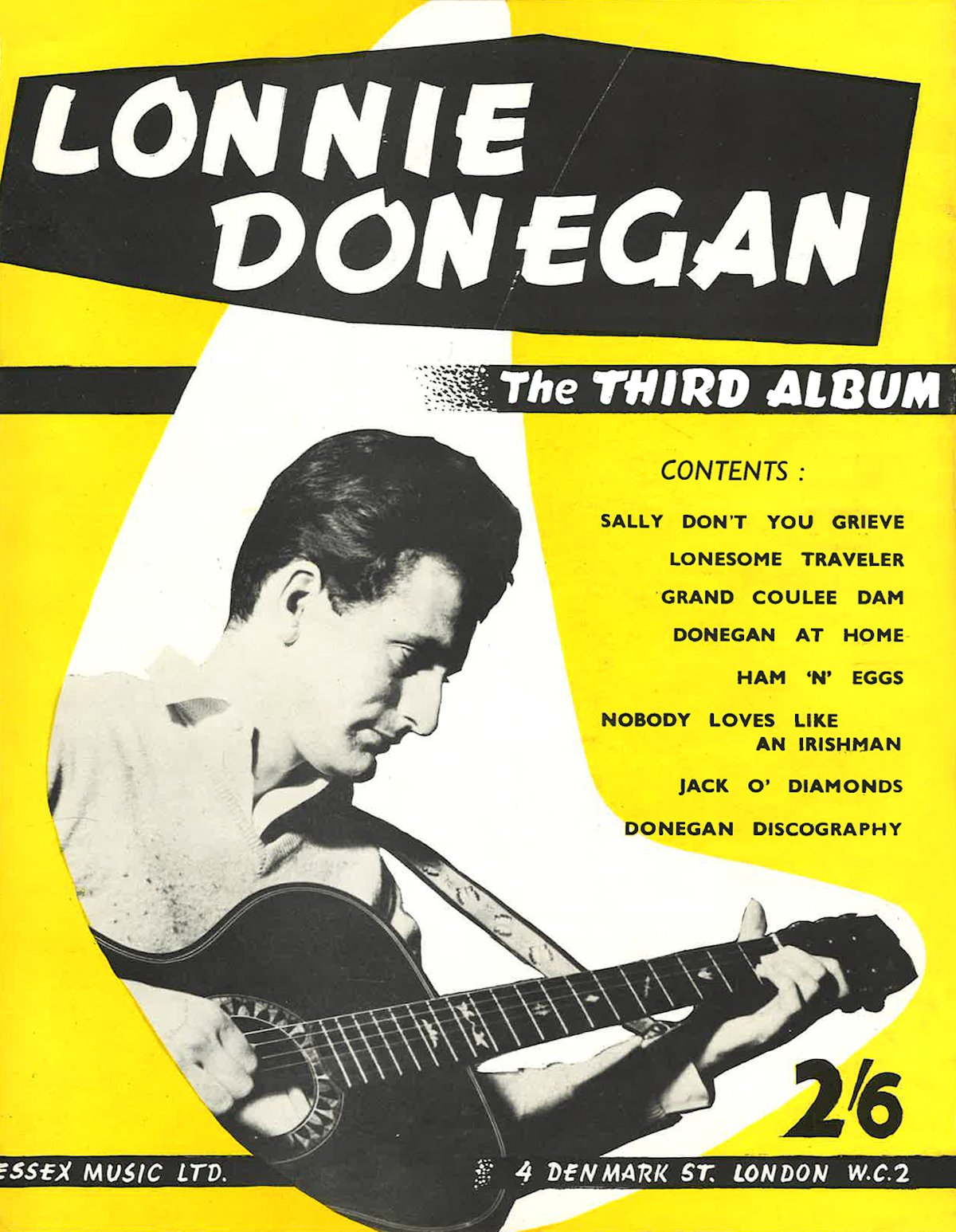
Skiffle music, a British interpretation of traditional folk music, enjoyed major popularity in the UK, and British singer-songwriter Lonnie Donegan and His Skiffle Group are credited with creating the new sound with his hit recordings of the Lead Belly songs "Rock Island Line" and "Midnight Special." Recorded in 1954, "Rock Island Line" crossed the Atlantic and reached No. 8 on the US pop charts. Not only was the song a hit record on both sides of the Atlantic, but UK guitar sales rocketed due to the Skiffle music mania sweeping the country.
Donegan had 31 UK top 30 hit singles, 24 of which were successive hits, and three reached number one. He was the first British male singer with two US top 10 hits and was a pivotal figure in the 1960s British Invasion due to his influence in the US in the late 1950s.
By the close of the decade, TRO had charted on both sides of the Atlantic 40 times. Other notable recordings and hits included "It Isn’t Fair" (Sammy Kaye), "Sugar Goot Rag" (Red Foley), "Gimme a Little Kiss Will Ya, Huh?" (April Stevens), "Longing for You" (Vic Damone), "Mockin’ Bird Hill" (Les Paul), "September Song" (Stan Kenton), "Wang Wang Blues" (Ames Brothers), "When You Danced, Danced, Danced" (Georgia Gibbs), "Somebody Stole My Girl" (Johnnie Ray), "Twilight Time" (The Platters), "With These Hands" (Eddie Fisher), "African Lullaby" (Eartha Kitt), "Only You (And You Alone)" (The Platters), "Plantation Boogie" (Lenny Dee), "Silver Dollar" (Teresa Brewer), "Band of Gold" (Don Cherry), "Ballerina" (Nat King Cole), "Kisses Sweeter Than Wine" (Jimmie Rodgers), "I Met Him on a Sunday" (The Shirelles), "Non Dimenticar" (Nat King Cole), "Tom Dooley" (The Kingston Trio), and "Song of a Dreamer" (Johnnie Ray).
-
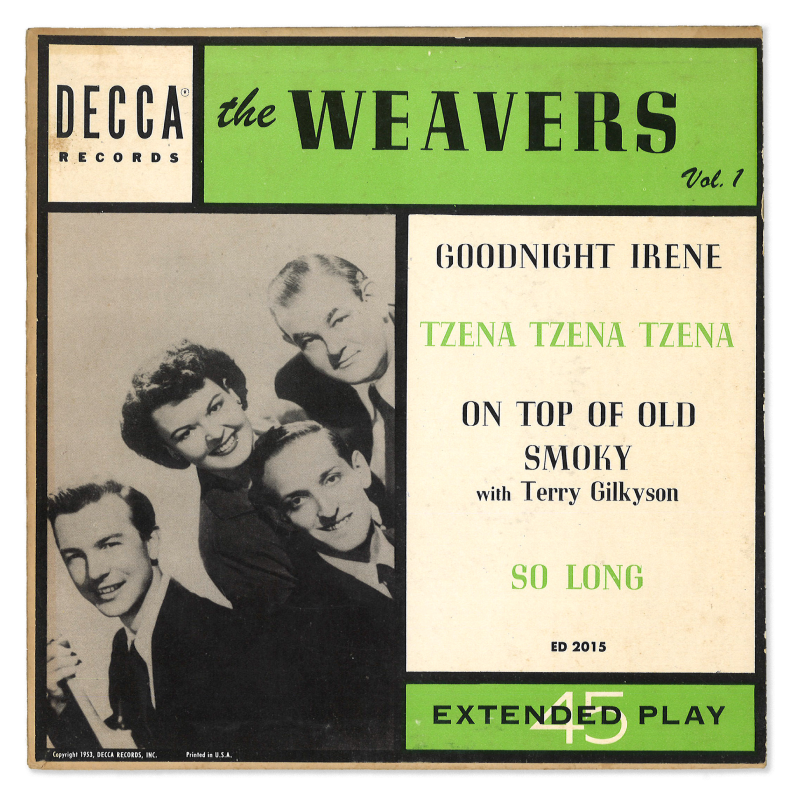
GOODNIGHT, IRENE, the first recording by The Weavers, is released on Decca and hits #1 on the Billboard charts. Later that year, Frank Sinatra, Doris Day and Jo Stafford would hit #12, #22 and #26 with their own recordings of the song.
-
EDIT this by going to the Image Text Card (it is dummy text): THE ROVING KIND recorded by Guy Mitchell hits #4.
-
GOODNIGHT, IRENE, the first recording by The Weavers, is released on Decca and hits #1 on the Billboard charts. Later that year, Frank Sinatra, Doris Day and Jo Stafford would hit #12, #22 and #26 with their own recordings of the song.
-
EDIT this by going to the Image Text Card (it is dummy text): THE ROVING KIND recorded by Guy Mitchell hits #4.
-
GOODNIGHT, IRENE, the first recording by The Weavers, is released on Decca and hits #1 on the Billboard charts. Later that year, Frank Sinatra, Doris Day and Jo Stafford would hit #12, #22 and #26 with their own recordings of the song.
-
GOODNIGHT, IRENE, the first recording by The Weavers, is released on Decca and hits #1 on the Billboard charts. Later that year, Frank Sinatra, Doris Day and Jo Stafford would hit #12, #22 and #26 with their own recordings of the song.
-
GOODNIGHT, IRENE, the first recording by The Weavers, is released on Decca and hits #1 on the Billboard charts. Later that year, Frank Sinatra, Doris Day and Jo Stafford would hit #12, #22 and #26 with their own recordings of the song.
-
GOODNIGHT, IRENE, the first recording by The Weavers, is released on Decca and hits #1 on the Billboard charts. Later that year, Frank Sinatra, Doris Day and Jo Stafford would hit #12, #22 and #26 with their own recordings of the song.
-
GOODNIGHT, IRENE, the first recording by The Weavers, is released on Decca and hits #1 on the Billboard charts. Later that year, Frank Sinatra, Doris Day and Jo Stafford would hit #12, #22 and #26 with their own recordings of the song.
-
GOODNIGHT, IRENE, the first recording by The Weavers, is released on Decca and hits #1 on the Billboard charts. Later that year, Frank Sinatra, Doris Day and Jo Stafford would hit #12, #22 and #26 with their own recordings of the song.
-
GOODNIGHT, IRENE, the first recording by The Weavers, is released on Decca and hits #1 on the Billboard charts. Later that year, Frank Sinatra, Doris Day and Jo Stafford would hit #12, #22 and #26 with their own recordings of the song.
-
GOODNIGHT, IRENE, the first recording by The Weavers, is released on Decca and hits #1 on the Billboard charts. Later that year, Frank Sinatra, Doris Day and Jo Stafford would hit #12, #22 and #26 with their own recordings of the song.
-
GOODNIGHT, IRENE, the first recording by The Weavers, is released on Decca and hits #1 on the Billboard charts. Later that year, Frank Sinatra, Doris Day and Jo Stafford would hit #12, #22 and #26 with their own recordings of the song.