1960- 1969
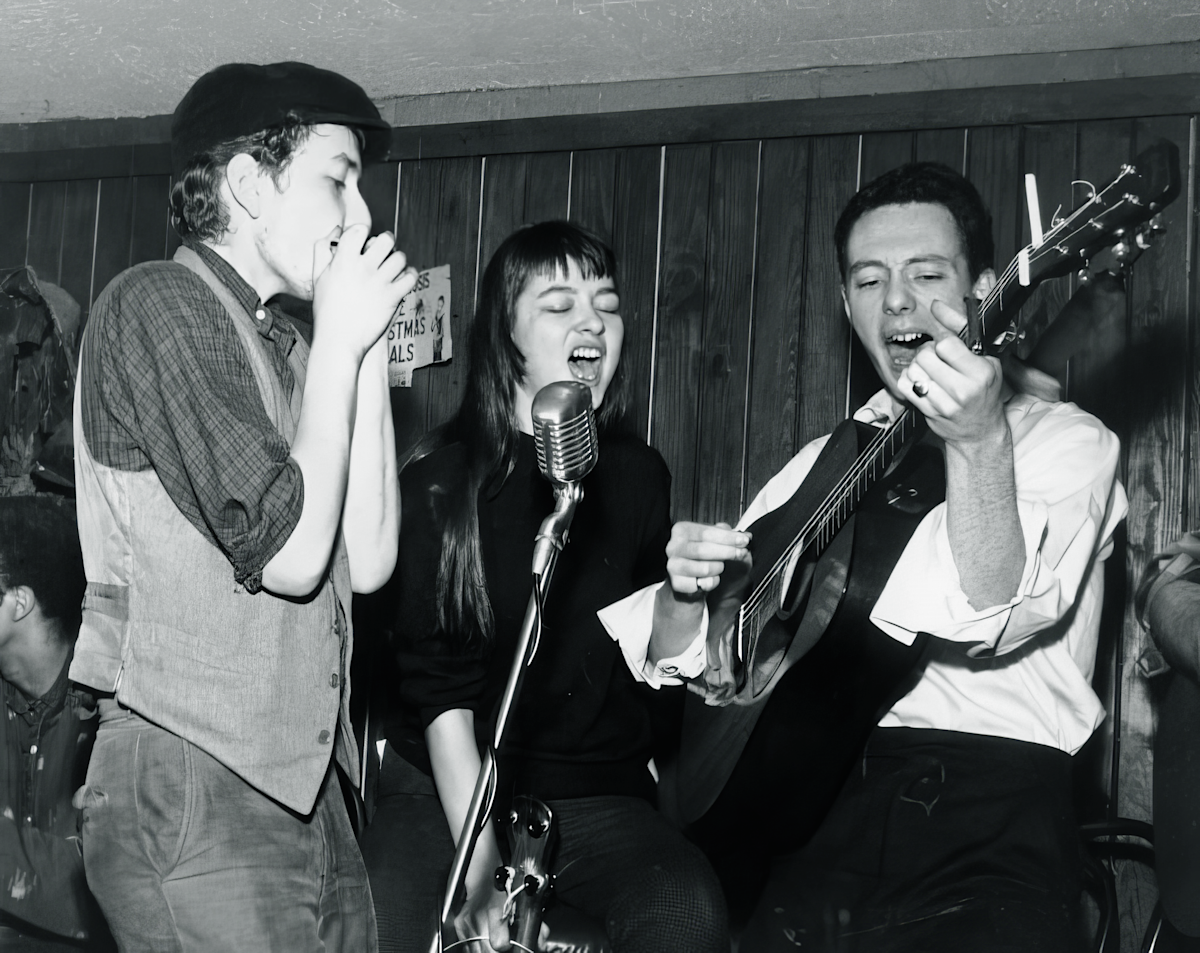
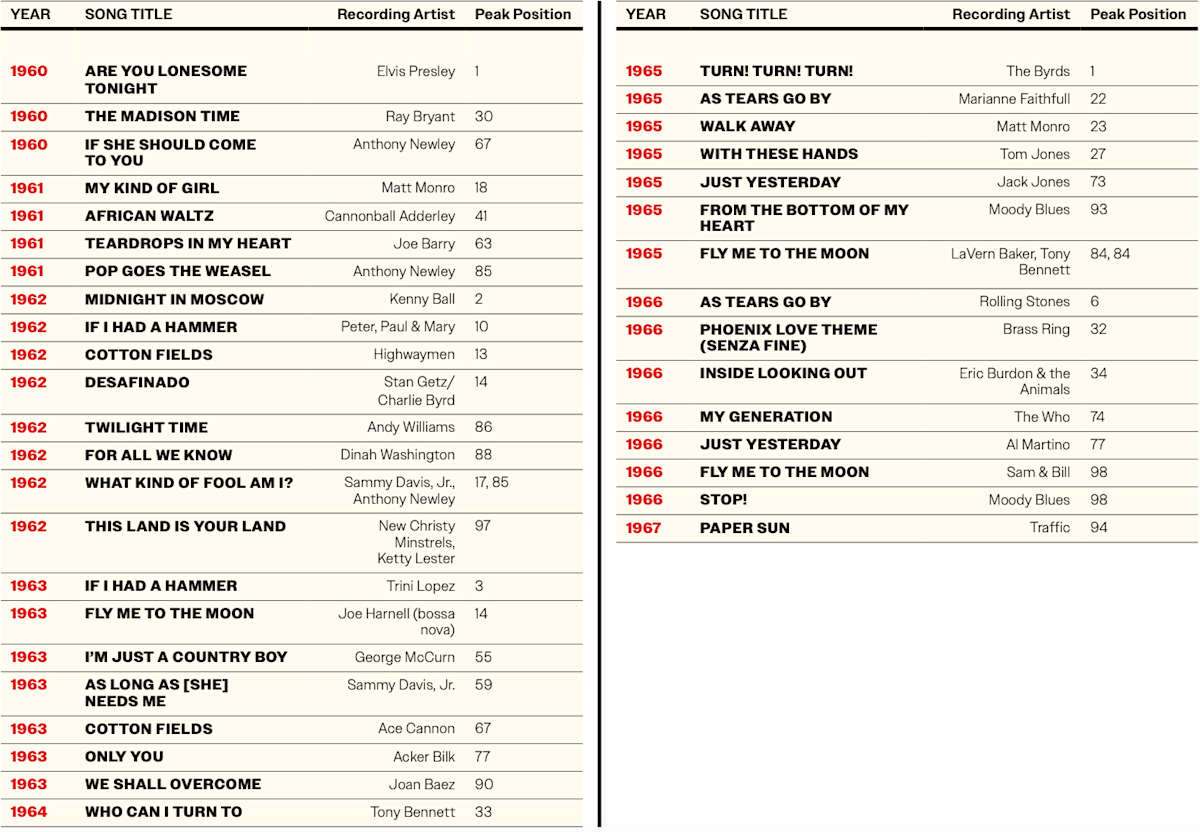
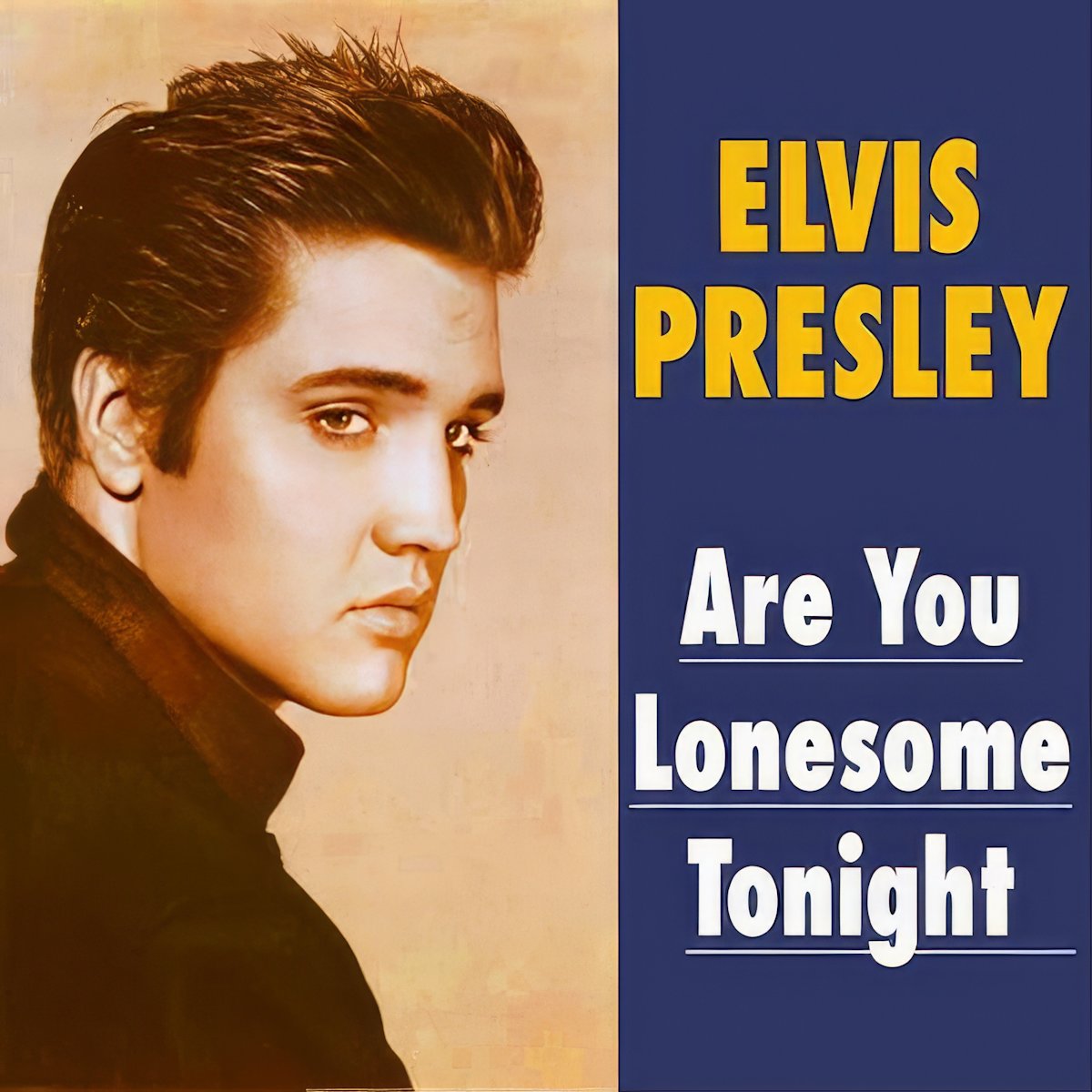
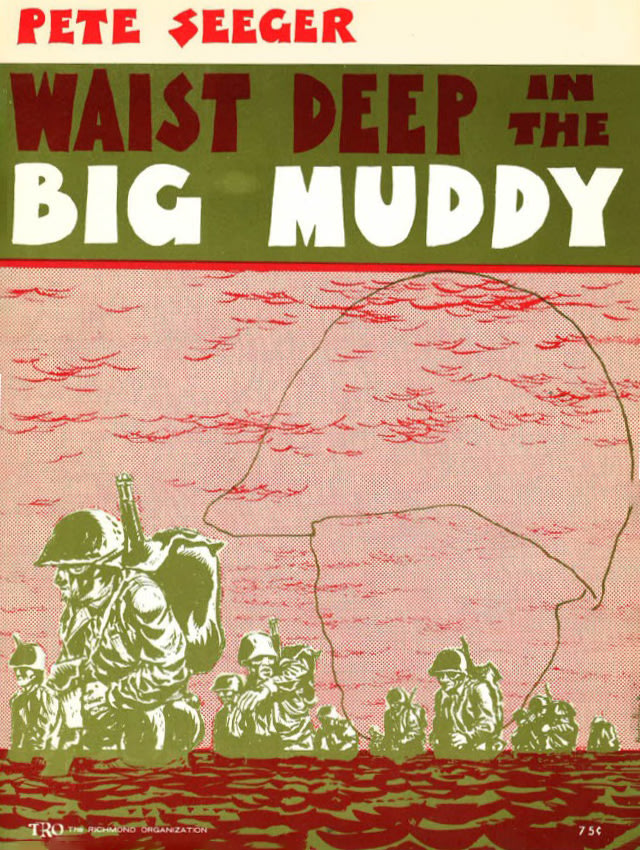
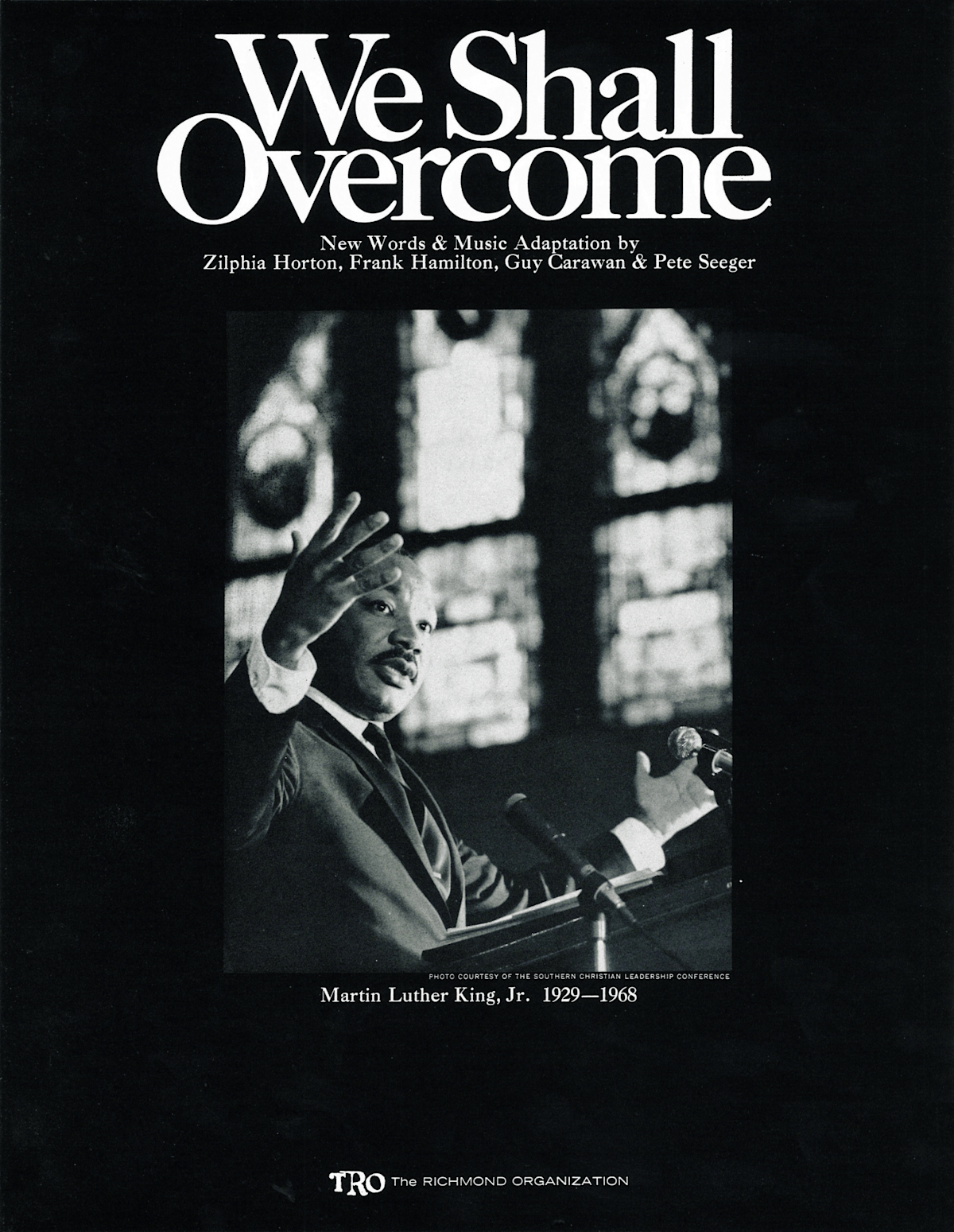
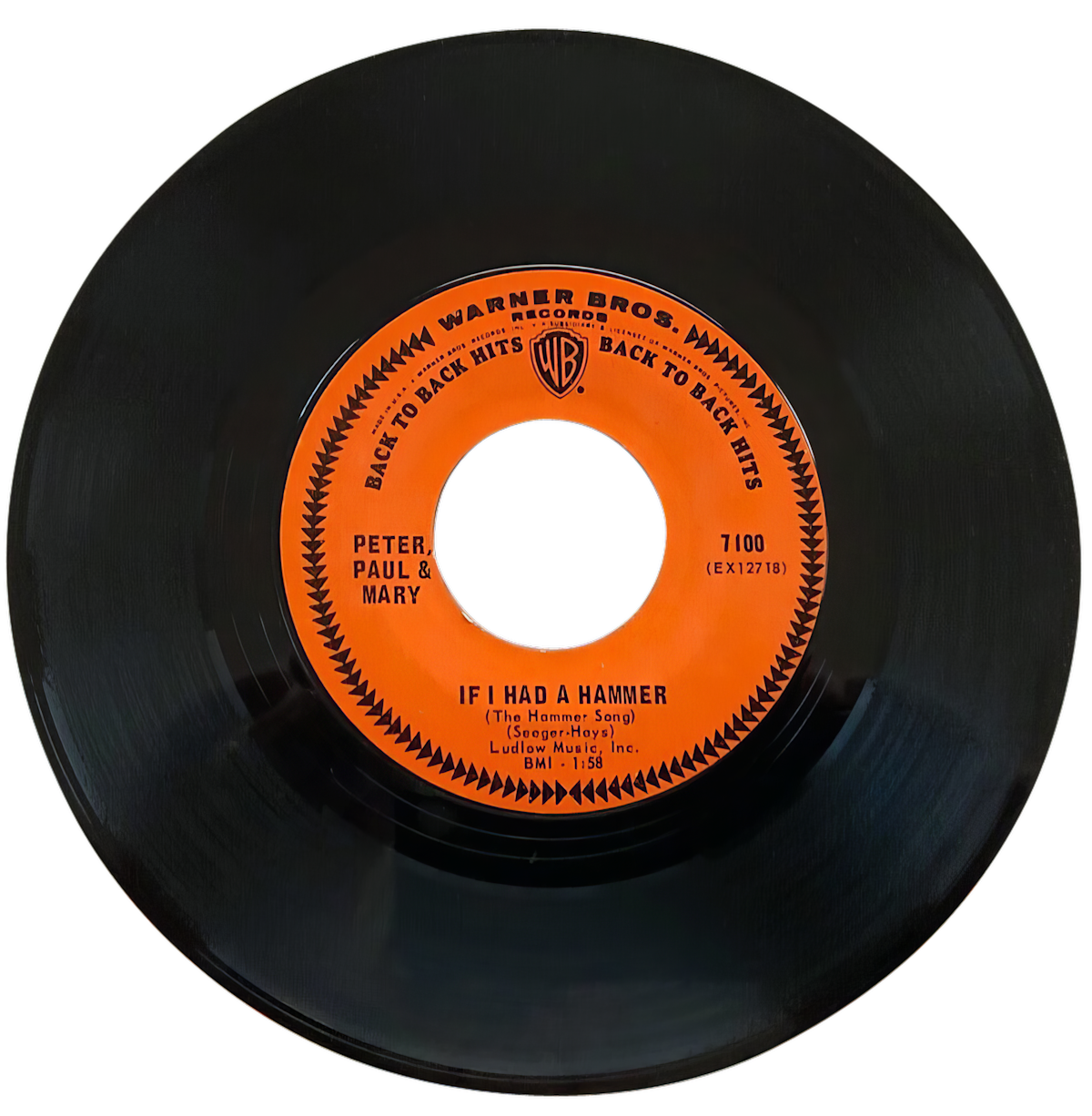
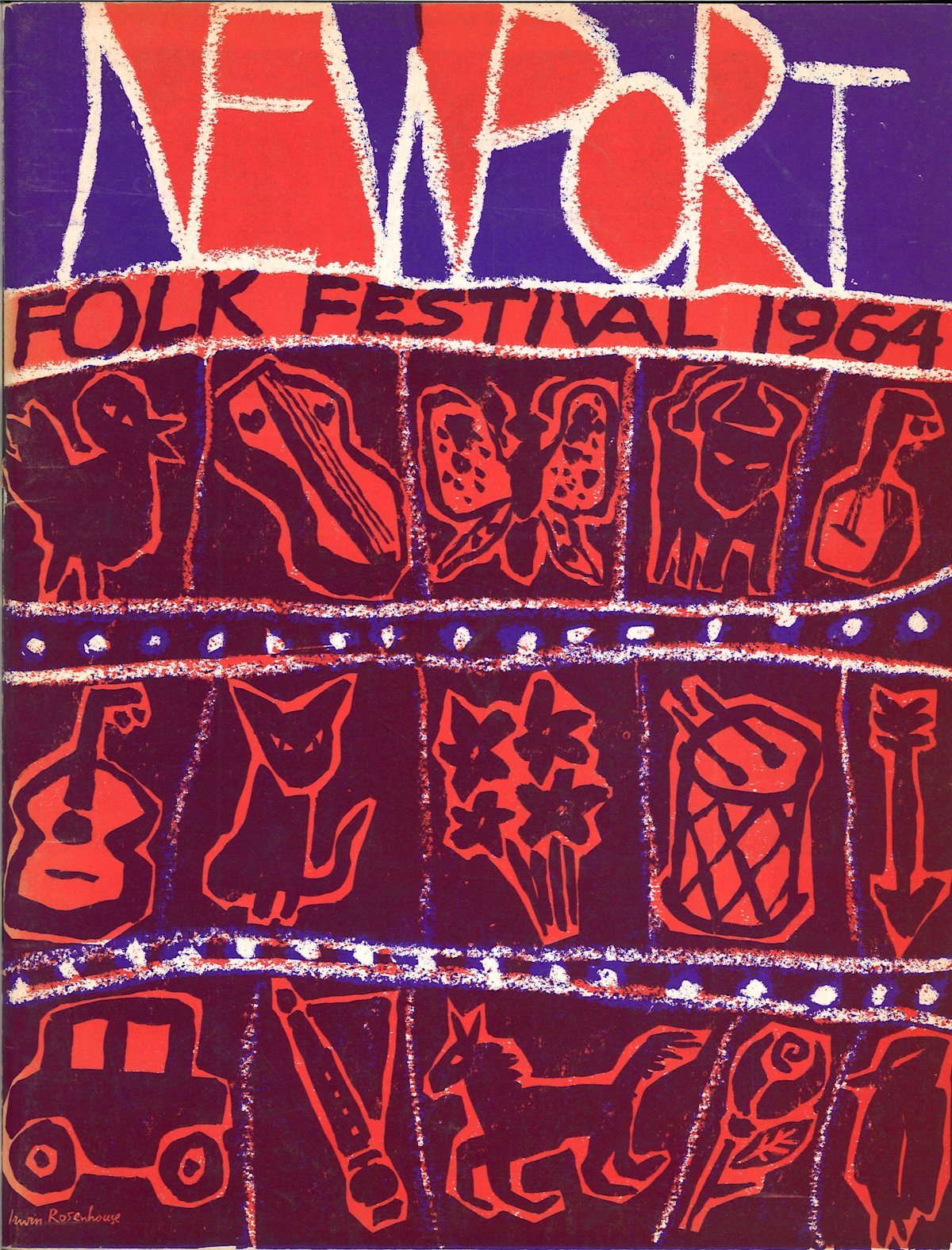
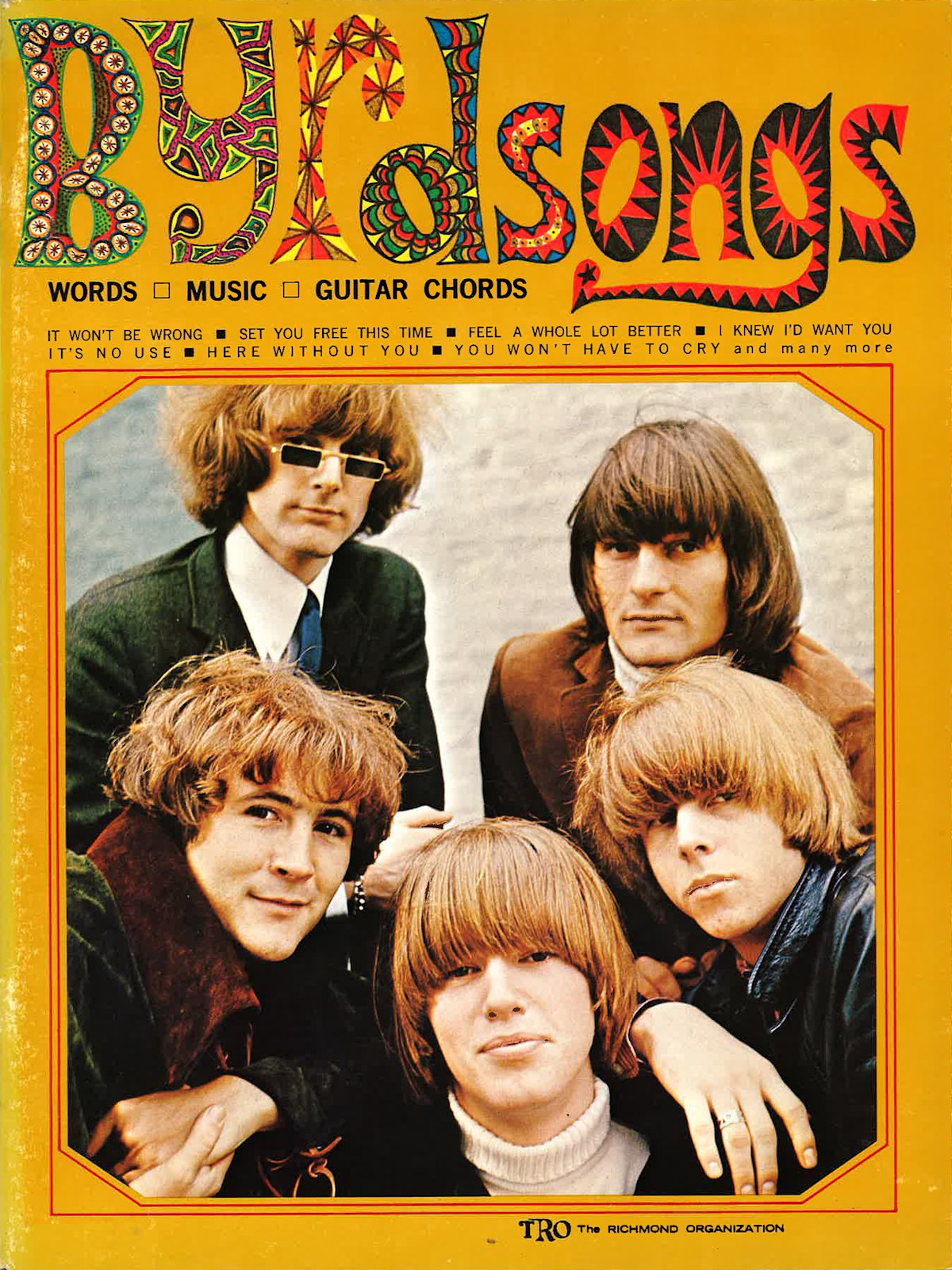
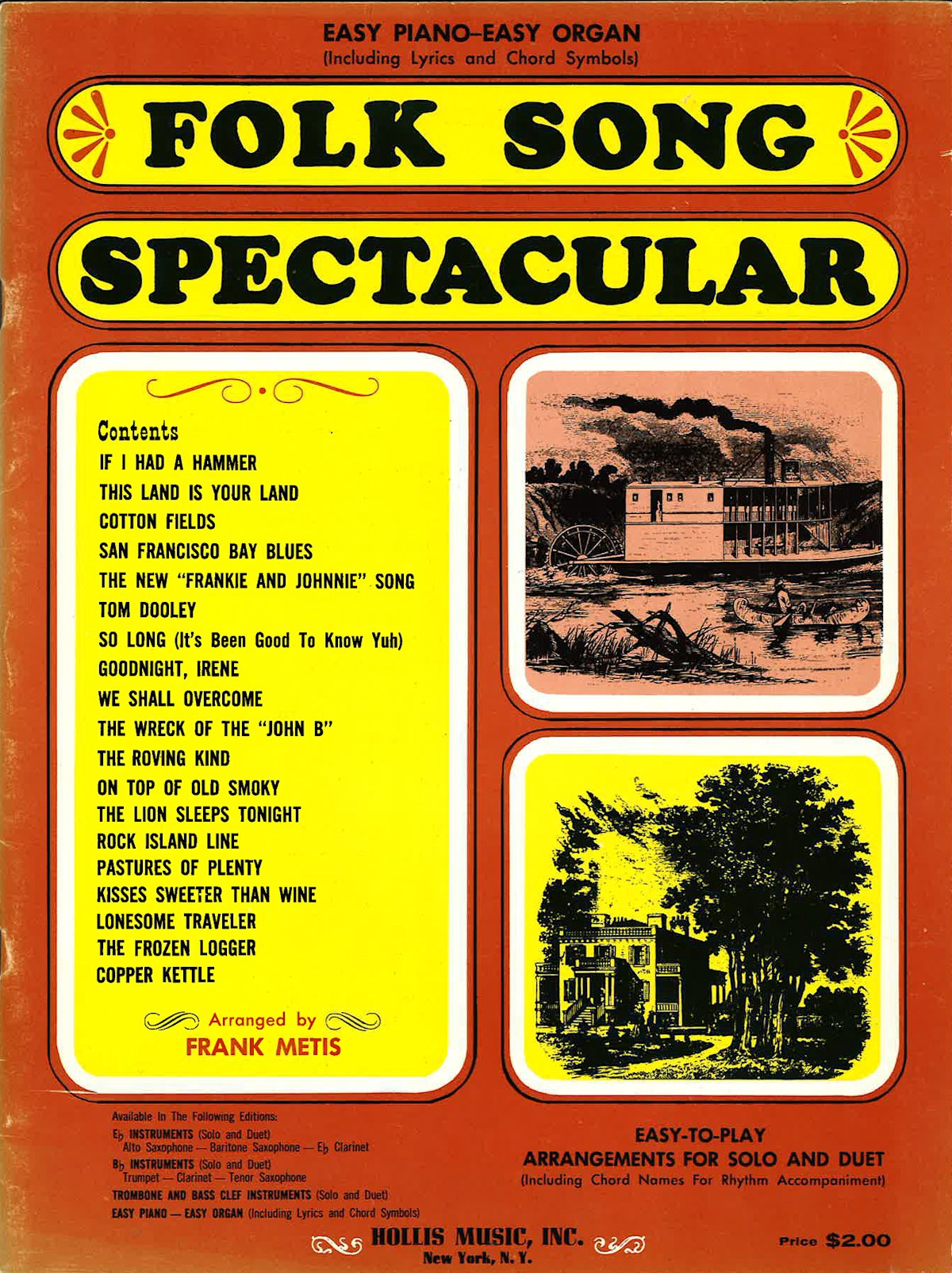
The 1960s opened with a No. 1 hit recording by Elvis Presley of "Are You Lonesome Tonight." Originally written by Roy Turk and Lou Handman in 1926, Elvis’ recording made it an international hit, selling over two million copies and was certified double platinum in both the US and UK. In the US, the 1960s were a time of protest, and "We Shall Overcome" became the rallying cry for the Civil Rights Movement. Other protest songs were also published by TRO, including "If I Had a Hammer (The Hammer Song)" written by Lee Hays and Pete Seeger, which Trini Lopez and Peter, Paul and Mary both recorded and charted with; "Tear Down the Walls" was written by songwriter Fred Neil; and folk rock was born when The Byrds recorded Pete Seeger’s "Turn! Turn! Turn! (To Everything There Is a Season)," which hit number one on the Billboard charts and is one of the enduring anthems from the civil rights era.
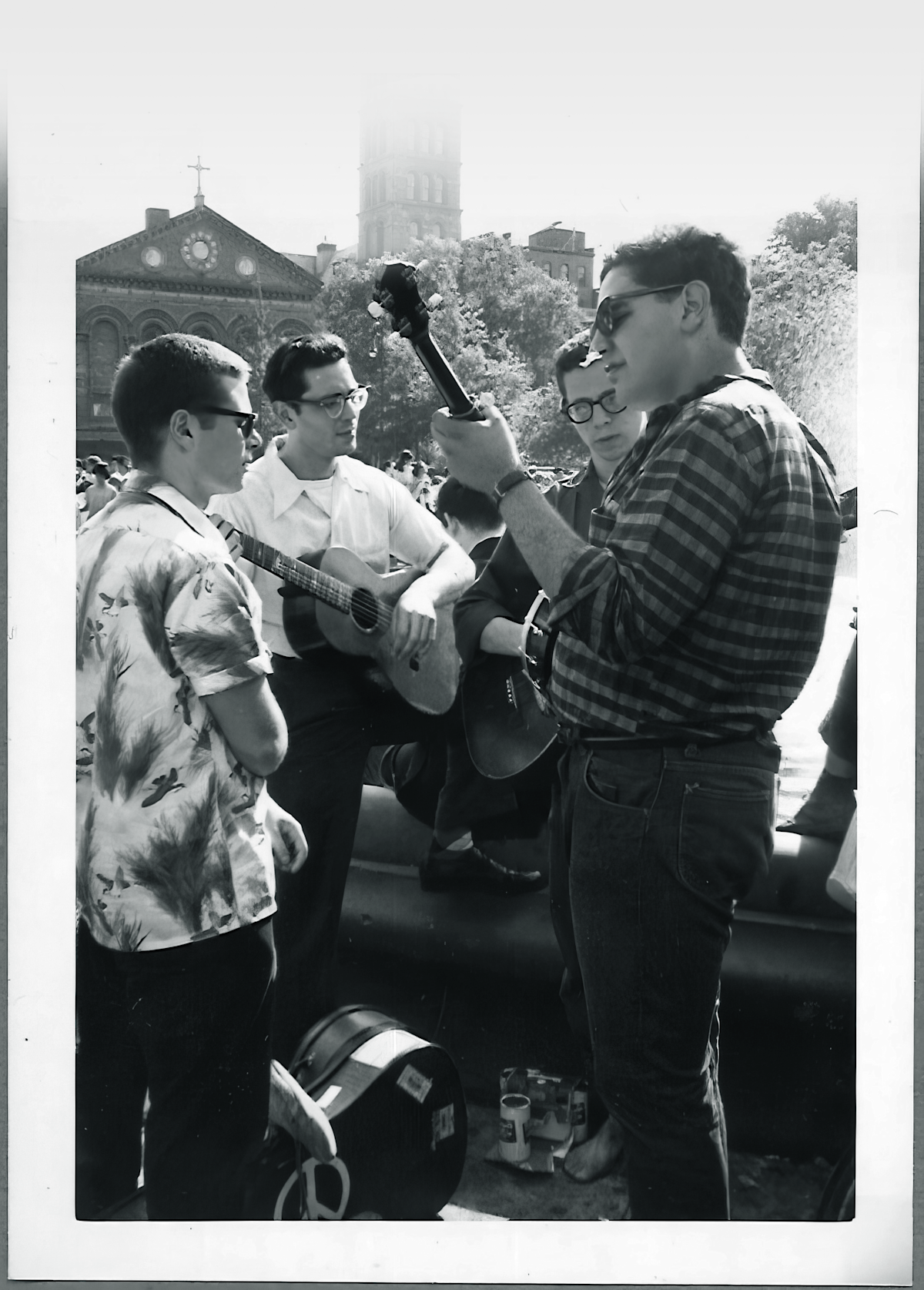
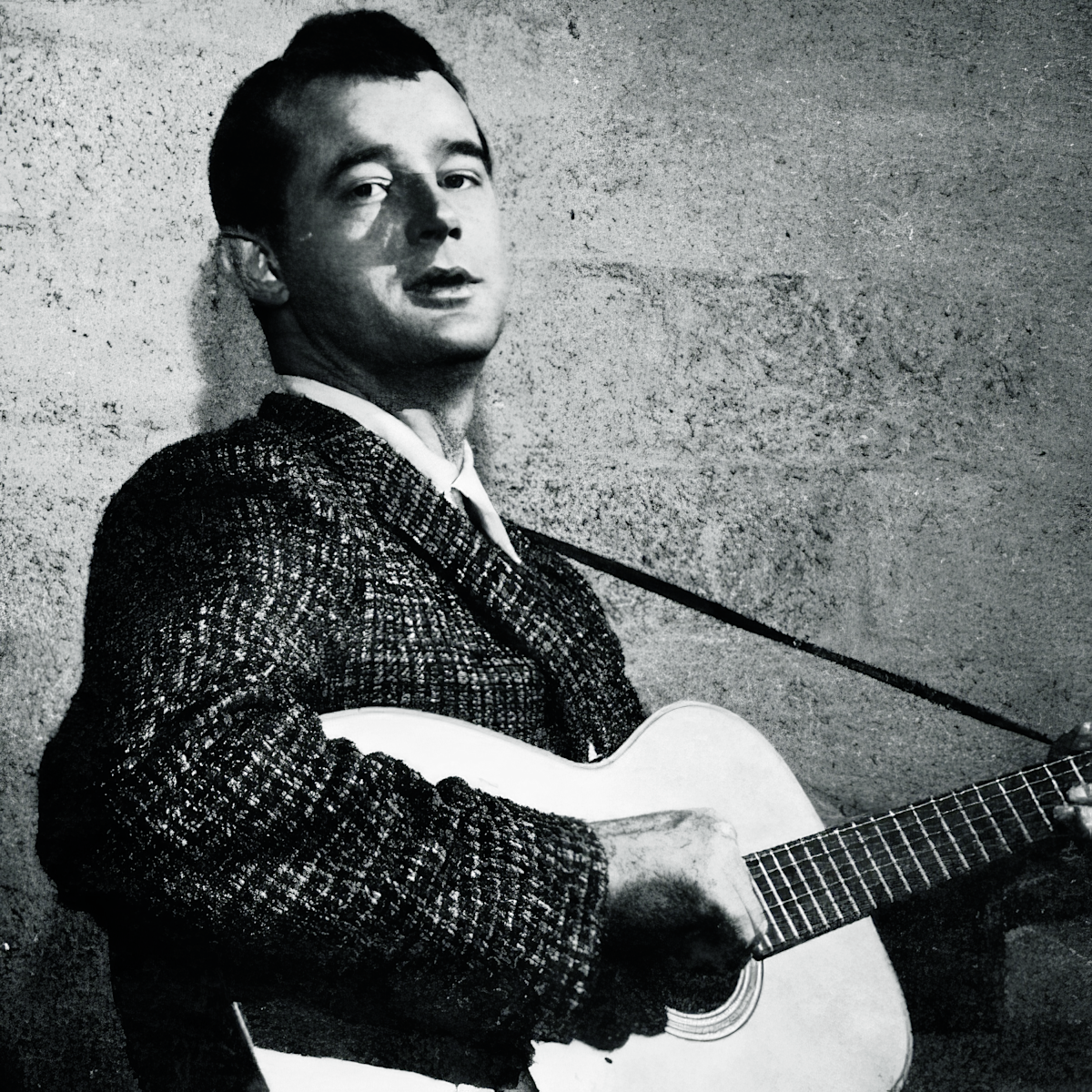
Canadian singer-songwriter Ed McCurdy had worked on Canadian radio, developing friendships with guests on his show, such as Pete Seeger, Lena Horne, Josh White, Oscar Peterson, and Oscar Brand. After achieving success with his folk show at the Village Vanguard, McCurdy and his family moved to New York City, where he went on to become one of the world’s best-known folk singers.
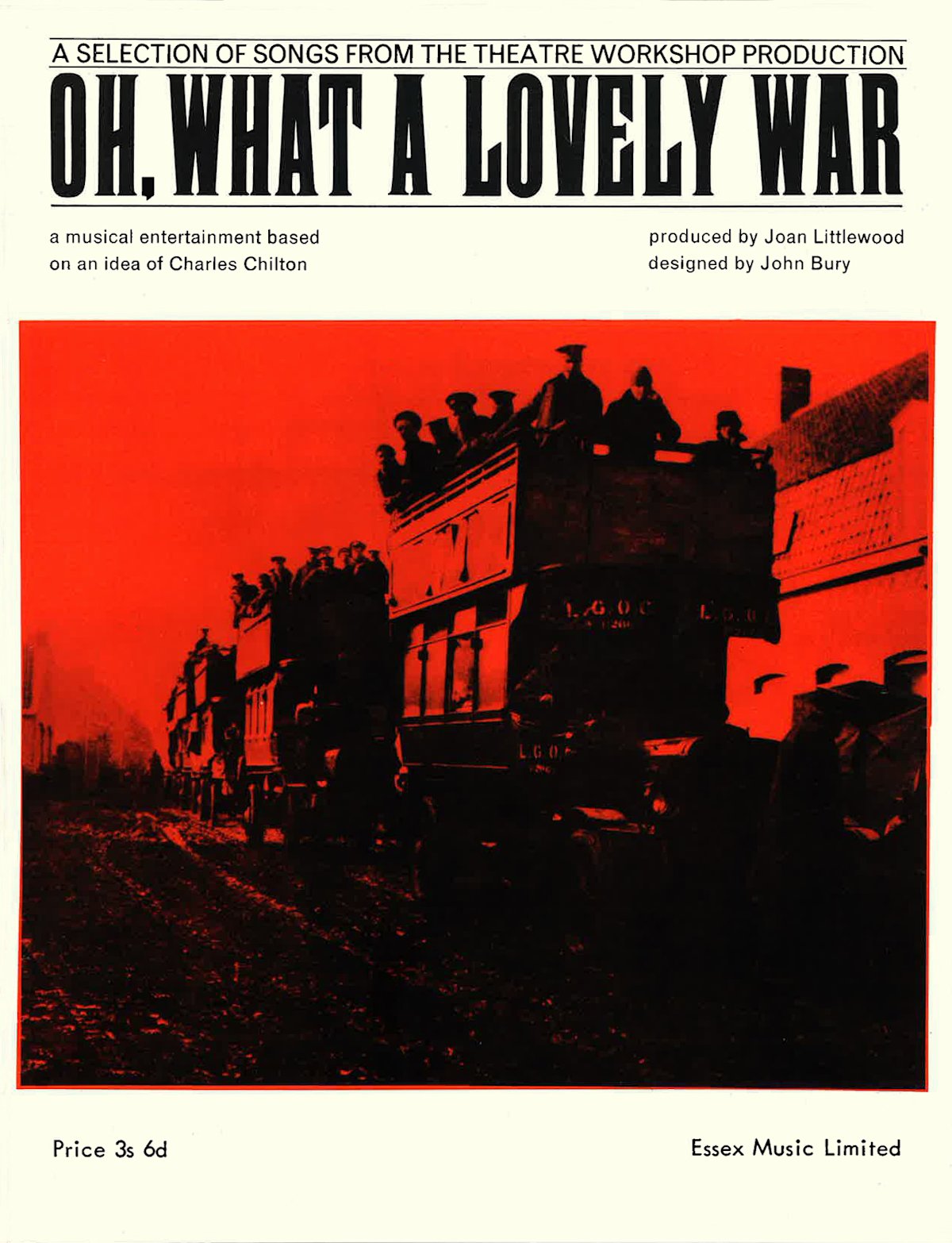
McCurdy’s widely covered anti-war song, “Last Night I Had the Strangest Dream,” has been recorded in seventy-six languages and covered by The Weavers (1960), The Chad Mitchell Trio (1962), Simon & Garfunkel (1964), Johnny Cash (2003), Garth Brooks (2005), Serena Ryder (2006), and Charles Lloyd (2016). The song became the official anthem of the Peace Corps and was sung by schoolchildren at the destruction of the Berlin Wall.
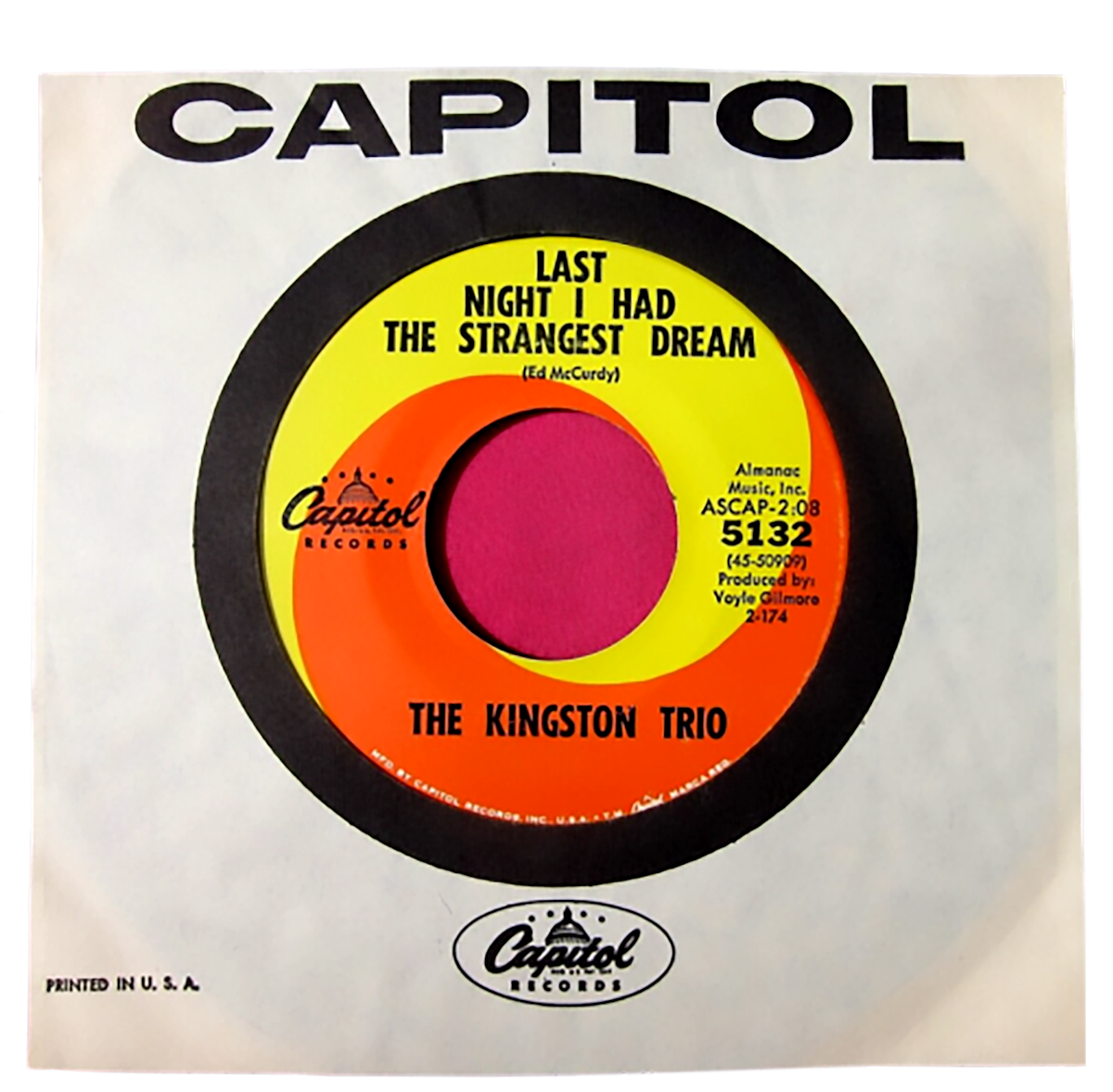
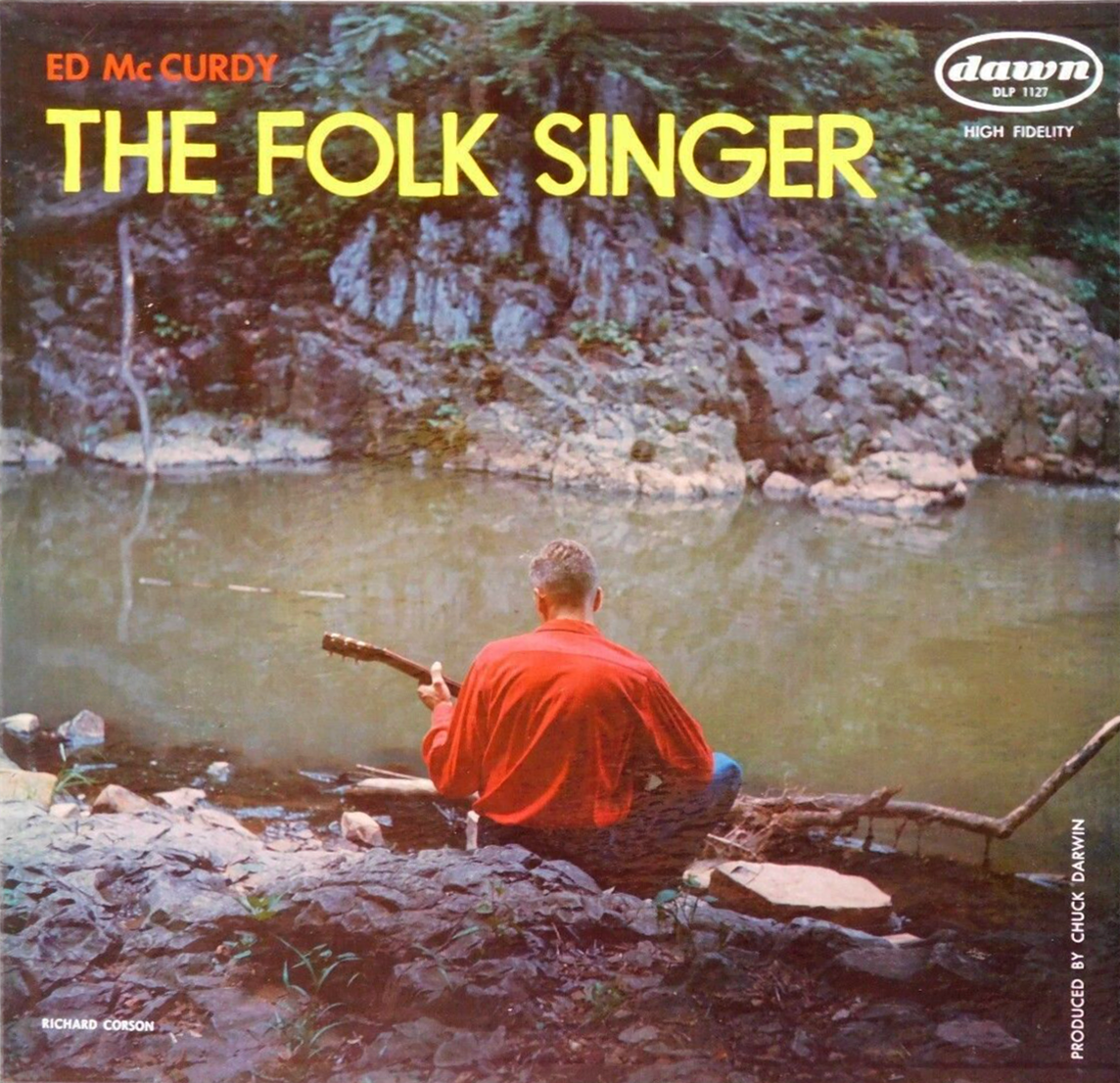
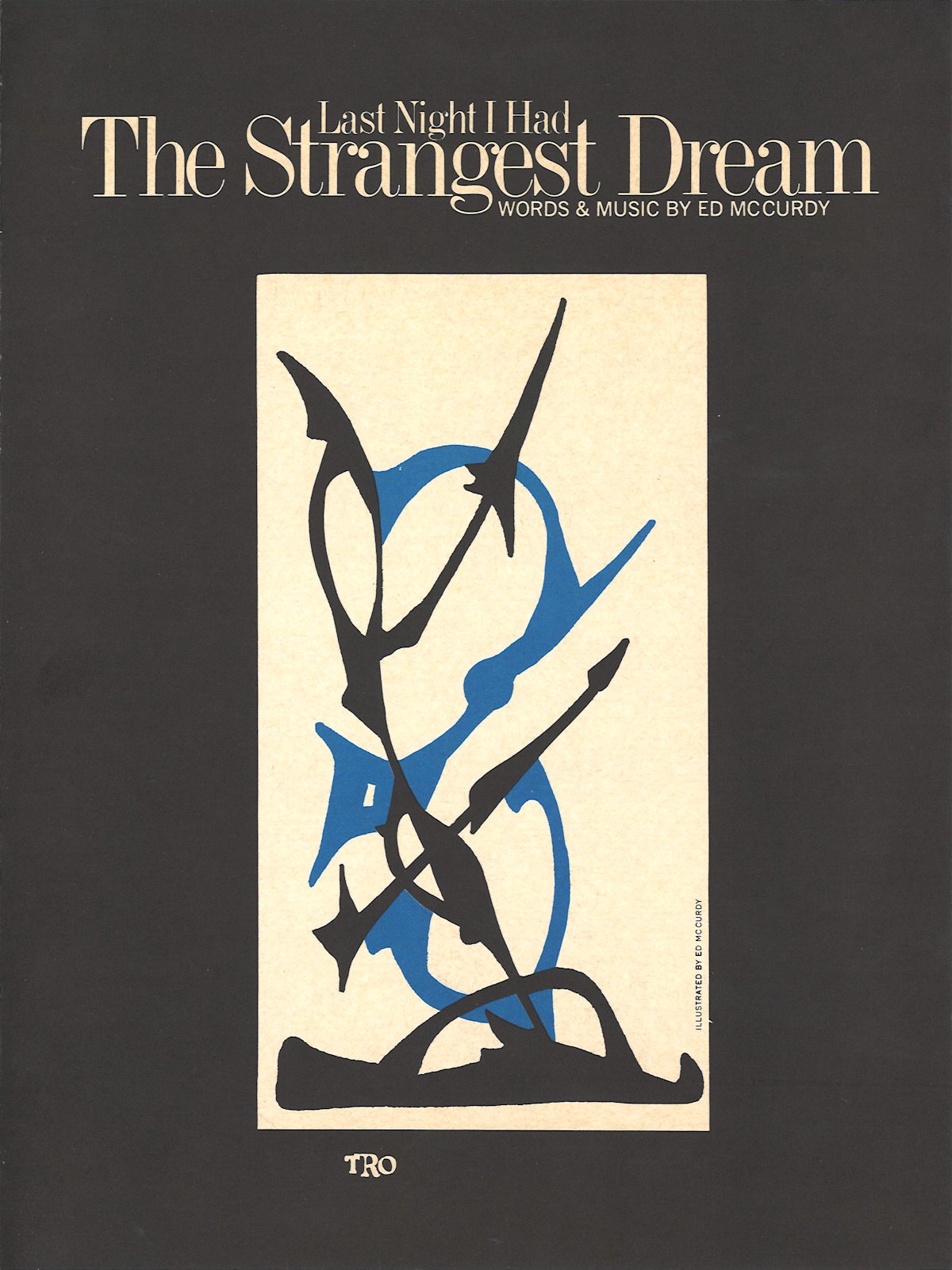

It was Pete Seeger who told Allie and myself that Ed McCurdy had a really wonderful song that he thought we should listen to, and it was "Last Night I Had the Strangest Dream." It was such a wonderfully done work, and it was said in such a unique way. We all had the feeling of peace at that time. But how can you pursue peace? When you talk about folk singers with love, empathy, care, and concern, they’re talking about non-violence.
I really feel this in my heart: if there’s one song I’d like to see universally sung, it would be "Last Night I Had the Strangest Dream."
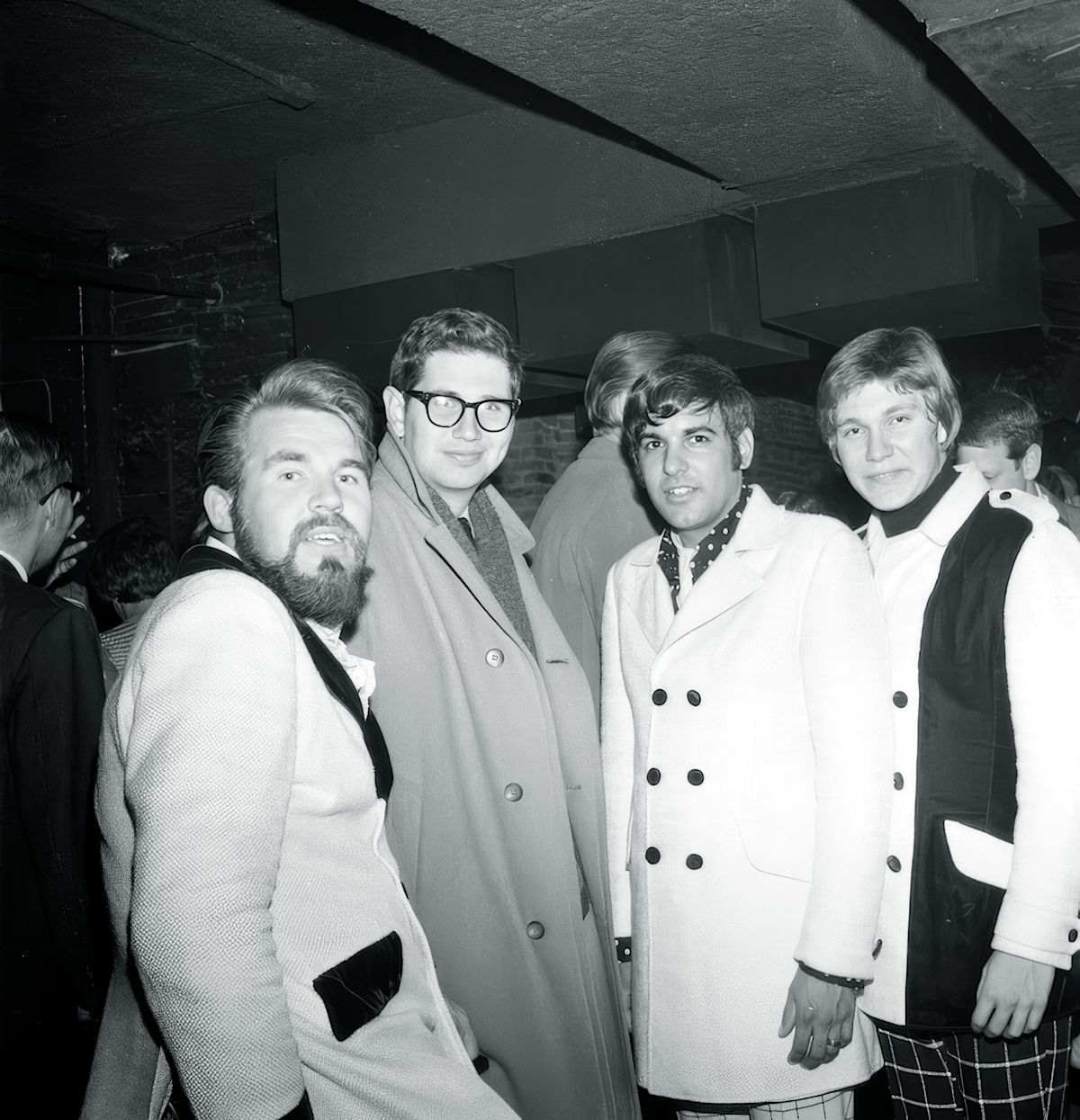
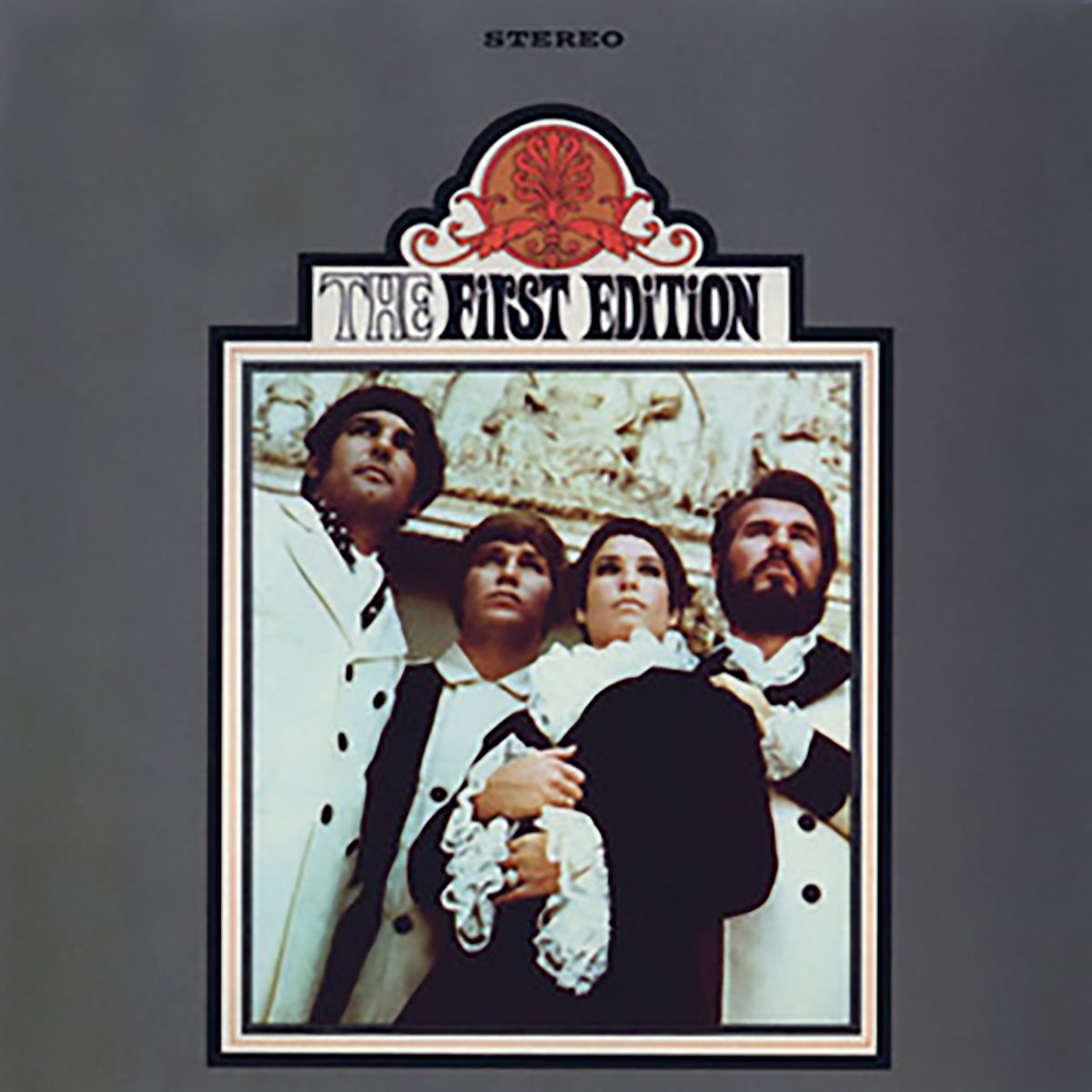
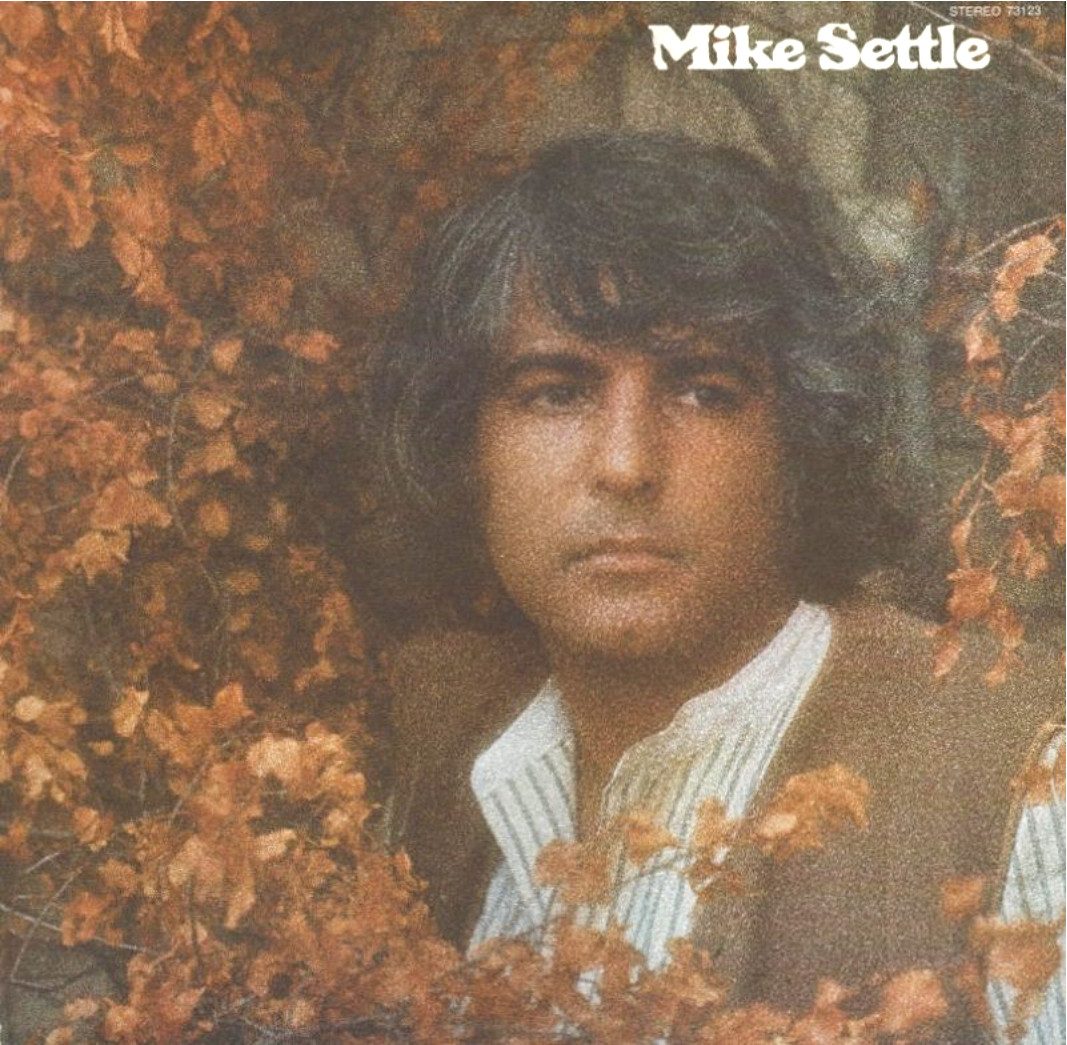
TRO expanded into country music with the signings of Mike Settle and Shel Silverstein. Mike Settle began his musical career as a solo singer and a member of The New Christy Minstrels. His debut solo album "Folk Sing Hallelujah" (1961) as Mike Settle and the Settlers received good reviews, and the title track "Sing Hallelujah" was covered on singles by several artists in Europe, becoming a hit song for Judy Collins in 1967. His song "Settle Down (Goin' Down That Highway)" was recorded by Peter, Paul and Mary on their 1963 album "Moving" and was its second single.
Settle is best known as a member of Kenny Rogers and The First Edition between 1967 and 1970. While he was with the group, Mike composed a number of songs, including "But You Know I Love You" (No. 19 pop hit in 1969), as well as "It's Gonna Get Better," "The Last Few Threads of Love," and "Goodtime Liberator," among many others.
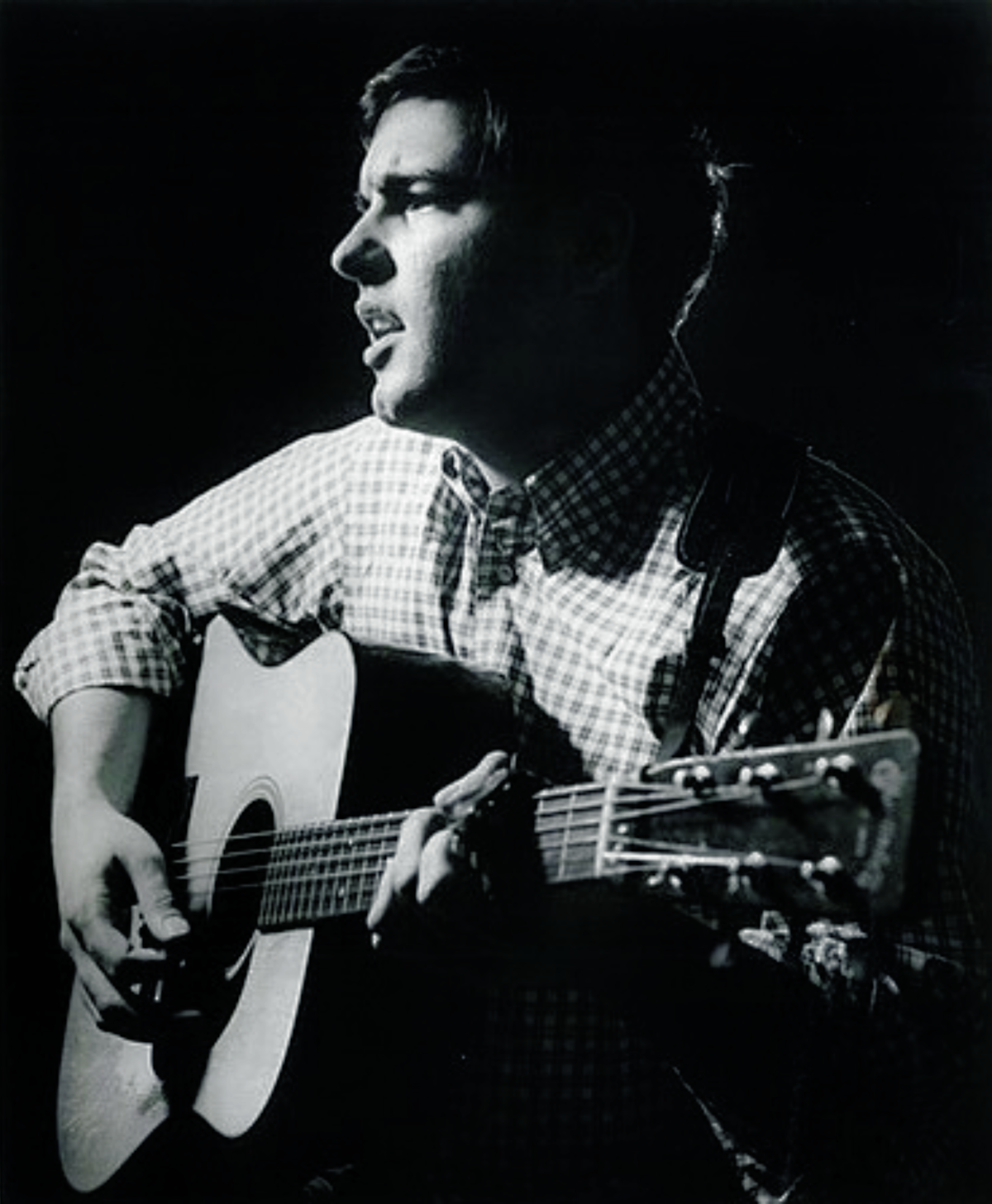
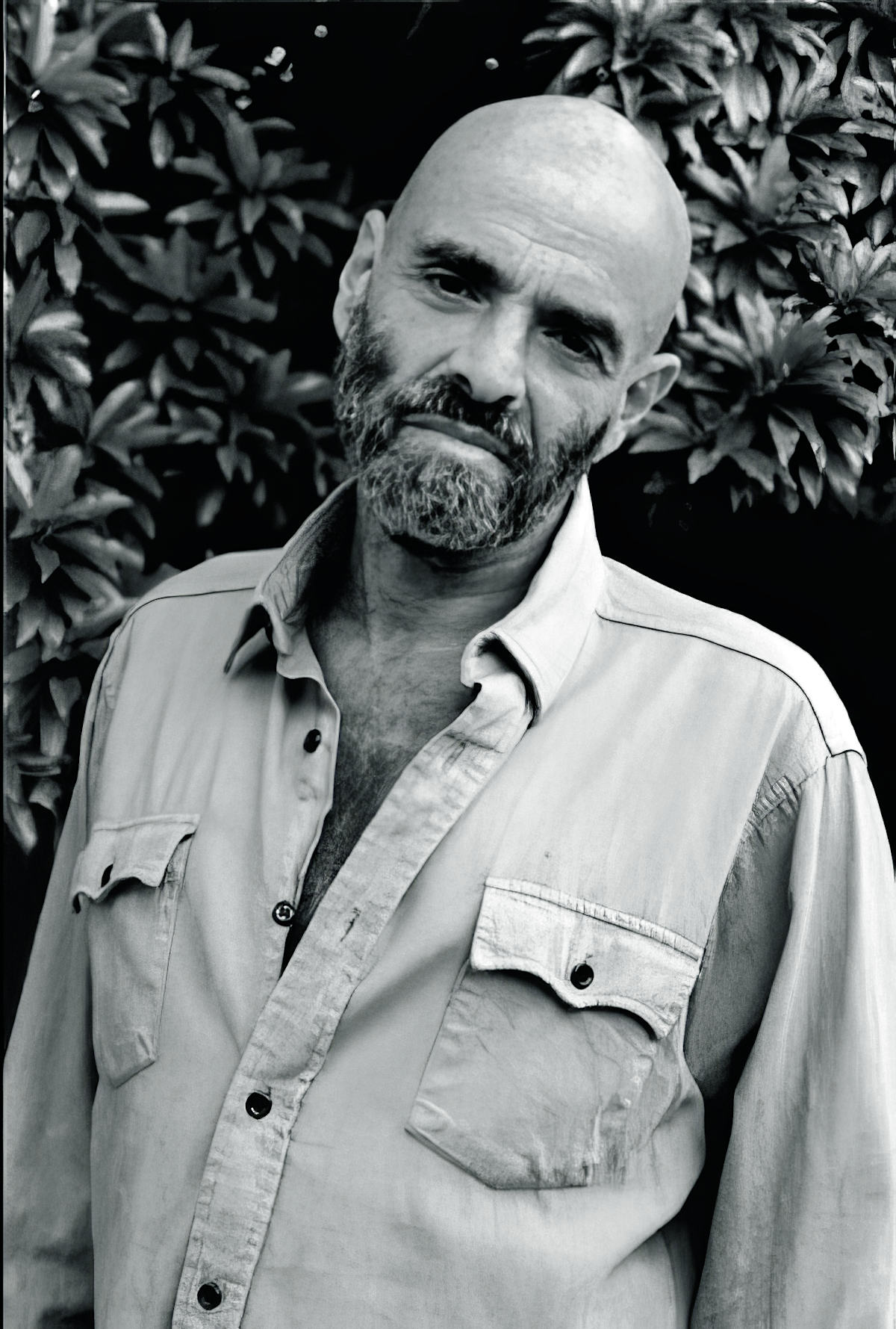
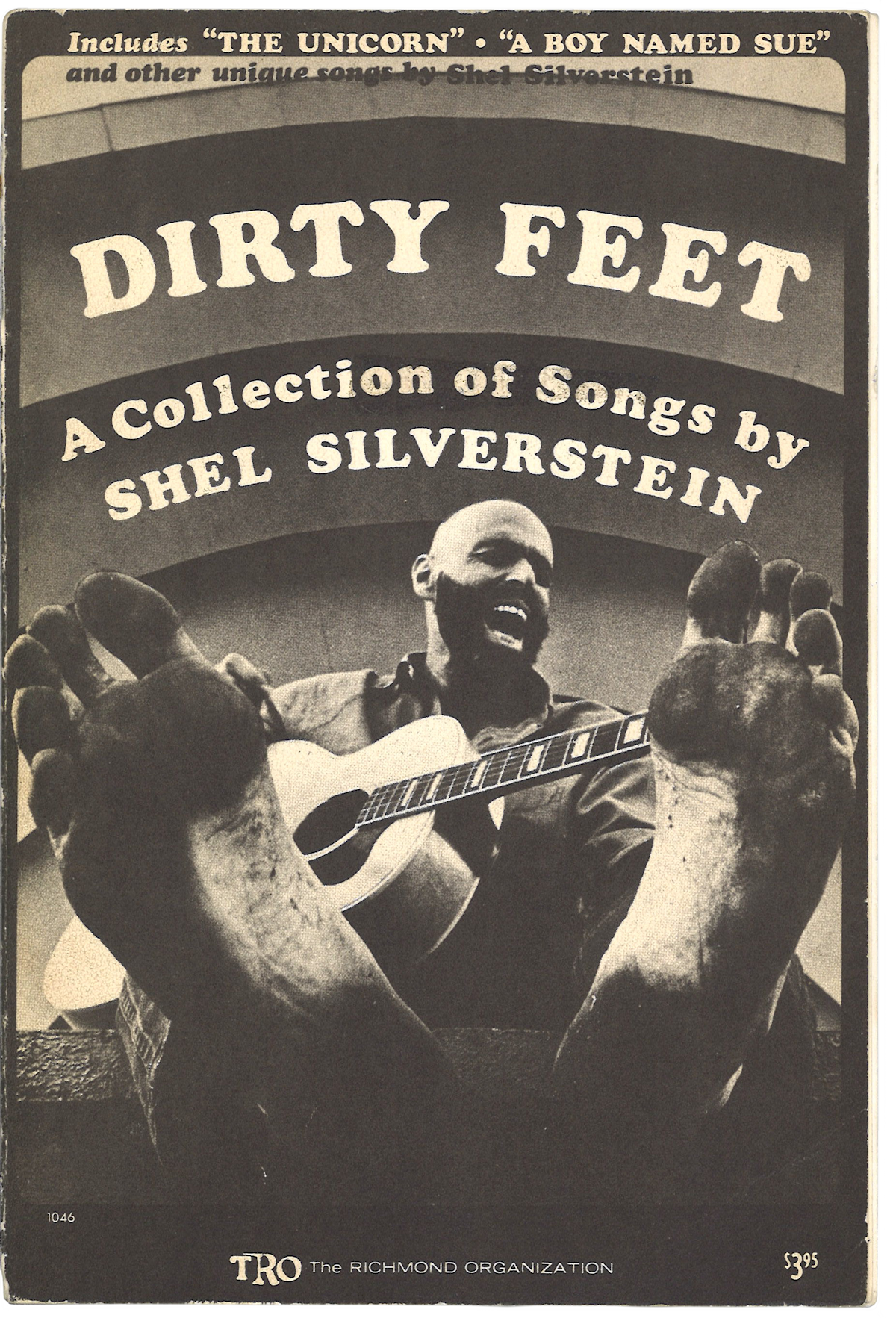
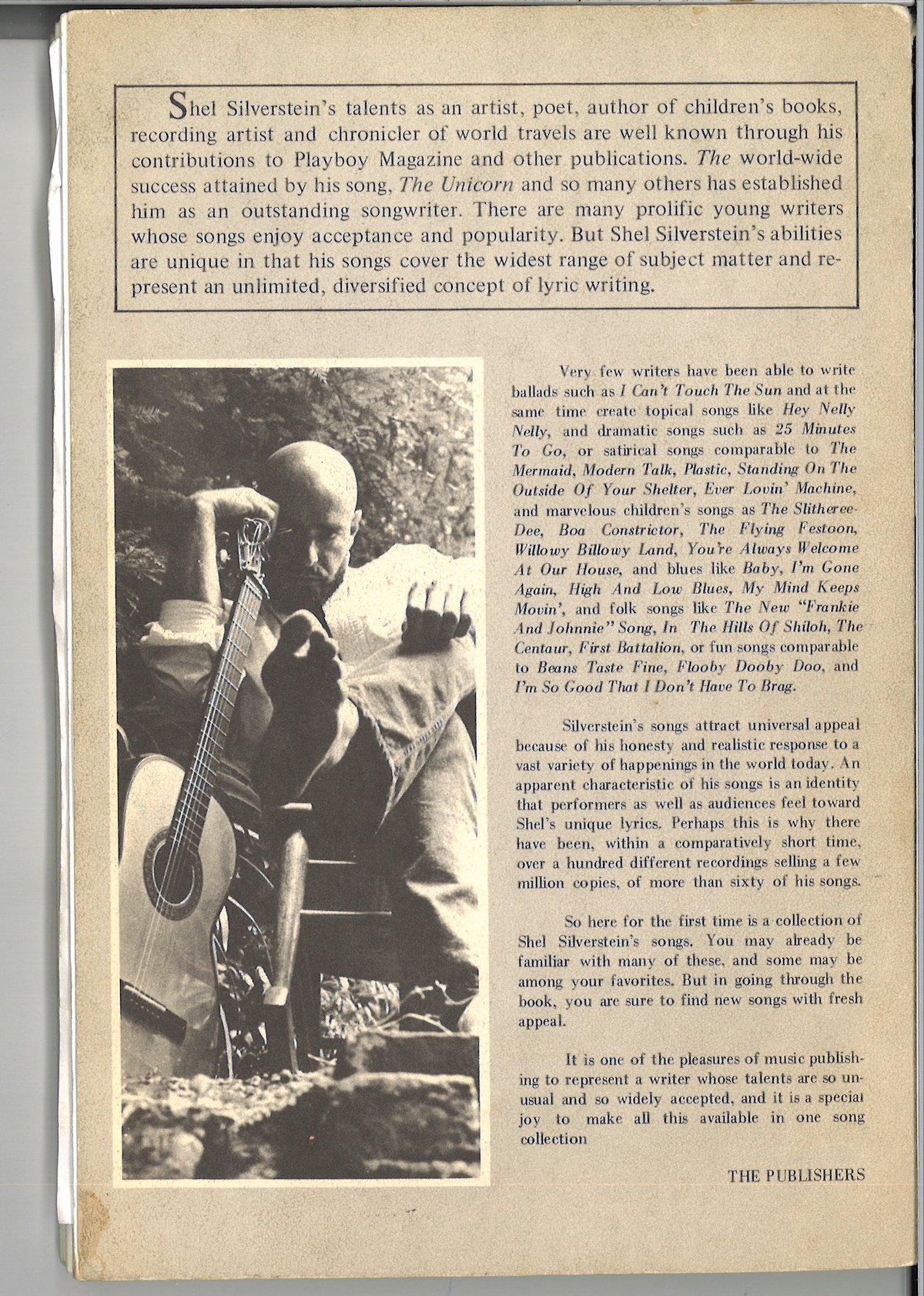
Shel Silverstein, an American writer, poet, cartoonist, singer-songwriter, musician, and playwright, had risen to prominence in the 1950s with his illustrations being published in newspapers and magazines. He then became a celebrated children's author with acclaimed works such as "The Giving Tree," "Where the Sidewalk Ends," and "A Light in the Attic."
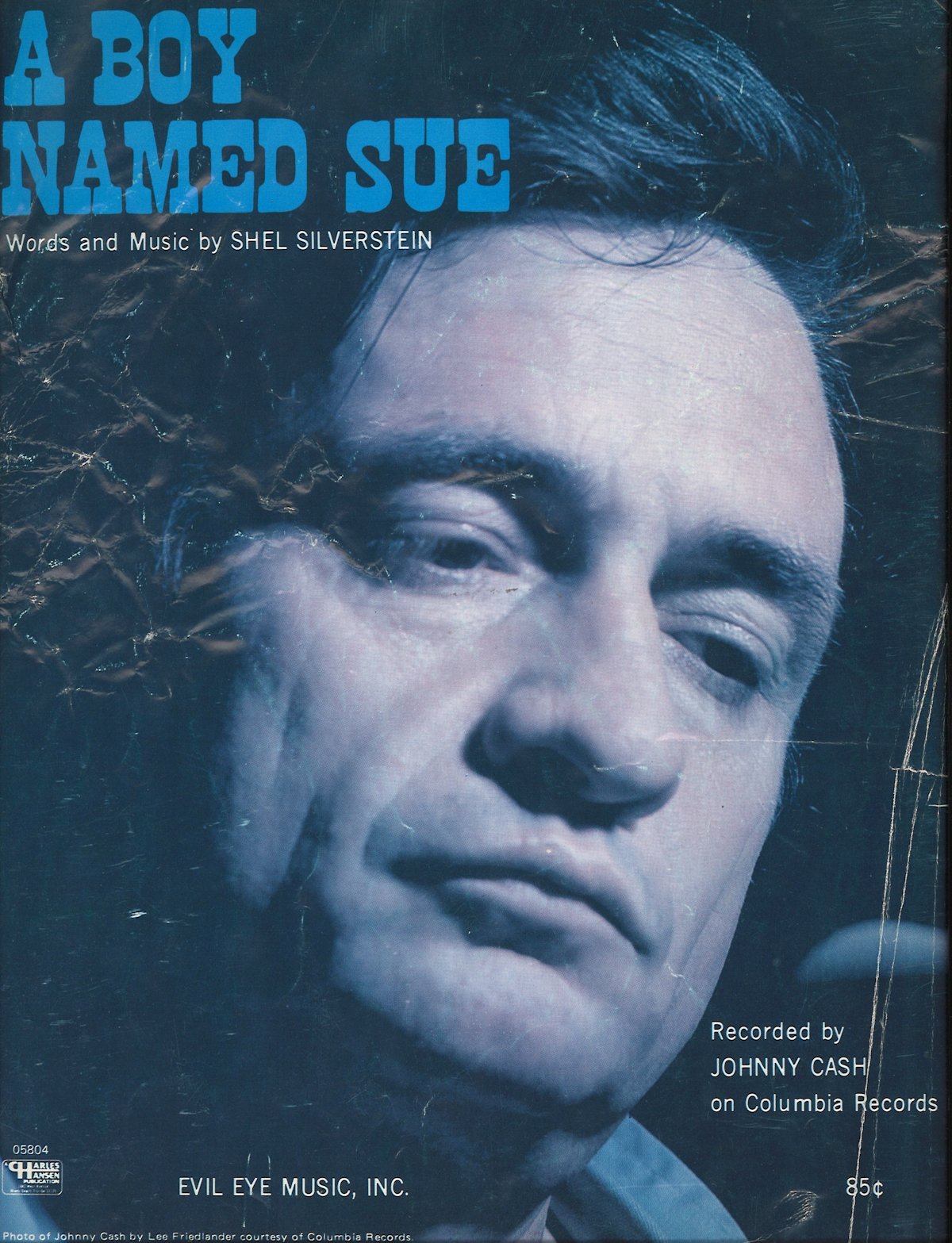
As a songwriter, Shel’s catalog included songs like "25 Minutes to Go," "One’s on the Way," "Sylvia’s Mother," "The Unicorn," "Cover of the Rolling Stone," and "A Boy Named Sue," recorded in 1969 by Johnny Cash, which became a crossover hit peaking at No. 2 on the Billboard Hot 100. Shel’s songs have been recorded and popularized by a wide range of other acts, including Loretta Lynn, Tompall Glaser, The Irish Rovers, and Dr. Hook & the Medicine Show.
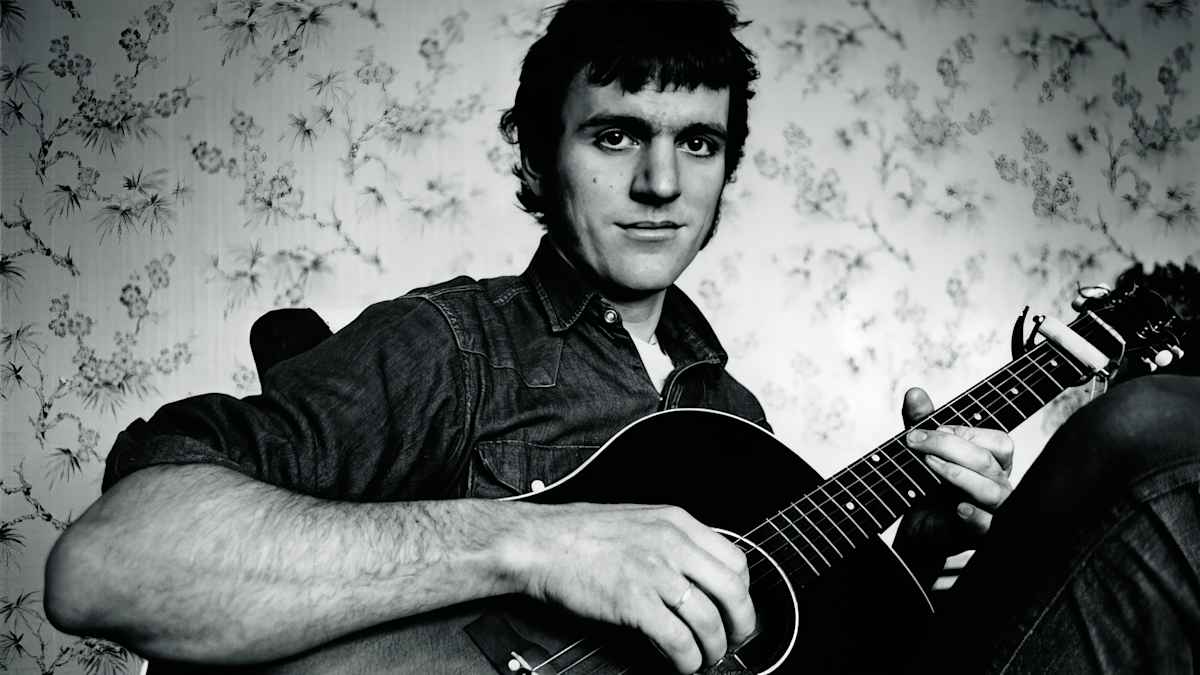
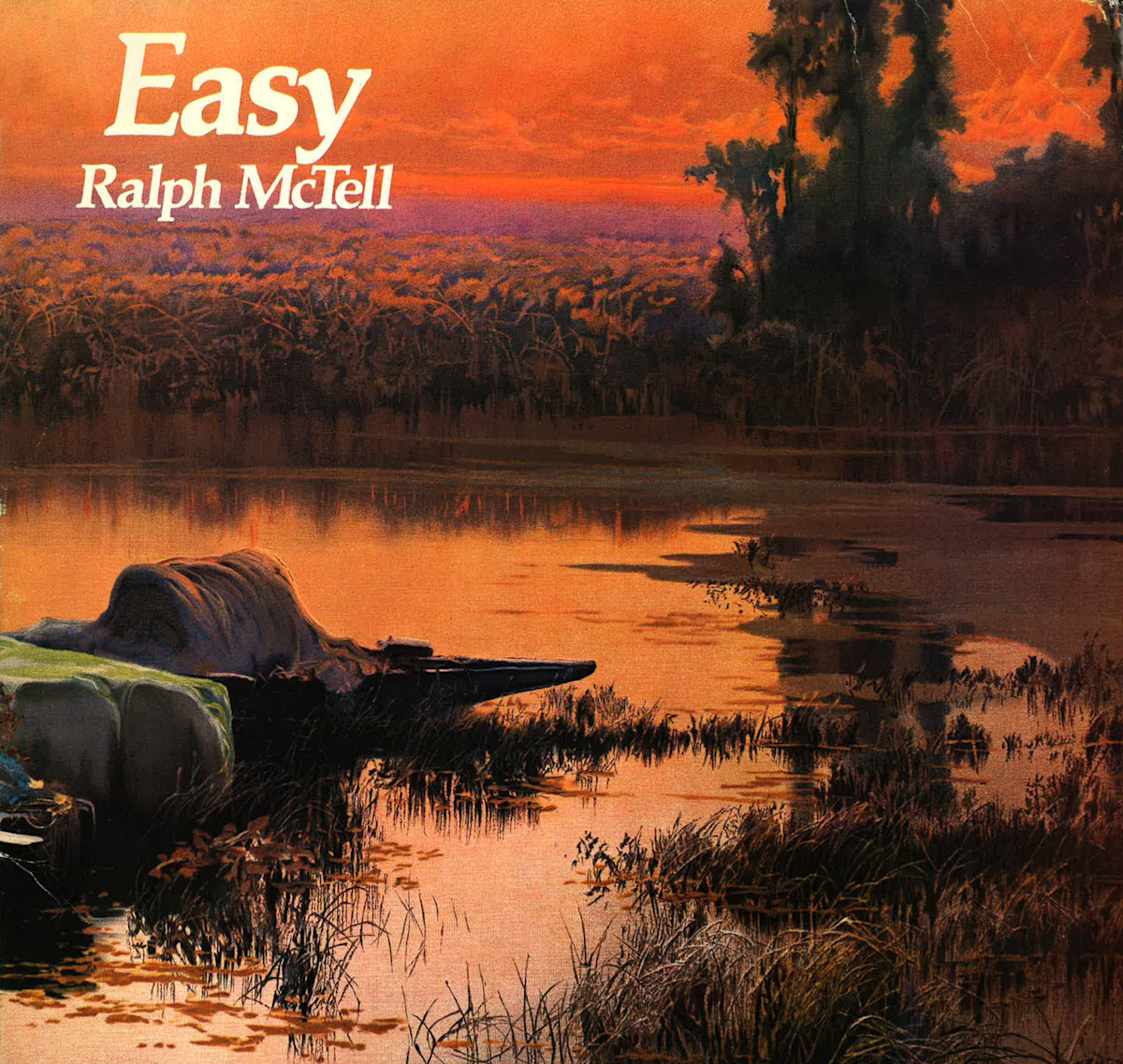
In 1967, British folk artist Ralph McTell signed with Essex, and by the end of the year, he was recording his first album. Arranged by Tony Visconti and produced by Gus Dudgeon, the album "Eight Frames a Second" was released early in 1968. It came to the attention of the BBC and was featured on radio programs including "Country Meets Folk" in August and John Peel’s "Top Gear." His second album, "Spiral Staircase," recorded for Transatlantic in late 1968, included the first recording of "Streets of London," which was recorded in one take by McTell on guitar and vocals. His third album, "My Side of Your Window," released in 1969, became Melody Maker magazine’s Folk Album of the Month.
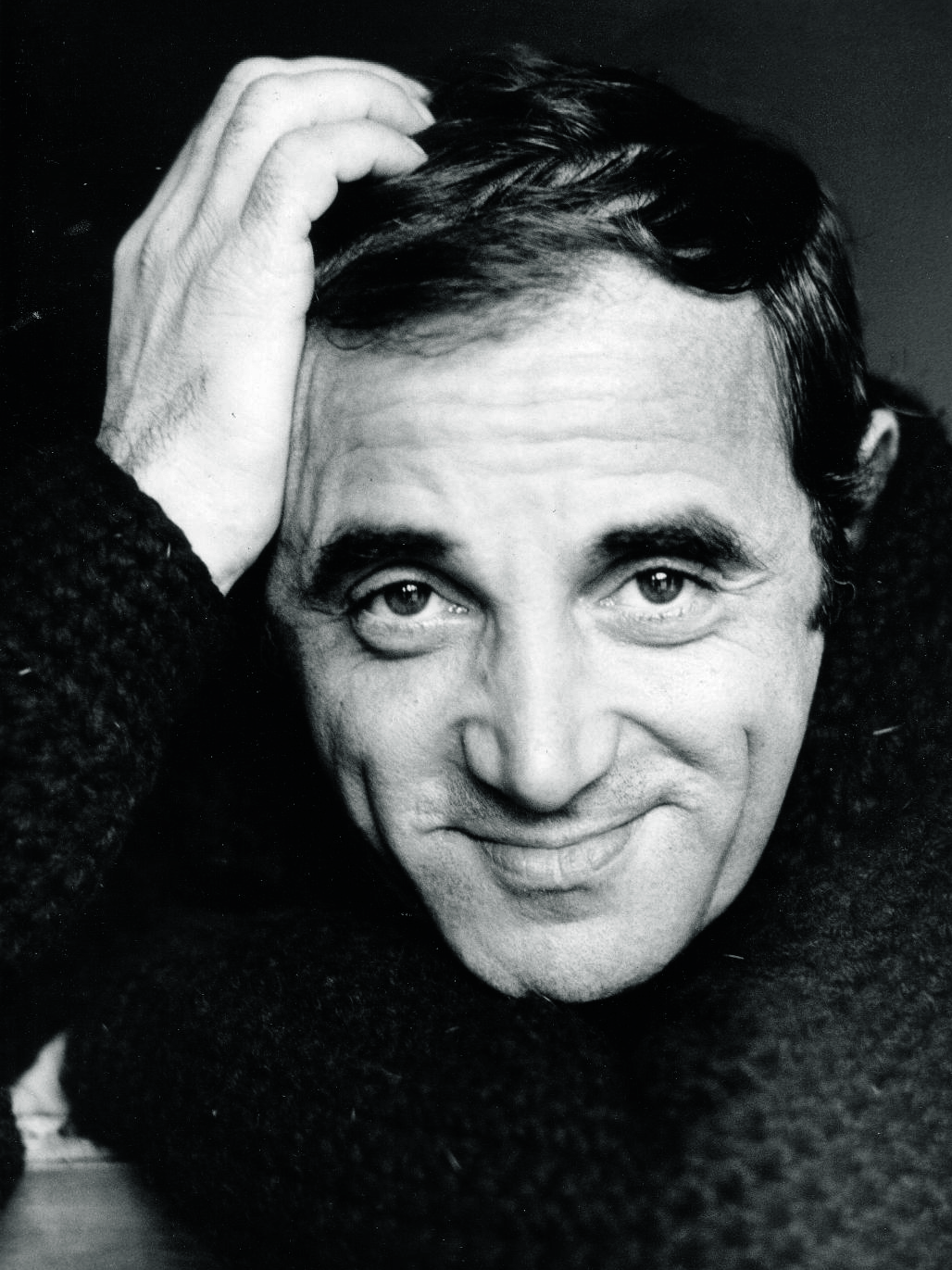
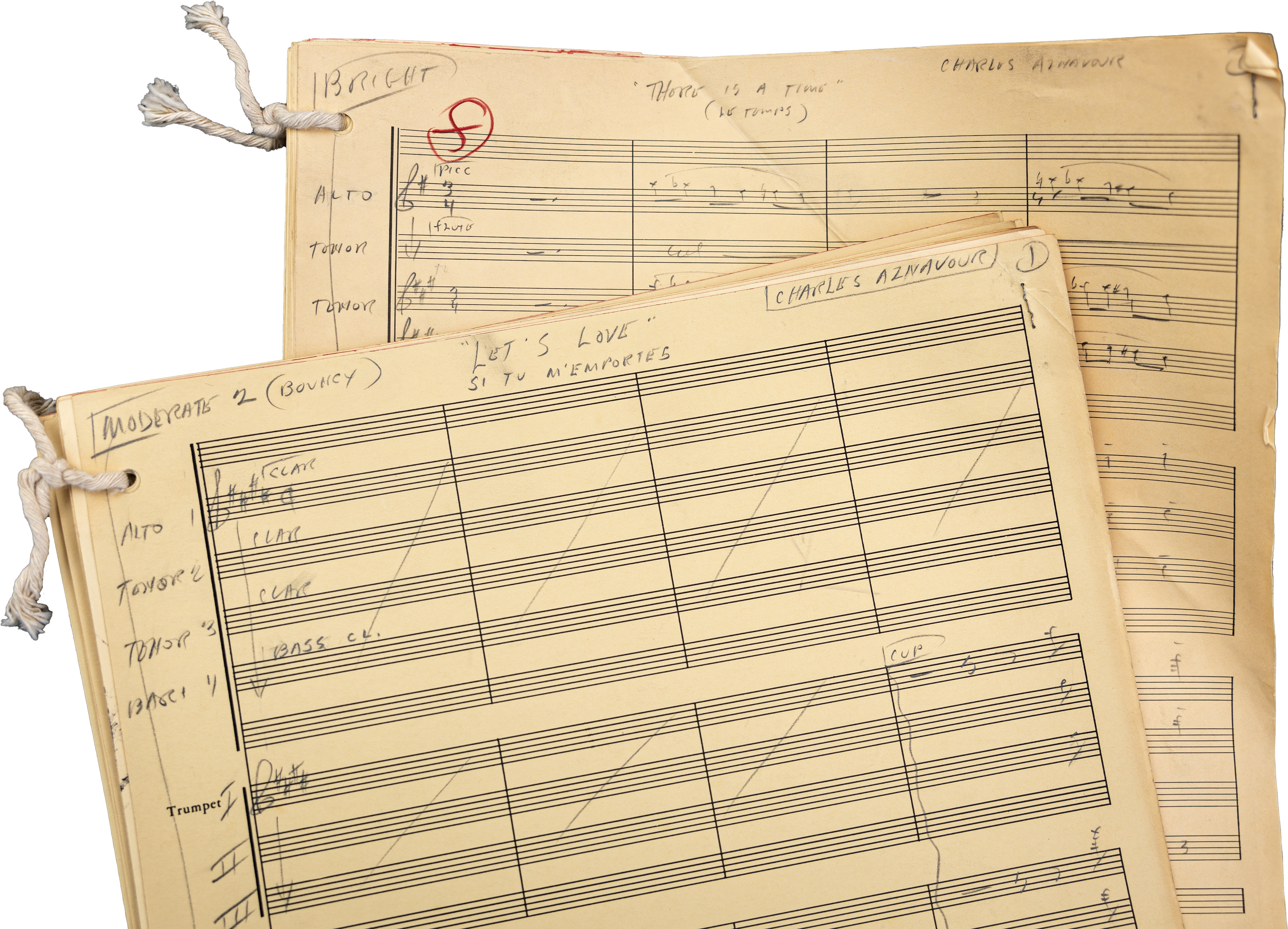
Established on the Champs Elysees in Paris, Editions Essex signed a young singer-songwriter who would become known as “France’s Frank Sinatra.” Charles Aznavour, the French/Armenian singer, songwriter, actor, and public activist, in a career spanning over 80 years, wrote more than 1,200 songs sung in eight languages, sold more than 200 million records in 80 countries, and appeared in more than 60 films. He is widely regarded as one of the greatest songwriters in the history of music, an icon of 20th-century pop culture, and has been described by the music critic Stephen Holden as a “French pop deity.”
Aznavour also spoke and sang in many languages, which helped him secure performance spots at Carnegie Hall and other major venues around the world. Howie and Al paired Aznavour with lyricists like Herbert Kretzmer and Gene Lees to create English lyric versions of Aznavour’s work. Aznavour’s 1969 song "Yesterday When I Was Young," with an English lyric by Kretzmer, was recorded by country music artist Roy Clark and became a major international hit.
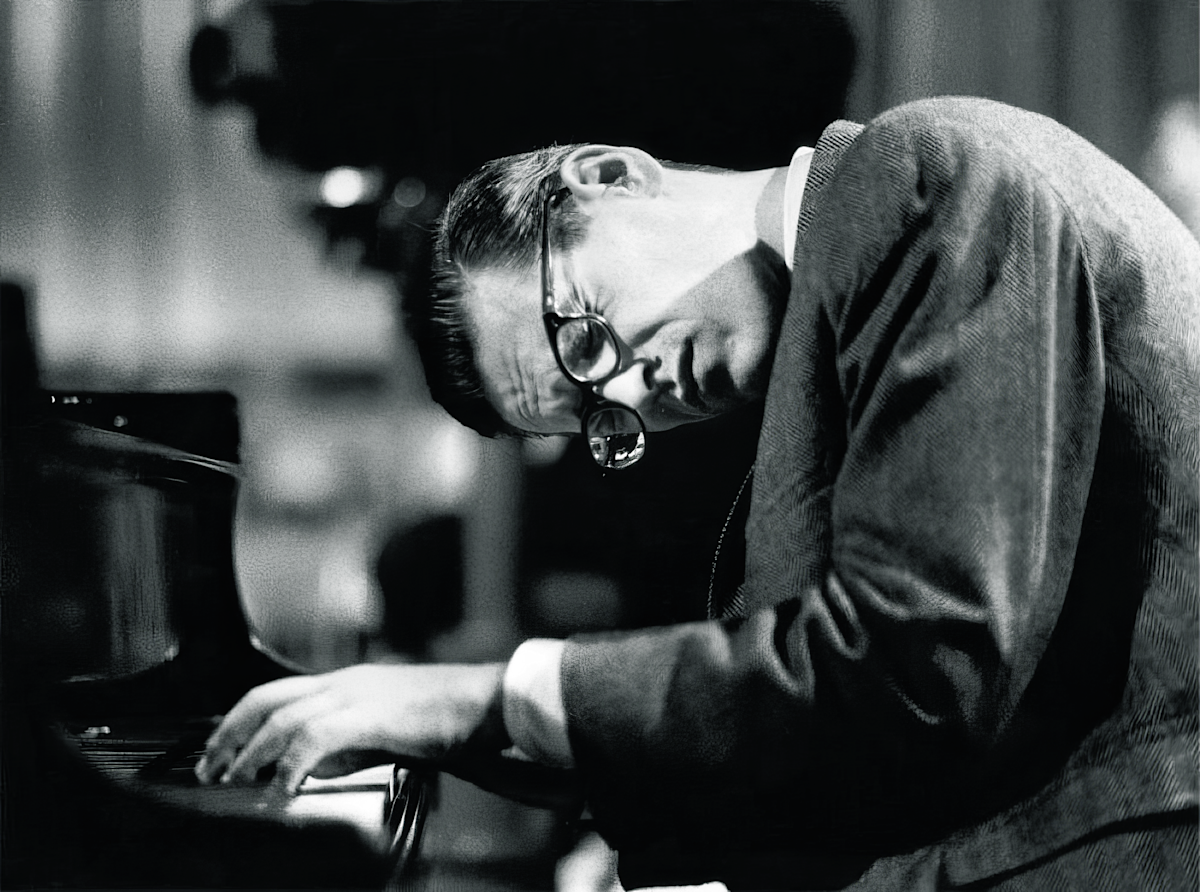
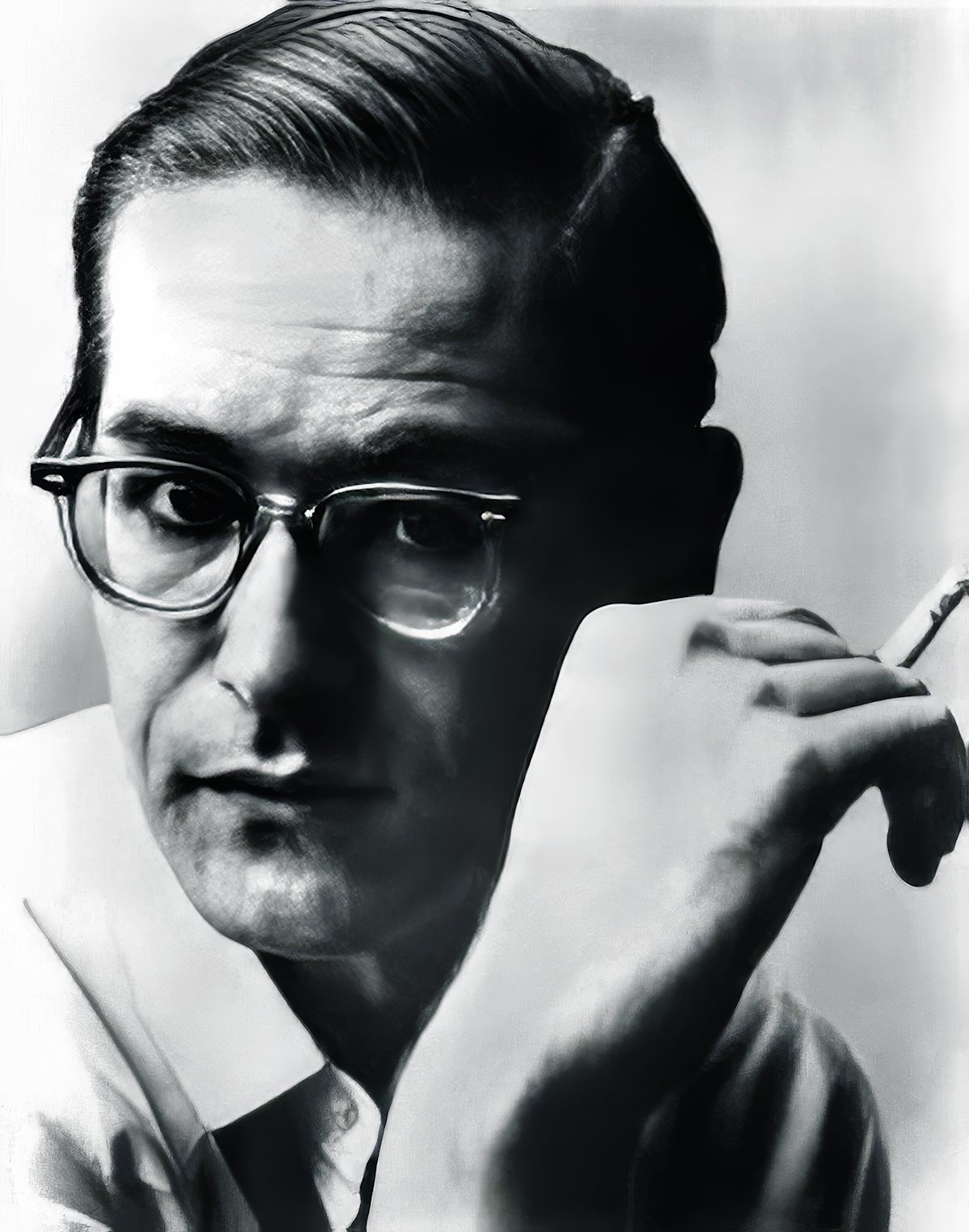
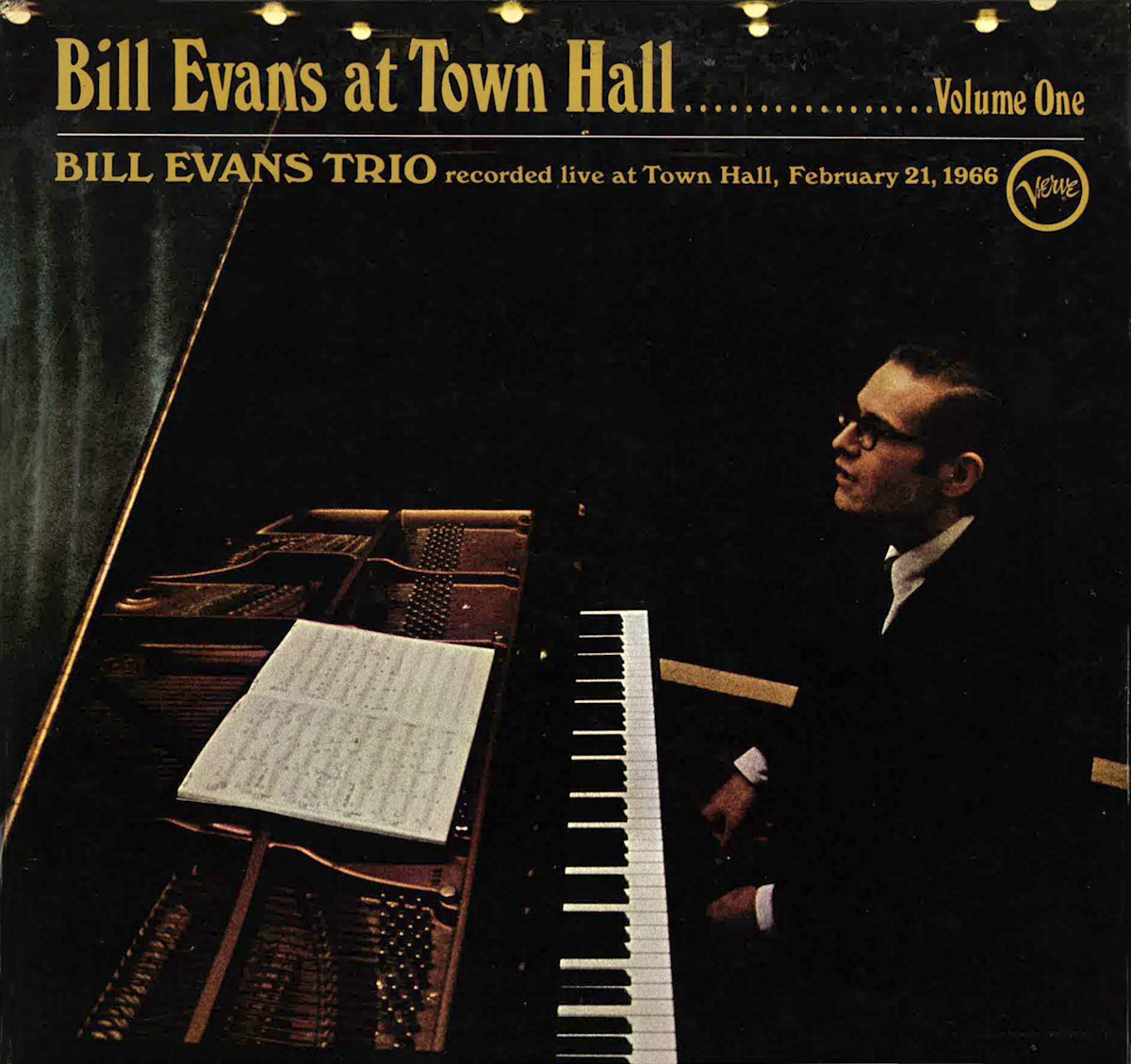

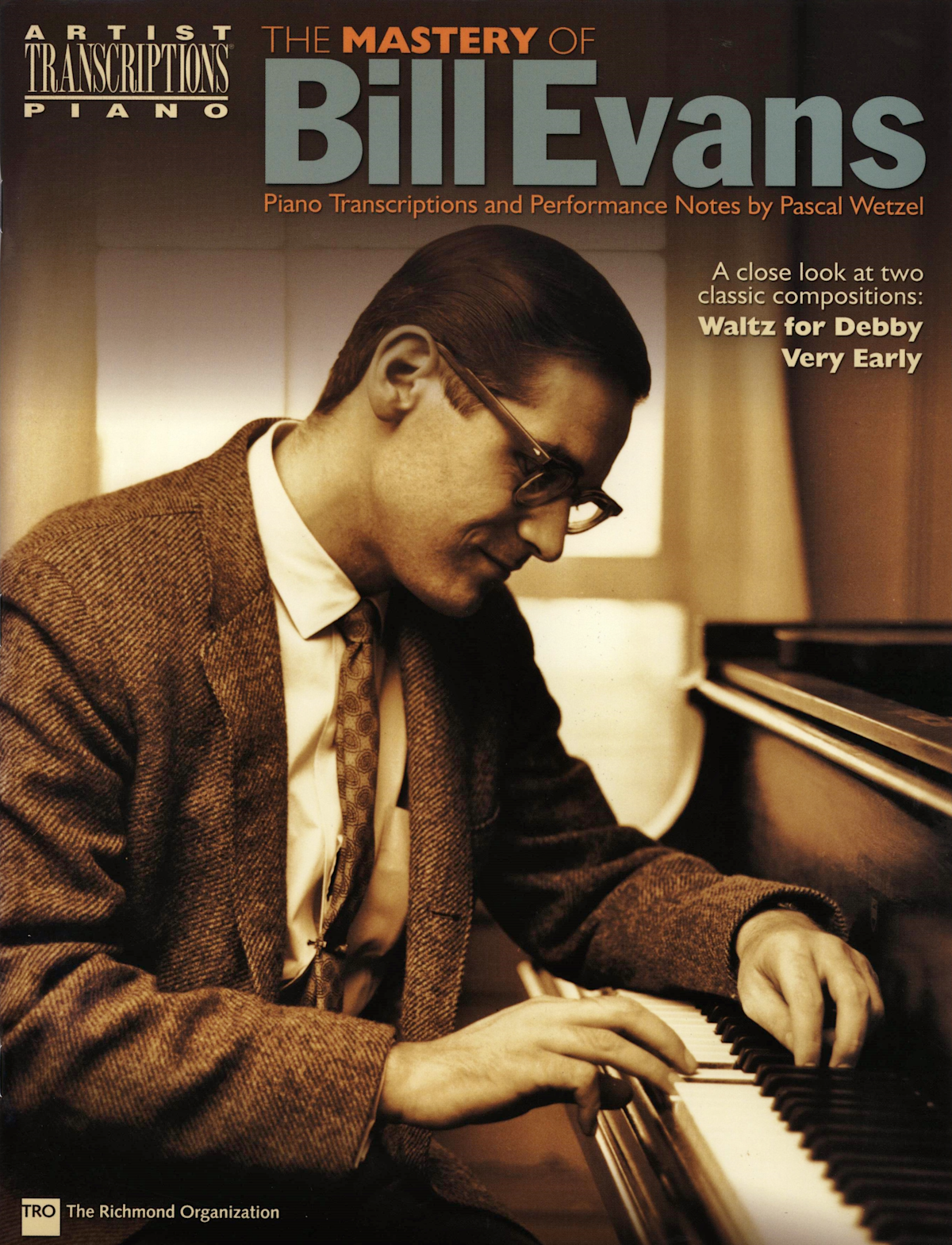
Bill Evans, one of the most influential jazz pianists of his era, signed with TRO in 1962. Bill began his career playing piano for singer Lucy Reed at the Village Vanguard and The Blue Angel in 1955. The following year, he recorded his debut album, "New Jazz Conceptions." The album marked the formation of the first Bill Evans trio with Teddy Kotick and Paul Motian and featured the original compositions "Waltz for Debby" and "Five."
The Bill Evans catalog includes such jazz classics as "Waltz for Debby," "Time Remembered," "Turn Out the Stars," "Very Early," and "Peace Piece." Many of Evans’s compositions have become standards, played and recorded by numerous artists. He is cited as a major influence on musicians like Keith Jarrett, Herbie Hancock, Bill Charlap, Diana Krall, Rick Wright of Pink Floyd, and many others in jazz and other music genres. Evans received 31 Grammy nominations and seven awards, was inducted into the DownBeat Jazz Hall of Fame, and was posthumously honored with the Grammy Lifetime Achievement Award.
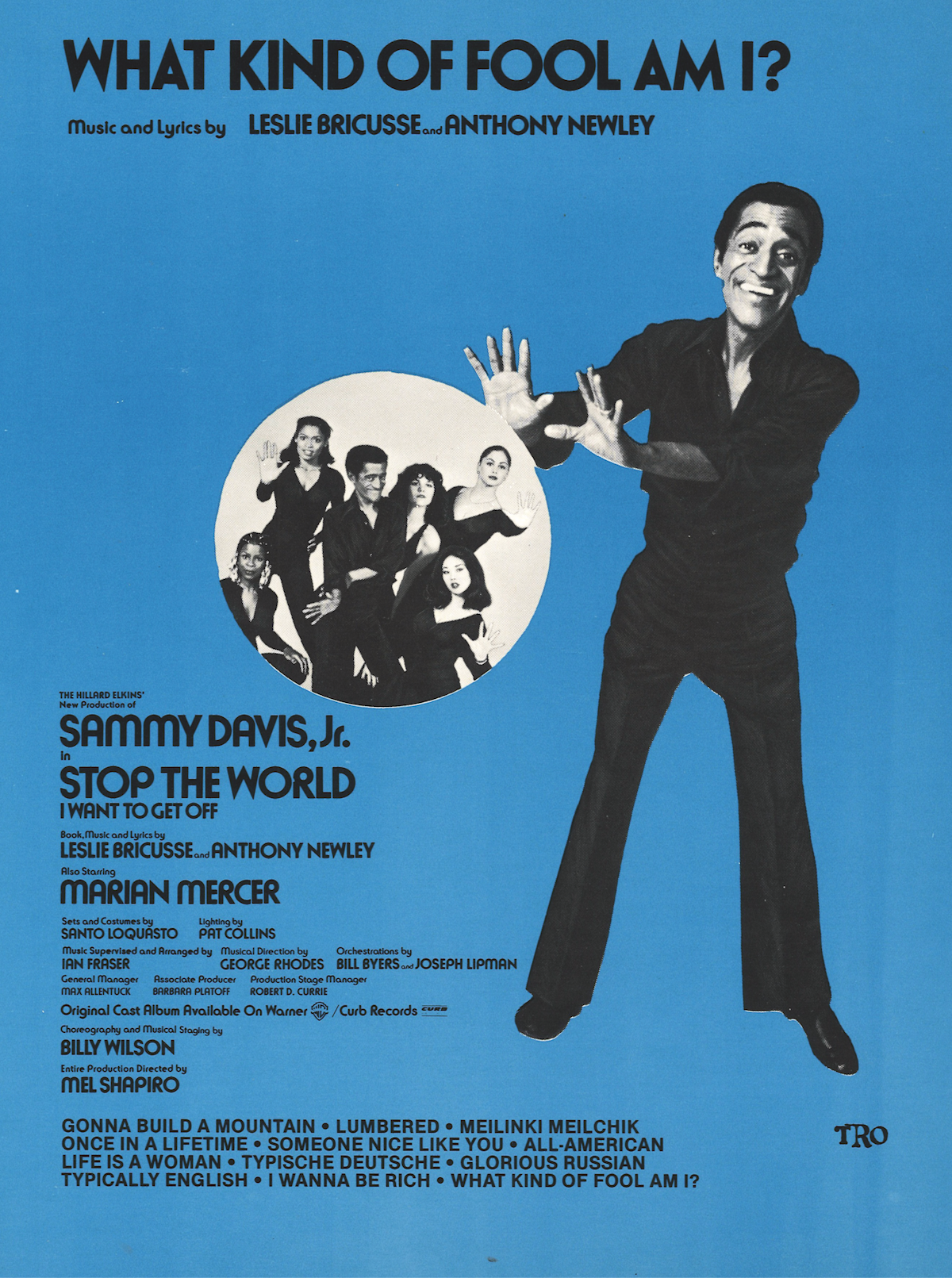
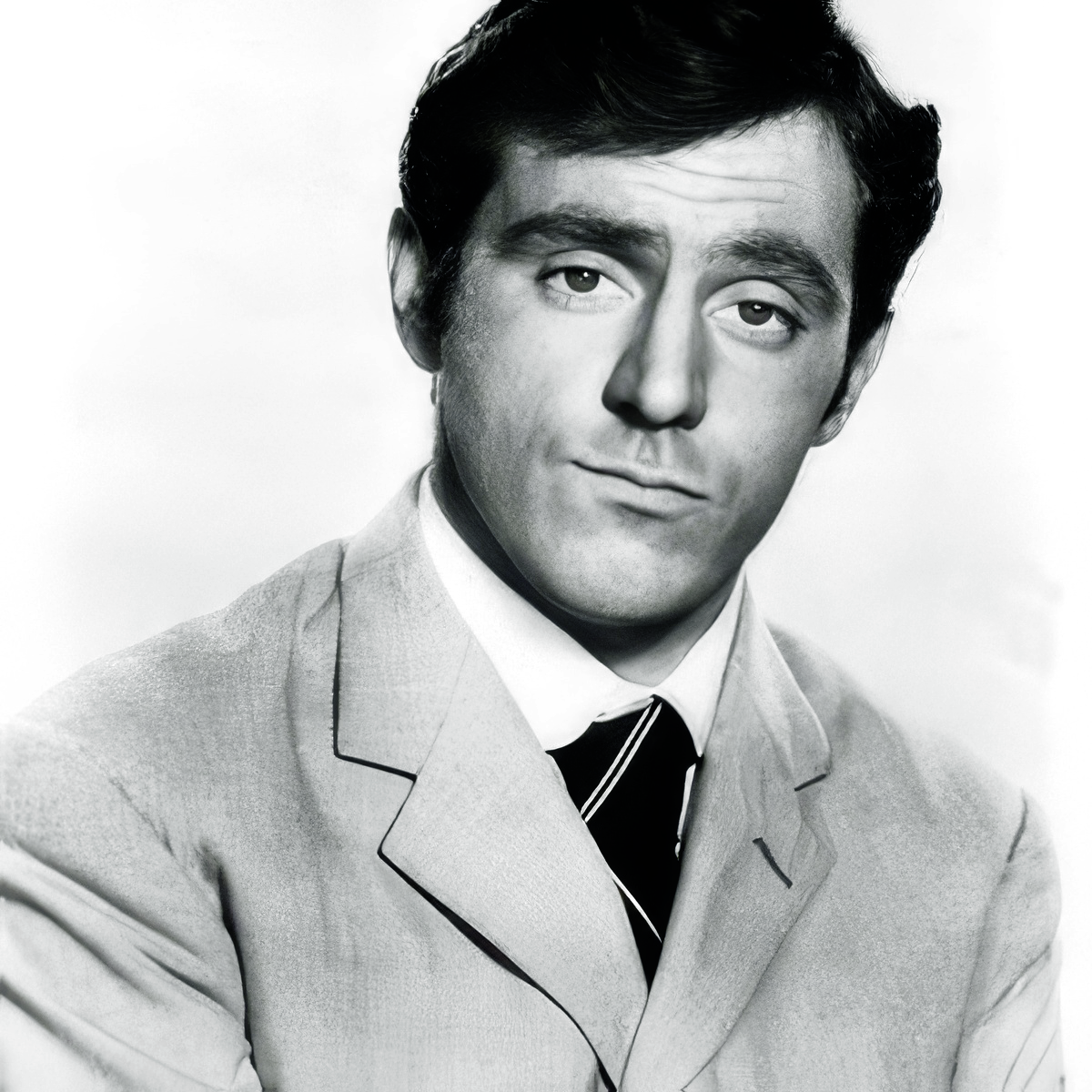
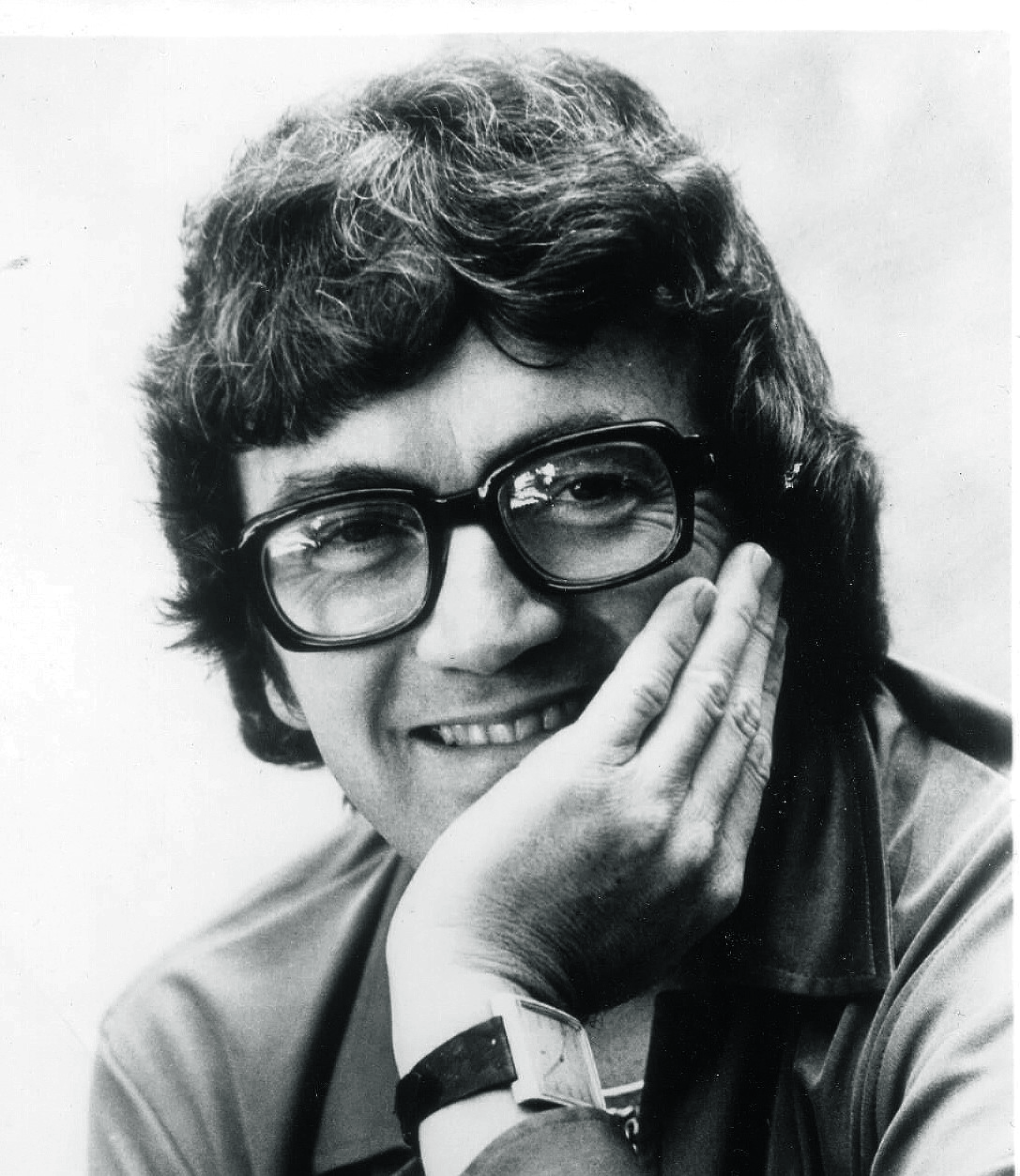
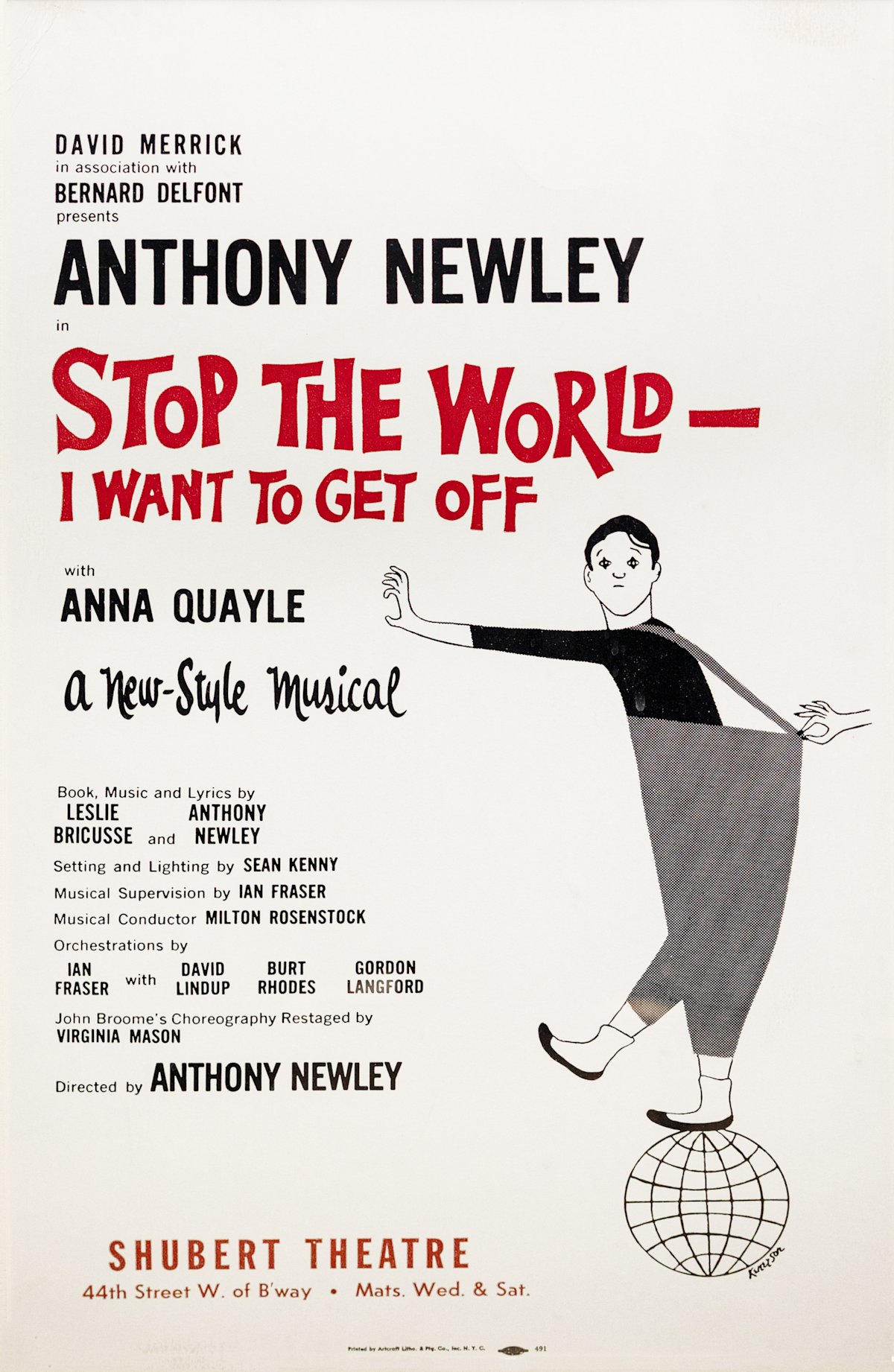
In the early 60s, TRO began working with the top theater talent of the day in London and New York City. Anthony Newley and Leslie Bricusse signed with Essex in 1960 and began their legendary collaboration. Working out of Beatrice Lillie’s New York City apartment, the pair wrote the musical "Stop the World—I Want to Get Off," their debut musical, which opened on the West End in 1961 and at the Shubert Theater on Broadway in 1962. A film version of the musical was released by Warner Bros. in 1966. The score produced the hit songs "Gonna Build a Mountain" and "What Kind of Fool Am I," which went to No. 17 on the pop charts with a recording by Sammy Davis Jr. Traditionally, songs in Broadway shows were not released until after the first performance; however, Howie had decided to release the songs prior to opening.
The show premiered in London, and Jerry Lewis went overseas and saw it. He picked up the song "What Kind of Fool Am I" and took it to the Ed Sullivan Show. Even though it was listed as a BMI song and the show hadn’t even opened in London yet, they put it on the Ed Sullivan Show. Twenty minutes later, every record company wanted to record it. EVERY RECORD COMPANY! They were going crazy to record the song, and we didn’t even know they were going to put it on the Ed Sullivan Show! But somehow, that opened the door and built big anticipation for the show.
The first part of the show took 9 minutes to get through the opening. Always too long, but there was no choice! Tony was on stage, doing his show, and the audience wasn’t going to leave. But it didn’t hit the timing, and it wasn’t produced in a way that worked.Tony was doing his one-man act of the show—it got the WORST reviews you could get. I’ll never forget going over to Sardi's, waiting for the opening night crowd, and we were there, and Henry Fonda walked in, the great Henry Fonda, and he could see what a morgue it was and he turned around and walked out. He didn’t even stay, and we started to realize... David Merrick comes in and says, ‘Don’t worry, we still got Oliver! together.’ I thought he had read the reviews. The kiss of death was there. But this strange thing happened... the song was playing!
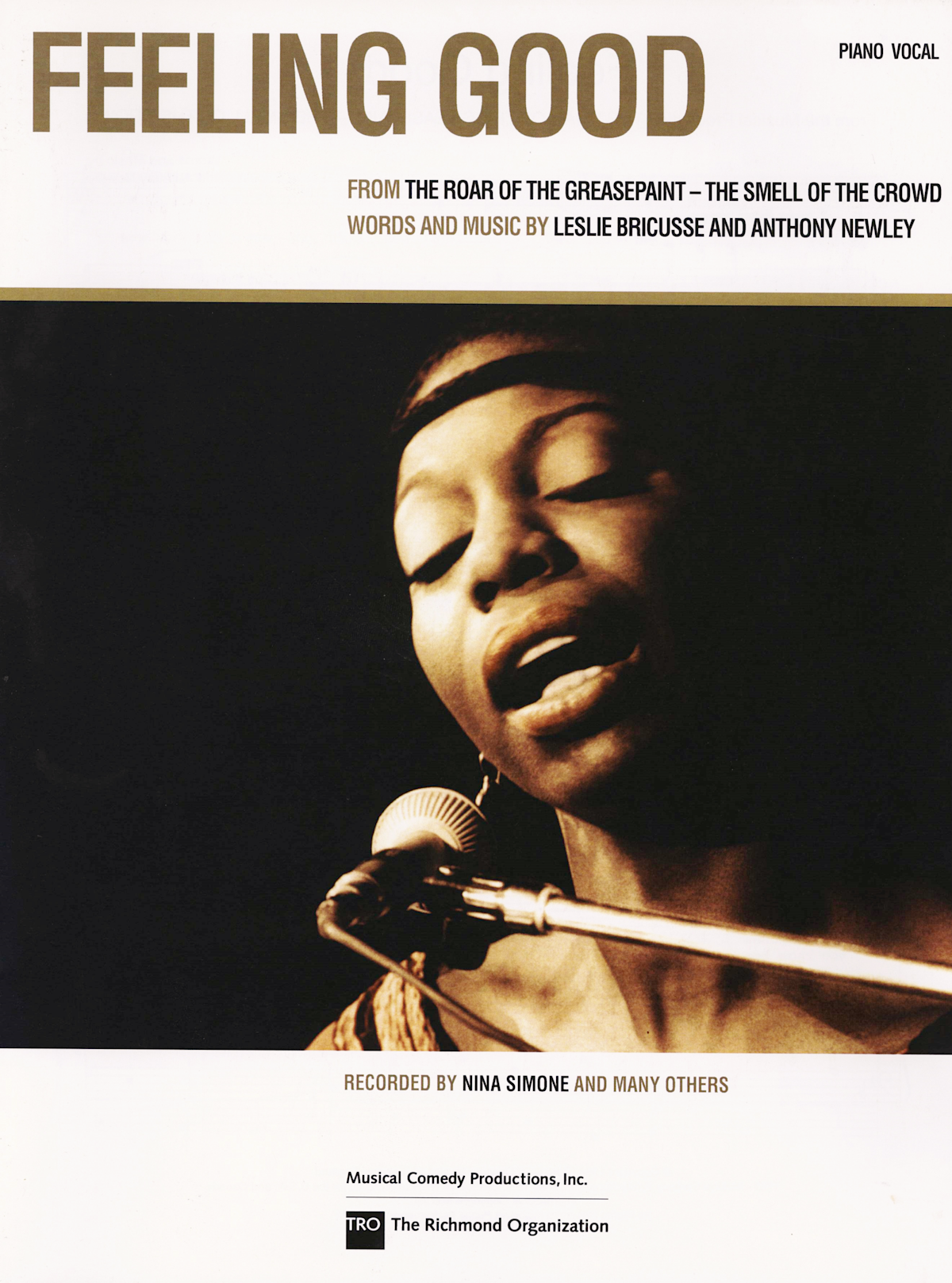
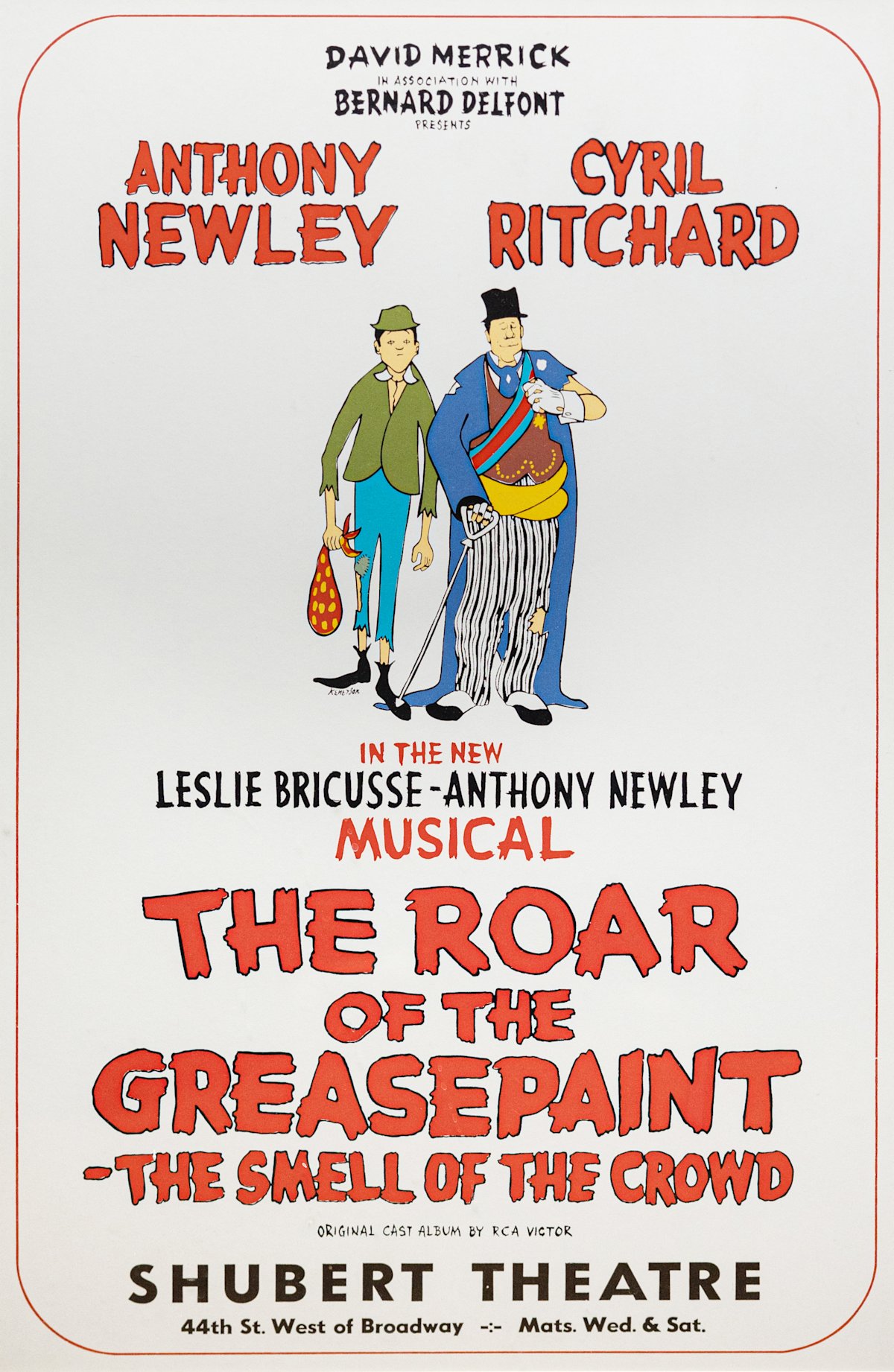
Bricusse and Newley followed up "Stop the World" with their next endeavor, "The Roar of the Greasepaint—The Smell of the Crowd," which opened at the Shubert Theatre on Broadway in May 1965. Produced by David Merrick and starring Tony Newley, the score produced the hit songs "Who Can I Turn To (When Nobody Needs Me)," "A Wonderful Day Like Today," and "Feeling Good," most famously recorded by Nina Simone.
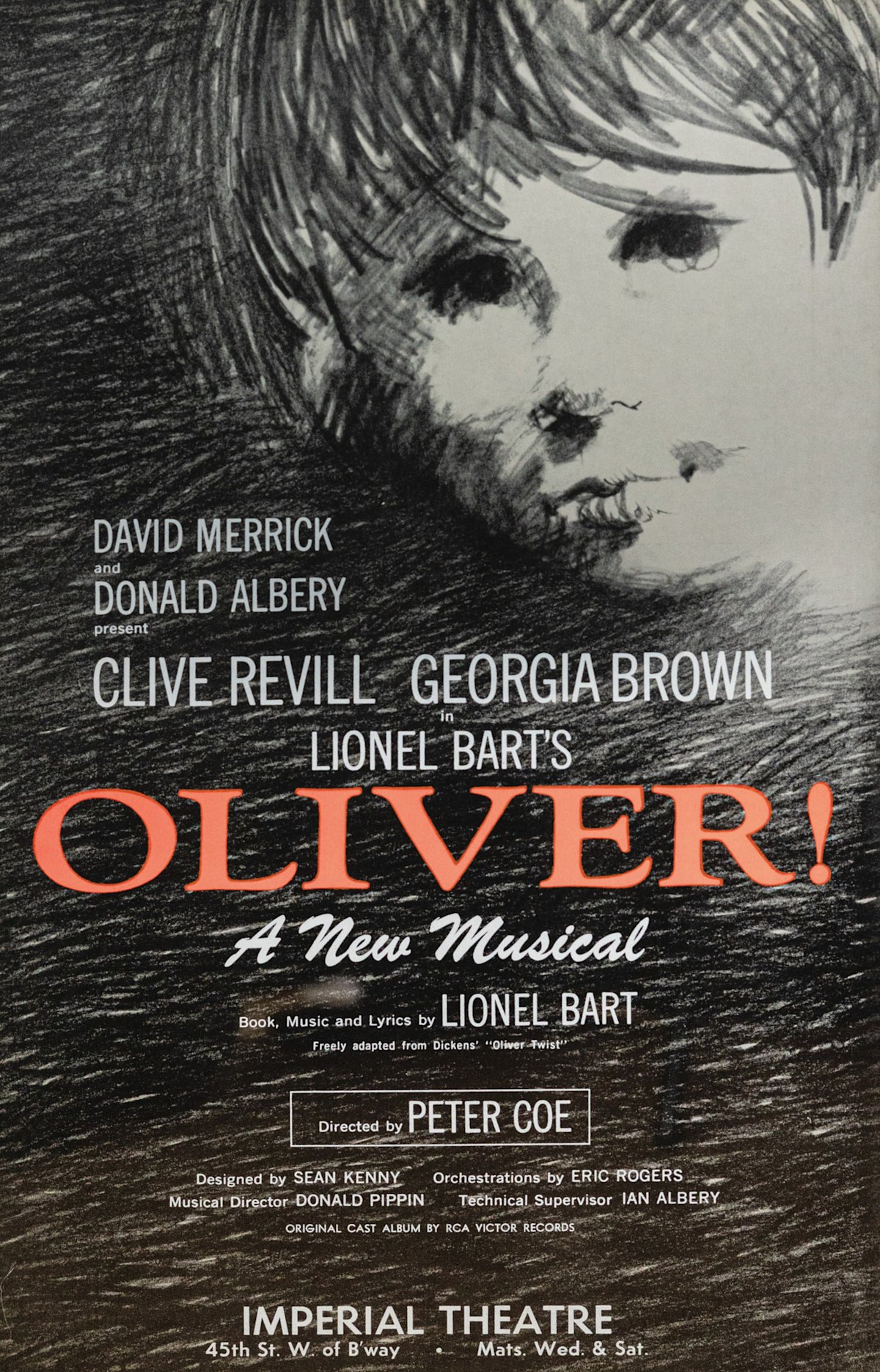
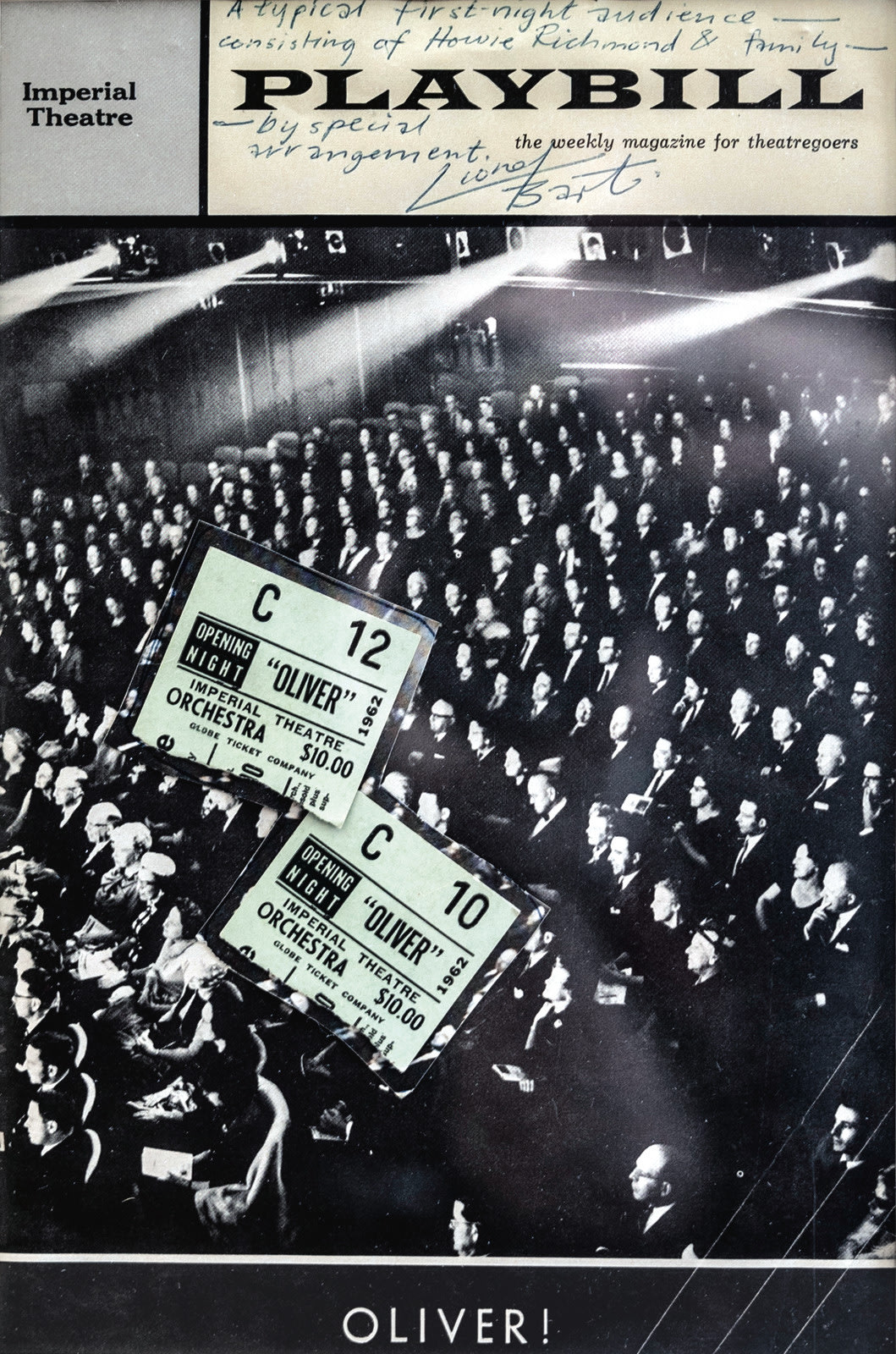
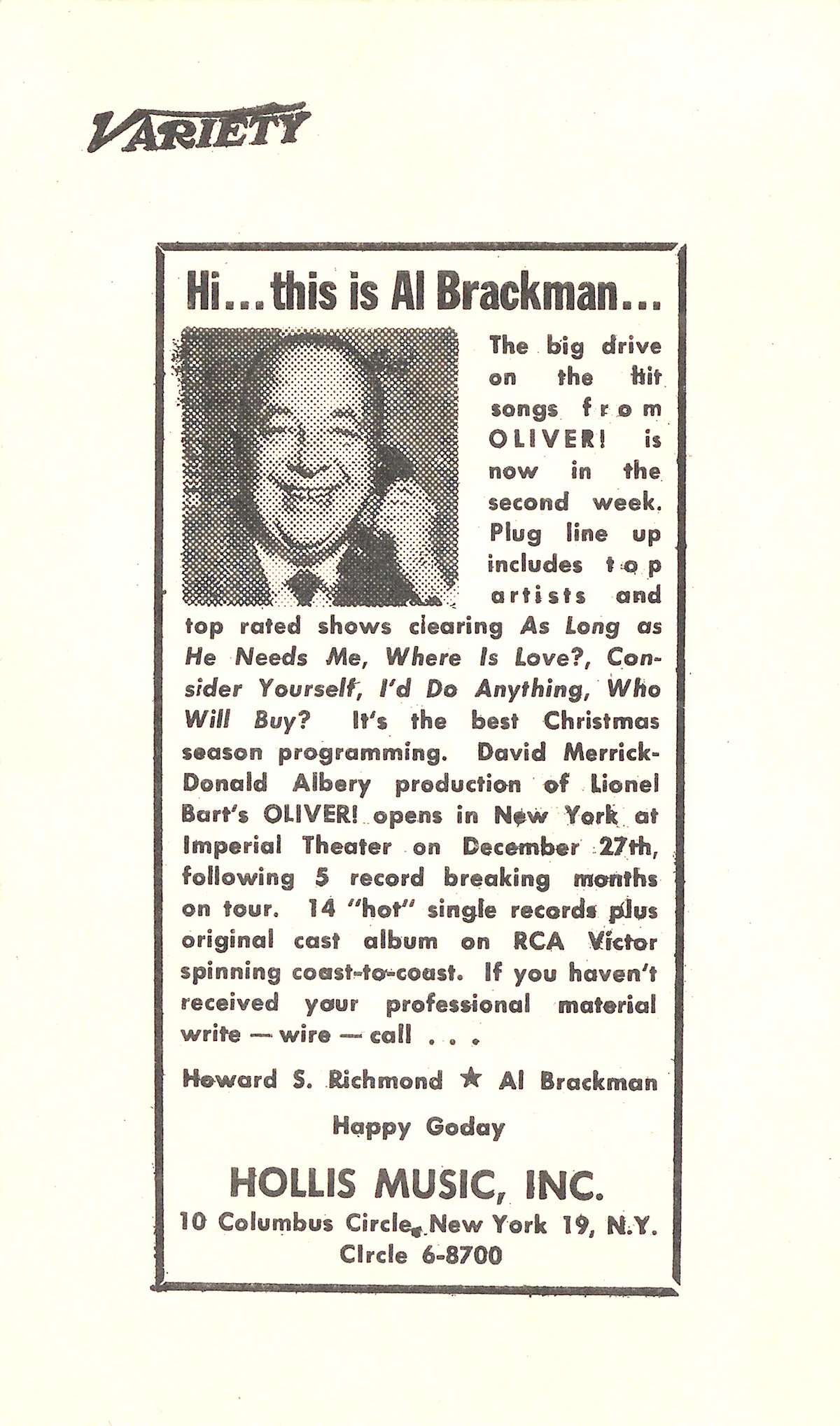
TRO would work with Merrick again to produce Lionel Bart’s "Oliver!" The show originally opened at the New Theatre in London, and three years later, it started its historic run on Broadway. The original Broadway production of "Oliver!" would go on to win the Tony Award for Best Original Score, and in 1968, the film version won six Academy Awards, including Best Picture. It produced songs including "Food, Glorious Food," "I’d Do Anything," "Consider Yourself," and "As Long As He Needs Me."
Merrick was unique with "Oliver!" Everybody said "Oliver" was going to be published by Chappell, and I found out at the last minute the deal was off with Chappell. I said I didn’t think I wanted to be associated with it; it wasn’t going to be received well, especially in New York. But I thought about it, and in London, it was played by an actor and the performance was a little strong. I went and talked to Lionel, Lionel Bart, and he had written quite a few shows. He said, ‘What I did was take these pictures from Dickens and saw the scenes, and then we had this terrific guy that did sets. As far as I’m concerned, I just saw it for what it was.’
Fagan could have played it many ways. It doesn’t have to be like this.’ I said, ‘Yeah, I can see it as something lighter.’ But Merrick said, ‘I can’t bring it to New York because it will be interpreted differently. I’m going to take it as far west as Oregon, Seattle, and Washington,’ and sure enough, he played it all around the West Coast, saturated it, and then he came to New York and did the strangest thing. We had a whole bunch of seats for people—four seats for Tony Bennett. I must have bought 200 seats, and then Merrick canceled it. He said, ‘There’s a newspaper strike, and there will be a premiere only for charity.’
So, nobody had a seat! I wasn’t even going to go! Lionel said to me, "You must come, please sit with me. You and Anita must come. I have a seat for Judy Garland, and I’m sitting with Judy Bell."
I felt so badly going there because Merrick had embarrassed me with the entire thing, but he had a huge sellout, and after that, it was a masterful performance. Of course, all those songs were just perfect.
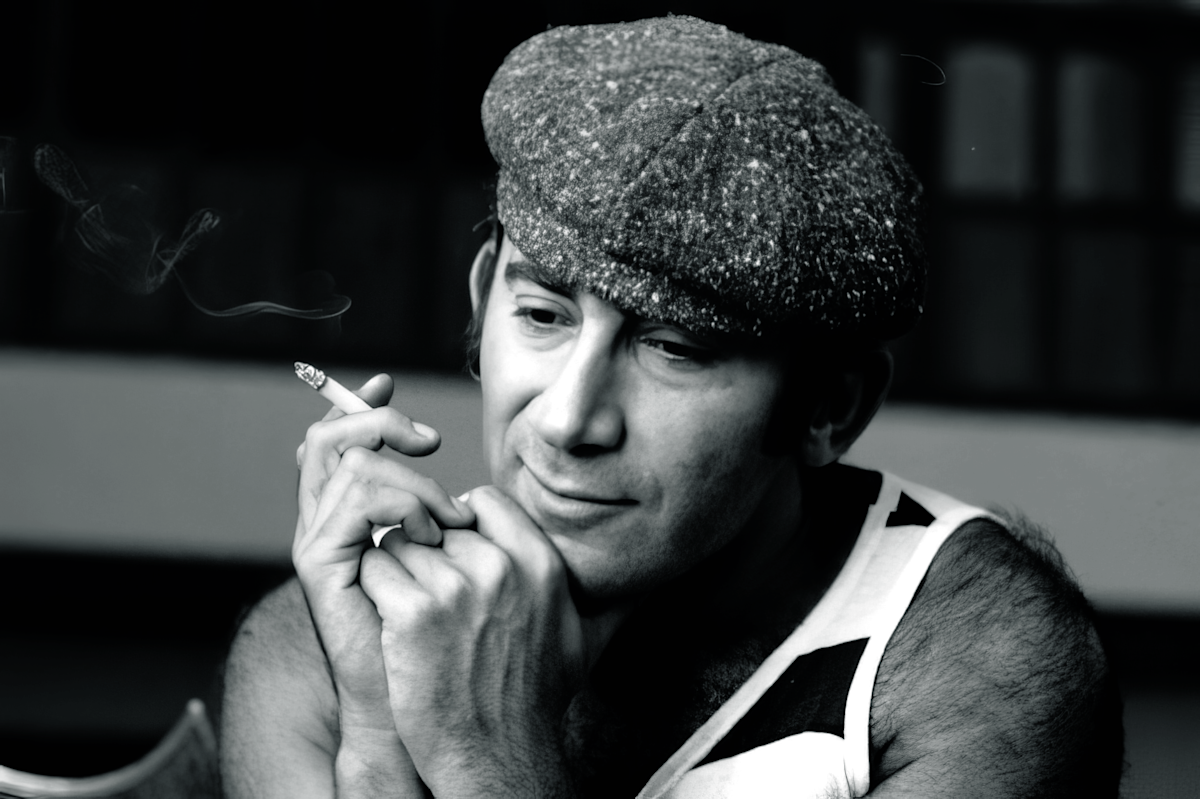
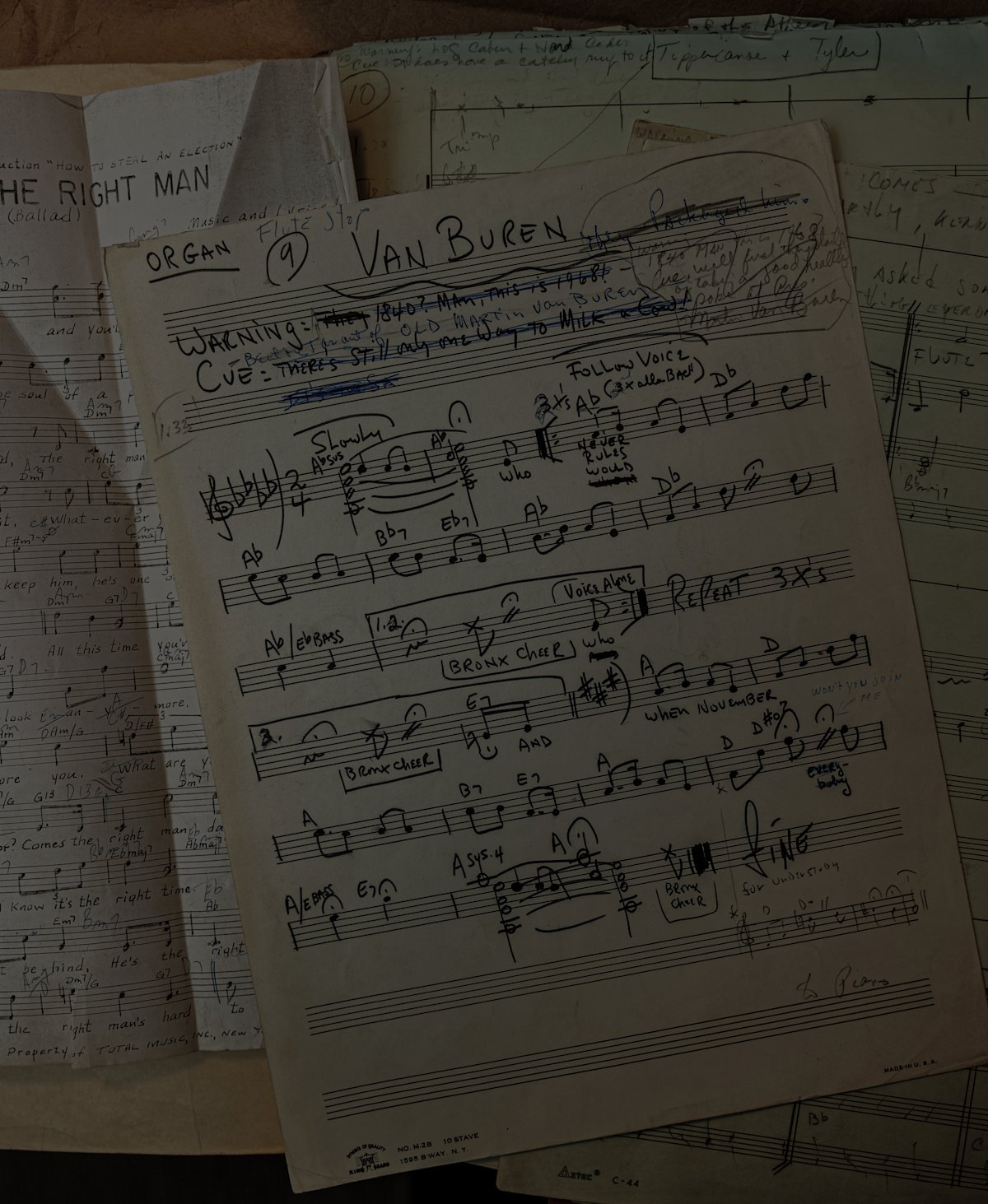
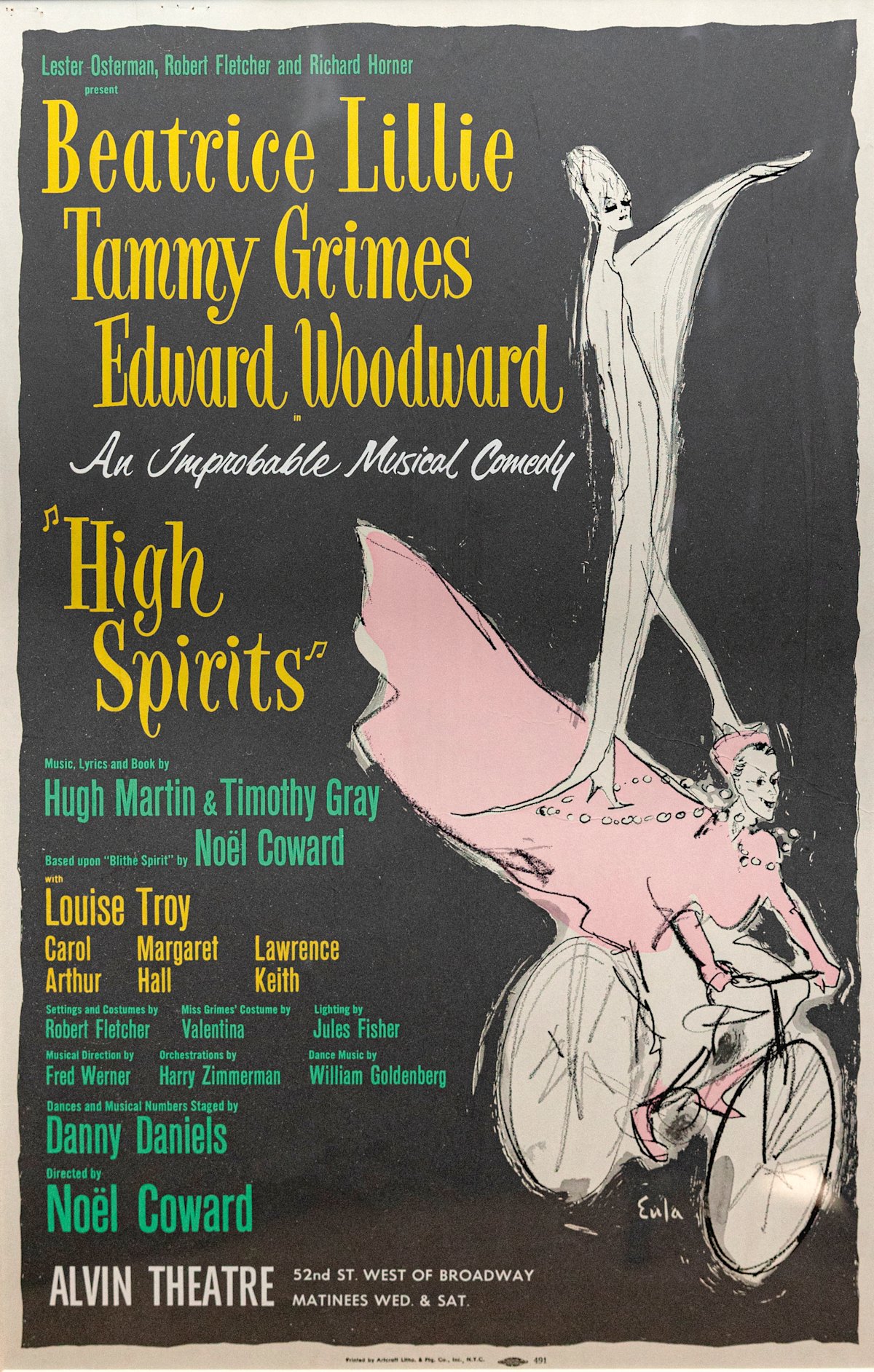
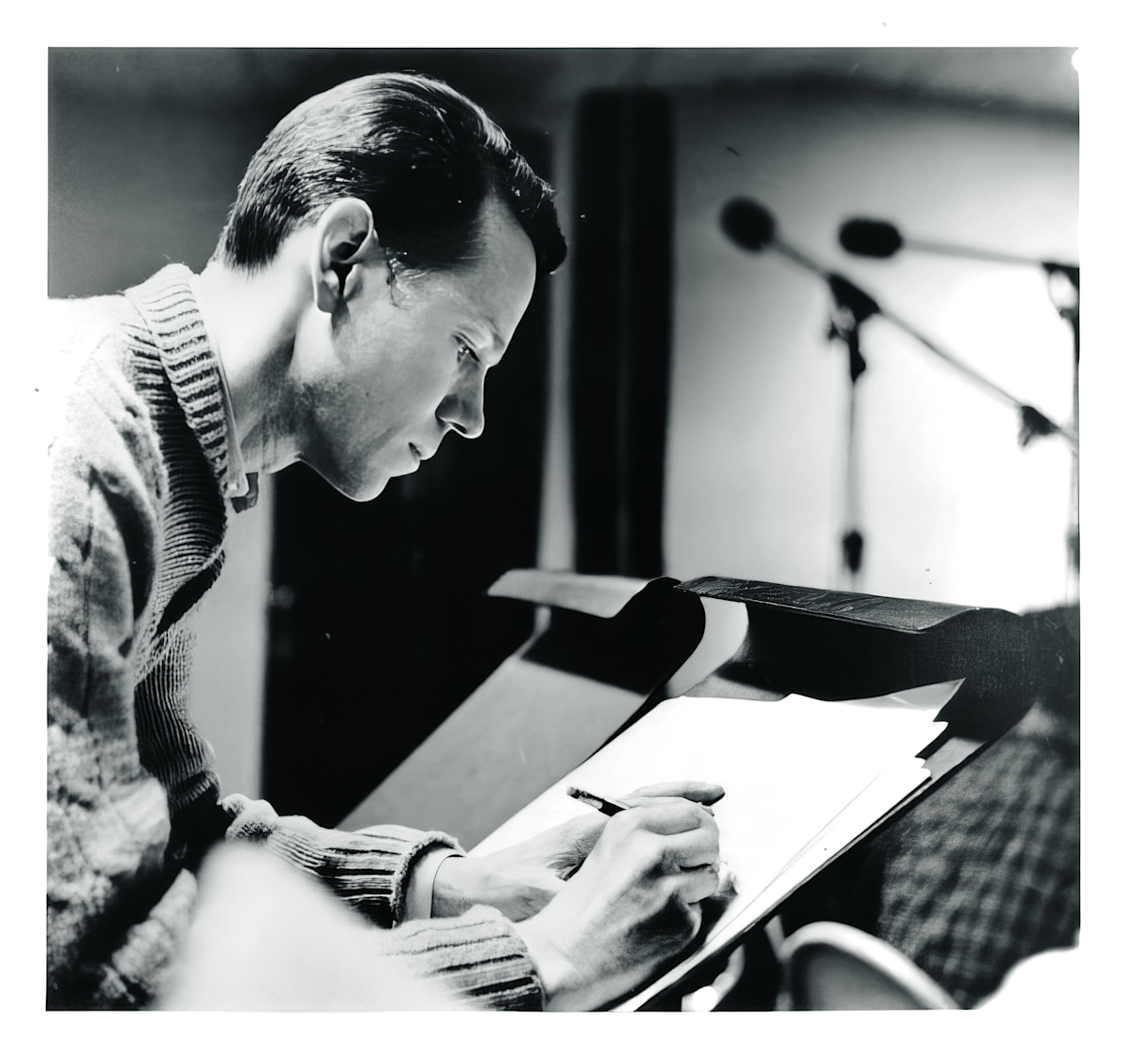
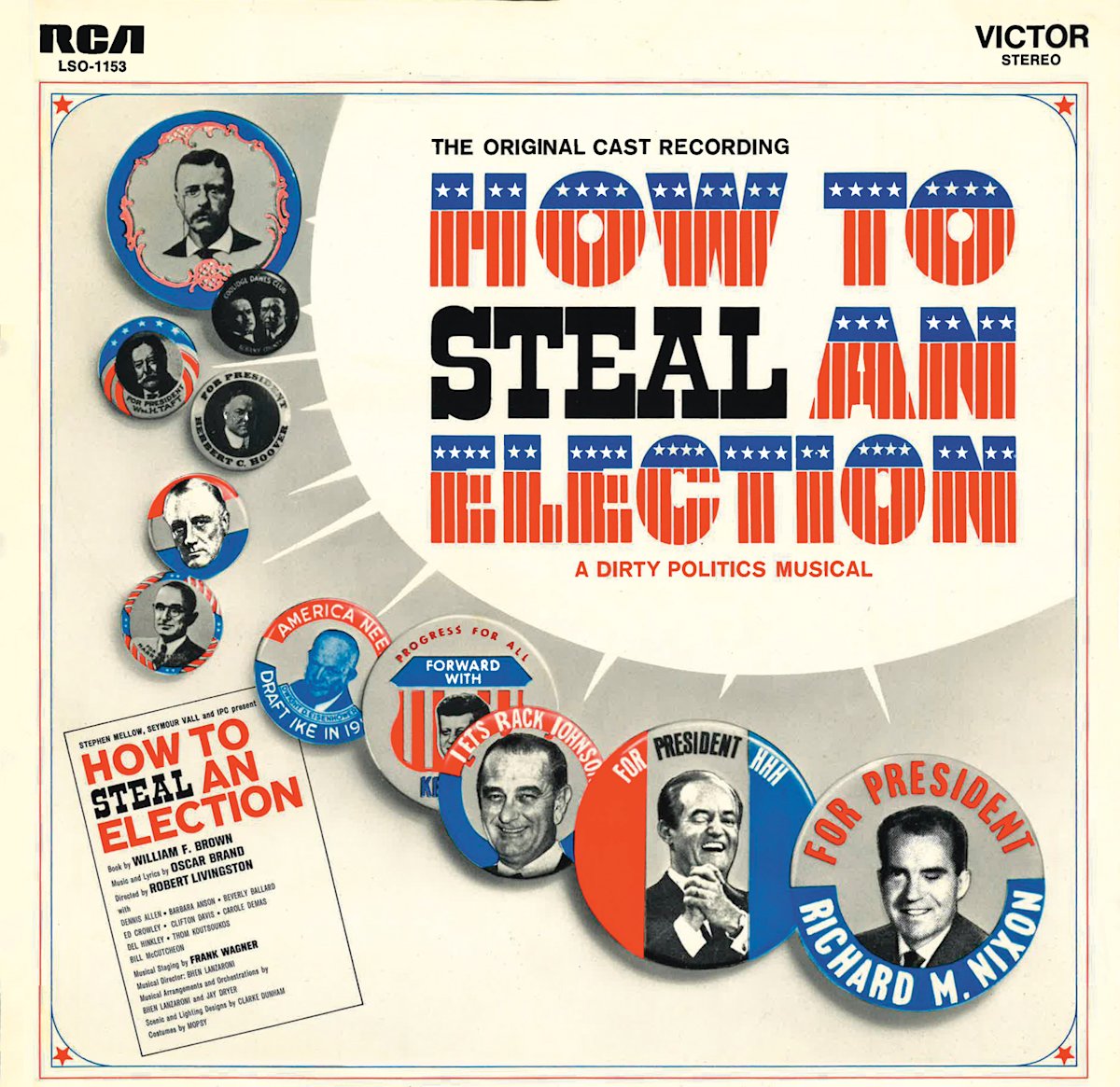
More Broadway success followed with Hugh Martin and Timothy Gray’s production of "High Spirits," which opened at the Alvin Theatre in 1964, starring Beatrice Lillie and directed by Noel Coward. It was nominated for 8 Tony Awards, including Best Lyricist and Best Composer. In 1966, Oscar Brand and Paul Nassau’s "A Joyful Noise" opened at the Mark Hellinger Theatre, and another Oscar Brand production, "How to Steal an Election," opened at the Pocket Theater in 1968.
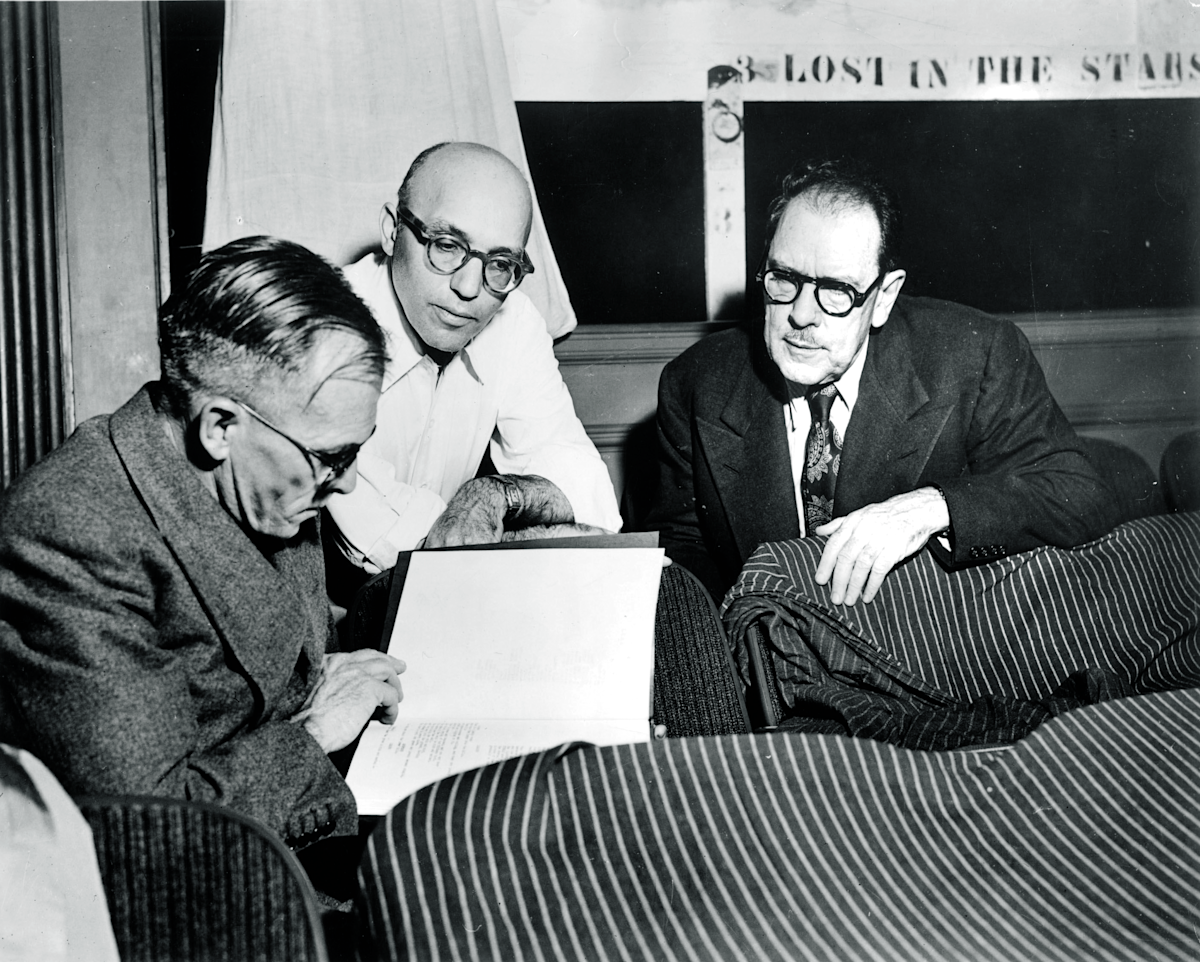
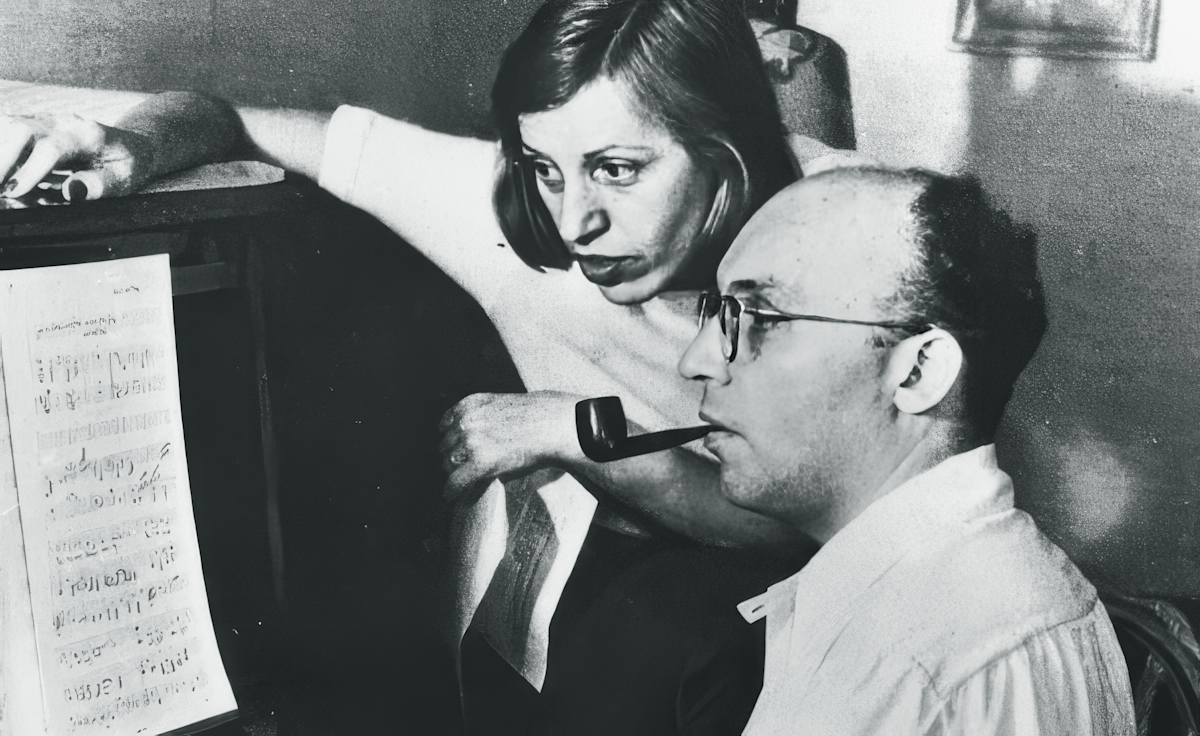
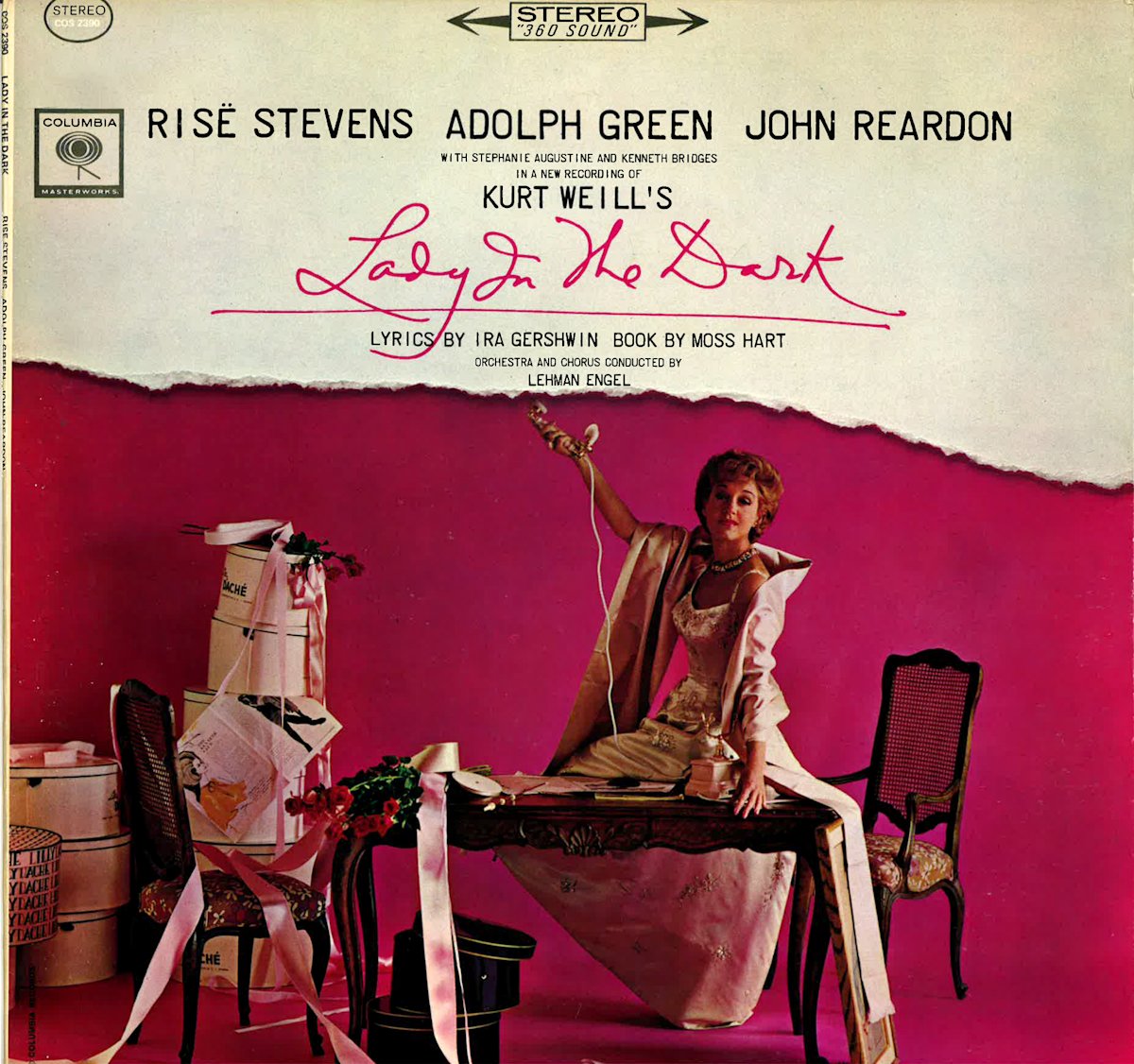
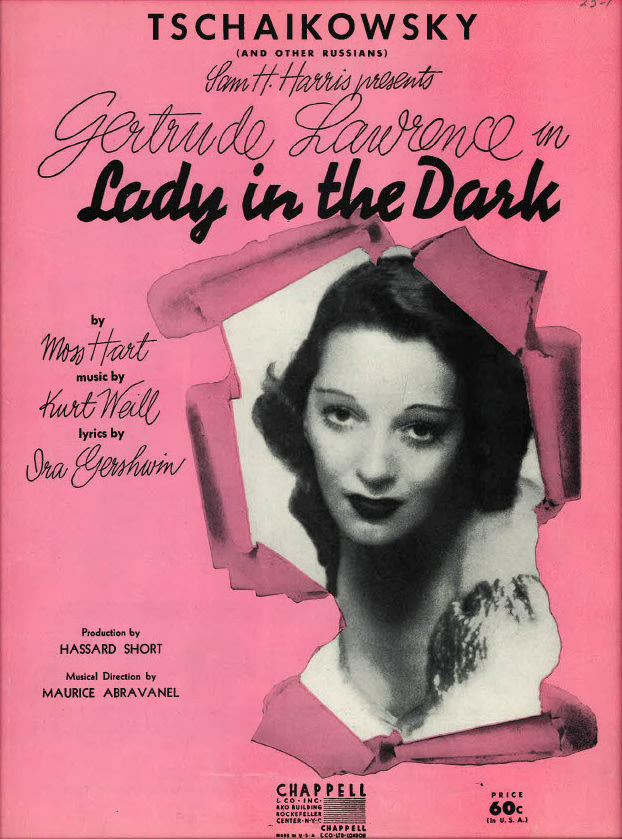
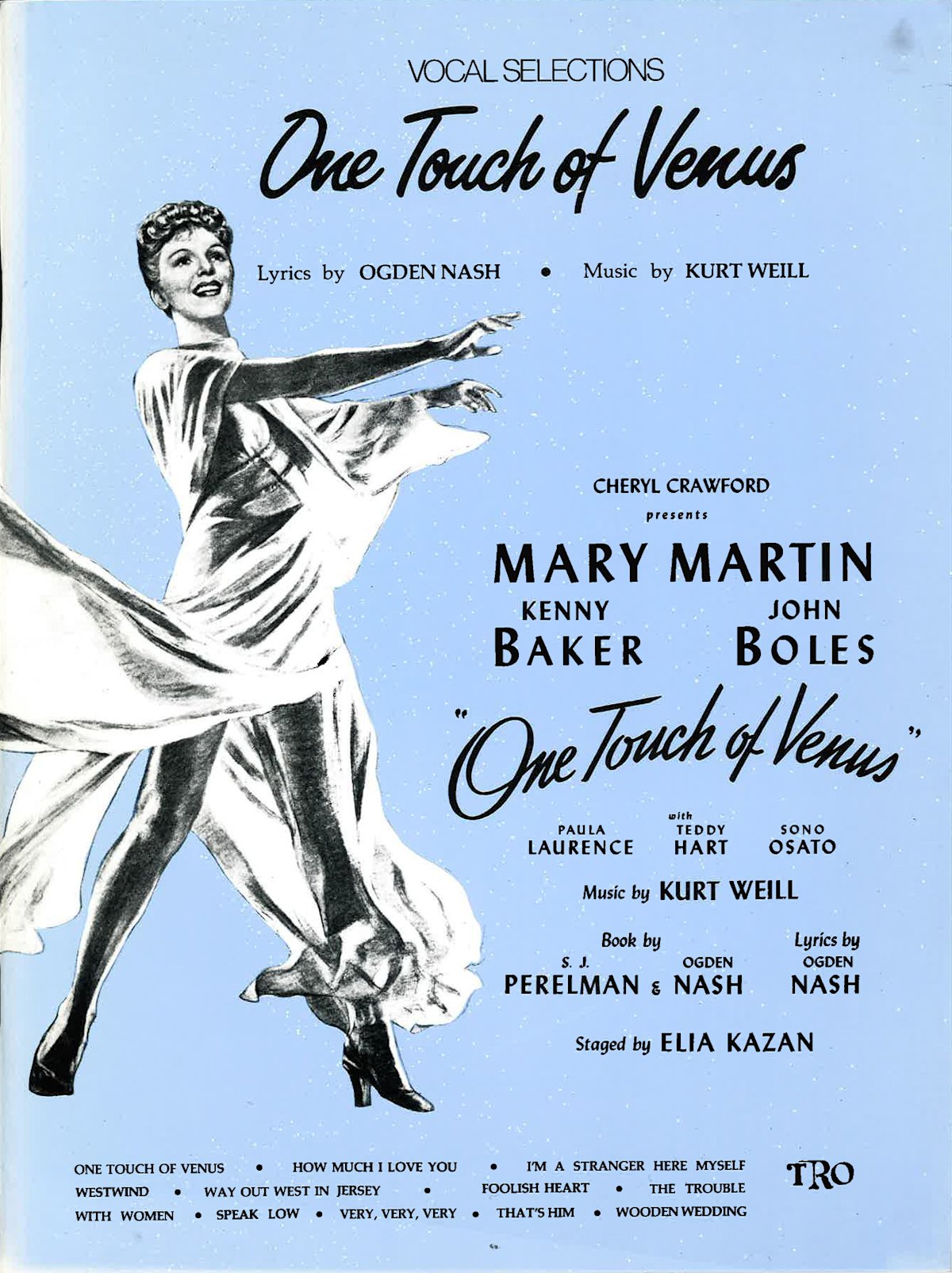
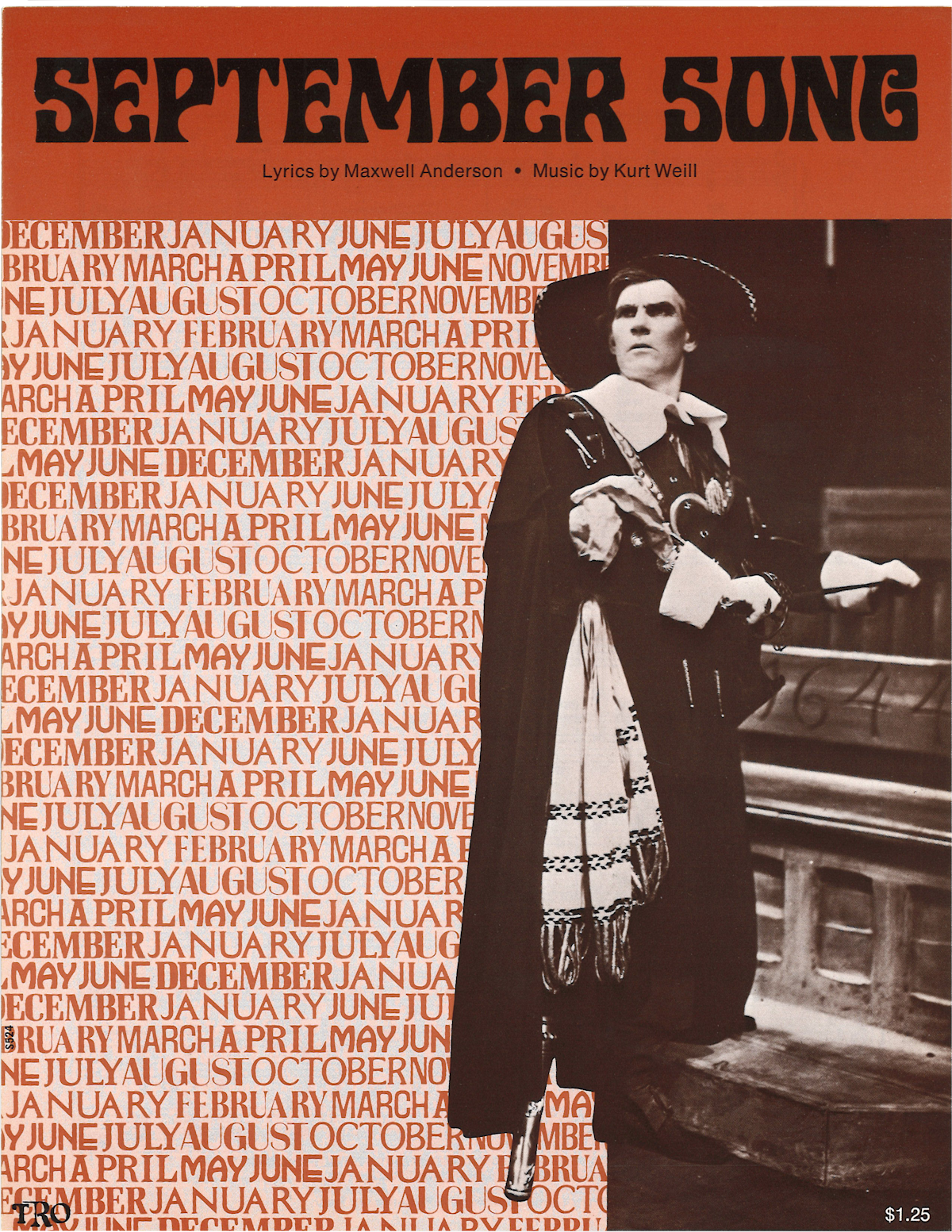
Also joining TRO was the catalog of renowned composer Kurt Weill. Weill had fled Nazi Germany in the 1930’s, settling in New York. In addition to his vast catalog of serious music, he also composed scores for film and stage musicals including Johnny Johnson, One Touch of Venus, Lady in the Dark, Knickerbocker Holiday and Street Scene, for which he won the inaugural Tony Award for Best Original Score in 1947. Kurt Weill suddenly passed in 1950, and his widow Lotte Lenya brought the renewal rights to TRO. The Weill catalog includes many iconic standards including "Speak Low," "Lost in the Stars," "My Ship" and "September Song."
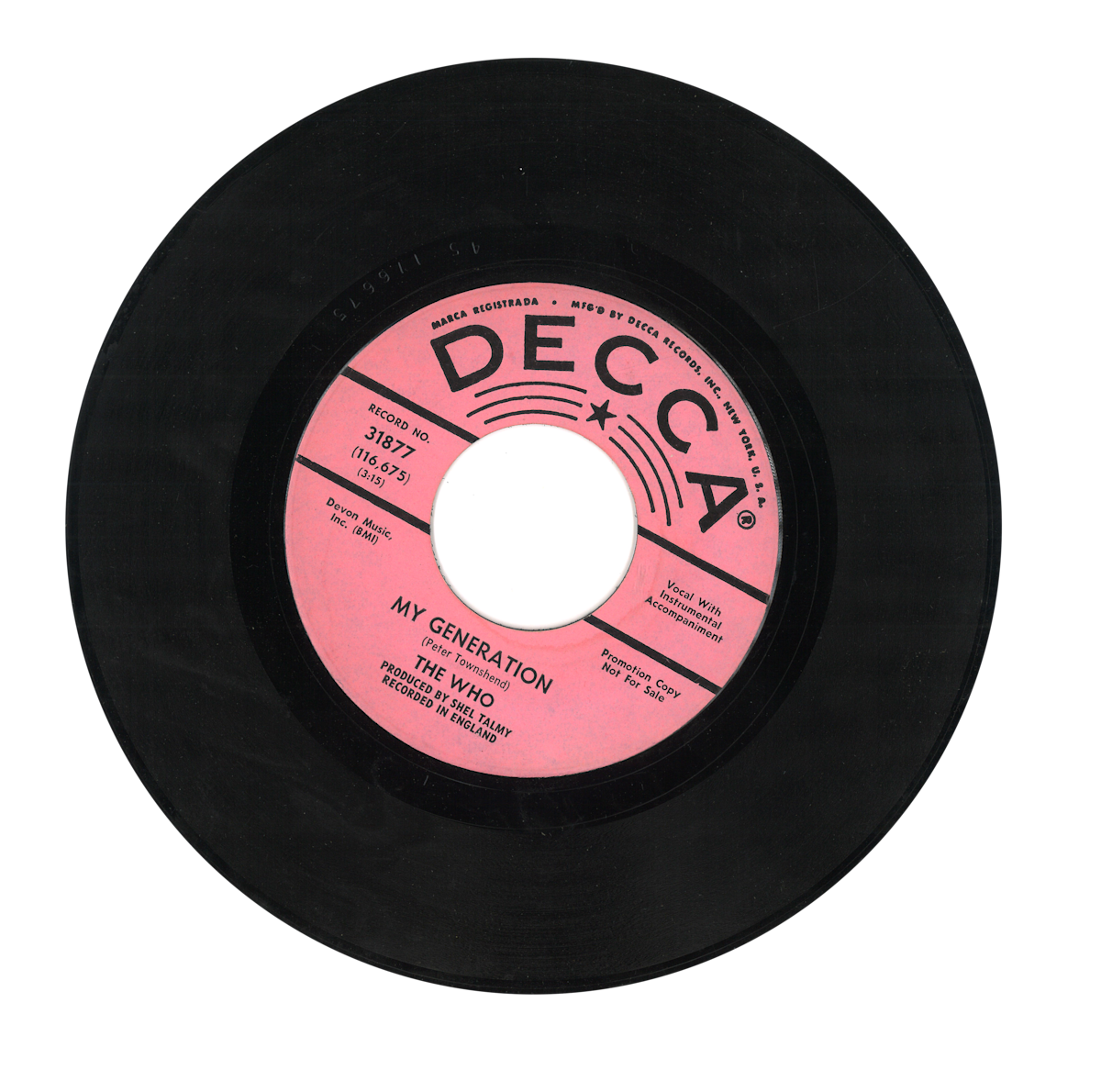
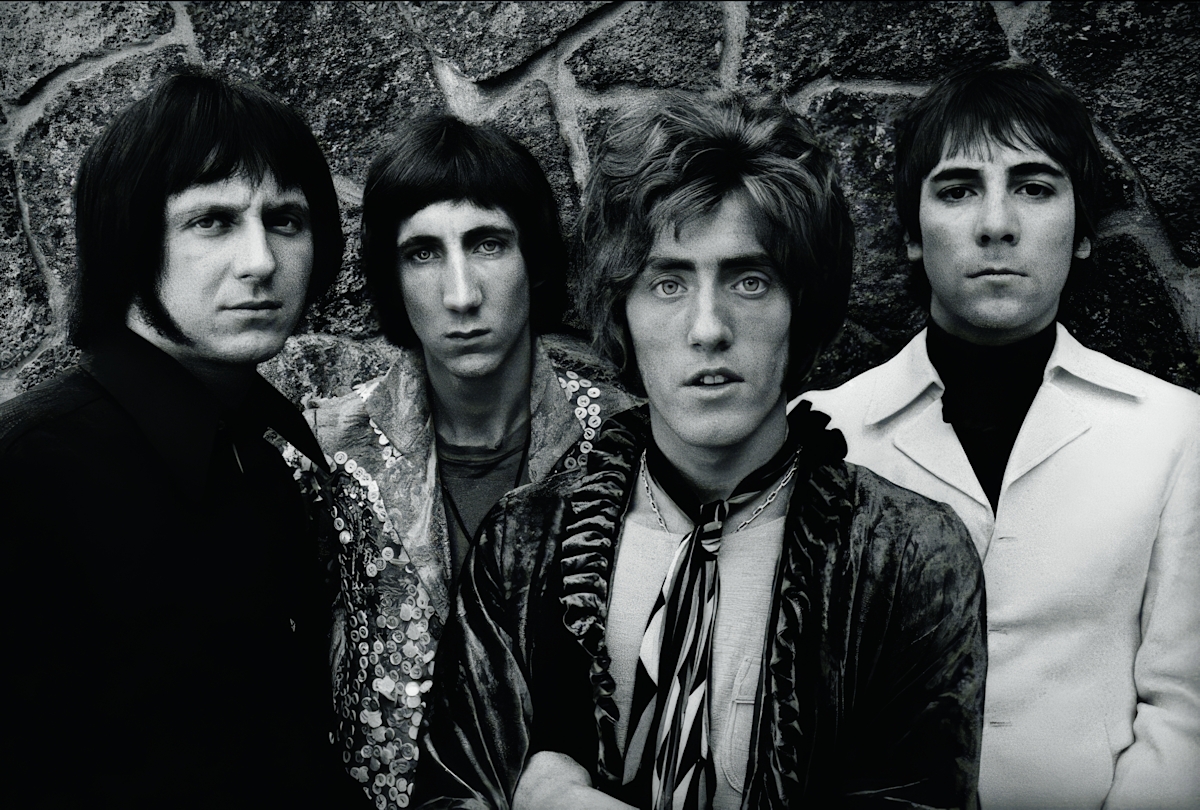
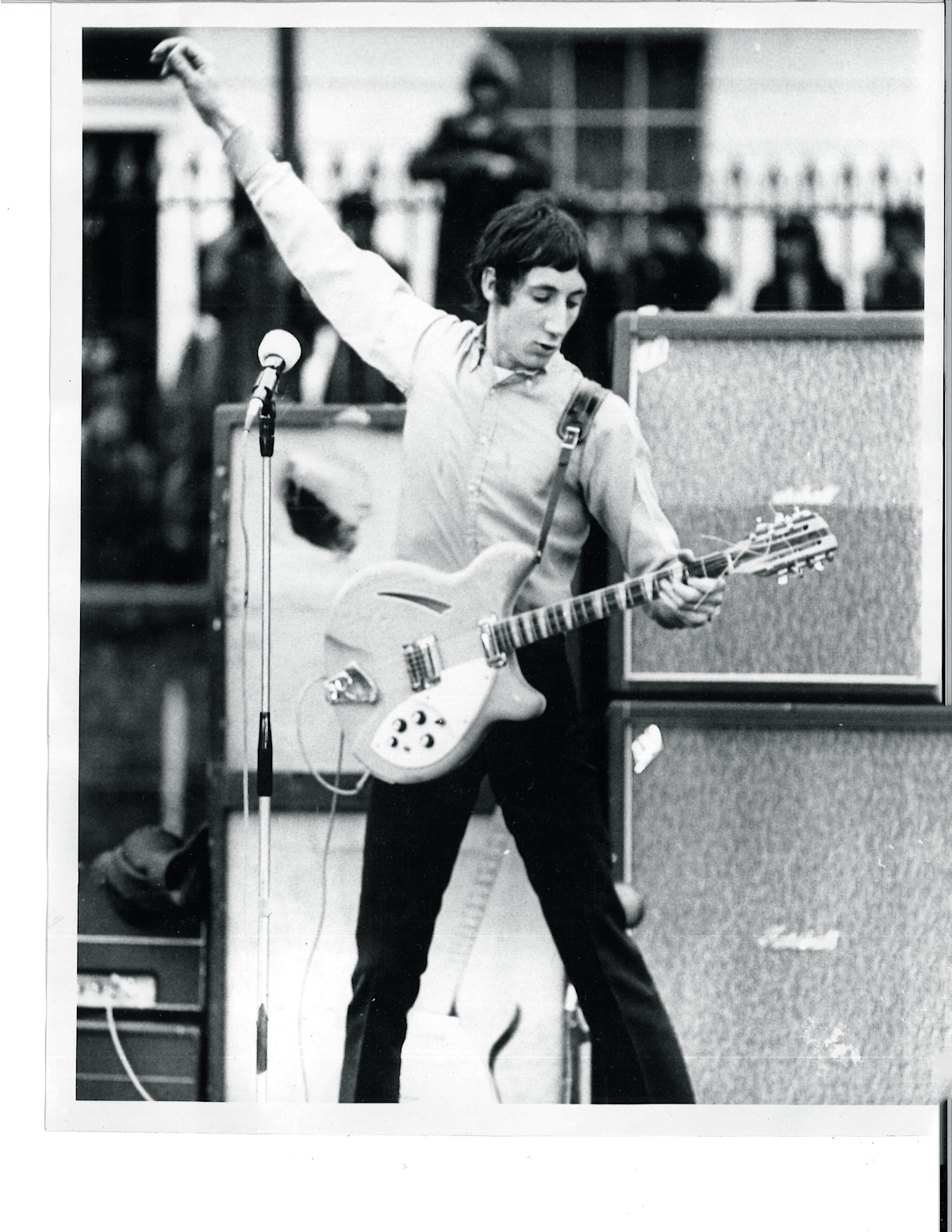
In 1960s London, Essex was at the forefront working with some of the top managers and young talent at the beginning of the British Invasion. In 1964, Chris Stamp and Kit Lambert began managing a band called The Detours with lead singer Roger Daltry, and lead guitarist and songwriter, Pete Townshend. Under contract with Essex, and renamed The Who, the band’s first single "I Can't Explain," hit No. 8 on the British charts in 1965 and followed up with the release of the single, "My Generation. My Generation" reached No. 2 on the UK charts, becoming the Who’s biggest hit. The song and its famous line “I hope I die before I get old” was “very much about trying to find a place in society,” Townshend stated in an interview.
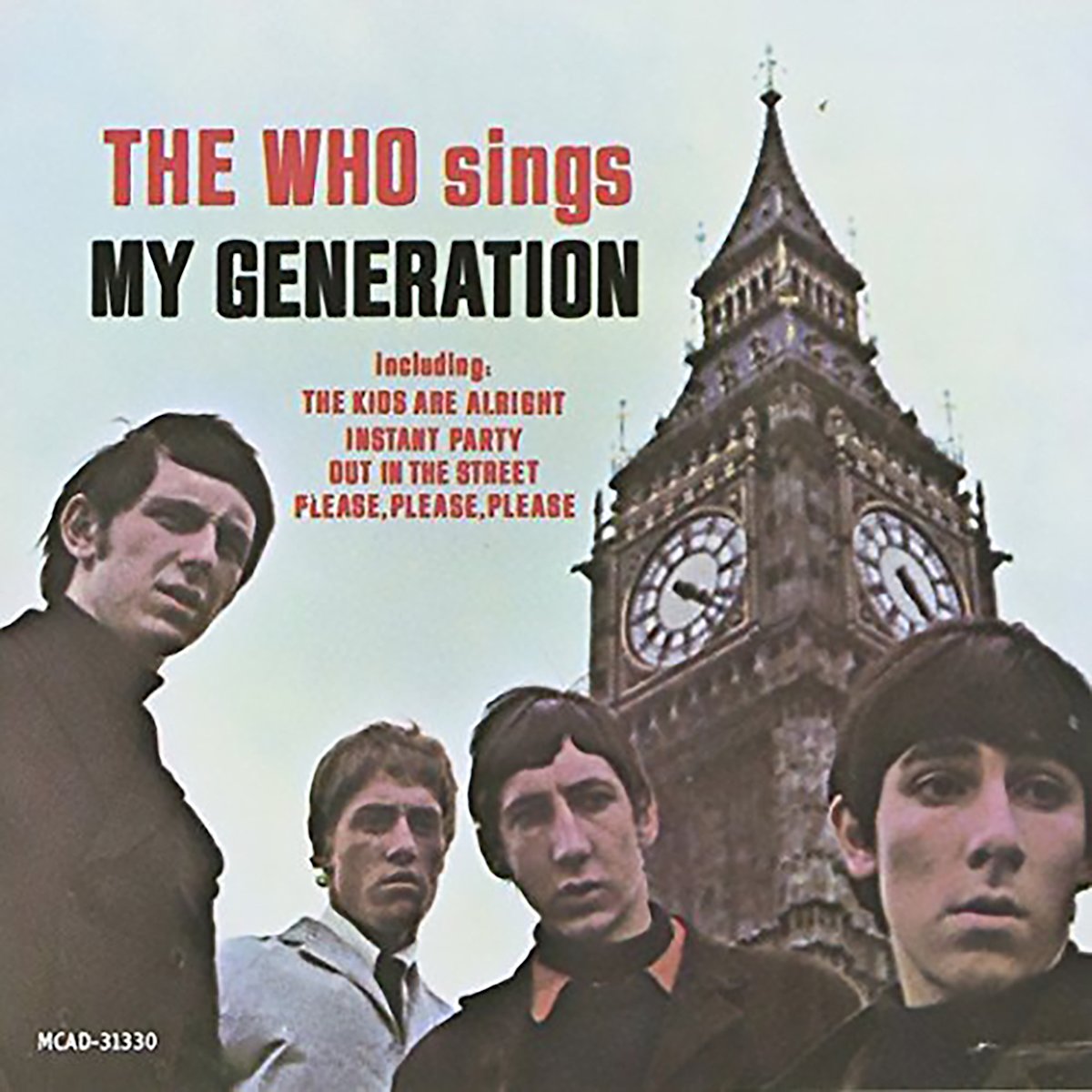
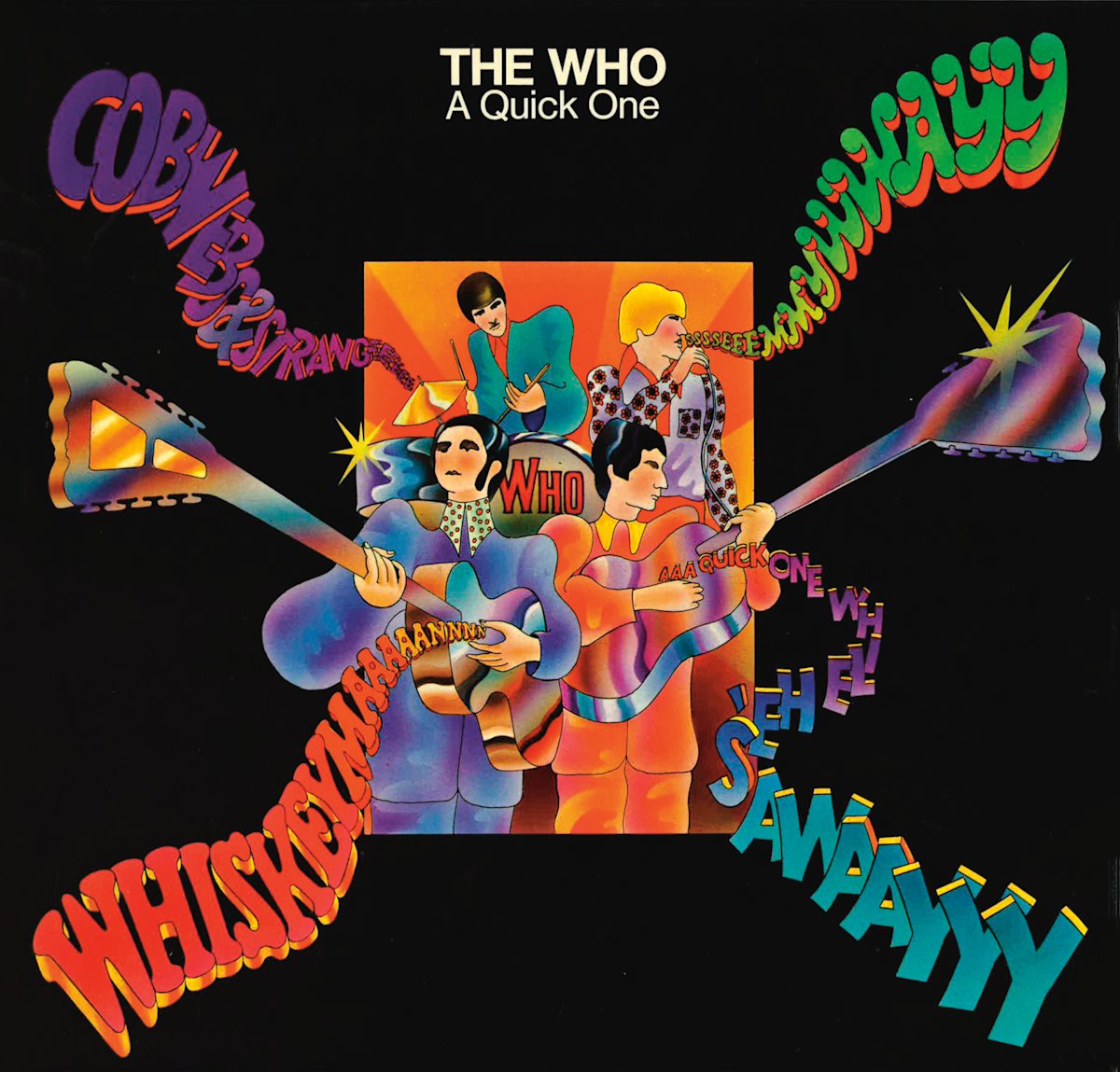
The Who’s debut album, My Generation, was released in late 1965, and Townshend continued to write several successful singles for the band, including "Pictures of Lily," "Substitute," "I'm a Boy," and "Happy Jack." The Who’s next album, A Quick One, was released in 1966 and reached No. 4 on the charts. The band’s subsequent album, The Who Sell Out, contained The Who’s biggest US single, "I Can See for Miles," which reached No. 9 on the American charts. In 1968, Townshend developed a musical piece about a deaf, dumb, and blind boy who would experience sensations musically. Townshend’s rock opera Tommy opened in 1969 earned critical acclaim and commercial success.
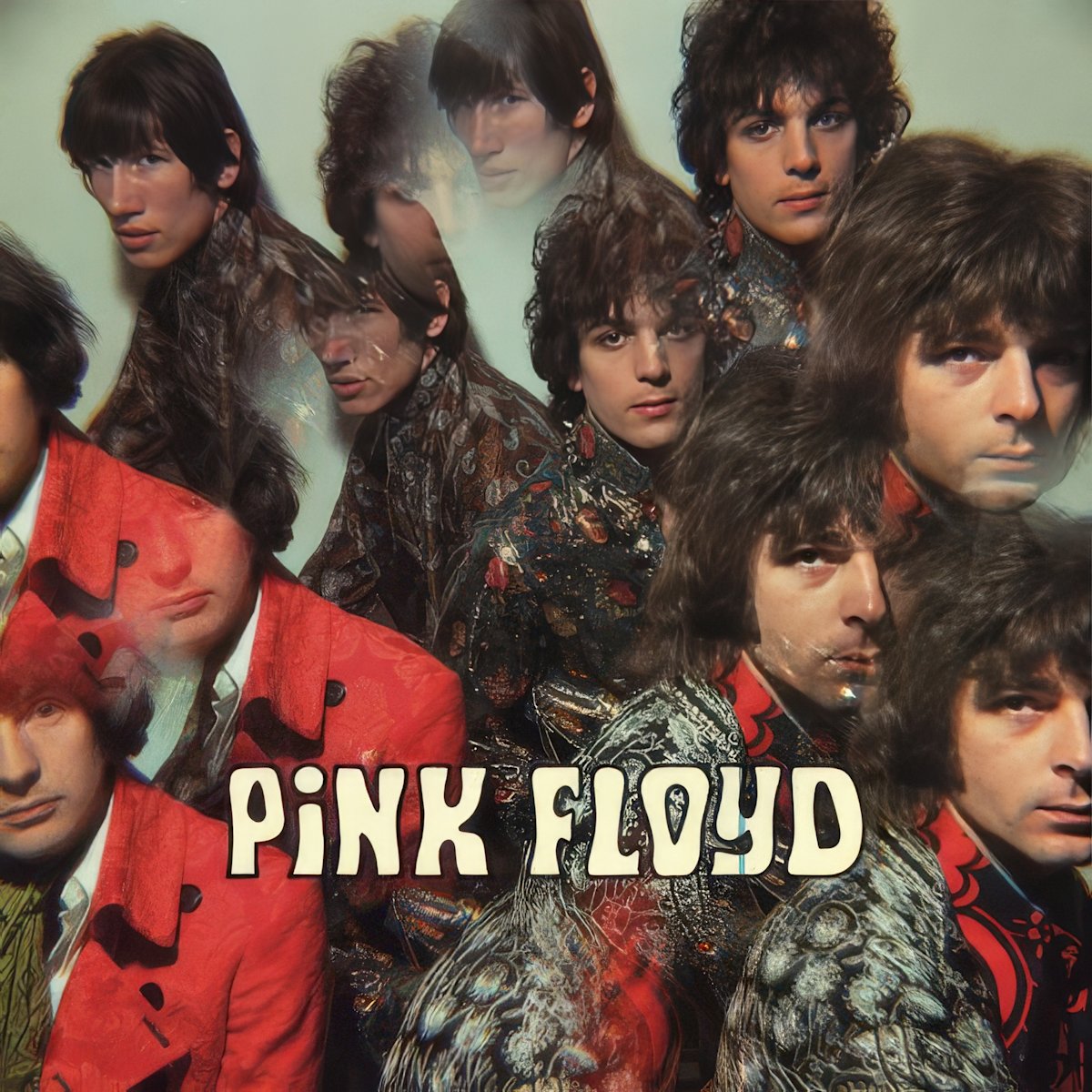
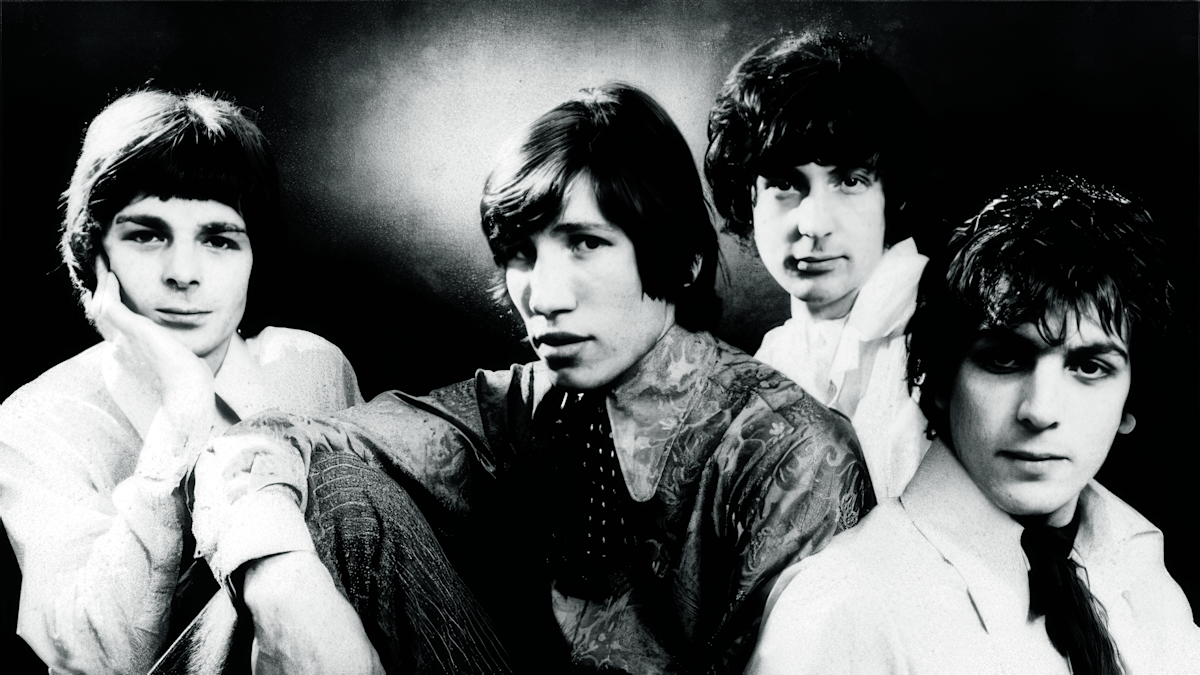
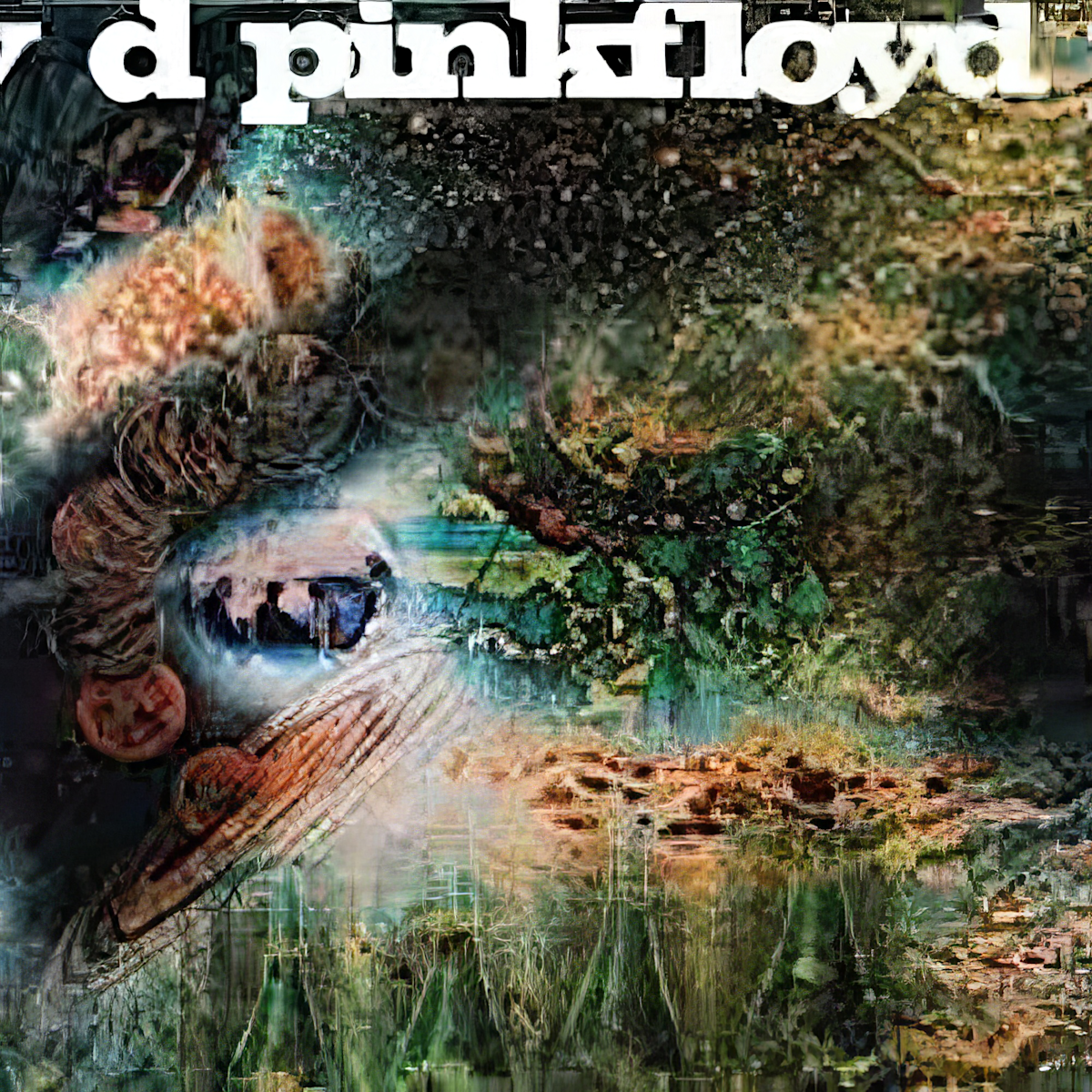
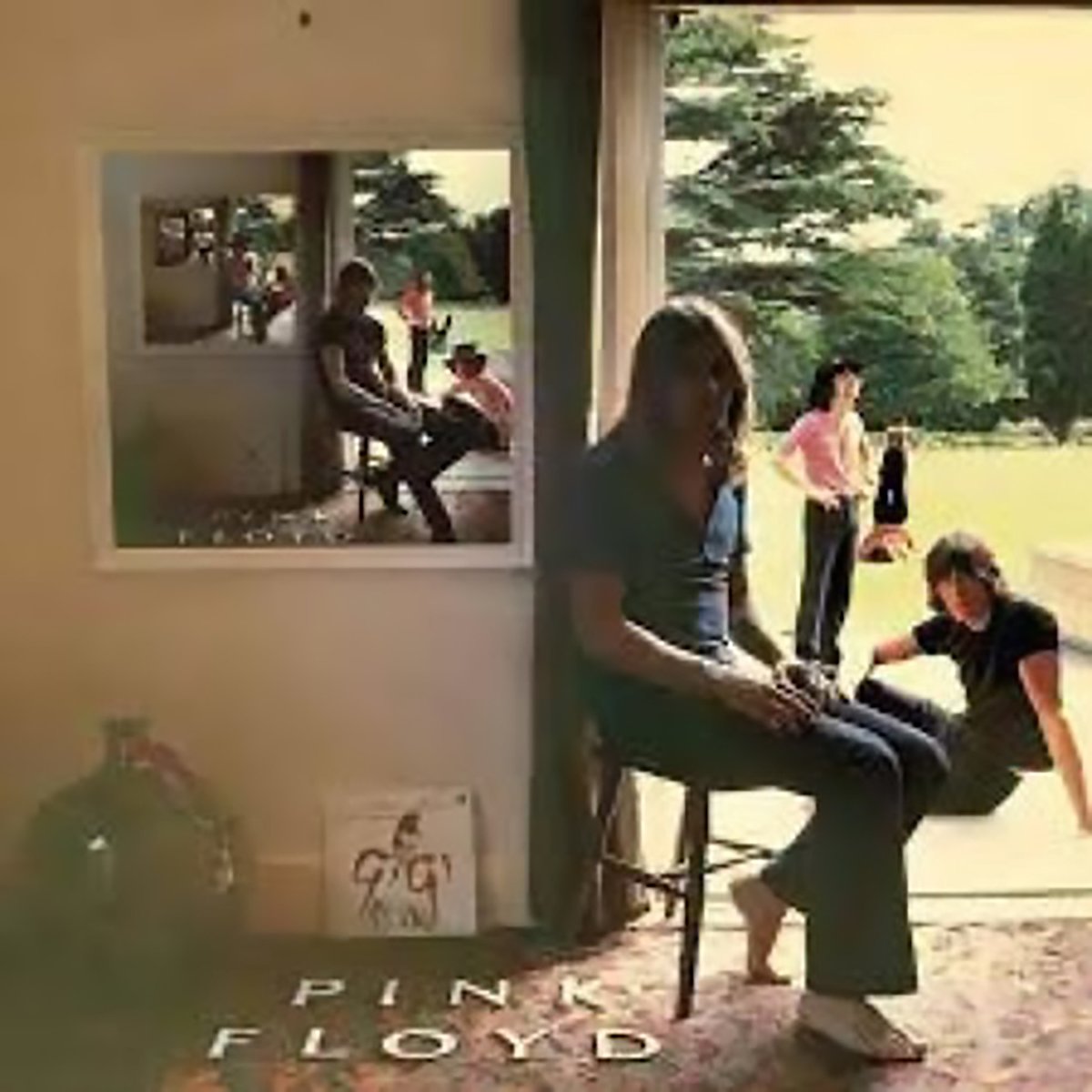
Andrew Jenner and Peter King were the managers of a new band led by Roger “Syd” Barrett, Roger Waters, and David Gilmour, talented teenage guitarists from academic backgrounds in Cambridge. The first release by Pink Floyd was the single "See Emily Play," which reached No. 6, and soon after, their first LP, "The Piper at the Gates of Dawn," made the Top 10 on the UK charts. Barrett went back to Cambridge, and the other four acquired a new manager, Steve O’Rourke, and finished their second album, "A Saucerful of Secrets." Roger Waters now wrote the lyrics, and apart from Barrett’s "Jugband Blues," the album’s standout moments included the title track and Waters’ "Set the Controls for the Heart of the Sun."
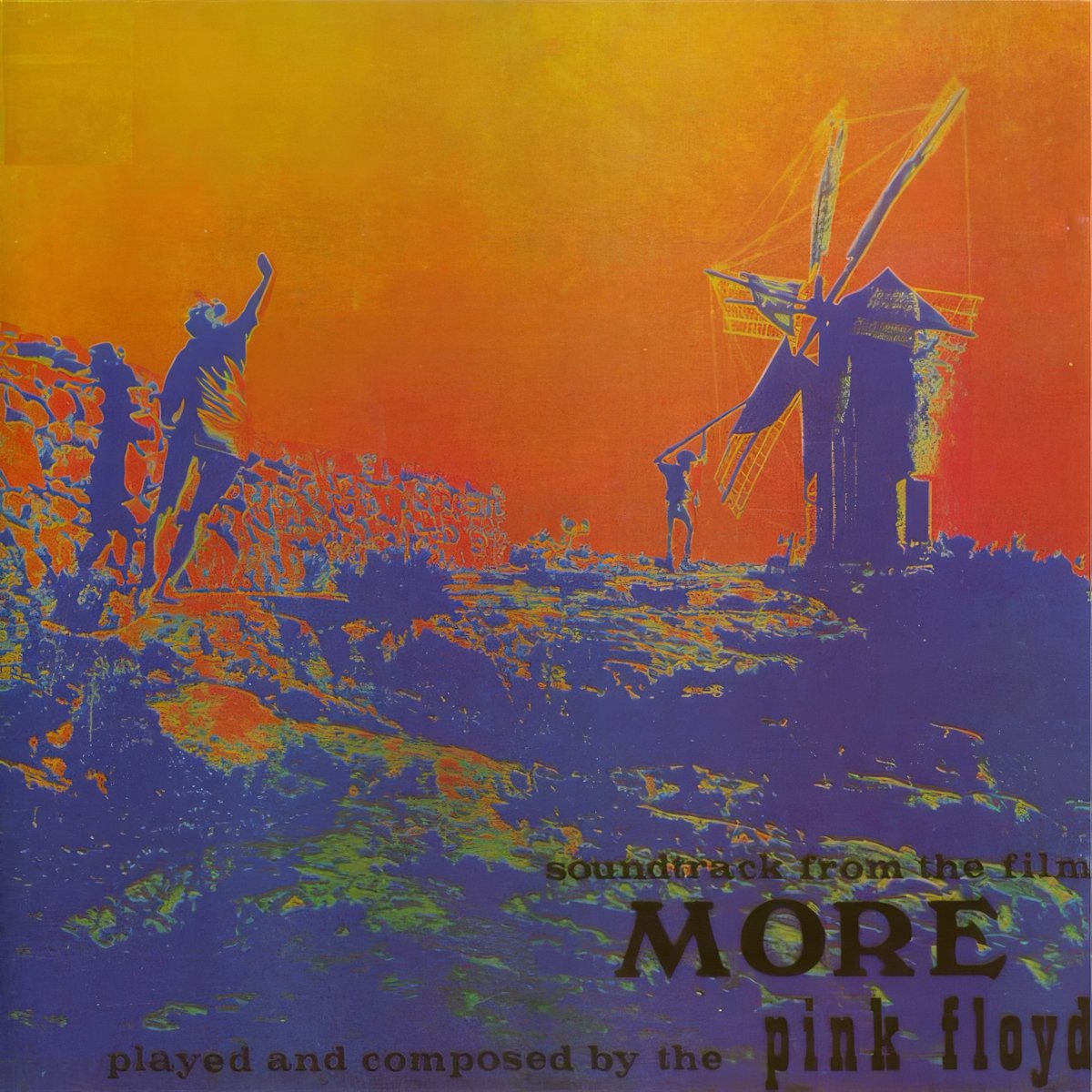
This hypnotic epic signposted the style the band would expand upon. In July 1969, Pink Floyd released "More," an accompaniment to the Barbet Schroder film about a group of hippies on the drug grail in Ibiza. In November, they released the double album "Ummagumma," a mixture of live and studio tracks, which reached No. 5 on the UK charts. They also reworked "Careful with That Axe, Eugene" for Antonioni’s film, "Zabriskie Point."
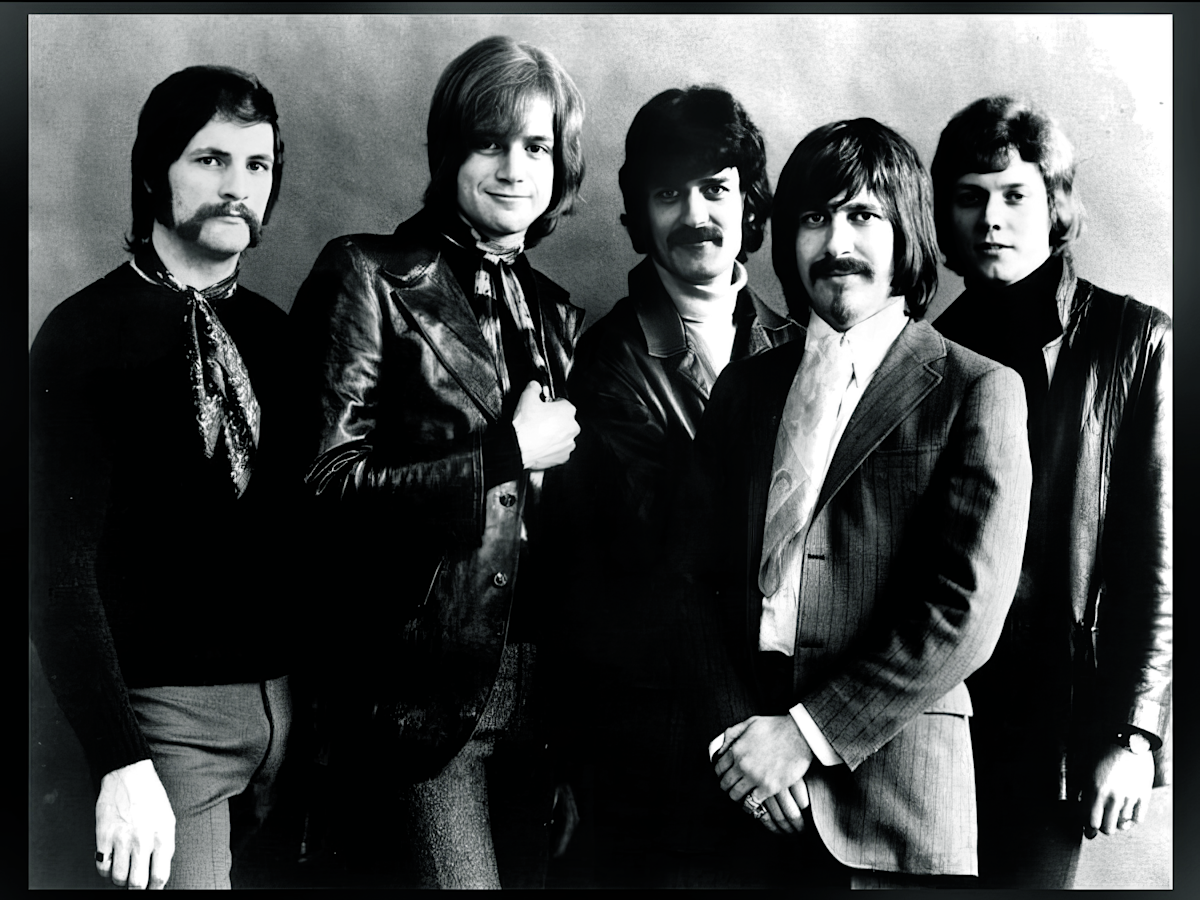
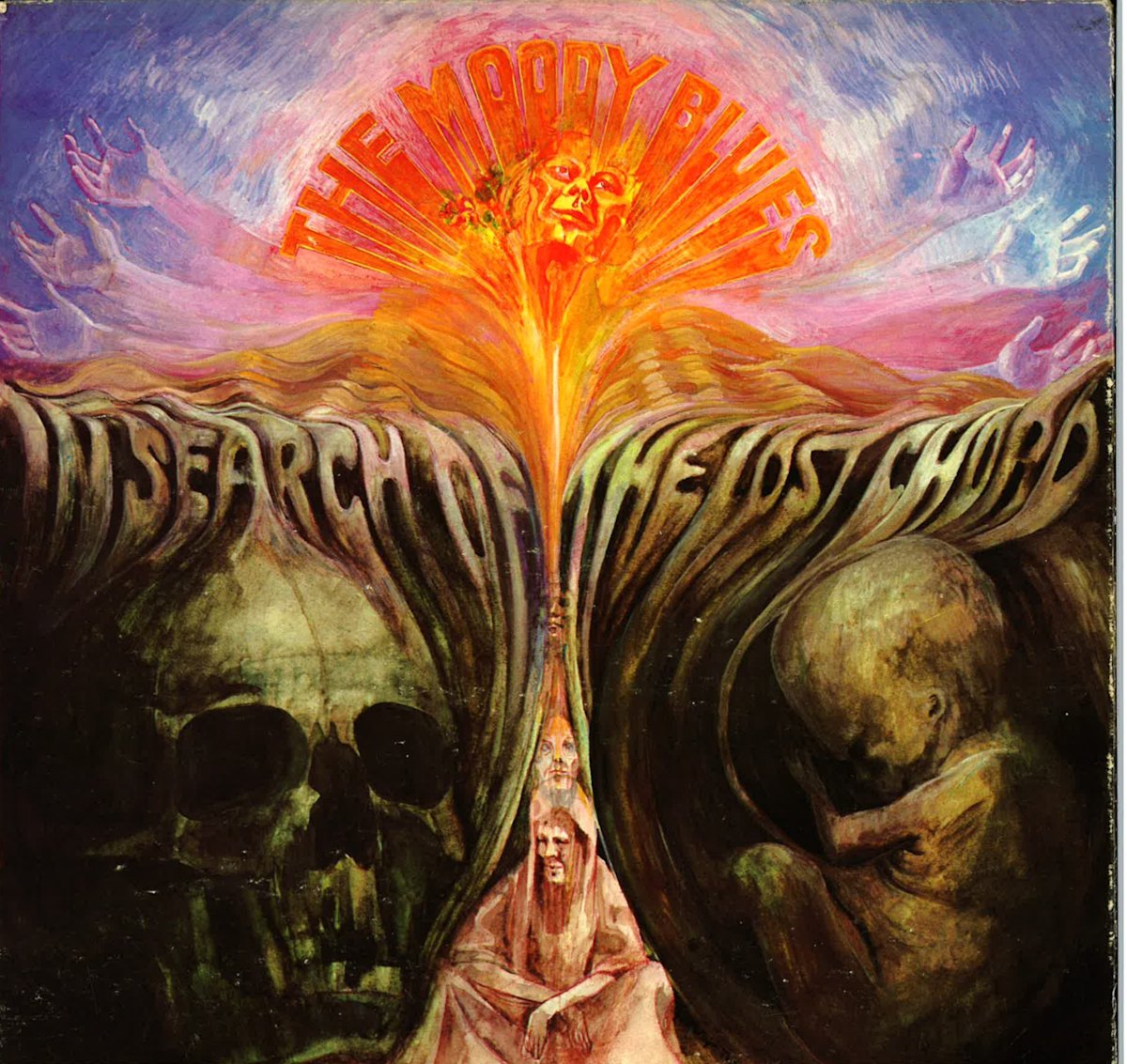
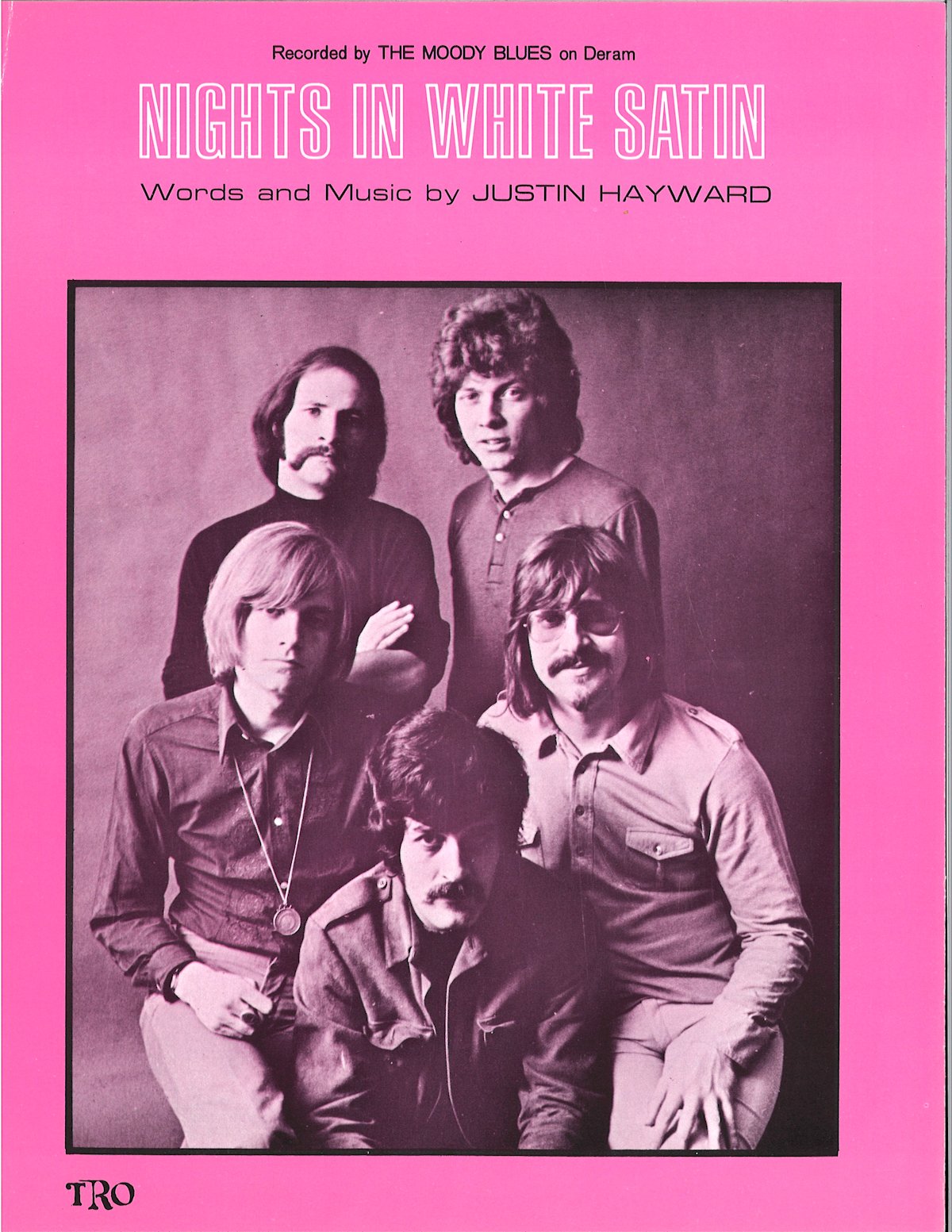
Lonnie Donegan introduced many new writers to TRO, including Justin Hayward. Hayward had been a musician in London, and in 1966, he was contacted by Mike Pinder of The Moody Blues. Within a few days, Hayward had replaced the band’s departing vocalist and guitarist, Denny Laine. Hayward’s first song, "Fly Me High," gave the band a new artistic direction. Hayward and John Lodge’s integration into The Moody Blues, along with Pinder’s use of the Mellotron, sparked greater commercial success and recognition for the band, transforming them into one of pop music’s biggest-selling acts.
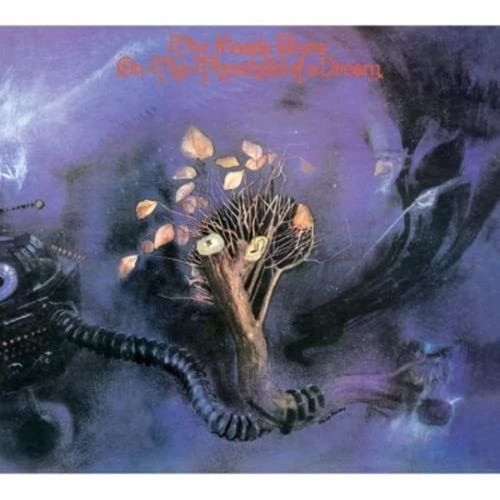
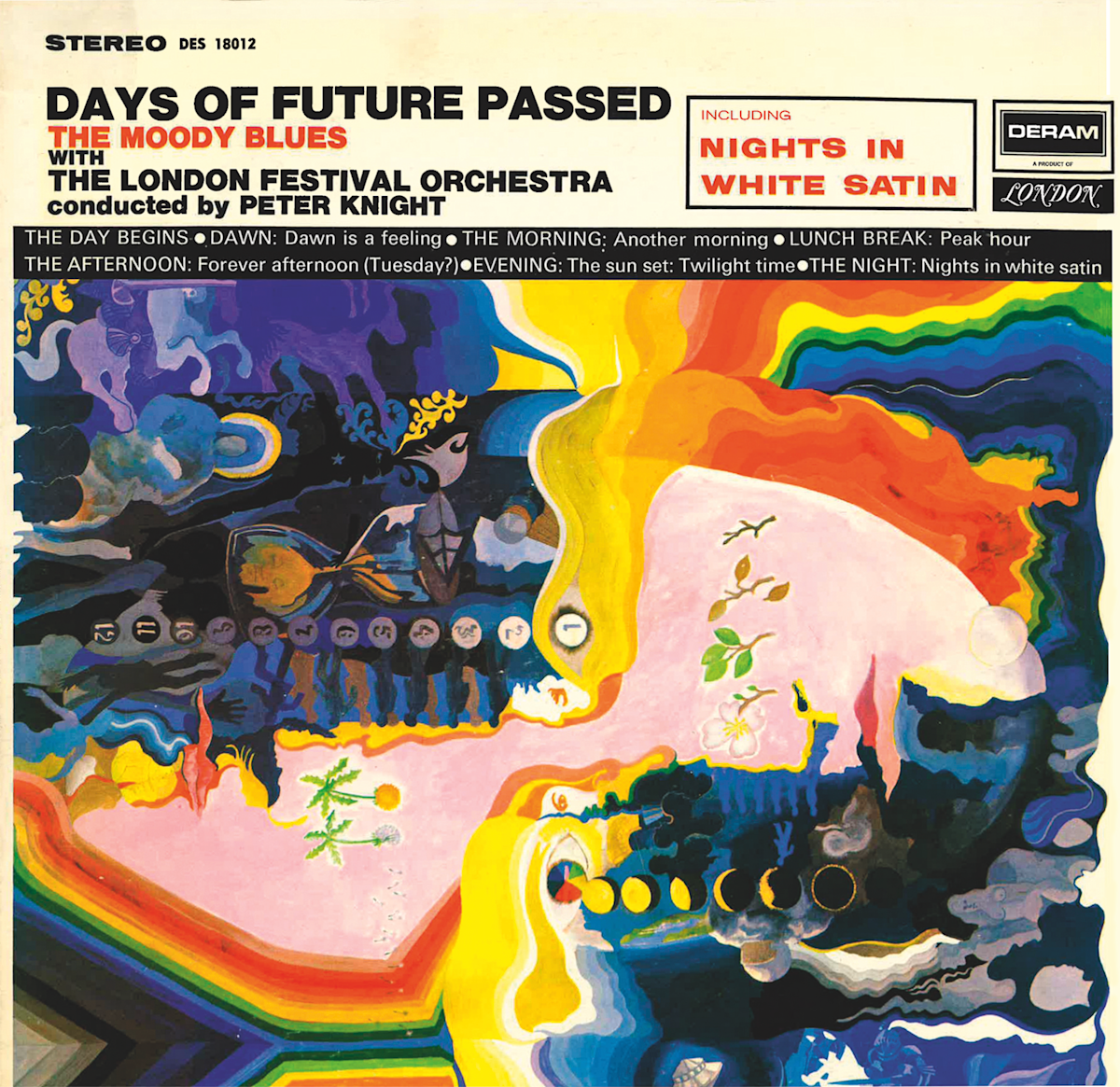
The Moody Blues’ 1967 album "Days of Future Passed" was one of the first influential symphonic rock albums, earning a gold record award and reaching No. 27 on the British LP chart and No. 3 on the US Billboard charts. The album included a song composed by Justin Hayward, "Nights in White Satin," which would go on to be double platinum in both the US and UK. The 1968 album "In Search of the Lost Chord" and the 1969 album "On the Threshold of a Dream" developed the band into a five-man orchestra of rock mystics, creating music that was challenging enough to please the psychedelic crowd but still accessible to mainstream radio listeners.
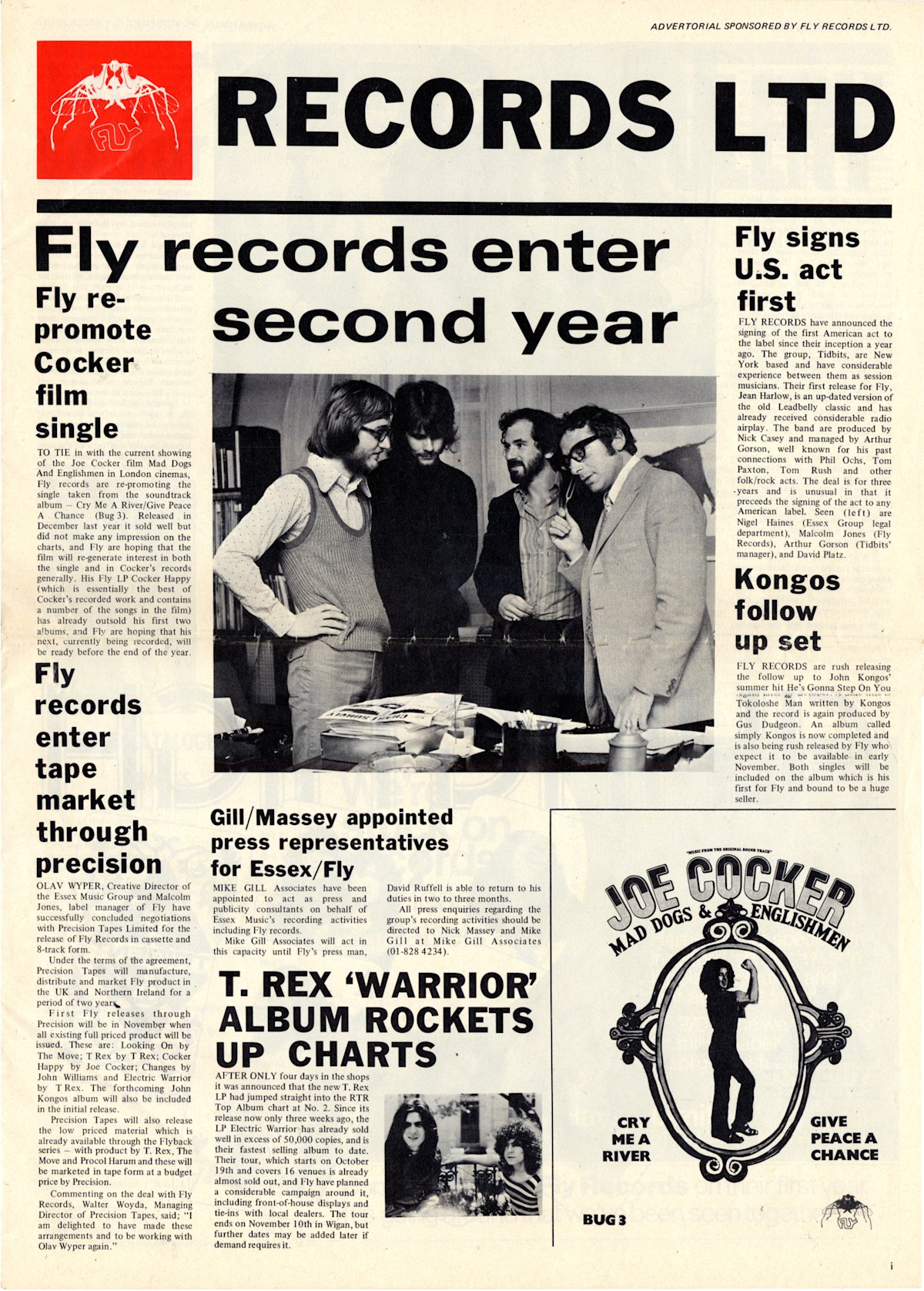
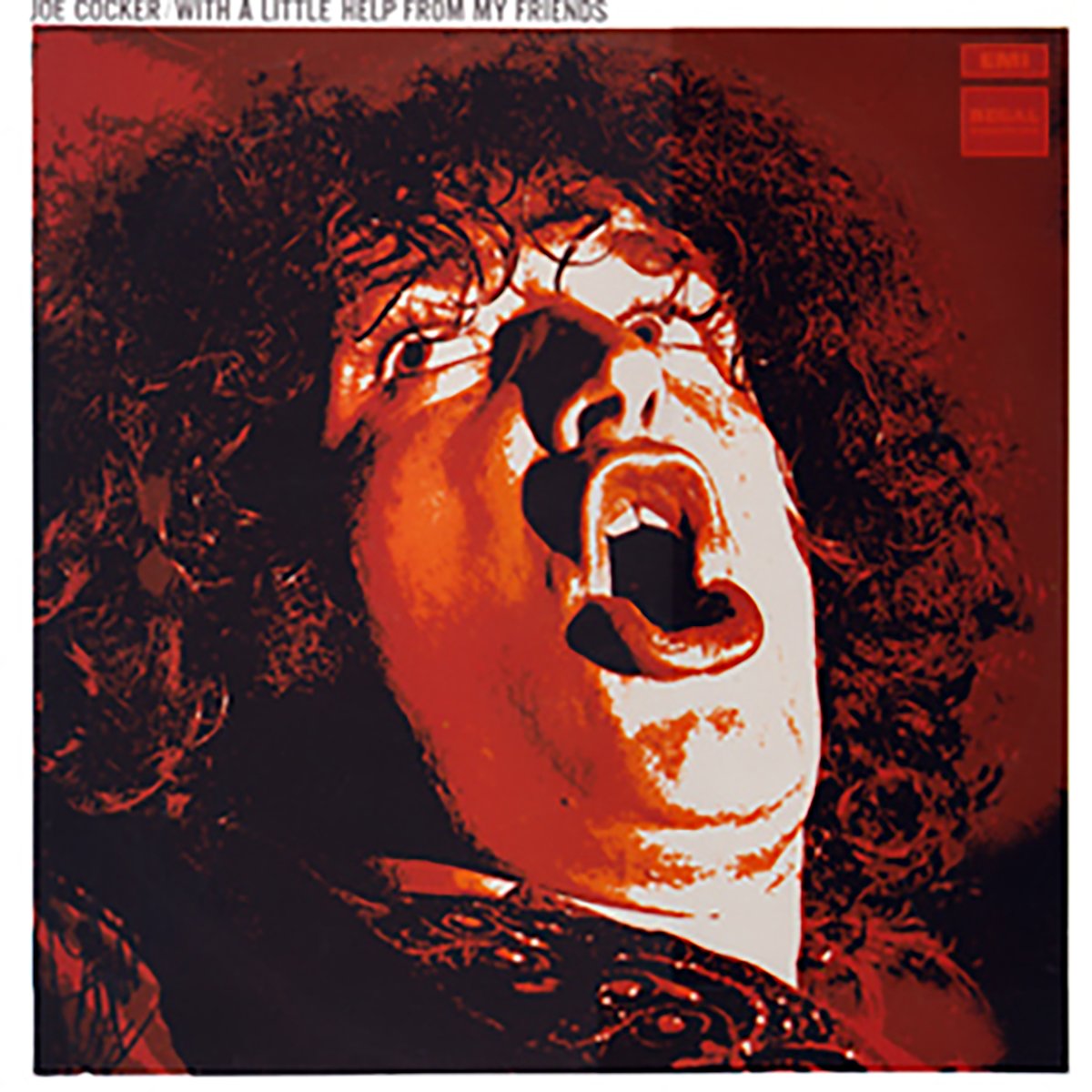
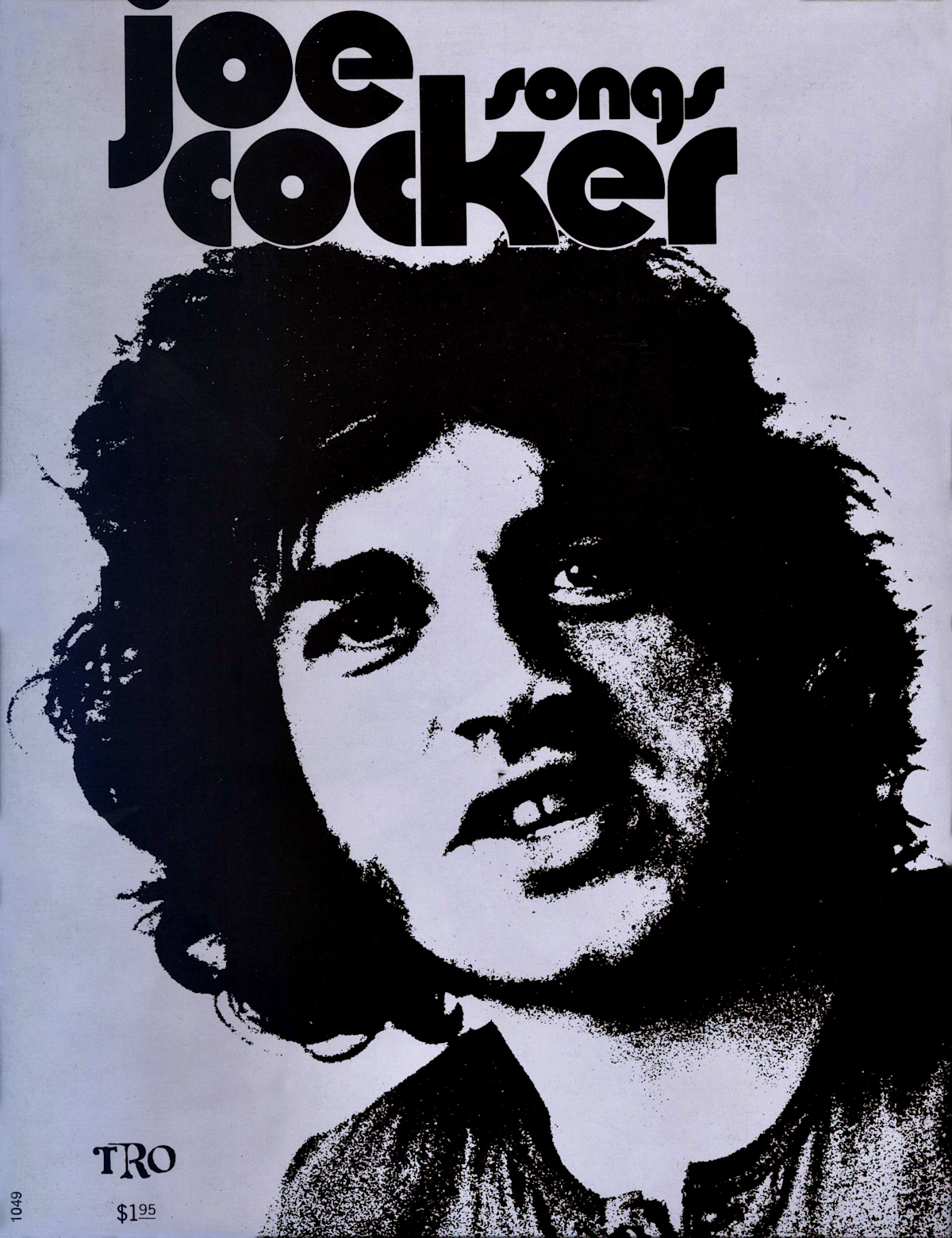
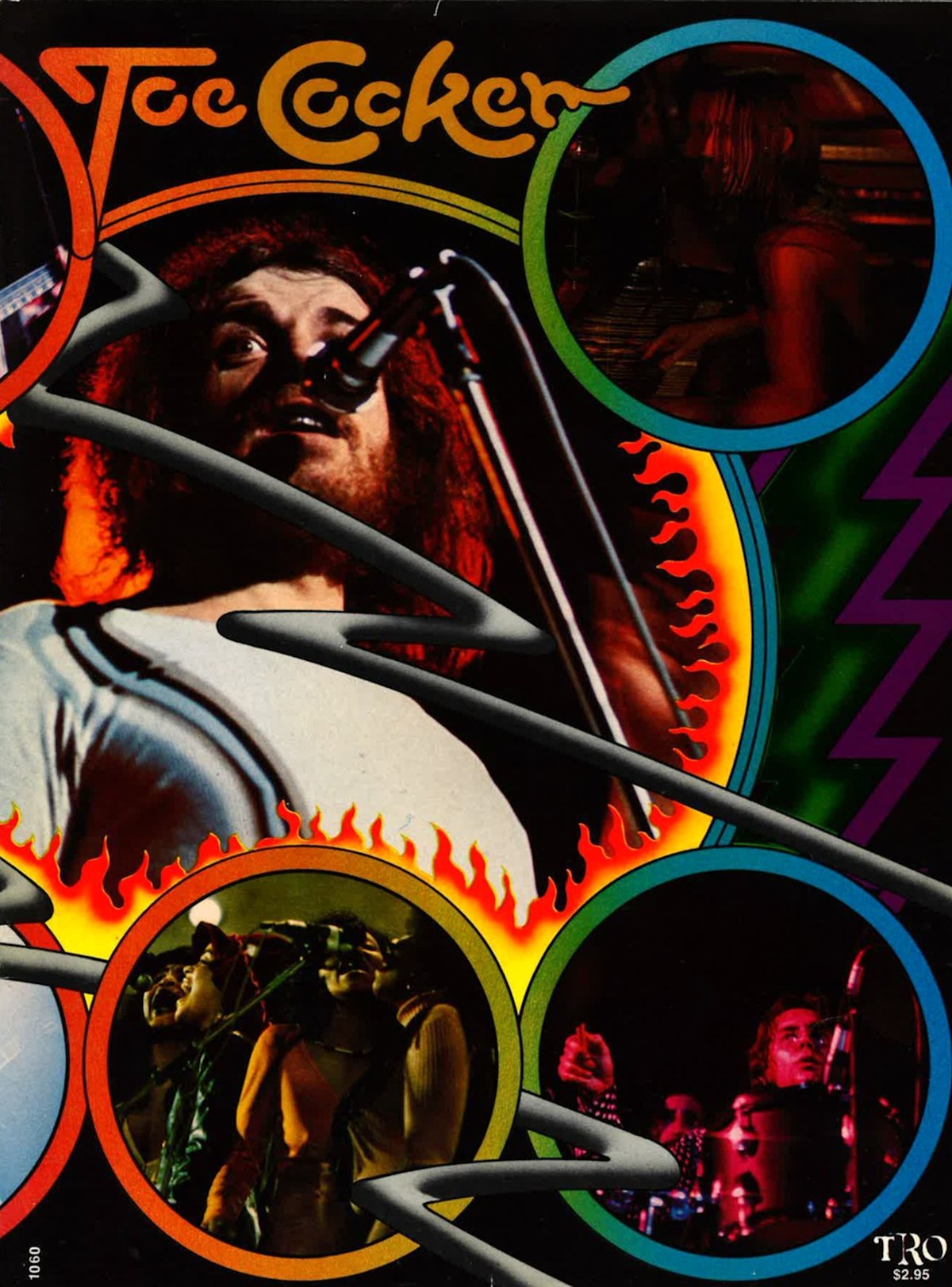
With the publishing catalog flourishing, Essex UK opened its own studio to record and capture the writers' phenomenal talent. The Essex label, Straight Ahead Productions, recorded and charted such great acts as Joe Cocker, Marc Bolan and T. Rex, Procol Harum, and The Move.
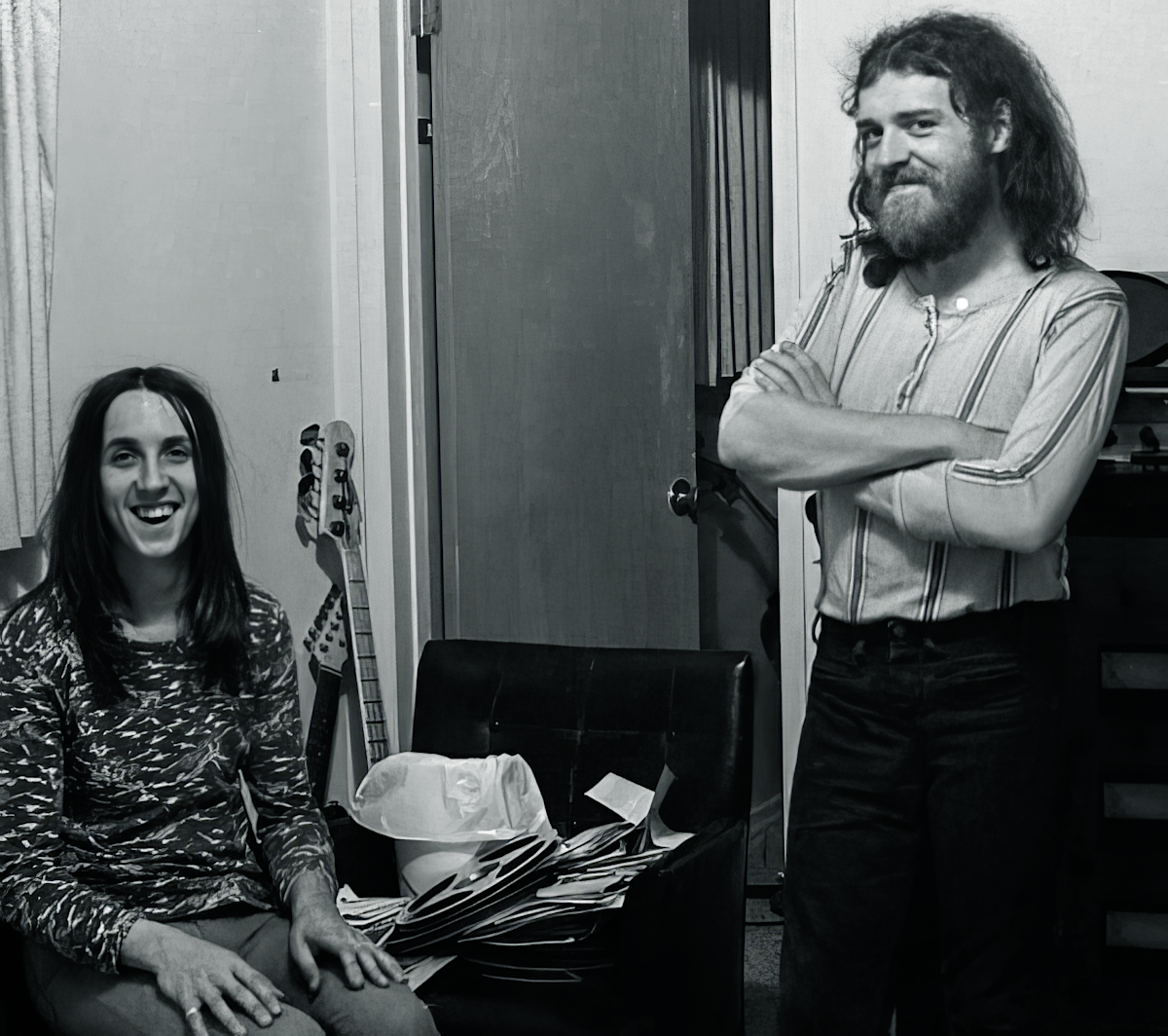
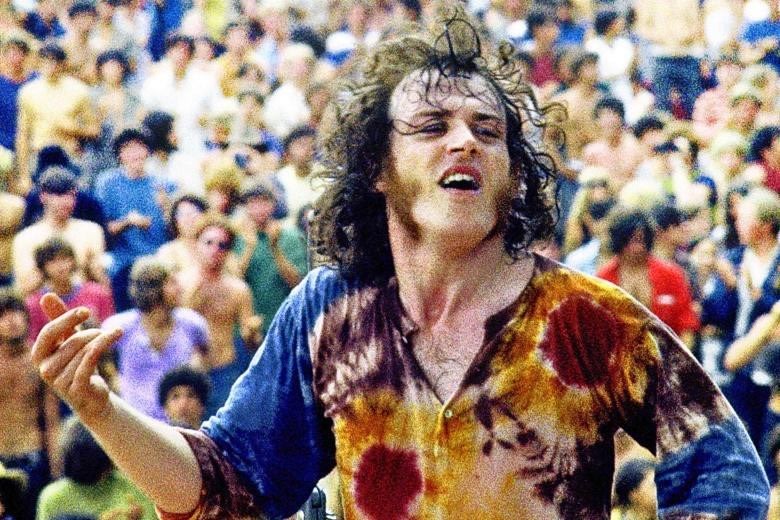
English rock, blues, and soul singer and musician John Robert “Joe” Cocker is best known for his gritty voice, spasmodic body movement in performance, and definitive versions of popular songs. Cocker’s cover of the Beatles’ "With a Little Help from My Friends" reached number one in the UK in 1968. He performed the song live at Woodstock in 1969 and at the Party at the Palace concert for the Golden Jubilee of Elizabeth II in 2002. Cocker’s 1974 cover of "You Are So Beautiful" reached number five on the US charts. He also achieved success as a songwriter, partnering with Chris Stainton to write "Woman to Woman," "High Time We Went," and "Something’s Coming On."
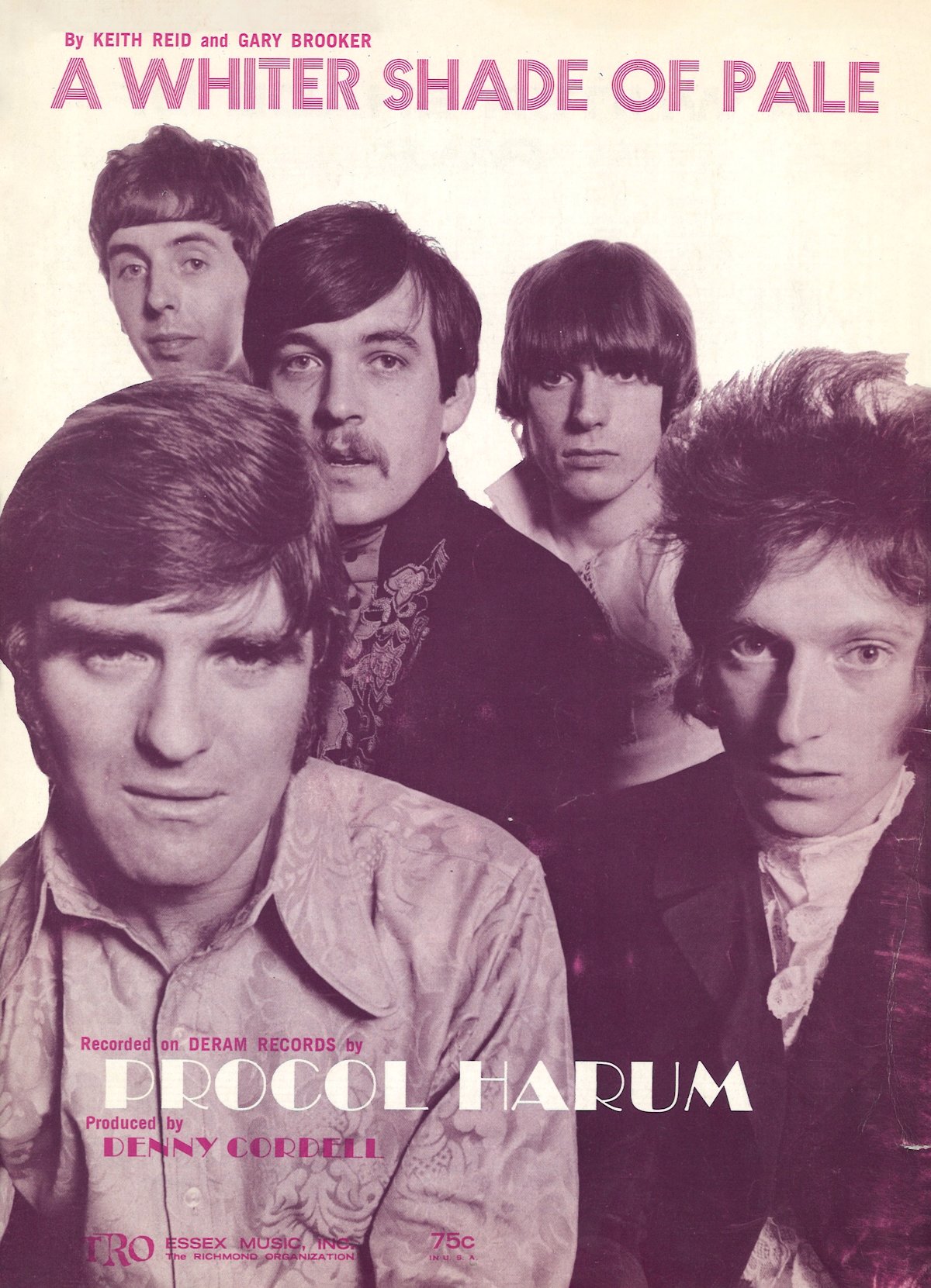
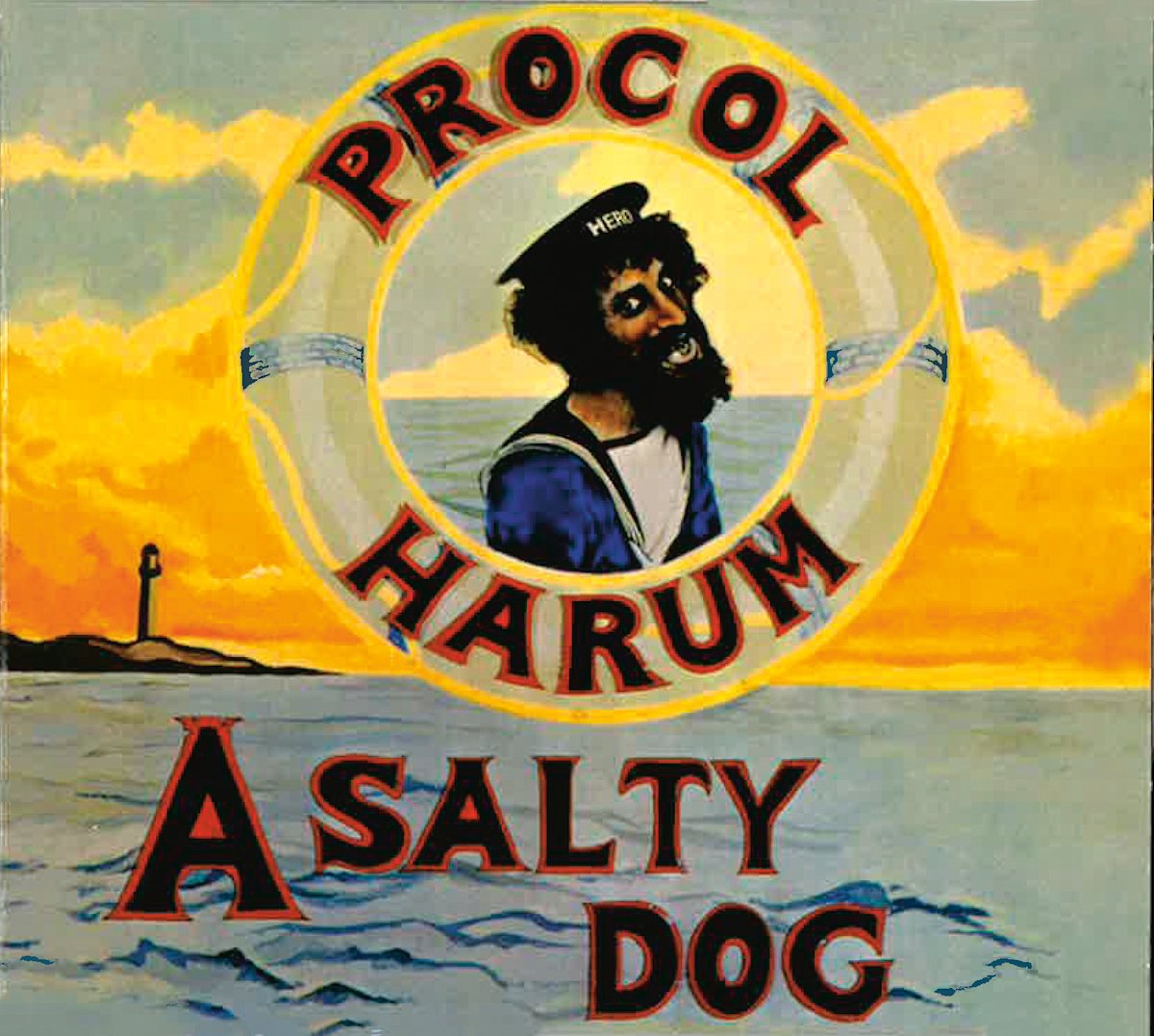
Formed in the United Kingdom in 1967, rock band Procol Harum is best known for their debut single "A Whiter Shade of Pale," which reached No. 1 on the UK Singles Chart and No. 5 on the US charts. The song won the International Song of the Year award at the 13th Annual Ivor Novello Awards in 1968.
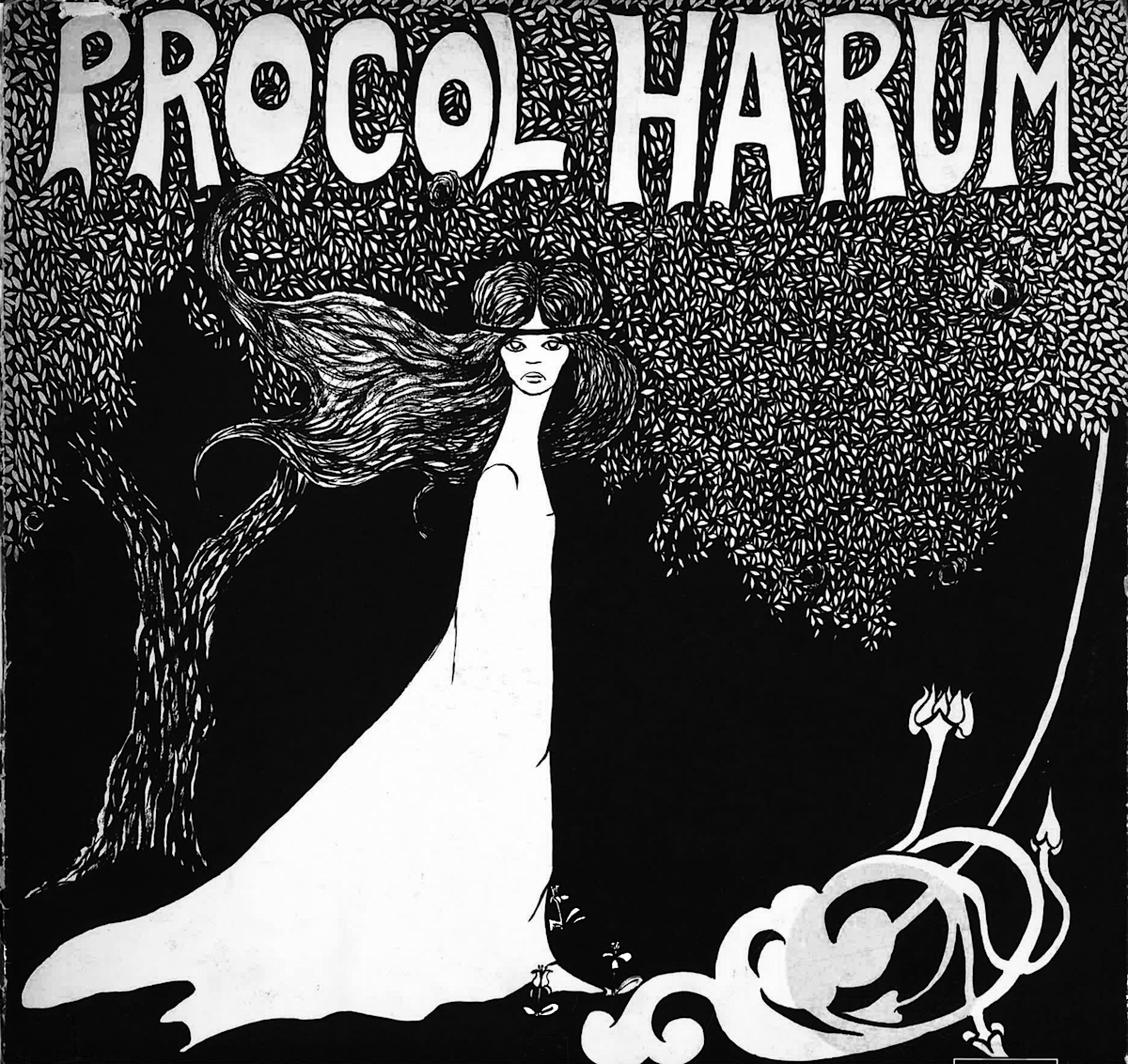
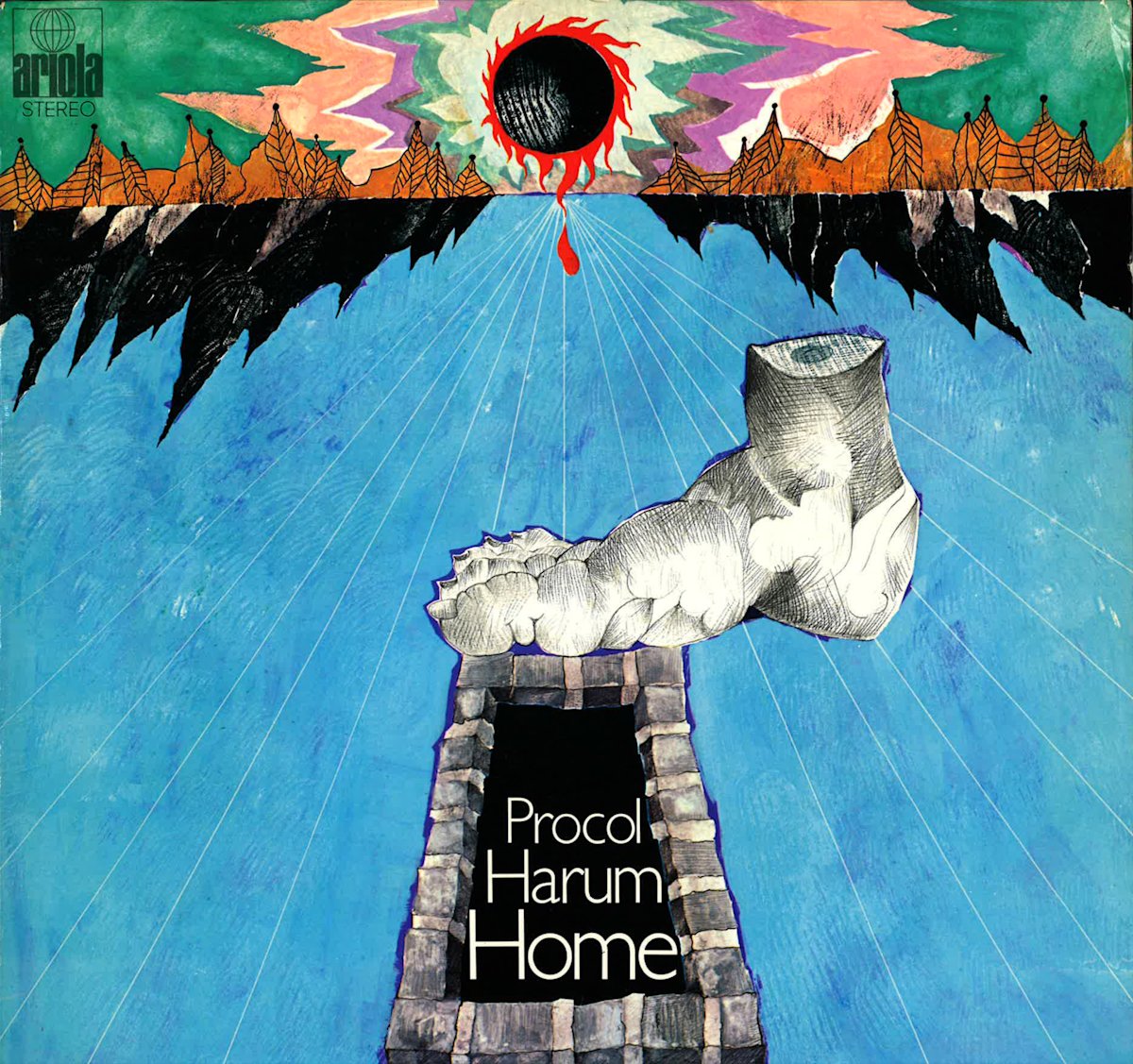
Following their studio success, the band embarked on touring, with their live debut opening for Jimi Hendrix in 1967. Their follow-up single, "Homburg," reached No. 6 in the UK, No. 15 in Canada, and No. 34 in the US. The group’s debut album, "Procol Harum," reached No. 47 on the charts in America. With singer/pianist Gary Brooker and lyricist Keith Reid providing the band’s entire repertory, their music is built around an eclectic mix of blues-based rock riffs and grand classical themes, and they are credited with contributing to the development of progressive rock.
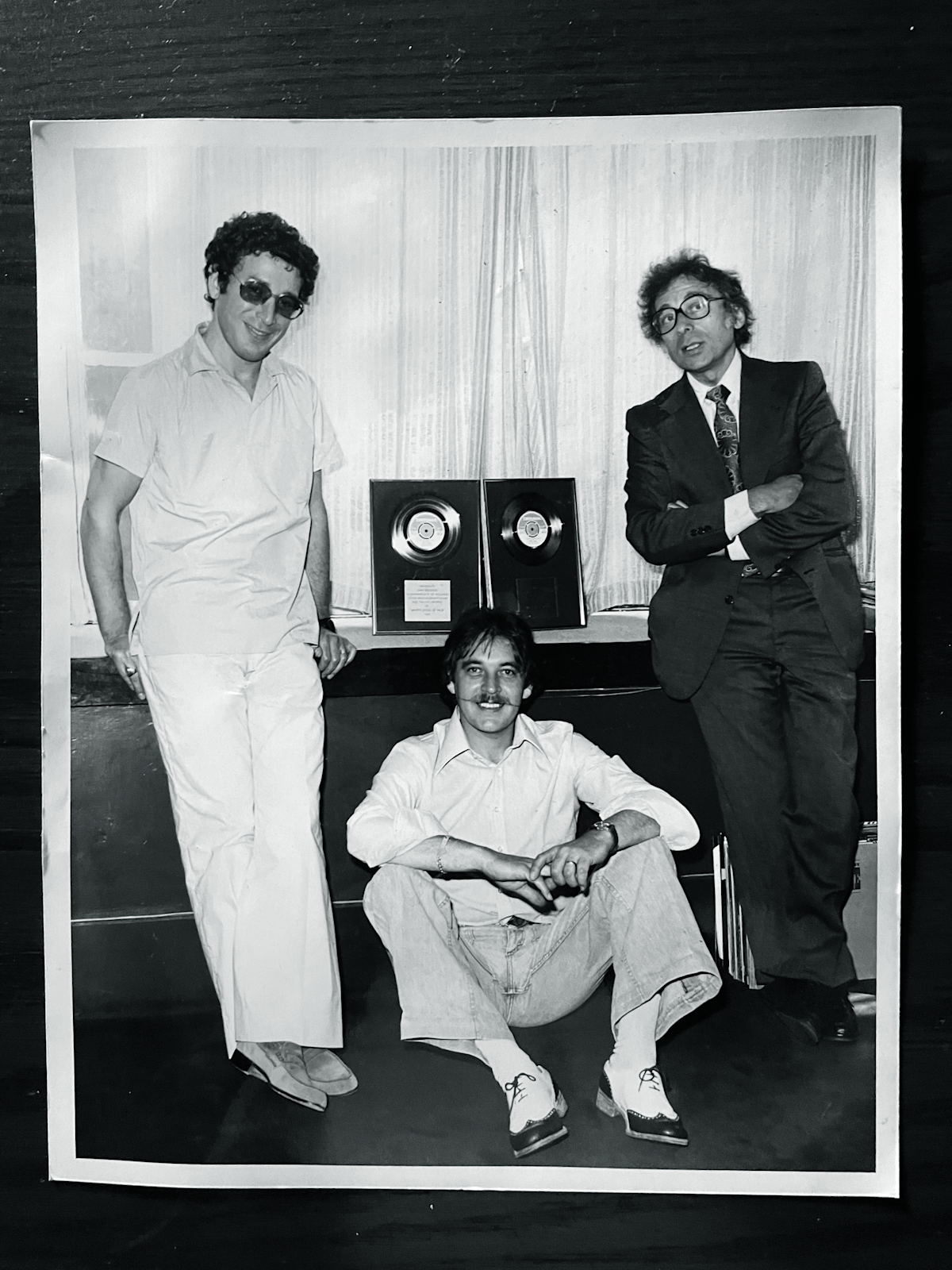
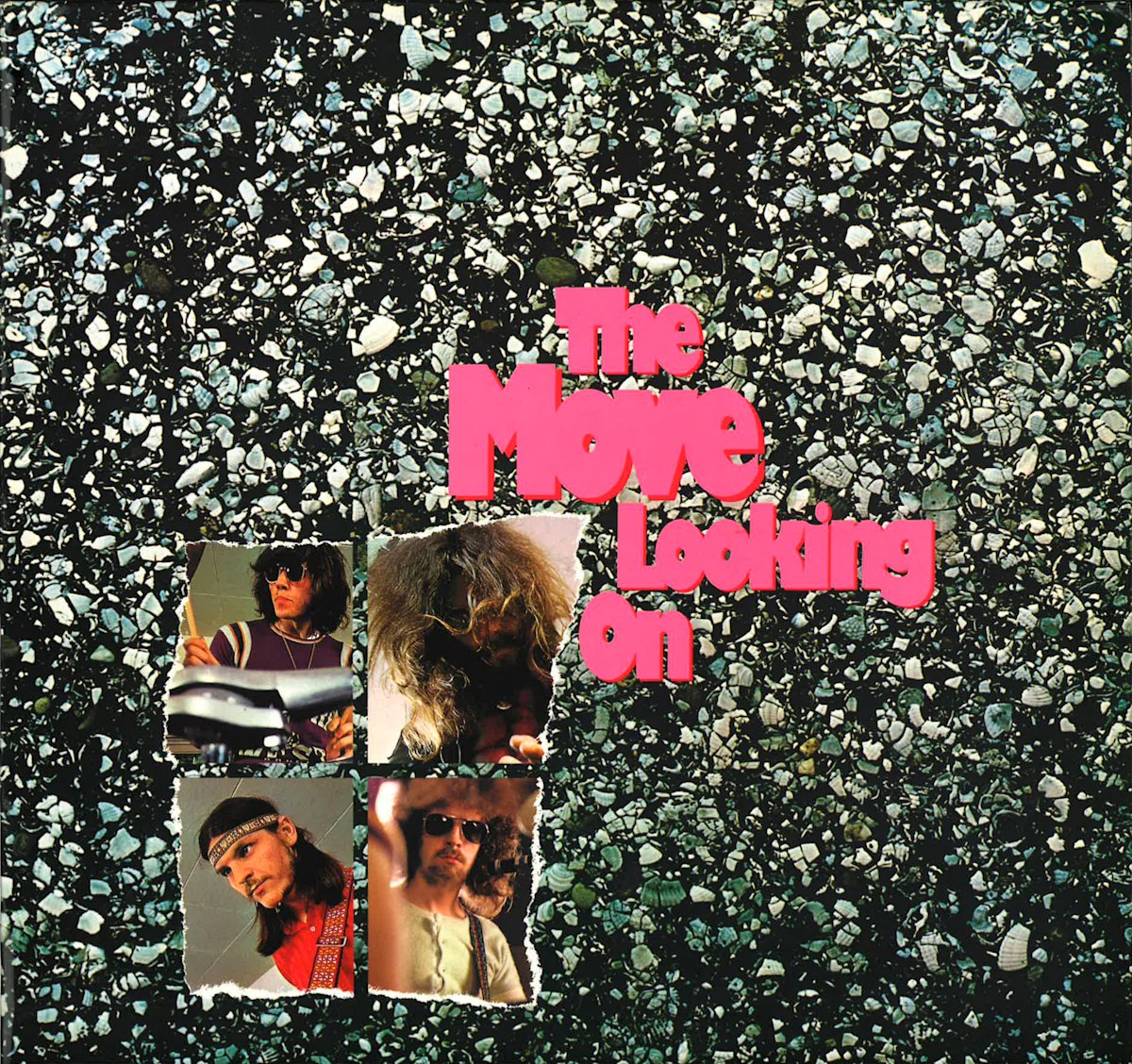
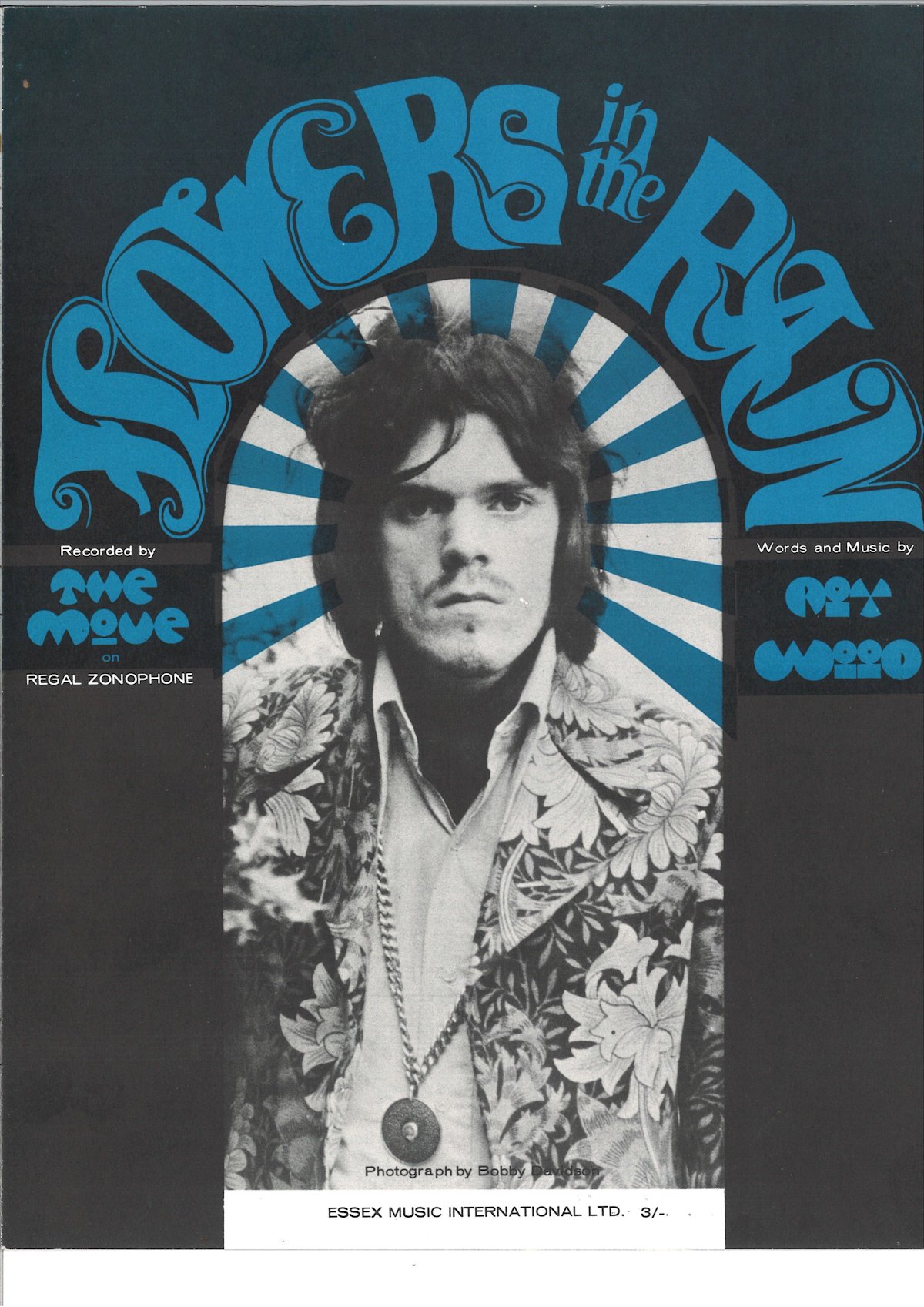
One of the leading British rock bands of the 1960s, The Move, was formed in December 1965 and played their debut show at the Belfry, Wishaw on January 23, 1966. For most of their career, The Move was led by guitarist, singer, and songwriter Roy Wood. The band achieved significant success in the UK, scoring nine top 20 singles in five years. In January 1967, the band released their first single, "Night of Fear," which hit No. 2 in the UK Singles Chart. Following with additional major hits, their second, third, and fourth singles, "I Can Hear the Grass Grow," "Flowers in the Rain," and "Fire Brigade," all made the British Top 10. In 1968, the band released their debut album, "Move," which charted at No. 15.
English rock band Tyrannosaurus Rex, abbreviated T. Rex, was formed in 1967 by singer-songwriter and guitarist Marc Bolan and released its first single, "The Wizard." In 1967, while on tour with The Who, Marc wrote and recorded "Desdemona"; however, he left the tour after four months to begin writing for his next project. "My People Were Fair and Had Sky in Their Hair... But Now They’re Content..." was released in July 1968. It was the first to be produced by long-time Bolan collaborator Tony Visconti, who would go on to helm nearly all of Bolan’s subsequent work.
The second Tyrannosaurus Rex album, "Prophets, Seers & Sages: The Angels of the Ages," appeared just three months later, and the third, "Unicorn," came out in May 1969, shortly after the publication of "The Warlock of Love," a book of poems written by Bolan.
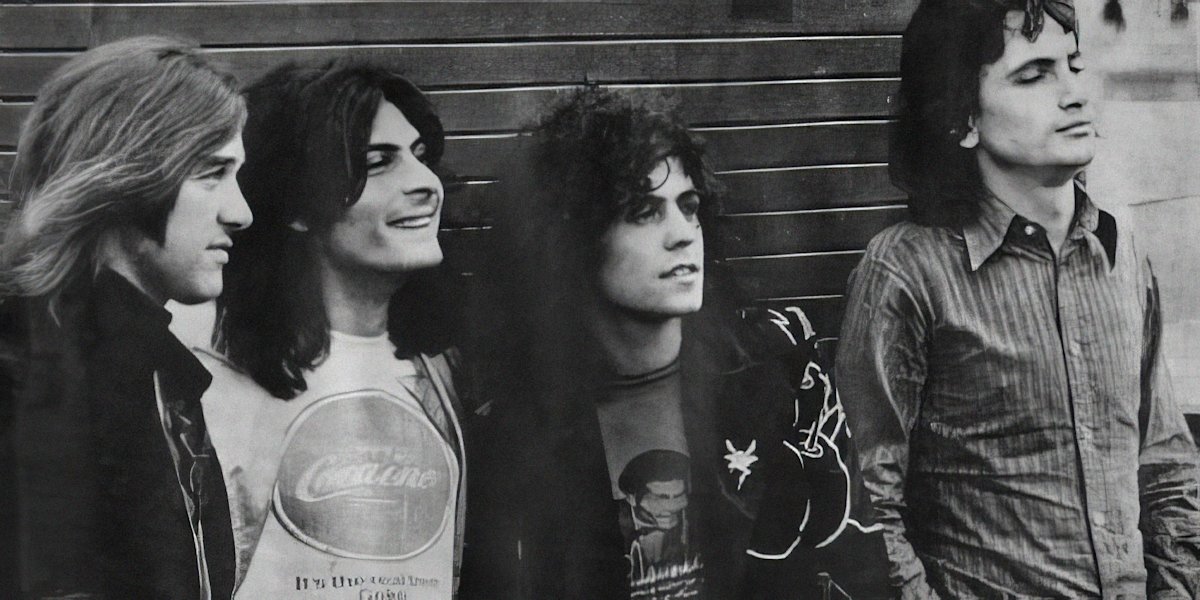
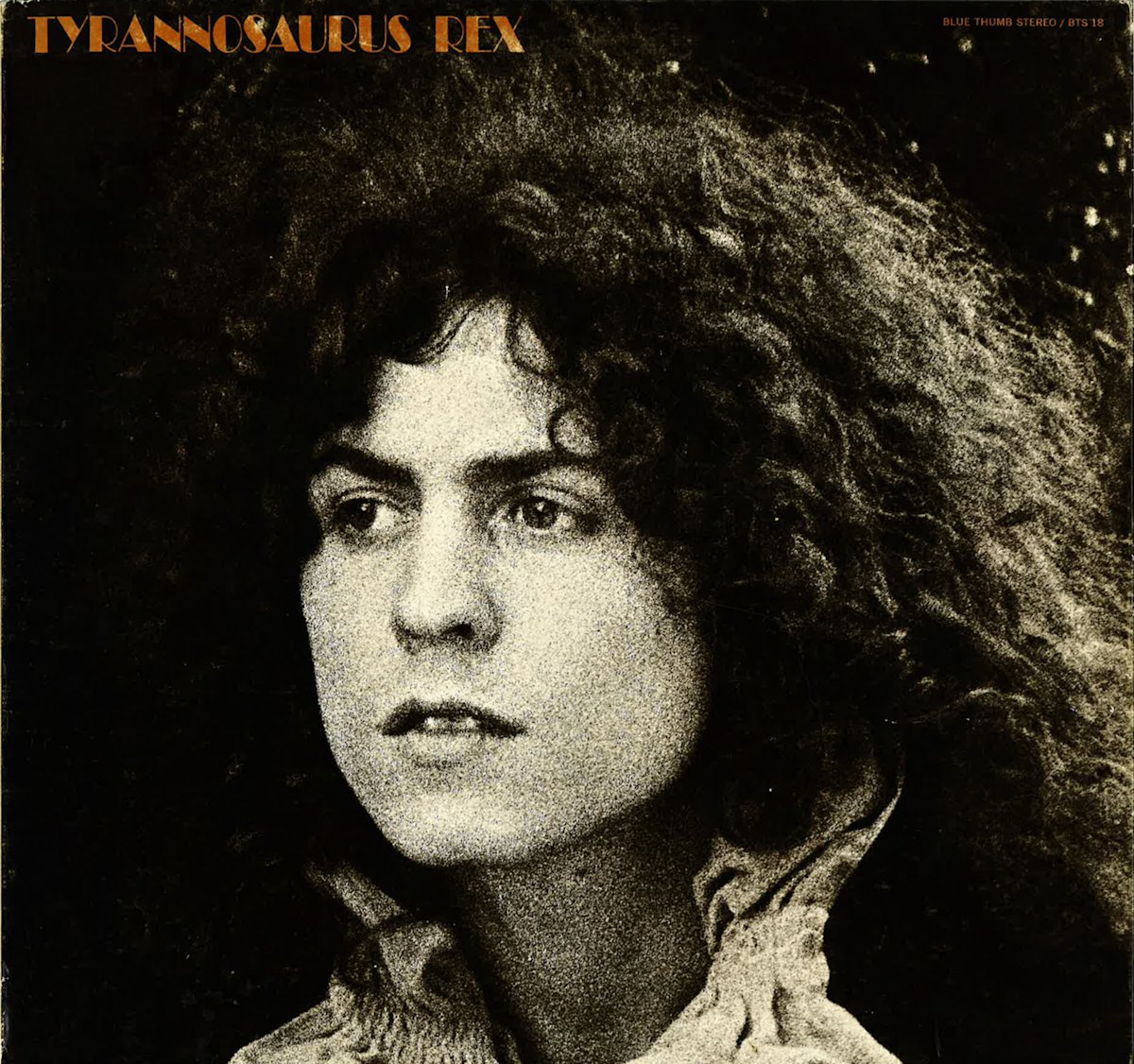
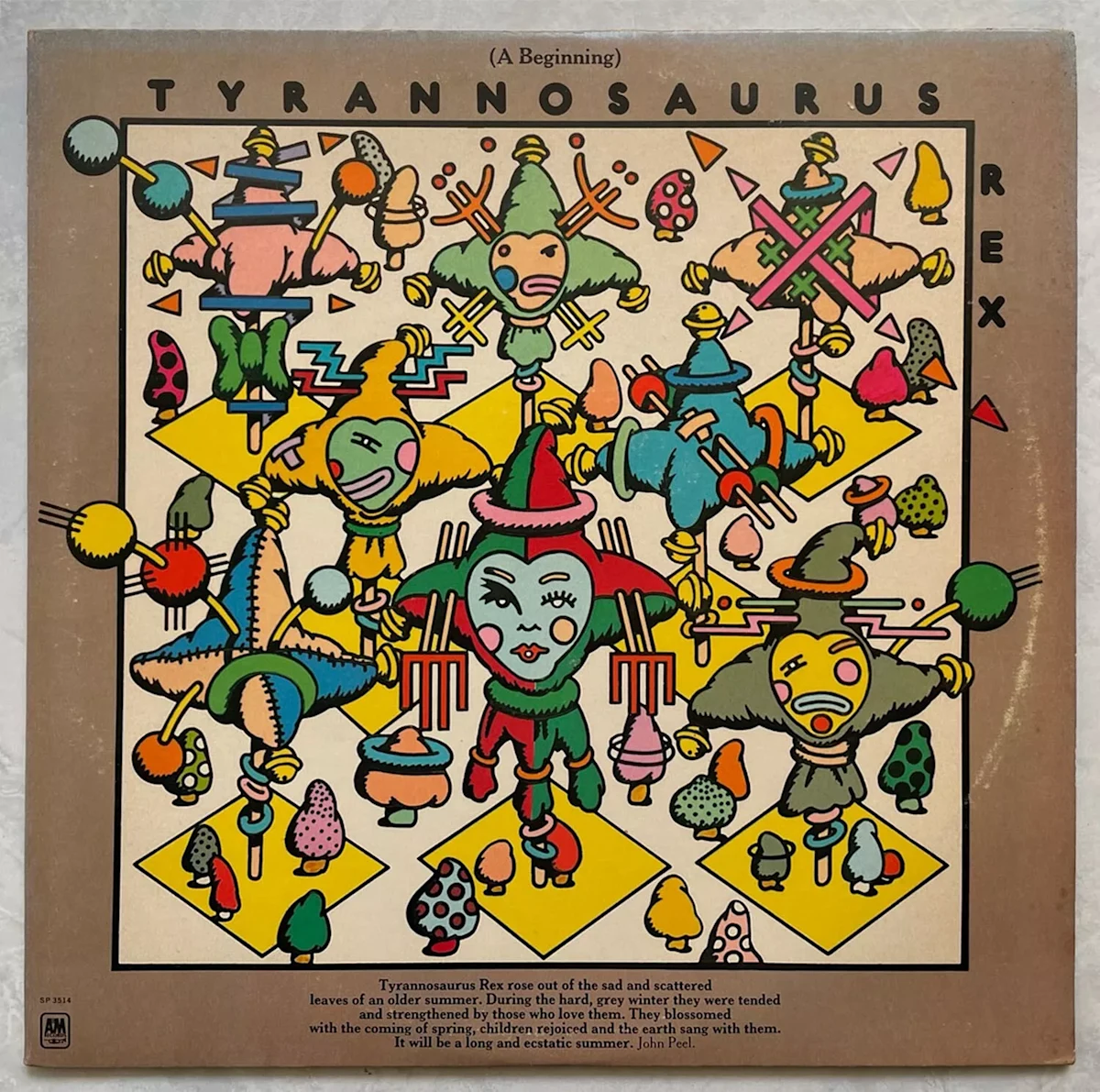
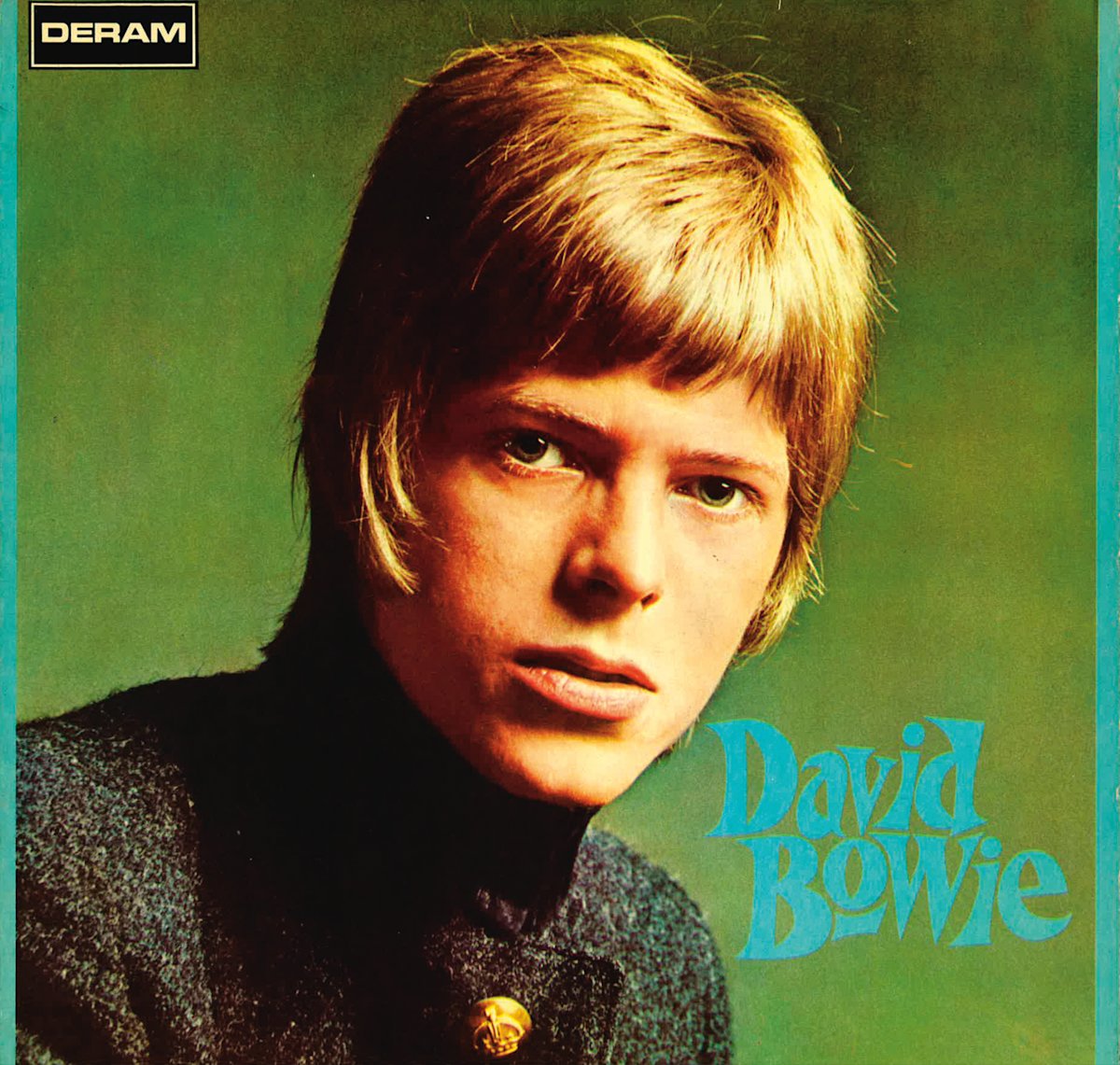
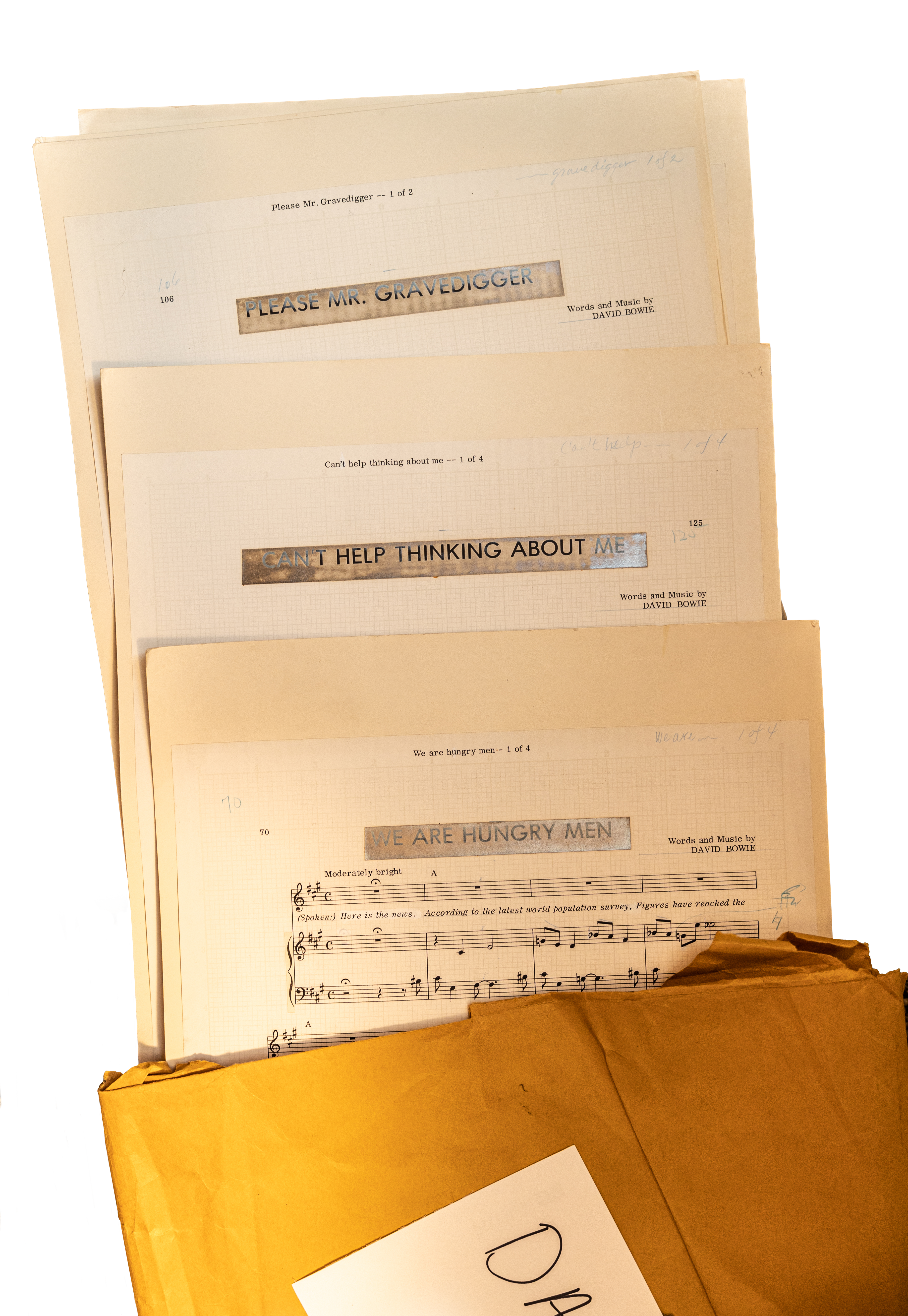
Bolan inspired many artists on the English rock scene, including a young David Bowie. Bowie’s first release was "Can't Help Thinking About Me" with the Lower Third, in January 1966. Bowie continued to release singles and even a self-titled debut album, but his first success was with the song "Space Oddity," which Bowie wrote about a fictional astronaut named Major Tom, inspired by his unsuccessful career and a breakup. "Space Oddity" was released with the Apollo 11 launch and catapulted the song into success. The song reached the top five in the UK.
TODO: SHOULD BE IMAGE HERE: Ivor Novello Award - Space Oddity - 1969 1970
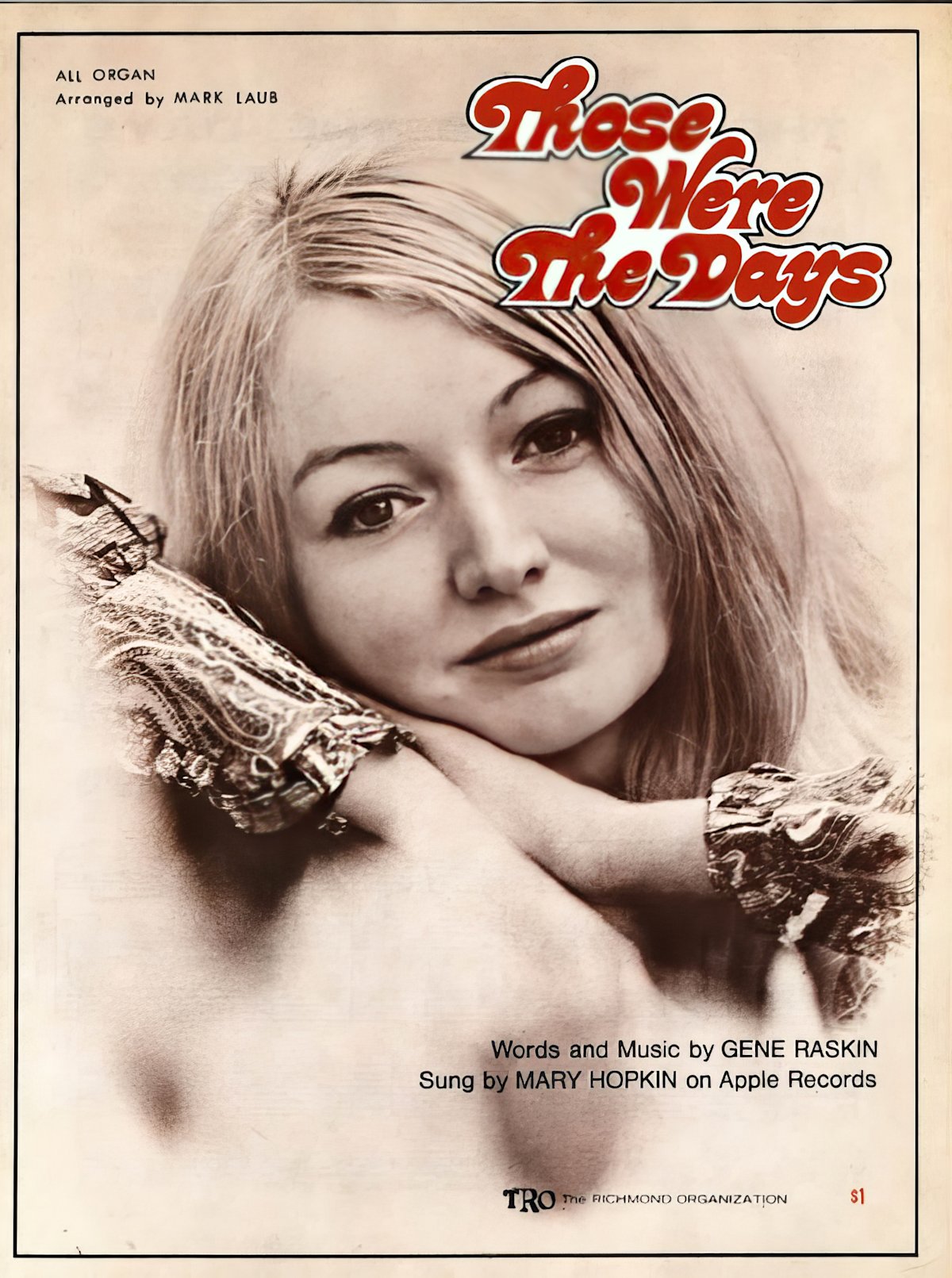
The 1960s saw other notable songwriters join the TRO Essex catalog, including Fran Landesman, Bob Dorough, Dudley Moore, Peter Cook, Jimmy Helms, and more. Hit recordings from the 1960s included "Dream a Little Dream of Me" (The Mamas and Papas), "As Tears Go By" (The Rolling Stones), "Paper Sun" (Traffic), "I’ll Never Fall in Love Again" and "With These Hands" (Tom Jones), "Walk Away" (Matt Monro), "Midnight in Moscow" (Kenny Ball), "Desafinado" (Stan Getz and Charlie Byrd), "Cotton Fields" (The Highwaymen), "My Kind of Girl" (Matt Monro), "Well, Well, Well" (Bob Gibson), "The Madison Time" (Ray Bryant), and "Those Were the Days" (Mary Hopkins).
"Those Were the Days" was written by Gene Raskin, an international singer-songwriter who played London’s Blue Angel every year. Gene and his wife Francesca always closed their shows with the song, and Paul McCartney frequently visited the club. McCartney became taken with the song and attempted to get several singers or groups to record it, including the early Moody Blues. After The Beatles formed their own Apple Records label, McCartney immediately recorded Mary Hopkins at Abbey Road Studios in London. He later said, “I thought it was very catchy, it had something, it was a good treatment of nostalgia... She picked it up very easily, as if she’d known it for years.” The recording, produced by McCartney, became a No. 1 hit on the UK charts and No. 2 in the US.
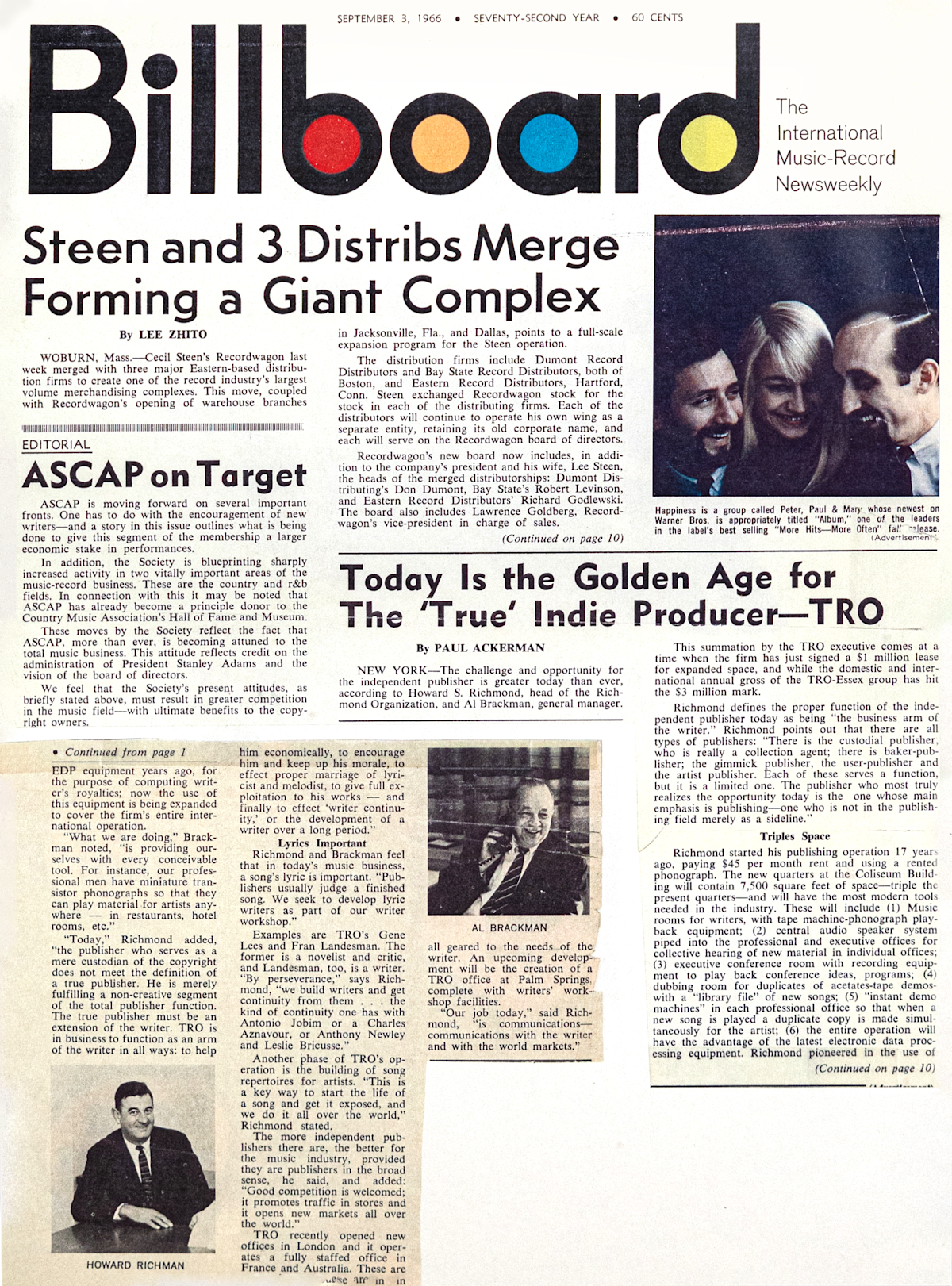
The decade closed with Howie Richmond, Johnny Mercer, and Abe Olman establishing the National Academy of Popular Music and Songwriters Hall of Fame to honor songwriters for their lifetime contributions to popular music. Among the legendary writers inducted in the first ceremony were Huddie “Lead Belly” Ledbetter and Woody Guthrie.