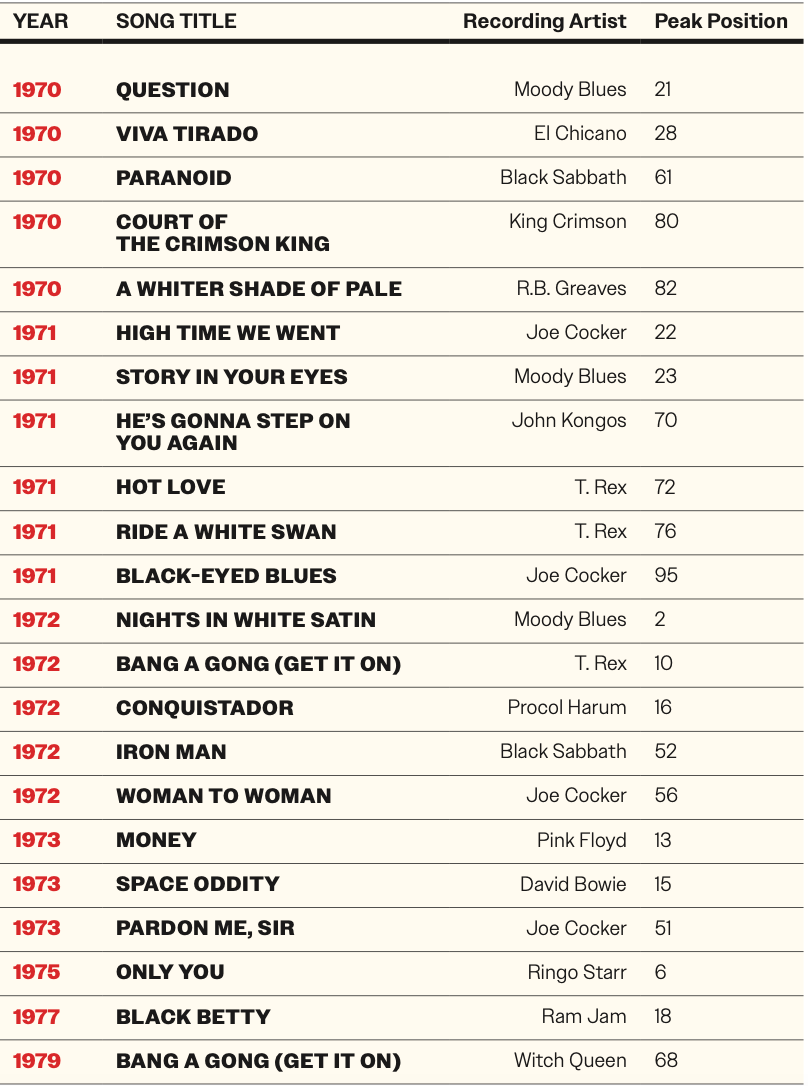
1970- 1979
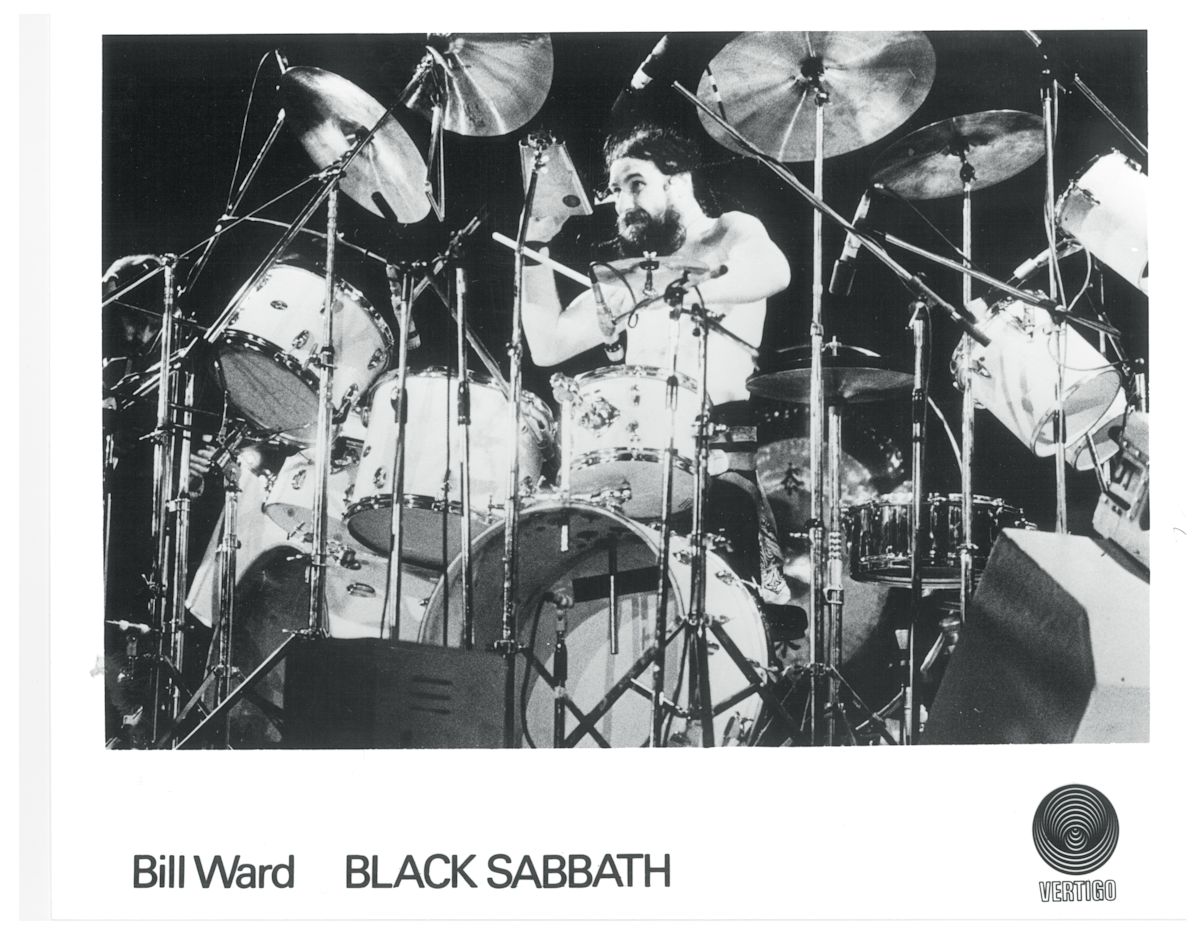
Joining the Essex UK catalog in 1970 was a group from Birmingham, England that would pioneer the creation of heavy metal music. Black Sabbath was formed by Ozzy Osbourne, Tony Iommi, Geezer Butler and Bill Ward who were looking to escape a life of factory work through music. After forming several psychedelic and blues bands, they started to “happen” when Butler had an idea for a song inspired by a disturbing apparition.
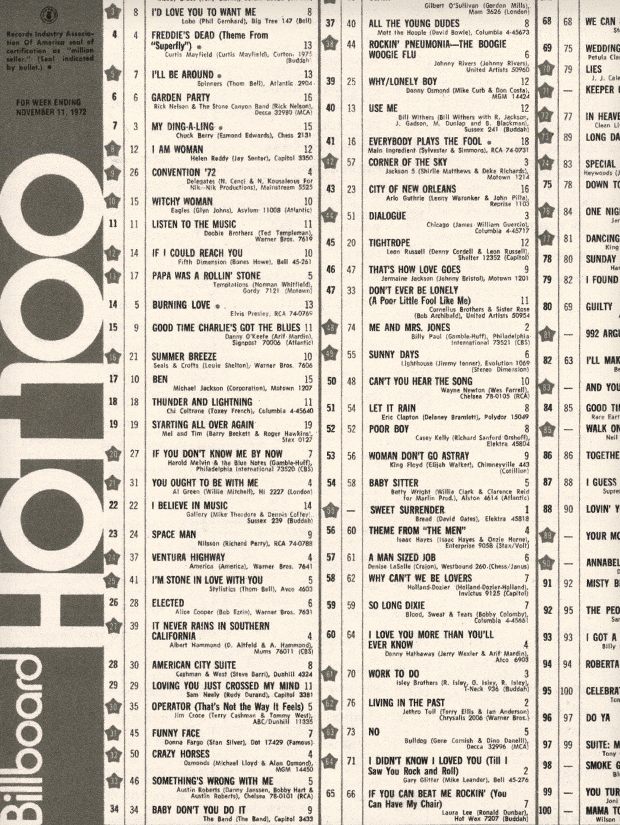
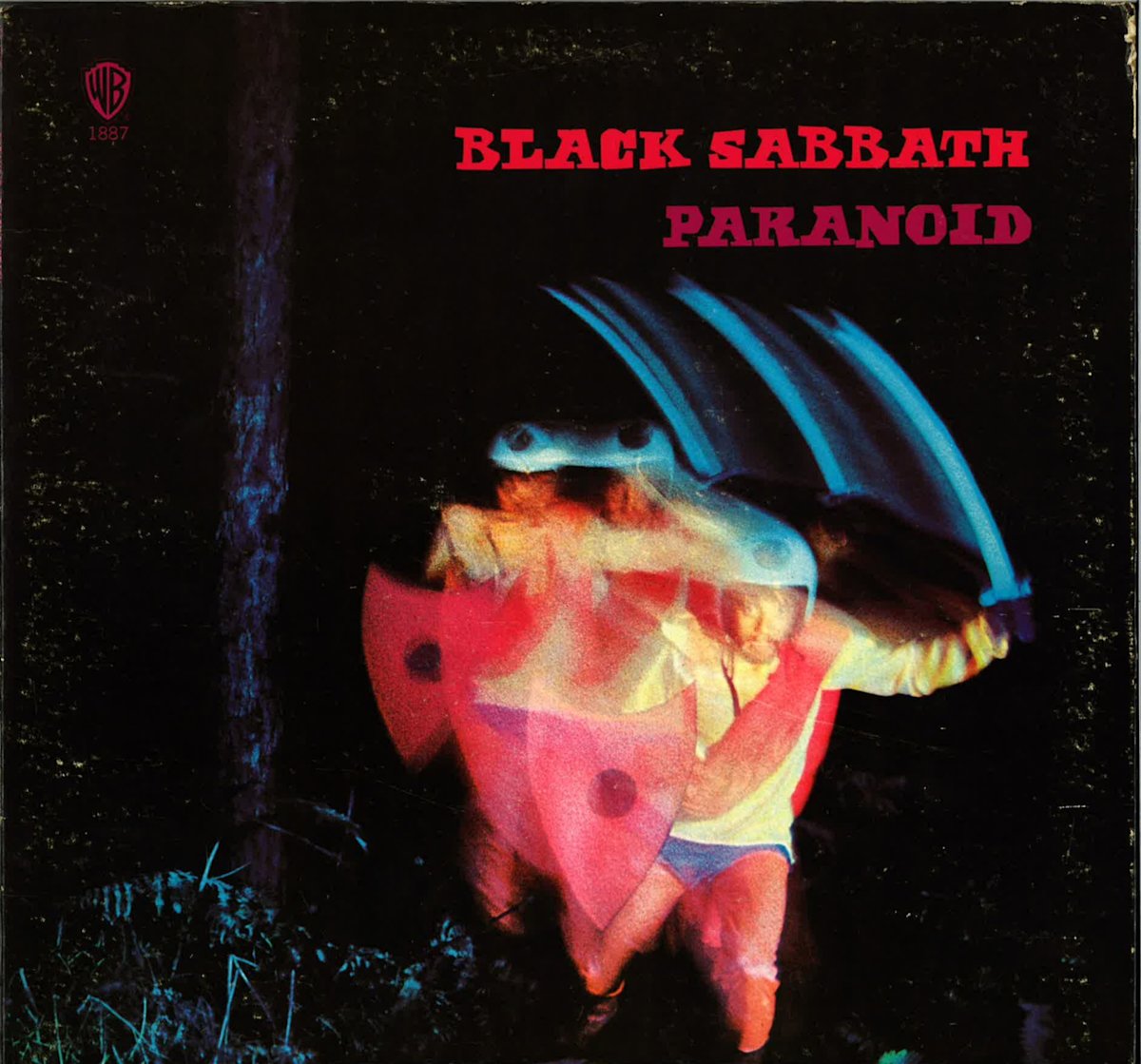
The group composed a song about the visitation, entitling it "Black Sabbath" after the 1963 Boris Karloff film. It provoked a reaction in their audience unlike anything else in their repertoire and gave them a direction and the band’s name. There was a shift in the world of rock with the success of their first two albums. "Black Sabbath," recorded in November 1969, reached No. 8 in Britain and exhibited staying power in America, remaining on the charts for 65 weeks. Sabbath’s second release, "Paranoid," recorded in 1970, included the classic tracks "Iron Man" and "War Pigs," which reached No. 1 in the UK and charted for 70 weeks in the US.
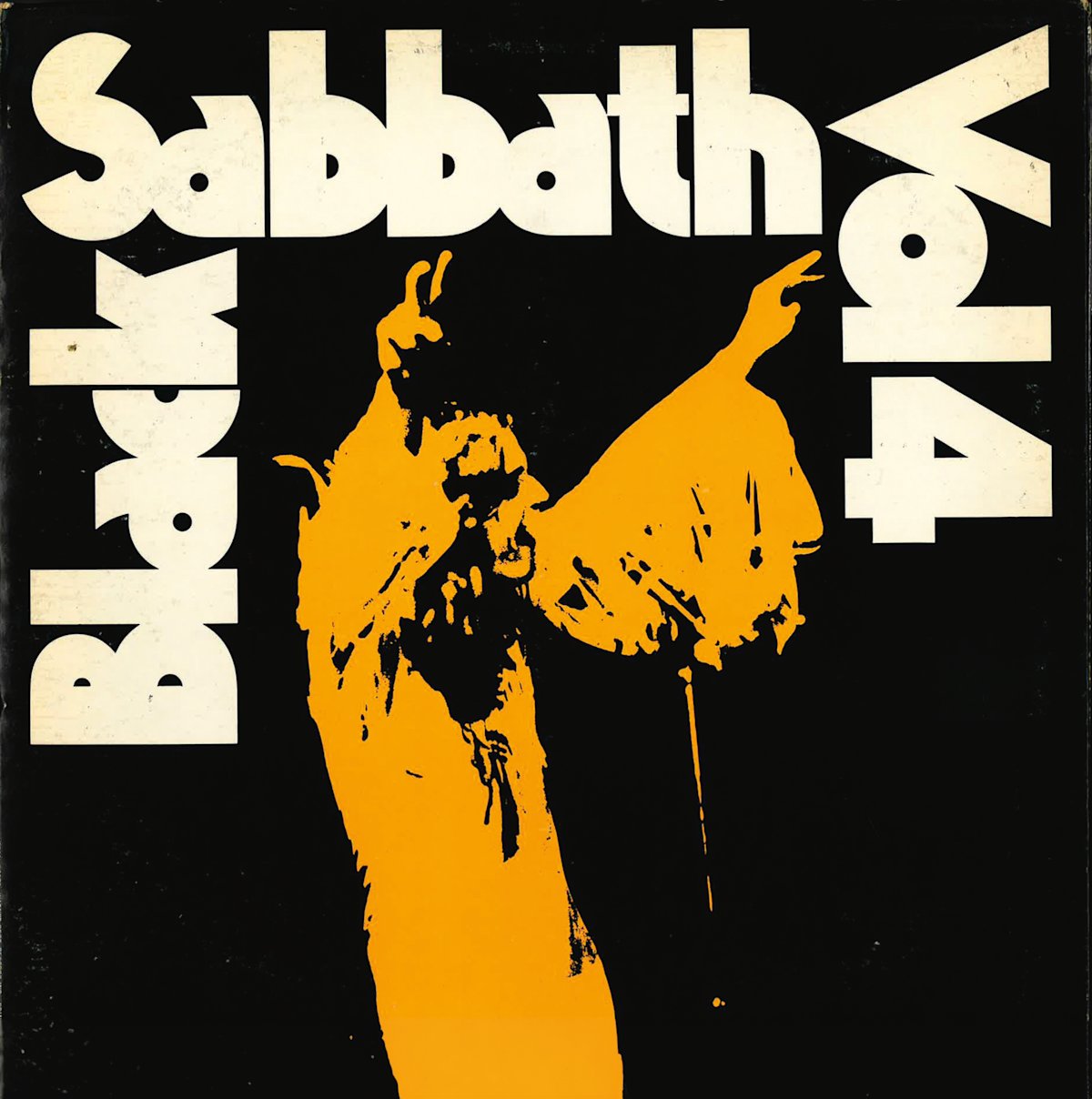
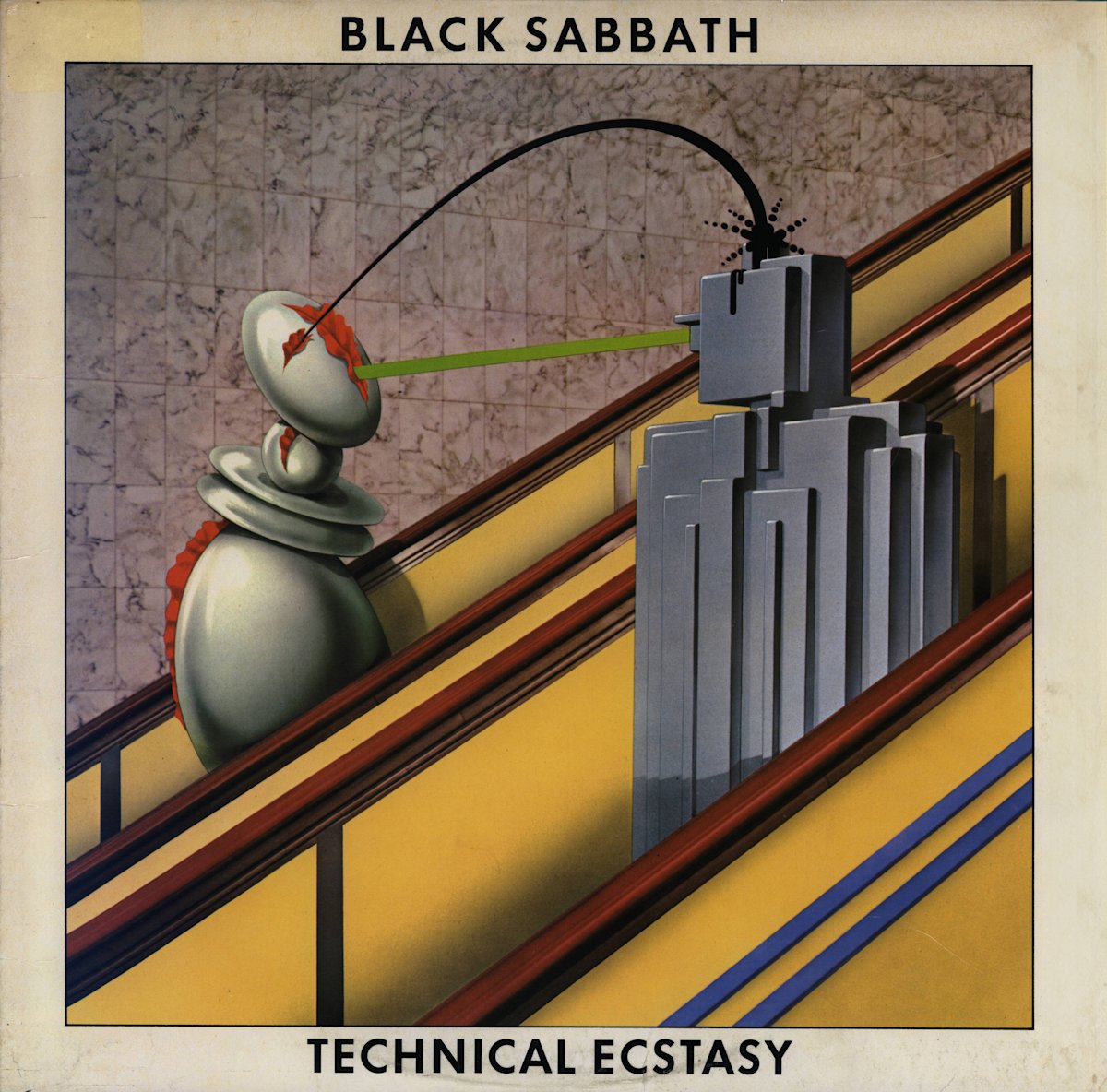
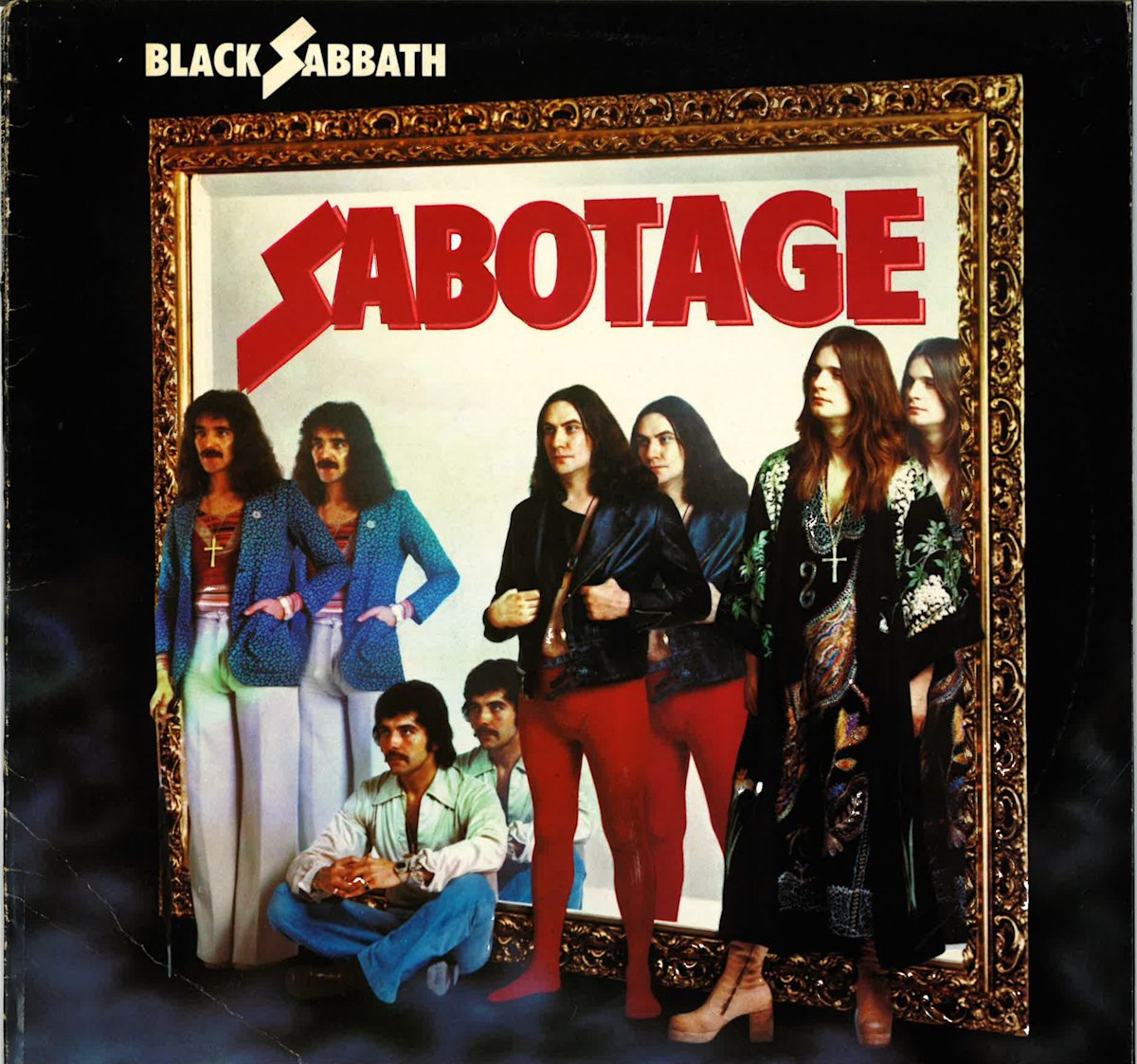
Black Sabbath pursued such themes as war, social chaos, the supernatural, the afterlife, and the timeless conflict between good and evil. “We arrived at the height of the Vietnam War and on the other side of the hippie era, so there was a mood of doom and aggression,” Iommi said, “but Black Sabbath weren’t devil worshippers as many believed.” Black Sabbath’s next two albums, "Master of Reality" (1971) and "Vol. 4" (1972), contained their share of Sabbath classics such as "Children of the Grave," "After Forever," "Snowblind," and "Supernaut."
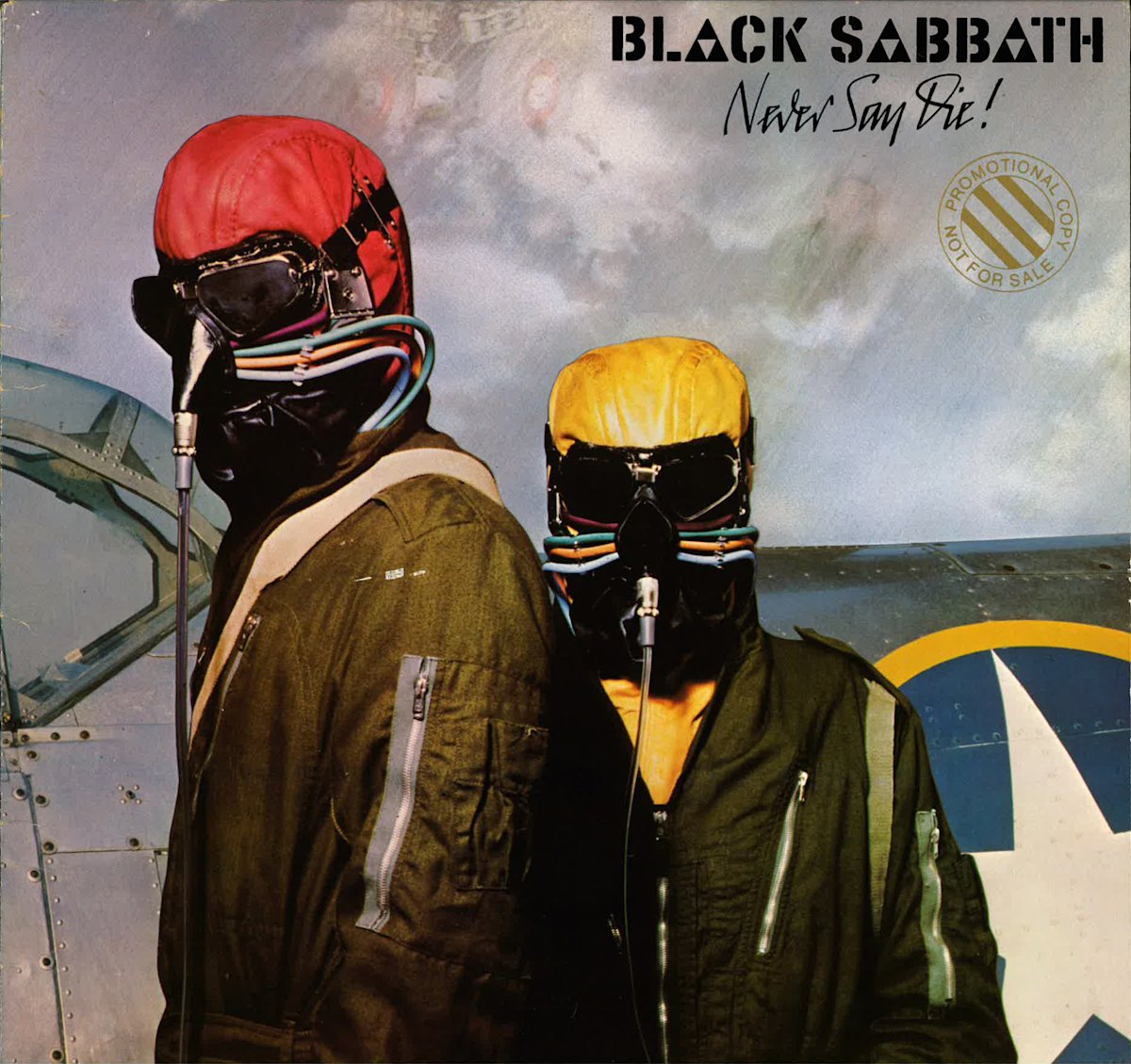
In their original configuration, the group wrote and produced four more albums: "Sabbath Bloody Sabbath" (1973), "Sabotage" (1975), "Technical Ecstasy" (1976), and "Never Say Die!" (1978). Osbourne left the band in 1978 to pursue a solo career and was replaced by Ronnie James Dio, an American vocalist and songwriter. Not until Black Sabbath upended the music scene did the term “heavy metal” enter the popular vocabulary to describe the denser, more thunderous offshoot of rock over which they presided. Their riff-based songs, extreme volume, and dark, demonic subject matter embody the key aspects of this aesthetic.
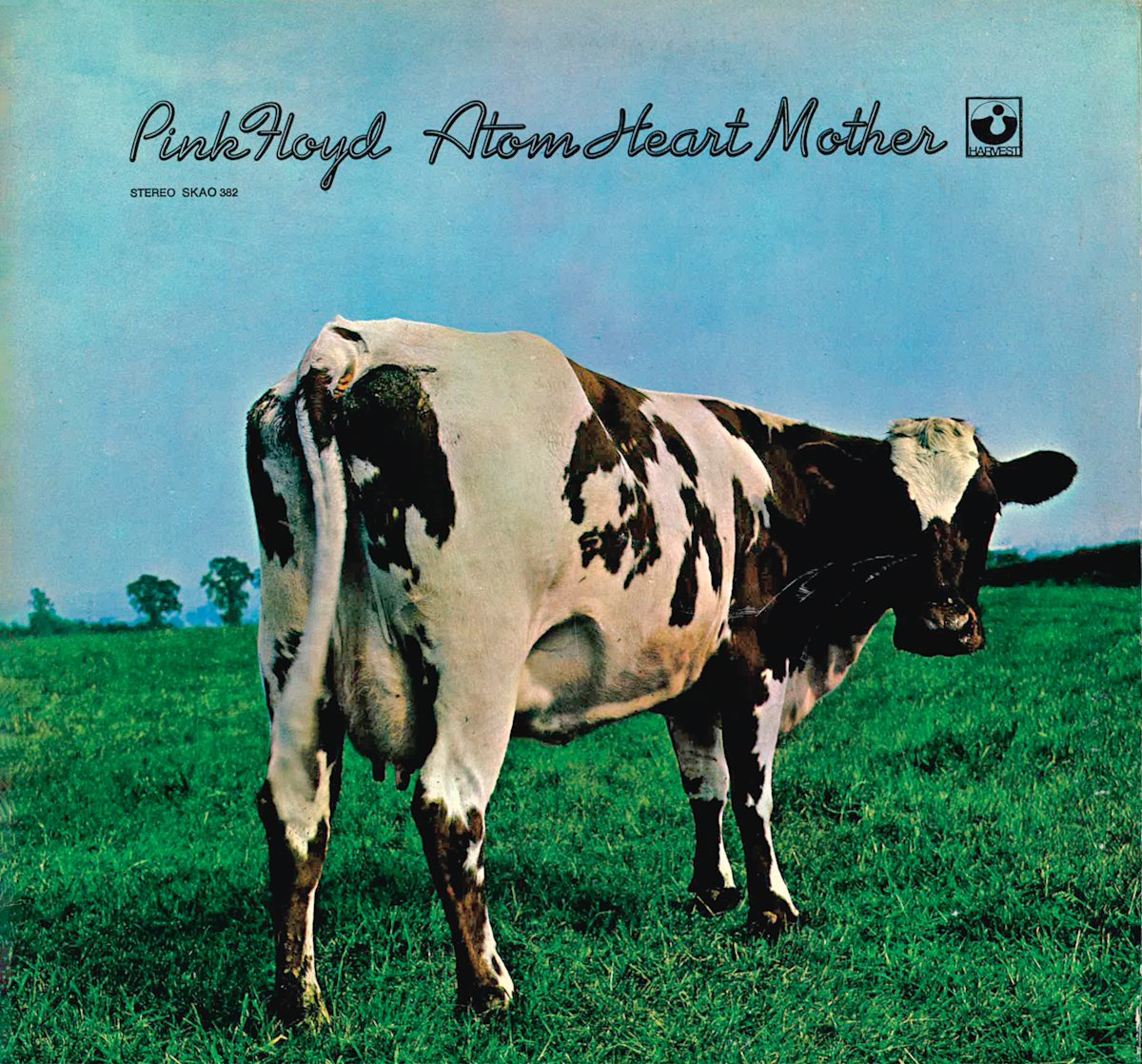
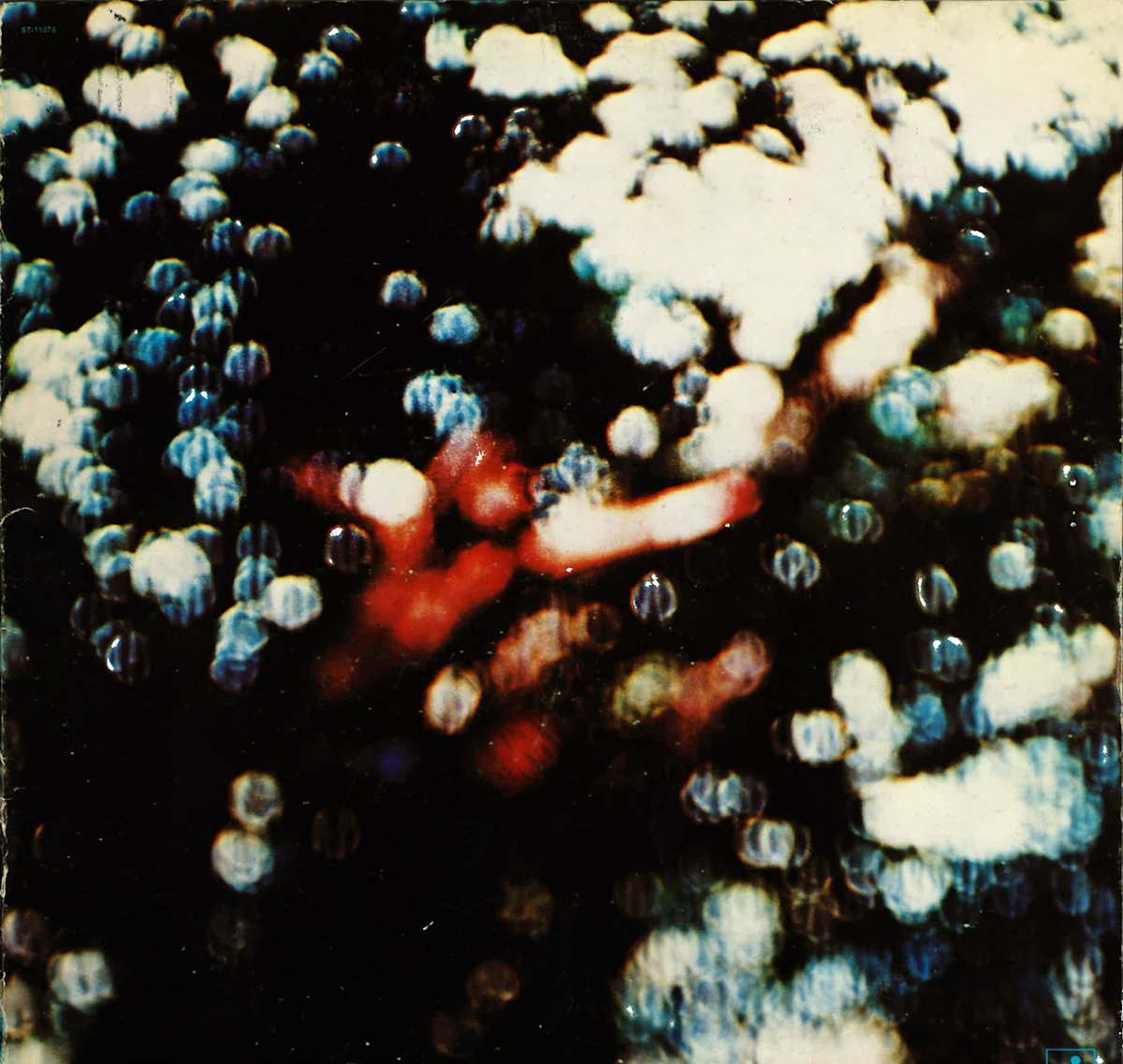
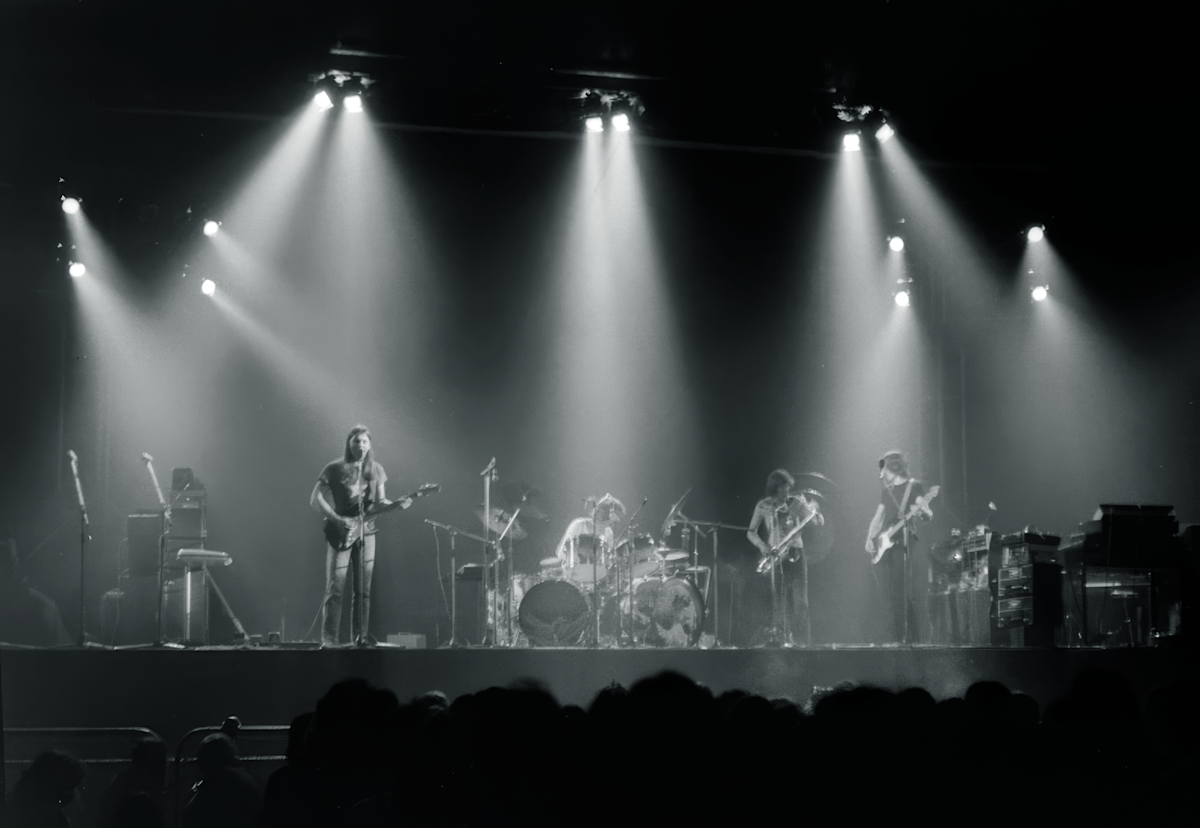
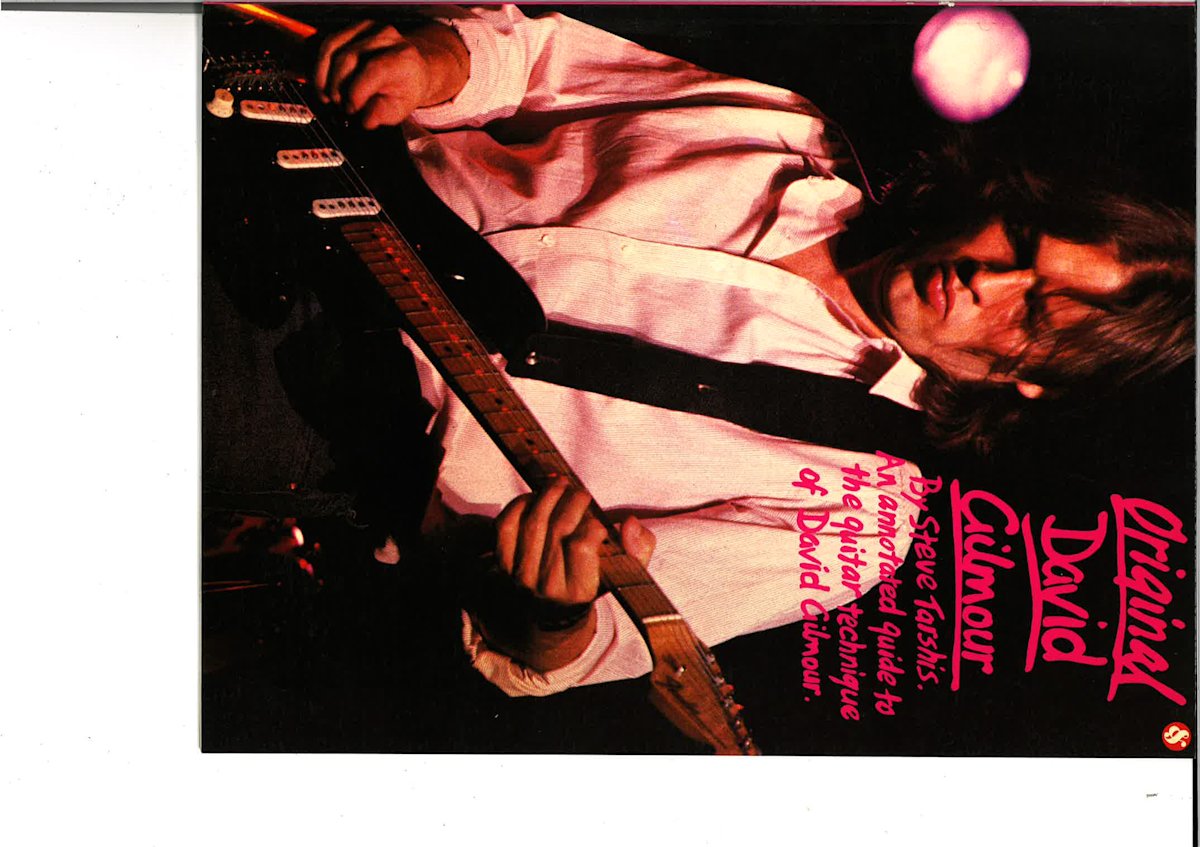
The introduction of the Eastern instruments and rhythm to British music culminated with the innovative riffs and instrumentation of Pink Floyd. Between October 1970 and November 1971, Pink Floyd put out two more albums. Atom Heart Mother was their first No. 1 and Meddle included two timeless and largely instrumental tracks, "One of These Days" and "Echoes," that showcased their lead guitarist, David Gilmour. The band recorded another movie soundtrack for Barbet Schroder, "Obscured by Clouds," and began to work on an idea that would become their most popular album.
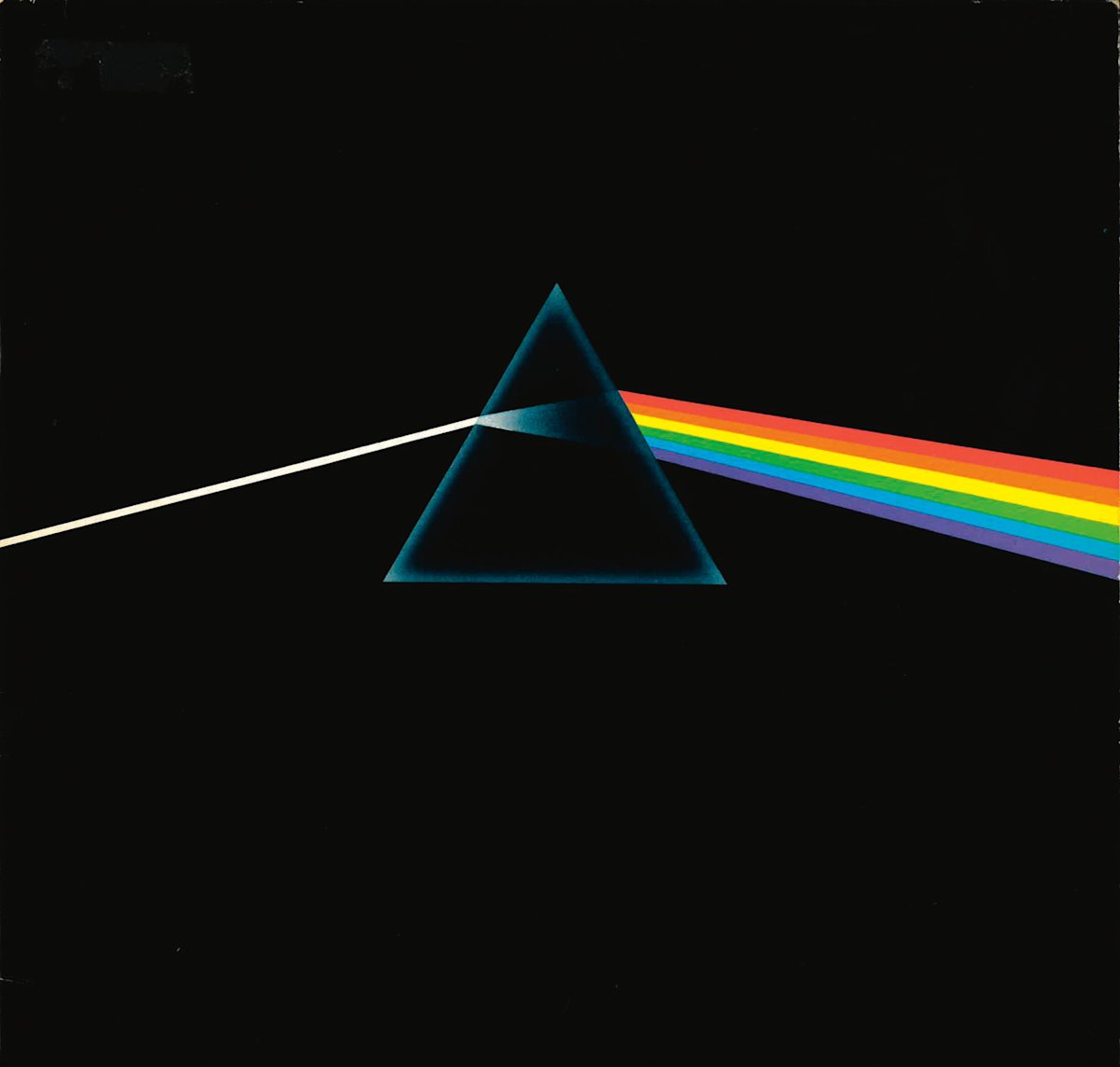
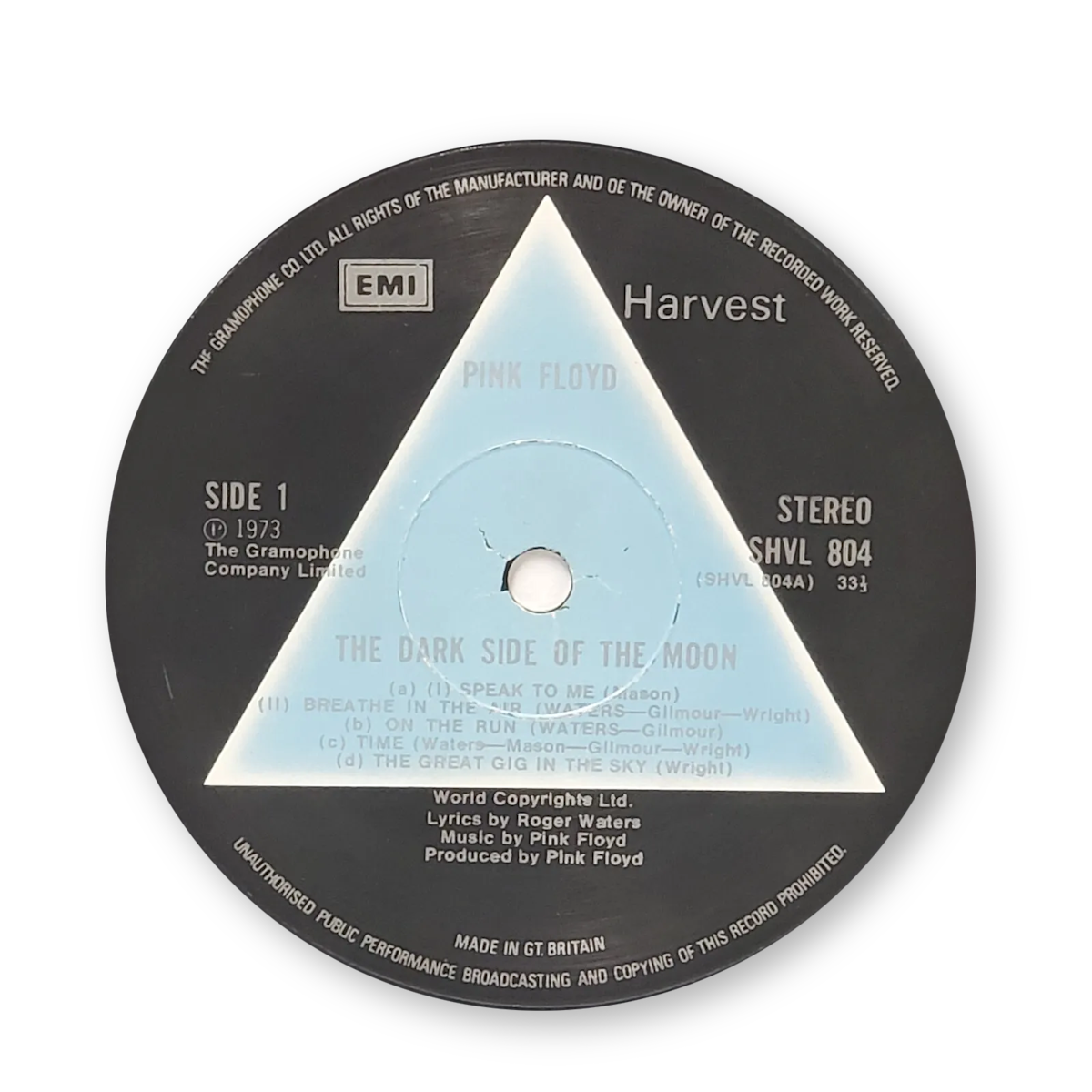
"Dark Side of the Moon" was released in 1973. The album became an instant classic, quickly rising to No. 1 on the charts. The album produced the hit single "Money," and has remained on the charts for over 50 years. It is regarded as one of the most important albums in music history.
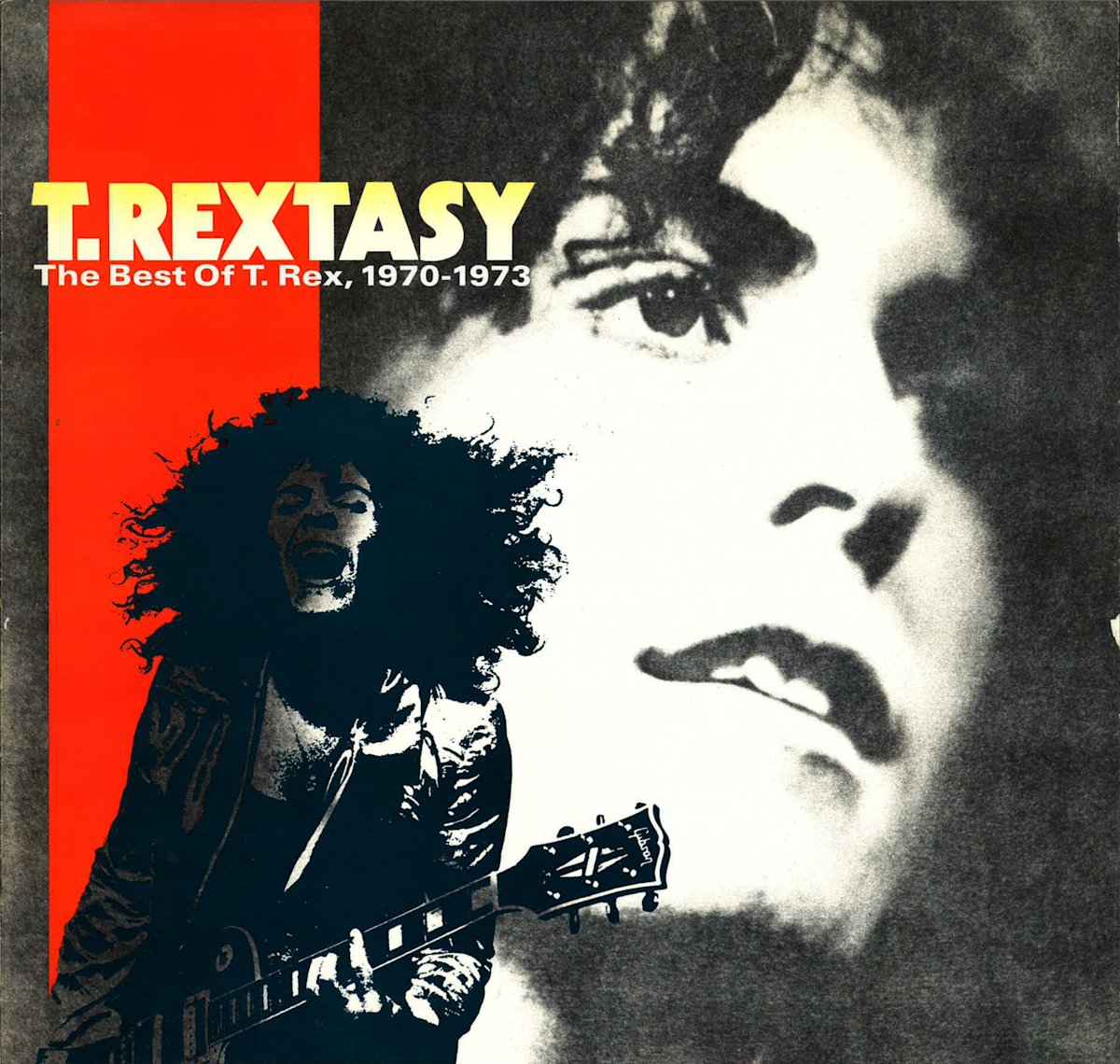
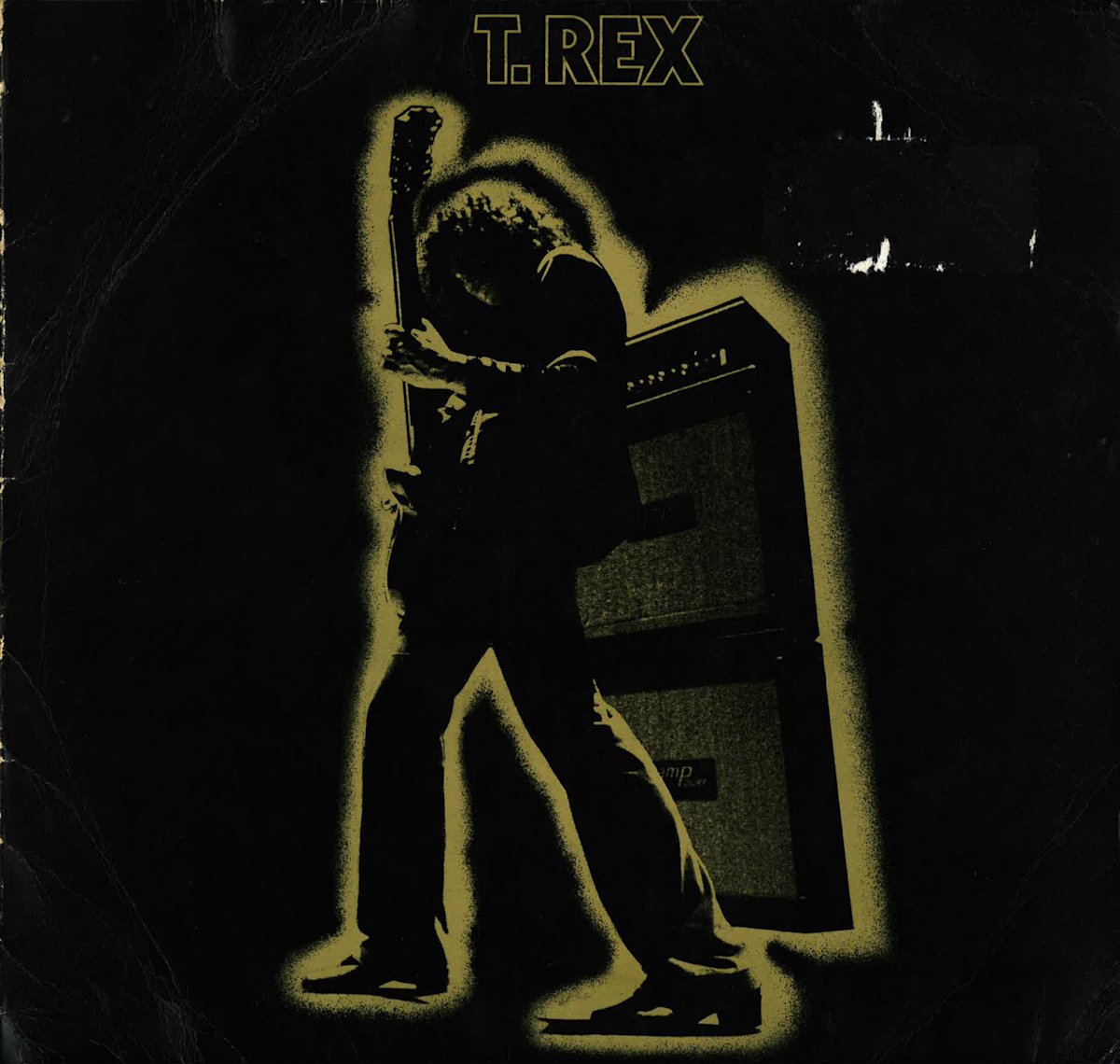
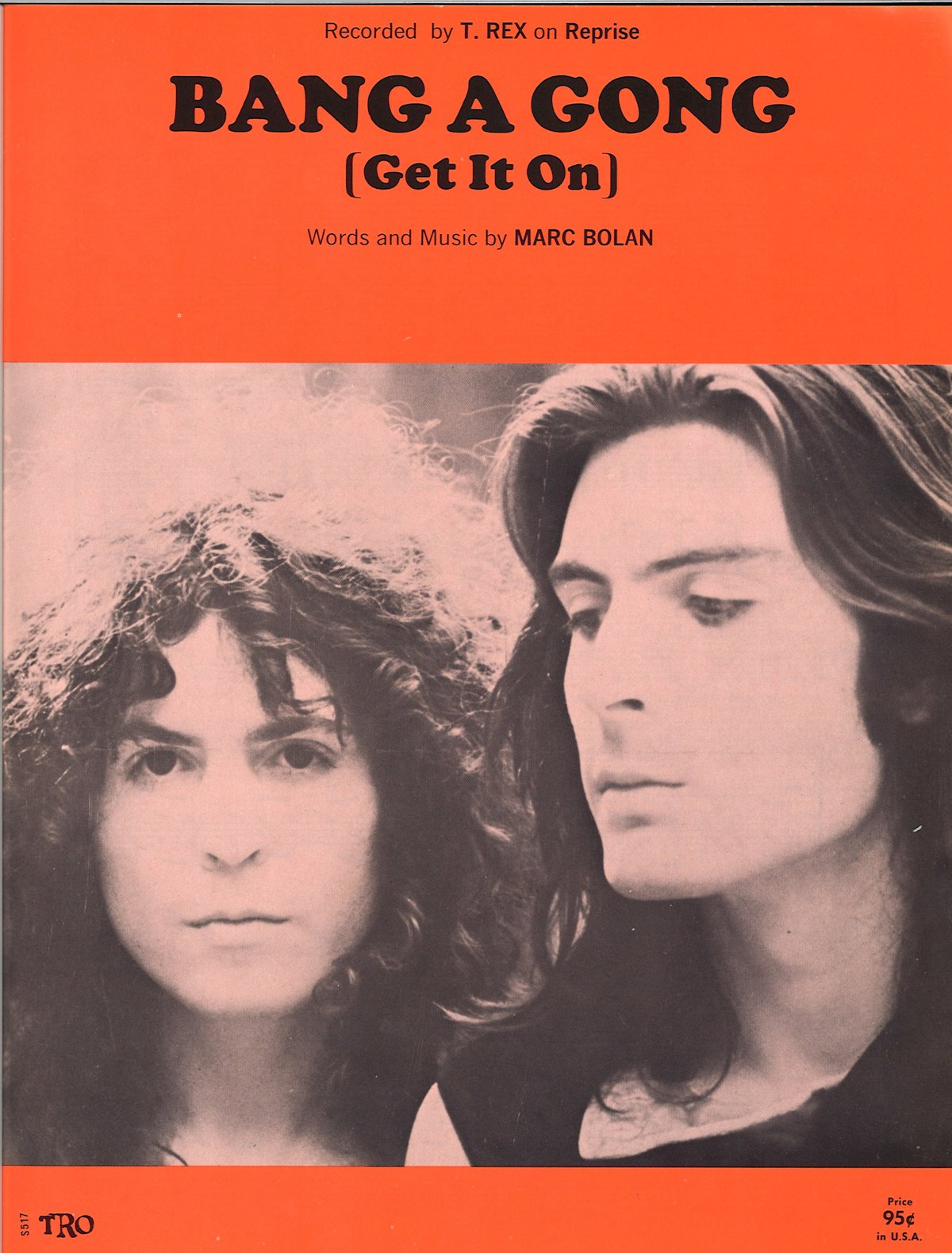
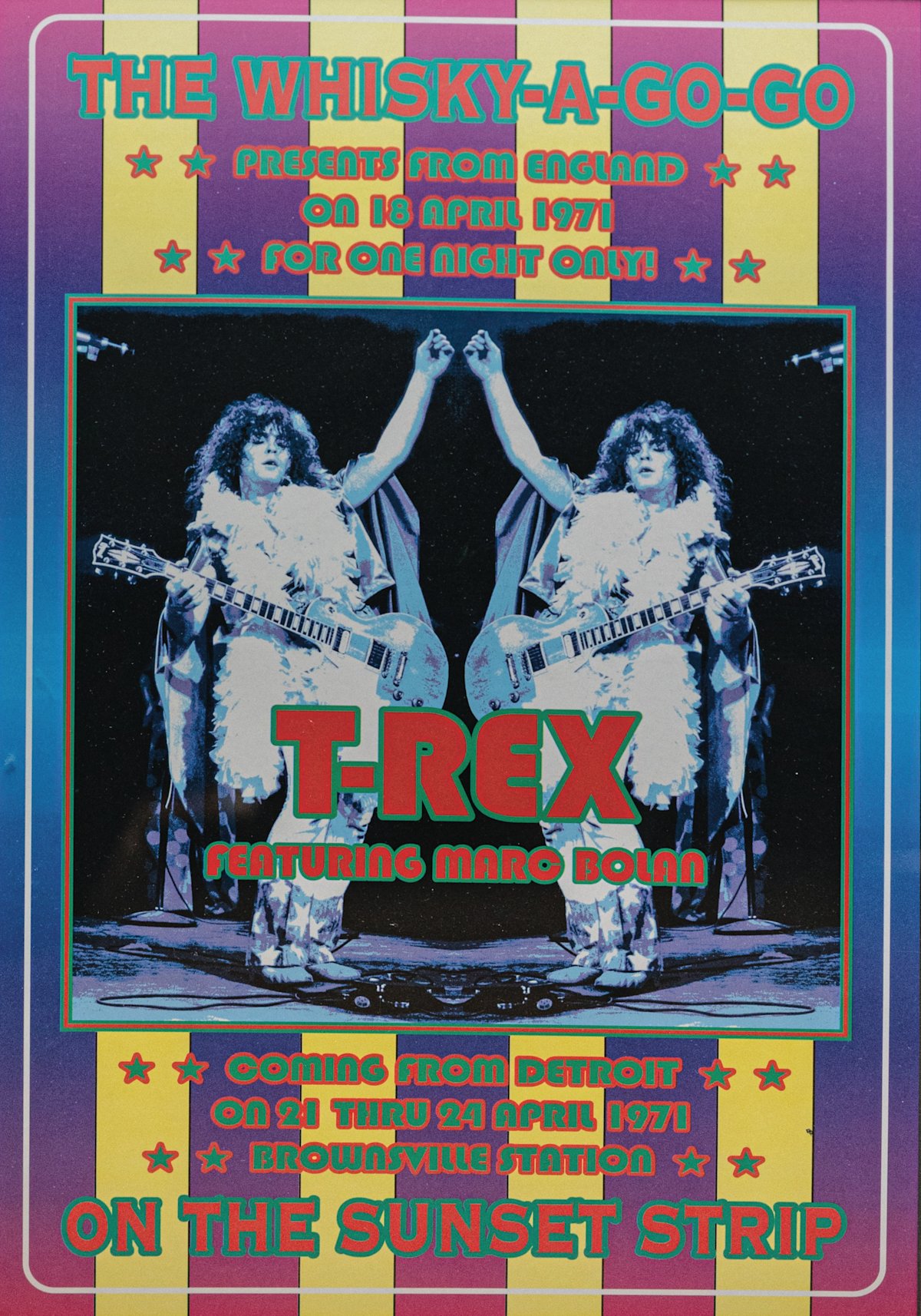
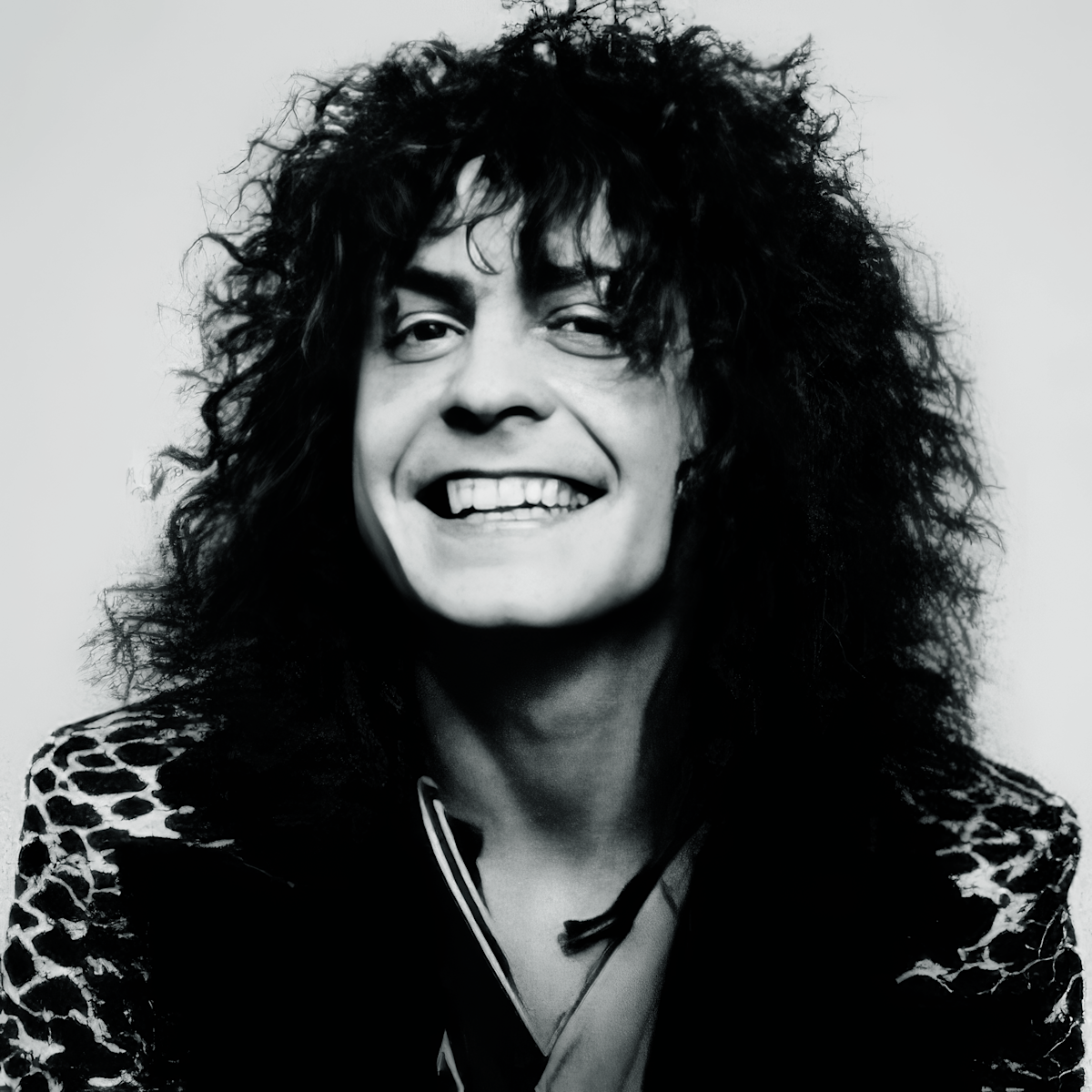
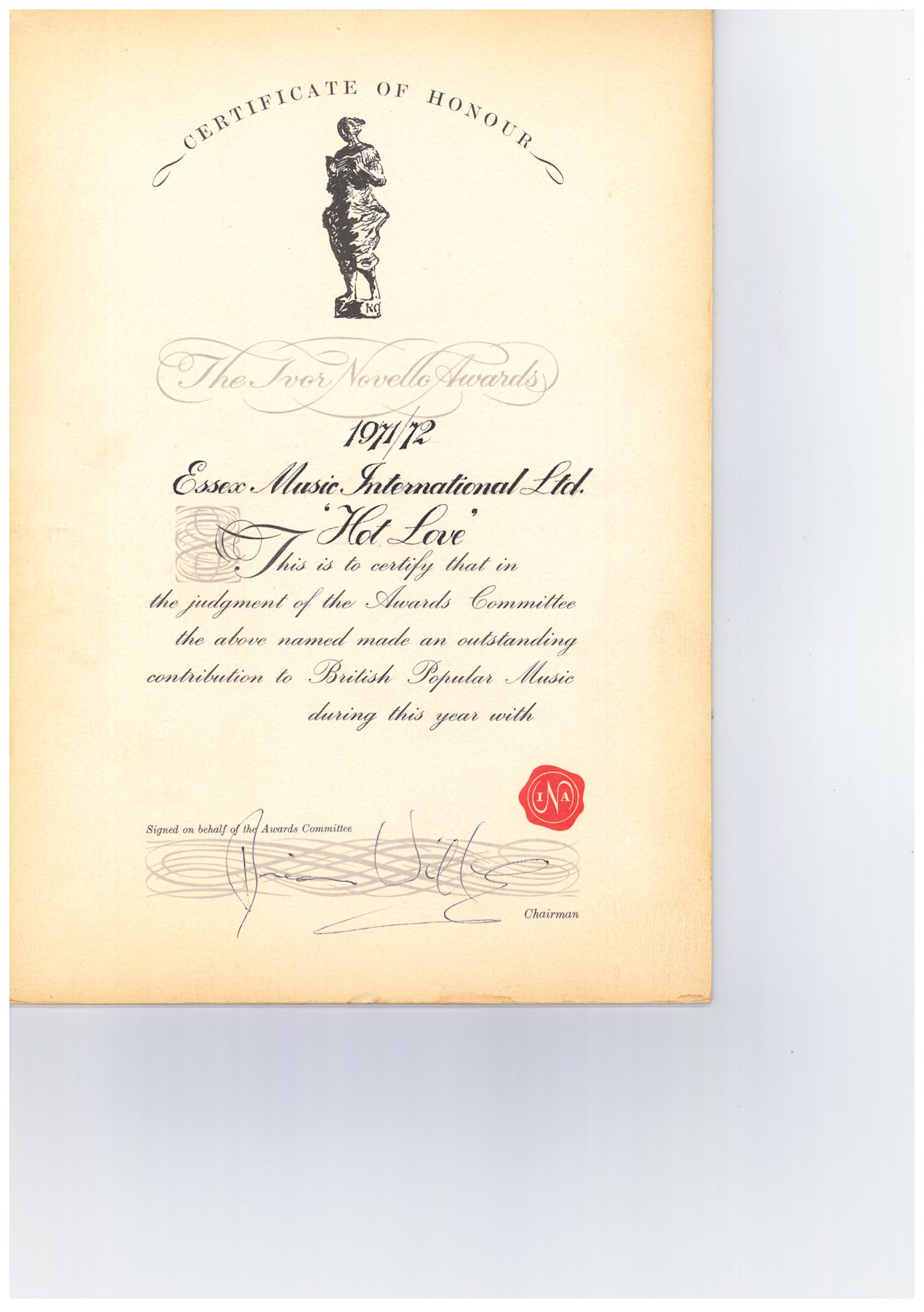
In the early to mid-1970s, Marc Bolan and T. Rex reached huge success with fourteen top 20 UK hits, including "Jeepster," "Bang a Gong (Get It On)," "Ride a White Swan," "Hot Love," and "Cosmic Dancer." During this period, the band also released six UK top 30 albums, including "Electric Warrior," which reached the top of the album charts. With their success on radio and on record, the band became regulars on Peel Sessions on BBC radio and toured Britain’s student union halls.
T. Rex vastly influenced the glam rock, punk rock, and Britpop genres. Their early acoustic material was influential in helping to bring about progressive rock and 21st-century folk music-influenced singers. Though Marc Bolan’s early material was rock and roll-influenced pop music, his writing progressed to dramatic and baroque songs with lush melodies and surreal lyrics filled with Greek and Persian mythology as well as poetic creations of his own.
Marc Bolan was tragically killed in a car accident in 1977. About Bolan’s death, Bowie said, “I’m terribly broken by it. He was my mate. The only tribute I can give Marc is that he was the greatest little giant in the world.”
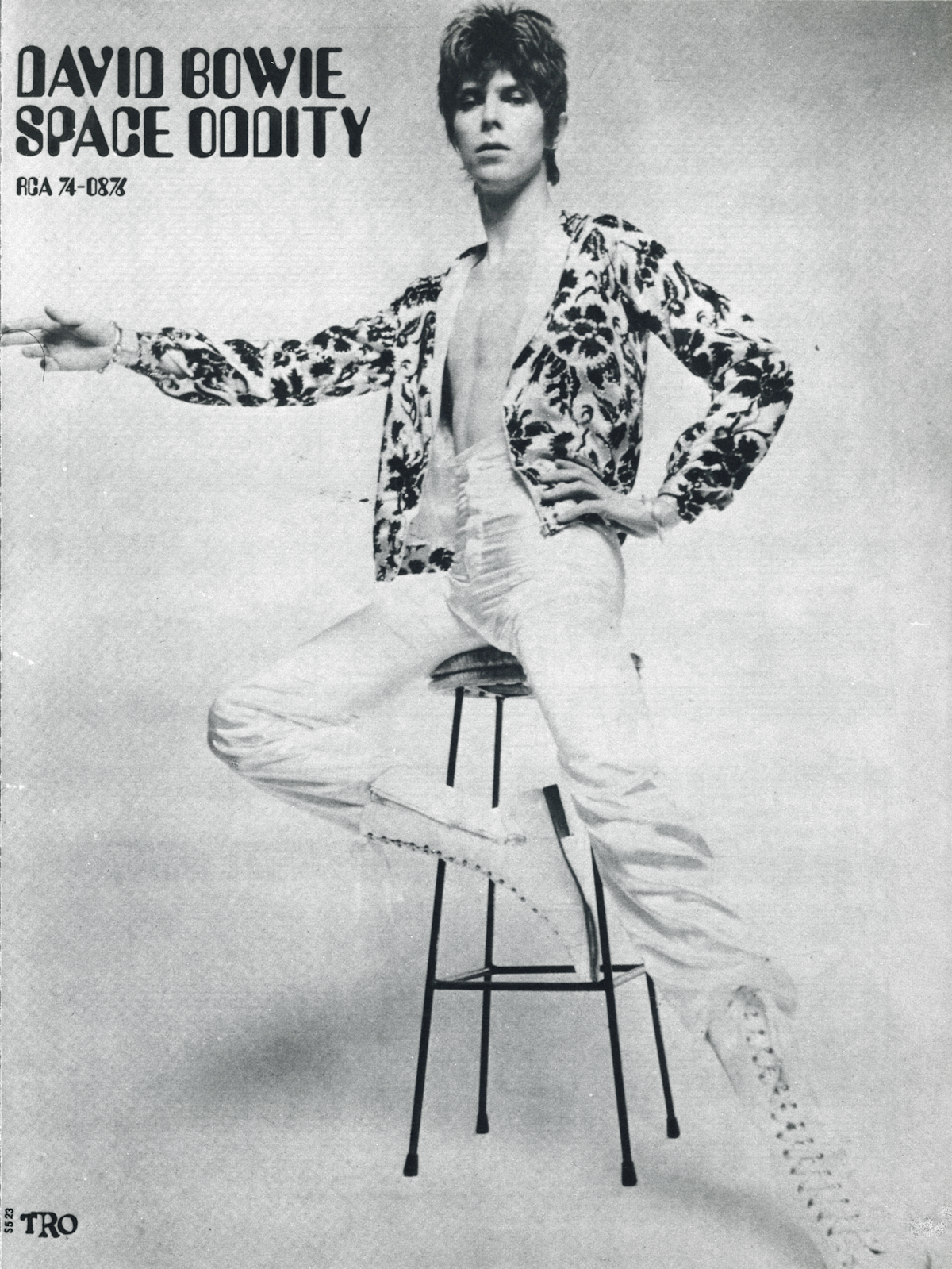
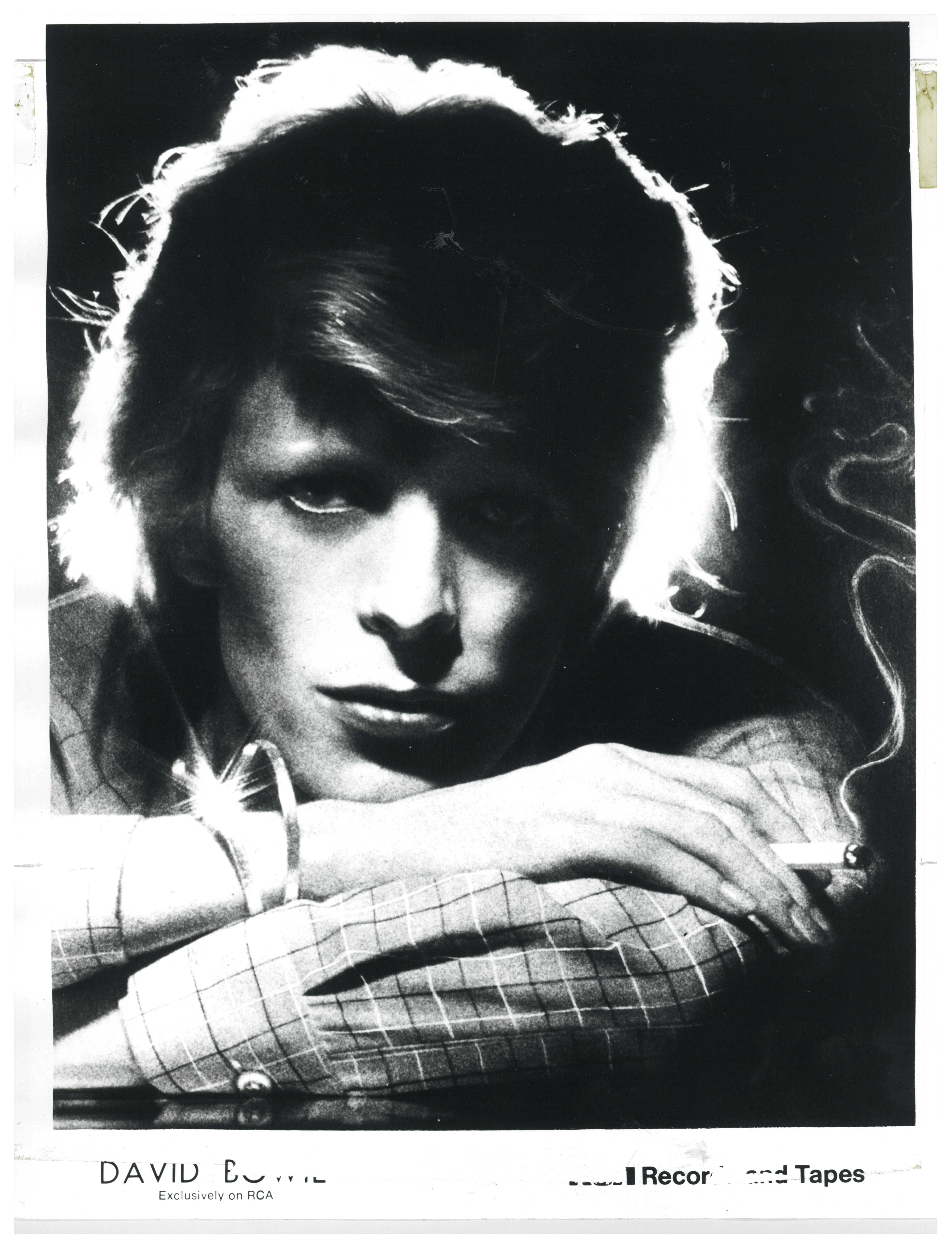
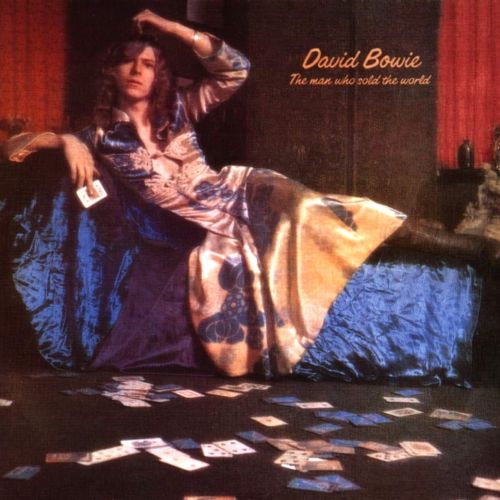
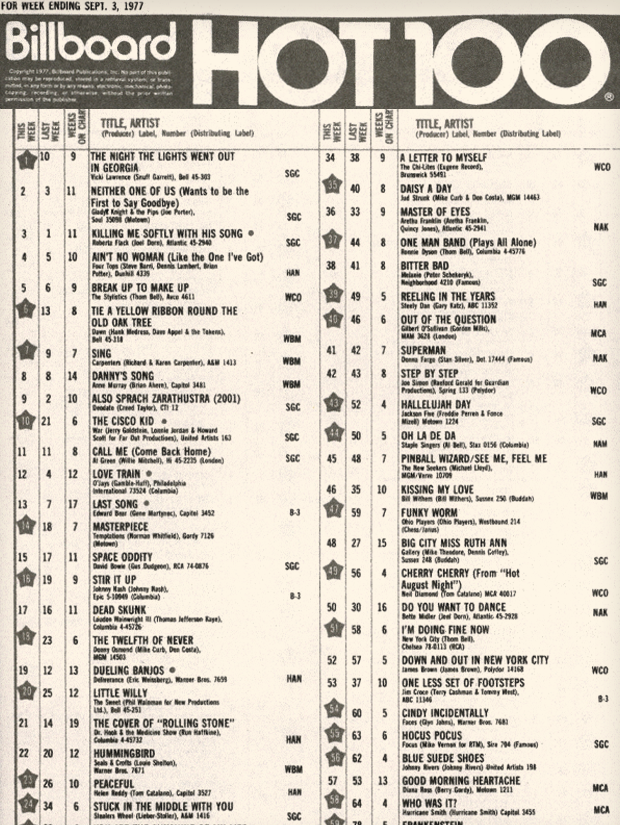
David Bowie’s "Space Oddity" was released in the United States in 1972 and hit No. 15 on the charts. He released his third album, "The Man Who Sold the World," in 1970. This album was more rock than his self-titled album and "Space Oddity." Although this album was originally a commercial failure, it features the title track which Nirvana famously covered during their MTV Unplugged set in 1993.
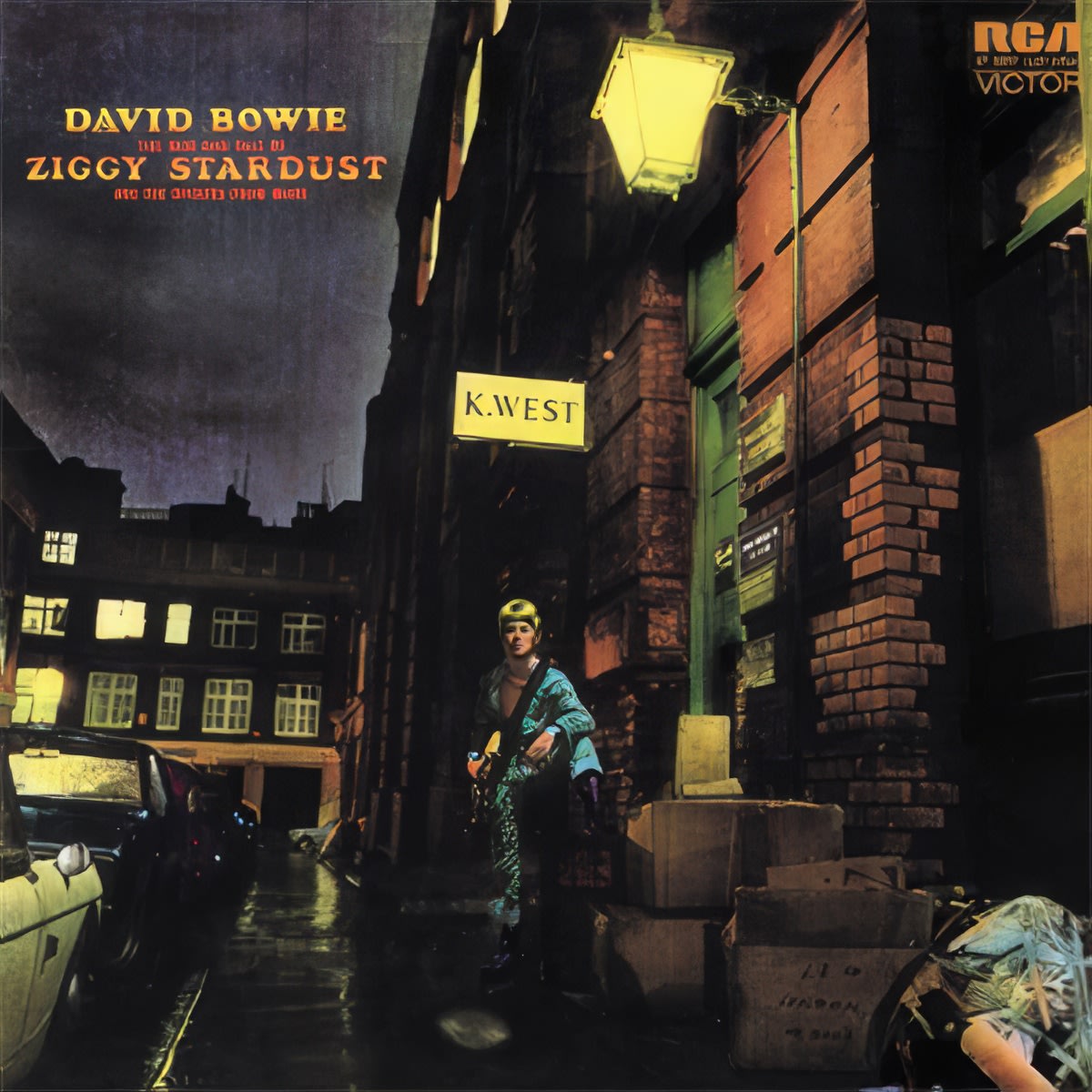
Bowie released "The Rise and Fall of Ziggy Stardust and the Spiders from Mars" in 1972, and it was Bowie’s creation of a “doomed rockstar.”
During this time, Bowie dressed in crazy costumes portraying Ziggy Stardust, and on the last show of the US Ziggy Tour, Bowie made a shocking announcement: the show was going to be the group's last show ever. Bowie needed to “kill” the character after portraying him for so long in concerts, interviews, and more. Bowie also did not want to be known by just one creation. So with just one announcement, Ziggy Stardust and the Spiders from Mars fell as quickly as they rose. Bowie’s next album, "Aladdin Sane," released in 1973, also featured a glam rock style.
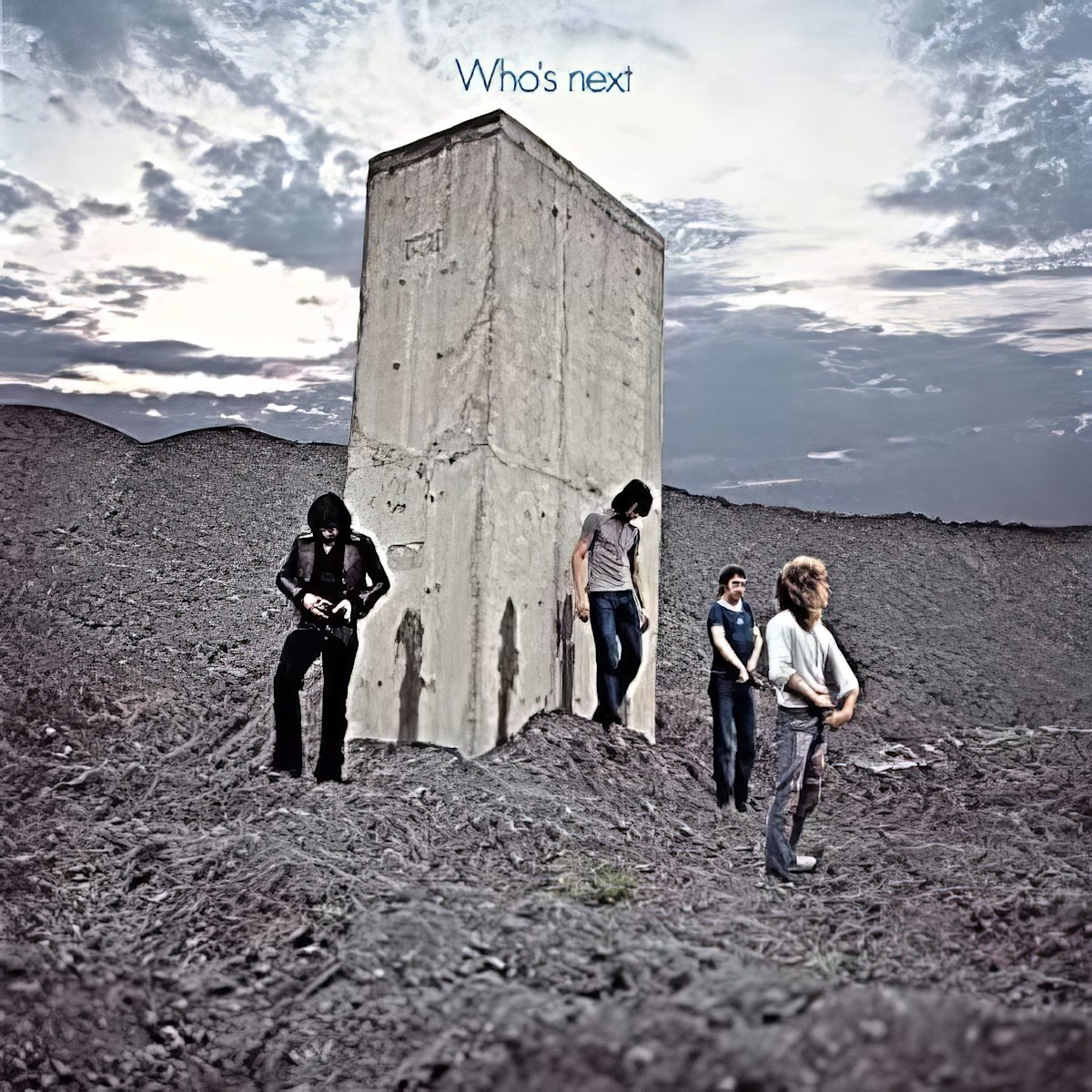
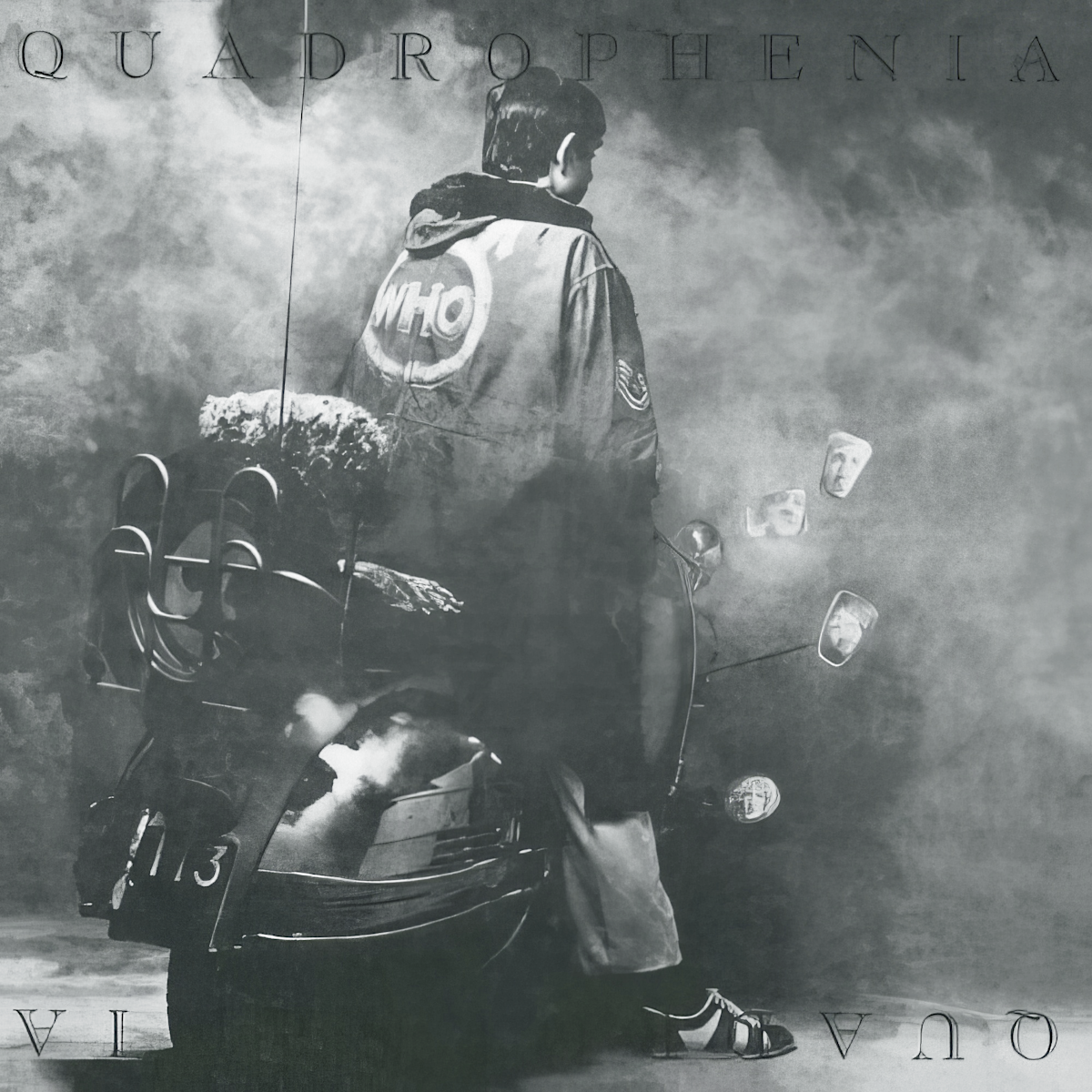
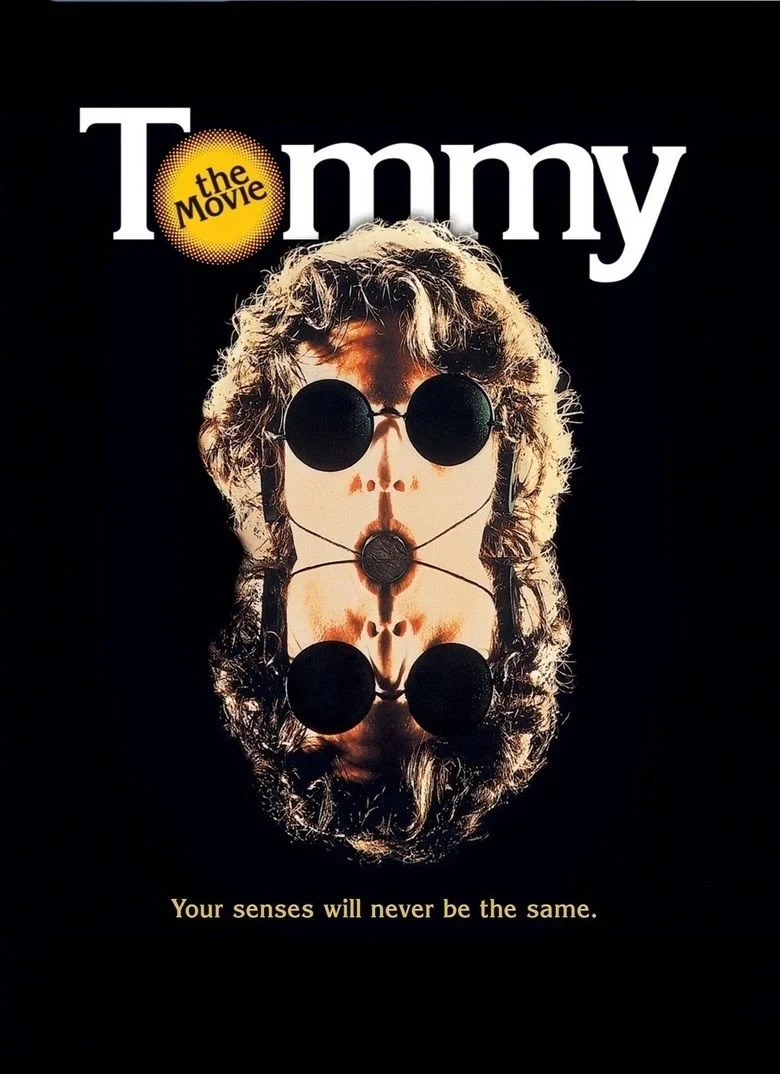
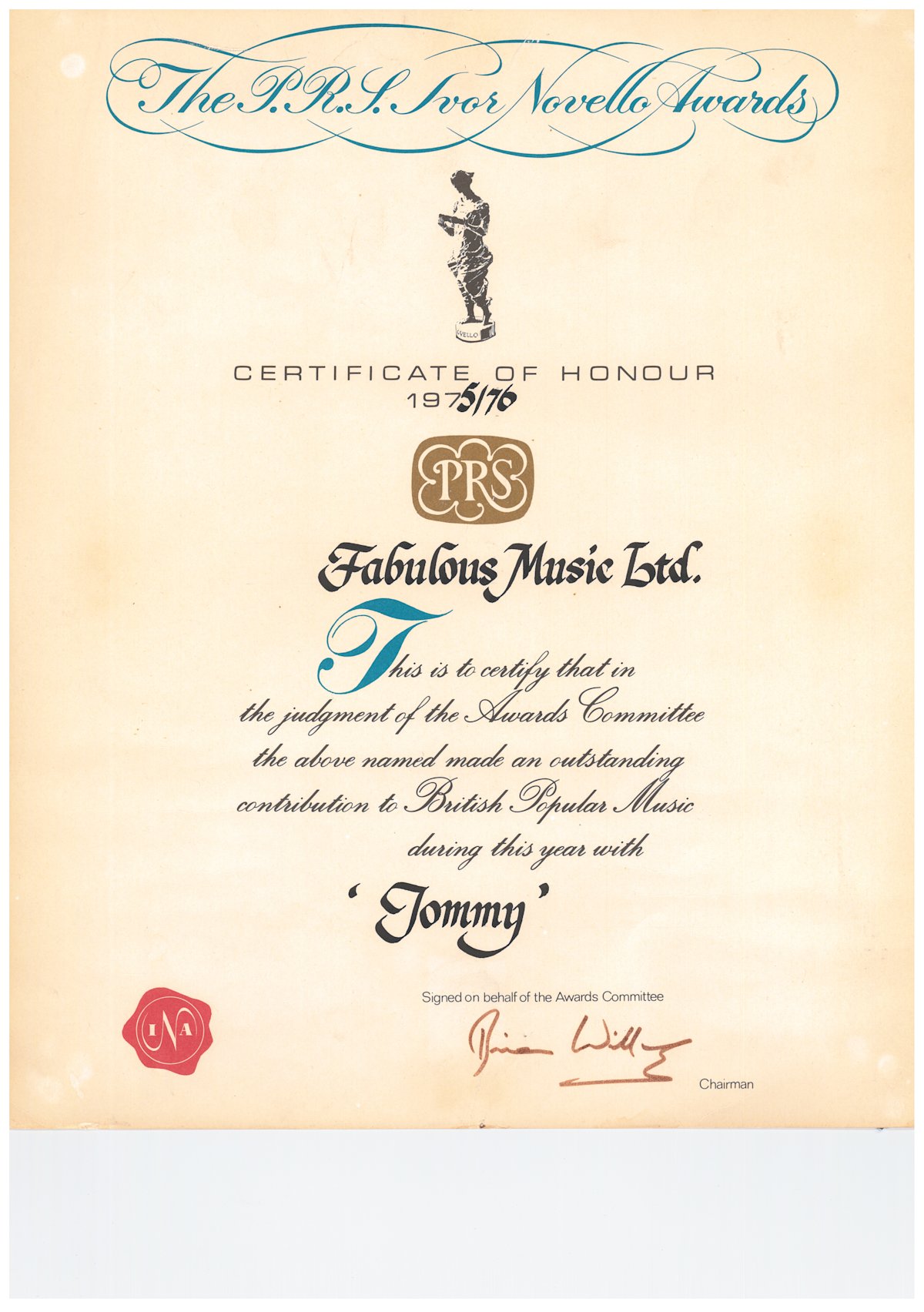
The Who released "Live at Leeds" in 1970, followed by the hit record "Who’s Next," which included "Baba O’Riley," "Bargain," "Behind Blue Eyes," and "Won’t Get Fooled Again." Townshend began writing songs for another rock opera in 1973 entitled "Quadrophenia." It was the only Who album written and produced entirely by Townshend, and it became their highest charting cross-Atlantic success, reaching No. 2 in the UK and US. Townshend’s film version of "Tommy" premiered in 1975, earning him an Academy Award nomination for his scoring of the film.
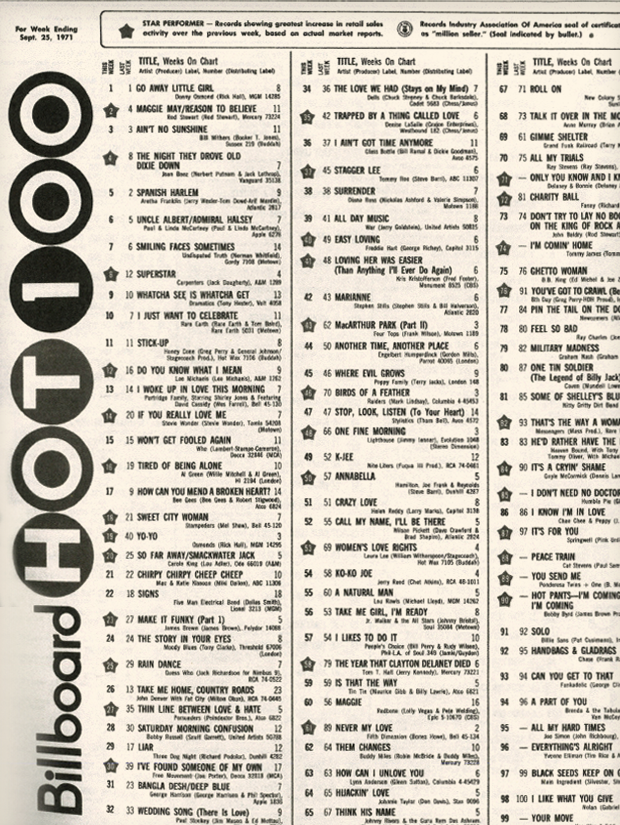
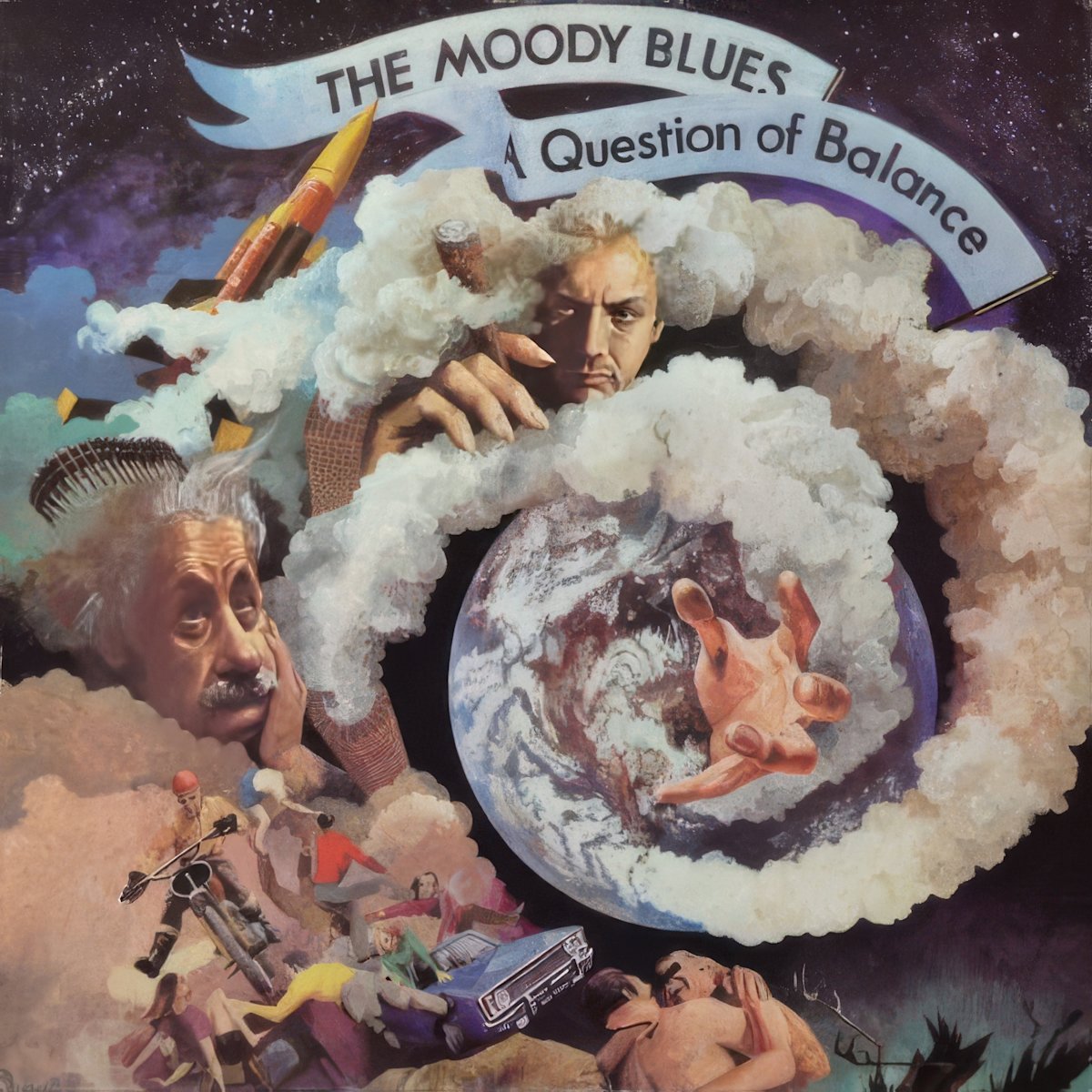
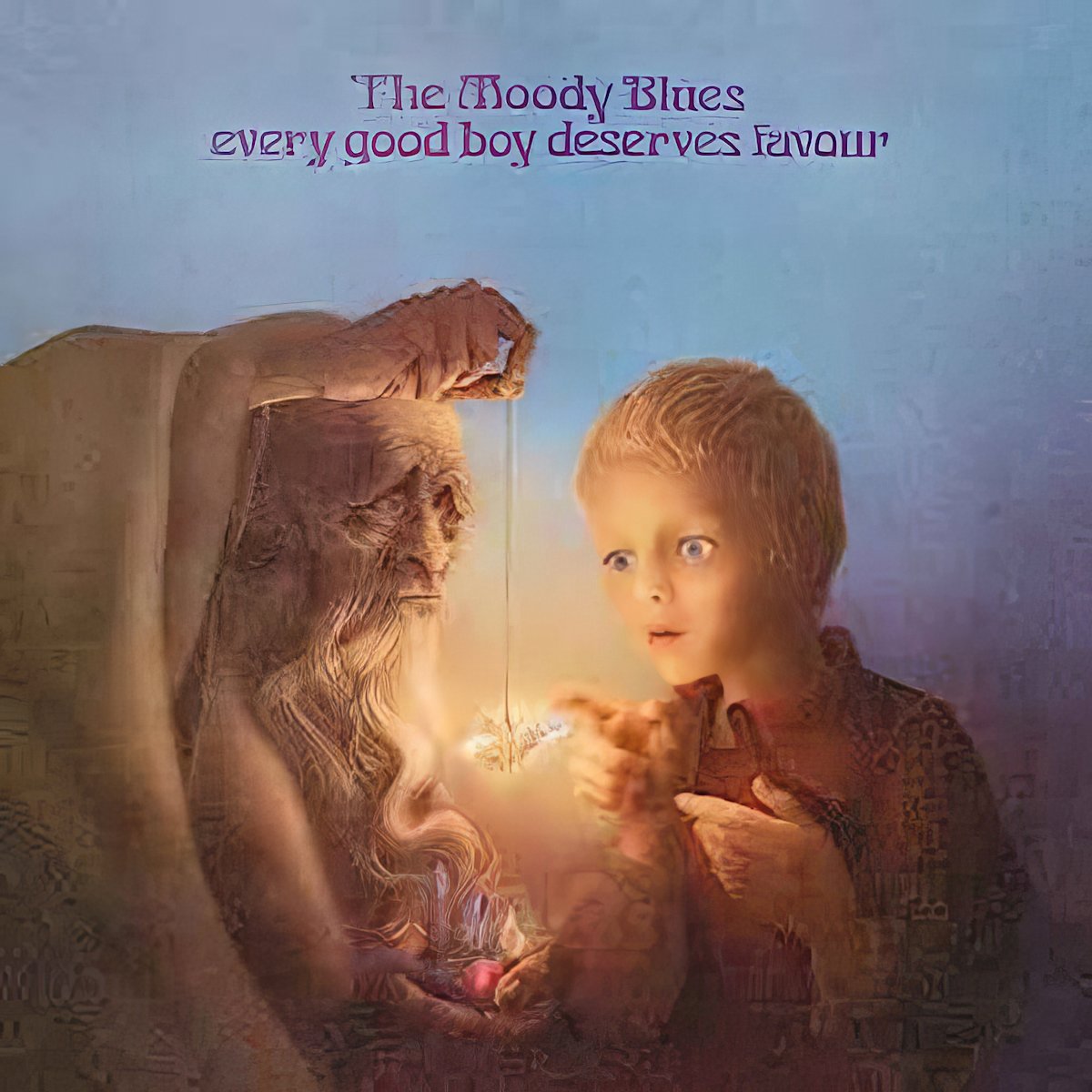
Justin Hayward and The Moody Blues’ "A Question of Balance" (1970) reached No. 3 in America and No. 1 in Britain, and Hayward’s "Question" was a number two hit in the UK. The Moody Blues returned to their signature orchestral sound for their next two albums, "Every Good Boy Deserves Favour" (1971), which featured "The Story in Your Eyes," and "Seventh Sojourn" (1972), which reached No. 1 in the US.
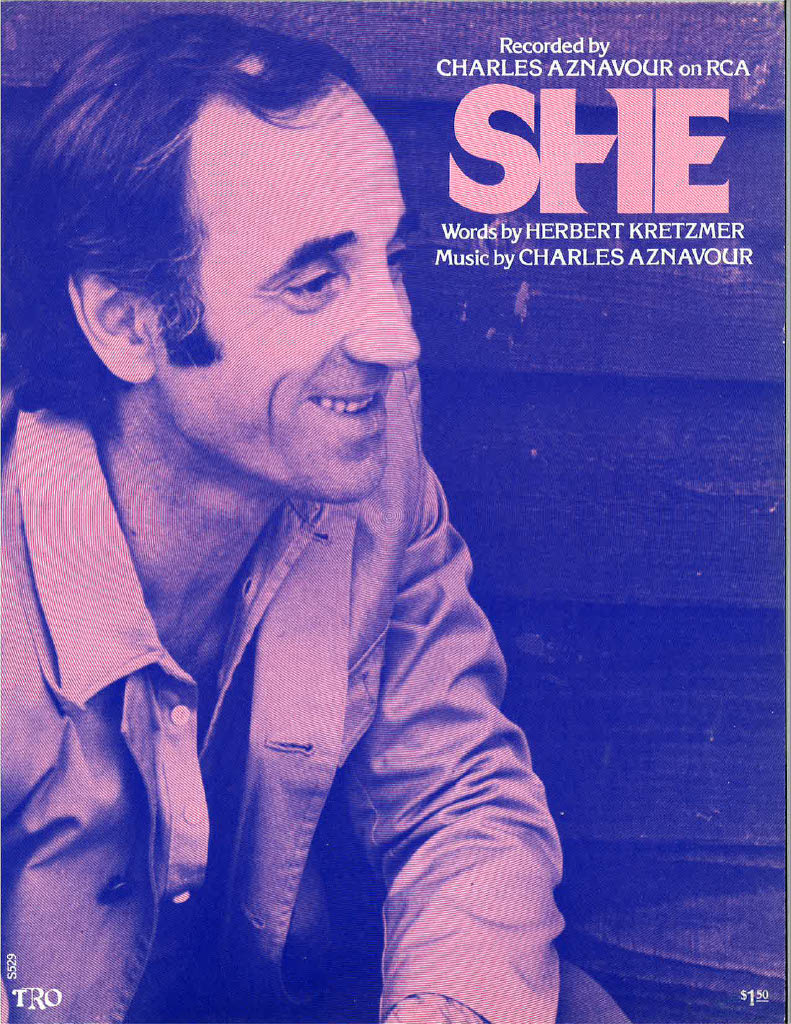
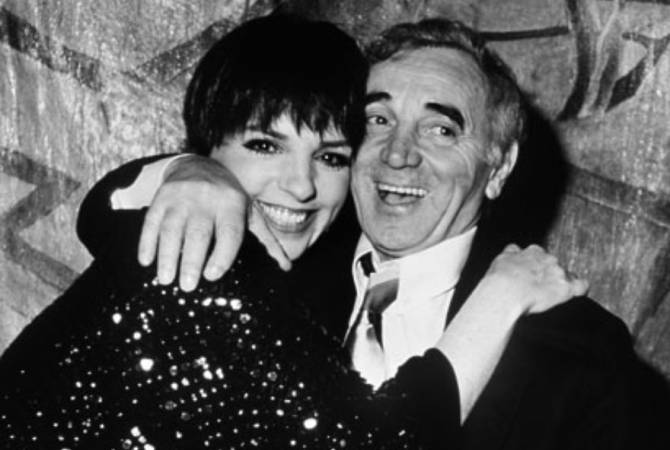
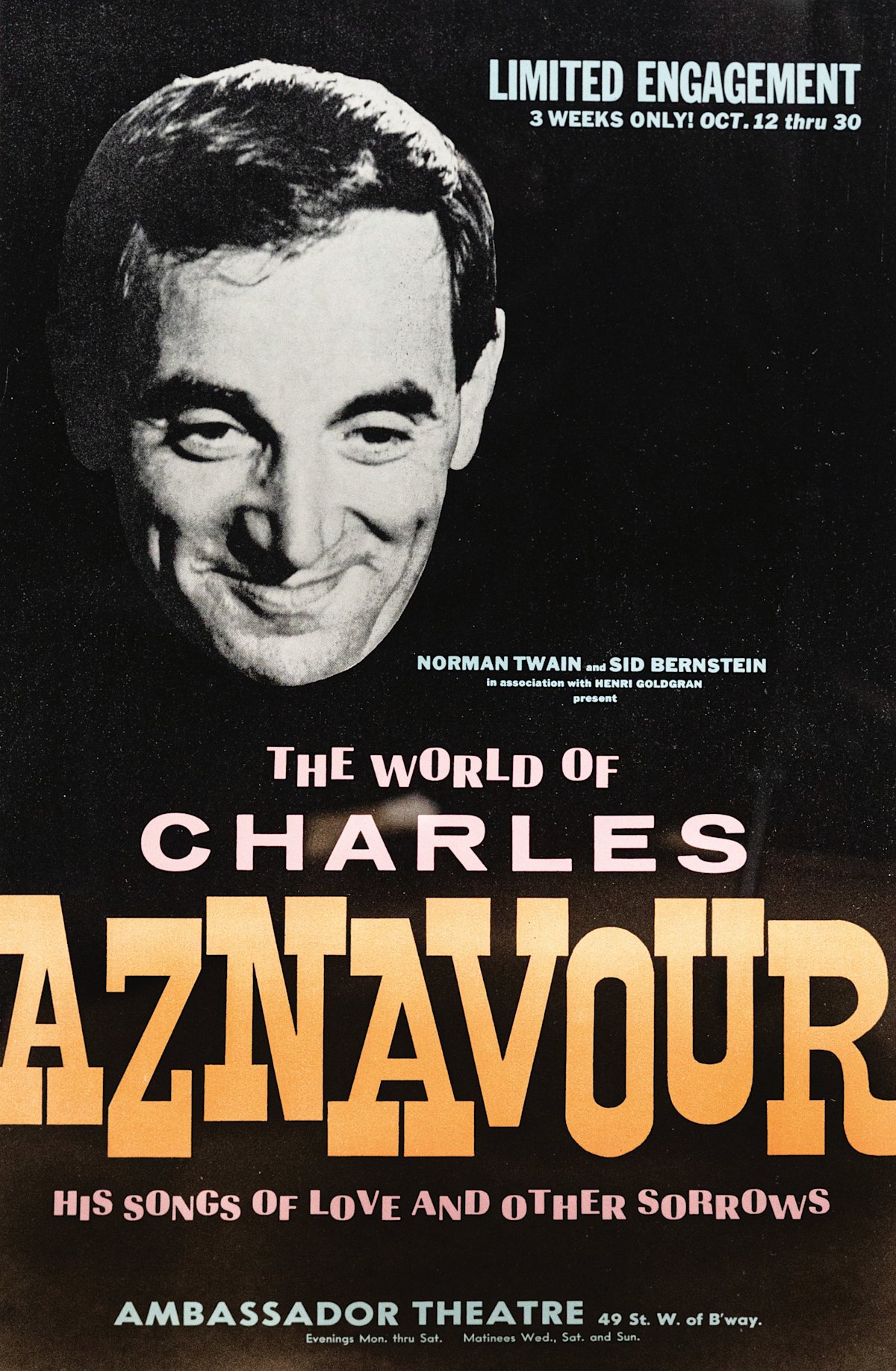
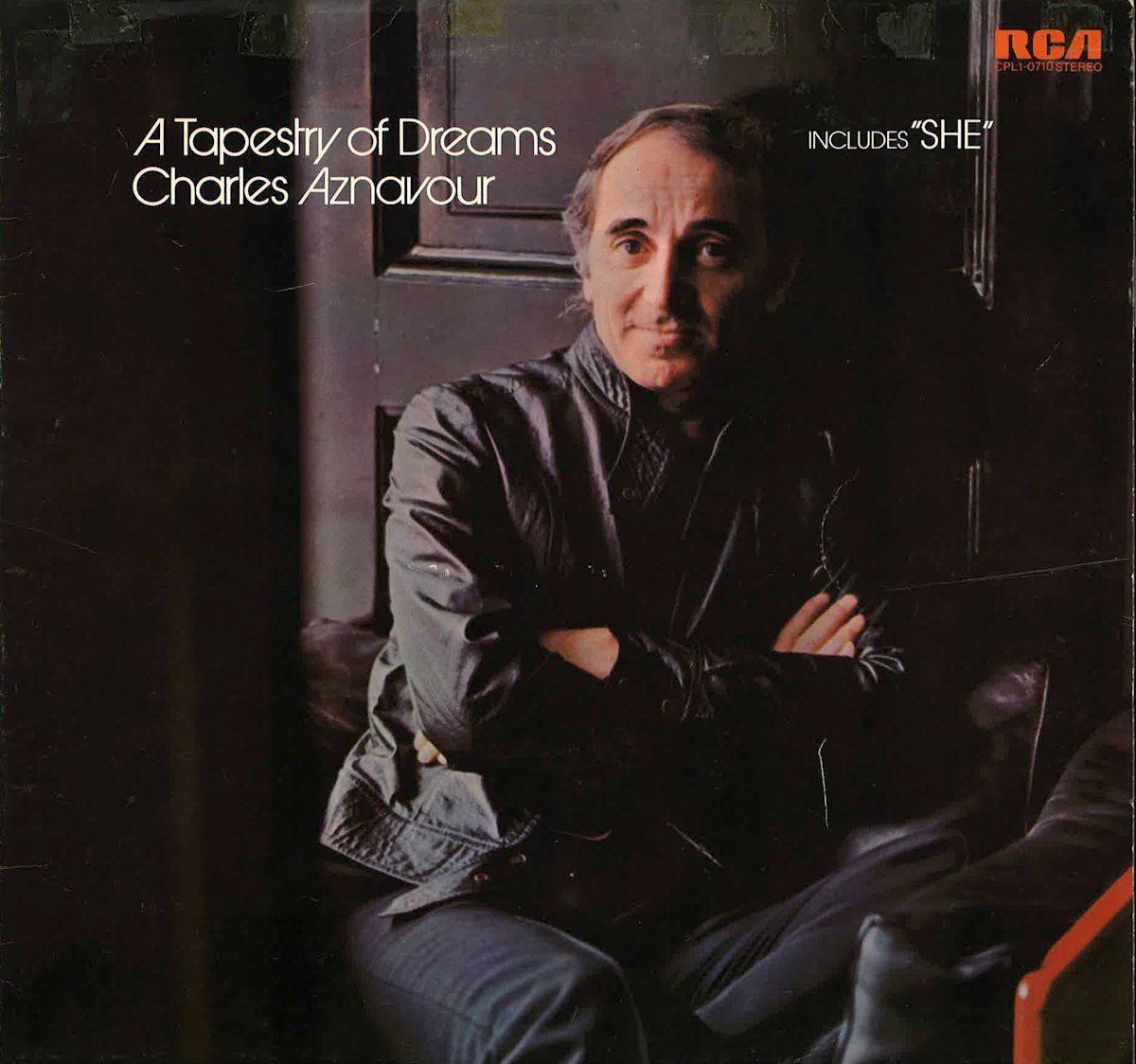
In 1972, Aznavour released his 23rd studio album, "Idiote je t’aime...," which contained two of his classics - "Les Plaisirs Démodés" ("Old-Fashioned Pleasures") and "Comme Ils Disent" ("As They Say"). It was in 1974, however, when Aznavour’s hit "She" reached No. 1 on the UK Singles Chart. His other well-known song, "The Old-Fashioned Way," was on the UK charts for 15 weeks. Aznavour often collaborated and performed with other prominent artists of the time, including Fred Astaire, Frank Sinatra, Andrea Bocelli, Bing Crosby, Ray Charles, Bob Dylan, Liza Minnelli, and more.
When Bob Dylan was asked who some of his favorite musicians were, he stated, “I like Charles Aznavour a lot. I saw him in sixty-something at Carnegie Hall, and he just blew my brains out.”
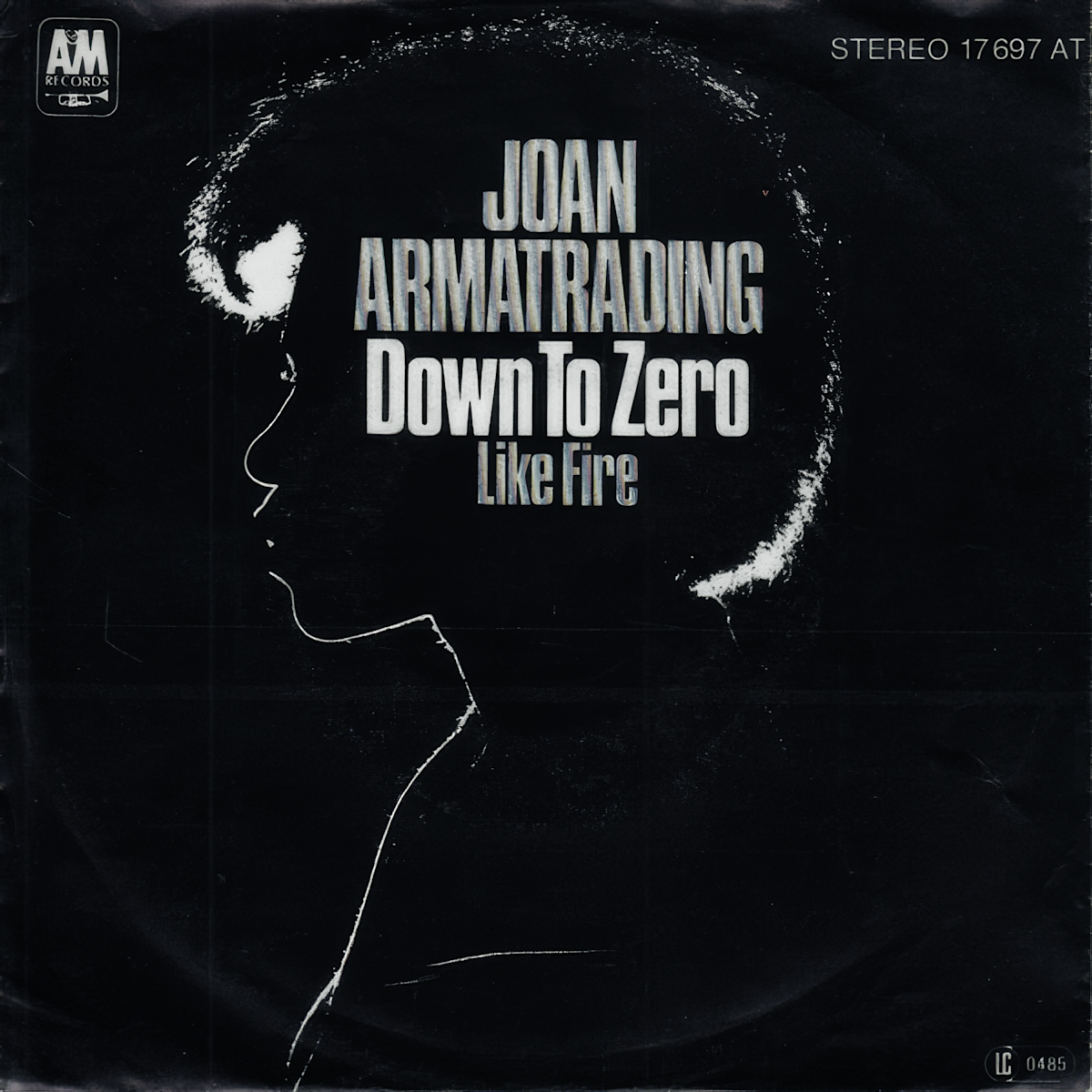
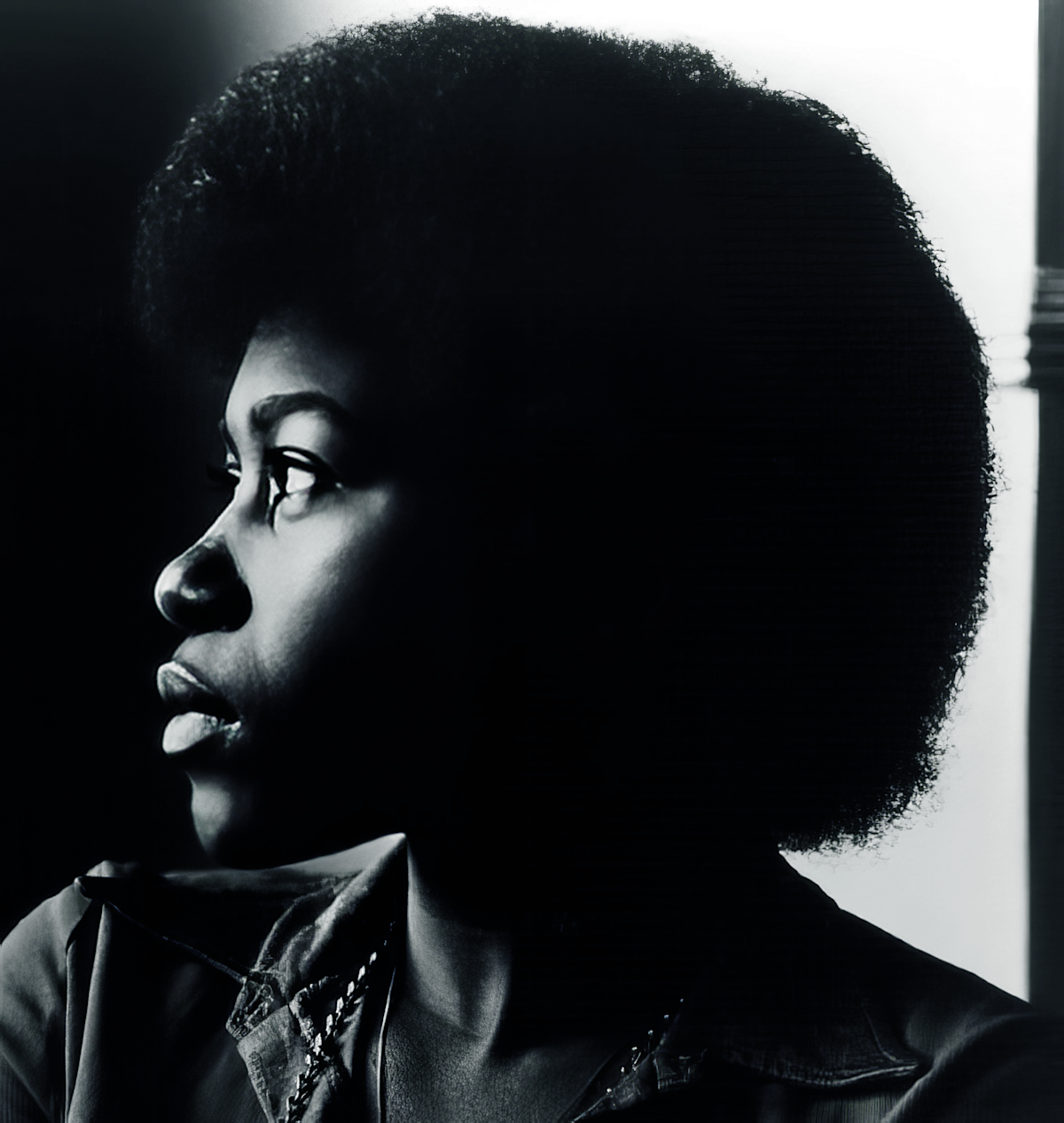
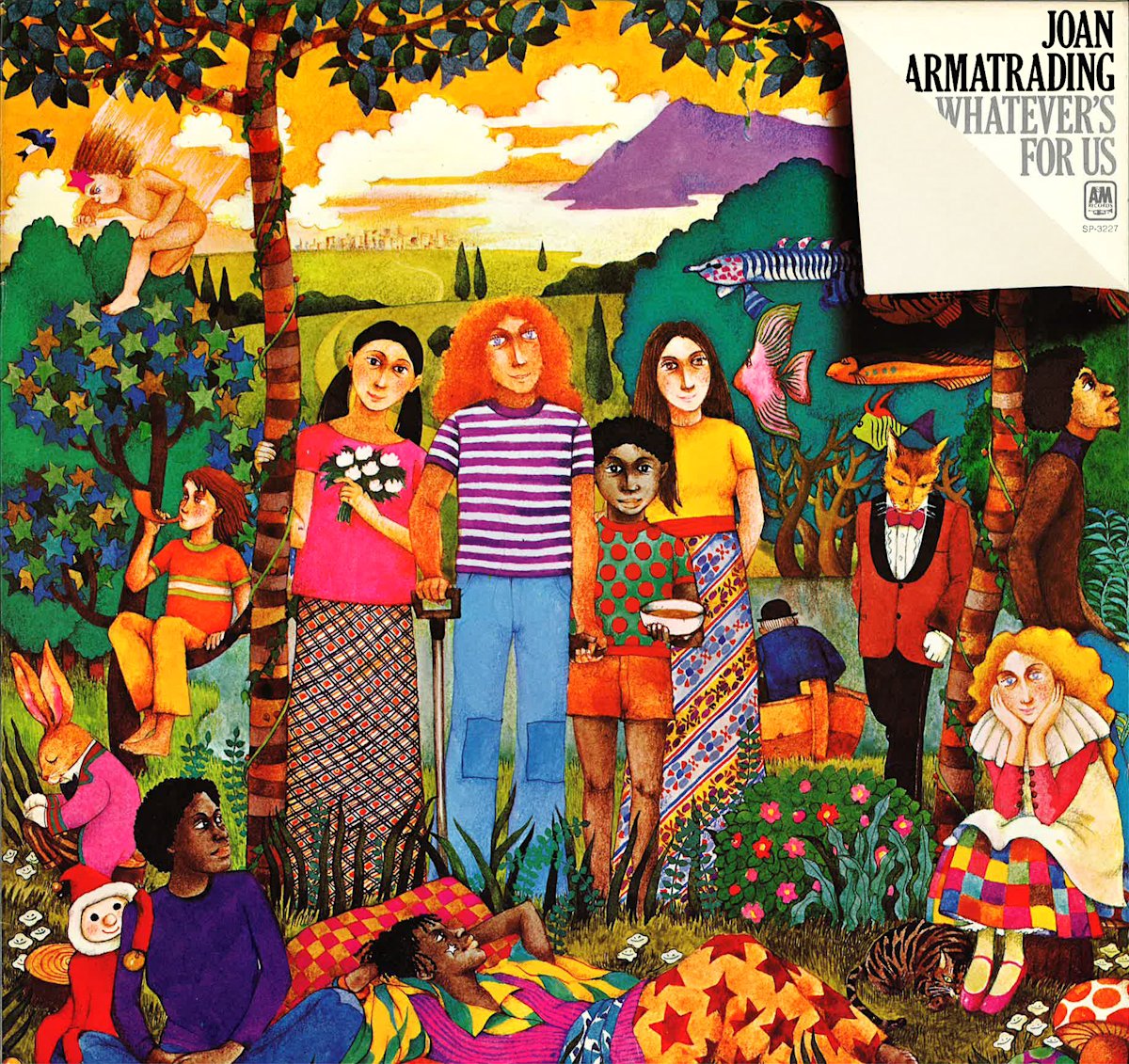
Joan Armatrading came to the catalog in the early 1970s. Armatrading’s debut album, "Whatever’s for Us," was released by Cube Records in 1972. In 1975, Armatrading released the album "Back to the Night," which she promoted on tour with a six-piece English jazz-pop group, The Movies.
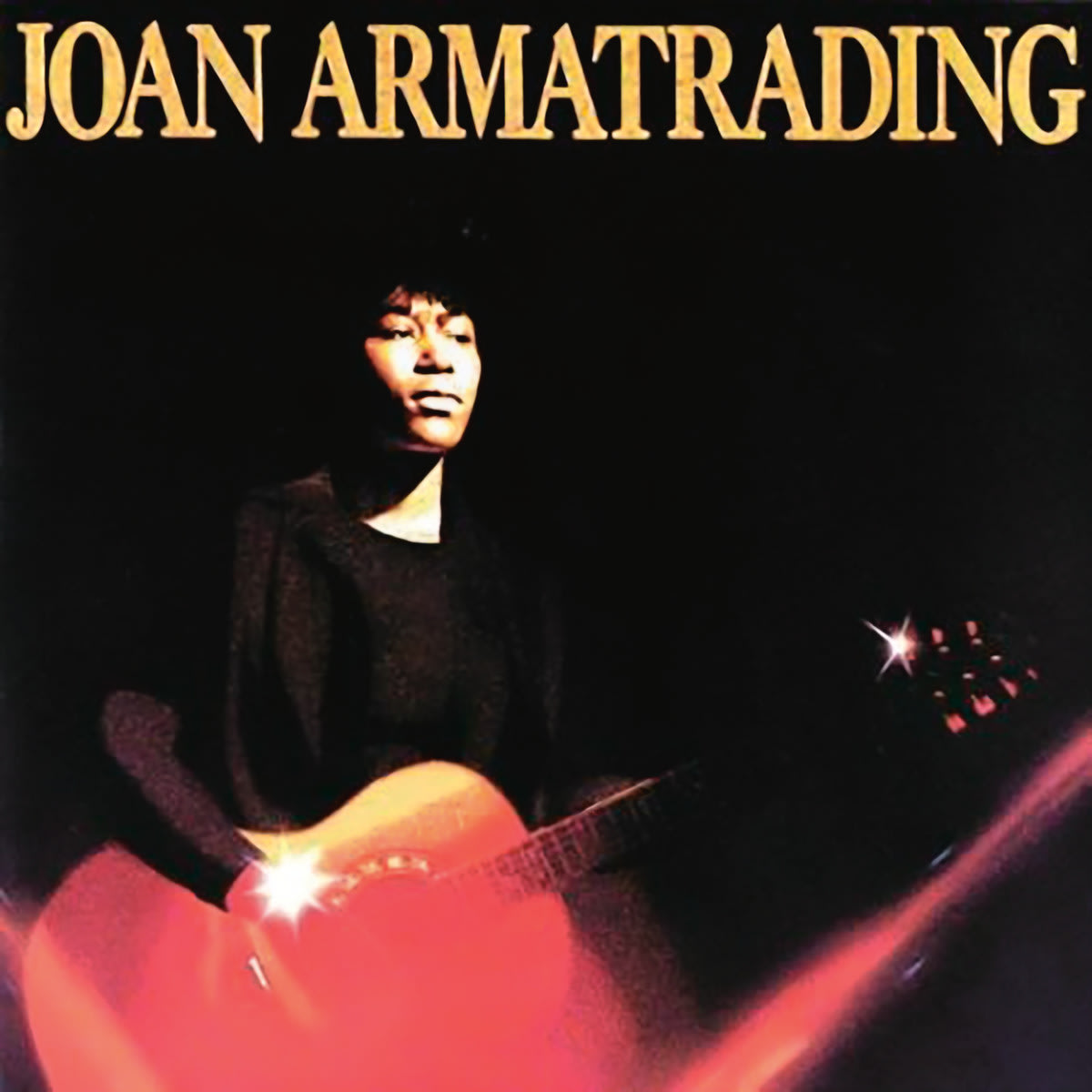
A major publicity relaunch in 1976 and the involvement of producer Glyn Johns propelled her next album, "Joan Armatrading," into the Top 20 and spawned the Top 10 hit single "Love and Affection." The album mixed acoustic work with jazz-influenced material, and this style was retained for the 1977 follow-up, "Show Some Emotion," also produced by Glyn Johns, as was 1978’s "To the Limit."
These albums included songs that became staples of Armatrading’s live shows, including "Down to Zero" and "Tall in the Saddle." Between 1972 and 1976, Armatrading made a total of eight appearances in sessions for the John Peel show, and the decade saw her become the first Black British female singer-songwriter to enjoy international success. On 14 May 1977, Armatrading appeared as the musical guest on NBC’s Saturday Night Live, performing "Love and Affection" and "Down to Zero."
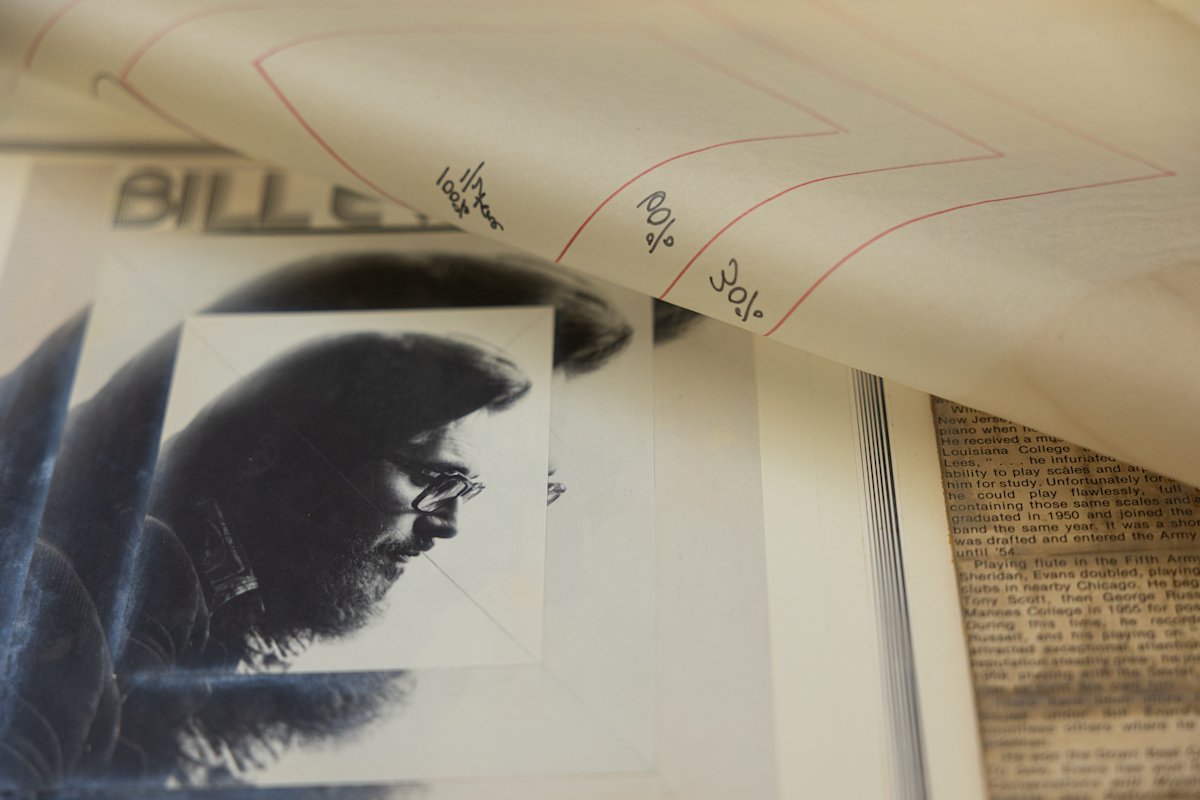
Between May and June 1971, Bill Evans recorded "The Bill Evans Album," which won two Grammy awards. Other albums included "The Tokyo Concert" (1973); "Since We Met" (1974); and "But Beautiful" (1974), featuring the trio plus saxophonist Stan Getz in live performances from the Netherlands and Belgium. During the mid-1970s, Bill Evans collaborated with the singer Tony Bennett on two critically acclaimed albums: "The Tony Bennett/Bill Evans Album" (1975) and "Together Again" (1977). It was Tony Bennett who initiated the collaboration with Bill Evans, and the two musicians had mutual respect for each other’s talent. Bill Evans passed away in 1980, leaving a legacy of new jazz techniques and musical interpretation that influenced generations that followed.
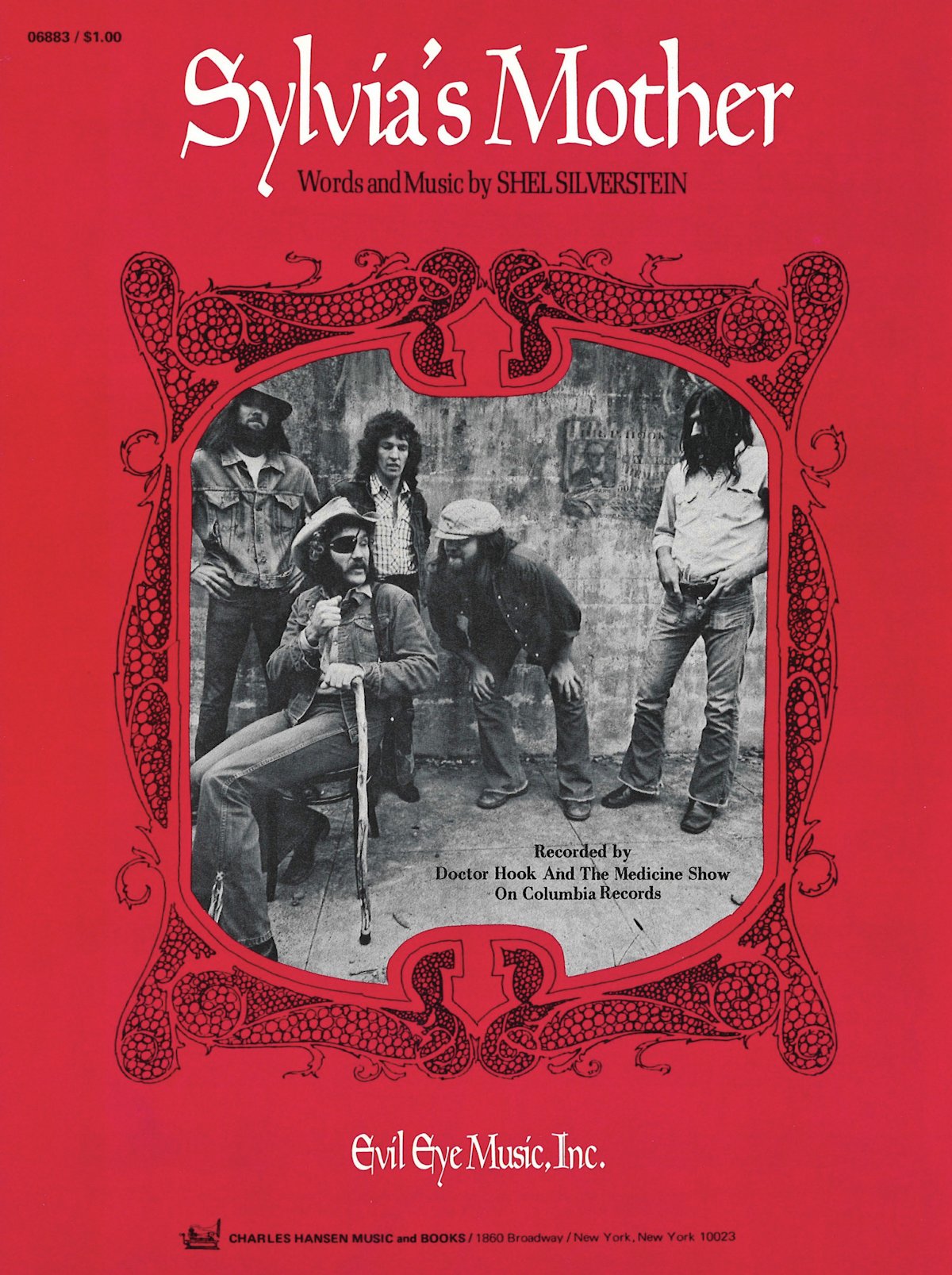
In 1972, Shel Silverstein wrote all the songs for Dr. Hook and The Medicine Show’s self-titled debut album, "Doctor Hook." The album sold over one million copies and was awarded a gold disc by the RIAA on August 2, 1972. The first single, "Sylvia’s Mother," became the band’s first million-seller and hit the top five in the summer of 1972. Silverstein continued to write songs for Dr. Hook, including their entire second album, "Sloppy Seconds," which featured "Freakin’ at the Freaker’s Ball" and "The Cover of the Rolling Stone."
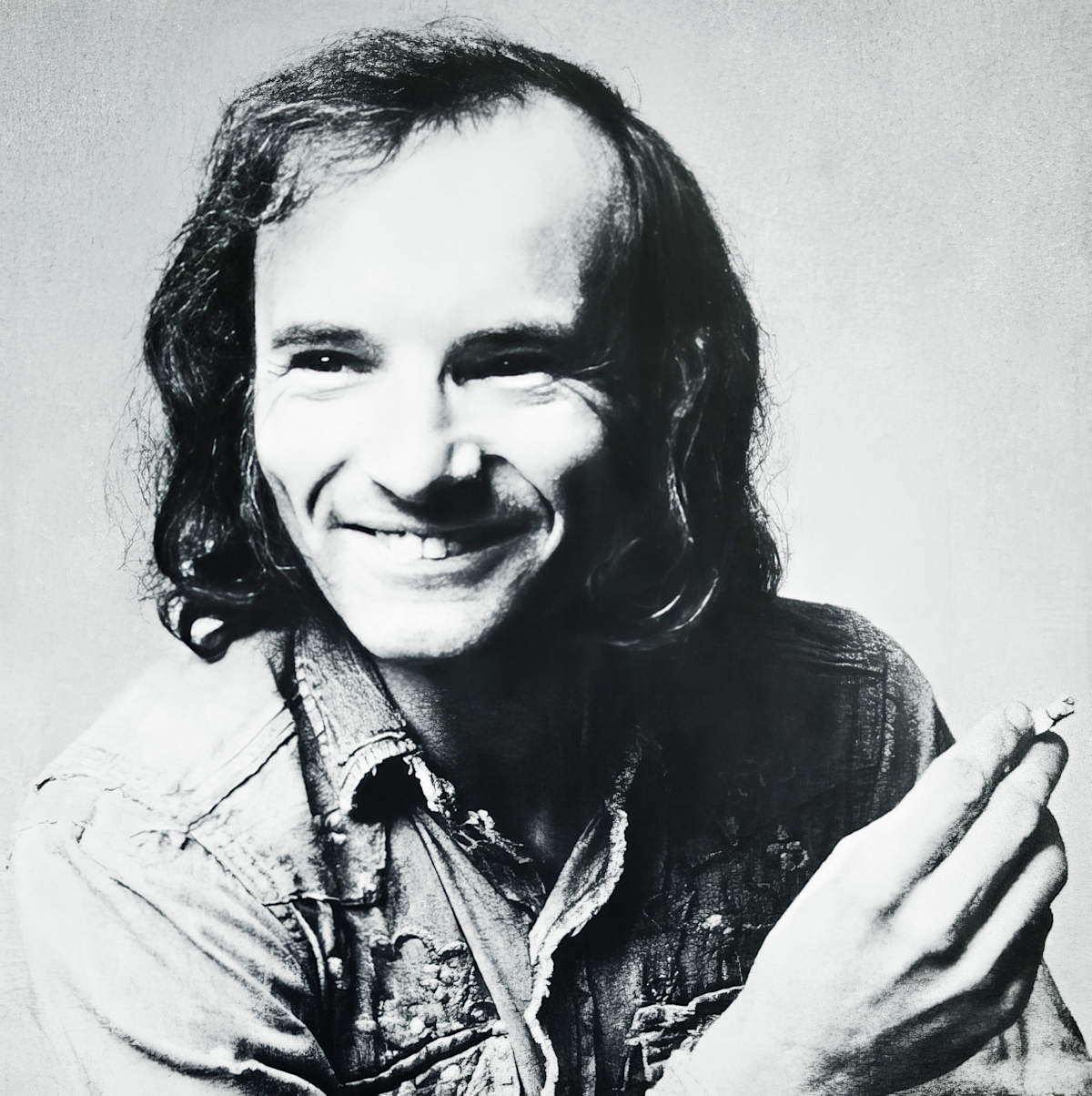
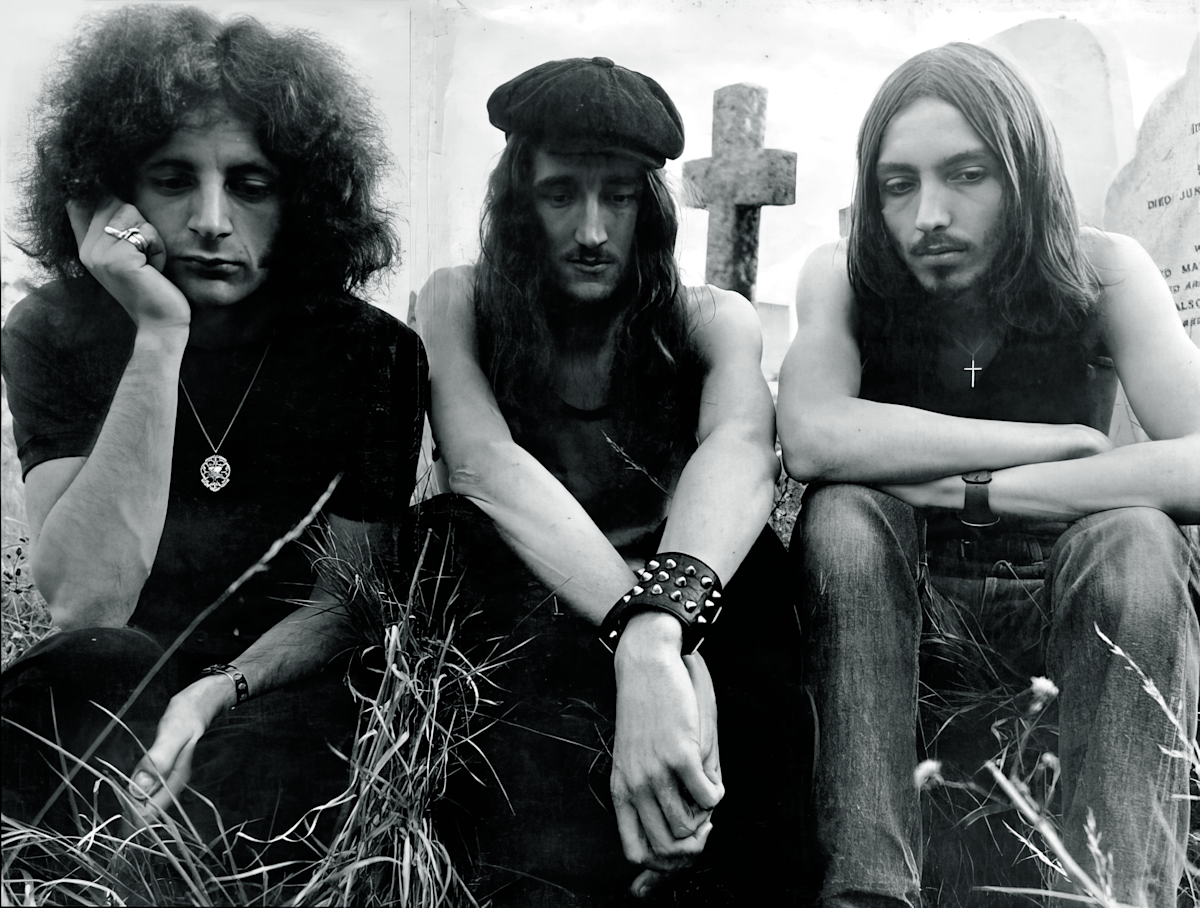
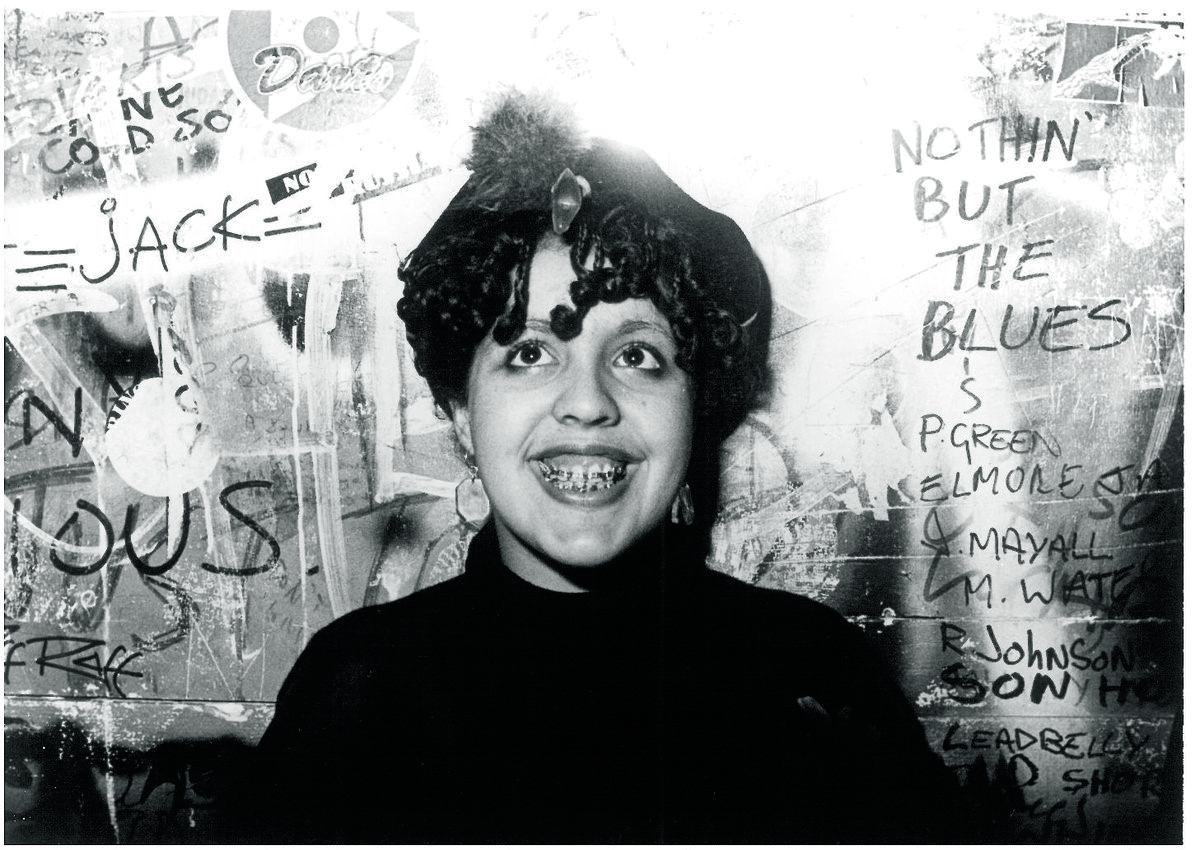
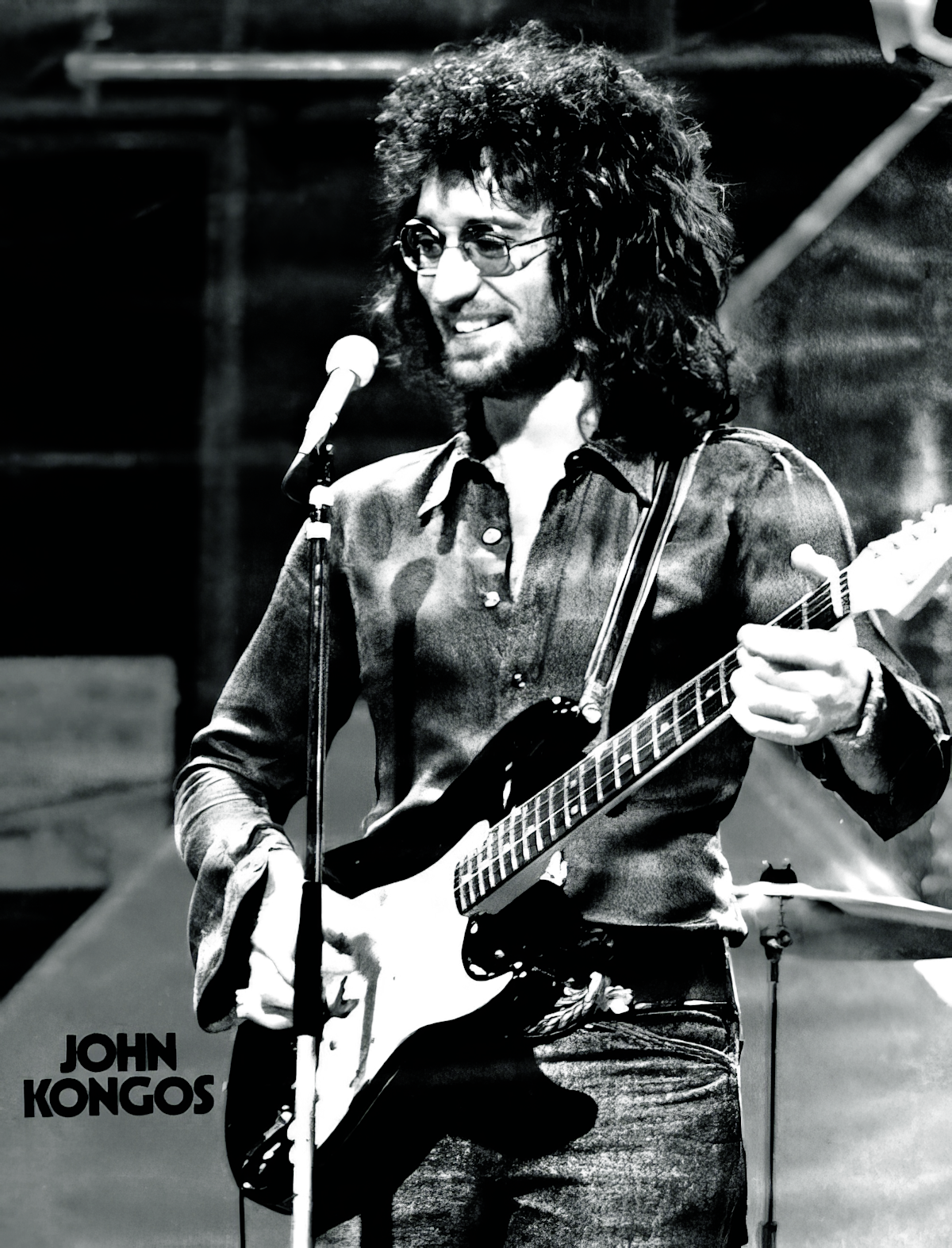
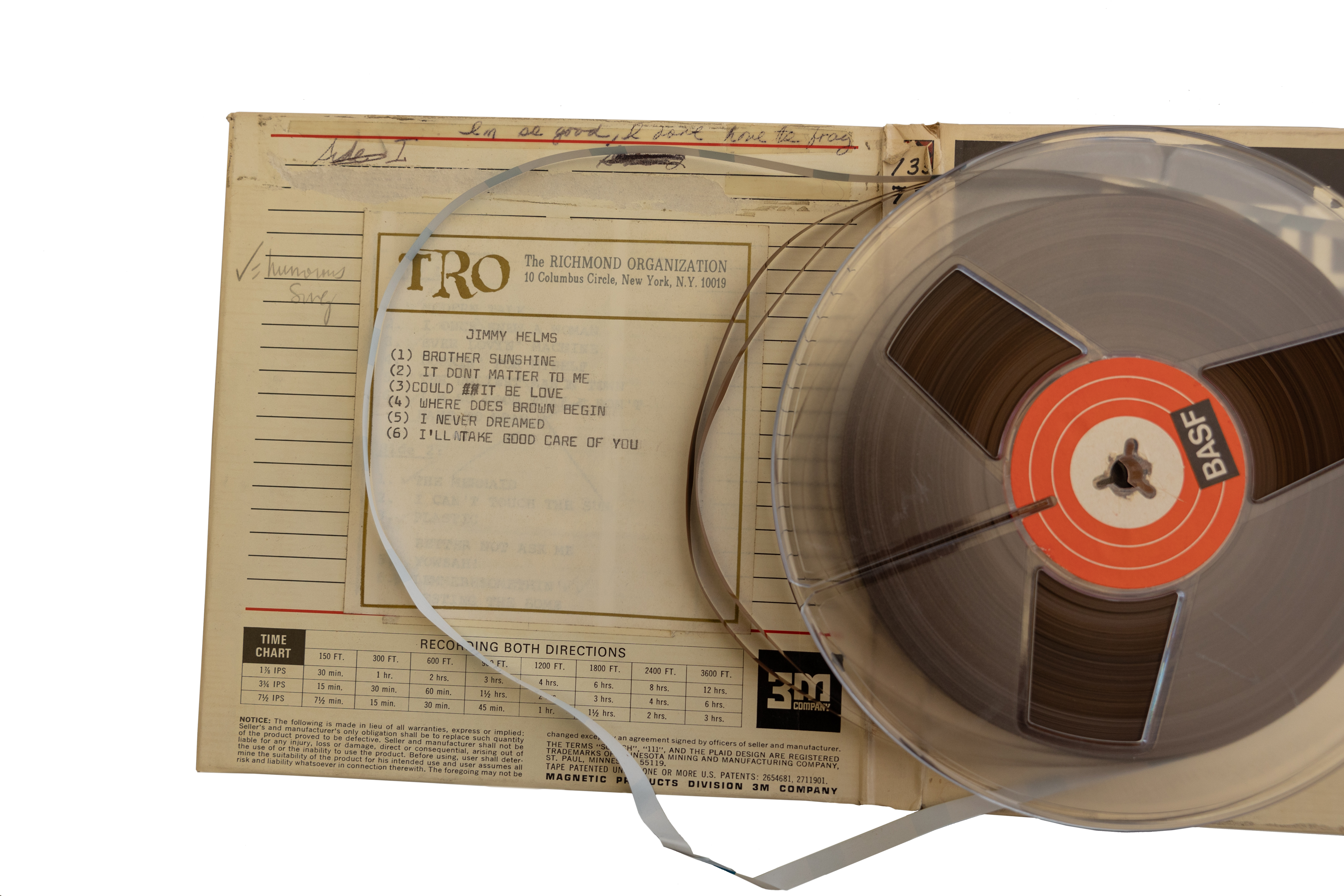
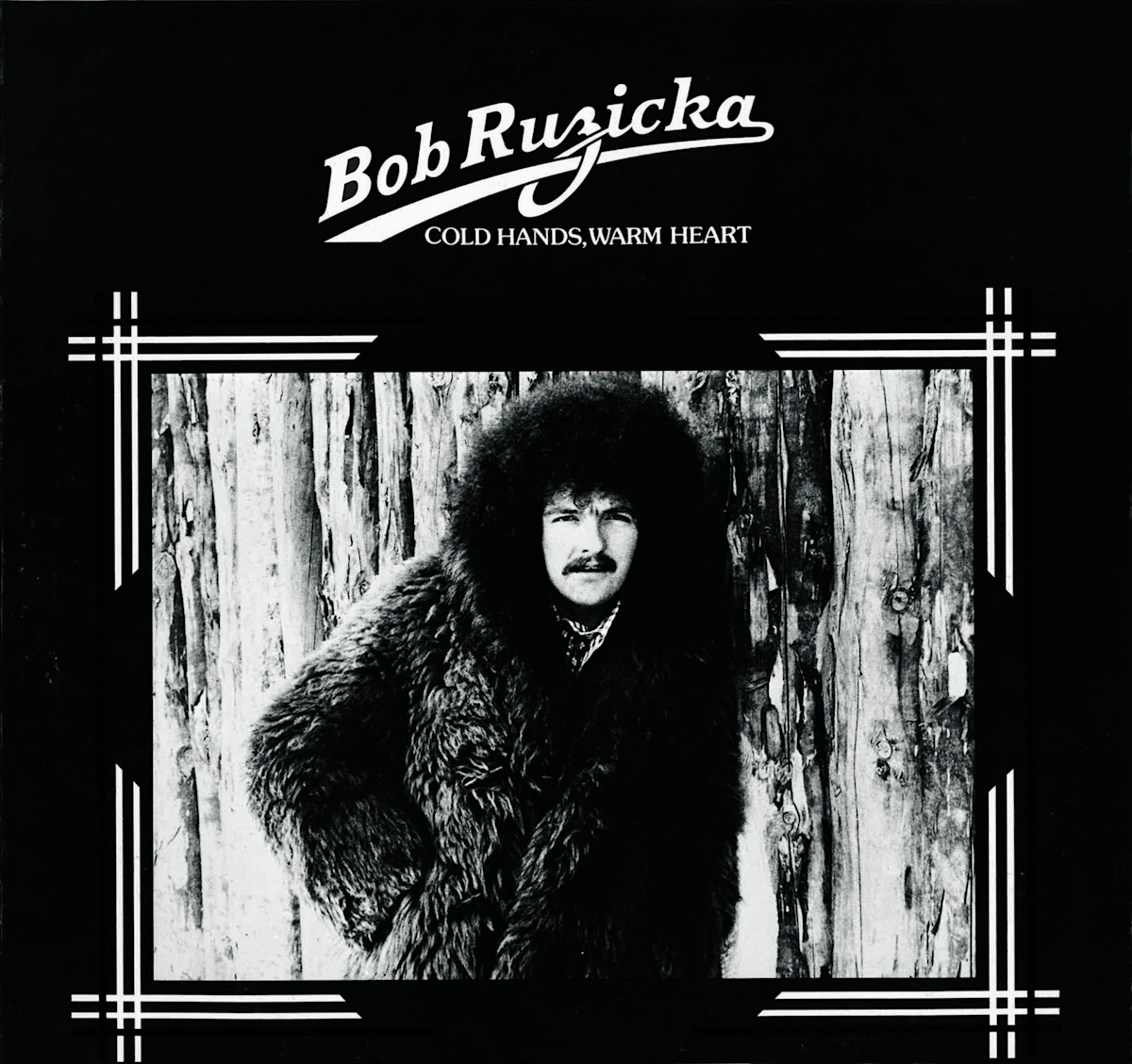
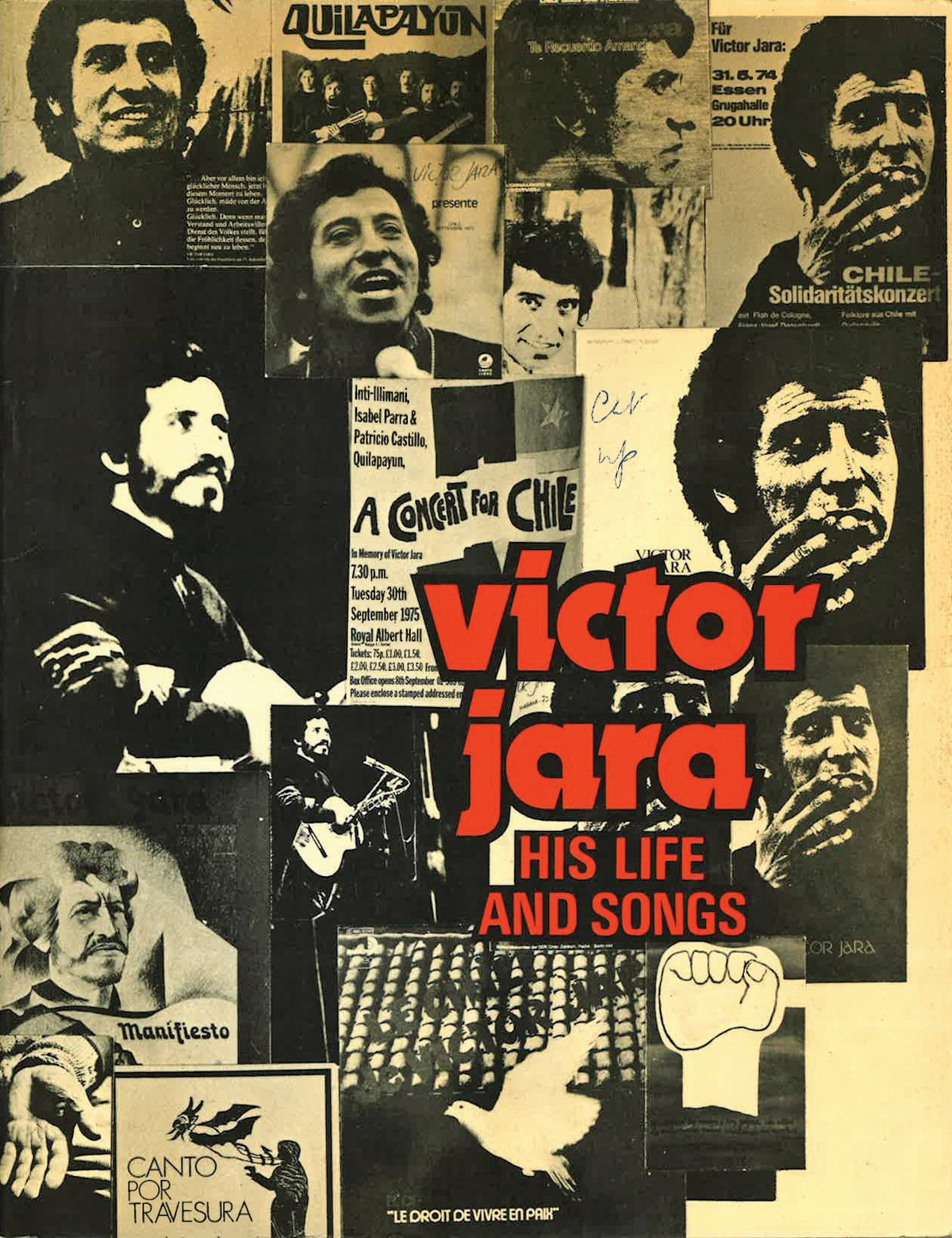
Other writers signed with TRO and Essex throughout the decade included Norma Tanega, Bob Ruzicka, John Kongos, Jimmy Helms, Michael Chapman, Mick Greene, Vincent Crane, and Poly Styrene, as well as South American singer-songwriters Violeta Parra and Victor Jara.
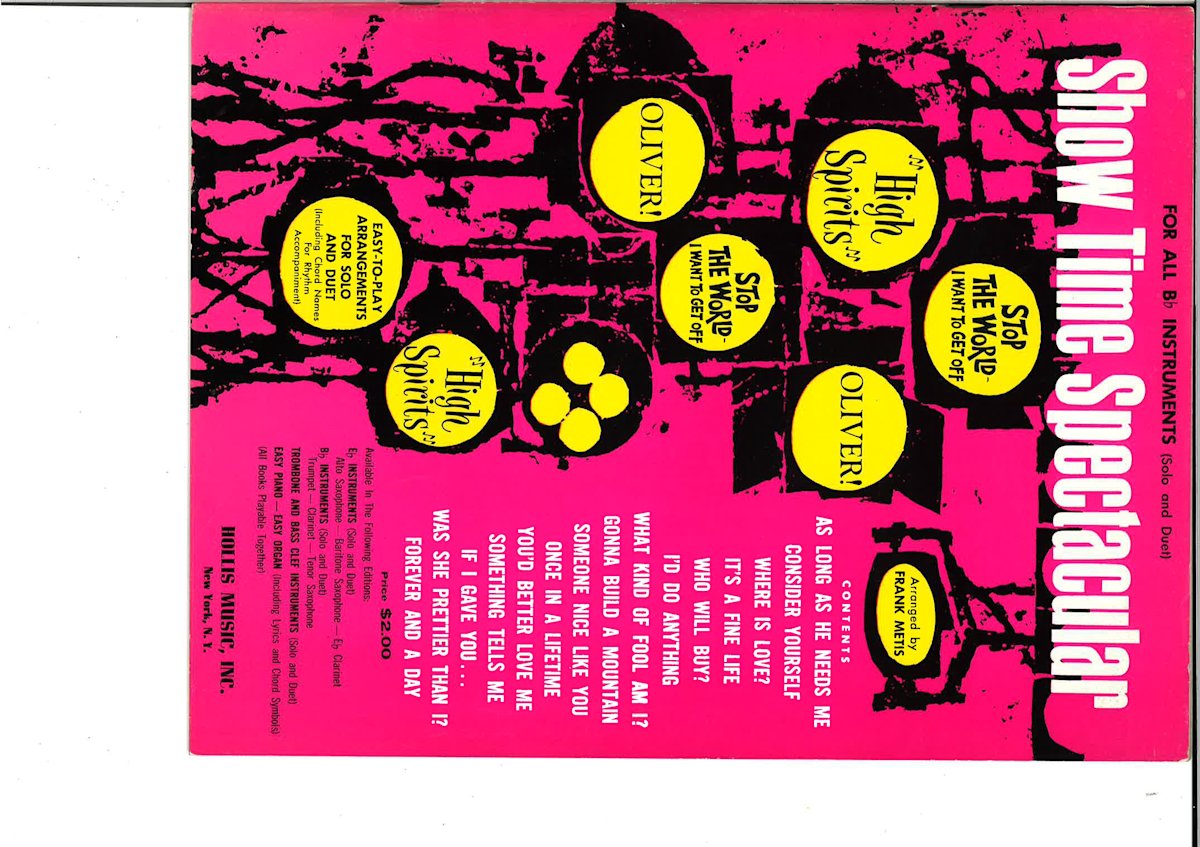
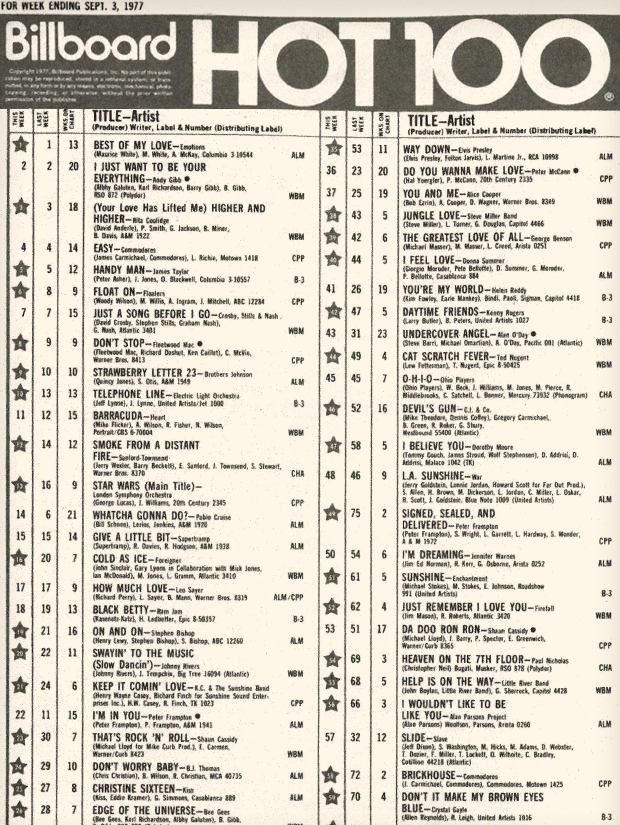
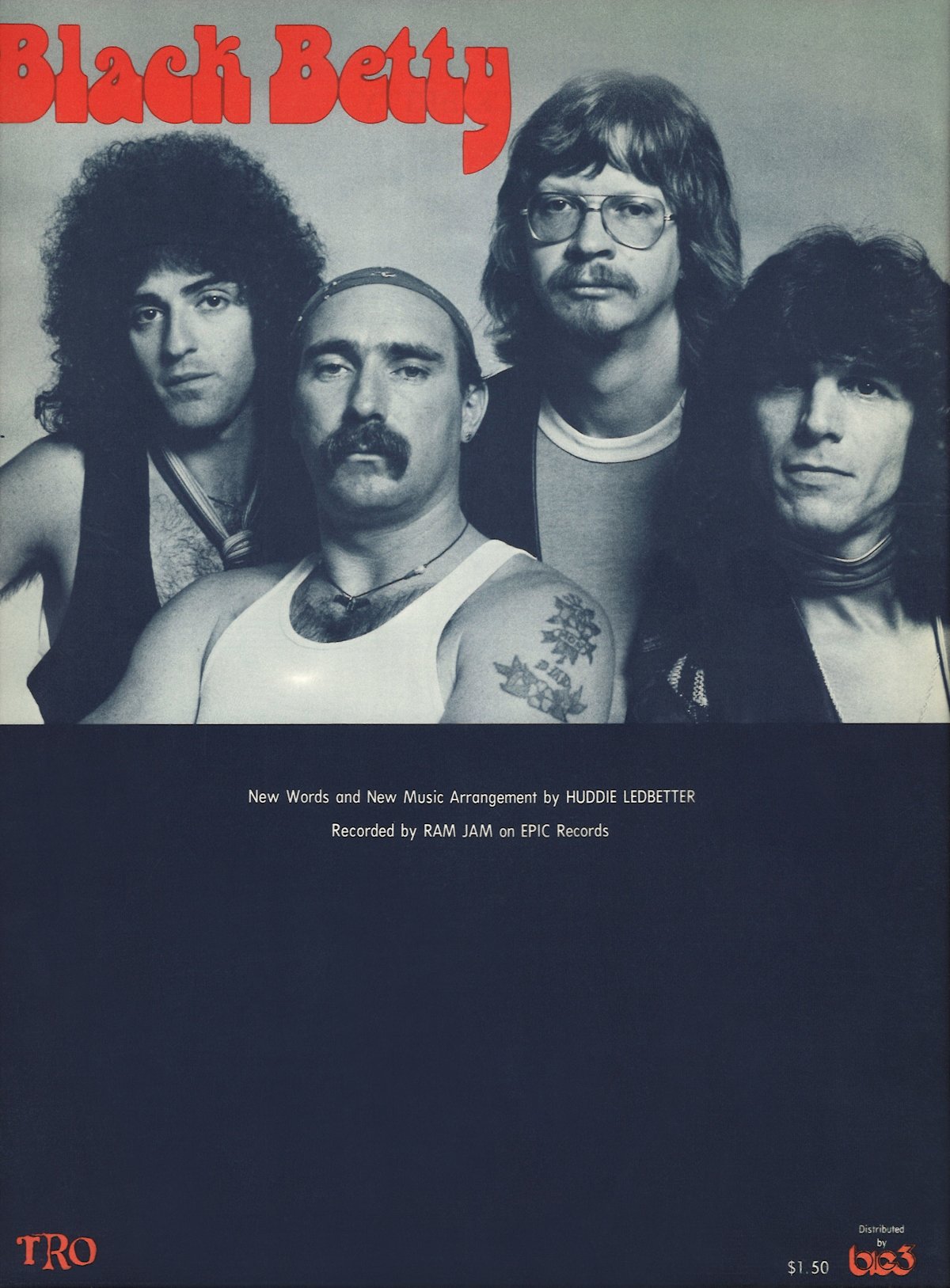
The 1970s concluded with a top 20 hit recording by Ram Jam of Lead Belly’s "Black Betty," reaching No. 2 on the Billboard charts. Pete Seeger was inducted into the Songwriters Hall of Fame, and in 1978, Bricusse and Newley’s "Stop the World–I Want to Get Off" had a revival on Broadway.